INTERNACIONAL
Libertad de prensa en Panamá enfrenta presiones legales y económicas, advierte la SIP

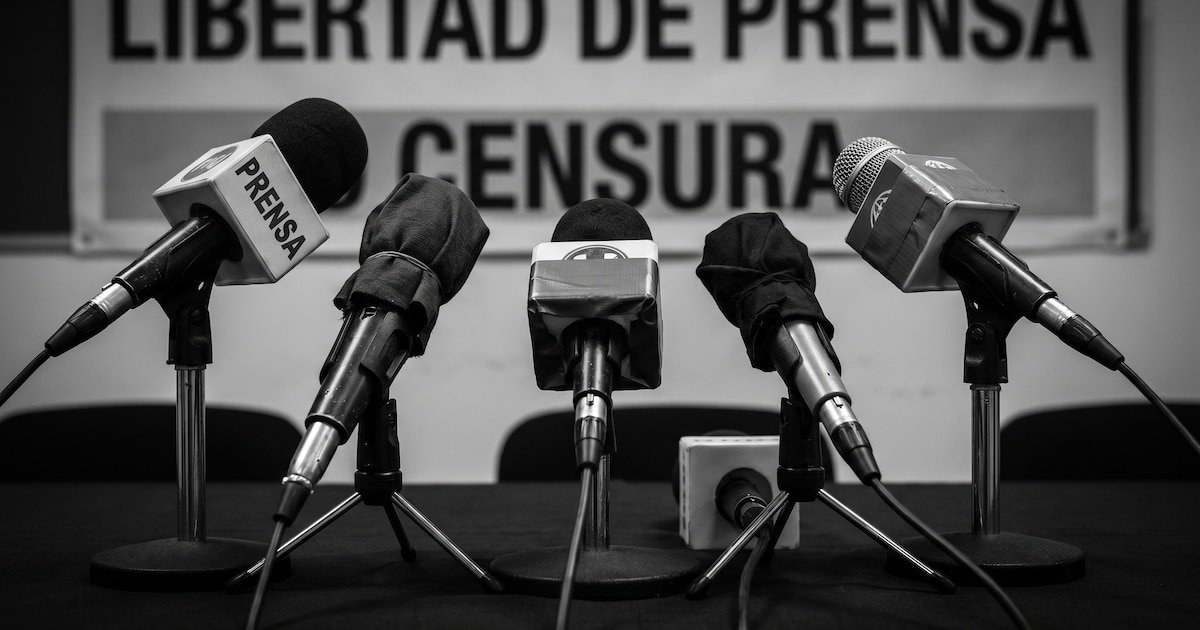
El ejercicio del periodismo en Panamá enfrenta presiones persistentes en los ámbitos judicial, político y económico, según el informe presentado durante la Reunión de Medio Año de la Sociedad Interamericana de Prensa (SIP), realizada el 23 y 24 de abril de 2026.
El documento advierte que, aunque no se registran agresiones físicas graves contra periodistas, se mantienen mecanismos indirectos que afectan la libertad de prensa y generan preocupación sobre el respeto a este derecho fundamental.
Uno de los principales desafíos identificados es el uso de demandas civiles y penales como herramienta de presión contra periodistas y medios, en un marco legal que permite incluso el secuestro de bienes desde etapas iniciales del proceso, sin que necesariamente existan pruebas concluyentes.
Este tipo de acciones no solo incrementa los costos operativos de los medios, sino que también afecta su sostenibilidad y limita la cobertura de temas sensibles, al generar un entorno de riesgo jurídico constante.
Hay medios en el país que enfrentan múltiples procesos judiciales y costos legales millonarios, con demandas que superan los $5millones en primera instancia y otras que han derivado en pagos significativos. A esto se suma el mantenimiento de fondos restringidos por más de $1.2 millones, lo que refleja cómo el sistema judicial puede convertirse en un factor de presión económica directa sobre los medios.

A nivel político, también se identifican tensiones relevantes. La asignación de publicidad oficial como mecanismo de presión ha sido denunciada por diversos actores del sector, señalando que la restricción o retiro de pautas estatales puede influir en las líneas editoriales. Este tipo de prácticas, aunque no constituyen censura directa, generan incentivos para moderar contenidos críticos, afectando la independencia informativa.
El ámbito judicial presenta además precedentes que preocupan a los gremios periodísticos. Hay casos donde periodistas han recibido una orden que le prohibía informar sobre determinados temas durante meses, evidencian la vulnerabilidad del ejercicio periodístico frente a decisiones judiciales que pueden limitar la cobertura de asuntos de interés público, incluso cuando posteriormente sean revocadas.
Otro foco de presión proviene de actores vinculados a investigaciones o figuras públicas, quienes han recurrido a amenazas de demandas, solicitudes de eliminación de contenido y argumentos como un supuesto “derecho al olvido”, inexistente en la legislación local.
En algunos casos, incluso se han detectado ofrecimientos económicos para retirar publicaciones, lo que evidencia una combinación de presión, desinformación jurídica e intentos de censura encubierta.

En el plano legislativo, iniciativas como la reforma al derecho a réplica han generado preocupación por su potencial impacto. La propuesta plantea obligaciones más estrictas para los medios, incluyendo la publicación de réplicas con igual prominencia, lo que podría traducirse en mayores cargas legales, administrativas y exposición a sanciones, reduciendo la capacidad de decisión editorial y ampliando los mecanismos de presión sobre el periodismo.
A esto se suma un entorno de limitaciones en el acceso a la información pública, donde funcionarios evitan responder o utilizan normativas de protección de datos para negar información que debería ser accesible.
La falta de avances en materia de transparencia refuerza un escenario en el que el periodismo enfrenta obstáculos estructurales para cumplir su función de fiscalización.
En el entorno digital, aunque el acoso ha disminuido en términos generales, persisten campañas de desprestigio coordinadas en redes sociales, junto con la proliferación de plataformas de origen incierto que amplifican ataques contra periodistas.
Este fenómeno dificulta la trazabilidad de las agresiones y contribuye a un clima de desinformación y desgaste reputacional para los medios tradicionales, indica la SIP.

Frente a este panorama, los expertos coinciden en que reformar el marco legal para evitar abusos en demandas, garantizar reglas claras sobre el uso de la publicidad estatal, fortalecer la transparencia institucional y proteger el ejercicio periodístico frente a decisiones judiciales desproporcionadas son pasos clave para reducir las amenazas.
Aunque Panamá mantiene condiciones básicas para la prensa, el desafío está en cerrar los espacios de presión indirecta que hoy afectan la libertad informativa y, en consecuencia, el derecho ciudadano a estar informado.
libertad de prensa,censura,periodismo,micrófonos,libertad de expresión,medios de comunicación,información,noticias,democracia,amenaza













INTERNACIONAL
Guerra en Medio Oriente EN VIVO: EEUU emitió una advertencia mundial para los estadounidenses por las tensiones en Medio Oriente
El Departamento de Estado indicó que los ciudadanos que se encuentren en la región “deberían extremar las precauciones y la vigilancia, y estar preparados para posibles cancelaciones de vuelos, cierres periódEEUU emitió una advertencia mundial para los estadounidenses por las tensiones en Medio Orienteicos del espacio aéreo y posibles interrupciones en los viajes”
Estados Unidos realizó su décima noche consecutiva de ataques contra Irán, con explosiones reportadas en distintos puntos del sur del país, entre ellos la isla de Qeshm, Bandar Abbas, Sirik, Chabahar, Isfahán y Konarak, según informes preliminares.
La escalada alcanzó a Kuwait, donde el ejército iraní aseguró haber atacado sistemas de misiles HIMARS estadounidenses desplegados en el Camp Arifjan con proyectiles tierra-tierra. Las autoridades kuwaitíes confirmaron que sus defensas antiaéreas fueron activadas para responder a una incursión de misiles y drones iraníes.
La tensión también se trasladó al Estrecho de Ormuz, una de las principales rutas marítimas para el transporte energético mundial. Un carguero informó haber recibido el impacto de un proyectil de origen desconocido a ocho millas náuticas (14,8 kilómetros) al noreste de Limah, Omán, en un nuevo incidente dentro de la zona.
En paralelo, los hutíes de Yemen anunciaron un bloqueo marítimo contra Arabia Saudita, una medida rechazada de forma categórica por Riad. El gobierno saudita condenó las declaraciones del grupo, que acusa al reino de mantener un cerco sobre Yemen.
Por su parte, Israel informó el inicio de una fase piloto de las denominadas “zonas seguras” en el sur del Líbano, en coordinación con fuerzas militares estadounidenses y libanesas. La iniciativa forma parte de un esquema de control territorial que involucra a tres ejércitos en una de las fronteras más sensibles de Medio Oriente.
A continuación, la cobertura minuto a minuto:
Jordania interceptó cinco drones iraníes
Jordania afirmó haber neutralizado cinco drones procedentes de Irán, según informó el martes la agencia estatal de noticias del país.
Esta mañana, la Guardia Revolucionaria iraní reivindicó varios ataques contra objetivos militares estadounidenses en Jordania, entre ellos un sistema de radar de defensa antimisiles y un avión F-15.
El presidente del Líbano se reúne con Donald Trump en Washington para abordar el desarme del grupo terrorista Hezbollah
El encuentro ocurre un día después de que EEUU anunciara el inicio de la implementación de un acuerdo que otorga al ejército libanés el control sobre “zonas piloto” en el sur del pais, áreas ubicadas principalmente fuera de los territorios que Israel ocupó después de que el grupo terrorista involucrara al país en la guerra de Medio Oriente en marzo


El presidente de Líbano, Joseph Aoun, se reunirá este martes en Washington con su homólogo estadounidense Donald Trump, en medio de la presión internacional para que Beirut avance con el desarme de Hezbollah, una condición clave de Israel para retirar sus tropas del sur del país.
La ASEAN pide la máxima moderación y el cese inmediato de las hostilidades entre Estados Unidos e Irán
Los ministros de Asuntos Exteriores de la ASEAN expresan su “seria preocupación por la rápida evolución de la situación en Medio Oriente”, destacando en concreto la “renovación de las hostilidades entre Estados Unidos y la República Islámica de Irán”.
En un comunicado, el bloque regional advirtió que estas crecientes tensiones “disminuyen las perspectivas de una resolución pacífica a través del diálogo y la diplomacia” y “socavan gravemente los esfuerzos que están realizando los mediadores clave”.
Los ministros también hicieron un llamamiento a todas las partes implicadas para que “ejerciten la máxima moderación y eviten cualquier acto que pueda agravar aún más la situación”. Instaron a un “cese completo e inmediato de las hostilidades en todos los frentes” y exigieron el “restablecimiento del tránsito seguro, sin obstáculos y continuo de los buques” en rutas comerciales clave como el estrecho de Ormuz.
Los diplomáticos también destacaron las consecuencias económicas más amplias del conflicto, señalando las “implicaciones de las continuas tensiones en Oriente Medio para el comercio regional, la energía y la seguridad alimentaria”.
El régimen de Irán lanzó nuevos ataques contra instalaciones militares de EEUU en Jordania, Kuwait y Bahréin
El ejército iraní informó que sus fuerzas alcanzaron sistemas de defensa aérea, instalaciones de radar y edificios administrativos utilizados por Washington en los tres países del Golfo, horas después de una nueva ronda de bombardeos estadounidenses contra objetivos iraníes

Irán atacó este martes instalaciones militares estadounidenses en Jordania, Kuwait y Bahréin y advirtió que lanzará ofensivas “más decisivas y potentes” contra Estados Unidos, en una nueva escalada del conflicto en Medio Oriente que también amenaza con extenderse al Mar Rojo tras el anuncio de los rebeldes hutíes de Yemen de bloquear los puertos de Arabia Saudita.
¿Qué significa el bloqueo marítimo de los hutíes para Arabia Saudita?
El bloqueo naval anunciado sobre el estrecho de Bab el-Mandeb implica que Arabia Saudita perdería una de sus principales rutas de exportación de petróleo hacia el este de Asia, lo que podría afectar de forma considerable sus ingresos por ventas de crudo.
Según el planteo expuesto, la medida también impediría que buques comerciales con destino a Arabia Saudita transiten por ese paso marítimo. Cualquier embarcación que intente exportar mercancías al reino o realizar operaciones comerciales a través de Bab el-Mandeb sería detenida y obligada a retroceder.
En este contexto, la principal incertidumbre gira en torno a la respuesta que adoptará Arabia Saudita. El gobierno saudí podría optar por una reacción militar o intentar resolver la situación mediante negociaciones.
Mientras tanto, una delegación de los hutíes permanece en Omán para mantener conversaciones con funcionarios saudíes. No obstante, el grupo terrorista advirtió que, si Arabia Saudita decide intervenir militarmente, las instalaciones de Saudi Aramco figurarán entre los posibles objetivos de sus ataques.
Los precios del petróleo bajan en medio de informes sobre esfuerzos de mediación entre Estados Unidos e Irán
Según Reuters, los precios del petróleo han caído tras los informes sobre los esfuerzos de mediación entre Estados Unidos e Irán, incluso cuando ambos países lanzaron nuevos ataques y los hutíes de Yemen amenazaron con imponer un bloqueo naval a Arabia Saudí.
Los futuros del crudo Brent cayeron 35 centavos, o un 0,4 por ciento, hasta los 88,87 dólares por barril a las 00:52 GMT, mientras que el crudo West Texas Intermediate (WTI) estadounidense para entrega en septiembre se mantuvo estable en 82,47 dólares por barril.
Irán reivindicó nuevos ataques contra objetivos militares estadounidenses en Kuwait
La Guardia Revolucionaria Islámica ha emitido un segundo comunicado en el que reivindica ataques adicionales contra objetivos militares estadounidenses en Kuwait.
En un comunicado difundido por la agencia de noticias Tasnim, la Guardia Revolucionaria Islámica afirmó que sus fuerzas atacaron un radar de alerta temprana, un sistema de radar de defensa antimisiles, un radar FPS-117, un sistema de defensa Patriot y un sistema de comunicación por satélite de defensa aérea en la base Ahmed Al-Jaber.
El grupo añadió que la operación tenía como objetivo despejar la cobertura de radar en la región antes de nuevos ataques con misiles y drones.
Estados Unidos emitió una advertencia mundial para los estadounidenses por las tensiones en Medio Oriente
El Departamento de Estado de Estados Unidos ha aconsejado a los estadounidenses de todo el mundo que extremen las precauciones, debido al aumento de las tensiones en Oriente Medio y al riesgo de una mayor escalada.
Según el comunicado, los estadounidenses que se encuentren actualmente en Medio Oriente, en particular, “deberían extremar las precauciones y extremar la vigilancia, y estar preparados para posibles cancelaciones de vuelos, cierres periódicos del espacio aéreo y posibles interrupciones en los viajes”.
También instó a los estadounidenses que viven fuera de Medio Oriente a que reconsideren sus viajes a la región o a través de ella.
El departamento advirtió que Irán y los grupos que apoyan a Teherán podrían atacar intereses estadounidenses, instalaciones diplomáticas o lugares relacionados con ciudadanos estadounidenses en el extranjero.
Estados Unidos desvió siete buques comerciales en el mar Arábigo para garantizar el bloqueo sobre los puertos iraníes
El Comando Central informó que también dejó fuera de servicio una embarcación y difundió imágenes de las operaciones realizadas desde el barco de asalto anfibio USS Boxer

El Comando Central de Estados Unidos (CENTCOM) informó este lunes que las fuerzas estadounidenses redirigieron siete buques comerciales y dejaron fuera de servicio otra embarcación como parte de las operaciones destinadas a reforzar el bloqueo naval impuesto sobre los puertos iraníes. La medida forma parte de la campaña militar lanzada por Washington para restringir el tráfico marítimo vinculado con Irán en el estrecho de Ormuz, uno de los corredores energéticos más importantes del mundo.
INTERNACIONAL
DOJ opens probe into Harvard’s financial aid for alleged discrimination against American students
House committee debates DEI impact on medical school standards
The House committee debates the influence of DEI policies on medical school admissions and patient care standards. Lawmakers question deans from major medical schools about allegations from the Justice Department that UCLA granted an illegal edge to Black and Hispanic applicants.
NEWYou can now listen to Fox News articles!
The Justice Department is reviewing whether Harvard University accepted foreign donations that improperly favored students from China and other countries over American students.
The department said Monday that Harvard’s foreign-funding disclosures raised concerns that some donors imposed nationality-based restrictions on financial aid. Officials are examining whether those arrangements violate Title VI of the Civil Rights Act, which bars federally funded institutions from discriminating based on national origin.
«Every American student should have an equal opportunity to compete for college scholarships, grants, and other kinds of financial aid and benefits,» Assistant Attorney General for Civil Rights Harmeet Dhillon said in a statement.
«Schools cannot take federal dollars and then turn around and accept money from foreign sources to give financial aid that deliberately excludes American citizens — doing so is illegal, and we will stop it wherever we find it,» she continued.
KEY TRUMP AGENCY PUTS TOP UNIVERSITIES IN CROSSHAIRS OVER ALLEGED RACE-BASED DORM PROGRAMS
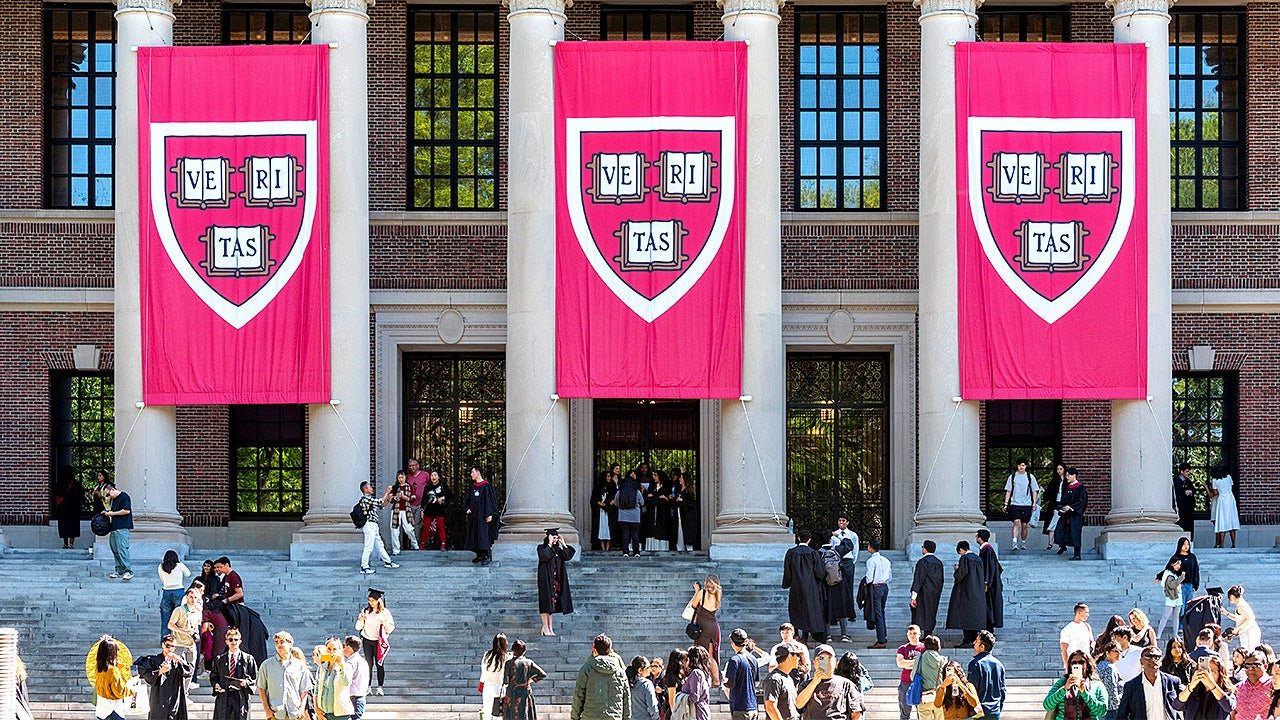
The Justice Department has launched an investigation into whether Harvard University is allowing Chinese donors to create scholarships that exclude American students. (Steve Rosenbach/iStock)
The DOJ said some China-based donors directed Harvard to use their money for aid programs benefiting students from particular countries. The department alleged that complying with those restrictions could disadvantage students of other nationalities, including Americans.
Officials stressed that the review remains ongoing and that the department has not reached any conclusions. The DOJ also did not identify the specific scholarships or donors under examination.
Harvard denied that its financial aid policies violate federal civil rights law.
«Harvard follows the law for required reporting of donations and, consistent with our legal obligations under Title VI, does not unlawfully discriminate on the basis of race, ethnicity, or national origin in allocating financial aid,» the university said in a statement.
DOJ SUES UCLA OVER ALLEGED ‘JUDENREIN’ CONDITIONS DURING ANTI-ISRAEL ENCAMPMENT
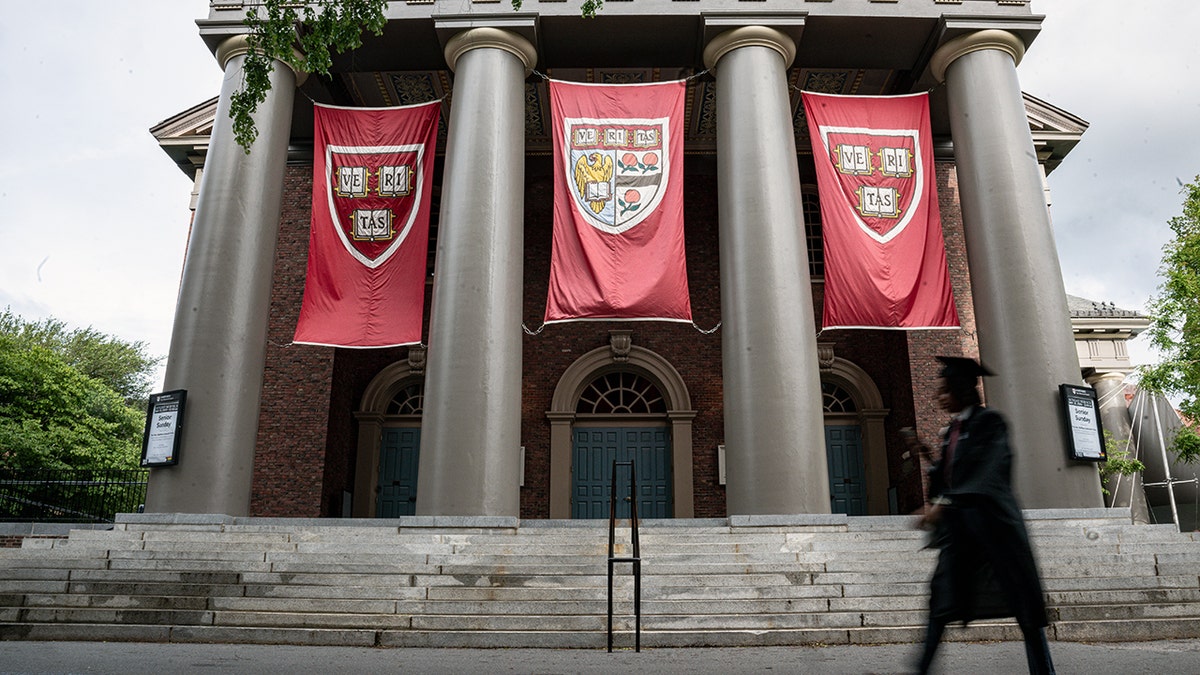
The DOJ said Chinese donors have given money to Harvard to support financial aid programs limited to foreign students from certain countries. (Zhu Ziyu/VCG via Getty Images)
Federal law requires colleges and universities to report foreign gifts and contracts worth at least $250,000. The DOJ said a Civil Rights Division audit of those disclosures found that Harvard had reported nearly $4.5 billion in foreign funding — more than any other American university — including over $630 million from China, its largest foreign source.
The university provides need-based institutional aid to international students, while federal grants and other government assistance are generally limited to eligible US students. Harvard also uses private scholarship and employment funds to support students from outside the country.
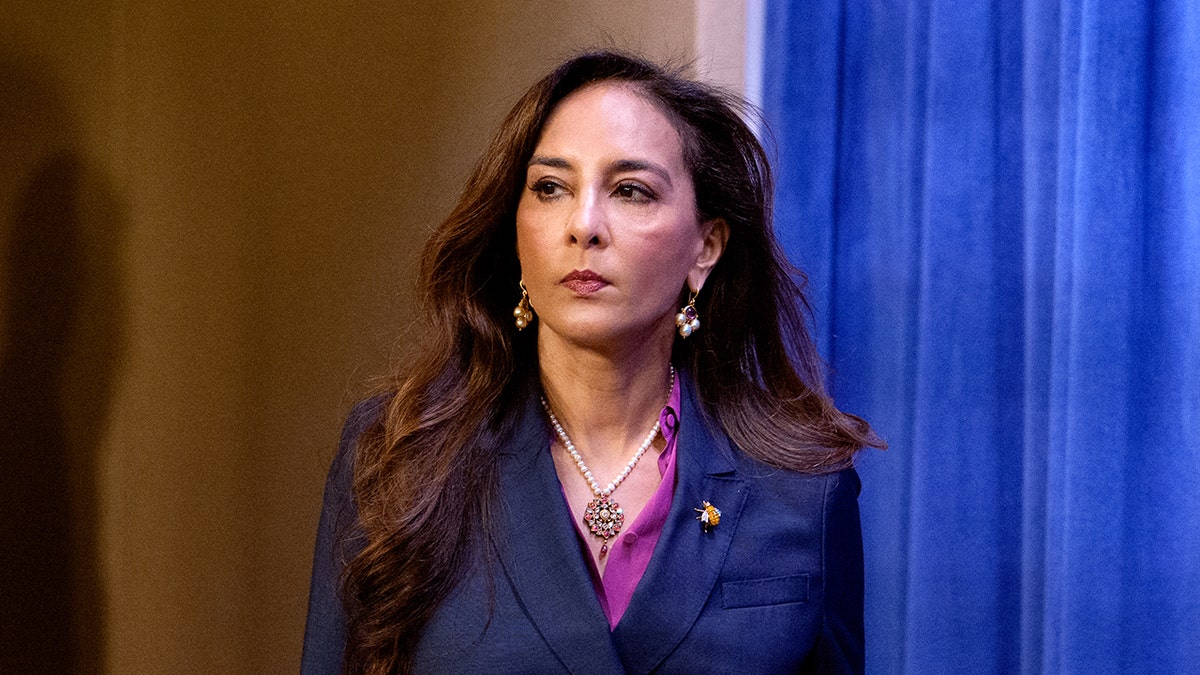
The DOJ said Harvard’s foreign funding disclosures «raised concerns» about the university’s compliance with Title VI’s antidiscrimination requirements. (Andrew Harnik/Getty Images)
Some private gifts have been designated for students from specific nations. In 2014, SOHO China co-founders Pan Shiyi and Zhang Xin donated $15 million to support Chinese students at Harvard. The DOJ has not said whether that gift is part of its review.
The inquiry adds another front to the Trump administration’s broader conflict with Harvard. Federal officials have also scrutinized the university over alleged antisemitism, admissions practices and its treatment of foreign students.
CLICK HERE TO DOWNLOAD THE FOX NEWS APP
A federal judge previously blocked the administration from cutting billions of dollars in research funding from Harvard as related litigation continues.
The Associated Press contributed to this report.
education, justice department, campus controversy, politics, college, donald trump, us
INTERNACIONAL
Nicaragua’s Ortega says country will ‘never again’ hold elections, shutting out opposition
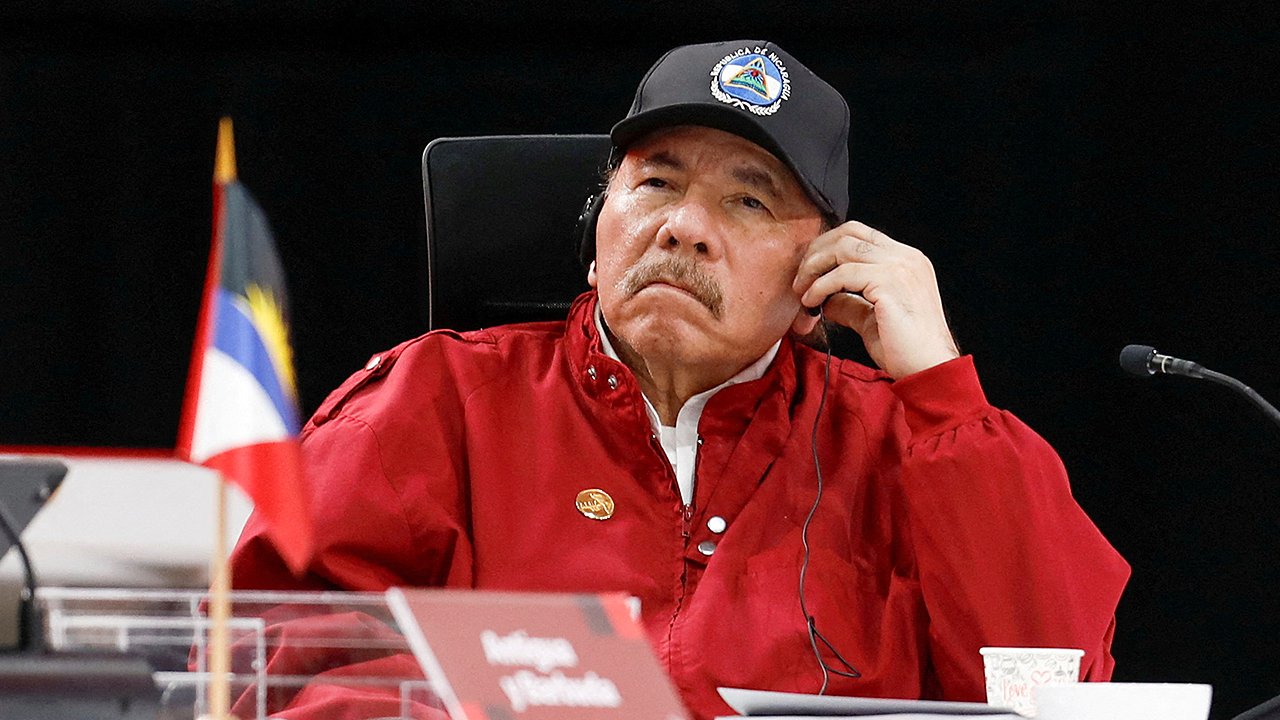
Wall Street eyes the midterm election map
Libby Cantrill, Pimco’s Head of Public Policy, outlines how the upcoming midterm elections could reshape markets, tax policy, and the economy. She explains that while the House may flip to Democratic control, the Senate is less likely to change hands, impacting legislative predictability.
NEWYou can now listen to Fox News articles!
Nicaraguan leader Daniel Ortega said the Central American country would no longer hold elections, further closing off any potential path for the opposition to challenge the government he leads with his wife, Rosario Murillo.
Ortega, Nicaragua’s longest-serving leader, has remained in power since 2007 after previously governing during the 1980s. His current presidential term is scheduled to run through 2027.
«There won’t be any more elections here for them to try to seize the government and seize power,» Ortega said.
He delivered the remarks Sunday during a speech commemorating the 1979 Sandinista revolution, in which Ortega participated in the overthrow of the US-backed dictatorship of Anastasio Somoza.
TRUMP ADMIN BACKS BOLIVIA STATE OF EMERGENCY AS LEFTIST EX-LEADER’S LOYALISTS FRACTURE NATION
Nicaragua’s President Daniel Ortega said officials in the Central American country will no longer hold elections. (REUTERS/Leonardo Fernandez Viloria)
The declaration appeared to eliminate the possibility of a future electoral challenge as Ortega and Murillo continue consolidating control over the country’s political institutions.
«The days when parties backed by the Yankees (United States) and the Somocistas would return to power are over — never again,» Ortega declared.
Fox News Digital has reached out to the U.S. State Department for comment.
The Trump administration has described the Ortega-Murillo government as a dictatorship and imposed sanctions on members of the government and their allies. The State Department has also enacted visa restrictions targeting more than 2,350 Nicaraguan officials and their family members.
«The United States stands with the Nicaraguan people who, like Rivera, aspire to see a free Nicaragua,» Secretary of State Marco Rubio said in June.
TRUMP EXPANDS CUBA SANCTIONS BEYOND US COMPANIES IN MAJOR CRACKDOWN ON FOREIGN ENABLERS
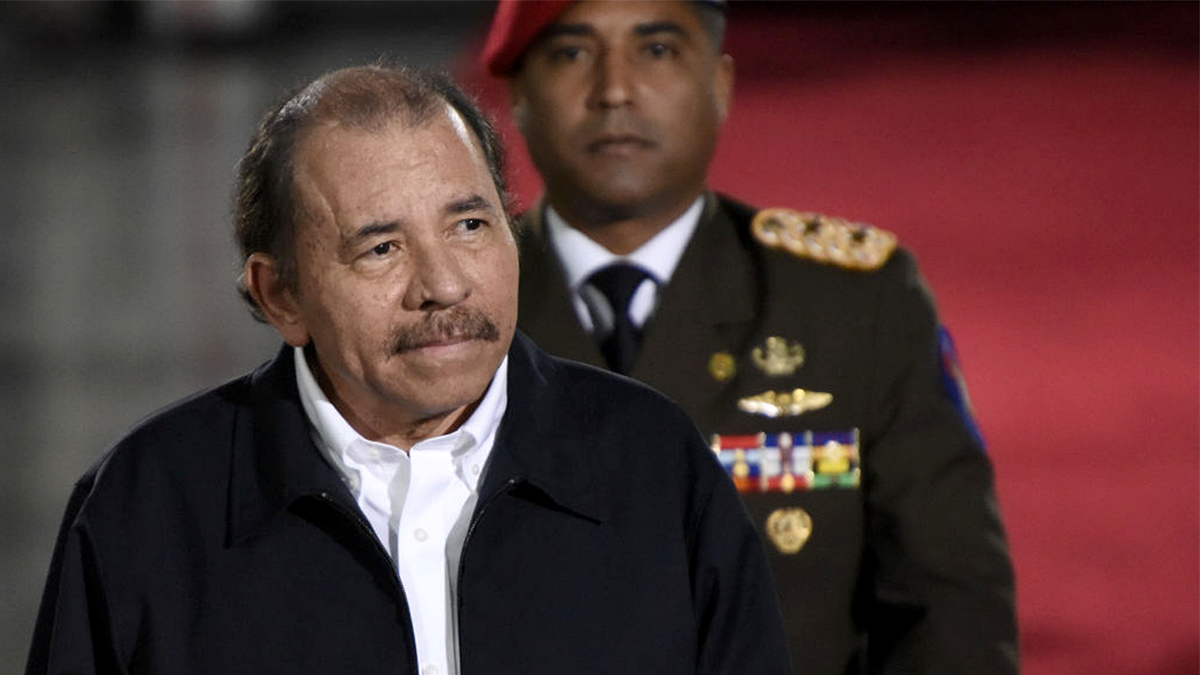
The Trump administration has described the Ortega government as a dictatorship. (Carlos Becerra/Bloomberg)
The Biden administration previously said Ortega illegitimately awarded himself another term following Nicaragua’s disputed 2021 presidential election.
Authorities arrested presidential candidates, opposition figures, business leaders and journalists ahead of that vote as the government intensified its criminalization of dissent.
Ortega and Murillo further expanded their authority through sweeping constitutional changes that took effect in 2025. The reforms extended the presidential term from five years to six and elevated Murillo from vice president to «co-president.»
The changes also placed Nicaragua’s legislative, judicial and electoral institutions under the authority of the presidency, according to United Nations experts.
Ortega and Murillo now exercise control over nearly every branch of the government, including the armed forces, police and judiciary.
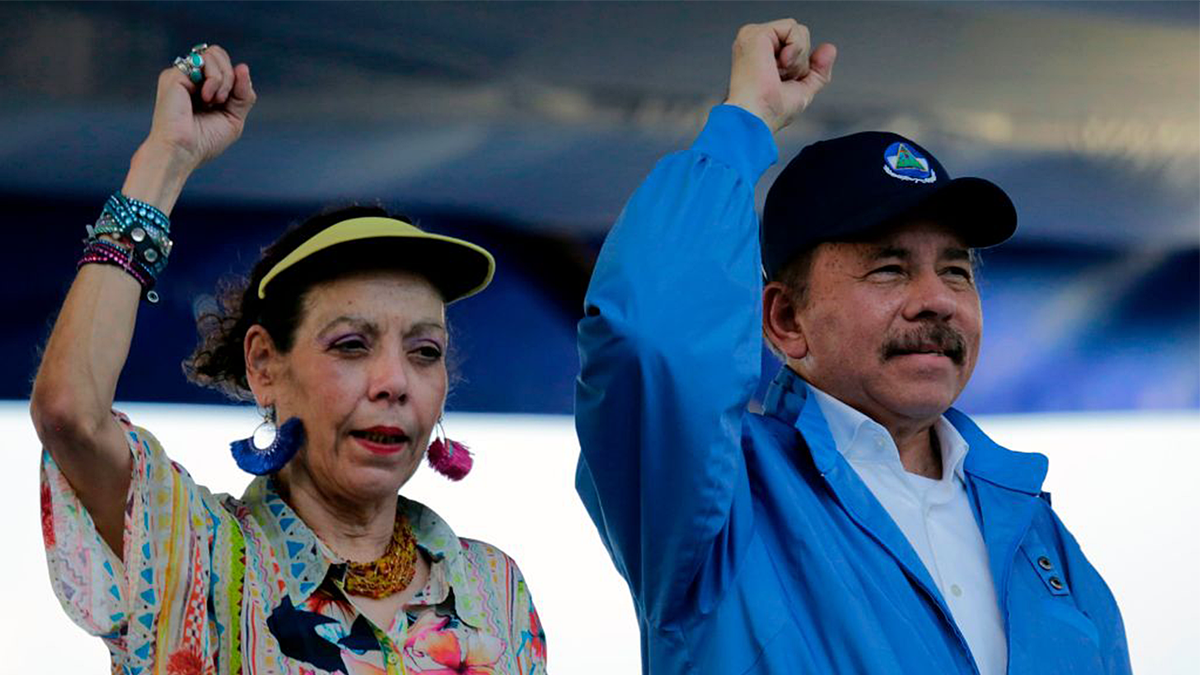
Nicaraguan President Daniel Ortega and his wife, Rosario Murillo, have control over nearly every aspect of the country’s government. (INTI OCON/AFP)
Ortega had already effectively eliminated meaningful electoral competition during elections in 2011, 2016 and 2021, Salvador Marenco, coordinator of the Costa Rica-based Nicaragua Nunca Más Human Rights Collective, told Reuters.
Many prominent opposition leaders have been imprisoned, forced into exile or stripped of their Nicaraguan citizenship, while opposition parties and independent civic organizations have lost their legal status.
A United Nations group of experts has accused the Ortega-Murillo government of systematically violating human rights as part of a campaign to eliminate criticism and preserve its hold on power. The experts said some alleged violations may amount to crimes against humanity.
CLICK HERE TO DOWNLOAD THE FOX NEWS APP
The government launched a violent crackdown on anti-government protests in 2018. More than 300 people were killed during the unrest, according to international human rights groups.
Reuters contributed to this report.
world, central america, elections, politics, world protests

El post Mundial del peronismo: se pone en juego la frágil unidad electoral y la convivencia política

Autos híbridos vs. nafteros: qué opción prefieren los usuarios entre la nueva tecnología y los 0 km convencionales

El emotivo mensaje de Leandro Paredes tras perder la final: “Fue un orgullo ser parte de esta Selección”

Espías rusos. El novelesco periplo de la familia de Belgrano a la que Putin recibió con flores blancas, rosas y púrpuras

Guerra en Medio Oriente EN VIVO: EEUU emitió una advertencia mundial para los estadounidenses por las tensiones en Medio Oriente

Zoe Hochbaum debuta como conductora en Elenco Inestable en Radio con Vos: “Nervios, manija y felicidad”

Rubio’s call to combat global funders of far-left terrorism could put Singham in crosshairs

Sismo de 7.4 sacude a Guatemala: Autoridades declaran alerta anaranjada por daños y descartan tsunami

Canales para ver EN VIVO el San Lorenzo vs. Deportivo Riestra por la Copa Argentina

Rogelio Frigerio presentó un seguro multirriesgo con un fondo de USD 1 millón para el maíz en Entre Ríos

 POLITICA21 horas ago
Sin la Copa y sin Messi en el avión, vuelve Tapia y deberá enfrentar tres frentes de tormenta tras la pausa del Mundial
- INTERNACIONAL3 días ago
Estados Unidos cambia una regla histórica del jugo de naranja vigente desde 1963 y afecta a toda la industria
- CHIMENTOS3 días ago
Es el conductor más querido de la tele y tan argentino como el mate, pero pocos saben que nació en España: ¿a quién alentará en la final?