
INTERNACIONAL
‘Stop this insanity’: Angel mom rips Newsom, Dems for bill to use taxpayer dollars for illegals’ defense

NEWYou can now listen to Fox News articles!
California Angel Mom Agnes Gibboney, who lost her son in an illegal alien-involved shooting, is blasting Gov. Gavin Newsom and state Democrats over a proposed bill that would use taxpayer dollars to fund legal defense for immigrants facing deportation. She urged voters to «stop this insanity.»
State lawmakers are considering a proposal that would expand access to taxpayer-funded legal representation for immigrants facing deportation proceedings. The measure would build on existing state programs by creating a framework to provide attorneys to adults in immigration court, regardless of legal status, with priority given to those in detention. This comes as California, and other sanctuary states across the country, are facing increasing pressure and scrutiny from the Trump administration for allegedly prioritizing illegal aliens over citizens.
In an interview with Fox News Digital, Gibboney, whose son, Ronald, was shot and killed by an illegal alien, ripped into Newsom and California Democrats over the bill. She claimed that it is further proof that they care for illegal immigrants more than citizens.
«My son was murdered,» she said. «Not one politician has ever contacted me. Not one politician said, ‘I’m so sorry that this previously deported criminal illegal alien shot and killed your son.’ Not one of them.»
NEWSOM ADMINISTRATION ALLEGEDLY KNEW OF $2B CALIFORNIA BUDGET ERROR FOR MONTHS: REPORT
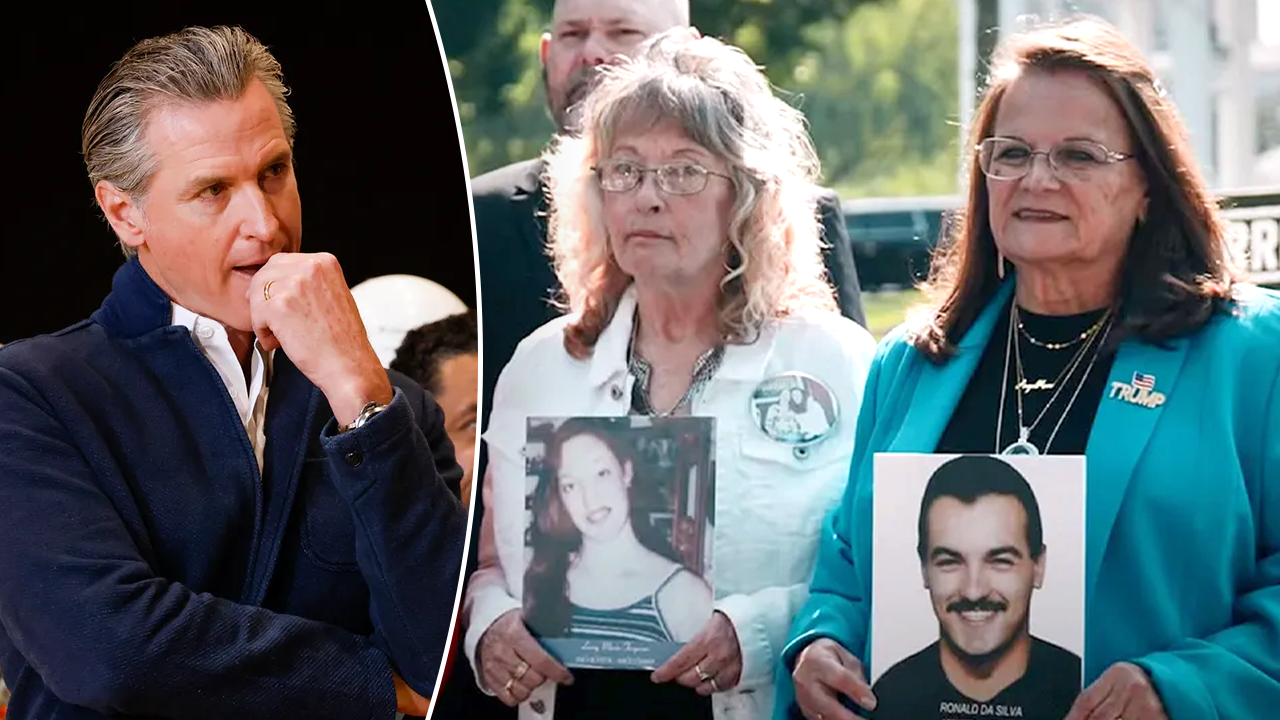
California Democratic Gov. Gavin Newsom is being criticized by angel mother Agnes Gibboney (far right), whose son, Ronald da Silva, was killed by an illegal immigrant gang member in 2002. (Carlin Stiehl/Los Angeles Times via Getty Images; White House)
Gibboney said that since losing her son in 2002, she sent Newsom «many, many emails,» and «never once did I get a response, not even from his office, much less from Newsom.»
Newsom has not signaled whether he would sign the bill into law. He previously signed legislation that created and expanded a state-funded legal aid program to ensure legal representation for unaccompanied immigrant children in deportation proceedings.
Ronald da Silva, 29, the son of a law enforcement official, was shot and killed by an illegal immigrant gang member while standing in his driveway.
Gibboney asserted that «Newsom doesn’t care about citizens of this country, about legal immigrants like myself. He cares about free votes from illegal aliens.»
Regarding the legal defense bill, Gibboney said she is «outraged.»
«California is about three to 400 billion, with a ‘B,’ dollars in debt. How is that possible? How much more can you milk us citizens?» she railed.
Meanwhile, for citizens, she said, «everything has gotten worse» under Newsom.
ILLEGAL ALIENS ARE GETTING TAXPAYER-FUNDED BOOB JOBS AND SEX CHANGE OPS IN NEWSOM’S CALIFORNIA, WATCHDOG SAYS
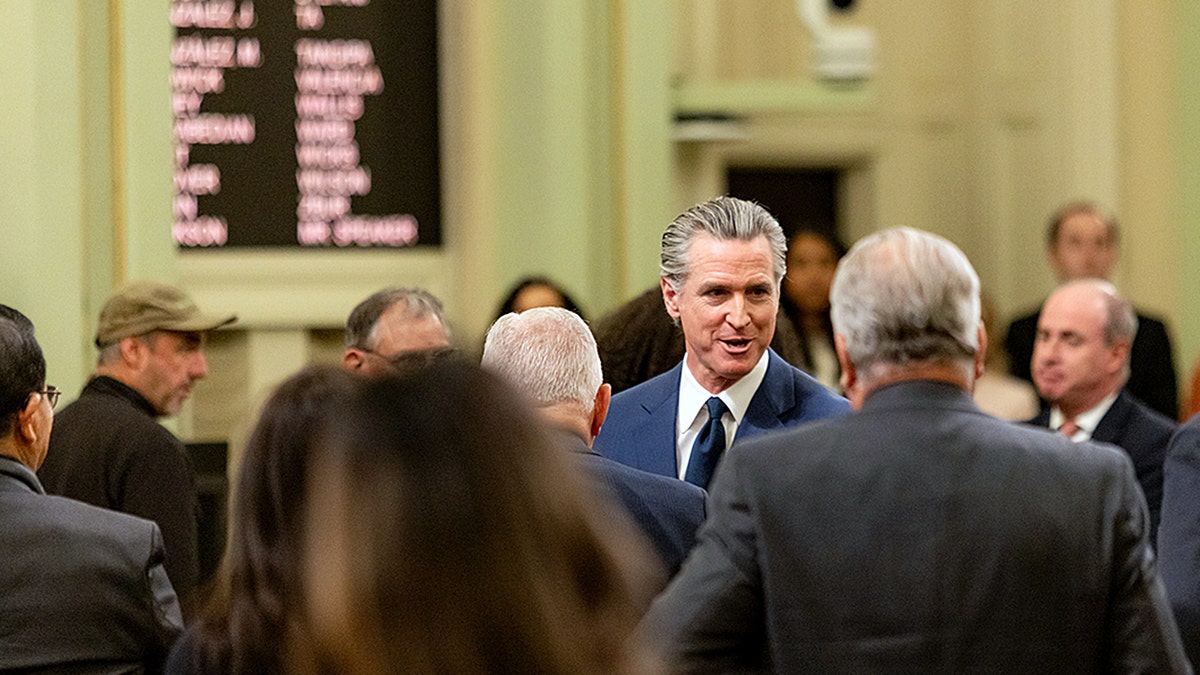
California Gov. Gavin Newsom departs the Assembly Floor at the state Capitol in Sacramento after delivering his State of the State address on Jan. 8, 2026. (Jason Henry/Bloomberg)
«We have the highest tax in the entire country, we have the highest cost of living, the most homeless,» she said, adding, «We are number one on everything, and nothing number one in good things, it’s always on the bad things.»
«We taxpayers keep paying more and more each year for taxes just so our government, actually Gavin Newsom, can hand it out and squander our tax dollars and give it to illegal aliens.»
The bill, introduced by Democratic Assembly member Mia Bonta in February, advanced out of two Assembly policy committees and is currently under review in the Assembly Appropriations Committee.
In addition to Gibboney, the bill has garnered significant outrage, including from the American Border Story, a group that advocates on behalf of the families of victims of migrant crime. Earlier this month, the group condemned the measure as «a grave affront to Angel Families across the country who have suffered immeasurable loss at the hands of foreign criminals.» The group asserted that the bill «actively incentivizes illegal immigration and directly undermines the progress achieved by the Trump administration since the President’s second inauguration.»
At the same time, the bill has been lauded by some, such as Abraham Bedoy, manager of California policy and government affairs for the Immigrant Legal Resource Center. Bedoy said in a March statement that «increasing immigrant legal defense is critical to address the mass deportations, unprecedented numbers of people held in detention, and indiscriminate arrests devastating families, communities, and our economy across our state.»
He called the measure «another important step in our state’s strong trajectory towards universal legal representation.»
DOJ SUES NEWSOM OVER CALIFORNIA MEASURE GIVING ILLEGAL IMMIGRANTS COLLEGE TUITION BENEFITS
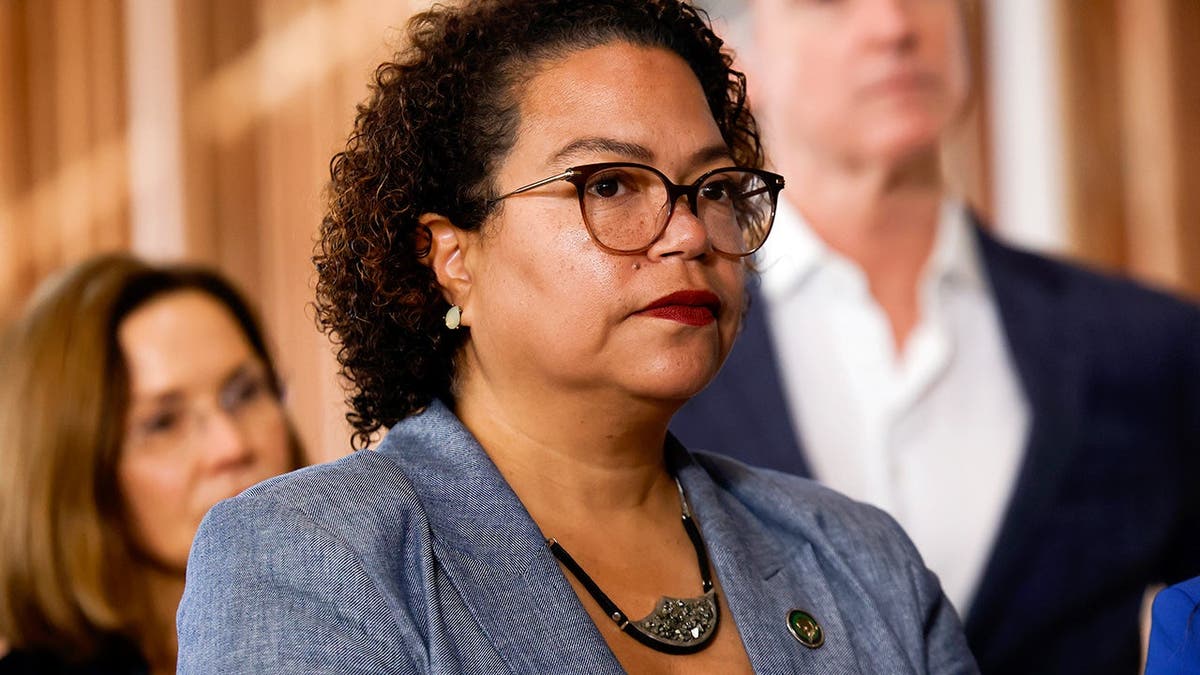
Assembly member Mia Bonta attends a press conference announcing new funding for communities across the state to address homelessness and mental health in Hayward, California, March 2, 2026. (Jessica Christian/San Francisco Chronicle)
While the bill does not explicitly outline all its exclusions, existing California policy suggests some immigrants with certain criminal histories could be excluded or deprioritized under any expanded program. California has already moved to limit state-funded legal aid in certain immigration cases, particularly for individuals with serious or violent felony convictions.
Bonta, who represents the Oakland area, framed her bill as ensuring «every Californian’s right to a fair hearing.»
In a March statement, Bonta’s office said the bill «builds on» her earlier bill to expand access to counsel for unaccompanied minors and other young immigrants in removal proceedings. That bill was signed into law by Newsom last year.
«Every person deserves their day in court, with a lawyer by their side. In California, thousands of our neighbors are being swept into one of the most complex legal systems in the country, often in a second language, without an attorney or a fair shot,» she said in a March statement.
She decried the Trump administration’s «mass deportation machine,» saying it is «accelerating that injustice.»
«[The bill] represents California’s chance to stand up for our values: a commitment to due process, dignity, and the principle that justice shouldn’t depend on what you can afford,» said Bonta.
Gibboney, however, said California should «use that money appropriately.»
«Use it for our education, which is failing… Use it for the veterans for better healthcare and for the seniors for better healthcare,» she suggested.
She urged Newsom to «recall his oath of office is to serve us, the public, we the people, not those that broke into our country and came here illegally.»
CLICK HERE TO DOWNLOAD THE FOX NEWS APP
«Ronald was my firstborn and only son. He was 29 years old, a father of two. They were 8 and 10,» she shared. «The media usually doesn’t talk about that kind of family separations, six feet of dirt in a coffin. But they talk about the ones that are deported to their country, where they can go back and visit and be reunited. I can never be reunited with my son.»
While expressing she is grateful that Newsom is term-limited, Gibboney urged California voters to vote to «stop this insanity,» saying, «Yesterday it was my son that was shot by a previously deported criminal illegal alien. Tomorrow it could be your child.»
illegal immigrants, california, gavin newsom, immigration, bills







INTERNACIONAL
New York gubernatorial candidate urges 9/11 attendees to turn away from Mamdani during ceremony
NEWYou can now listen to Fox News articles!
Bruce Blakeman, the Republican candidate in New York’s gubernatorial race, said Wednesday that attendees at this year’s Sept. 11 memorial ceremony should turn their backs on New York City Mayor Zohran Mamdani if he attends.
«I would equate this to a wake. You don’t go to a wake if you’re not welcome,» Blakeman, whose nephew was killed in the South Tower on Sept. 11, 2001, and who currently serves as Nassau County executive, told reporters.
«I think it’s completely appropriate if family members ask him not to come, but if he does come, I think there’s a respectful and peaceful way to protest that and I would suggest that people turn their back on the mayor,» he said.
FIREFIGHTER BROTHER OF 9/11 VICTIM INCENSED BY ‘RADICAL’ MUSLIMS WINNING KEY DEM PRIMARIES
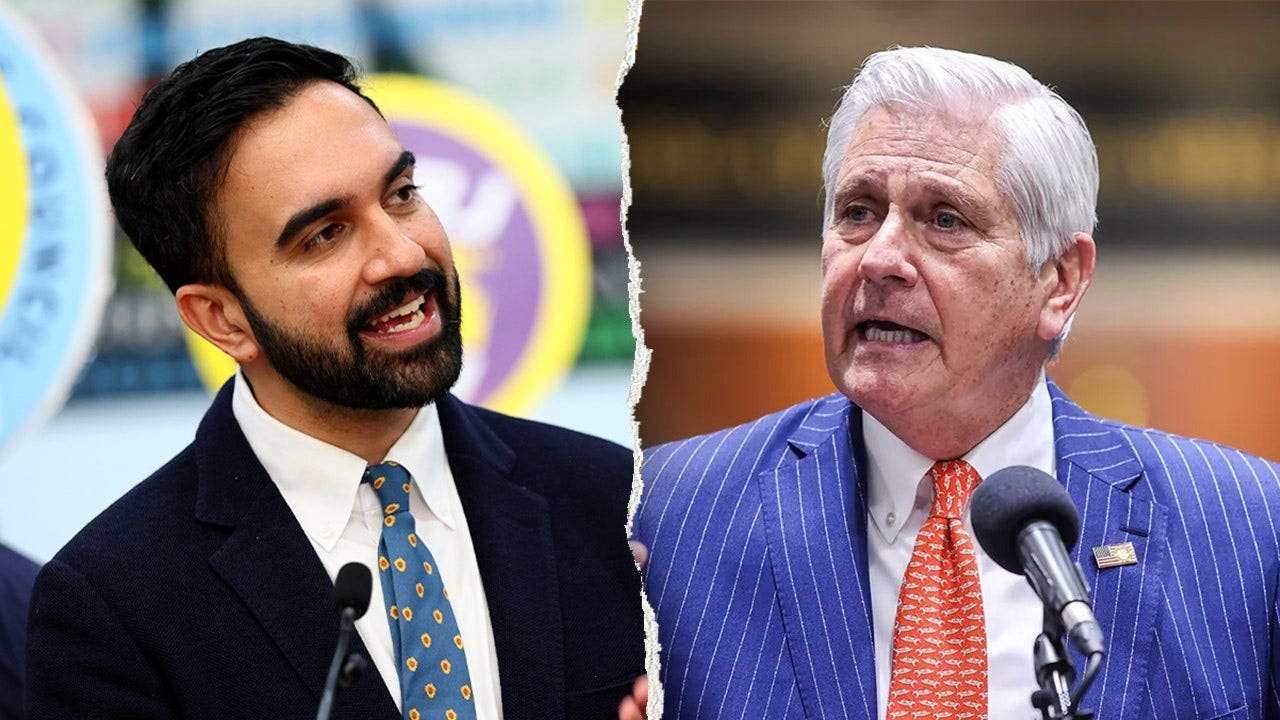
Nassau County Executive Bruce Blakeman, right, and New York City Mayor Zohran Mamdani. Blakeman called for a silent protest if Mamdani attends this year’s Sept. 11 memorial ceremony. (Steve Pfost/Newsday RM via Getty Images; Michael M. Santiago/Getty Images)
Blakeman argued Mamdani’s refusal to condemn the phrase «globalize the intifada» should disqualify him from attending the ceremony marking the 25th anniversary of the terrorist attacks.
«He’s not welcome there because he has yet to say anything in opposition to the global intifada. As a matter of fact, it seems like he supports that phrase, which is part of the reason why we had the tragedy we had on 9/11,» Blakeman said.
Mamdani’s office did not immediately respond to a request for comment from Fox News Digital.
The mayor has said he still plans to attend the ceremony.
9/11 FAMILIES PUSH TO BAN MAMDANI FROM 25TH ANNIVERSARY REMEMBRANCE OVER ‘HOSTILE’ RECORD
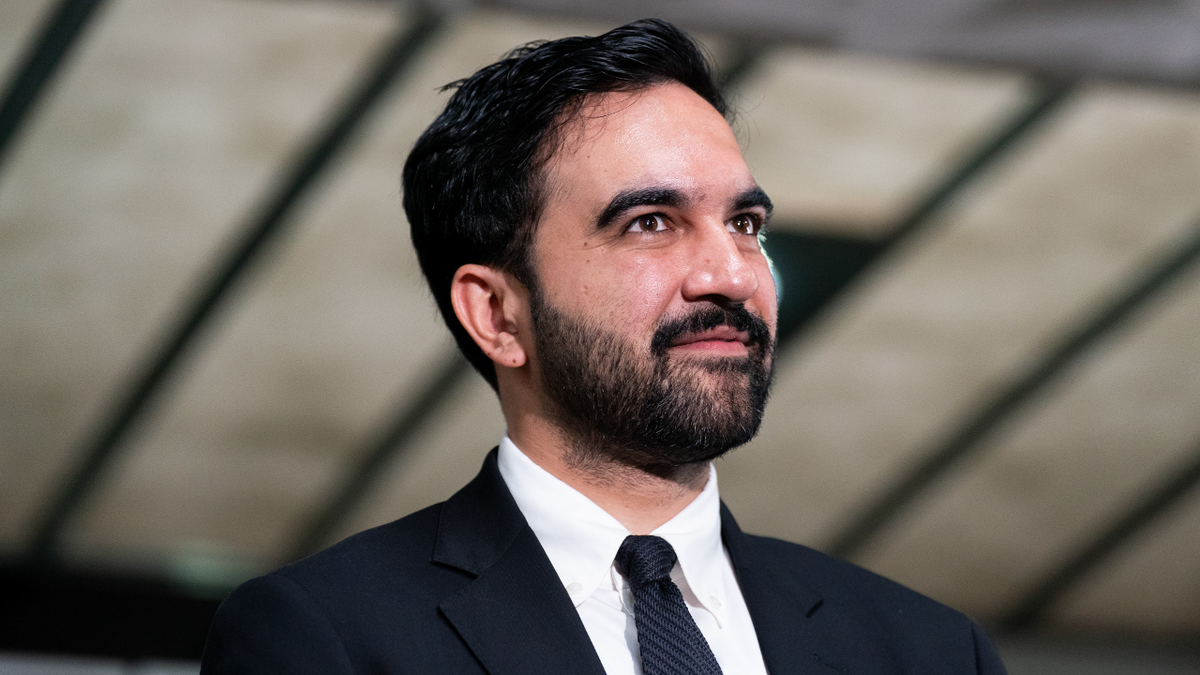
New York City Mayor Zohran Mamdani during an announcement on municipal grocery stores at a Campaign for Hunger community food distribution center in Brooklyn on July 27, 2026. (Adam Gray/Bloomberg via Getty Images)
«I will proudly honor the families, the survivors, the first responders forever impacted by that horrific terror attack by standing alongside them at this year’s 9/11 commemoration — reaffirming that we will never forget the solemn day…» Mamdani said last week.
His comments came after relatives of Sept. 11 victims launched a petition urging the National September 11 Memorial & Museum to bar Mamdani from attending the ceremony in Lower Manhattan.
«Concerns have been raised about Mr. Mamdani’s public positions, associations, and responses to rhetoric that many perceive as hostile to these shared values,» the Change.org petition states.
«Given these concerns, we respectfully ask that the organizers carefully consider whether Mr. Mamdani’s participation would align with the intention of the ceremony and the expectations of the families most directly affected by the tragedy.»
JEWISH LEADERS FAULT MAMDANI RHETORIC AS UPPER WEST SIDE STABBING, HATE CRIME PROBE CONTINUES
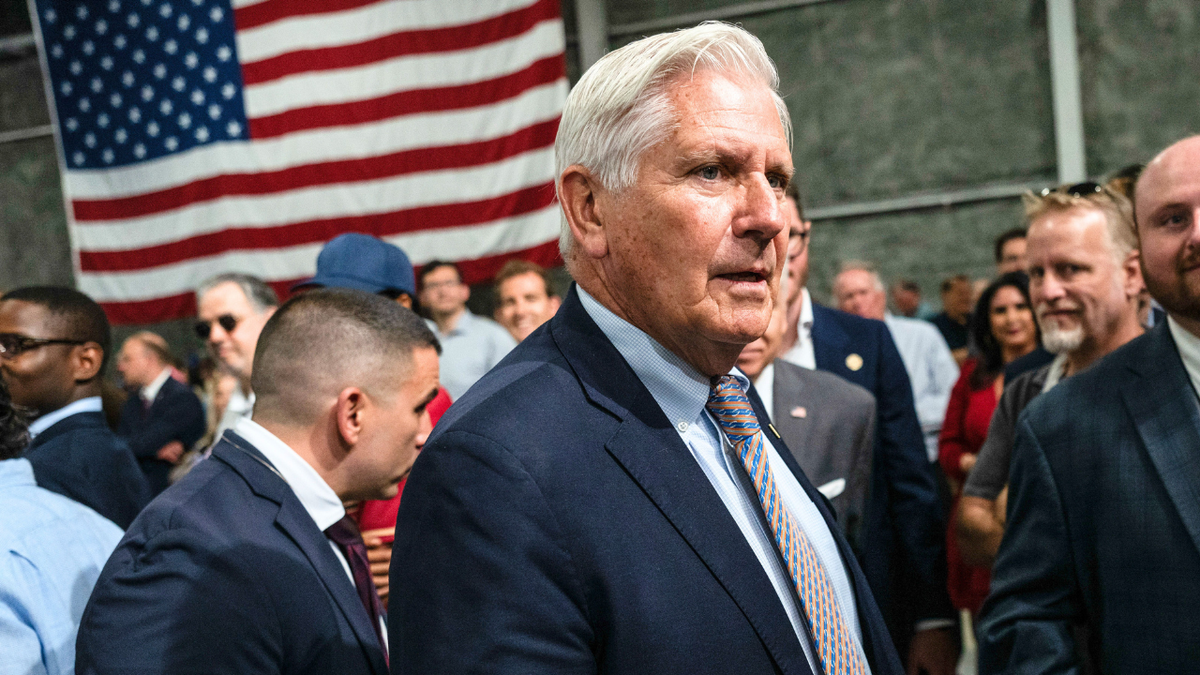
Bruce Blakeman, Nassau County executive and Republican candidate for New York governor, who is running to unseat Democratic Gov. Kathy Hochul and has secured President Donald Trump’s endorsement. (Victor J. Blue/Bloomberg/Getty Images)
A spokesperson for the 9/11 Memorial & Museum previously told Fox News Digital that the organization has «intentionally worked to keep the commemoration free of politics because remembering those we lost on 9/11 should never be a partisan issue.»
«Government officials from across the political spectrum, including every sitting president, governor, and mayor since 9/11, have attended the ceremony simply to bear witness — they do not deliver remarks and are asked to remain in a designated area,» the spokesperson added.
Former New York Gov. George Pataki was also asked Wednesday whether Mamdani should attend the ceremony.
«It’s my nature to be inclusive, and that is my instinct, but Sept. 11 is different. So, I may have comments on that,» Pataki said, according to the New York Post.
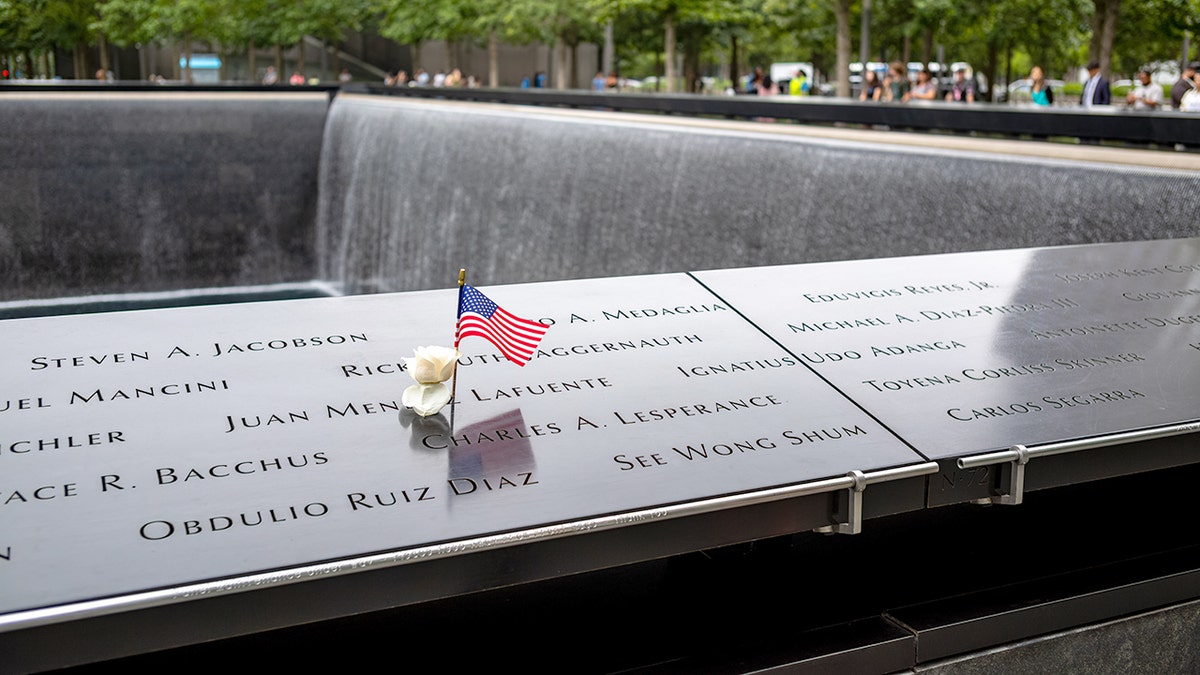
The 9/11 Memorial in the financial district of Lower Manhattan, New York at the site of World Trade Center. (iStock)
Fox News Digital’s Charles Creitz contributed to this report.
zohran mamdani, new york city, politics, gubernatorial, september 11
INTERNACIONAL
La OMS afirmó que el brote de ébola en África está superando la capacidad de respuesta para combatirlo
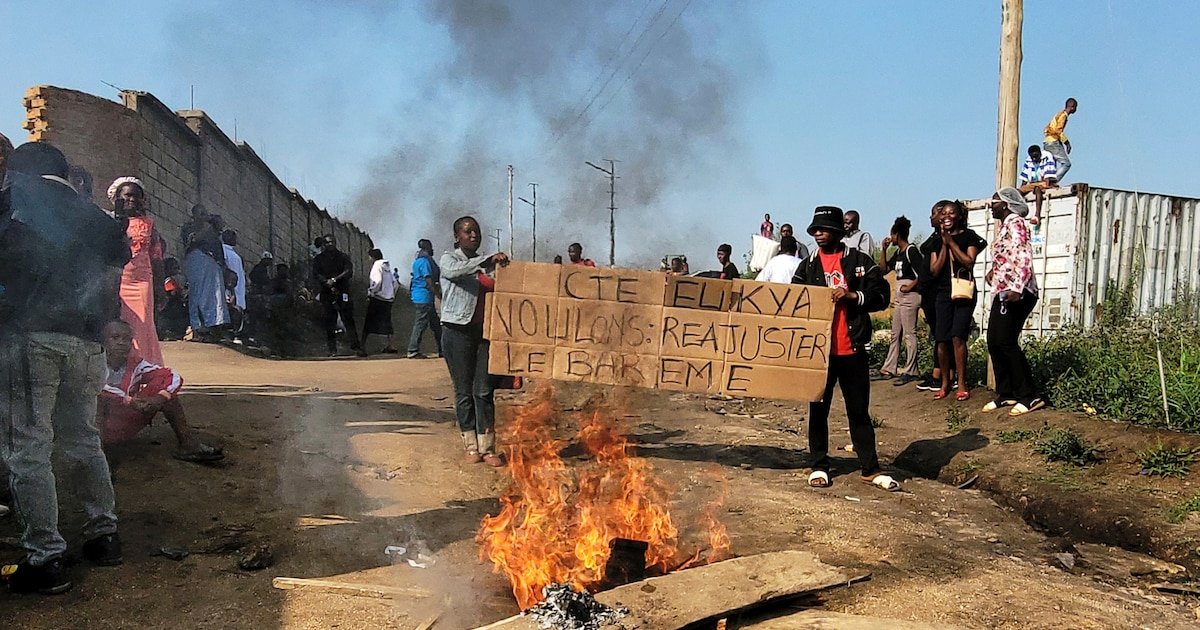
El director general de la Organización Mundial de la Salud (OMS), Tedros Adhanom Ghebreyesus, señaló que el brote de ébola se expande a un ritmo superior a los esfuerzos de control, según advirtió durante una visita a la República Democrática del Congo (RDC). Esta situación crítica se suma a que parte del personal sanitario en el país está en huelga por falta de pago.
Casi tres meses después del inicio del brote, el número de nuevos casos se duplica en algunos puntos críticos, señaló Tedros tras reunirse con autoridades en Kinshasa, capital de RDC. Es la segunda vez que el titular de la OMS visita el país desde que se declaró la aparición de la enfermedad a mediados de mayo.
“Todos coincidimos en que debemos aumentar urgentemente y de manera masiva los esfuerzos en todos los pilares de la respuesta y entre todos los socios”, afirmó Tedros.
Según el Ministerio de Salud de RDC, hasta este jueves se registraron 3.973 casos confirmados y 1.801 muertes. En la provincia de Ituri, epicentro del brote, familias reportan que la huelga de trabajadores sanitarios agravó la falta de acceso a la atención médica en una zona ya afectada por el conflicto armado y la lejanía, cerca de las fronteras con Sudán del Sur, Uganda y Ruanda.
Algunos empleados comenzaron a recibir pagos la última semana por su trabajo desde el inicio de la emergencia, pero reclaman mejoras salariales. Anicet Baluku, residente de Bunia, capital de Ituri, responsabilizó a la huelga de la muerte de sus dos hermanos por ébola. “Urgimos a las autoridades a encontrar una solución rápida para evitar que otras familias sufran la misma tragedia”, declaró a The Associated Press.

Tedros instó a tomar medidas que permitan llegar a todas las localidades afectadas, fortalecer la coordinación bajo el liderazgo del gobierno y proteger a los trabajadores de la salud. “Ante todo, las comunidades deben estar en el centro de la respuesta y ser dueñas de ella”, afirmó. “No podemos detener el ébola sin su confianza, liderazgo y colaboración”.
El actual brote superó en velocidad de transmisión a todos los anteriores y es el segundo más grande registrado, solo superado por el brote de África Occidental entre 2014 y 2016, que alcanzó más de 28.000 casos y más de 11.000 muertes.
El virus Bundibugyo, responsable de este brote, no cuenta con tratamiento ni vacuna aprobados. Las autoridades consideran que el brote se originó en una zona remota antes de su declaración oficial el 15 de mayo.
Médicos Sin Fronteras advirtió que el brote continúa “propagándose a un ritmo alarmante y sin precedentes”. La organización señaló que, aunque la respuesta se está ampliando, aún no alcanza a las comunidades con suficiente rapidez para interrumpir las cadenas de transmisión.
Por su parte, el Departamento de Estado de Estados Unidos anunció una asignación adicional de 242 millones de dólares para la respuesta inmediata al brote de ébola en la región, así como para medidas de preparación y asistencia humanitaria asociadas. Esta financiación eleva el total de la asistencia directa estadounidense a más de 512 millones de dólares.

La directora de los Centros para el Control y la Prevención de Enfermedades de África, Jean Kaseya, alertó durante una visita a Bunia que el rastreo de contactos no está funcionando de manera efectiva. Entre el 60% y el 70% de los nuevos casos no corresponden a personas que estaban siendo monitoreadas tras haber estado expuestas a pacientes infectados.
La detección tardía de casos ha sido un factor determinante en la tasa de mortalidad del 45%, informaron las autoridades. El Ministerio de Salud reportó que, de los 77 casos notificados en las últimas 24 horas, 44 fueron fatales. Actualmente, al menos 717 pacientes permanecen aislados y 749 han logrado recuperarse.
La directora de los Centros para el Control y la Prevención de Enfermedades de África, Jean Kaseya, señaló que el organismo coordina los esfuerzos con los equipos de respuesta en torno a la detección temprana, el rastreo de contactos más eficaz, el acceso rápido a atención de calidad y una mayor participación comunitaria.
(Con información de Associated Press)
General Health,Medicines,Africa,Health / Medicine
Senate panel moves to vote on Fauci contempt resolution
Fox News correspondent Lucas Tomlinson reports on a Senate panel’s upcoming vote to hold former NIAID Director Dr. Anthony Fauci in contempt of Congress. The resolution follows a contentious COVID-19 hearing where Fauci invoked his Fifth Amendment rights more than one hundred times.
NEWYou can now listen to Fox News articles!
Fox News Digital has confirmed that a key investigative panel in the Senate has obtained Dr. Anthony Fauci’s pandemic-era cellphone.
The cellphone was transferred from the Department of Health and Human Services (HHS) to the Senate Homeland Security Permanent Subcommittee on Investigations chaired by Sen. Ron Johnson, R-Wis.
A spokesperson for the senator told Fox News Digital the subcommittee «obtained a copy of Dr. Fauci’s iPhone that was used during his time at HHS.»
Whether the panel has access to the phone remains unclear.
RAND PAUL SEEKS CONTEMPT CHARGES AFTER FAUCI INVOKES FIFTH AMENDMENT MORE THAN 100 TIMES
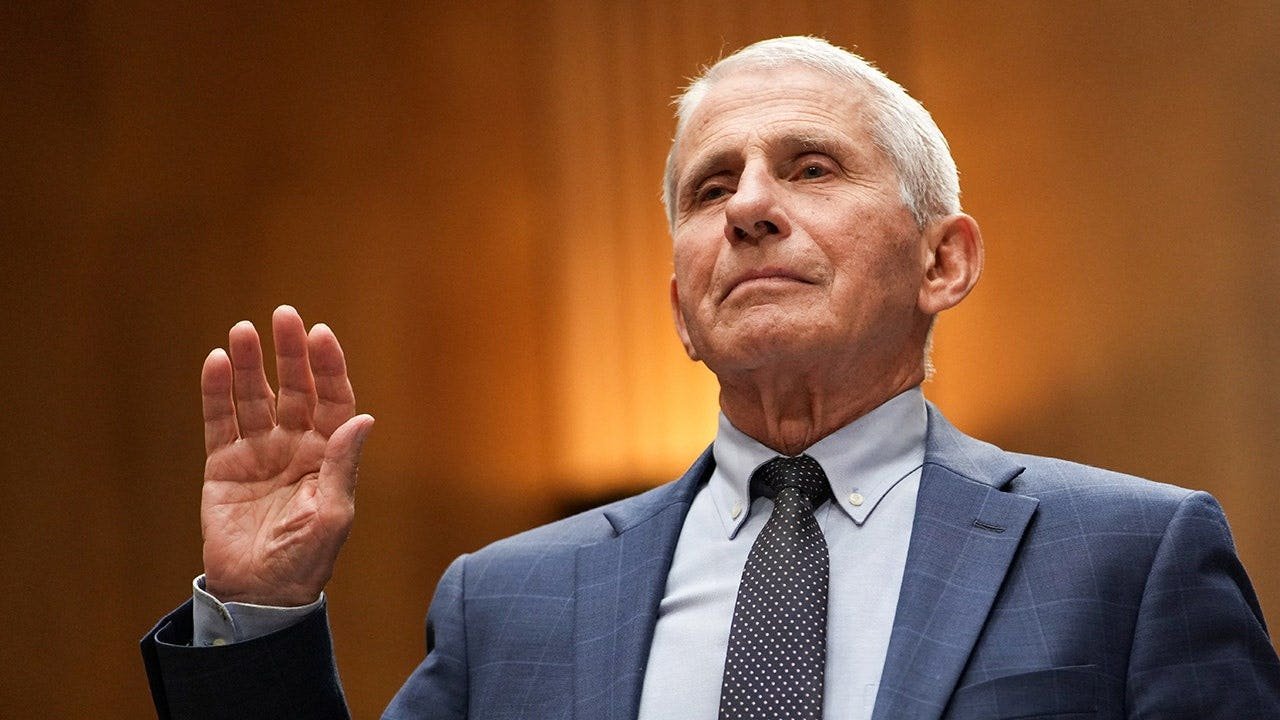
Anthony Fauci, the former director of the National Institute of Allergy and Infectious Diseases and medical advisor to several U.S. presidents, testifies under subpoena about his role in the national response to the COVID-19 pandemic at a U.S. Senate Homeland Security and Governmental Affairs Committee hearing on Capitol Hill in Washington, D.C., July 29, 2026. (Reuters/Nathan Howard)
The committee’s procurement of the phone, first reported by The Wall Street Journal, comes as the Senate Homeland Security and Governmental Affairs Committee readies to decide whether to hold Fauci in contempt of Congress. It also follows the HHS’ move to dump over 1,000 pages of Fauci’s personal diary to the panel just days before the blockbuster hearing.
The hearing, slated for Thursday morning, comes after the panel’s chair, Sen. Rand Paul, R-Ky., subpoenaed Fauci to testify on his alleged role in funding «risky» gain-of-function research in Wuhan, China, where the COVID-19 virus originated.
A source close to Paul’s office told Fox News Digital that the lawmaker is also in possession of the phone.
Last week’s testimony was meant to serve as the climatic duel between Fauci and Paul, who has demanded Fauci be thrown into prison for his role in the nation’s pandemic policy and alleged lies to Congress.
But it didn’t turn out that way.
TOP 5 MOMENTS FROM FAUCI’S HEARING: PAUL BOOTS LAWYER, MORENO ERUPTS AS CONTEMPT VOTE LOOMS
Fauci, on advice from his lawyers, opted to plead the Fifth Amendment out of concern about self-incrimination before a panel that he charged was designed to ensnare him.
«Although it pains me to do so because of the respect I have for the legislative branch of government and my decades-long record of cooperating with Congress under the advice of my attorneys, I will invoke my right under the Fifth Amendment of the Constitution to refrain from answering your questions,» Fauci said.
What ensued was Republicans on the panel peppering Fauci with questions probing his involvement in an alleged lab leak that led to the virus’ rapid spread to what day of the week it was. Democrats charged that his decision to activate his constitutional rights was the right call given Paul and his colleagues’ determination to catch him in a lie.
WATCH: RAND PAUL SAYS THERE’S ONE THING AMERICANS HAVE NEVER HEARD FROM FAUCI
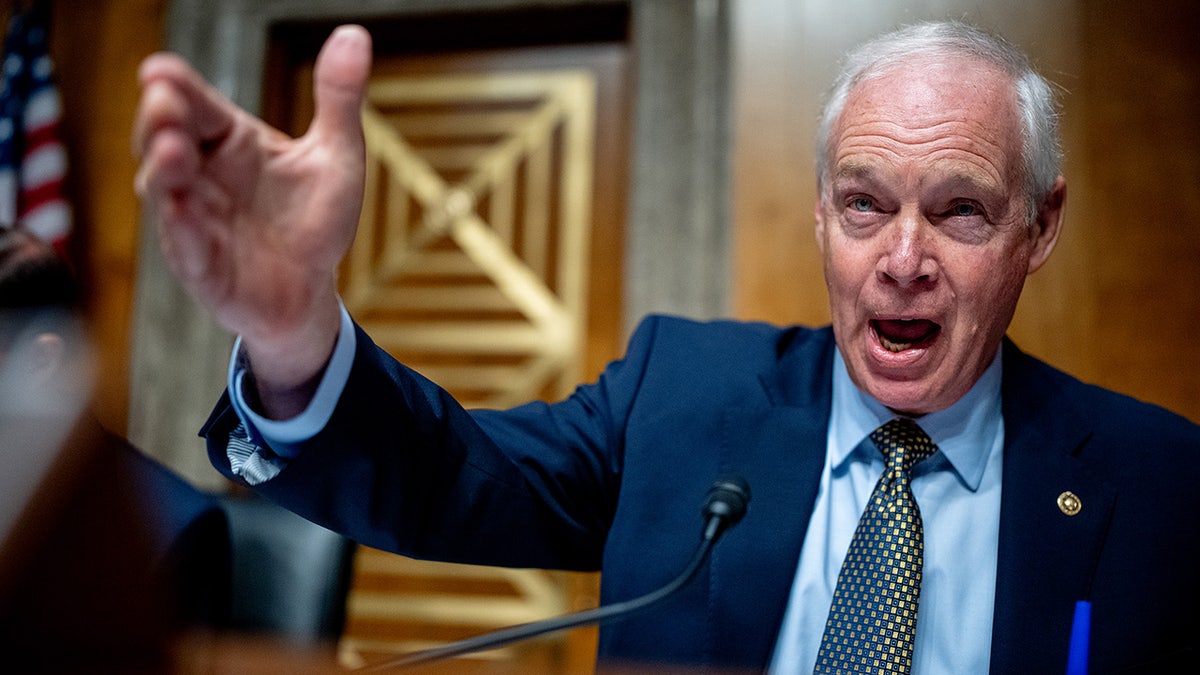
Ranking member Sen. Ron Johnson, R-Wis., speaks as U.S. Coast Guard Commandant Adm. Linda Fagan testifies at a Senate Homeland Security and Governmental Affairs Subcommittee on Investigations hearing on Capitol Hill June 11, 2024, in Washington, D.C. (Andrew Harnik/Getty Images)
And it culminated in Paul vowing that Fauci would face consequences for declining to comment and questioning whether his pardon from former President Joe Biden could protect him.
«I think there’s another legal question that the courts may have to decide upon, and that is whether or not a presidential pardon offers you complete immunity,» Paul said at the time.
Fox News Digital did not immediately receive comment from HHS on Fauci’s pandemic-era iPhone.
politics, senate elections, anthony fauci, rand paul, hearings, iphone

La agenda del Papa en la Argentina: el recorrido completo que prepara y los lugares elegidos para dar un fuerte mensaje social

“Gasté mucho dinero en alcohol, mujeres y autos; el resto lo despilfarré”: la frenética historia de uno de los futbolistas más icónicos

New York gubernatorial candidate urges 9/11 attendees to turn away from Mamdani during ceremony

Tres hombres golpearon a un joven a la salida de un boliche en Neuquén y creen que eran policías

Jornada clave en el Senado: hoy se votará la ley de propiedad privada tras darse de baja la venta de tierras a extranjeros

Los cuatro signos del horóscopo chino que recibirán un empujón inesperado para cambiar de vida en agosto, según Ludovica Squirru

“Vamos a acelerar con todo”: el objetivo del Gobierno por las reformas y la agenda electoral de cara al 2027

Javier Milei cruzó a Victoria Villarruel y elevó la tensión: “Es una opositora, replica los argumentos kirchneristas”

Reelecciones indefinidas: el oficialismo bonaerense niega que busque ampliar la Legislatura como parte de una reforma política para beneficiar a los intendentes

¡Chau Luck Ra! La salida de soltera de La Joaqui, muy bien acompañada, a días de su separación
-
 POLITICA2 días ago
Javier Milei cruzó a Victoria Villarruel y elevó la tensión: “Es una opositora, replica los argumentos kirchneristas”
-

 ECONOMIA20 horas ago
Dólar hoy en vivo: a cuánto se negocian todas las cotizaciones minuto a minuto este miércoles 5 de agosto
-
 INTERNACIONAL3 días ago
Trump v. Smithsonian: A timeline of how the White House fight over ‘woke’ history unfolded