INTERNACIONAL
Vuelve Marcelo Cohen: reeditan su gran novela de mil páginas ‘Donde yo no estaba’

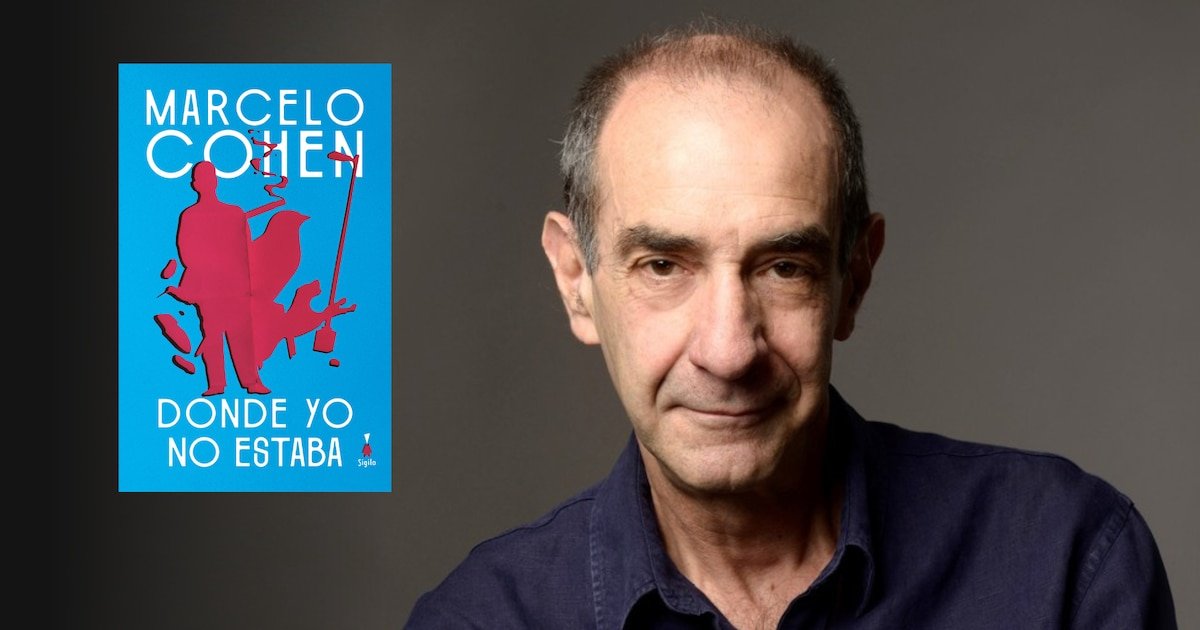
Vuelve Marcelo Cohen. Sigilo reeditó su novela Donde yo no estaba, a veinte años de su primera publicación. Un libro de más de mil páginas que presenta uno de los proyectos narrativos más amplios de la literatura argentina reciente. Definida como una novela realista situada en un universo fantástico, su historia es narrada por Aliano D’Evanderey, un mayorista de lencería femenina, esposo, padre y participante activo de la vida social y política de la isla del Delta Panorámico donde transcurre la acción.
El personaje aparece presentado como un hombre de sensatez singular, cuya curiosidad convierte la escritura en un programa de vida. Ese programa consiste en “adelgazar la personalidad”, borrarse de manera progresiva y dejar que el mundo ocupe su lugar. El diario personal que escribe funciona como el espacio donde se registra esta comedia sobre la muerte y sobre las dificultades de la vida en común.
El núcleo de la trama se activa cuando esa calma se rompe por tres hechos: la separación de su mujer, enamorada de otro hombre; el diagnóstico de una enfermedad extraña que podría matarlo en cualquier momento; y la aparición de varios personajes atribulados. La novela plantea que esa cadena de acontecimientos empuja al protagonista a realizar un gesto capaz de desatar una crisis en su comunidad. Ese movimiento lo arrastra, además, a una aventura existencial.

Marcelo Cohen nació en Buenos Aires en 1951 y murió en 2022. Sin dudas está entre los escritores más originales de la literatura contemporánea en español: se destacó como narrador, traductor y ensayista. Entre 1975 y 1996 vivió en Barcelona, etapa en la que escribió y publicó libros como El país de la dama eléctrica, Insomnio, El oído absoluto, El fin de lo mismo, El testamento de O’Jaral e Inolvidables veladas. En 1996 regresó de manera definitiva a Buenos Aires.
Su obra ensayística incluye ¡Realmente fantástico!, Música prosaica, Un año sin primavera, Notas sobre la literatura y el sonido de las cosas y Una morada ambulante. Además, tradujo a autores como William Burroughs, Alice Munro, Clarice Lispector, Nathaniel Hawthorne, J. A. Baker, J. M. Coetzee, M. John Harrison y Philip Larkin, dirigió la colección “Shakespeare por escritores” y “Línea C”, y junto con Graciela Speranza fundó la revista Otra Parte. Murió en 2022, a los 71 años.
El universo en que ocurre esta historia pertenece al ciclo del Delta Panorámico, inaugurado por Cohen con el libro de relatos Los acuáticos, publicado en 2001, y que expandió con Casa de Ottro, Balada, Gongue, Algo más, La calle de los cines y Llanto verde. Ese espacio fue concebido por el autor como “el mundo de las posibilidades de nuestro mundo”. La reedición de Donde yo no estaba devuelve al centro de esa constelación una de sus piezas más extensas. A continuación, un fragmento.

SÁBADO 16 – A veces el monitorio de casa cumple sus funciones con un celo arrasador. Hoy a la hora del desayuno, justo cuando me llevaba la taza de cafeto a la boca, el individuo se encendió en la pared para informarme de que en el techo del cobertizo de las herramientas siguen extendiéndose unas manchas de hume- dad. Parecen plantas flotantes en proceso de replicarse, señor, dijo. Molesto con su relamido estro poético, que debe de ser un sello de la empresa programadora, fui rezongando a los fondos del jardín; pero en cuanto entré en el cobertizo caí en la cuenta de que el monitorio tenía razón, pues las humedades han cobra- do tal colorido y vivacidad que si uno tuviera fe, como dicen que ocurría antaño, debería atribuirles un alma, o una condición morbosa. Entretanto el monitorio ya se había concretado en la pantalla mural, que allí está bastante deslucida, y hacía guturales cálculos sobre la mejor manera de cambiar la membrana asfáltica del techo antes de que lleguen los aguaceros, dónde encontrar losas para el exterior y el tipo de impermeabilizante más apto para llenar los posibles resquicios. Habrá también que masillar la ventanita, agregó, a lo que respondí pidiéndole que me pasara una relación de gastos de albañilería. Luego le ordené que se apagase. Tanto me había desconcertado interrumpir el desayuno que solo al salir del cobertizo reparé en que al costado de la puerta, entre la cicuta de la tapia trasera del jardín, había un cráneo de paloma que el viento debió de transportar durante la noche. Nunca antes había visto un cráneo de paloma sin su revestimiento de carne y plumas. Los huesos de este ya se han puesto por completo blancos, secos y quebradizos como yeso, pero la forma total sigue intacta, sin grietas ni imperfecciones. Habríase tomado por una artesanía de no ser porque en el fondo de las órbitas destellaba una presencia que se avivó mientras lo estaba examinando. Entonces, como si ese parpadeo me lo hubiera señalado, reparé en el lujurioso abandono en que ha caído ese rincón del jardín, y se me ocurrió que me corresponde hacer allí algo; y esta vez la vecindad de una tarea me reconfortó. No es tan arduo para un humano naturalizarse. Los muertos abren los ojos a los vivos. Creo en esto, no sé si con firmeza. Pareciome que el reflejo, quizás un bichito fosforescente refugiado entre las cuencas vacías, me estaba pidiendo que adecentase lo que la abundancia silvestre ha puesto lúgubre e hirsuto, tan diferente de la pulcritud del resto de nuestra casa. Lo difícil era hacer algo con el cráneo de la paloma, fuera guardarlo en un estante, desprenderse de él o eliminarlo. Elegir es una enfermedad de la mente. Me exaspera a veces el soliloquio admonitorio de mi Locutor Interior, su barroca música de ventajas e inconvenientes, sus frases de aliento y sus reprimendas. Pero por suerte hoy no había elección. Dejé el cráneo donde estaba, rogando que Gul no vaya a quebrarlo de un mordisco. La naturaleza nunca ha dicho que necesite las obras del hombre. Pero, como tampoco se queja cuando el hombre la mima, me ceñí al cometido de hacerme cuanto antes con unas tijeras de podar, digamos antes del sábado próximo. Cler, que amorosamente había vuelto a calentarme el cafeto, recordó que el jardinero siempre trae unas tijeras suyas pues en las tiendas es muy difícil encontrar ese instrumento anticuado. No supo explicarme por qué el jardinero no poda las hierbas de la tapia. Tampoco lo averiguaremos de la perruna reticencia de Gul.
MARTES 19 – En el negocio siguen las lerdas tareas de fin de temporada, aunque no sin un atisbo de indomable prisa por acercar el porvenir. Entre todos hemos limpiado estantes, lavado recovecos y sudado como deportistas entre el vals de la polvareda. Mis empleados aprestan los exhibidores para las prendas de estación fría, además de reacomodar el género de verano que no ha salido. A decir verdad queda bastante poco. Repasando con Soneida el saldo de inventario, comprobé que apenas consiste en unas cajas de bikinis de tisúheir y esos pijamas porosos que por alguna razón nos ha costado imponer. Soneida insiste en que los colocaremos en invierno a tiendas de aquellos cuartieres donde menores sean las restricciones de energía y más intensa la calefacción. También señaló que debemos encargar una partida de sostenedores inteligentes, de esos que adaptan su elasticidad al tamaño y la oscilación de los pechos de las deportistas. La contenida salacidad de Soneida contribuye a agudizarle la perspicacia. Si la competencia que muestra en los gustos actuales de su sexo sigue reflejándose en las ventas, acabará por ganarse un aumento de sueldo.
En casa, al anochecer, Fiena y Sereno no han parado de repetir que hoy hizo treinta y nueve grados de temperatura. Exhalan la palabra gradosss con un siseo estridente, como si amplificando la crueldad del calor acumularan méritos para resarcirse en la busca del placer. Lo más admirable de mis hijos, y acaso de todos los jóvenes, es la falta de dirección; lo que les permite (la deriva mental, digo) incluir los fenómenos atmosféricos entre los atributos del sistema sociopolítico que según ellos aplasta a la juventud. Pero tratar el calor como un régimen tiránico los anima a mantenerse en acción constante. Sugieren una y otra vez que nuestra civilización de agua dulce tiene a la gente presa de la baja tensión arterial y, por eso, de la obsecuencia tarada. No obstante sé que los rebeldes como ellos nunca compran sal clandestina, lo que me alegra porque es carísima. Se ríen si les digo que el secreto del frescor es la quietud, se ríen y matan mosquitos, y los golpes me hacen reír a mí también, y en esa risa también se desvanece el calor. Ahora han salido los dos, Fiena a su sesión de entrenamiento de balompo y el muchacho con sus amigos los gemelos Braimande a uno de esos clubes donde tocan la música que les gusta. La luna está en creciente. No entiendo por qué me duele tanto la cabeza.
MIÉRCOLES 20 – Hoy por la tarde, circa 16 hs, le avisé al contador que tenía unas diligencias que hacer, lo que no era una excusa, y escapé a la calle a fundirme con los viandantes. Estaba resuelto a comprarme unas tijeras de podar, y poseído del deber las veía guiarme los pasos como un espejismo. Pero en la avenida Tresby, donde todos los comercios están saldando, se agolpaba tal masa de compradores aturdidos, sin duda por la imposibilidad de comprar, que por poco paso de largo ante la ferretería. Me inspira confianza el escaparate de esa tienda oscura, un cambalache de implementos de todas las eras de la técnica. La dependienta se internó un buen rato en el dédalo de anaqueles antes de volver con un surtido de tijeras en las manos tiznadas. Mientras fingía elegir como si supiera, creí ver que ella caía en un abismo interior, o quizá se elevaba hacia un limbo. Era una mujer más ajada por el dolor que por los años, con una cabellera larga y dura de color escoba, como erizada por una delgadez impropia de su alrededor de cuarenta años. Esperó mi decisión con una cortesía minada de nerviosismo. Cuando al fin me hubo empaquetado unas grandes cizallas de acero, y se disponía a cobrármelas, confesó atribulada no recordar qué me estaba llevando. Me apresuré a decírselo, y entonces ella dijo que desde luego, sí, las tijeras, pero que era la cuarta vez en el día que le ocurría aquello; y no por excepción: en las últimas semanas venía olvidando los hechos recientes con una asiduidad cada vez más despiadada, como si a cada instante la secuestrasen de sí misma o la mente lo absorbiera todo, hasta las trivialidades más indecentes, y nada le devolviera salvo avisos de que debía ocuparse de tal o cual cosa. ¿Qué me pasa, señor?, preguntó de golpe dejando caer las manos sobre el mostrador, con tal violencia que debió de hacerle daño. Repuse que nada distinto de lo que nos pasa a muchos; a saber, sentir que el pensamiento de una tarea incumplida, de un plan a largo alcance, de una discusión frustrante o de una ocasión desaprovechada nos arrebata fuera de lo inmediato (ejemplo, empaquetar unas tijeras o acariciar una mano), con el consiguiente malestar que esto acarrea y la añadida mortificación de advertir luego cómo lo inmediato ha huido, como dicen por ahí, irreparablemente. Pero sin duda ella no me oyó porque ya estaba repitiendo: ¿Qué me pasa? ¿Usted puede, señor, decirme qué me pasa? El hecho de que le tocara el codo pareció devolverla a la actualidad del diálogo, aunque en realidad se calló la boca. Decidí quedarme clavado allí todo lo posible (mientras la permanencia no se alargara tanto como para sugerir locura), pues suponía que un silencio compartido, y mecido en los antagónicos ritmos de nuestras respiraciones, la ayudaría a recuperar la atención. Pero la indefectible ansiedad de ella la propulsó a enjaretarme de pronto, con un pálido semblante de escarcha, que para colmo estaba cada vez más aquejada de tafofobia, esto es, temor enfermizo a que la entierren en vida. Aunque intenté matizar que la tafofobia, no existe en realidad para la ciencia médica, ella no paraba. Si llego a despertarme después del funeral, dijo, porque alguien cree que me morí de infarto pero estoy nada más desmayada, no tendría fuerza en las manos para empujar la tapa del ataúd, ni potencia en los pulmones para hacerme oír bajo dos metros de tierra. Me da pavor, dijo. Pavor. Tuve que oír una recua de nombres de personajes célebres que padecieron esa fobia, entre ellos Adom Spereguy, el filósofo Noquerstam, nuestro expresidente Solye y la diva Mim Gosche (quien por cierto contó su caso con pormenor en unas plomizas memorias), antes de poder deslizarle que todos, o casi todos, hemos tenido alguna vez esa fantasía espeluznante. Le aclaré que existen incluso crónicas sobre lugares en donde se acumulaban cadáveres putrefactos, cada uno de los cuales llevaba atado a un dedo un cordel sujeto por el otro extremo al badajo de una campana. Hice un silencio elocuente.
Alzando entonces las cejas, la mujer me preguntó si tanta gente había podido equivocarse. Le dije que, en efecto, la tasa de miedo a ser enterrado en vida supera con mucho la de ocurrencia del suceso, sobre todo desde que la justicia exige que no se disponga de ningún cadáver sin el legal certificado de defunción. Lo leí en una revista, le aseguré. El viraje científico del diálogo dio un tono más carnal a sus mejillas, como si al compadecerme le hubiera endosado algo de mi sangre. Entonces ella razonó que, al fin y al cabo, aquello no debía de suceder nunca, nunca, y que a partir de hoy ya no tendría miedo; pero que el aplacamiento de la tafofobia la dejaría sola con sus engorrosas distracciones, lo que la atemorizaba aún más; la soledad, vale decir. Quizá la pena me impidiera observarle con adecuado ardor que de hecho llevábamos un buen lapso conversando de manera concentrada y retributiva, pero a ella la mera observación la consoló. Meneando la cabeza, lo que curiosamente le aflojó el pelo almidonado, me suplicó que no le hiciera caso, ya, y me deseó que usara las tijeras con provecho, pues me consideraba una persona bondadosa. En ese punto dejé que mi educación esbozara una sonrisa y salí de la tienda, deseoso de llegar a la calle para elegir otro gesto. Pues si algo me apetecía escaso era sonreír, atónito como me sentía al verme súbitamente cuajado en una definición. ¿De dónde salía ese azoramiento? Me había limitado a permanecer allí, esperando que la angustia de la mujer remitiese un poco, como si algo me dijera que ninguna historia puede culminar, y por lo tanto librar de su peso a quien la guarda, mientras no consiga que al menos un oyente la aguante hasta el fin. Ahora bien: en este caso se había interpuesto un ardid, consistente en la precipitación del final por medio de mi cooperación, cosa que no todos los oyentes hacen. Y se vislumbra aquí un raro intríngulis. Porque entre el final lógico de la historia de esa mujer y el final forzado por mi intervención quedaba un resto de anécdota, algo que iba a molestar a la mujer como una miga en el escote, hasta que capturara otra atención en la cual depositarlo entero. De modo pues que mi supuesta bondad era muy parcial, inoperante y dudosa. Bondad, auténtica bondad, es embucharse la historia entera sin decir ni pío. Pues si existe una promesa de alegría en tener menos volumen de persona, dice el maestro Rosezno, un buen procedimiento de despersonalización es ingerir lo que de sus personas suelten otros, y en el mismo acto evacuar parte de uno. Cuando volvía a mi negocio casi me lleva por delante una pareja que venía trastabillando. El hombre tenía la cara ensangrentada y la mujer no lograba convencerlo de que se dejara restañar las heridas. Caray, me he cansado. Cler ha puesto el cráneo de paloma que encontré el lunes en un estante de la sala, encima de la musicaja, junto al cuadro de Esmelty, no como un adorno más sino como un recordatorio. Solo Cler puede obrar con gusto esa contigüidad entre el artefacto humano y la vida animal, o entre el diseño y la muerte. Lo más notable es que no hace ningún hincapié en la armonía, esa aspiración que endurece un poco los movimientos. Por eso duerme tan bien. Y no es que por mi parte duerma mal; no diría tanto. Pero ella duerme como si muriera unas horas, para revivir con la mañana, castaña clara y expectante, con solo un día más de edad.
JUEVES 21 – Hoy recibí la visita de Atarvo Glamis, el coadjutor de la Junta de Comercio (y comisionado del gabinete del presidente Goyfrena). Traía almibarados elogios a mi desempeño empresarial, de parte de una fraternidad que más ajena siento cuanto más recalca Glamis la palabra nuestra. Quieren que integre una lista para las próximas elecciones a la Junta, si no por mi futuro al menos en honor al recuerdo de mi padre, etcétera. Las elecciones a la Junta serán en agosto próximo, poco antes de la renovación de las presidenciales. Es un mero dato. Mientras le servía una infusión de yecle, Glamis coló ciertas informaciones sobre la marcha de la culturización en las Islas Balugas. No me huele bien, aunque no sé a qué me huele, que los murmoranos nos alegremos tanto de culturizar unas islas cercanas que jamás nos habían interesado. Glamis se desvi- vió por exhibir sus relaciones con el canciller Tab, por quien habría sabido que las gestiones del cuerpo de culturización están logrando allanar las tensas relaciones entre la población vernácula y nuestros maneros, esos colonos disfrazados. De paso deslizó que los minerales de las Balugas reactivarán nuestra economía. Por mi parte no sabía que en las Balugas hubiera minerales, y él no especificó cuáles pudiere haber. Le comenté cuán desconcertante resulta que sigan siendo materia confidencial las noticias sobre un proceso que tiene ya cuatro años de historia; él me replicó que es así porque Isla Múrmora nunca había emprendido una empresa como esta. Pero pre- siento que tampoco él sabe si en las Balugas existe algo o alguien que culturizar, y si se han hecho prospecciones o puros y brutos desplazamientos de población. Le pregunté si alguna vez se había figurado el raro encuentro entre un manero nuestro (o acaso un mercenario) y un ignoto nativo balugano. Glamis pareció molestarse. Desenrolló un panegírico de nuestro sistema. Lo consabido: la Democracia Gentil murmorana es una experiencia político-civilizatoria, el mejor parate que se ha inventado contra el espíritu de movilización del progreso, afiebrado, arrasador. Le dije que, si bien es cierto que la Democracia Gentil ha hecho de nuestra isla un espacio mucho más laxo que en tiempos de mis abuelos, a veces temo que se trate de un alarde, un ni esto ni aquello, pasivo y represivo, por cuyas costuras desborda el nervio de la competencia. ¿Pasivo o represivo?, me apretó él. No lo sé, Glamis, repuse. Mi duda lo desinfló; y en el desalentado manotazo con que espantó una mosca inexistente vi la constancia de que no es hipócrita. Un instante después recondujo la charla hacia su motivo predilecto: la moral de los administradores. Hoy habló mucho de la manipulación, entendida en el sentido de las relaciones personales. Habló en contra, claro. Hay un poso de poesía libertaria en este hombre. Pero me aburrió tanto que al poco me encontré imaginándome en el lugar de su esposa, la de Glamis, público de un soliloquio del marido sobre el pecado y la compulsión a manejar a los demás, en el curso de una cena hogareña, un día cualquiera de la semana, con el calor y la humedad y los mosquitos revoloteando en torno a la lámpara; y aunque la escena no era desagradable volví a aburrirme y me despabilé. Glamis aún discurría sobre la tendencia humana a coaccionar las mentes ajenas para que emitan lo que esperamos de ellas. Decía que él no quiere ser un déspota. El botarate se atormenta, busca de veras una moral para ajustarse a ella. Pero sus escrúpulos nunca me persuadirían de ser directivo de la Junta de Comercio. Virilidad, firmeza, caridad inteligente, capacidad de acción concentrada y reacción amplia y veloz a los defectos de la época: todo cuanto pediría de un buen hombre público en mí sigue en vías de formarse. Y se me va haciendo tarde, pues todavía no logro desprenderme de veleidades fútiles, o ideas de esas veleidades. Una cosa me gustó, y es cómo estrecha Glamis la mano. En realidad, intuyo que tiene ambiciones políticas, incluso la decisión de realizarlas pronto, y es como si en el apretón buscara sorberle a uno algo. Llegué a casa con una molestia mínima, como una respiración incompleta, que solo afloró cuando en el cuarto de baño, frente al espejo, noté que mi crecido bigote cubría el labio de abajo. Ignoro cuánto tiempo estuve deliberando: de una parte tiraba el impulso de afeitarme el bigote por completo, como para eliminar una defensa innecesaria, o cambiar de personaje, y de otro el deseo de hacer bien el trabajo de recorte. Ninguno de los dos era genuino. Allí había en el espejo una efigie de la pasión inservible, apta para el museo del hombre arcaico. Para colmo, comprendí que en los últimos tiempos me miro muy poco en el espejo, y solo para efectuar tareas prácticas de este tipo, como si rehuyera ver algo exasperante, quizá mi propia presencia. El caso es que estos recelos, sumados a la alarma por uno que otro pelo blanco que produzco, se resolvieron en un trabajo torpe, sobreactuado, que me dejó el borde inferior del cepillito unos tres milímetros por encima de su largo habitual. Una ancha franja de piel morena separa ahora el vello canoso del labio superior, lo que me da, dice Cler, un aire de gigoló, de esos que parecen sonreír por partida doble. Me complació ser objeto de esa caracterización. Pero no creo que haya ganado en ambigüedad, habida cuenta de que durante la cena todos, Cler y los chicos, me preguntaron sin rodeos qué cuerno iba a hacer con las cizallas de podar que he comprado. Así que luego del cafeto fui al fondo del jardín, encendí el reflector, arranqué la mala hierba y corté a ras del suelo la que me parecía buena. Considerando que los ladridos del cargoso Gul no me dieron tregua, el trabajo supera con mucho lo que hice con el bigote. Al cabo comprendí que el perro no le ladraba al chasquido de las tijeras. Tengo que llamar al fumigador, porque la casa rebosa de leboches.
Marcelo Cohen,Donde Yo No Estaba,libro,literatura,novela,ficción,Sigilo,editorial,diseño,arte











NEWYou can now listen to Fox News articles!
House Homeland Security Committee Chairman Andrew Garbarino, R-N.Y., remembers exactly where he was when the World Trade Center was attacked on Sept. 11, 2001.
«I was a senior in high school. I was in Mr. Ponzi’s government class. And that’s when the first plane hit. And one of the other teachers came in and was telling Mr. Ponzi about it,» he told Fox News Digital. «We all thought it was a little plane. And then we went to the next class. And then the second plane hit, and everybody realized that stuff was wrong.»
Twenty-five years later, Garbarino leads a congressional committee that oversees a Cabinet department created explicitly after the terror attack. He’s warning that Congress needs to change how it deals with potential threats to avoid another tragedy of that scale.
«Being chairman of the committee, being a New Yorker, it’s one of those things you focus on, and you want to make sure another 9/11 doesn’t happen, and doesn’t ever happen again. And that’s my goal. That’s my priority,» he said.
House Homeland Security Committee Chairman Andrew Garbarino, R-N.Y., is sounding the alarm against congressional «complacency,» 25 years after the Sept. 11, 2001, terrorist attacks. (Newspix via Getty Images)
9/11 IS BECOMING HISTORY. MY GENERATION MUST MAKE SURE AMERICA NEVER FORGETS
«Congress is very good at being reactive… We don’t want another 9/11. So if I could leave my fingerprints on something here, it’s the fact that the focus, Congress’ focus on national security, Congress’ focus on homeland security or safety, is that we address an issue before something happens.»
HOW 9/11 TRANSFORMED SYNAGOGUE SECURITY INTO A NEW REALITY FOR THE JEWISH COMMUNITY
He said Congress needed to get into the habit of passing laws ahead of time, «instead of being like, ‘Oh my God I can’t believe this happened, how did this happen, let’s fix it now.’»
«That’s why 9/11 happened. 9/11 happened because our intelligence agencies, they were siloed, they were not sharing information. I don’t know if it was a complacency or whatever, but there were a lot of problems,» Garbarino said. «I don’t want to fall into that same complacency.»
Garbarino represents New York’s 2nd Congressional District, part of Long Island’s south shore. As a suburb of New York City, its residents are deeply attuned to that tragedy 25 years ago.
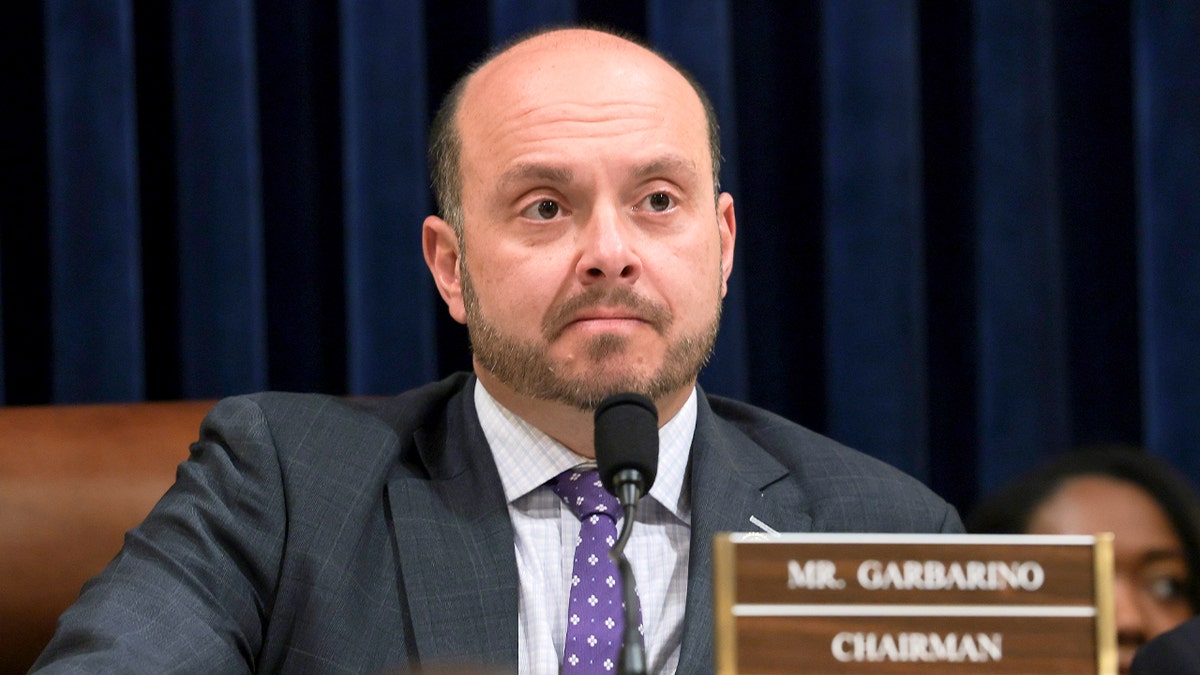
House Homeland Security Committee Chairman Rep. Andrew Garbarino presides over a hearing in the Cannon House Office Building in Washington on Dec. 11, 2025. (Anna Moneymaker/Getty Images)
«We have people that lost loved ones that day that are still dealing with it 25 years later,» Garbarino said. «So the scar is still there.»
His district and others are also still dealing with illnesses stemming from that day, including first responders who bravely rushed to the collapsing twin towers.
«There are now more people that have died from 9/11-related illnesses than died on the actual day. So it’s a day that keeps taking people away from us,» Garbarino said.
«You have firemen who, 9/11 was their first call. They were 21, 22 years old. They’re now 47… And a lot of these, some of these cancers, they take a while to take hold, and they’re now just getting sick.»
SCIENTISTS DISCOVER POSSIBLE LINK BETWEEN 9/11 AND ACCELERATED AGING
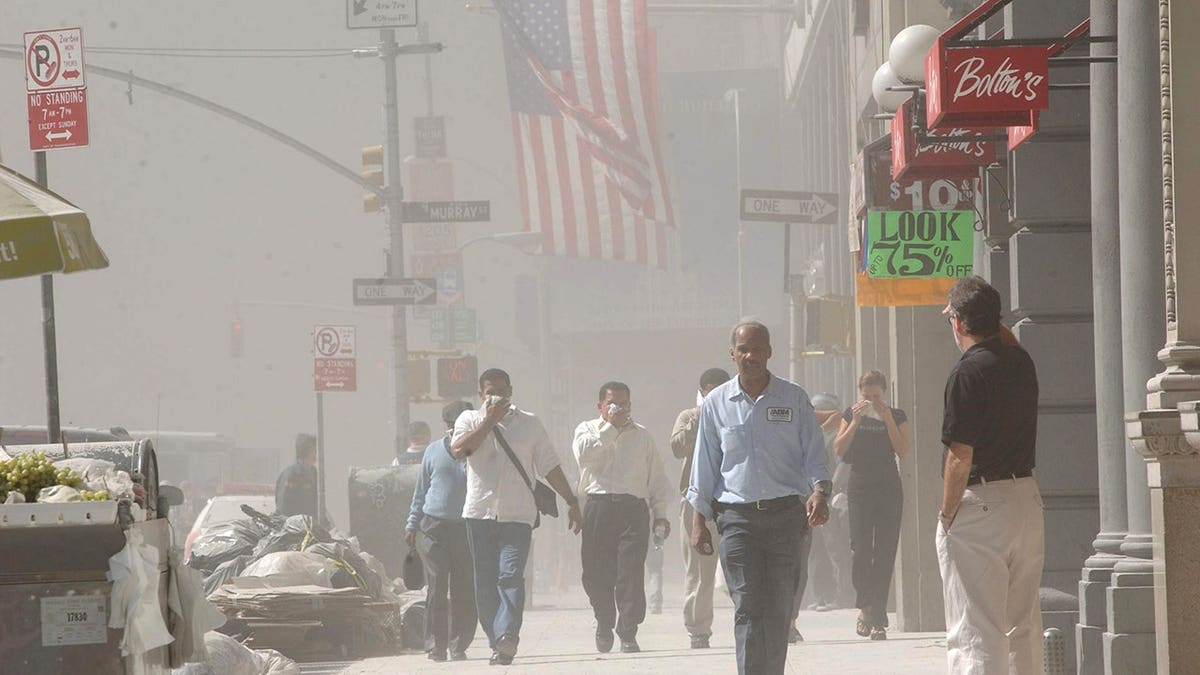
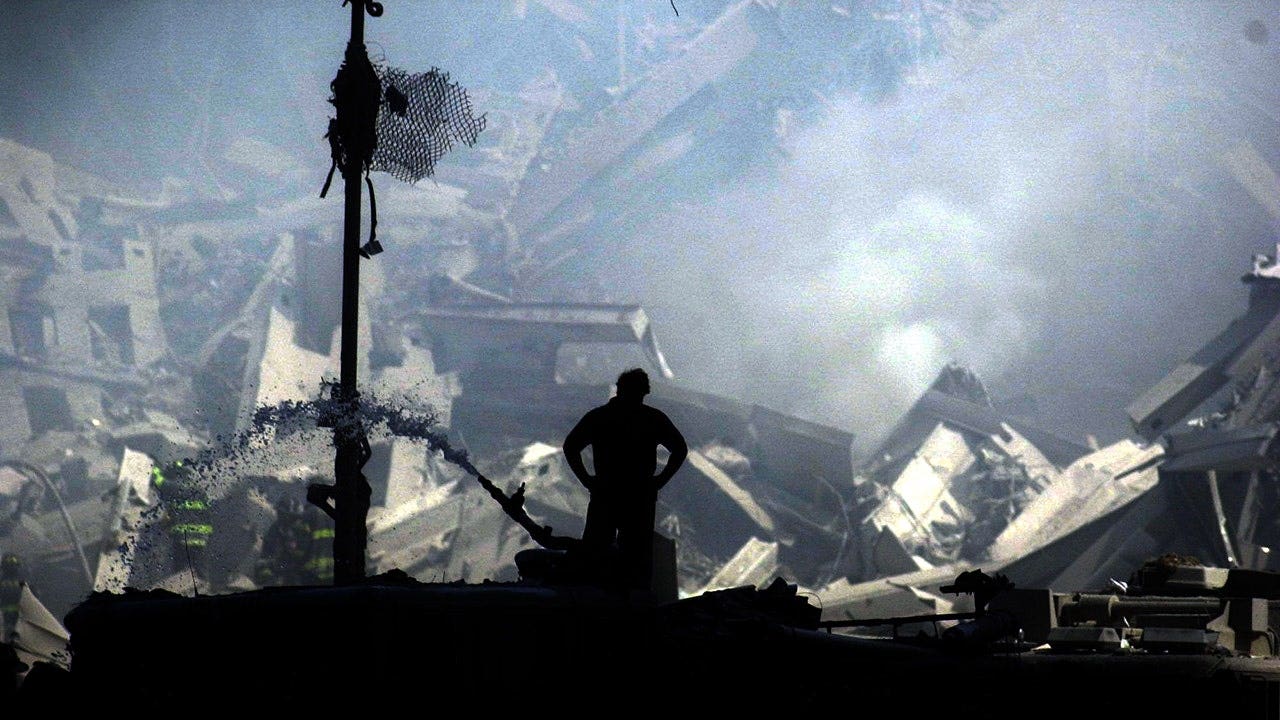
People rush away from the collapsing World Trade Center on Sept. 11, 2001, after two hijacked airplanes hit the twin towers in New York City in a terrorist attack. (Getty Images)
Earlier this year, President Donald Trump signed legislation led by Garbarino and others to address a projected funding shortfall for the World Trade Center Health Program, which helps survivors pay for their medical treatment.
He said nearly all congressional districts across the country have at least one person participating in the program, a testament to how widespread the tragedy’s effects are.
«People moved out of New York, people who came from all over the country after 9/11 to help, they all went back home, they also got sick. So this does affect the entire country,» Garbarino said.
september 11, politics, new york city, homeland security, terror
NEWYou can now listen to Fox News articles!
John Byrnes was swimming in a pool beneath Hunter College in Manhattan on the morning of Sept. 11, 2001, when he stepped outside for coffee and heard sirens blaring down Lexington Avenue.
He learned that a plane had hit the World Trade Center. Minutes later, he saw the North Tower collapse on a campus television and immediately headed toward his National Guard armory.
Byrnes spent the next two weeks helping secure Ground Zero. And spent the following years in both Iraq and Afghanistan.
Each of the five veterans who spoke with Fox News Digital ahead of the 25th anniversary of 9/11 remembers where they were when they learned the nation had been attacked — and how Sept. 11 changed the trajectory of their life and service.
Some were already in uniform. Others, including a successful businessman and a teenager who watched the attacks unfold on television at his school, felt compelled to enlist.
Looking back 25 years later, Byrnes draws a sharp distinction between the wars, including the decision to respond to the terrorist attacks and the choices that followed to continue the war on terror.
«The decision to go to Afghanistan, that was absolutely necessary,» Byrnes, who is now a strategic director at Concerned Veterans for America, told Fox News Digital. «The decision to go to Iraq, which was not necessary.»
«The decision to stay in Afghanistan for so long was unfortunate, but it all came down to that day.»
ARMY VET LAWMAKER MARKS ABBEY GATE ANNIVERSARY WITH BLISTERING MESSAGE FOR BIDEN-HARRIS: ‘ABJECT FAILURE’
«The decisions that didn’t seem wrong at the time were just pebble after pebble into an avalanche,» he said.
Veterans who spoke to Fox News Digital all went to war believing they were protecting Americans by keeping the fight «over there.» Twenty-five years later, they remain proud that they answered that call. Their harder questions are about what came afterward: how the mission expanded, what two decades of war accomplished and whether the country ultimately made good on the sacrifices it asked of them — and the people of Afghanistan.
Chris Hoff was working for the state Department of Corrections while studying to become a special education teacher in his post-military service life. For him, the decision to return to service came as he watched the towers fall from the New Jersey shoreline.

Michael Matthews was already serving in the Army when the attacks happened that fateful day in 2001. He deployed to Iraq in 2003 with one of the first divisions to cross the border from Kuwait. His team was later hit by an IED. (Michael Matthews)
«When September 11 happened, I knew right then and there that I was going back in the military,» Hoff told Fox News Digital.
He returned to the reserves and deployed to Afghanistan twice. During his second deployment, he suffered multiple concussions and was ultimately forced to end his military career.
«For 20 years, all I knew was prison and war,» Hoff said. «And I was good at both of them.»
When he could no longer continue in either career, Hoff said he felt as though he had failed. But he credits connecting with the Wounded Warrior Project and beginning equine therapy for ultimately saving his life.
Hoff now shares his story in hopes other veterans will seek help sooner.
«If I can help just one soldier… get help,» he said, «it’s okay to get help. It truly is. I’m glad I did.»
If you or someone you know is having thoughts of suicide, please contact the National Suicide Prevention Lifeline at 1-800-273-TALK (8255).

John Byrnes was swimming in a pool beneath Hunter College in Manhattan on the morning of Sept. 11, 2001, when he stepped outside for coffee and heard sirens blaring down Lexington Avenue. He learned that a plane had hit the World Trade Center. Minutes later, he saw the North Tower collapse on a campus television and immediately headed toward his National Guard armory. (John Byrnes)
Rep. Troy Downing, R-Mont., now serving his first term in Congress, was moose hunting in remote Alaska when he first learned that the World Trade Center had been attacked.
He had been dropped in the bush with only an aviation radio, and no planes had flown overhead for days. When a pilot finally reached the hunting party, Downing learned that both towers had fallen.
«This country has been good to me,» Downing recalled thinking at the time when learning about the attack on U.S. soil. «What have I ever done to deserve it? We’re being attacked right now. Everything that this country stands for is being attacked. And I’ve never done anything to deserve this.»
Downing, the son of a single teenage mom, grew up poor. He went on to teach at New York University and help build a technology startup that became Yahoo.
He was 34, with no prior military service, when he returned home and walked into a recruiter’s office the next day. Downing joined the Air National Guard and served in combat search and rescue, including during two deployments to Afghanistan.
The way the war ended did not change Downing’s view of the decision to serve. But it did shape how he viewed what the country ultimately did with that service.
Downing called the withdrawal under former President Joe Biden «a blemish» that «squandered everything that we gained there.» He urged veterans not to conclude that their own sacrifices had been in vain.
«I just want to make sure that my brothers and sisters in arms, the folks that have served this mission, understand that they served this country and they served honorably,» Downing told Fox News Digital. «And not think just because of that one misstep that it was in vain because you stepped up to the dotted line when your country asked you to.»
MAMDANI TO RELEASE DOCUMENTS ON 9/11 HEALTH IMPACTS BEFORE 25TH ANNIVERSARY
Brandon Newberry has wrestled directly with that question.
Just 16 years old when he walked out of gym class and saw news coverage of the World Trade Center falling on a TV in his Spanish classroom, Newberry said: «I just felt lost and hopeless.»
«I wanted to do something,» he went on. «I wanted to help. I knew there were people suffering, people dying, and it hurt me really bad.»
Newberry joined the Marine Corps in 2006 because he believed the branch would put him closest to the fight. He deployed to Iraq in 2007 and later served two tours in Afghanistan.
«My whole philosophy behind it was take the fight to them,» Newberry told Fox News Digital. «As long as I kept it in their backyard, they couldn’t put it in our backyard.»

«For 20 years, all I knew was prison and war,» Hoff said. «And I was good at both of them.» (Chris Hoff)
Newberry said he spent roughly seven years in Afghanistan, including time as a government contractor after leaving the Marines. The years there gave him a close view of the Afghan people and the changes he believed had taken place while U.S. forces were in the country.
«At the time, women were allowed to go to school. We had women doctors,» he said. «They didn’t have that fear of the unknown, as long as we were there trying to help them out.»
Newberry said the U.S. «fumbled the ball» and could have done more to establish a lasting government and security force before leaving.
«It could have definitely been done better,» he said.
He also felt the conclusion of the two-decade war was a tragedy. «The withdrawal hurt us military guys. I lost a lot of good friends, and it hurts.»
The ending, Newberry said, raised a more personal question about the years he had spent there: «I almost feel like everything that I did was almost for nothing because, again, I feel like at this point I failed the Afghan people.»
Michael Matthews was already serving in the Army when the attacks happened that fateful day in 2001. He deployed to Iraq in 2003 with one of the first divisions to cross the border from Kuwait. His team was later hit by an IED.
Matthews suffered injuries to his face, neck, head, back, arms and legs, spent three and a half weeks in a coma and remained hospitalized for nearly nine months.
He had hoped to make a career of military service, but the injuries forced him onto a different path.
«It just ultimately changed the trajectory of what my goal was, which was to, of course, do this amazing life in the military and make a huge career out of it,» Matthews told Fox News Digital.
Instead, Matthews said the experience also gave him a new purpose: «Helping veterans and helping the community.»

Michael Matthews was already serving in the Army when the attacks happened that fateful day in 2001. He deployed to Iraq in 2003 with one of the first divisions to cross the border from Kuwait. His team was later hit by an IED. (Michael Matthews)
For the men who served, questions about the wars do not necessarily translate into regret over their own decision to fight.
Byrnes said one of the central lessons of the post-9/11 wars is that military and political leaders must look beyond the immediate objective — and be willing to acknowledge when a strategy is not working.
«You can never admit failure,» Byrnes said. «You always want to, no matter how bad things were, set the positive note. You tell the boss you’re winning until somebody else comes to take your place so you can get promoted without saying that you’re not winning.»
But 25 years after the attacks, the veterans’ reflections resist a simple judgment on the wars that followed.
They describe pride in having served despite the physical and psychological wounds, expressed frustration over the decisions that prolonged or expanded the wars, and issued sharply different conclusions about what the United States ultimately accomplished in its 20-year endeavor in the Middle East.
Matthews put that tension simply.
«We’re proud of what we did,» he said. «Even though we may not have fully understood what we were doing or why we were doing it.»
september 11, us marines, national guard, patriotism, veterans, us army, politics, tunnel to towers steel across america
INTERNACIONAL
AOC’s ‘modern-day lynchings’ claim torn to shreds online as Black hanging case findings tell a different story

‘Not exactly Alexandria from the Bronx’: ‘The Five’ ridicules AOC’s fake southern accent
The Five panel criticizes Alexandria Ocasio-Cortez’s use of a «fake Southern accent» at a Memphis rally for Justin Pearson, sparking debate about her political authenticity and policy prowess. Commentators question her ability to handle unscripted debates, highlighting past instances where her policy proposals lacked substance, like the Amazon HQ2 controversy in Long Island City.
NEWYou can now listen to Fox News articles!
This story discusses suicide. If you or someone you know is having thoughts of suicide, please contact the National Suicide Prevention Lifeline at 988 or 1-800-273-TALK (8255).
Rep. Alexandria Ocasio-Cortez, D-N.Y., warned Friday of «racial terror» and «widespread modern-day lynchings» in the U.S. as she joined dozens of Democrats demanding that the DOJ and FBI investigate hanging deaths of Black Americans.
Multiple official findings in several recent cases show that law enforcement or medical examiners ruled the deaths suicides, while at least one very recent death remains under a homicide investigation.
AOC alleges there is systemic racial bias at the agencies, while fellow progressive lawmaker Rep. Ayanna Pressley, D-Mass., called the hangings a «national crisis» in a letter to the agencies that she spearheaded.
MS RACHEL SPEAKS OUT ON BLACK HANGING CASES AS RALEIGH DEATH IS DECLARED SUICIDE
«This year, there have already been 10 reported hangings of Black people in the U.S. I’m proud to have signed onto Rep. Pressley’s letter to address these widespread modern-day lynchings and put a stop to this racial terror,» Ocasio-Cortez wrote on X in support of the call.
Pressley warned in her letter that «Black folks are being found hanged in America» and insisted: «We cannot stand by while strange fruit hangs from trees across the country.»
The letter, addressed to Attorney General Todd Blanche and FBI Director Kash Patel, was signed by Pressley, Ocasio-Cortez and about 50 Democrats. They demanded a «thorough, transparent, and comprehensive federal investigation into every hanging death of a Black individual across the United States,» arguing that federal agencies have failed for decades to adequately investigate such deaths.
FAMILY IDENTIFIES YOUNG WOMAN FOUND FATALLY SHOT IN HOME OWNED BY REP AYANNA PRESSLEY’S HUSBAND
One 2026 case involved the death of a 21-year-old Atlanta man who had gone missing. He was later found hanging from a tree in a Cobb County park, where officials ruled out foul play and deemed the death a suicide, according to Atlanta’s NBC affiliate.
Another 2026 case involved Delta State University student Demartravion Reed in Mississippi. Officials «determined the cause of death to be a hanging and the manner of death as suicide.»
At the time, the case reopened old memories of the murder of Emmett Till, according to reports. Till was a Black teen kidnapped and murdered by White men not far from the site after he was falsely accused of flirting with a White woman in 1955.
15-YEAR-OLD BLACK TEEN’S MURDER REVEALS THE UGLY TRUTH ABOUT WHITE GUILT IN AMERICA
A Grio report on Pressley’s letter also referenced the hanging deaths of a 58-year-old man in Albany, N.Y., and a 39-year-old man in Brookfield, Wisconsin.
The Albany Police Department said Earl Smith’s death was «ruled a suicide» and investigators found «no evidence» of criminal activity.
«The Albany Police Department is aware of concerns posted on social media suggesting that criminal activity was involved with this incident, which has understandably caused public concern,» the department said.
A preliminary investigation of the Wisconsin man’s death also indicated suicide, according to Brookfield’s police chief cited by the Waukesha County Freeman.
At least one case remains under homicide investigation, according to reports.
Tasia Fortune was found hanging outside an abandoned house in Jackson, Mississippi, CNN reported Thursday. Authorities later questioned Terence Bernard Anderson, the father of one of her children, and arrested him on unrelated weapons charges, according to several reports.
AOC SLAMS ‘OPPRESSED’ TRUMP STATES WHILE TOUTING NYC SERVICES DESPITE $5B DEFICIT AND TRANSIT CRIME SPIKE
Rep. Alexandria Ocasio-Cortez, D-N.Y., talks with reporters outside the U.S. Capitol on Sept. 11, 2025. (Tom Williams/CQ-Roll Call, Inc via Getty Images)
The lawmakers’ characterization also drew criticism on social media.
«Those community notes are stacking up,» one critic said, as X’s crowdsourced correction indicator included several wire reports and media links disputing Ocasio-Cortez’ claims.
«There should be some sort of penalty for willfully lying on social media, especially for a politician,» another claimed.
Former Energy Department official Matt Van Swol posted to X, «In the last ‘lynching’ of a Black woman, the media conveniently left out the prime suspect in the case was her Black boyfriend. Zero White people are lynching Black people in America today.»
WATCH: SQUAD DEMOCRAT SPEAKS OUT AFTER TEEN FOUND SHOT DEAD AT HUSBAND’S BOSTON PROPERTY
Former Senate staffer Matt Whitlock added that «every death is a tragedy, but what do you think ‘widespread’ means if only one of these was actually a homicide. Not sure you’ve landed the point about ‘racial terror’ with this.»

Ayanna Pressley at the Featured Session «Repro Revolution: A Conversation with Rep. Ayanna Pressley» during the SXSW Conference & Festivals held at the Austin Convention Center on March 9, 2025, in Austin, Texas. (Amy E. Price/SXSW Conference & Festivals via Getty Images)
X’s crowdsourced Community Notes feature also pointed readers to law-enforcement and medical-examiner findings in several of the cases, stating that most high-profile hanging deaths it identified in 2025 and 2026 had been ruled suicides and that one remained under homicide investigation.
When reached for comment, Pressley spokesperson Ricardo Sanchez directed Fox News Digital back to the lawmakers’ letter to Blanche and Patel, specifically a line reminding them that «Congress enacted the Emmett Till Antilynching Act in 2022 to ensure the DOJ and FBI are empowered to fully investigate suspicious deaths and hold individuals accountable.»
Fox News Digital reached out to Ocasio-Cortez, the DOJ and the FBI for comment.
alexandria ocasio cortez, hate crime, homicide, controversies state and local, politics, the squad, democrats

El emotivo cierre de la apertura de los Juegos Suramericanos Santa Fe 2026: la leyenda de Las Leonas Luciana Aymar encendió el pebetero

El horóscopo de hoy: domingo 13 de septiembre

Fentanilo mortal: un informe del Gobierno revela que el potente anestésico y la morfina no tenían trazabilidad

Anunciado y ya lanzado: Uno de los juegos más polémicos de la historia de Blizzard estrena hoy una expansión que ofrece hasta 30 horas de contenido

El partido de Messi en el empate del Inter Miami: golazo tras una combinación con De Paul y bronca por sus tiros en los palos

El pedido de transporte para “La Noche de los Lápices” reavivó la interna entre Kicillof y el kirchnerismo

El día que Owen Wilson se emocionó por el abrazo que le dio Lionel Messi tras un partido

Cuánto cuesta comprar una pick up en la Argentina y cuáles son los modelos más baratos en septiembre

Berni se diferenció de Kicillof en la aplicación de la baja de la edad de imputabilidad

La desafiante aventura de Carolina Baldini en moto por Europa: desde Edinburgo a Liverpool en dos ruedas

 ECONOMIA3 días ago
Así es la primera pickup compacta nacional: diseño, cuándo empezará a venderse y el novedoso sistema híbrido que tendrá
- POLITICA2 días ago
“¿Dónde está Kicillof?”: Patricia Bullrich cruzó al gobernador por la inseguridad en la Provincia
- DEPORTE3 días ago
Alarmante frase de Pierre Gasly antes del estreno del circuito de Fórmula 1 en Madrid