INTERNACIONAL
Missing general, scientist deaths tied to secret US work prompt White House probe

NEWYou can now listen to Fox News articles!
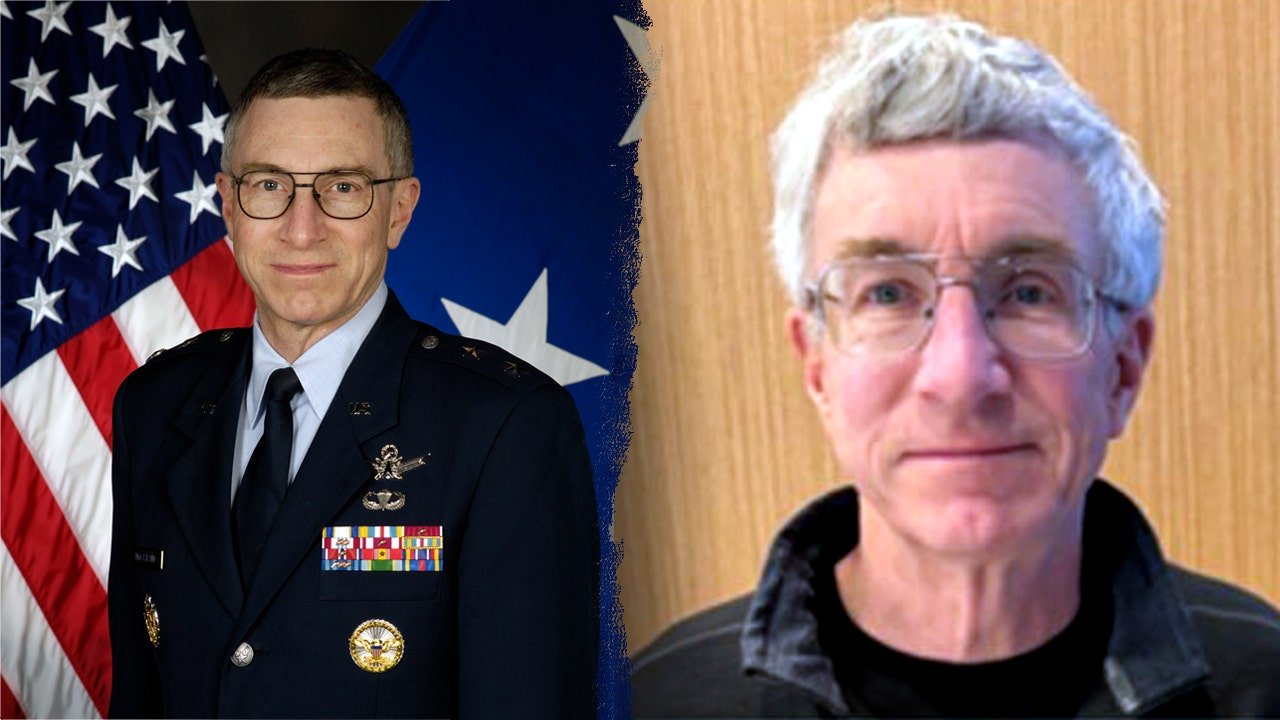
Susan Wilkerson was gone for just more than one hour when her husband, retired Air Force Maj. Gen. William «Neil» McCasland — who once oversaw some of the military’s most advanced and highly classified research programs — reportedly vanished from their Albuquerque home.
McCasland, 68, left his phone behind, but his wallet and a .38-caliber revolver were missing, according to the Bernalillo County, New Mexico, Sheriff’s Office.
The general previously had said he was experiencing what he described as a «mental fog,» according to investigators, but authorities stressed there was no indication he was disoriented at the time of his disappearance.
«Arguably, he would still be the most intelligent person in the room,» Albuquerque police Lt. Kyle Wood said March 16.
McCasland’s disappearance is one of 10 recent cases involving scientists tied to U.S. military and government research that have drawn attention, including at the White House, where officials said they are looking into the matter after being asked about a potential pattern.
«I hope it’s random, but we’re going to know in the next week and a half,» Trump told reporters Thursday. «I just left a meeting on that subject.»
Here’s what we know about the scientists who have disappeared or died under a range of circumstances over the past three years.
Neil McCasland: Disappeared Feb. 27, 2026
Ret. Maj. Gen. William Neil McCasland, 68, was reported missing in New Mexico in February. (Bernalillo County Sheriff’s Office)
McCasland disappeared Feb. 27 and police have found no trace of him since. His phone, prescription glasses and wearable devices were found at home, but his hiking boots, wallet and a .38‑caliber revolver were reported missing, according to the Bernalillo County, New Mexico, Sheriff’s Office.
McCasland held senior roles in space research and acquisition, including leadership positions at the Air Force Research Laboratory and the National Reconnaissance Office, according to the Air Force. He held senior roles at the Pentagon and commanded the Phillips Research Site of the Air Force Research Laboratory at Kirtland Air Force Base in New Mexico, and the Air Force Research Laboratory at Wright-Patterson Air Force Base in Ohio, according to the Air Force.
McCasland’s name also surfaced in an unexpected place years earlier — the 2016 WikiLeaks release of emails from Hillary Clinton campaign chairman John Podesta. In those messages, musician and UFO enthusiast Tom DeLonge described working with McCasland on discussions related to unidentified aerial phenomena, noting that the general had previously led the Air Force Research Laboratory at Wright-Patterson Air Force Base — a facility long tied in UFO lore to the alleged 1947 Roswell crash.
«Neil does not have any special knowledge about the ET bodies and debris from the Roswell crash stored at Wright-Patt,» his wife, Susan, wrote on Facebook shortly after his February disappearance.
The 1947 Roswell incident involved debris later identified by the U.S. government as part of a classified military balloon program, though it has long been the subject of UFO and extraterrestrial conspiracy theories.
Susan Wilkerson also noted that her husband retired in 2013.
«It seems quite unlikely that he was taken to extract very dated secrets from him,» she said on Facebook.
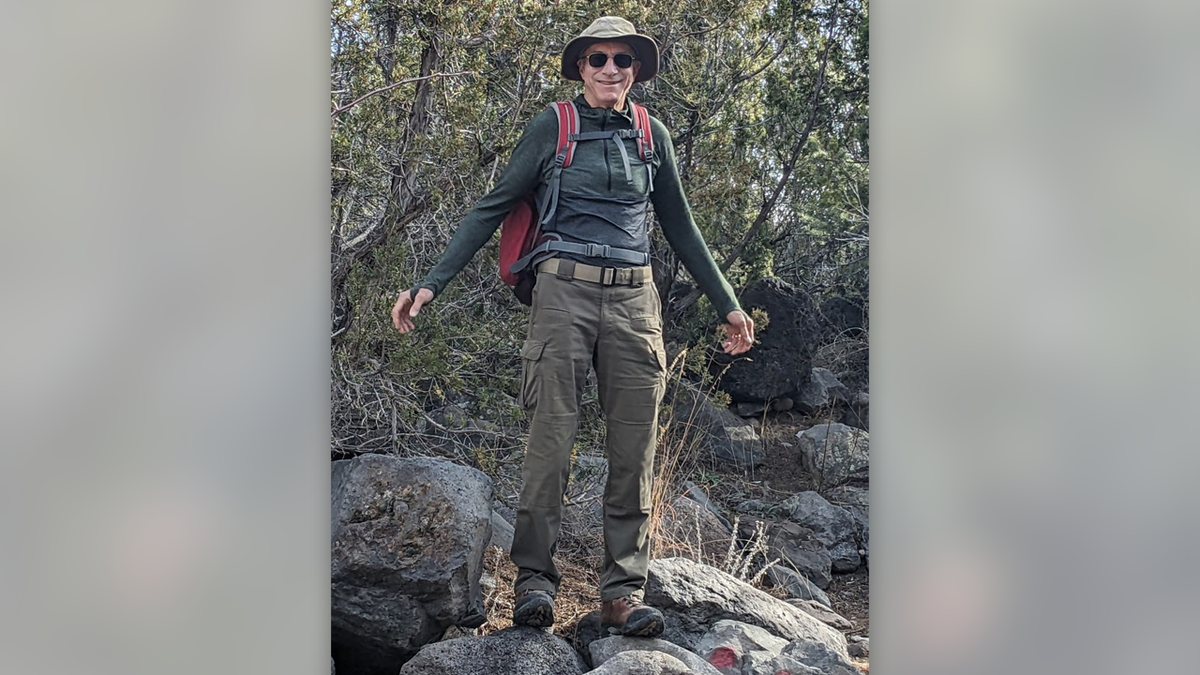
An undated photo of missing retired Air Force Gen. William «Neil» McCasland in hiking gear. The 68-year-old was last seen near his Albuquerque, New Mexico, home on Feb. 26. (Susan McCasland Wilkerson/Facebook)
Monica Jacinto Reza: Disappeared June 22, 2025
Reza, 60, was hiking with a friend in the Angeles National Forest near Los Angeles on a well-traveled trail around 9 a.m. on the morning of her disappearance, according to the Los Angeles County Sheriff’s Department.
The friend was about 30 feet ahead, and told police he turned around to check on her and she smiled and waved, indicating she was doing fine. The friend turned back to continue hiking, and when he looked back again moments later, she was gone, according to, according to case details released during the search.
He immediately alerted authorities who sent out a search party. Since then, there have been no sightings or any trace of Reza or her belongings.
Reza, an aerospace engineer, was the co-creator of Mondaloy, a nickel-based alloy capable of withstanding the extreme heat of rocket engines. At the time of her disappearance, she was the Director of Materials Processing at NASA’s Jet Propulsion Laboratory (JPL).
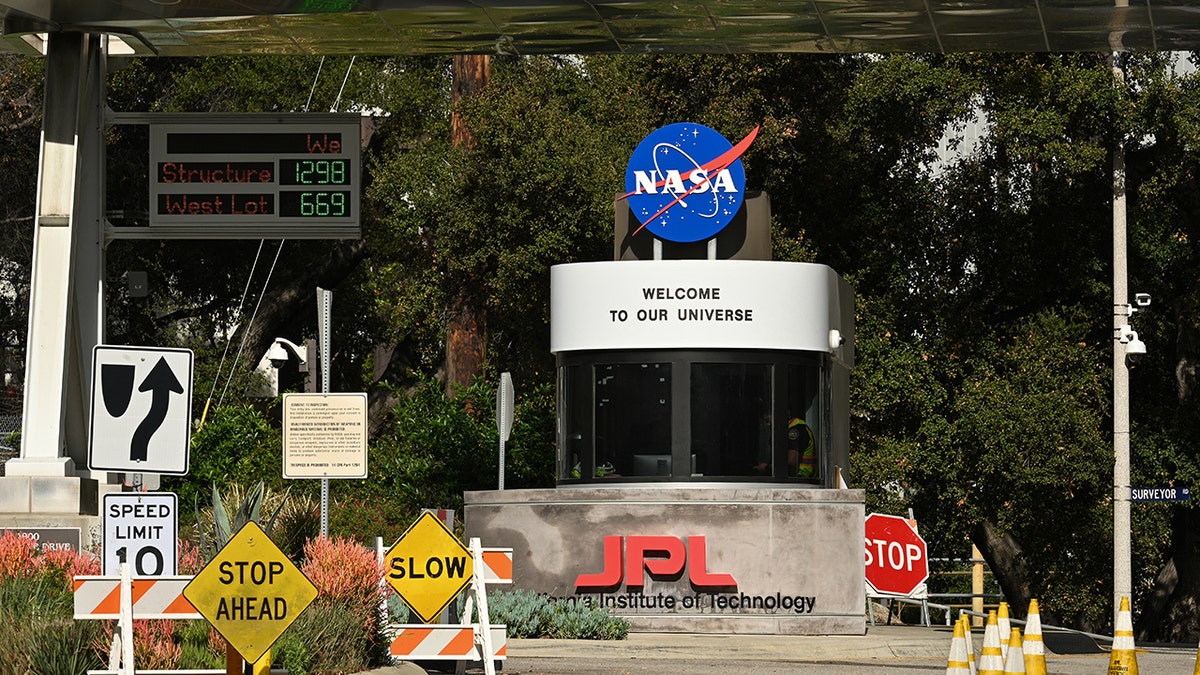
The entrance to NASA’s Jet Propulsion Laboratory in Pasadena, California is seen on February 7, 2024. (Robyn Beck/AFP)
Reza’s work in advanced rocket materials was funded in part by the Air Force Research Laboratory — the same organization McCasland later led — placing the two in overlapping corners of the U.S. defense research ecosystem, though no direct relationship between them has been publicly confirmed.
Steven Garcia: Disappeared Aug. 28, 2025
Garcia, 48, was last seen leaving his home in Albuquerque around 9 a.m., captured on surveillance footage walking away on foot while carrying a handgun. He left behind his phone, wallet, keys and car, and has not been seen since, according to Albuquerque police.
Garcia was a government contractor tied to the Kansas City National Security Campus, a key facility responsible for producing the vast majority of non-nuclear components used in the U.S. nuclear weapons arsenal. His role reportedly gave him high-level security clearance and oversight of sensitive assets.
Authorities initially warned Garcia «may be a danger to himself,» raising concerns about his mental state. But an anonymous source familiar with the case pushed back on that assessment to the Daily Mail, describing him as «a very stable person» and disputing suggestions that he was suicidal or experiencing mental health issues.
Both Garcia and McCasland lived in the same region of New Mexico, a hub for U.S. nuclear and defense research, though authorities have not confirmed any connection between the cases.
Carl Grillmair: Killed Feb. 16, 2026
Grillmair, 67, a California Institute of Technology astrophysicist known for his work on exoplanets and the discovery of water on distant worlds, was shot and killed outside his home in Llano, California, early in the morning. Deputies responding to a call found him on his front porch with a gunshot wound; he was pronounced dead at the scene.
Authorities later arrested a 29-year-old suspect in connection with the killing, charging him with murder as well as carjacking and burglary in separate incidents. Investigators said the suspect had previously been reported for trespassing on Grillmair’s property in the weeks leading up to the shooting.
Grillmair had spent decades working on major NASA-backed missions, including the Hubble and Spitzer space telescopes, contributing to research on galactic structure, dark matter and the search for habitable planets.
Nuno Loureiro: Killed Dec. 15, 2025
Loureiro, 47, a renowned MIT physicist and director of the university’s Plasma Science and Fusion Center, was shot at his home in Brookline, Massachusetts, and died from his injuries the following day.
His killing came within months of both the disappearance of McCasland and the fatal shooting of Grillmair, adding to growing attention around a series of cases involving scientists tied to defense and aerospace research.
Loureiro was a leading figure in fusion energy research, studying plasma physics and working on technologies aimed at harnessing near-limitless clean energy.
Authorities later linked his killing to a suspect connected to a separate mass shooting at Brown University days earlier. Investigators said the suspect, who had previously attended university with Loureiro in Portugal, died by suicide after the attacks, effectively closing the case.
Despite early speculation online, officials have not indicated Loureiro’s death was connected to his research or to any broader pattern.
Frank Maiwald: Died July 4, 2024
Maiwald, 61, a longtime engineer at NASA’s Jet Propulsion Laboratory, died in Los Angeles on Independence Day.
The only widely available public record of Maiwald’s death is a brief online obituary. No cause of death has been publicly disclosed, and reporting indicates no autopsy was performed.
Maiwald spent decades at JPL developing advanced instruments used to study Earth and distant planetary environments, including tools capable of detecting chemical signatures such as water and organic molecules.
His work focused on building instruments capable of detecting chemical signatures including water, organic molecules and other indicators scientists use to assess whether environments beyond Earth could support life.
Melissa Casias: Disappeared June 26, 2025
Casias, 53, was last seen on June 26, 2025, in Taos County, New Mexico, walking alone along State Road 518 near the community of Talpa.
Earlier that day, Casias, an administrative employee with security clearance at Los Alamos National Laboratory, had left work and spent time in Taos. At one point, her niece told local media, she picked up a Subway sandwich and dropped it off for her daughter, who was working at a coffee shop in the Taos Plaza area.
When family members returned home, they found her car, purse, keys and both her personal and work-issued phones inside. The phones had been factory reset, wiping recent data and communications.
Family members have strongly pushed back on the idea that she left voluntarily. «All of her friends keep telling us this is not like her… she wouldn’t leave her daughter,» her sister, Trudy Najera, said. The family added that Casias had been preparing to care for their mother during an upcoming surgery.
Despite multiple searches, no confirmed trace of Casias has been found since that afternoon.
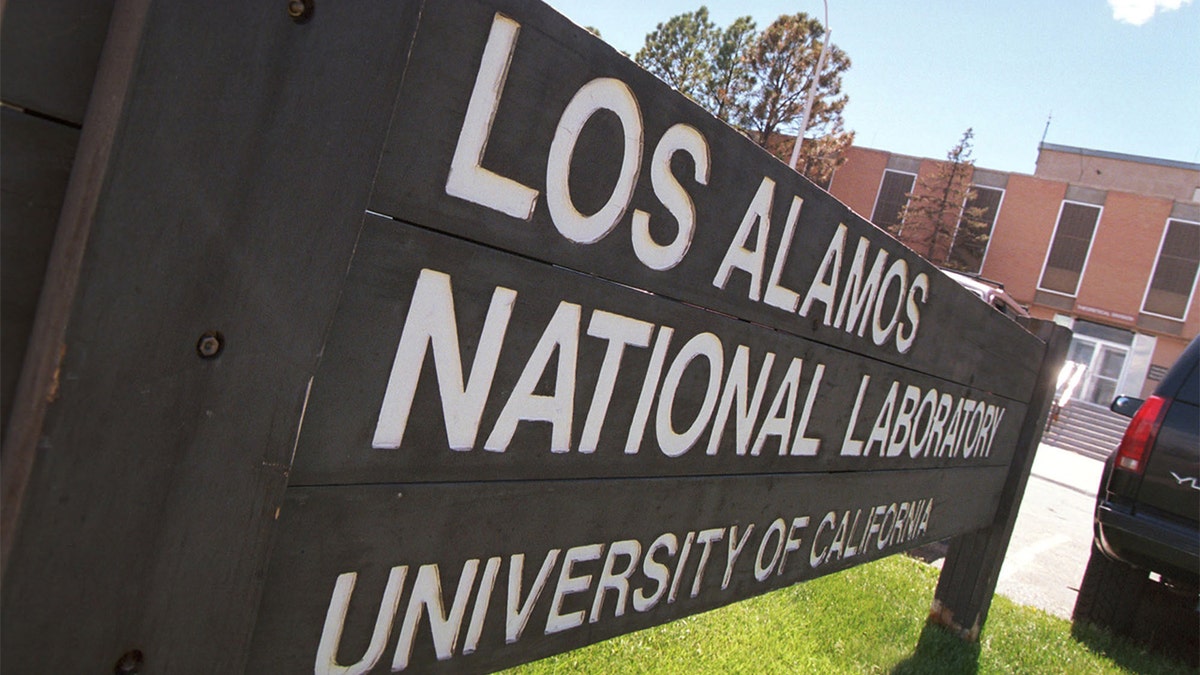
A sign greets visitors as they arrive on the Los Alamos National Laboratory campus June 14, 1999 in Los Alamos, New Mexico. (Joe Raedle/Newsmakers)
Anthony Chavez: Reported missing May 8, 2025
Chavez, 78, a retired Los Alamos National Laboratory employee, is believed to have last been seen around May 4, 2025, at his home in Los Alamos, New Mexico. He was reported missing four days later, May 8.
When authorities and family members searched his home, they found his wallet, keys and other personal items left behind inside, while his car remained locked in the driveway. There were no signs of forced entry or a struggle, according to the Los Alamos Reporter.
Investigators reviewed hours of surveillance footage from nearby homes and businesses but have not publicly identified any confirmed footage showing Chavez after he left his residence.
Chavez had worked for decades at Los Alamos National Laboratory before retiring in 2017, placing him within the same northern New Mexico defense corridor as others who later vanished.
Jason Thomas: Missing Dec. 13, 2025, found deceased March 17, 2026
Thomas, 45, an associate director of chemical biology at pharmaceutical company Novartis, was reported missing in December 2025 after leaving his home in Wakefield, Massachusetts, late at night. Surveillance footage captured him walking near train tracks shortly after midnight, and he left behind his phone and wallet.
Thomas worked in chemical biology, a field at the intersection of chemistry and biology that uses small molecules to study and manipulate biological systems — work that plays a central role in modern drug discovery and the development of new treatments.
At Novartis, he focused on identifying and testing compounds that could target disease-related proteins, part of a broader effort to develop new medicines for complex conditions.
CLICK HERE TO DOWNLOAD THE FOX NEWS APP
In the months after his disappearance, authorities conducted extensive searches but found no trace of him. On March 17, 2026, a body believed to be Thomas was recovered from Lake Quannapowitt after the ice thawed. Officials said no foul play was suspected, though the cause and manner of death have not been publicly disclosed.
The overlap in timing and profession has fueled questions about whether something more is at play. But investigators have not identified any evidence of a broader pattern, and the cases themselves, ranging from confirmed homicides to disappearances and natural deaths, point in different directions.
missing persons, ufos, pentagon, us air force, nasa










INTERNACIONAL
La ayuda humanitaria de Estados Unidos se reparte a cuentagotas por Cuba ante la falta de combustible en la isla
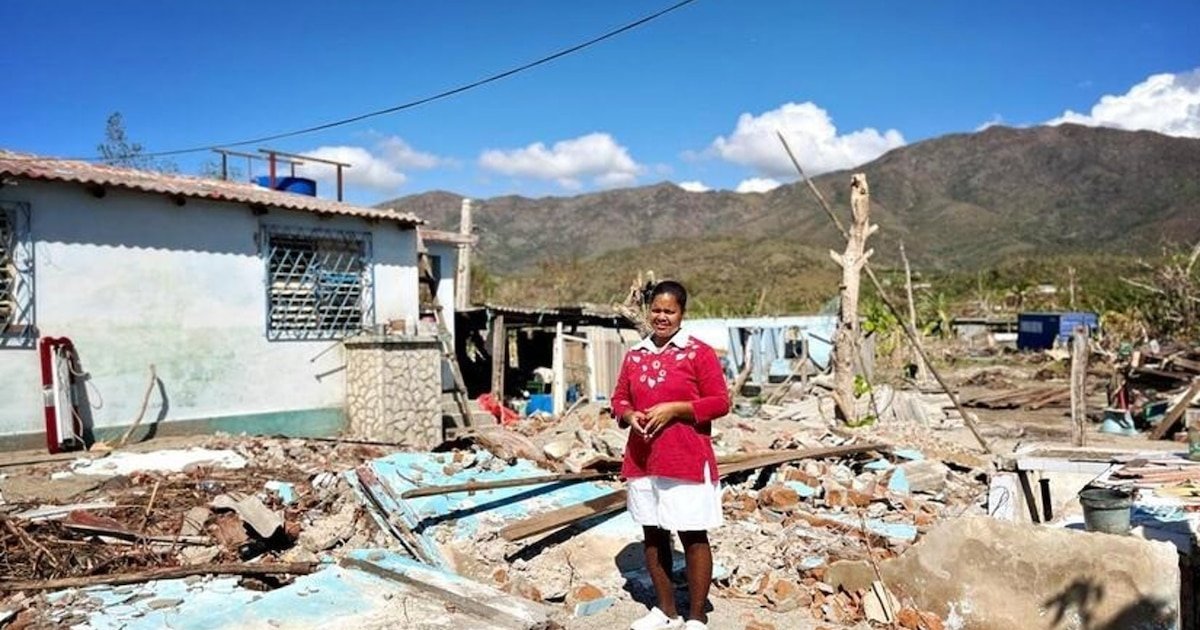
La ayuda humanitaria estadounidense llega a Cuba a través de Cáritas, organización sin fines de lucro católica que actúa como vínculo entre Washington y La Habana, en respuesta al paso del huracán Melissa en 2025 y que, hasta el día de hoy, representa un alivio tangible en un contexto de escasez que afecta a los cubanos.
Después de recibir un paquete con arroz, frijoles y productos de higiene, Teodardo Debardet cruza lentamente el barrio de Hongolosongo en su bicicleta adaptada. El paquete de suministros que recibió Debardet es parte de la distribución de casi la totalidad de los USD 3 millones enviados a principios de año, una fracción de los USD 9 millones prometidos.
En esta pequeña comunidad de Santiago de Cuba, muchos habitantes aún no han conseguido reparar los techos destruidos por el ciclón. Menos de la mitad de las casas tienen electricidad y el acceso al agua corriente es un privilegio para unos pocos.
El huracán Melissa golpeó la isla con vientos de 195 km/h en octubre de 2025, y dejó a su paso a muchas familias sin techo y destruyó servicios básicos. La situación se agrava por el bloqueo petrolero y el endurecimiento de las sanciones económicas.
Washington propuso recientemente una ayuda adicional de USD 100 millones para Cuba: USD 60 millones serían canalizados a través de Cáritas, y el resto por otras organizaciones no gubernamentales. Sin embargo, el régimen cubano aún no ha confirmado si aceptará esta nueva oferta.
En respuesta a la propuesta, el dictador Miguel Díaz-Canel expresó que levantar el embargo estadounidense sería, en sus palabras, “más útil que el envío de ayuda humanitaria”.

La distribución de los paquetes enfrenta retos logísticos importantes. “Se nos hace un poquito difícil porque tenemos que buscar transporte, conseguir combustible, ver quién nos puede acercar hasta allá”, explica Katia Simón, responsable de Cáritas en El Cobre.
Cuando escasean la gasolina y el diésel, los envíos se realizan en carretas de bueyes. La llegada de los lotes, acompañados en ocasiones por consultas médicas, sesiones de peluquería y actividades recreativas para niños, es recibida con gratitud.
Las dificultades para transportar y entregar la ayuda humanitaria persisten en toda la región oeste de Cuba. El desabastecimiento de combustible obliga a buscar alternativas rudimentarias y ralentiza la llegada de insumos básicos para los damnificados. A pesar de las carencias, la asistencia internacional permite paliar algunas necesidades esenciales de las comunidades más aisladas.
“Recibimos muy bien esta ayuda venga de donde venga (…) si es del pueblo de Estados Unidos, está bien”, afirmó Osmany Vedey, de 63 años, reflejando el sentir de muchos vecinos, en diálogo con AFP. Tras el desastre natural, la ayuda internacional llegó también desde organismos como la ONU, la Unión Europea, China, México y Venezuela. Naciones Unicdas continúa su programa de asistencia, aunque enfrenta los mismos obstáculos logísticos para alcanzar a los damnificados.
La falta de combustible también afecta al transporte en la isla. Cuba enfrenta una parálisis casi total del transporte interprovincial tras la entrada en vigor de restricciones severas el jueves. Millones de personas se ven obligadas a depender de los limitados asientos disponibles en trenes y autobuses estatales, reservados únicamente para emergencias médicas, funerales u otras situaciones críticas.

A partir de ahora, los trenes que enlazan La Habana con ciudades del este solo circularán cada 16 días, cuando antes ofrecían tres frecuencias semanales. El servicio de autobuses estatales, que anteriormente realizaba viajes diarios entre la capital y otras provincias, quedará reducido a entre una y tres salidas semanales.
La escasez dejó vacías las estaciones de servicio y convirtió la movilidad cotidiana en un desafío para la población de 9,6 millones de habitantes. Muchos recurren al uso de bicicletas ante la disminución del transporte público.
Los pasajeros que necesiten viajar deberán solicitar sus pasajes con al menos una semana de antelación y se aplicará un sistema de prioridades. El viceministro de Transporte, Luis Ladrón de Guevara, precisó que no será necesario gestionar permisos especiales para realizar estos desplazamientos.
(Con información de AFP)
Business,International Relations,Corporate Events,Diplomacy / Foreign Policy,South America / Central America
INTERNACIONAL
Biden scores temporary court victory as Trump-appointed judge delays release of Hur investigation materials
NEWYou can now listen to Fox News articles!
Former President Joe Biden has won another three weeks to block the release of audio recordings and transcripts tied to special counsel Robert Hur’s classified documents investigation after a federal judge granted a temporary injunction while a federal appeals court reviews his challenge.
The recordings stem from Biden’s interviews with Mark Zwonitzer, the ghostwriter of his 2017 memoir, «Promise Me, Dad.»
U.S. District Judge Dabney Friedrich, a Trump appointee, on Friday issued an injunction pending appeal that prevents the Justice Department from releasing the materials while the D.C. Circuit considers the case. The order came just hours after Friedrich denied Biden’s request for a preliminary injunction that would have stopped the release altogether.
The legal battle could determine whether Americans ever hear the recordings that helped shape Hur’s decision not to prosecute Biden over his handling of classified documents. The audio has been the subject of intense scrutiny because Hur raised questions about Biden’s memory in explaining why he declined to bring charges against Biden for mishandling classified documents.
GREGG JARRETT: RELEASE THE BIDEN TAPES AND LET AMERICANS HEAR THE TRUTH FOR THEMSELVES
Although the Justice Department previously released audio from Biden’s interviews with Hur, the recordings at the center of the current legal battle involve separate conversations between Biden and Zwonitzer.
Hur’s 2024 report repeatedly referenced Biden’s recorded conversations with Zwonitzer. The special counsel described some exchanges as «painfully slow» and said Biden at times struggled to recall events and relay information, observations that fueled scrutiny of the Biden’s cognitive abilities during an election year.
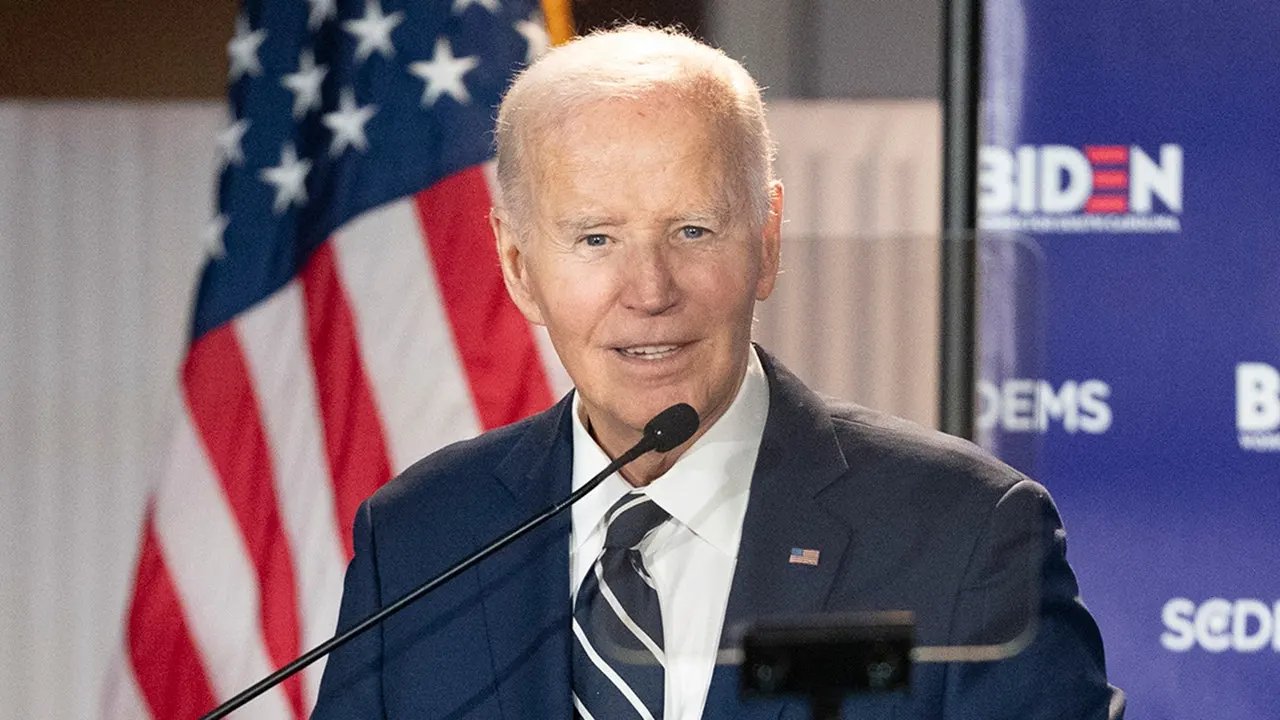
Former President Joe Biden speaks to a crowd during a fundraising event with the South Carolina Democratic Party at the Columbia Museum of Art on Feb. 27, 2026, in Columbia, S.C. (Sean Rayford/Getty Images)
The Heritage Foundation and its Oversight Project director, Mike Howell, have spent more than two years seeking the recordings and transcripts through FOIA requests.
Heritage Foundation officials have argued the public has a strong interest in reviewing the materials referenced throughout Hur’s report, particularly because the special counsel relied on the recordings in explaining his decision not to pursue criminal charges.
Biden has been fighting to keep the potentially embarrassing recordings under wraps.
CNN HOST SUGGESTS ROBERT HUR ‘UNDERSOLD’ EXTENT OF BIDEN MEMORY LAPSES DURING SPECIAL COUNSEL INTERVIEW
After Friedrich denied Biden’s motion for a preliminary injunction Friday, Biden’s legal team immediately sought emergency relief to preserve the status quo while appealing the decision.
In an emergency filing, Biden’s attorneys argued that disclosure would effectively end the case before appellate judges could review the legal questions involved. They maintained that once the recordings are released, any privacy protections would be permanently lost, and the appeal would become largely moot.
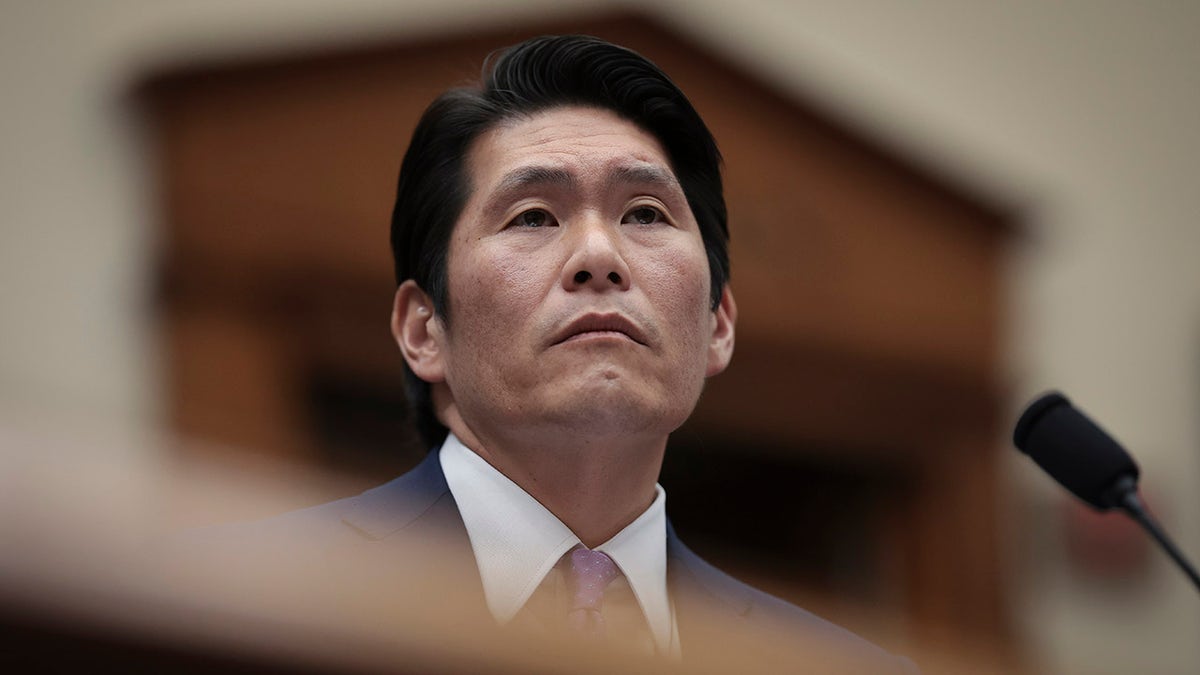
Former special counsel Robert K. Hur testifies before the House Judiciary Committee in Washington, D.C., March 12, 2024. Hur investigated President Joe Biden’s handling of classified documents and published a report with conclusions about Biden’s memory. (Win McNamee/Getty Images)
The filing also stressed that the FOIA litigation has already been pending for more than two years and argued there was no urgent public need requiring immediate disclosure of conversations that occurred roughly a decade ago between Biden and his ghostwriter. Biden’s attorneys noted that the former president is now a private citizen who neither holds nor is seeking public office.
OBAMA-APPOINTED JUDGE WITH TIES TO ANTI-TRUMP CONSPIRACY THEORY HIT WITH MISCONDUCT COMPLAINT
The Justice Department initially withheld the recordings and much of the transcript material under several FOIA exemptions. Earlier this year, however, the department reversed course and determined the records could be released with redactions after concluding that significant public interest existed in understanding evidence relied upon by Hur during his investigation.
After the Justice Department announced plans to release the recordings, Biden filed suit in May to stop the disclosure, claiming the audiotapes contain private conversations that should remain protected from public release and, if released, would be in violation of the Privacy Act.
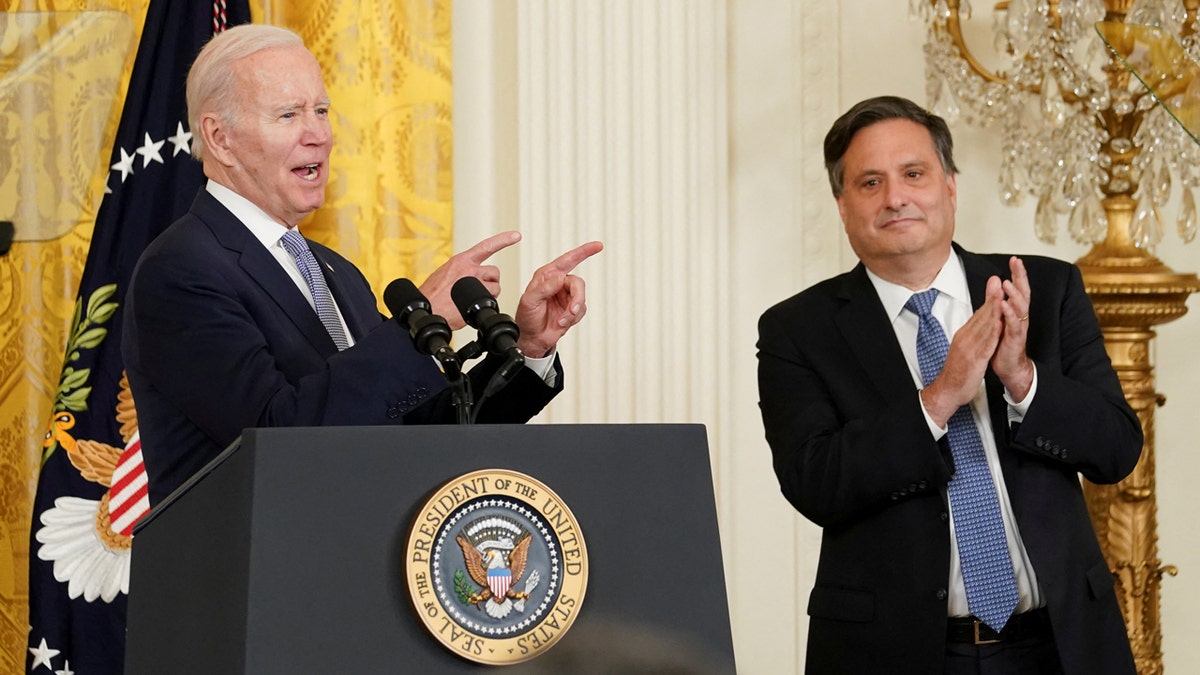
President Joe Biden speaks during an official transition event to thank Ron Klain for his work and to welcome successor Jeff Zients. (Reuters/Kevin Lamarque)
His legal team argued that the department’s decision violates the Privacy Act and constitutes arbitrary agency action under the Administrative Procedure Act.
CLICK HERE TO DOWNLOAD THE FOX NEWS APP
Leading Biden’s legal effort is Amy Jeffress, a partner at Washington-based law firm Hecker Fink and a former Justice Department national security official. Jeffress has served as the primary attorney advancing Biden’s challenge to the release of the materials and signed the recent emergency filing seeking to prevent disclosure while the appeal proceeds.
Jeffress has also drawn attention because she is married to U.S. District Judge Christopher Cooper, an Obama appointee who recently ruled against the Trump administration in a high-profile dispute involving the Kennedy Center. Cooper’s ruling prompted criticism from some Trump allies and conservative commentators who pointed to the judge’s family connection to Biden’s attorney, suggesting a conflict of interest may be at play in Cooper’s work.
in court, joe biden, how justice happens, appeals, trials
INTERNACIONAL
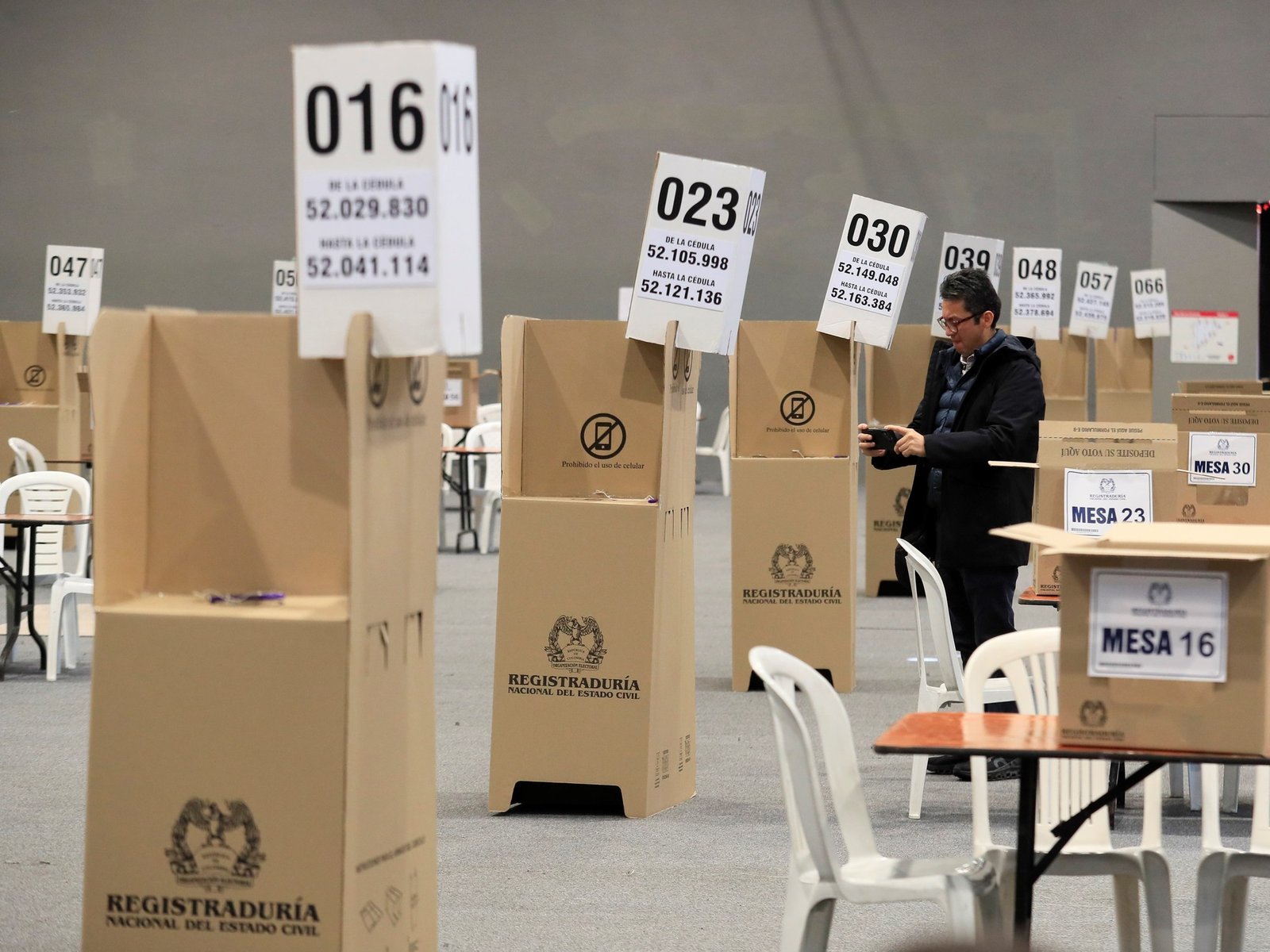
Balotaje en Colombia: un país dividido elige presidente entre un libertario y un socialista


La ayuda humanitaria de Estados Unidos se reparte a cuentagotas por Cuba ante la falta de combustible en la isla

“Es un orgullo ser el hijo de mi papá”: el conmovedor recuerdo de Marcelo Tinelli en vísperas por el Día del Padre

La crisis de Adorni destapó una unión entre Bullrich y el kirchnerismo en el Senado por un artículo clave

Cómo sigue la economía en el segundo semestre: inflación en baja, dólar algo más picante y mejora gradual del consumo

Biden scores temporary court victory as Trump-appointed judge delays release of Hur investigation materials

El horóscopo de hoy: domingo 21 de junio

Patricia Bullrich: “El Presidente considera que Adorni dio una explicación razonable”

El Gobierno envía señales de que Adorni tiene las horas contadas para evitar que sesione el Senado

GOP Gov DeWine urges Ohio to abolish the death penalty, says it is no longer a deterrent

El lapidario posteo de Javier Milei contra Florencia Peña por la fake news sobre la muerte del papá de Messi

 POLITICA2 días ago
El lapidario posteo de Javier Milei contra Florencia Peña por la fake news sobre la muerte del papá de Messi
- SOCIEDAD3 días ago
Un nutricionista detalló cuál es la bebida alcohólica que causa más resaca y cómo influye el color
- POLITICA3 días ago
El Gobierno aprobó un nuevo anticipo financiero para tres provincias