
INTERNACIONAL
White House meets AI firm Anthropic amid political tensions, Pentagon dispute

NEWYou can now listen to Fox News articles!
One month after President Donald Trump ordered a government-wide halt on artificial intelligence firm Anthropic’s technology following a clash with the Pentagon, the company’s CEO is back at the White House for high-level talks — as officials reconsider whether a system they sidelined over national security and political concerns may be too important to ignore.
A source familiar with the meeting told Fox News White House chief of staff Susie Wiles met with Anthropic CEO Dario Amodei Friday.
Anthropic’s new artificial intelligence model, Mythos Preview, is considered so advanced that the company has restricted its release, limiting access to a small group of partners over concerns about potential misuse.
The meeting signals a rapid reversal inside the Trump administration, as officials weigh whether a system previously flagged as a national security risk could also be critical to defending U.S. infrastructure — exposing a growing internal tension over how to handle powerful AI tools with both defensive and offensive potential.
«Anthropic CEO Dario Amodei today met with senior administration officials for a productive discussion on how Anthropic and the U.S. government can work together on key shared priorities such as cybersecurity, America’s lead in the AI race, and AI safety. The meeting reflected Anthropic’s ongoing commitment to engaging with the U.S. government on the development of responsible AI. We are grateful for their time and are looking forward to continuing these discussions,» an Anthropic spokesperson told Fox News Digital.
MADURO RAID QUESTIONS TRIGGER PENTAGON REVIEW OF TOP AI FIRM AS POTENTIAL ‘SUPPLY CHAIN RISK’
The talks come despite a recent clash inside the Trump administration, as officials reconsider a company the Pentagon flagged as a supply chain risk. Its ties to former Biden officials and past criticism of Trump by its CEO have added a political dimension to the debate over whether its technology should return to government use.
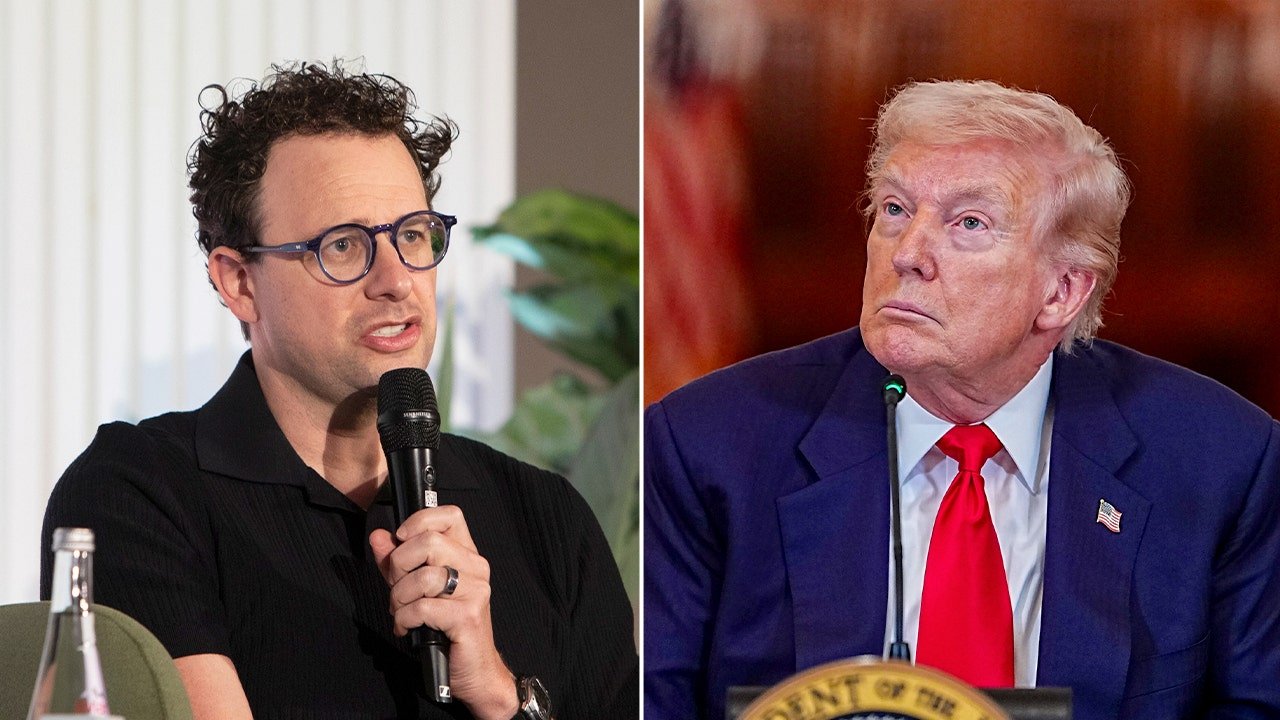
A source familiar with the meeting told Fox News White House chief of staff Susie Wiles met with Anthropic CEO Dario Amodei Friday. (Chance Yeh/Getty Images for HubSpot))
That potential and the risks that come with it already have triggered tensions inside the U.S. government.
Pentagon clash, legal fight and reversal put Anthropic back in play
The meeting comes after a sharp break between Anthropic and the Pentagon earlier in 2026.
Defense Secretary Pete Hegseth designated the company a national security «supply chain risk,» effectively cutting it out of military systems and barring contractors from using its technology.
Anthropic is now challenging the designation in court, after filing multiple lawsuits against the Pentagon and other federal agencies arguing the «supply chain risk» label is unlawful and retaliatory.
The designation, which effectively bars contractors from using Anthropic’s technology and has been compared to measures typically reserved for foreign adversaries, already has faced conflicting rulings in federal court, with one judge temporarily blocking parts of the policy while an appeals court declined to halt its enforcement. The legal fight is ongoing, leaving contractors and agencies navigating uncertainty over whether and how Anthropic’s systems can be used.
The move followed a dispute over how the Pentagon could use Anthropic’s AI.
The company declined to grant open-ended authorization for «all lawful purposes,» instead insisting its systems not be used for mass domestic surveillance or fully autonomous weapons. While Pentagon officials said they do not rely on AI for either purpose, they rejected being constrained by a private company’s restrictions.
Trump then directed federal agencies to stop using Anthropic’s models altogether, escalating the standoff beyond the Defense Department into a government-wide halt.
Now, just weeks later, the company is back in high-level talks with the White House as officials weigh whether its new Mythos system — despite the earlier ban — could shift the balance of cyber defense and attack.
Political ties and past criticism may complicate White House talks
The dispute also has taken on a political dimension.
Amodei previously has drawn attention for his criticism of Trump, at one point likening him to a «feudal warlord» in a pre-2024-election Facebook post, according to a Wall Street Journal report.
In an internal message posted on Anthropic’s Slack platform and later leaked to The Information, Amodei suggested the Trump administration’s dispute with the company was driven in part by its refusal to offer what he described as «dictator-style praise.»
The message, written during a rapid escalation of tensions in early March, later was cited by the Wall Street Journal and other outlets. Amodei subsequently apologized for the tone, saying the post did not reflect his considered views.
FEDERAL APPEALS COURT REJECTS ANTHROPIC BID TO BLOCK PENTAGON BLACKLIST IN AI DISPUTE
When asked about Anthropic’s governance, hiring and broader political ties, a White House official said the administration «continues to proactively engage across government and industry to protect the United States and Americans,» including «working with frontier AI labs to ensure their models help secure critical software vulnerabilities.»
The official added that «any new technology that would potentially be used or deployed by the federal government requires a technical period of evaluation for fidelity and security,» and said «the collective effort of all involved will ultimately benefit industry, and our country, as a whole.»
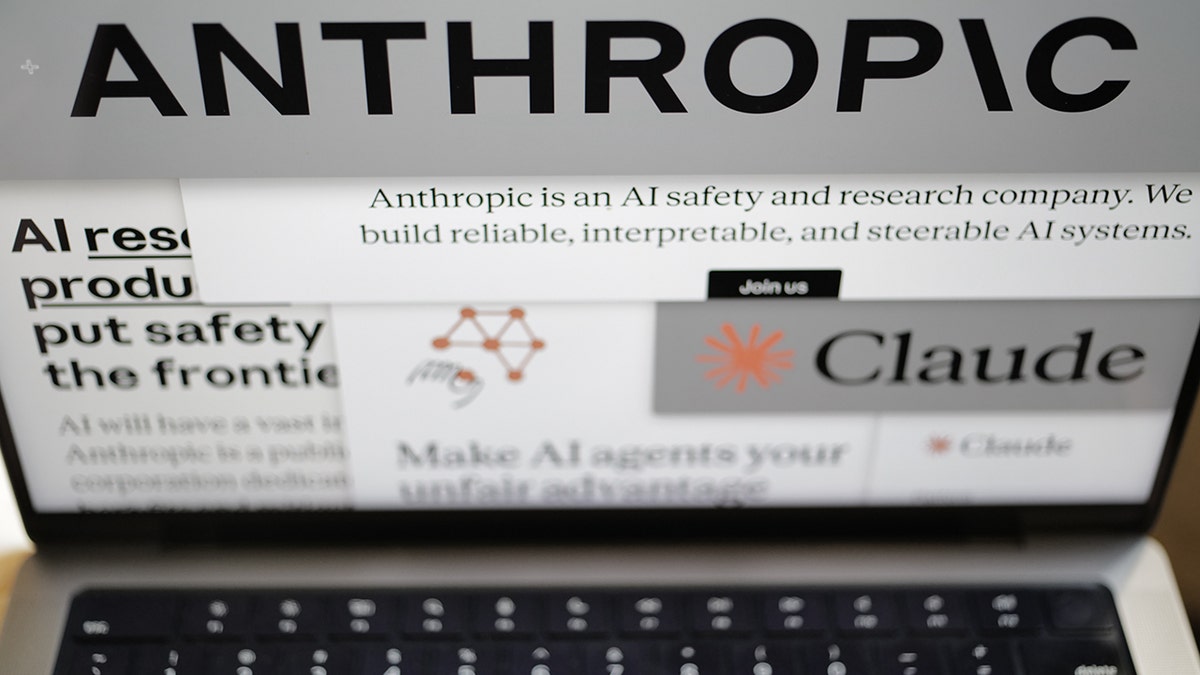
Amodei previously has drawn attention for his criticism of Trump, at one point likening him to a «feudal warlord» in a pre-2024-election Facebook post, according to a Wall Street Journal report. (Patrick Sison/AP Photo)
Beyond the immediate dispute, the company’s broader ties to Washington also have drawn attention.
Anthropic’s governance structure has also drawn attention as the administration weighs closer engagement. The company is overseen in part by an independent «Long-Term Benefit Trust,» an unusual mechanism designed to give nonfinancial stakeholders influence over corporate decisions.
The trust holds special voting shares that allow it to appoint and eventually control a majority of the company’s board, with members drawn from national security, public policy and global development backgrounds.
Current trustees include Clinton Health Access Initiative CEO Neil Buddy Shah, Carnegie Endowment president Mariano-Florentino Cuéllar, a Democrat who was appointed to the California Supreme Court by former Gov. Jerry Brown in 2014, and Center for a New American Security CEO Richard Fontaine — who advised John McCain’s 2008 presidential campaign. The group is a mix of policy and national security leaders that underscores the company’s deep ties to Washington and global policy circles.
Anthropic’s backers also have placed it at the center of overlapping tech, policy and political networks.
Early funding for the company included investments from figures such as Facebook co-founder Dustin Moskovitz and former Google CEO Eric Schmidt, both longtime Democratic donors, and a major early investment from Sam Bankman-Fried’s FTX.
At the same time, the company has since attracted a broad range of major institutional investors — including Amazon, Google and Microsoft — reflecting its growing role in the global AI race and complicating efforts to characterize it along purely political lines.
The company also has brought on several officials from the Biden administration into key policy roles, further embedding Anthropic in Washington’s AI policy ecosystem. Among them is Tarun Chhabra, a former National Security Council official who now leads the company’s national security policy work, as well as other advisers and staff with experience shaping federal AI and technology strategy.
Anthropic also has sought to build ties across party lines as it expands its presence in Washington.
The company employs policy staff with Republican backgrounds, including legislative analyst Benjamin Merkel and lobbyist Mary Croghan, and in February added Chris Liddell — a former deputy White House chief of staff under Trump — to its board. It has contributed $20 million to Public First Action, a bipartisan group that backs candidates from both parties who support AI regulation.
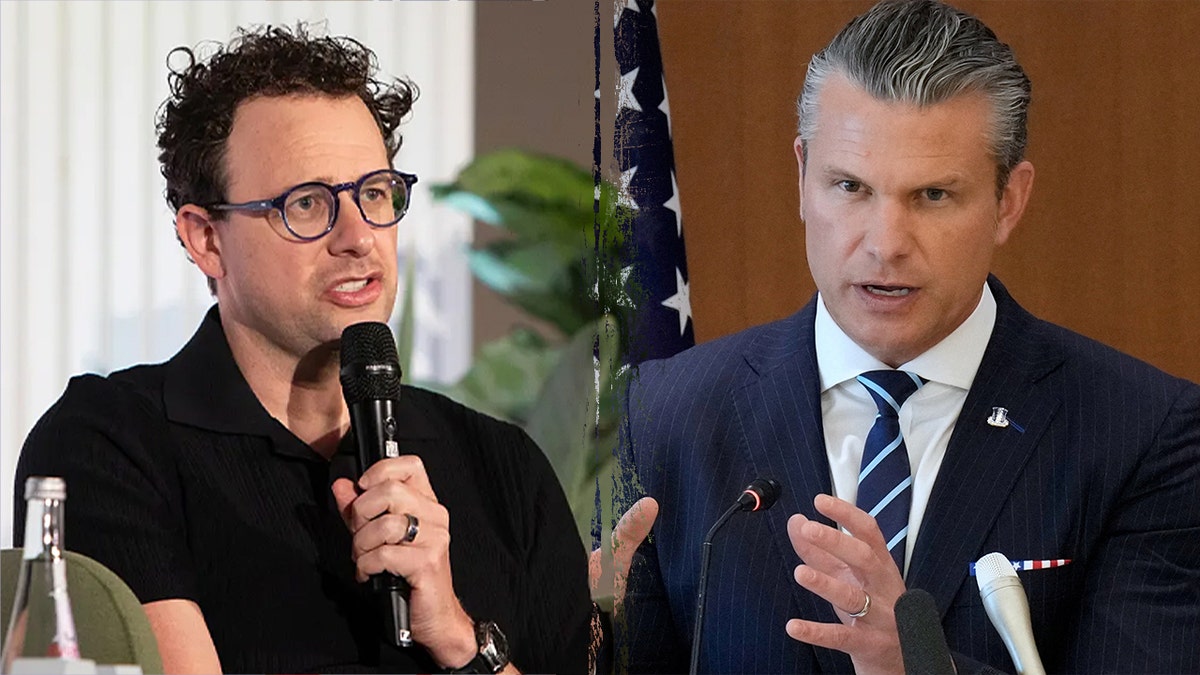
A federal judge’s decision to block the Trump administration from banning AI firm Anthropic from Department of War use is igniting a debate over whether the ruling pushes courts into national security decision-making. (Samyukta Lakshmi/Bloomberg via Getty Images; Eugene Hoshiko/Pool/Reuters)
The company has also faced criticism from within the Trump administration.
White House AI adviser David Sacks has accused Anthropic of pursuing a «regulatory capture» strategy, arguing the firm is using concerns about AI safety to push rules that could benefit its own position while slowing competitors.
Anthropic has pushed back on those claims, saying its approach reflects genuine concerns about the risks posed by advanced AI systems.
JUDGE FREEZES TRUMP ADMIN MOVE AGAINST AI FIRM, FUELING BATTLE OVER SECURITY AUTHORITY
New AI system could reshape cyber warfare, raising alarms inside US government
The new technology could help developers identify and fix long-standing security flaws, but it could also give hackers a powerful new tool to target U.S. businesses and government systems.
«Given the rate of AI progress, it will not be long before such capabilities proliferate, potentially beyond actors who are committed to deploying them safely,» Anthropic said in its announcement. «The fallout — for economies, public safety, and national security — could be severe.»
Anthropic has not released Mythos publicly, instead limiting access through a program called Project Glasswing, where a select group of companies use the model to scan critical systems for vulnerabilities.
Pages from the Anthropic website and the company’s logos are displayed on a computer screen in New York on Thursday, Feb. 26, 2026. (Patrick Sison/AP Photo)
CLICK HERE TO DOWNLOAD THE FOX NEWS APP
The company says the system has already uncovered thousands of previously unknown flaws — some decades old — underscoring both its defensive value and the risk it could be used to accelerate cyberattacks if the technology spreads.
Fox Business’ Edward Lawrence contributed to this report.
pete hegseth, artificial intelligence, companies, white house, pentagon








INTERNACIONAL
La increíble historia de los trillizos que fueron separados al nacer para un experimento científico y descubrieron la verdad 19 años después

Durante casi dos décadas, Edward Galland, David Kellman y Robert Shafran vivieron sin saber que eran hermanos. Nacieron el mismo día, compartían el ADN y, sin embargo, fueron entregados en adopción a tres familias diferentes que jamás fueron informadas de la existencia de los otros chicos.
El reencuentro ocurrió por una serie de casualidades que convirtió la historia en algo increíble. Rápidamente, los tres hicieron furor en Estados Unidos, protagonizaron programas de televisión, abrieron un restaurante y se convirtieron en celebridades.
Sin embargo, detrás de aquella historia que parecía sacada de una novela de ficción había un secreto oscuro: los habían separado a propósito para formar parte de un experimento científico que nunca fue informado a sus familias.
Décadas después, el caso cobró relevancia gracias al documental Three Identical Strangers, dirigido por Tim Wardle, que reconstruyó una de las historias más impactantes sobre adopciones y ética científica.
Tres idénticos desconocidos
Los tres hermanos nacieron el 12 de julio de 1961 en Nueva York. Su madre biológica era una adolescente soltera que decidió darlos en adopción. Lo que ni ella ni las familias adoptivas sabían era que los bebés serían separados intencionalmente.
Cada uno fue enviado a un hogar distinto a través de la agencia de adopciones Louise Wise Services. La decisión no fue aleatoria, ya que según se supo muchos años después, los responsables del estudio buscaban que crecieran en familias con diferentes niveles socioeconómicos y distintos estilos de crianza para observar cuánto influían la genética y el ambiente en el desarrollo de una persona.
Uno de los hermanos fue criado en una familia trabajadora, otro en un hogar de clase media y el tercero en un entorno con una posición económica más acomodada. Todos crecieron creyendo que eran hijos únicos.
Los trillizos que fueron separados al nacer por un experimento científico. (Foto: Three Identical Strangers)
La historia de los trillizos dio un giro en 1980, cuando Robert Shafran llegó a estudiar en el Sullivan County Community College, ubicado en Nueva York.
Desde el primer momento ocurrió algo que le pareció raro: alumnos que nunca había visto lo saludaban y lo llamaban “Eddy”. Algunos incluso mantenían una breve conversación con él convencidos de que era otra persona.
Por otra parte, un compañero conocía a Edward Galland, un chico que había estudiado allí el año anterior y que era idéntico al recién llegado. Cuando ambos se encontraron cara a cara quedaron completamente sorprendidos: tenían las mismas facciones, la misma voz y la misma fecha de nacimiento.
La posibilidad de que fueran hermanos adoptados apareció enseguida. Poco después confirmaron que eran gemelos idénticos separados al nacer.
La similitud física entre los hermanos era innegable. (Foto: CNN)

Pocos días después de que los medios publicaran la historia del sorprendente reencuentro, David Kellman vio una foto de los dos jóvenes en el diario local y no pudo creer lo que veía: ellos eran iguales a él.
Fue así que David logró contactarlos por teléfono y organizó un encuentro. Cuando los tres estuvieron juntos comprobaron que no eran gemelos, sino trillizos.
De un fenómeno mediático a una verdad inesperada
El reencuentro de los trillizos causó un impacto inmediato en Estados Unidos. En cuestión de semanas, Robert Shafran, David Kellman y Eddy Galland pasaron de ser tres jóvenes desconocidos a ser protagonistas de programas de televisión, entrevistas y portadas de revistas y diarios.
Su parecido físico era increíble, pero lo que más llamaba la atención era la cantidad de rasgos que compartían a pesar de haber crecido por separado: fumaban la misma marca de cigarrillos, tenían gustos similares para la comida, practicaban lucha libre e incluso utilizaban expresiones y gestos casi idénticos.
Después de que se diera a conocer el caso, los trillizos se volvieron famosos en Estados Unidos. (Foto: BBC)

Las imágenes de los tres vestidos iguales y respondiendo preguntas al mismo tiempo dieron la vuelta al país. Por eso, aprovechando la enorme repercusión, decidieron mudarse juntos a Nueva York y abrieron un restaurante en el barrio del SoHo llamado Triplets, que rápidamente se convirtió en furor entre turistas y curiosos que querían conocer a los hermanos.
Sin embargo, mientras disfrutaban de esa inesperada fama, todavía desconocían el motivo por el que habían sido separados al nacer. La respuesta llegaría años después y transformaría para siempre la manera en que entendían su propia historia.
Un experimento oculto
En la década de los 90, investigaciones periodísticas dieron a conocer la existencia de un estudio secreto encabezado por el psiquiatra infantil Peter Neubauer, que había desarrollado junto a la agencia de adopciones Louise Wise Services.
El objetivo del proyecto era averiguar cuánto influye la herencia genética y cuánto pesa el entorno social en la formación de la personalidad.

Peter Neubauer, el psiquiatra infantil que estuvo a cargo del experimento científico que involucró a los hermanos trillizos. (Foto: Daily Mail)
Durante la infancia de los chicos, investigadores visitaban con frecuencia las casas donde estaban alojados con la excusa de realizar controles de rutina sobre la adaptación. En esas reuniones hacían preguntas, filmaban a los menores, evaluaban su comportamiento y registraban su desarrollo.
Años después, los propios trillizos aseguraron que jamás fueron informados de la existencia del estudio y que crecieron sin saber que dos hermanos idénticos vivían a pocos kilómetros de distancia.
“Nos trataban como sujetos de estudio, pero nosotros éramos víctimas. Hay una gran diferencia”, dijo Robert Shafran en una entrevista en el documental Three Identical Strangers. En otra oportunidad resumió ese sentimiento con una frase que se volvió emblemática: “Nos trataron como ratas de laboratorio”.
La muerte de Eddy Galland
La verdad sobre haber sido parte de un experimento científico afectó en gran parte a los tres hermanos, que atravesaron distintos problemas de salud mental.
Sin embargo, fue Eddy Galland quien se llevó la peor parte, ya que fue diagnosticado con trastorno bipolar y estuvo internado en instituciones psiquiátricas. Finalmente, se quitó la vida el 31 de marzo de 1995 cuando tenía 33 años.
Uno de los hermanos, Eddy Galland, se quitó la vida a la edad de 33 años. (Foto: Three Identical Strangers)

Este trágico hecho marcó un punto de quiebre para la familia y afectó profundamente a David y Robert. Si bien nunca se pudo establecer una relación directa entre el experimento y el suicidio de Galland, ambos sostuvieron que la separación al nacer y todo lo que descubrieron después tuvo un fuerte impacto emocional en sus vidas.
Peter Neubauer murió en 2008 sin publicar los resultados completos de su investigación. Antes de morir, dejó el archivo del estudio depositado en la Universidad de Yale, donde permanecerá bajo reserva hasta 2065.
Estados Unidos, trillizos, experimento
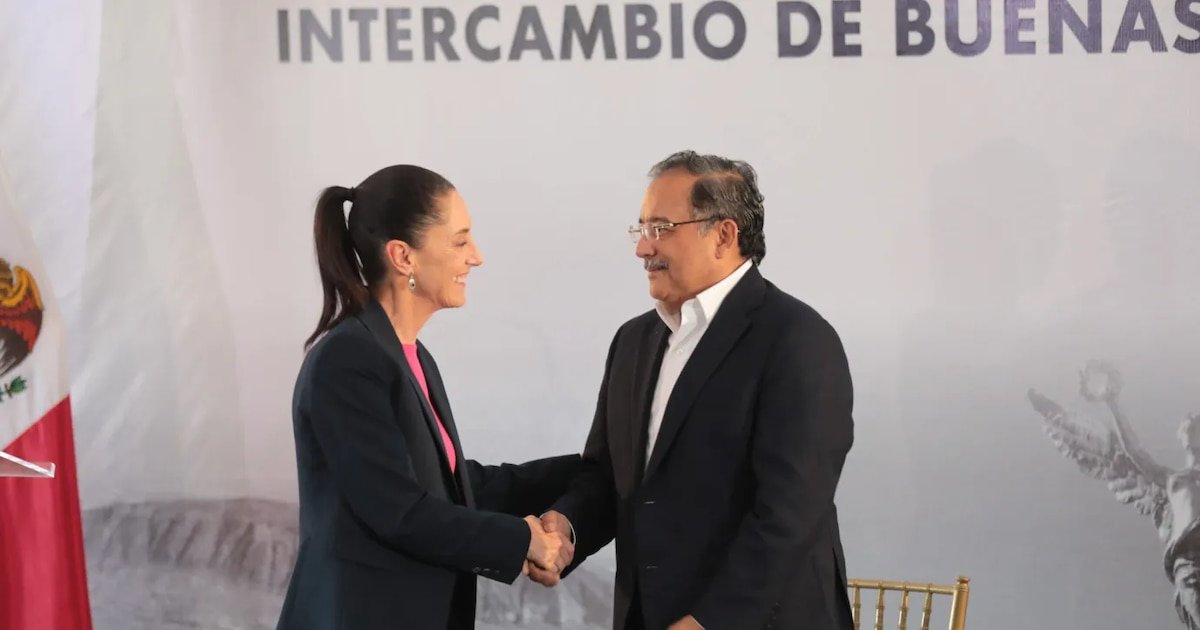
Durante las últimas semanas he recorrido Nuevo León de punta a punta. He estado en ciudades industriales, comunidades rurales, ejidos y cabeceras municipales. He escuchado a trabajadores, madres de familia, empresarios, productores, comerciantes y jóvenes. Y en todos esos kilómetros encontré una misma realidad: en nuestro estado, la distancia no siempre se mide en kilómetros. A veces se mide en abandono.
Hay lugares a los que el gobierno llega con discursos, pero no con médicos. Comunidades a las que les prometieron agua en las redes sociales y todavía dependen de un pozo. Municipios donde los jóvenes tienen que irse porque el empleo, la educación y las oportunidades se concentran lejos de su casa. Familias que ven cómo se anuncian grandes obras mientras los servicios más elementales siguen sin funcionar.
En El Salitre, Zaragoza, encontramos un dispensario sin lo necesario para atender a la gente. En Las Palomas, Mier y Noriega, las familias siguen esperando la red de agua potable que les prometieron. En Presa de Maltos, Doctor Arroyo, escuchamos a una comunidad que rara vez recibe la visita de las autoridades estatales. En Mina, Marín, Cerralvo, Anáhuac y tantos otros municipios se repite la misma pregunta: ¿cuándo nos va a tocar a nosotros?
Esa pregunta debería incomodarnos a todos. Nuevo León no puede presumir crecimiento si ese crecimiento no llega a la vida diaria de las familias. No puede hablar de prosperidad mientras una madre busca medicamentos que no encuentra, un estudiante abandona su comunidad para continuar sus estudios o un trabajador pierde horas enteras atorado en el tráfico o esperando un camión para llegar a su empleo.
Lo que hemos encontrado no es solamente una lista de carencias. Es el resultado de gobernar sin una visión completa del estado. Durante demasiado tiempo se pensó que atender Nuevo León era atender sólo una parte de la Zona Metropolitana. Y aun dentro de ella, el tráfico, la contaminación, la falta de agua y las obras inconclusas demuestran que tampoco basta con inaugurar proyectos o acumular anuncios.
Gobernar es planear, coordinar, terminar y cumplir. Y yo sé lo difícil que es gobernar porque ya lo he hecho en condiciones complejas, con limitaciones reales y problemas que no desaparecen con una publicación en redes sociales. También sé que, con capacidad, honestidad y trabajo constante, sí se pueden obtener resultados concretos en las cosas que importan a las familias.
Cuando enfrentamos la inseguridad, profesionalizamos a la policía. Cuando faltaban oportunidades, facilitamos la inversión sin extorsionar a quien quería producir y generar empleo. Cuando la burocracia frenaba el crecimiento, digitalizamos los trámites, porque las computadoras no piden moche. Cuando el crecimiento acelerado debilitó la convivencia, llevamos educación, cultura, deporte y trabajo comunitario a las colonias para reconstruir el tejido social.
No son recetas que puedan copiarse mecánicamente de un municipio a todo el estado. Sin embargo, sí son pruebas de algo más importante: los problemas difíciles se enfrentan con método, coordinación y capacidad. Y los resultados aparecen cuando el gobierno deja de improvisar y se concentra en cumplir.
Ésa es la esencia de la 4T Norteña: capacidad realista.
Y la Presidenta ha marcado un rumbo al que ese realismo debe aplicarse sin titubeos fortalecer la industria nacional, atraer inversiones, generar empleos y hacer que la prosperidad alcance a quienes durante años fueron dejados atrás.
Eso exige dejar de administrar al estado como si fuera una colección de municipios aislados. Necesitamos coordinación metropolitana, planeación regional y una verdadera alianza entre gobierno, empresas, universidades, trabajadores, campo y sociedad civil. También exige cambiar la manera de recorrer y escuchar. No basta llegar, tomarse una fotografía y seguir adelante. Cada visita debe dejar un problema entendido, una solución viable y un compromiso que pueda medirse.
La cercanía no consiste en estar un día junto a la gente. Consiste en regresar con resultados. Por eso, después de recorrer el estado, mi convicción es más firme: no hay dos Nuevo León, uno moderno y otro condenado al olvido; existe un solo Nuevo León y debe avanzar unido. El progreso de la zona industrial tiene que abrir oportunidades en el campo; la inversión metropolitana debe fortalecer las regiones; y cada peso público debe convertirse en agua, seguridad, movilidad, salud, educación y futuro.
Lo que encontramos en el camino duele, pero también obliga. Frente al abandono, presencia. Frente a la improvisación, capacidad. Frente a la promesa, cumplimiento. Y frente a un crecimiento que deja gente atrás, la Transformación.
Nuevo León no necesita que le cuenten otra historia. Necesita un gobierno con los pies en la tierra, que conozca sus problemas, que sepa enfrentarlos y que convierta el rumbo de la Presidenta en resultados para cada familia, desde la Zona Metropolitana hasta la comunidad más apartada.
Porque nadie vive demasiado lejos en el ejido más remoto, se esfuerza en la colonia más compleja o emprende en la empresa recién instalada, cuando el gobierno entiende que su primera obligación es llegar con resultados.
*El autor es Alcalde, con licencia, del Municipio de General Escobedo y aspirante a Coordinador de la Defensa de la Transformación y la Soberanía Nacional en Nuevo León, México.
INTERNACIONAL
A días del inicio de las maniobras anuales Han Kuang, Taiwán aseguró que la cooperación militar con EEUU supera lo imaginado

Taiwán aseguró que los intercambios militares con Estados Unidos son “estrechos” y se desarrollan en “todos los niveles”, a pocos días del inicio de la fase con fuego real de las maniobras Han Kuang, los ejercicios anuales de las Fuerzas Armadas taiwanesas destinados a evaluar la preparación de la isla ante un eventual intento de invasión por parte del régimen de China. Las declaraciones pertenecen al ministro de Defensa, Wellington Koo, y fueron publicadas este lunes por la agencia oficial CNA.
Koo sostuvo que la cooperación entre Taipéi y Washington supera la percepción pública. “(La cooperación militar con EEUU) es incluso mayor de lo que ustedes imaginan”, afirmó el ministro durante la entrevista. Además, expresó su reconocimiento al Comando del Pacífico de Estados Unidos por su aporte al fortalecimiento de las capacidades defensivas de las fuerzas taiwanesas.
El funcionario también destacó el papel estratégico que Estados Unidos asigna a Taiwán dentro de la denominada primera cadena de islas del Pacífico, una franja geográfica que se extiende desde Japón hasta Borneo, con paso por Taiwán y Filipinas, y que constituye un elemento central de la estrategia de contención frente al régimen chino.
Según Koo, la estrategia estadounidense para el Indopacífico promueve los principios de “defensa colectiva y responsabilidad compartida”, por lo que consideró necesario que los países de la región incrementen sus presupuestos de defensa y fortalezcan sus capacidades militares para consolidar una capacidad de disuasión conjunta.
En ese contexto, el ministro planteó que un mayor nivel de preparación regional modificaría los cálculos estratégicos de Beijing. “Una vez que se consolide esa postura de disuasión colectiva, cuando el líder del Partido Comunista chino (PCCh), Xi Jinping, quiera adoptar medidas que socaven la paz en el estrecho, los cálculos que deberá sopesar se volverán extremadamente complejos”, sostuvo.

Las declaraciones también incluyeron referencias al proceso de modernización de las Fuerzas Armadas de Taiwán. El jefe del Departamento de Planificación Estratégica del Ministerio de Defensa, Huang Wen-chi, explicó que buena parte de la cooperación bilateral permanece bajo reserva, aunque aseguró que sus resultados pueden apreciarse en la preparación de las tropas.
“Si bien los intercambios entre ambas partes no pueden hacerse públicos, basta con observar cómo adiestraban las tropas taiwanesas hace cinco años y cómo lo hacen ahora para hacerse una idea de todo lo que han aprendido”, señaló Huang.
El funcionario agregó que las modificaciones implementadas en la preparación militar responden a objetivos concretos. “Todos ellos son cambios concretos fruto del entrenamiento orientado al combate real”, afirmó.
Las manifestaciones de ambos funcionarios se conocieron dos días antes del comienzo de la etapa con fuego real de las maniobras Han Kuang, consideradas los principales ejercicios militares anuales de Taiwán. Los simulacros buscan comprobar la capacidad operativa de las fuerzas de la isla frente a distintos escenarios de conflicto, incluido un eventual intento de invasión por parte del régimen chino.
En los últimos años, el Gobierno taiwanés incrementó el presupuesto destinado a Defensa como respuesta a la creciente presión militar de Beijing. La dictadura china considera a Taiwán una “parte inalienable” de su territorio y sostiene que la reunificación constituye un objetivo irrenunciable. Las autoridades chinas tampoco descartan el uso de la fuerza para asumir el control de la isla.

La relación entre Washington y Taipéi constituye uno de los principales factores de tensión entre Estados Unidos y China. Aunque Estados Unidos no mantiene relaciones diplomáticas formales con Taiwán, permanece como el principal proveedor de armamento de la isla y conserva una política que contempla la posibilidad de asistirla en caso de un conflicto con China.
(Con información de EFE)
Asia / Pacific,Defense,KAOHSIUNG

Los miedos de los padres pueden condicionar a los hijos: cuál es el límite entre los cuidados y la sobreprotección

Cuánto cobran las niñeras por hora en agosto 2026

Paredes no escarmienta y vuelve a liarla con un gesto muy feo

Bono de $50.000 para militares y fuerzas federales: quiénes lo cobran y cuándo se paga

El inesperado anuncio de Tuli Acosta tras quedar ser señalada como la tercera en discordia de la separación de La Joaqui y Luck Ra

La increíble historia de los trillizos que fueron separados al nacer para un experimento científico y descubrieron la verdad 19 años después

“Vamos a acelerar con todo”: el objetivo del Gobierno por las reformas y la agenda electoral de cara al 2027

Reelecciones indefinidas: el oficialismo bonaerense niega que busque ampliar la Legislatura como parte de una reforma política para beneficiar a los intendentes

“Casta”, “parásito” y “sea democrático”: fuerte respuesta de Victoria Villarruel a Diego Santilli

Dem senator swipes credit for bill he opposed amid heated reelection bid: ‘Disturbing pattern’
-
 POLITICA23 horas ago
“Vamos a acelerar con todo”: el objetivo del Gobierno por las reformas y la agenda electoral de cara al 2027
-
 POLITICA11 horas ago
Reelecciones indefinidas: el oficialismo bonaerense niega que busque ampliar la Legislatura como parte de una reforma política para beneficiar a los intendentes
-
 POLITICA2 días ago
“Casta”, “parásito” y “sea democrático”: fuerte respuesta de Victoria Villarruel a Diego Santilli