INTERNACIONAL
Parents in Bronx neighborhood plead for NYPD guard as Mamdani cuts cops, halts hires: ‘Horrible situation’

NEWYou can now listen to Fox News articles!
FIRST ON FOX: NEW YORK — As New York City Mayor Zohran Mamdani moves to cut the NYPD’s budget and resists calls to hire more police officers, parents in The Bronx are asking for more police, not less, saying their kids face an increase in danger.
The push highlights growing tension between the mayor’s policing agenda and safety concerns from local families.
Over 1,000 people have signed a Change.org petition supporting the families of Zeta Bronx Tremont Park Lower Elementary school, who are requesting an NYPD crossing guard to be assigned to a treacherous corner, where they say a tragic accident is waiting to happen.
Fox News Digital went to the busy intersection at Arthur Avenue and Tremont Avenue and spoke to parents about the dangers their children face every day as cars zoom by on their way to Interstate 95.
«The situation is very horrible for the kids and the parents too,» Aimee, a parent at the school, said. «There have always been small accidents on the street because the intersection crosses to go right to the highway, and it’s something that worries us a lot. They don’t take us into consideration and I feel that we should raise our voice for the entire community of the school.»
MAMDANI MOVES TO SIDELINE NYC POLICE WITH NEW SAFETY OFFICE UNDER SWEEPING OVERHAUL
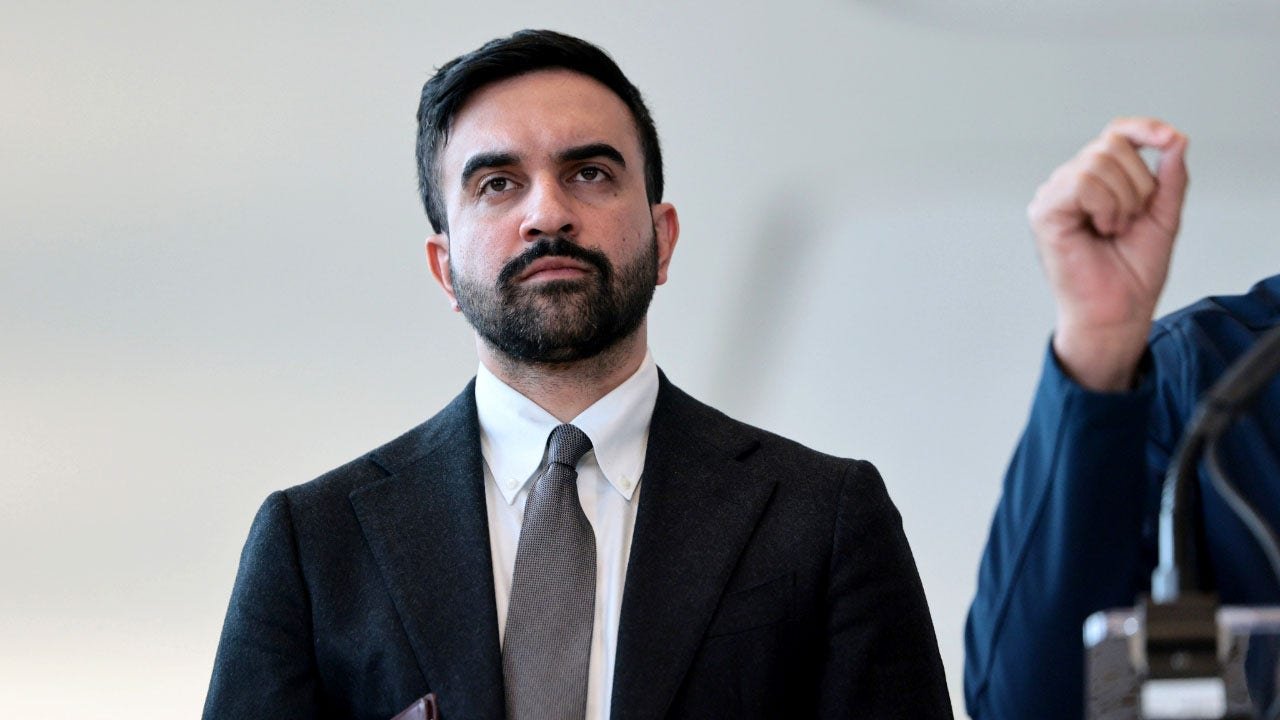
Mayor Zohran Mamdani speaks during an event. (Getty Images)
A parent named Christine explained that the school has been trying to get a crossing guard or police officer «for a long time» but were told «they didn’t have anyone.» Several NYPD vehicles could be seen parked near the intersection but were unoccupied, and parents told Fox News Digital they belonged to a nearby station and were not monitoring the street crossing.
«[There have] almost been accidents so many times, and we really need help,» Christine said.
Fox News Digital reached out to Mayor Mamdani’s office for comment but did not receive a response.
Mamdani has faced criticism over his relationship with police dating back to his mayoral campaign, which was dogged by questions about his past support of defunding the police. After his election, Mamdani was in the hot seat from critics again when his budget included cutting police funding and cancelling 5,000 new NYPD hires.
Some parents near the Bronx school, including some who previously supported Mamdani, aren’t sold on the idea of less police.
MAMDANI’S ‘GUN VIOLENCE’ COMMENTS AFTER KILLING OF 7-MONTH OLD BABY SPARK OUTRAGE: ‘ABSOLUTE DISGRACE’
«Removing or preventing us from having those resources is a step in the wrong direction when our schools and children clearly need more support,» Paola, a Zeta parent, said in a press release. «We need more preventive officers and programs to keep our neighborhoods in the Bronx safe.»
«I am one of those who initially had a lot of faith in Mayor Mamdani, but I’m starting to get scared because he doesn’t seem aware of the actual needs of my community. The safety of my child and my own students is non-negotiable, and we must find the funding to keep our little ones safe.»
Aimee told Fox News Digital «we need more police» to «help us» and urged the mayor to «consider us.»
The Change.org petition requests a «dedicated traffic officer» during arrival and dismissal hours at the school and argues that «traffic officers are assigned at busy school crossings across New York City» and the children at the charter school «deserve the same protection» as those public schools.
A parent named Lou described the situation as «very dangerous» and that many vehicles simply «don’t abide by the law.»
Fox News Digital witnessed several close calls at the intersection with cars making illegal or dangerous turns, honking horns, and coming to an abrupt stop as children were being ushered to school nearby.
«I don’t get why he’s saying less cops or less funding,» Paola told Fox News Digital, adding that the neighborhood is also suffering from crime issues related to drugs.
«There has to be money somewhere.»
In a statement to Fox News Digital, an NYPD spokesperson said «The Commanding Officer of the 48 precinct is working with community leaders and elected officials to get more School Crossing Guards.»
«Additionally, personnel from the 48 precinct are working with Department of Transportation to work on additional signage and redesign of the intersection. Year-to-date, there have been no collisions at the intersection Arthur Avenue and East Tremont Avenue. Year-to-date, the NYPD has issued 67 summonses to vehicles in the vicinity of Arthur Avenue and East Tremont Street. Traffic safety is a shared responsibility and the NYPD, along with personnel from the 48 precinct, are committed to supporting local schools in achieving that goal.»
CLICK HERE TO DOWNLOAD THE FOX NEWS APP
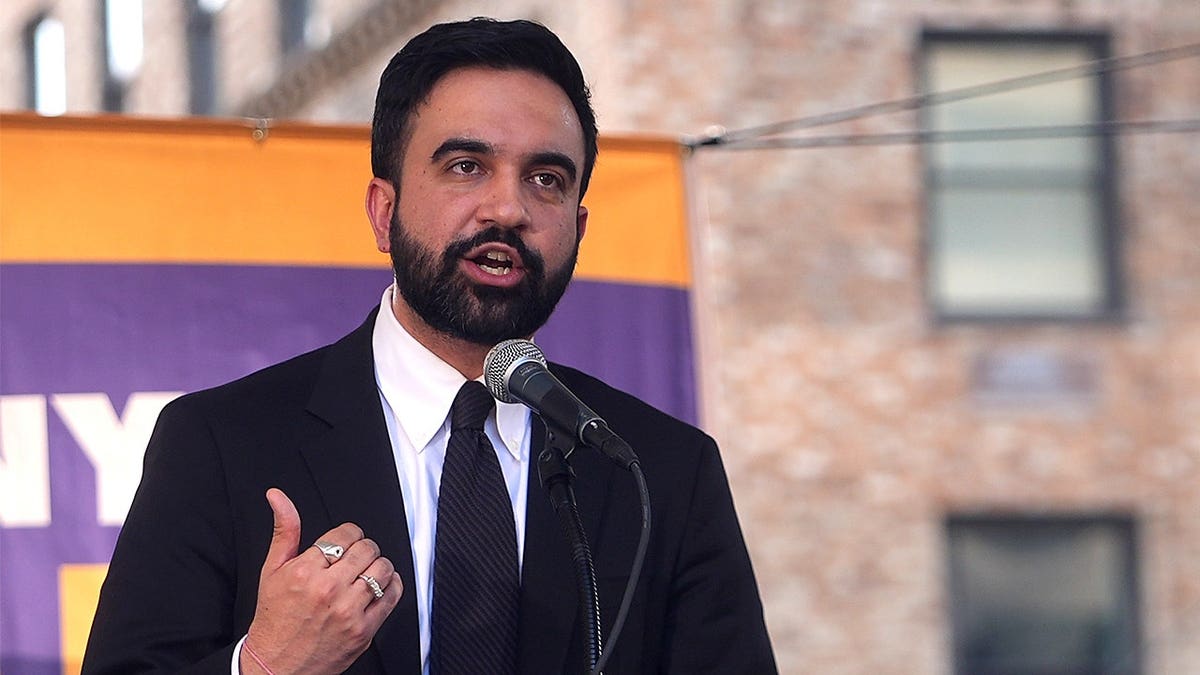
New York City Mayor Zohran Mamdani delivers remarks at the Service Employees International Union 32BJ SEIU rally on Park Avenue in Manhattan on April 15, 2026. (Selcuk Acar/Anadolu)
Mamdani won the Bronx in November’s mayoral election with 51% of the vote, compared to 40% for former Governor Andrew Cuomo and 7% for Republican Curtis Sliwa.
cops, police and law enforcement, new york city, parents, zohran mamdani









INTERNACIONAL
Reporter’s Notebook: Lawmakers wrestle over whether AI can make the grade in America’s classrooms

AI in the classroom: How AI will impact education moving forward
A recent Fox News poll highlights changing perceptions as 52% of voters now consider Big Tech a greater threat to the U.S. future compared to Big Government’s 47%. A Senate panel also discusses the rise of artificial intelligence in classrooms, debating its impact on student learning, privacy concerns, and potential effects on the American workforce. Lawmakers are working on an AI regulation framework.
NEWYou can now listen to Fox News articles!
Reading. Writing. And AI algorithms.
The Senate is now wrestling with how students — and teachers — might use Artificial Intelligence in the classroom.
It’s inevitable.
«The question is not whether AI is going to impact education. The real question is whether we will shape its use thoughtfully. Responsibly,» said Delaware Secretary of Education Cindy Marten during a recent Senate hearing.
Lawmakers are focusing not just on what AI teaches students. But how.
«What do we know when it comes to long term cognitive impact of the use of this technology?» asked Sen. Tommy Tuberville, R-Ala., at the hearing.
SCHOOLS TURN TO HANDWRITTEN EXAMS AS AI CHEATING SURGES
U.S. Sen. Tommy Tuberville, R-Ala., speaks to reporters as he returns to his office at the U.S. Capitol on Feb. 10, 2026 in Washington, D.C. (Kevin Dietsch/Getty Images)
«We have no causal studies on long term impact on social or cognitive development,» replied Erin Mote, who, as CEO of InnovateEDU and the EDSAFE AI Alliance, works on technological innovation in the classroom.
Pushing students onto screens, iPads and Chromebooks in the classroom was all the rage about 12 years ago. But since that rush to technology, the percentage of high school seniors performing at grade level in math and reading is down four points from 2009, according to the National Assessment of Educational Progress (NEAP), sometimes known as the report card of the nation.
«The students did not learn the content better and their social and emotional health has suffered greatly. We need to ensure as we move forward teaching about and with AI that we do not become overly tech reliant and that critical thinking skills remain imperative» said David Slykhuis of Valdosta State University at a House hearing earlier this year.
That’s why lawmakers are skeptical that AI can boost classroom performance.
«Kids have outsourced critical thinking. Have outsourced friendship. Have even outsourced moral advice to AI,» said Sen. Chris Murphy, D-Conn.
95% OF FACULTY SAY AI MAKING STUDENTS DANGEROUSLY DEPENDENT ON TECHNOLOGY FOR LEARNING: SURVEY
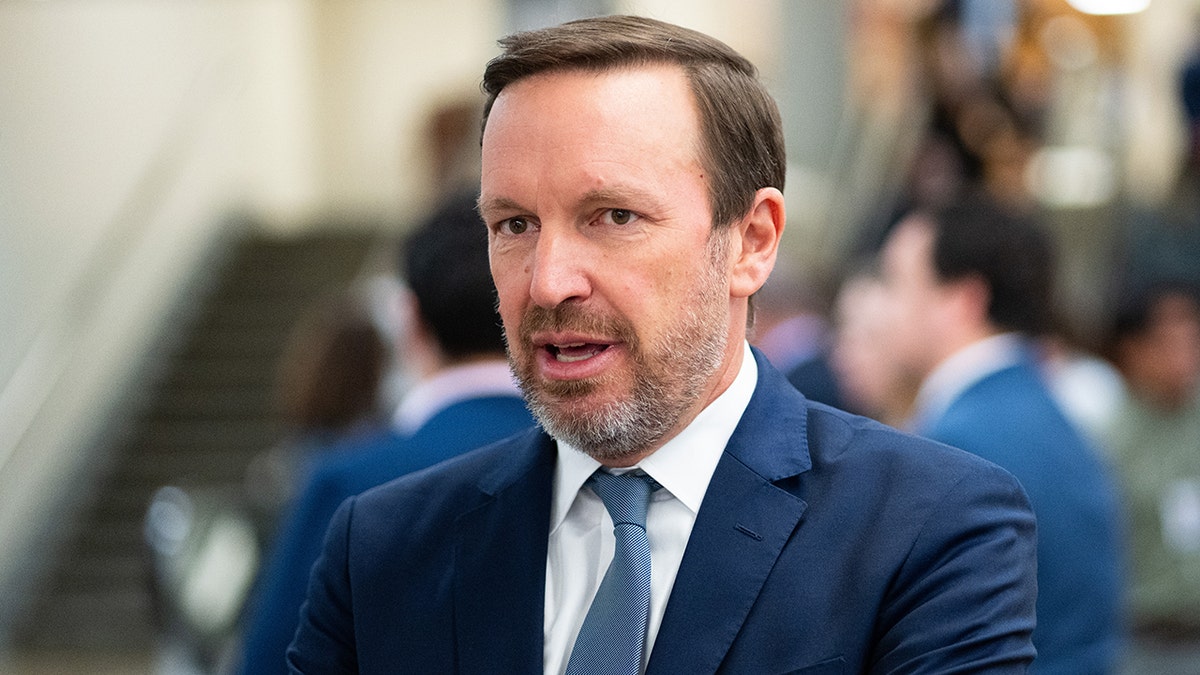
Sen. Chris Murphy, D-Conn., speaks to a reporter after a vote in the U.S. Capitol on July 23, 2025. (Bill Clark/CQ-Roll Call, Inc)
There are also privacy concerns. AI can glean what each student learns and knows.
AI could harvest what lessons they’ve covered. How fast students picked up different concepts. AI or data brokers could then track that for decades as students head to college or even enter the workforce.
«These tools are getting more access to more information about our students that we may not even be aware of,» warned Marten.
Teachers are already leaning on AI to develop lesson plans and grade papers. Elementary teachers can certainly deploy AI to grade simple multiplication tables and spelling. But it could spell trouble if teachers or professors use an AI rubric to grade subjective assignments such as creative writing or a term paper.
«For those that start using AI, there’s a tendency to trust everything that it spits out that can create serious problems,» said Joshua Jones at the Senate hearing. He’s CEO of QuantHub, an education AI literacy firm.
Some lawmakers doubt that AI can do everything. And some aspects of education are hard to copy.
«The foundational relationship between a child and a teacher is not something that AI is going to recreate. It’s not something that I will substitute for,» said Sen. Tim Kaine, D-Va.
WHY A CLASSICAL EDUCATION MAY BE THE KEY TO HUMANITY’S FUTURE IN THE AI ERA
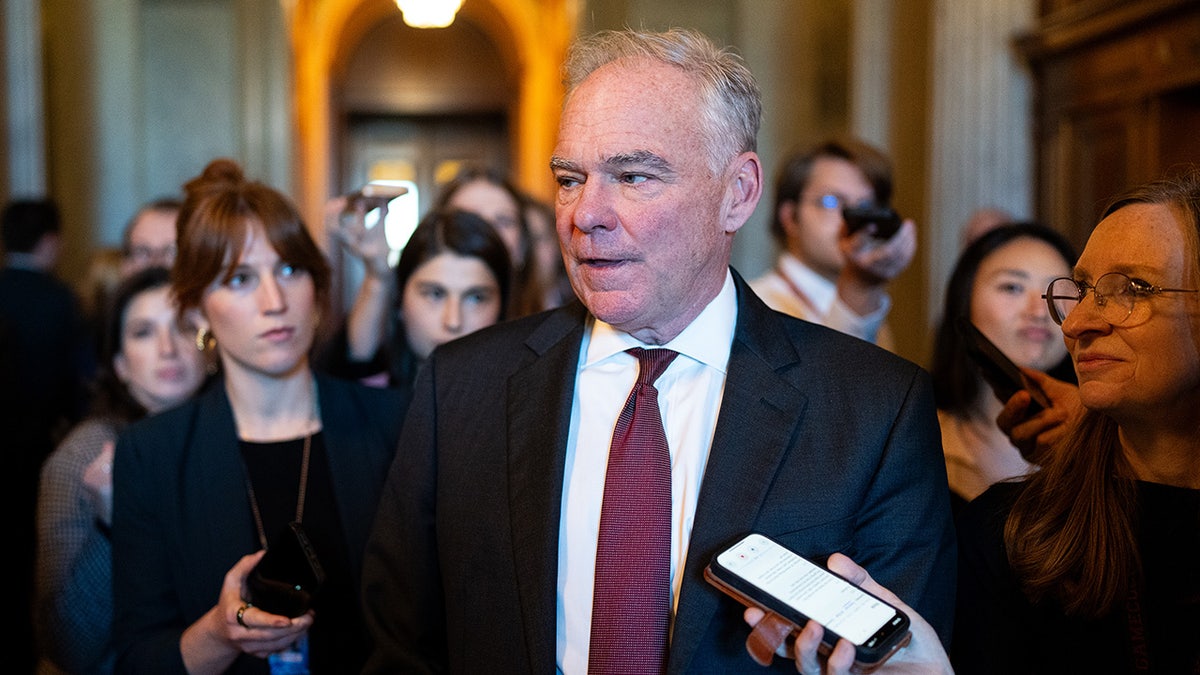
Sen. Tim Kaine, D-Va., speaks to reporters outside the Senate Democrats caucus lunch meeting at the U.S. Capitol on Nov. 6, 2025. (Bill Clark/Getty Images)
Educators want to know how AI may shift their roles. And if the concept of a «teacher» or a «professor,» tomorrow is the same as what we think of today.
«The idea of pulling that away is probably really scary to teachers who think this is what teaching looks like. But we know that it’s not an effective way for teaching or for learning. And so it’s going to require some real ecosystem shifts,» said educator Emily Cherkin, who has written about AI.
Graduating college seniors showered several tech CEOs with a chorus of boos at commencement exercises around the country this spring. The reason? These students may have earned a diploma. But they wonder if that’s sufficient for gainful employment in the age of AI.
OpenAI CEO Sam Altman recently met with a host of bipartisan lawmakers at the Capitol about their hopes and fears about AI.
«I understand that college students have a lot of anxiety about the future,» said Altman. «I think there will be a lot of jobs in the future. I think that the impact on jobs has been less than many people in our field expected. And it doesn’t mean that it will always stay that way in the future.»
Moreover, students may question the value of an education if they can’t get work due to artificial intelligence.
«(High school seniors) were saying that they can’t find jobs. Saying that 30 to 40 percent of them are unemployed and they blame AI for this,» said Sen. Josh Hawley, R-Mo. «We’ve got to make some choices about AI to make sure it actually is good for the American workforce. And I think a lot college grads don’t think it is.»
AI RISKS TO KIDS, WORKERS RISING FASTER THAN REGULATION, NEW GROUP WARNS
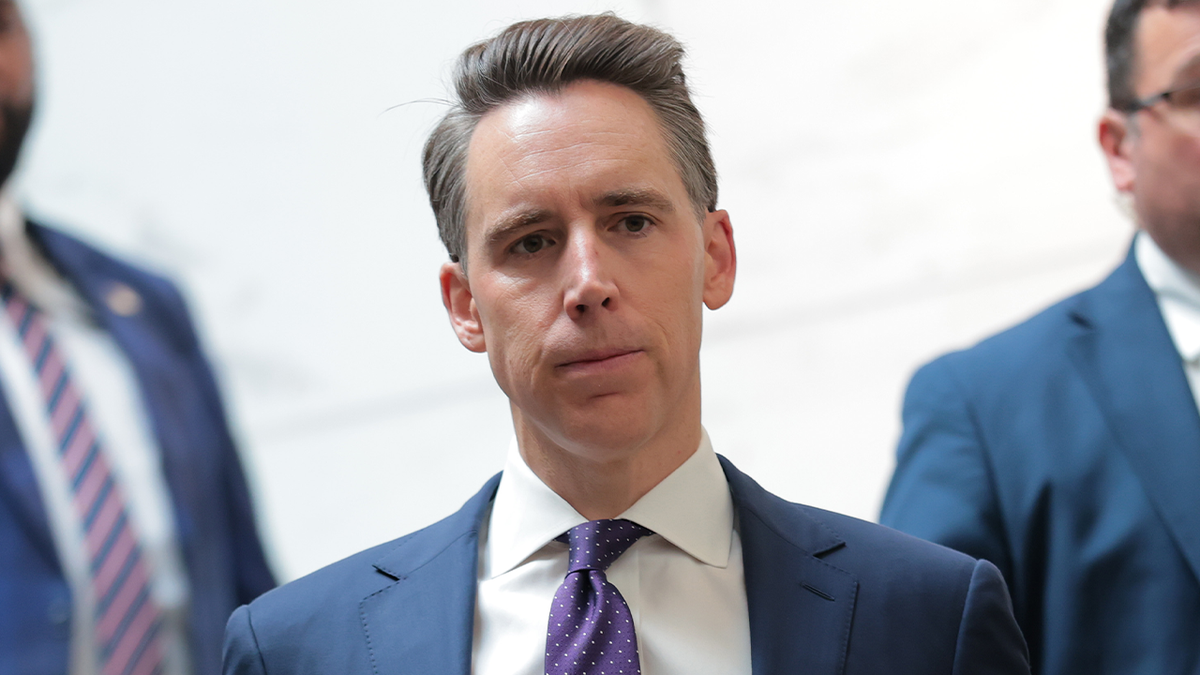
FILE – U.S. Sen. Josh Hawley (R-MO) arrives to a closed door briefing with senators at the U.S. Capitol on January 7, 2026 in Washington, DC. (Anna Moneymaker/Getty Images)
Hawley believes Congress should take action on AI. But not in the ways you might think.
«We ought to pass legislation right now that would require these tech companies to turn over the data on how many jobs they’re creating or how many they’re destroying,» said Hawley.
Rep. Jay Obernolte, R-Calif., is one of the leading voices in Congress on AI. He recently helped draft a bipartisan framework for legislation to regulate AI. Obernolte says he hears what college students are saying.
«It’s an indication that we collectively have done a terrible job at articulating to the American public the optimistic case for AI deployment,» said Obernolte. «AI will probably be the most powerful tool for enhancing human productivity that we have ever invented. And that will not only have positive economic consequences for our country and our world, but could create this rising wave of prosperity that literally lifts all the boats.»
House Speaker Mike Johnson, R-La., wants to pass an AI regulation bill by the end of the year. But the Congressional calendar is especially clogged. The House skipped out of town a day early this week. Even next week’s schedule may be in jeopardy thanks to a dispute over the SAVE America Act. That’s the GOP bill requiring proof of citizenship to vote.
But it’s unclear how a bill may address the specifics of AI in the classroom.
CLICK HERE TO DOWNLOAD THE FOX NEWS APP
That means AI may continue unbridled in primary, secondary and even collegiate education.
And unless lawmakers move fast, AI may school us all.
artificial intelligence, congress, education, senate elections, teachers, politics
INTERNACIONAL
Rafael Grossi confirmó que mantuvo conversaciones con Irán y aseguró que será necesaria una verificación nuclear “muy rigurosa”
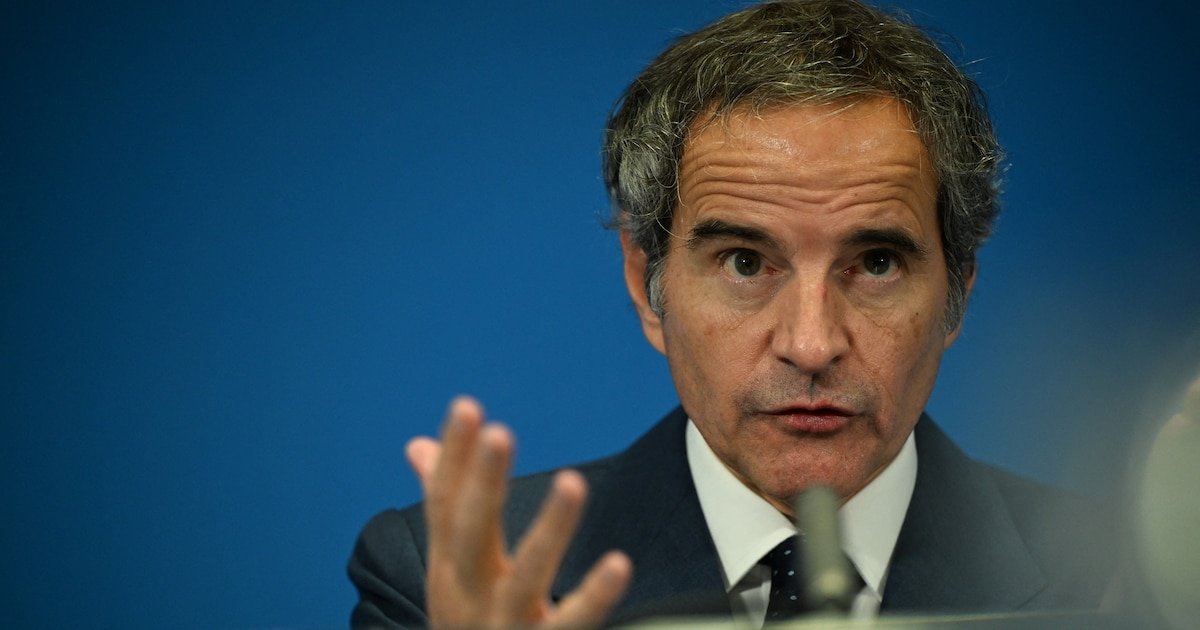
El director del Organismo Internacional de Energía Atómica (OIEA), Rafael Grossi, afirmó este viernes que Irán requiere un sistema de verificación “muy sólido” para asegurar que no desarrolle armas nucleares tras el reciente acuerdo alcanzado con Estados Unidos.
A su vez, manifestó que las conversaciones para visitar el territorio iraní comenzaron pese a negativa de Teherán: “Tuvimos un intercambio con la parte iraní a nivel técnico, y la expectativa es que este proceso continuar. El trabajo técnico ha comenzado y esperamos estar allí pronto”.
El titular de la OEUA remarcó ante la prensa en Tokio: “Creo que el objetivo de este acuerdo es garantizar que no se desarrollen armas nucleares en Irán. El gobierno iraní declaró muy claramente que esa no es su intención”.
Sin embargo, pese a las declaraciones oficiales del régimen persa, Grossi sostuvo que las manifestaciones de intención no resultan suficientes para la comunidad internacional. “Pero, por supuesto, las intenciones no son suficientes. Tenemos que contar con un sistema de verificación muy sólido… tan pronto como sea posible”, subrayó en su visita a Japón.
Grossi había confirmado el miércoles pasado que los inspectores de la agencia de la ONU visitarán las instalaciones de enriquecimiento nuclear de Irán. El anuncio representó la señal más concreta hasta ahora sobre la implementación de uno de los puntos clave del entendimiento entre Washington y Teherán.

El acuerdo dispone que las actividades relacionadas con instalaciones y materiales nucleares iraníes quedarán bajo supervisión del OIEA. Durante una conferencia de prensa realizada en la central nuclear de Fukushima Daiichi, en Japón, Grossi explicó: “Puedo comprender las declaraciones políticas, son parte de la realidad, pero lo fundamental que quisiera recordarles y a lo que quisiera llamar su atención es que ha habido un Memorando de Entendimiento, firmado por ambos presidentes”.
El jefe del organismo internacional agregó que el texto “establece explícitamente que las actividades nucleares que se lleven a cabo en relación con las instalaciones de material nuclear serán supervisadas por el OIEA, en todos los sentidos”. El anuncio refuerza la postura del organismo sobre la necesidad de control y transparencia en el desarrollo nuclear iraní, en línea con los compromisos adoptados en las negociaciones recientes.
La negociación diplomática entre Estados Unidos e Irán enfrenta obstáculos significativos debido a desacuerdos en torno al programa nuclear iraní y al destino de 6.000 millones de dólares congelados en Qatar pertenecientes al régimen chiíta. Las diferencias han dificultado la posibilidad de avanzar hacia un acuerdo integral entre ambas partes.
El presidente estadounidense Donald Trump insistió en el desmantelamiento del plan nuclear iraní como condición para impedir que Irán adquiera capacidad de desarrollar un arsenal nuclear. Además, plantea que los fondos por liberar solo puedan utilizarse para la adquisición de bienes estadounidenses.

Por su parte, Teherán aseguró días atrás que no existieron comunicaciones con el organismo de la ONU: “No hemos tenido ninguna reunión con el director general del OIEA (por Rafael Grossi), ni tenemos previsto que el organismo inspeccione las instalaciones nucleares iraníes ,afirmó Esmail Baqaei, portavoz de la Cancillería de Irán.
Estas demandas intensificaron el debate diplomático y mantienen la incertidumbre sobre el futuro de los recursos bloqueados y la orientación del programa nuclear de Teherán.
Cabe recordar que en cumplimiento con una ley sancionada por el Parlamento iraní después de la guerra de 12 días con Israel en 2025, Teherán suspendió la cooperación con el Organismo Internacional de Energía Atómica en julio del año pasado. La medida restringió el acceso y la supervisión internacional sobre el programa nuclear iraní, en un contexto de creciente tensión regional.
(Con información de AFP y EFE)
Energy Resources,International Relations,Diplomacy / Foreign Policy,Energy Markets,Europe
Por qué a un terremoto fuerte le siguió inmediatamente otro

¿Por qué fueron tan destructivos estos terremotos?

¿Esta zona es propensa a terremotos?

¿Habrá réplicas importantes?

En la Casa Rosada buscan bajar la tensión de Adorni con Bullrich, pero siguen las diferencias

Tras el fallo de la Corte, el Gobierno se apoya en un acuerdo con la UBA para seguir discutiendo el financiamiento

¿Juegos de DS y 3DS en Switch 2? Nintendo responde oficialmente a la gran duda de los fans – Nintenderos

El misterio de “Odin” que rodea a Erling Haaland y su pareja Isabela Haugseng Johansen en medio del Mundial 2026

¡Escándalo en el streaming! Echaron en vivo a empleados de Blender y cortaron la transmisión: “Despidieron por…”

Reporter’s Notebook: Lawmakers wrestle over whether AI can make the grade in America’s classrooms

“El mejor del mundo”: los elogios a Messi y a la selección argentina en el arco político tras el triunfo ante Austria

Violencia, déficit fiscal y crisis sanitaria: los desafíos que enfrentará Abelardo de la Espriella en Colombia

A los 100 años, murió Alan Greenspan, histórico presidente de la Reserva Federal de Estados Unidos

AI-first: los detalles de la estrategia de Inteligencia Artificial del banco Santander

 POLITICA3 días ago
Diputados: con el apoyo de bloques aliados, LLA logró frenar la sesión en la que la oposición buscaba interpelar a Adorni
- ECONOMIA3 días ago
ANSES: quiénes cobran hoy martes 23 de junio de 2026
- ECONOMIA2 días ago
Nuevos controles a las devoluciones de 30% por gastos en el exterior: cómo pedir el reembolso del dólar tarjeta ante ARCA