
INTERNACIONAL
Latin American leftists met in Spain, signaling push against US influence on continent

NEWYou can now listen to Fox News articles!
MEXICO CITY: The recent high-profile gathering of leftist leaders in Barcelona, convened by Spain’s socialist Prime Minister Pedro Sánchez, is drawing increasing attention for what analysts describe as a broader geopolitical positioning that could challenge U.S. influence across Latin America and beyond.
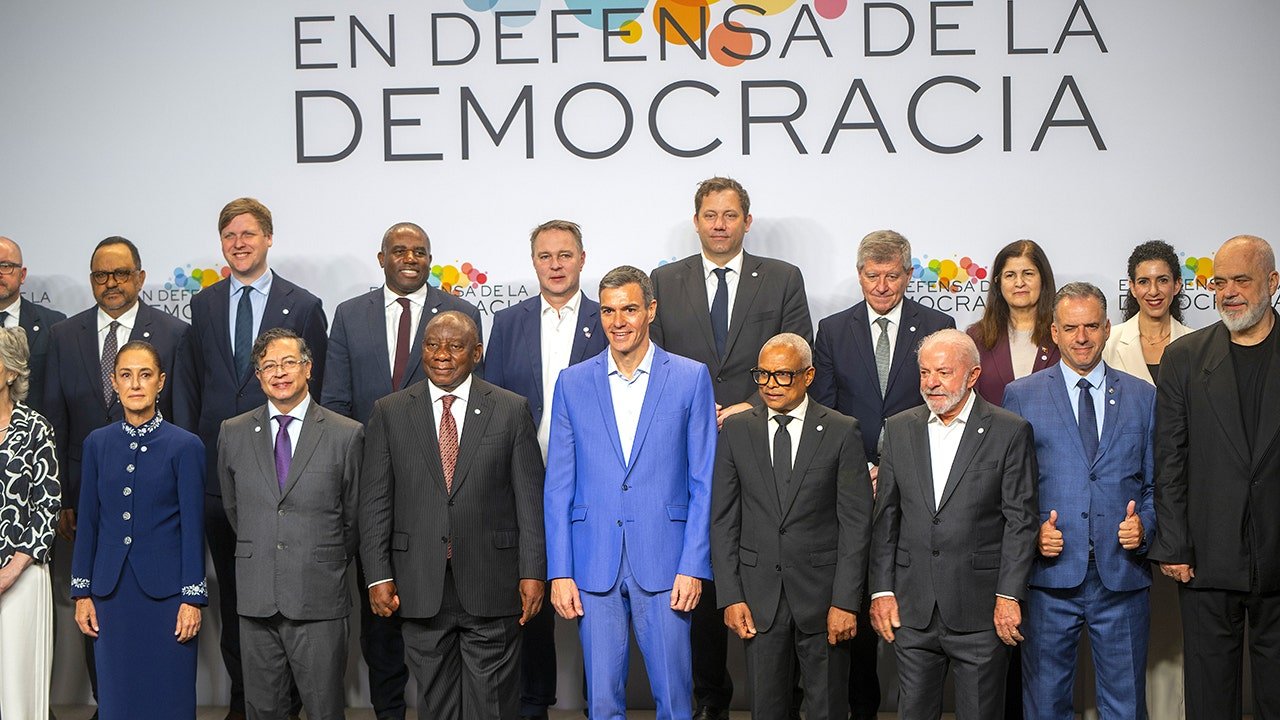
The summit brought together Brazil president Lula da Silva, Colombia’s Gustavo Petro, and Mexico’s Claudia Sheinbaum. Framed as a platform for addressing inequality, climate change and the rise of right-wing political movements, yet the rhetoric coming from it has raised questions in Washington and across the region about whether a more coordinated political counterweight to the United States is taking shape.
Without naming the Trump administration, Sánchez warned of the «normalization of the use of force» and «attempts to undermine international law», as criticism of U.S. foreign policy. He also pushed for reforms to global institutions, arguing that the current system no longer reflects today’s geopolitical realities, a position that implicitly challenges long-standing U.S. leadership in those bodies.
WALZ RIPS TRUMP AND VANCE IN EUROPE, SAYS ‘FEEBLE-MINDED, TRIGGER-HAPPY PRESIDENT’ HAS NO EXIT PLAN FOR IRAN
Spanish Prime Minister Pedro Sanchez take part in the 4th Meeting in Defense of Democracy, held at Fira Barcelona Gran Via in LâHospitalet de Llobregat, where he welcomed the attending delegations and underscored the need to strengthen international cooperation in defense of democratic values in Barcelona, Spain on April 18, 2026. The event included the greeting of heads of delegation and the traditional family photo, ahead of the start of the leadersâ meeting. Among those attending were South African President Cyril Ramaphosa; Mexican President Claudia Sheinbaum; Brazilian President Luiz Inacio Lula da Silva; former Chilean President Michelle Bachelet; and Colombian President Gustavo Petro. (Lorena Sopena Lopez/Anadolu via Getty Images)
«The Barcelona summit reflects a deliberate effort by Pedro Sánchez to position himself as a leading figure within an emerging progressive bloc that is increasingly critical of U.S. foreign policy under President Trump,» Juan Angel Soto, founder and CEO of Fortius Consulting told Fox News Digital.
«This positioning is particularly complex given Spain’s structural anchoring in both the European Union and NATO, which traditionally align it closely with Washington. However, Sánchez has simultaneously deepened ties with the Global South, evident in his growing proximity to China, as well as to leaders such as Lula, Sheinbaum, and Petro, suggesting a dual-track foreign policy that seeks greater autonomy from U.S. influence,» Soto said.
The Colombian leader tied global tensions directly to economic and energy systems, arguing that fossil fuel dependence has fueled conflict and inequality, an argument that aligns with broader criticism of Western-led economic models.
Roberto Salinas León, Director of International Affairs at Universidad de la Libertad in Mexico City, told Fox News Digital: «The ill-named summit «In Defense of Democracy» held in Barcelona brought together notable «progressives» with an aim to bring together a global contingent opposed to, well, Trump 2.0. How convenient.»
TRUMP CRITICIZES SPAIN AMID IRAN, NATO RIFT AS PM SANCHEZ FACES QUESTIONS OVER POLITICAL MOTIVES
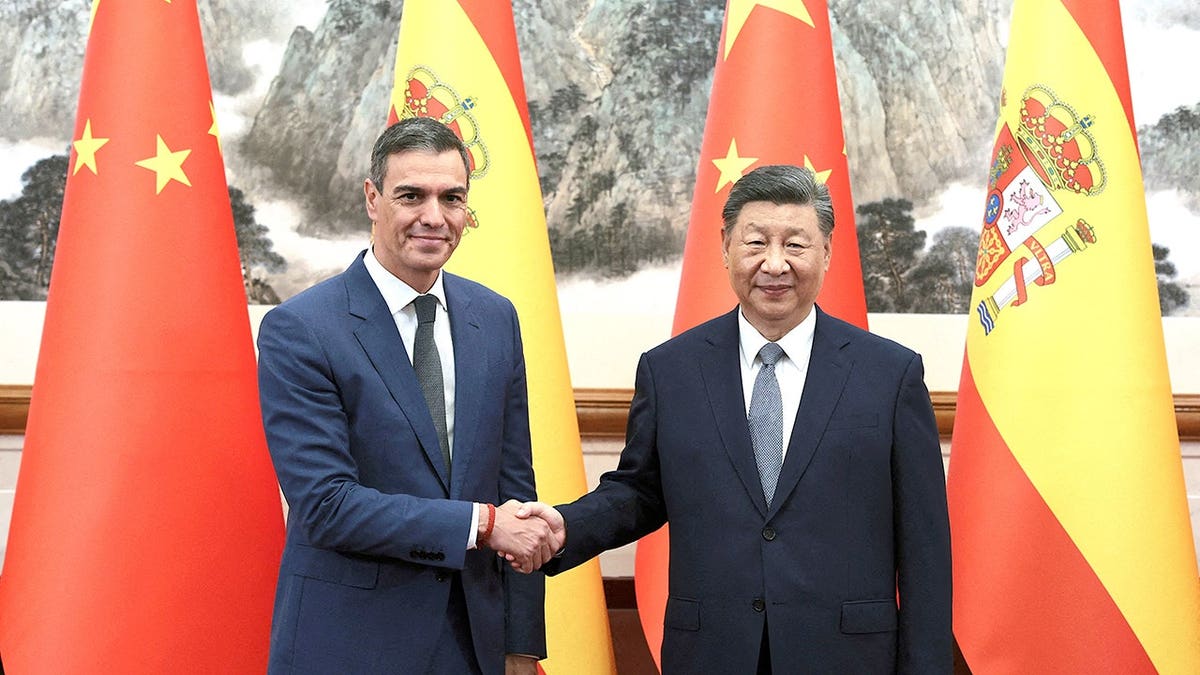
Chinese President Xi Jinping and Spanish Prime Minister Pedro Sanchez shake hands before their meeting in Beijing, China September 9, 2024 (China Daily via Reuters)
«Petro stated that ‘Latin American progressivism is a ray of hope for a humanity in crisis.’ Yet these would-be spokespersons for democracy have supported such inhumane brutal dictatorships like Cuba, Nicaragua, Maduro’s Venezuela, Iran, and others. This gathering is more aptly characterized as a political mascara of electoral autocracies, each leader undermining the institutional checks and balances of open liberal democracies,» he said.
Brazil’s Lula criticized what he described as interventionist policies by major powers and called for a rebalancing of global governance, including changes to the U.N. Security Council. At one point, he characterized recent U.S. leadership as contributing to global instability, reinforcing a central theme of the summit: that the current international order needs to be redefined.
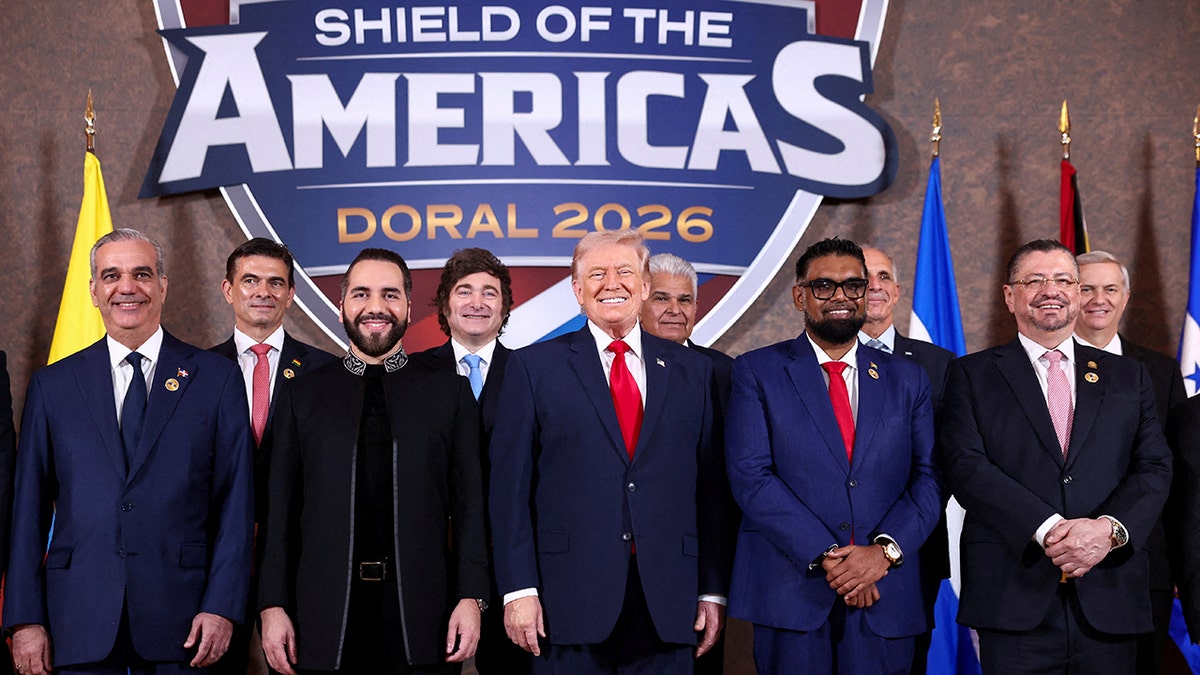
President Donald Trump, center, Dominican Republic President Luis Abinader, second from left, Argentina’s President Javier Milei, El Salvador’s President Nayib Bukele, Guyana’s President Mohamed Irfaan Ali, Costa Rica’s President Rodrigo Chaves Robles, Bolivia’s President Rodrigo Paz and Chile’s President-elect Jose Antonio Kast pose for a family photo during the Shield of the Americas» Summit in Doral, Fla., on Saturday, March 7, 2026. (Kevin Lamarque/Reuters)
«The new Cold War is being waged between China and the United States; it is this very rivalry that is at stake in every country participating in the summit. Lula’s concern regarding the resurgence of the right has become patently obvious, particularly when observing Argentina and Chile, where the victories of Milei and Kast have ushered in ‘winds of change.’ We are, quite literally, living through times reminiscent of the fall of the Berlin Wall, specifically, the collapse of ‘21st-century socialism’ across Hispanic America, and this is precisely what has them so worried,» Brazilian political analyst Sandra Bronzina told Fox News Digital
«When the global progressive left rails against the United States, talking about sovereignty and peace, or speaking out against war, they are not doing so out of mere altruism or good intentions. Rather, they are driven by a shadowy self-interest: ensuring that China continues to colonize our nations, a process that is, evidently, already well underway.»
‘AMERICAS COUNTER CARTEL COALITION’: INSIDE THE US STRATEGY TO COMBAT NARCO TERROR, CONFRONT CHINA, OTHER FOES
Mexico’s Sheinbaum underscored the principle of national sovereignty, reiterating Latin America’s longstanding emphasis on non-intervention. She joined other leaders in opposing sanctions on countries such as Cuba, signaling a willingness to coordinate positions that diverge sharply from U.S. policy in the region.
Taken together, analysts say the messaging out of Barcelona suggests the early stages of a loosely aligned bloc, one that is increasingly willing to challenge U.S. positions on global governance, regional policy and economic strategy.
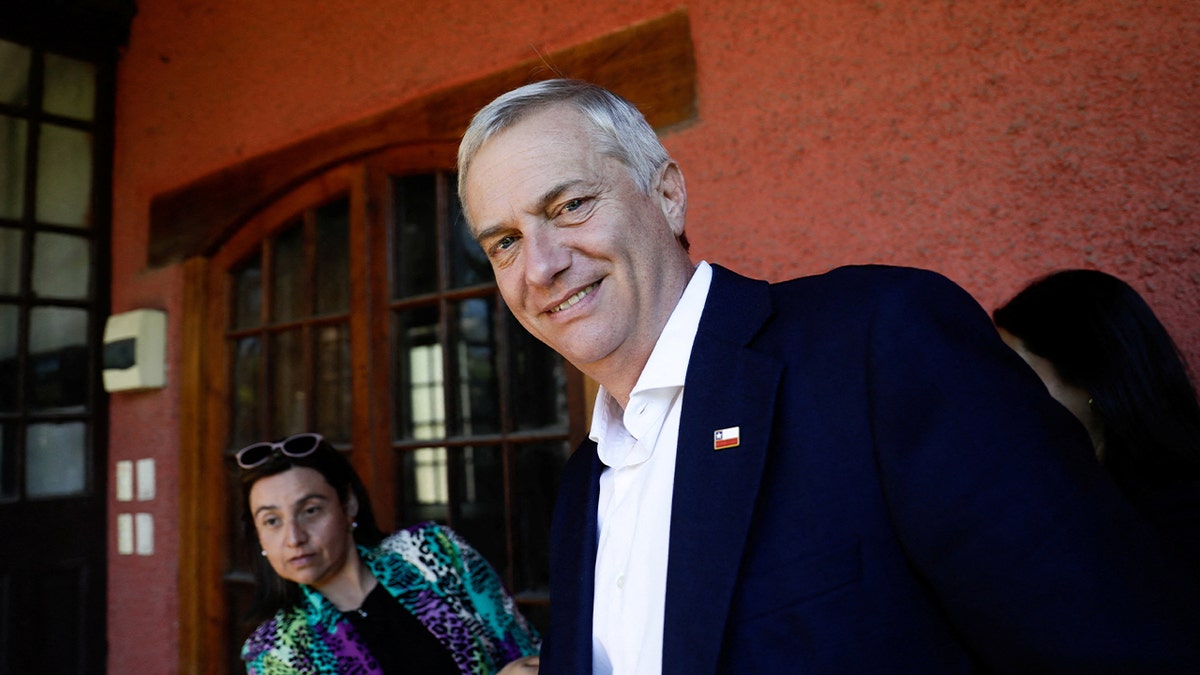
Chile elected right wing leader Jose Kast as president. (Juan Gonzalez/Reuters)
Yet even as leaders in Barcelona warn of a rising right-wing threat, political realities across the Americas tell a different story, one that may resonate more directly with U.S. audiences.
In Argentina, sweeping economic reforms focused on deregulation and fiscal discipline have captured global attention as an alternative to state-led models. In El Salvador, aggressive security policies have dramatically reduced violence. And in Ecuador, a renewed focus on law-and-order and institutional control is emerging as a response to escalating cartel violence.
CLICK HERE TO DOWNLOAD THE FOX NEWS APP
Analysts say these examples highlight a counter to the Barcelona narrative in that a significant portion of the region is moving toward policies centered on security, market reforms and stronger state authority — priorities that often align more closely with U.S. strategic interests.
Experts say the contrast is striking. On one side, a group of leaders in Barcelona is calling for a rethinking of global systems long associated with U.S. leadership. On the other, governments across the hemisphere are experimenting with approaches that emphasize economic liberalization and strong security measures.
latin america, colombia, brazil, mexico, spain, national security, politics






INTERNACIONAL
Thousands of migrants remain in Spanish territory after border rush, death toll hits about 100: Ceuta official
NEWYou can now listen to Fox News articles!
Between 3,000 and 5,000 migrants remain in Ceuta after hordes of mostly military-aged men rushed into the Spanish enclave from Morocco late last month, Ceuta’s president said Thursday.
While speaking from a video call during an extraordinary session of the European Parliament’s Committee on Civil Liberties, Justice and Home Affairs, Ceuta President Juan Jesus Vivas also revealed around 100 people died during the surge.
Authorities estimate roughly 80,000 migrants rushed into the territory within a 48-hour period in late July.
Vivas called the border crisis an «invasion» and «one of the most difficult moments in the recent history of our city.»
«According to the Dictionary of the Royal Spanish Academy, an ‘invasion’ should be understood in its second definition as the abnormal or irregular occupation of a specific place,» Vivas said, according to a Fox News Digital translation of his remarks, which he gave in Spanish.
AT LEAST 72 DEAD AMID MASS MIGRANT RUSH TO STORM SPANISH ENCLAVE OF CEUTA SPARKING BORDER CRISIS
Migrants run and cheer as they cross on foot into the North African enclave of Ceuta from Morocco, after swimming over from the Moroccan side and overwhelming police at the city’s breakwater, according to Spain’s Guardia Civil, in Ceuta, Spain, July 30, 2026. (FARO TV via Reuters)
«That is precisely what occurred on July 30 and 31, when approximately 80,000 people — equivalent to the entire population of Ceuta — stormed into our city. This characterization, moreover, aligns with the statement made by the President of the Government of Spain, who on Friday the 31st, during his visit to Ceuta, stated that we were facing an attack, a violation of Spain’s territorial integrity,» Vivas continued.
Echoing previous claims from Spain’s leftist President Pedro Sánchez and European Commission President Ursula von der Leyen, Vivas acknowledged roughly 75,000 of the migrants had returned to Morocco but added «under no circumstances does it allow us to claim that our city has returned to normal.»
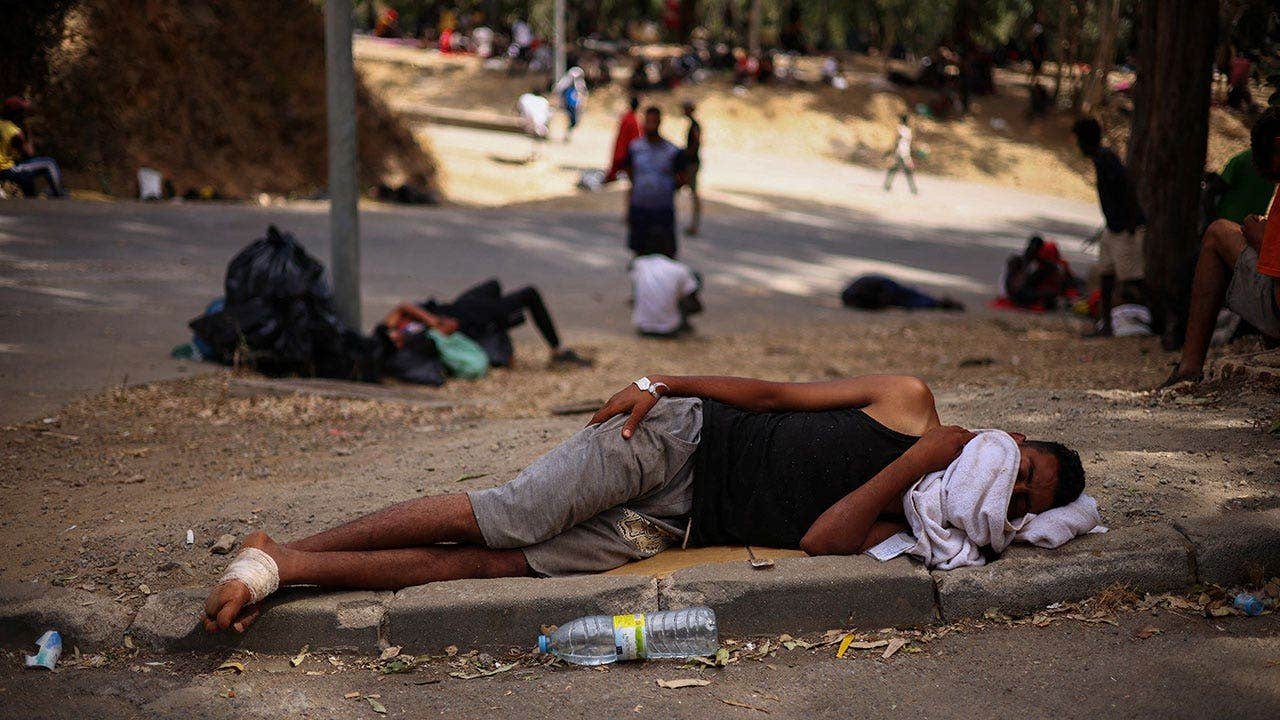
«Ceuta has not returned to normal because between 3,000 and 5,000 people who entered during those fateful days of July 30 and 31 still remain,» Vivas said. «The reception centers for adult and minor migrants are in a state of collapse, turning the influx into a major humanitarian emergency.»
«Added to this are disruptions to public order and a high risk to public safety,» he continued. «Furthermore, the morale of Ceuta’s residents is severely affected. Our population feels sad, helpless, uneasy, fearful, and worried — and with good reason. It is inevitable to wonder whether this will happen again, and if that next time will be the definitive plunge into the abyss, causing us to cease being what we are: Spain and Europe. It has been exposed to the world that we are extraordinarily vulnerable, and that our security and integrity are in the hands of a third country, Morocco, which does not recognize our sovereignty.»
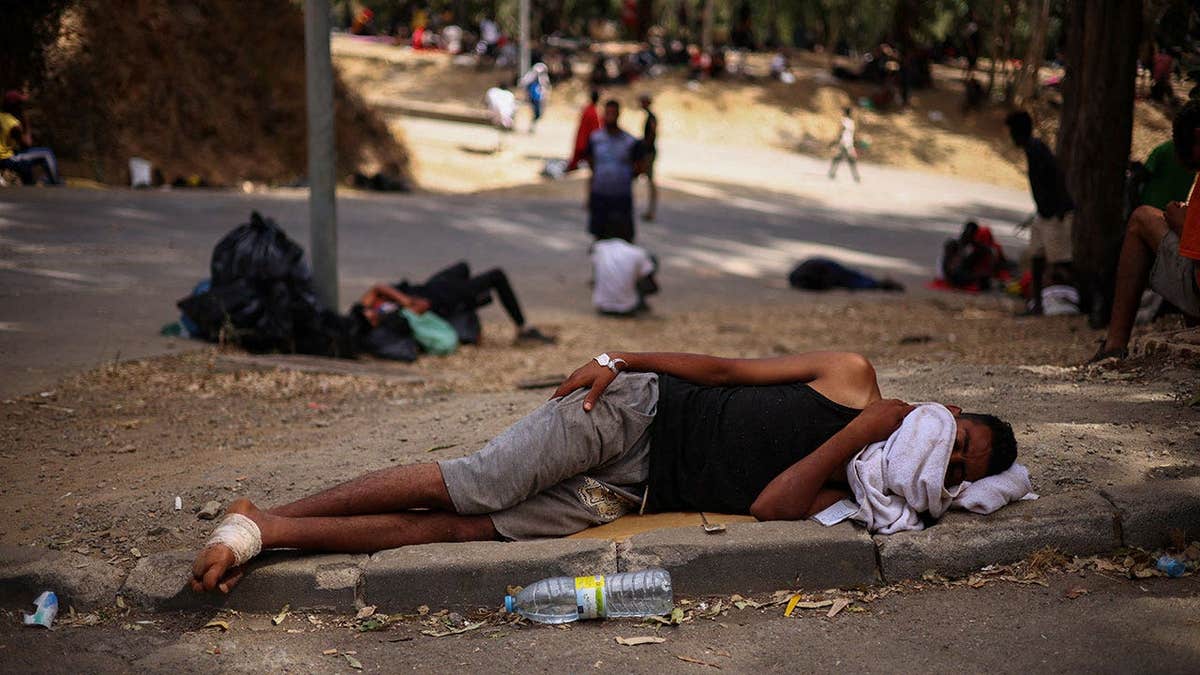
Migrants wait outside Ceuta’s temporary migrant center (CETI), which is currently at full capacity, following mass crossings of migrants on foot and by sea from Morocco into Spanish territory, in Ceuta, Spain, Aug. 3, 2026. (Pedro Nunes/Reuters)
He then proposed a set of actions authorities should take to return the city to normal. The proposals included expelling the remaining Moroccan migrants, provisioning more resources for the city’s migrant facilities, and the implementation of a new economic model which he called on to be «More Spain and More Europe.»
CEUTA MIGRANT SURGE EXPOSES SPAIN-MOROCCO TENSIONS AS ISLAMIST GROUPS REPORTEDLY SEEK TO EXPLOIT BORDER CRISIS
«We serve a society that has forged its character through courage to endure and the ability to overcome adversity. We are confident it will do so again, though I emphasize that the requested support from European authorities remains indispensable. Thank you very much,» Vivas concluded.
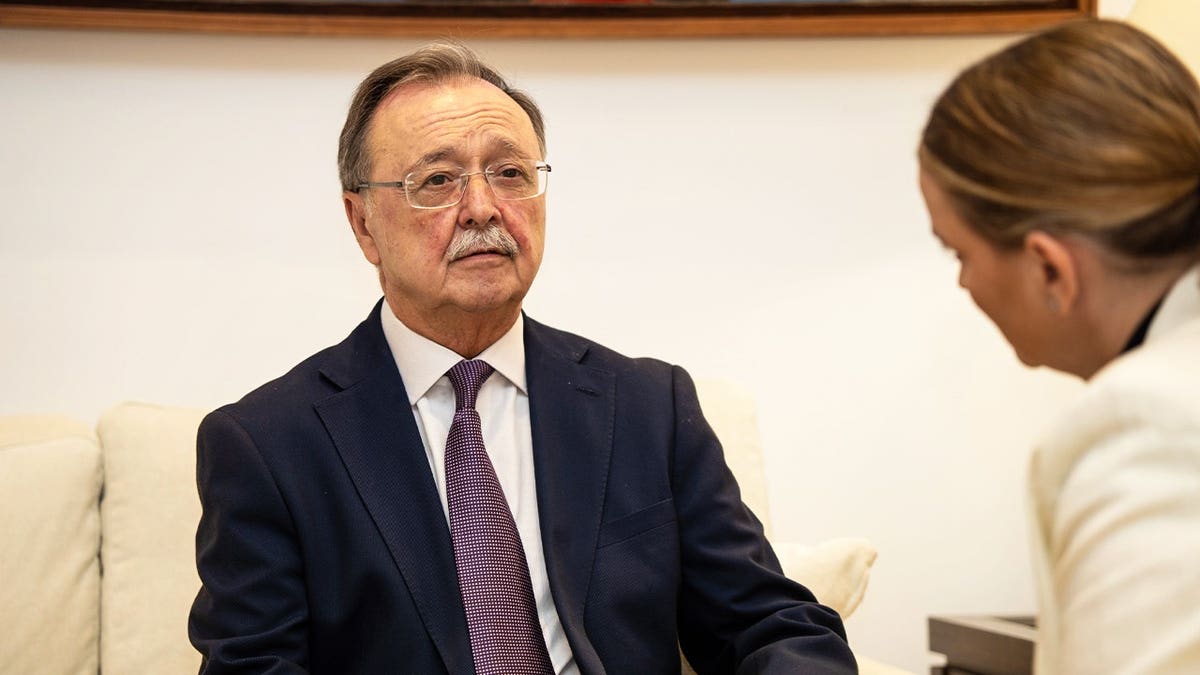
Ceuta President Juan Jesus Vivas seen during a meeting at the Consolat de Mar on Aug. 6, 2026, in Palma, Balearic Islands, Spain. The meeting takes place just one week after the unprecedented migration crisis at the border between Ceuta and Morocco. (Javier Fernandez/Europa Press via Getty Images)
Following the border rush between July 30-31, Sánchez called the incident «an attack, a violation of the territorial integrity of Spain.»
Fox News Digital contacted the governments of Spain and Ceuta for additional comment.
illegal immigrants, europe, border security, spain, world
INTERNACIONAL
House GOP launches probe into 5 major labor unions over Dem spending despite MAGA membership base
NEWYou can now listen to Fox News articles!
FIRST ON FOX: The Republican-led House Committee on Education and Workforce is demanding financial records from five of the nation’s largest labor unions over allegations that union leaders used funds to support Democratic candidates and progressive causes while spending millions on lavish perks.
In letters obtained by Fox News Digital and sent Thursday, the lawmakers on the committee requested financial records dating back to January 2023 from the United Auto Workers (UAW), United Steelworkers (USW), SMART Transportation Division (SMART-TD), Brotherhood of Locomotive Engineers and Trainmen (BLET), and Brotherhood of Maintenance of Way Employees Division (BMWED).
«Unions are supposed to be representing workers for their best interests on the job site, for their future goals that they have, and to work together in a commonality that speaks for, I think, in general, all of the workers combined and not just select portions of it,» Rep. Tim Walberg, R-Mich., who also serves as the chairman of the House Committee on Education and Workforce, told Fox News Digital.
«When we see funds that have been used by multiple unions for highly political purposes, and you begin to see that the rank and file aren’t following along with the same political funding purposes of union leadership, common sense says you ought to take a look at it.»
EXPLOSIVE REPORT UNEARTHS PROMINENT UNION MONEY TRAIL LABELED A ‘STUNNING BETRAYAL’ OF MAGA MEMBERS
President Donald Trump takes questions from the media during a bilateral meeting with President of Lebanon Joseph Aoun in the Oval Office of the White House on July 21, 2026, in Washington, D.C. (Kevin Dietsch/Getty Images)
Multiple reports cited in the letters, including previous Fox News Digital reporting on BMWED’s political spending, allege union leaders spent millions supporting Democratic candidates and progressive causes while also spending heavily on conferences, travel, entertainment and other expenses.
The UAW had the highest reported totals, with nearly $95 million in political spending and nearly $146 million spent on travel and entertainment.
The requests also seek records on lobbying, executive pay, travel, entertainment and conference expenses, along with member complaints, ethics and audit policies, transfers to larger labor organizations, and the use of union funds to cover expenses for spouses, family members, guests or political allies.
The lawmakers argue there is a growing disconnect between union leadership and members, saying many rank-and-file workers have «increasingly supported President Trump and other Republican candidates in recent election cycles.»
«I think it comes down to the leader’s own self-interest,» Walberg said. «That could be political interest, or that could be self-aggrandizement, or in certain cases looks like for monetary purposes, for their own personal benefit.»
In the letters, the lawmakers said that workers «deserve transparency regarding how their dues are spent, the extent to which union leadership consults members before endorsing candidates or engaging in political activities, and whether differing viewpoints within the union are being respected.»
FRUSTRATED BLUE-COLLAR UNION BOSSES RIP SOCIALIST POLITICIANS, WARN OF LABOR EXODUS FROM DEM PARTY
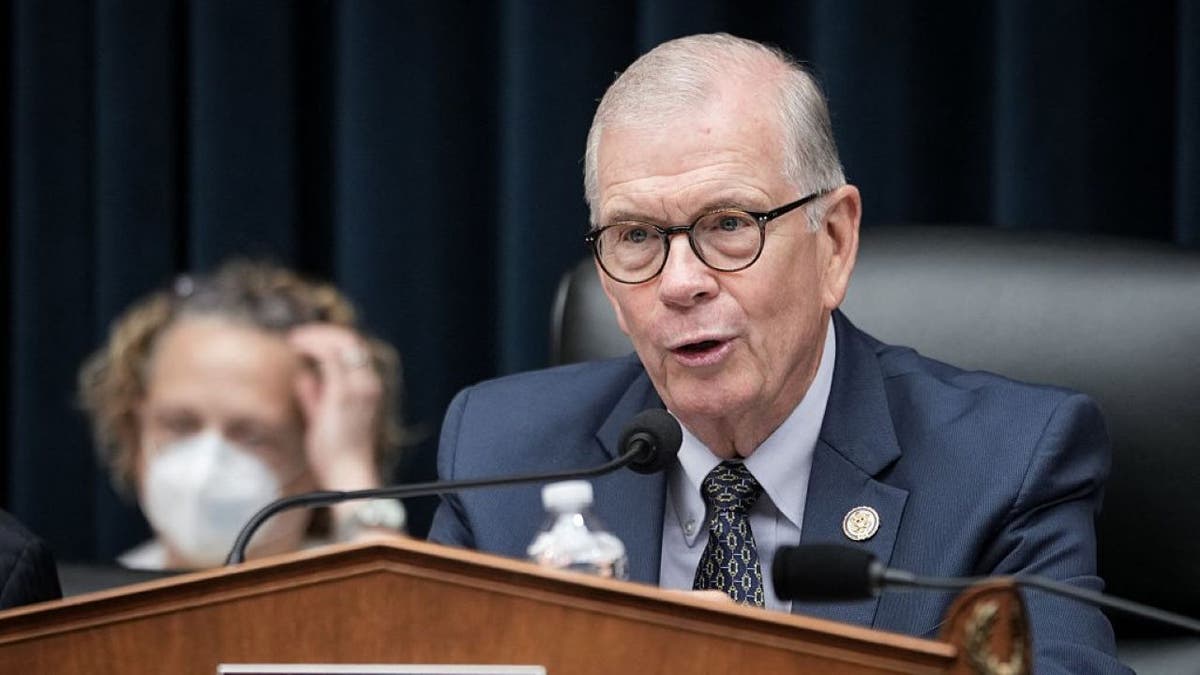
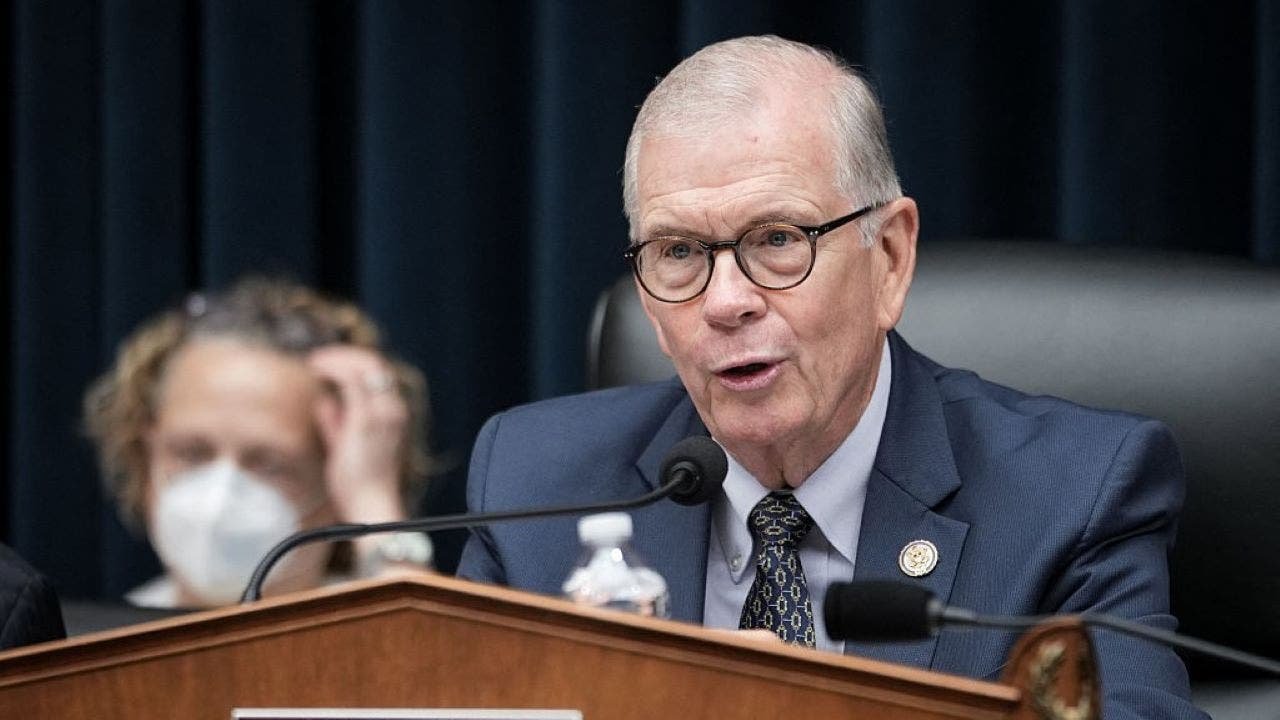
Rep. Tim Walberg of Michigan speaks during a House Workforce and Education Committee hearing on Capitol Hill in Washington, D.C., on June 5, 2025. (OLIVER CONTRERAS/AFP via Getty Images)
Walberg said the committee is examining how some unions spend dues collected under «mandatory membership policies.»
«We have responsibility in our committee for oversight on what goes on in the workplace, what goes in those that represent workers in the work place on both sides of the equation, whether it’s the employer or the union,» he said.
But Walberg said union leaders still face questions about serving workers’ best interests.
«There have been union leaders who have gone to jail and certainly been prosecuted over misuse of funds,» he said. «There seems to be indication that that still is going on in certain major unions.»
Insisting «this is not to be a partisan political motivated effort,» Walberg said the committee’s role is oversight and that evidence uncovered during the investigation could still be referred to the Justice Department.
«We do not have prosecutorial powers,» he said. «We can’t put anybody in jail. We can call for information, and ultimately call for union leadership to come before our committee and answer questions.»
SOURCES CORROBORATE WHISTLEBLOWER CLAIMS OF CORRUPTION, QUID PRO QUO CULTURE INSIDE POWERFUL NYC UNION
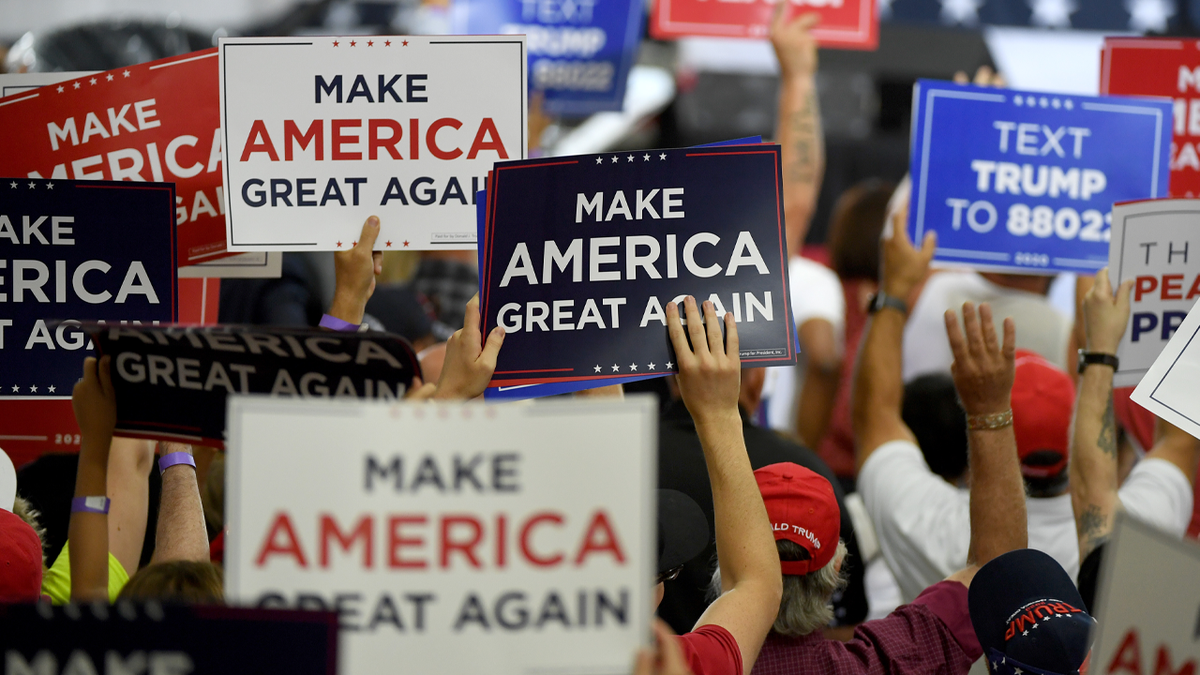
Supporters hold up signs during a campaign event for U.S. President Donald Trump at Xtreme Manufacturing on Sept. 13, 2020, in Henderson, Nevada. (Ethan Miller/Getty Images)
The unions were asked to respond by Aug. 17, with the UAW receiving a separate Aug. 18 deadline.
«The committee will continue examining whether current labor law adequately protects workers from political coercion and whether additional transparency requirements are warranted,» according to the letters.
The letters added that the unions’ responses will assist «in determining whether any legislative changes are warranted,» arguing unions have a legal duty to fairly represent members and that workers «should not be compelled to subsidize political advocacy fundamentally at odds with their beliefs or interests.»
Walberg said the investigation is «for a purpose,» one he hopes will hold union leaders accountable.
«I hope that will be very apparent and transparent that we are concerned about the rank-and-file union member who in most cases had no choice about their contributions but should have a clear understanding and the ability to react to that understanding about how their funds are being used for political, cultural, you name it, purposes and have their union leadership brought to light,» he said.
Fox News Digital reached out to the UAW, USW, SMART-TD, BLET and BMWED for comment. BMWED declined to comment, while the other unions did not respond by publication.
politics, lobbying, congress, democratic party, labor unions
INTERNACIONAL
Nicaragüenses son víctimas de emboscadas y ataques violentos en distintas zonas de Costa Rica
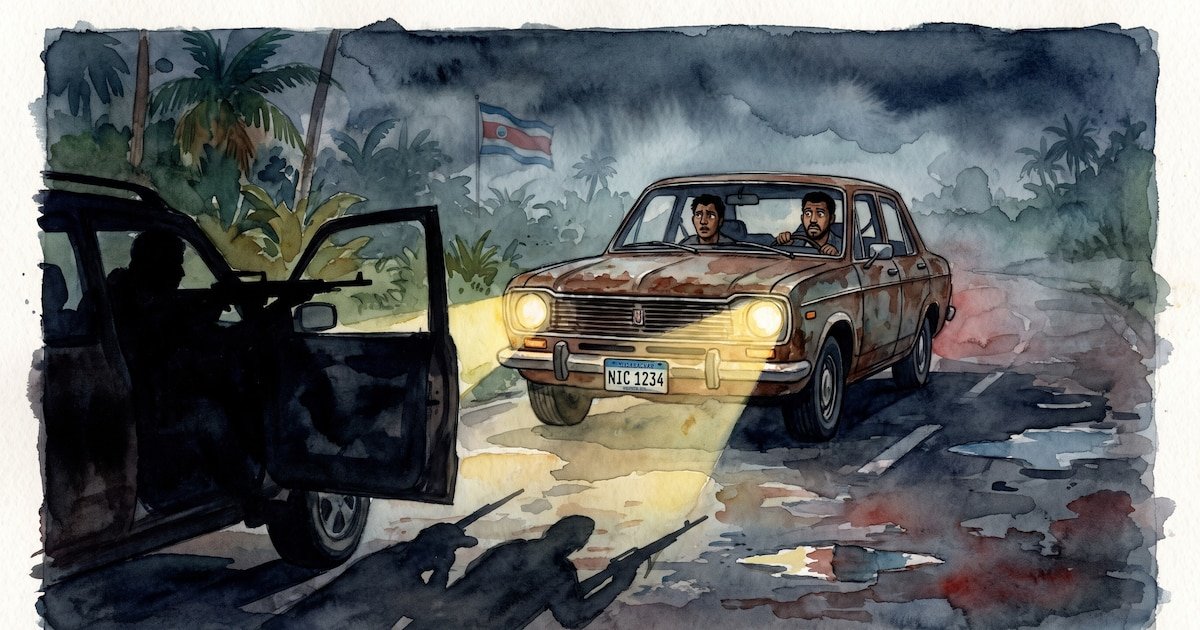
Una preocupante racha de violencia ha golpeado a la comunidad de migrantes nicaragüenses en Costa Rica durante los primeros días de agosto de 2026. Diversos ataques armados y agresiones con armas blancas ocurridos en distintas regiones del país centroamericano han dejado un saldo trágico de varios ciudadanos de origen nicaragüense muertos y gravemente heridos, hechos que se encuentran bajo una intensa investigación por parte del Organismo de Investigación Judicial (OIJ).
Uno de los sucesos más sangrientos se registró durante la madrugada del pasado domingo (2 de agosto), en la localidad turística de Tamarindo, en el cantón de Santa Cruz, provincia de Guanacaste.
Dos hombres de nacionalidad nicaragüense, identificados por las autoridades con los apellidos Espinoza, de 32 años, y Contreras, de 33, viajaban a bordo de un vehículo cuando fueron emboscados. De acuerdo con los informes preliminares brindados por el OIJ, otro automóvil interceptó a las víctimas y desde su interior desconocidos dispararon en múltiples ocasiones. La ráfaga de proyectiles causó la muerte instantánea de ambos ocupantes, mientras que los perpetradores se dieron a la fuga y continúan sin ser localizados por los cuerpos policiales.
Ese misma noche, en la provincia de Alajuela, un joven de nacionalidad nicaragüense, identificado como Yerling Antonio Hernández Martínez, de 24 años, perdió la vida tras ser atacado con un arma blanca en las afueras de un establecimiento nocturno en Santa Fe de Guatuso.
Informes judiciales detallan que el incidente se desencadenó a partir de una acalorada discusión dentro de un bar, en la que participaron tres hombres. La riña derivó en que dos de los sujetos atacaran a Hernández Martínez con un puñal, propinándole heridas mortales. Pese a la pronta llegada de la Cruz Roja, los socorristas determinaron que el joven ya no contaba con signos vitales. En un rápido operativo, la Fuerza Pública logró la detención de dos sospechosos de participar en el crimen, quienes quedaron a disposición de la Fiscalía.
Apenas unos días después, la violencia volvió a golpear la zona guanacasteca. En la madrugada de ayer, miércoles 5 de agosto, alrededor de la 1:00 a. m., se reportó un grave atentado directo en la comunidad de Corralillo de Filadelfia, en el cantón de Carrillo. Un hombre nicaragüense de apellido Ruiz resultó gravemente herido tras ser acribillado.
Según la reconstrucción de los hechos, el afectado se encontraba dentro de su vivienda cuando escuchó que alguien lo llamaba desde la parte exterior. Al salir a atender la llamada, fue atacado a balazos a quemarropa.
Ruiz sufrió cuatro impactos de bala distribuidos en el tórax, la clavícula y la mano izquierda. Socorristas de la Cruz Roja Costarricense se desplazarán para brindarle los primeros auxilios y trasladarlo de urgencia hacia un centro médico de la localidad, y posteriormente al hospital regional de Liberia debido a la gravedad de sus lesiones.
Esta preocupante seguidilla de hechos violentos pone de manifiesto la vulnerabilidad de una población que ha crecido exponencialmente en territorio costarricense durante los últimos años. El continuo deterioro socioeconómico, la represión política y la sistemática persecución de la disidencia impuesta por el régimen autoritario de Daniel Ortega y Rosario Murillo en Nicaragua han provocado uno de los éxodos migratorios más grandes en la historia reciente de Centroamérica.

Miles de ciudadanos nicaragüenses se ven forzados a abandonar su tierra natal ante el acoso estatal, la falta de libertades fundamentales y la escasez de oportunidades laborales. Costa Rica, por su proximidad geográfica y su histórica tradición de acogida, se ha convertido en el principal destino de refugio para las familias nicaragüenses que buscan salvaguardar sus vidas y construir un futuro digno.
Sin embargo, al llegar al país tico, los migrantes nicaragüenses no solo se enfrentan al reto de la integración laboral y social, sino que también quedan expuestos al alarmante incremento en los índices de criminalidad e inseguridad que enfrenta el país vecino.
Costa Rica,Nicaragua,automóvil,armas,detención,acuarela

Octopath Traveler 3 queda prácticamente confirmado con estas palabras de Tomoya Asano – Nintenderos

Siete prepagas fueron dadas de baja esta semana y ya suman 15 en 2026: cuáles son y por qué quedaron afuera del registro

La Corte Suprema aprobó su presupuesto para el 2027 y le reclamó al Gobierno más fondos

Thousands of migrants remain in Spanish territory after border rush, death toll hits about 100: Ceuta official

Por qué la llegada de Almada a River le abre las puertas del Atlético al Cuti Romero

En medio de la crisis con Lula, Sebastián Pareja reúne a dirigentes y legisladores de derecha de la región para definir una agenda común

Javier Milei cruzó a Victoria Villarruel y elevó la tensión: “Es una opositora, replica los argumentos kirchneristas”

Reelecciones indefinidas: el oficialismo bonaerense niega que busque ampliar la Legislatura como parte de una reforma política para beneficiar a los intendentes

Un muerto y tres heridos al chocar un colectivo de turismo y un auto en Mendoza

Zaira Nara realizó un topless en Formentera y un comentario de un seguidor generó debate: “¿Nunca vestida?»
-
 POLITICA3 días ago
Javier Milei cruzó a Victoria Villarruel y elevó la tensión: “Es una opositora, replica los argumentos kirchneristas”
-
 ECONOMIA1 día ago
Dólar hoy en vivo: a cuánto se negocian todas las cotizaciones minuto a minuto este miércoles 5 de agosto
-

 POLITICA1 día ago
Brasil retira a su embajador en la Argentina: qué consecuencias tiene la medida diplomática