INTERNACIONAL
GOP lawmakers seek to defund HBCU after it canceled Republican’s commencement speech

NEWYou can now listen to Fox News articles!
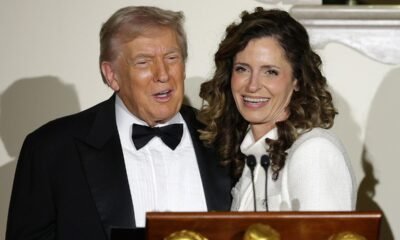
FIRST ON FOX: South Carolina Republicans are pushing to strip funding from the state’s only public HBCU after the university rescinded Republican Lt. Gov. Pamela Evette’s commencement invitation following student protests and security concerns.
What began as a student protest over a conservative commencement speaker, resulted in «credible safety threats,» according to Evette, who spoke to Fox News Digital after her commencement address at South Carolina State University was canceled. Following an uproar from students, who decried Evette’s views on diversity, equity and inclusion (DEI), abortion and her support for President Donald Trump, among other issues, the University president put out a statement indicating that «out of an abundance of caution for safety» the college would be «mov[ing] in a different direction for this Spring commencement.»
«From the outset, our decision to invite Lt. Gov. Pamela Evette as our Spring 2026 Commencement speaker was rooted in her record as a business leader and entrepreneur. As the founder and former CEO of a company that grew from a startup into a billion-dollar enterprise, she represents the kind of innovation, resilience and real-world achievement that aligns with the aspirations of our graduates,» the statement read. «We are grateful to Lt. Gov. Evette for her willingness to engage with our students and for her time and consideration in accepting the invitation.»
NORTH CAROLINA TEEN SUES SCHOOL AFTER CHARLIE KIRK TRIBUTE SPARKED ‘CRIMINAL INVESTIGATION’ AND CENSORSHIP
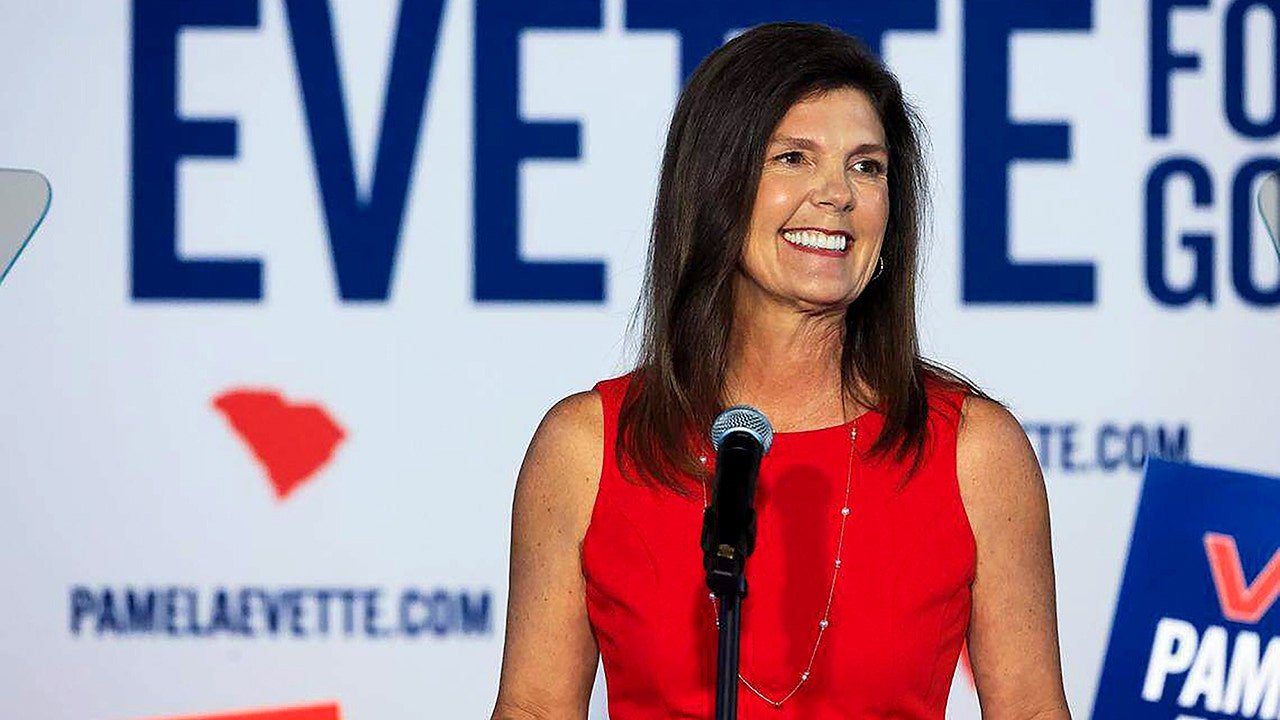
South Carolina Lt. Gov. Pamela Evette announces her bid for governor on July 14, 2025. (Joshua Boucher/The State/Tribune News Service via Getty Images)
Pressure from students, including multiple protests around South Carolina State’s campus, led up to the ultimate decision to rescind the invitation for Evette, which the Lt. Gov. said was sent to her in December. The Lt. Gov. indicated to Fox News Digital that she never publicized her address, or shared publicly what she would speak about.
Evette described the protesters as a «woke mob,» earning her backlash, but she refused to back down from the statement when talking to Fox News Digital. According to Evette, attorneys from South Carolina State called attorneys in her office, telling them the reason for canceling the event was due to «credible threats.»
«It’s what we’ve seen all across the country,» Evette, who is also running for governor in The Palmetto State, told Fox News Digital. «Somebody with a conservative point of view shows up and everybody wants to cancel them. We saw it with Charlie Kirk, and we saw with Riley Gaines, and we’ve seen it with Ben Shapiro. I never thought I’d be in that kind of list, but here we are and it’s a real shame and it has to end.«
NEBRASKA STATE SENATOR CAUGHT ON VIDEO REMOVING FOUNDERS’ PORTRAITS DEFENDS ACTIONS
Alexander Conyers, South Carolina State University’s President, announced the decision to rescind Evette’s invitation to a round of applause from students — a decision he said he made personally. In video of the announcement caught by local news, Conyers said he doesn’t want people to think students at South Carolina State are «thugs» or a mob.»
«We are not a mob. We are just aware,» South Carolina State University students, who repeatedly insisted their protests were peaceful, could be heard chanting as they marched in large groups around campus, seen in video shared by local South Carolina reporter Michael White.
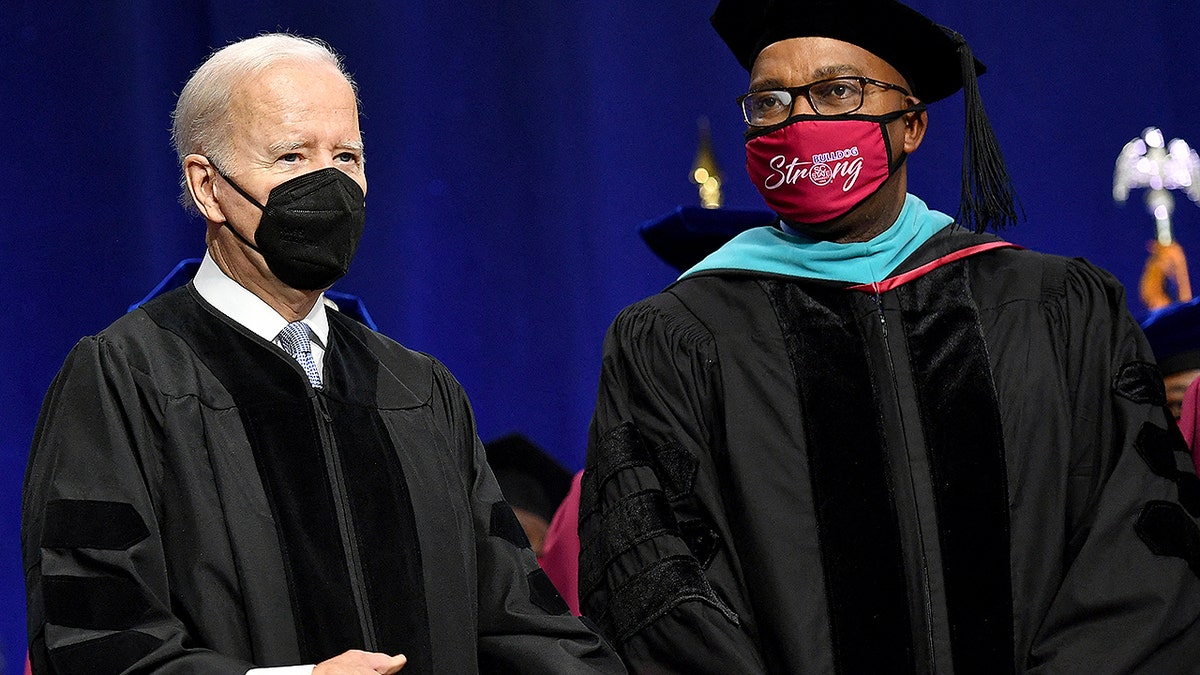
Then interim South Carolina State University President stands next to former President Joe Biden during the school’s commencement ceremony in 2021. (MANDEL NGAN / AFP) (Photo by MANDEL NGAN/AFP via Getty Images)
«Hey, hey! Ho! Ho! Pamela Evette gots to go!,» the crowds chanted, including at night, around campus.
TPUSA URGES TRUMP ADMIN TO ‘PULL EVERY LEVER AT ITS DISPOSAL’ TO OVERHAUL HIGHER EDUCATION
In another alleged sit-in-style protest, students were filmed inside a campus building decrying Trump as a pedophile, bigot, racist and a supporter of the police.
«Being conservative is not the issue — that’s alright, we all have our own political views. But she’s explicitly said ‘I am a Trump conservative.’ Okay, if you believe in Trump you support pedophilia, you support bigotry, you support racism, what else, pro-police — the same police that’s killing our people — and also she supports ICE,» one of the sit-in protesters can be heard saying in a video circulating on social media. «She also would like to have — because I’m going to say a concentration camp — that’s not what they calling it but you all want to bring on of those here to or state. We don’t believe in that.»
Zaria Tucker, the South Carolina State Student Government Association President, echoed the point about students’ anger not being about politics during an address at a board of trustees meeting.
‘TOXIC’ BY DESIGN? THE LAW STUDENTS WHO SAY CAMPUS DISCOMFORT IS THE POINT
«Commencement is not about politics, but more about representation. What we need as students. Not someone to come and tell us what they need to do as governor, or another position that they’re running for in this state,» Tucker said in the video shared online by White. «But, more to uplift us as students. So, necessarily, that’s what the main goal will always be, as the Student Government Association president.»
In response to the decision from Conyers and South Carolina State University, Republican state legislators from the House Freedom Caucus called the decision by the college «shameful» and «inexcusable» that the university had to cancel Evette’s speech «because her safety could not be guaranteed on a state-funded campus.»
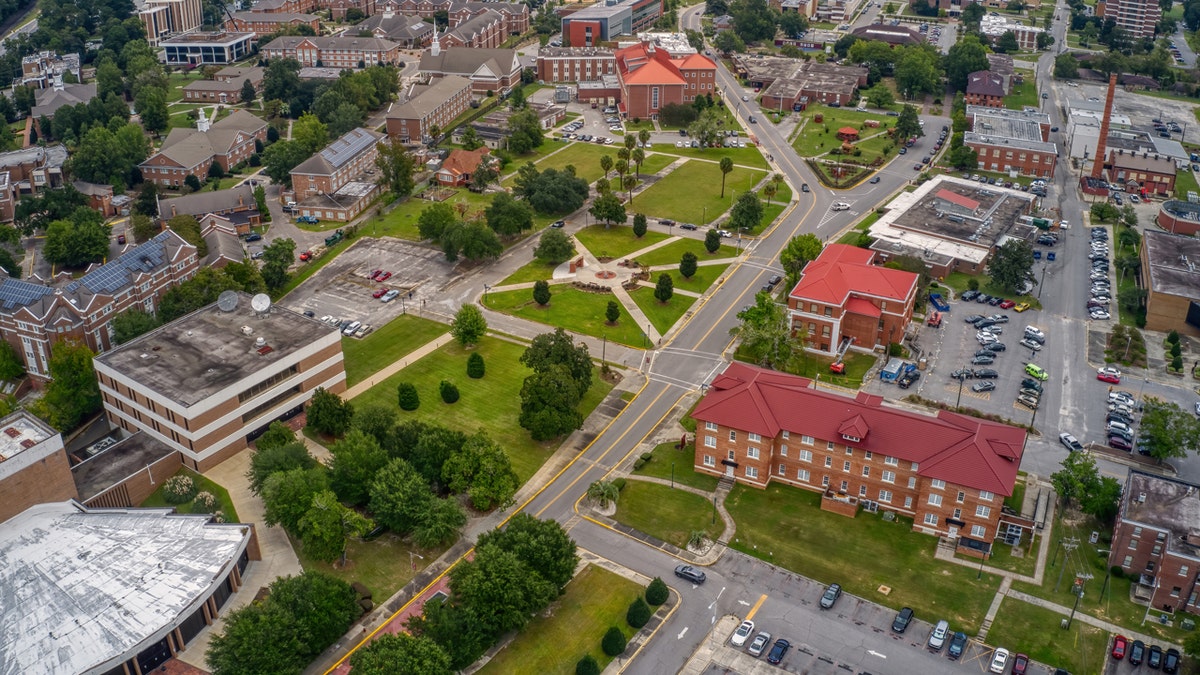
The campus of South Carolina State University. (Jacob Boomsma)
The letter ended by requesting that «no funding» be included in the upcoming version of the state’s funding.
«If the Lt. Gov. of South Carolina is unwelcome due to different political ideologies and an inability to keep her safe, it is time to defund and reevaluate.,» the letter, signed by nine GOP South Carolina State legislators, concluded.
During Evette’s comments to Fox News Digital she said that she and current South Carolina Governor Henry McMaster have always ensured Historically Black Colleges and Universities (HBCUs) in the state are funded, noting that despite a Republican super majority in the state legislature «we have been very supportive.» Evette added that President Trump «has done more for them than any president and in history.»
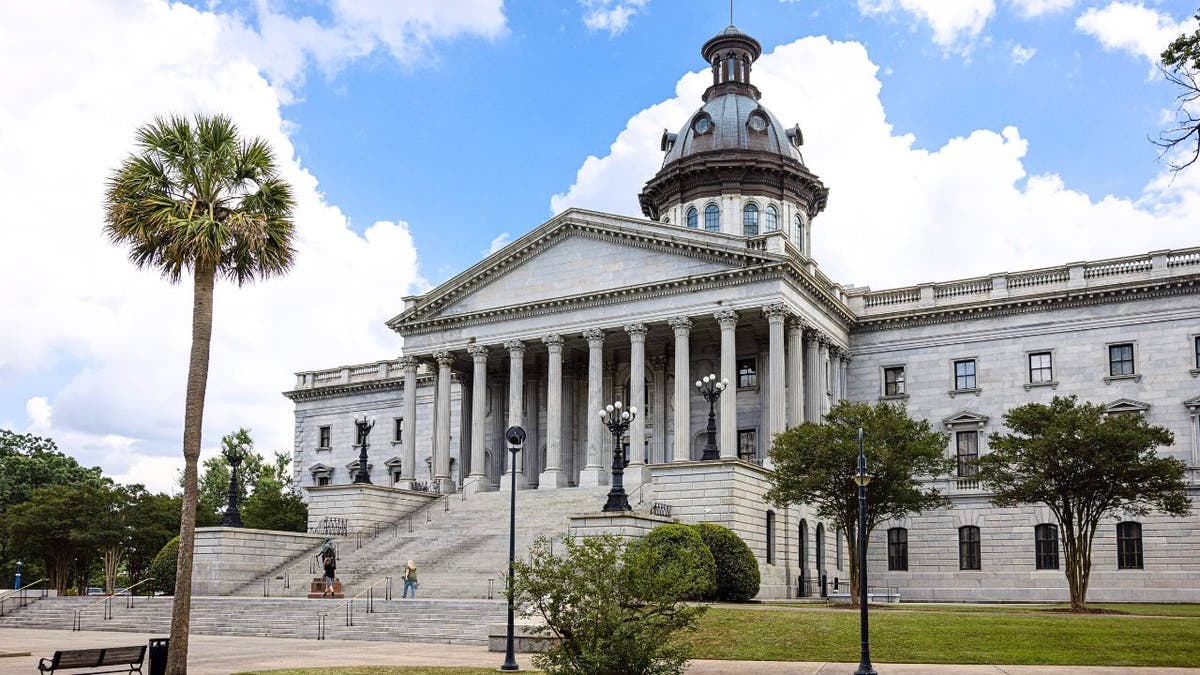
The South Carolina State House is seen in Columbia, South Carolina. (LOGAN CYRUS/AFP via Getty Images)
CLICK HERE TO DOWNLOAD THE FOX NEWS APP
Meanwhile, the school invited former Democratic Party President Joe Biden to speak at their commencement ceremony in 2021, when Conyers was interim president of the school at the time.
«Where is the faculty and where is the leadership and why aren’t they setting the record straight why do these young people who obviously are very bright — they’re graduating college — not know these basic facts about what’s happening at the university they’re attending.»
south carolina, campus controversy, governors, republicans elections, college








INTERNACIONAL
En medio del recuento de obras, Mulino promete 80,000 empleos y lanza una nueva etapa de su gobierno
El presidente de Panamá, José Raúl Mulino, presentó este 1 de julio ante la Asamblea Nacional el inicio de una segunda etapa de su gobierno, después de dos años que describió como un periodo de ordenamiento económico, ajuste gradual y recuperación de la confianza del país tras recibir, según dijo, unas finanzas públicas deterioradas y una administración con obras detenidas.
En su informe de gestión al comenzar su tercer año al frente del Ejecutivo, Mulino afirmó que el país entra ahora en una fase más enfocada en empleo, crecimiento económico y bienestar directo para las familias.
El eje de esa nueva etapa será el programa “Panamá Pa’ Ti”, una estrategia que concentrará los esfuerzos del Gobierno en cuatro prioridades: empleo, salud, canasta básica y agua.
El mandatario construyó buena parte de su discurso sobre una idea central: los primeros dos años fueron para “limpiar la tierra antes de sembrar”. Con esa metáfora, defendió el ajuste aplicado por su administración y aseguró que rechazó medidas como reducir en 20% la planilla estatal o aumentar impuestos, porque —según dijo— habrían trasladado el costo de la crisis a los panameños.
“No fui elegido para trasladarles el problema a los panameños, fui elegido para resolverlo”, sostuvo Mulino, al explicar que su gobierno optó por sanear las cuentas públicas, bajar el déficit fiscal, desacelerar el endeudamiento y recuperar la credibilidad internacional de Panamá. También defendió que la estabilidad macroeconómica no era una preocupación de técnicos o calificadoras, sino una condición para evitar créditos más caros, menos inversión y menos empleo.

Pero el propio presidente reconoció que esos resultados todavía no se sienten con suficiente fuerza en los hogares. “Ningún panameño vive del déficit fiscal”, dijo, en una de las frases más políticas de su intervención. A partir de allí, intentó mover el foco del discurso desde el reacomodo fiscal hacia la generación de oportunidades.
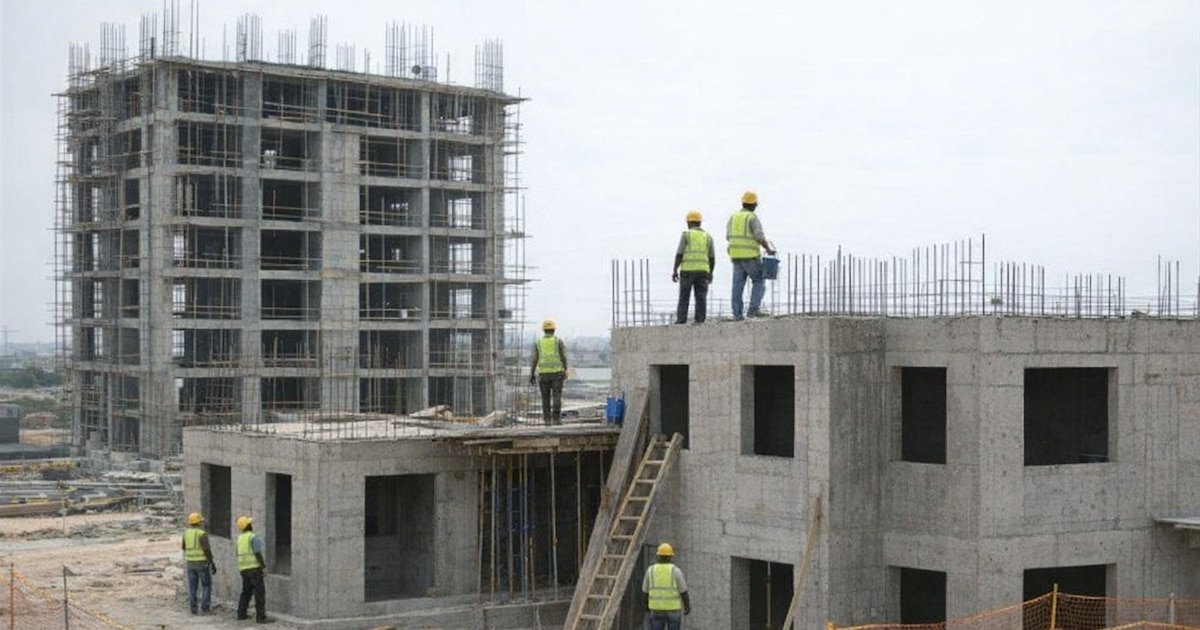
El primer eje de “Panamá Pa’ Ti” será el empleo. Mulino prometió impulsar la creación de 80.000 nuevos empleos privados, no estatales, mediante una alianza con el sector productivo. En ese punto colocó a la construcción como uno de los motores principales de la nueva fase económica, con un programa de viviendas al alcance de las familias panameñas, especialmente en el interior del país.
El mandatario insistió en que cada vivienda construida genera movimiento económico, activa comercios, demanda mano de obra y dinamiza comunidades. También pidió a los empresarios de la construcción contratar trabajadores de las zonas donde se desarrollen las obras, para que los proyectos tengan un impacto más directo en las economías locales.
En infraestructura, Mulino repasó proyectos que, según dijo, muestran el avance de la gestión. Mencionó la Línea 3 del Metro, el Cuarto Puente sobre el Canal, el Corredor de las Playas, el Corredor del Caribe, la carretera Loma Campana-Santiago y más de 700 obras públicas en ejecución. Sobre el Cuarto Puente, afirmó que pasó de menos de 1% de avance al inicio de su administración a 38%, con 2.000 trabajadores y otros 2.000 previstos para los próximos meses.

La construcción, sin embargo, no fue el único sector que el presidente presentó como fuente de empleo. También anunció una ley de incentivos turísticos, un programa nacional de formación con prácticas remuneradas en turismo y la iniciativa Talent Up Panamá, en alianza con Google, para capacitar gratuitamente a 10.000 panameños en inteligencia artificial, computación en la nube, ciberseguridad y análisis de datos.
Mulino también habló de una alianza con BID Invest por $1.000 millones para financiar directamente al sector privado, especialmente a pequeñas y medianas empresas. Según explicó, los recursos no pasarán por el Gobierno, sino que estarán dirigidos a empresas con capacidad de generar empleo.
En Colón, anunció que en noviembre comenzarán las obras de expansión de la Zona Libre por $250 millones, mientras que en el sector agropecuario adelantó el programa Primer Empleo Agro, que beneficiará a unos 2.000 jóvenes en Los Santos, Herrera, Veraguas y Darién.
El presidente también dedicó una parte breve, pero sensible, a la mina. Dijo que el informe técnico elaborado por expertos internacionales ya está disponible en la página del Ministerio de Ambiente y que será analizado por un equipo de Gobierno encabezado por el ministro Roberto Linares Montoto, junto con los ministros Felipe Chapman y Juan Carlos Navarro. Mulino evitó adelantar una decisión, pero sí marcó distancia de los extremos: dijo que las posturas del “sí porque sí” y del “no porque no” evaden la argumentación lógica.

rte fue el tren Panamá-David, una de sus principales promesas de campaña. Mulino afirmó que el proyecto ya no se concibe únicamente como un tren, sino como una obra de integración nacional. Aseguró que un estudio internacional concluyó que es viable, aunque será sometido a una validación independiente antes de avanzar. También admitió que no será una obra que termine durante su administración, pero defendió que debe asumirse como un proyecto de Estado, similar al Metro de Panamá.
El discurso se produjo el mismo día en que la Asamblea Nacional instaló su nuevo periodo ordinario y eligió a su Junta Directiva para los próximos 12 meses. La diputada Shirley Castañeda, del partido Realizando Metas, colectivo que impulsó la candidatura presidencial de Mulino, fue electa presidenta del Legislativo con 42 votos. Su rival, Grace Hernández, postulada por la bancada independiente Vamos y Seguimos, obtuvo 21 votos.
La nueva directiva quedó completada con Manuel Cohen Salerno, de Cambio Democrático, como primer vicepresidente, y Manuel Chen, de Realizando Metas, como segundo vicepresidente. La votación confirmó el control de las bancadas tradicionales y oficialistas sobre la Asamblea, en una jornada marcada por tensiones, cuestionamientos de diputados independientes sobre presunta injerencia del Ejecutivo y la abstención del Partido Panameñista.
Mulino cerró su discurso con un mensaje directo a su gabinete. Dijo que los anuncios realizados no eran simples promesas, sino una “orden de proceder para ministros, directores y funcionarios. También felicitó a la nueva presidenta de la Asamblea y pidió una relación de independencia, pero también de unidad.
El tono fue claro: el presidente quiere dejar atrás el relato de la crisis heredada y pasar a la ejecución. El reto, como siempre, será que el discurso no se quede en aplausos de pleno. Panamá ya ha escuchado muchas veces que vienen buenos tiempos; ahora Mulino tendrá que demostrar que esta vez vienen con fecha, presupuesto y resultados.
construcción,edificio,obra,trabajadores,hormigón,infraestructura
NEWYou can now listen to Fox News articles!
A top government watchdog group released a multipoint plan to protect the homeland and the integrity of U.S. citizenship after the Supreme Court’s 6-3 ruling affirming birthright citizenship as enshrined in federal law.
Conservatives across the country criticized Chief Justice John Roberts, Associate Justices Amy Coney Barrett and Brett Kavanaugh, along with the court’s three liberal justices, arguing that the ruling opens the door to citizenship for children born to foreign nationals illegally present in the U.S. and dilutes American citizenship.
The Oversight Project shared its «Keeping Families Together Plan» with Fox News Digital, arguing the ruling did not grant legal status to the parents of so-called anchor babies, a premise central to its proposal.
«Now that the illegal alien community has achieved weapons of mass reproduction… you need to turn off that multiplying effect. And if the goal of mass deportation is quantitative, which of course it is, you need go [to] places where legal immigration spreads the most or is concentrated the most,» said Mike Howell, an attorney and president of the Oversight Project.
SUPREME COURT’S LATEST IMMIGRATION RULING WILL CAU.S.E AMERICANS TO ‘DIE AND SUFFER’ ATTORNEY WARNS
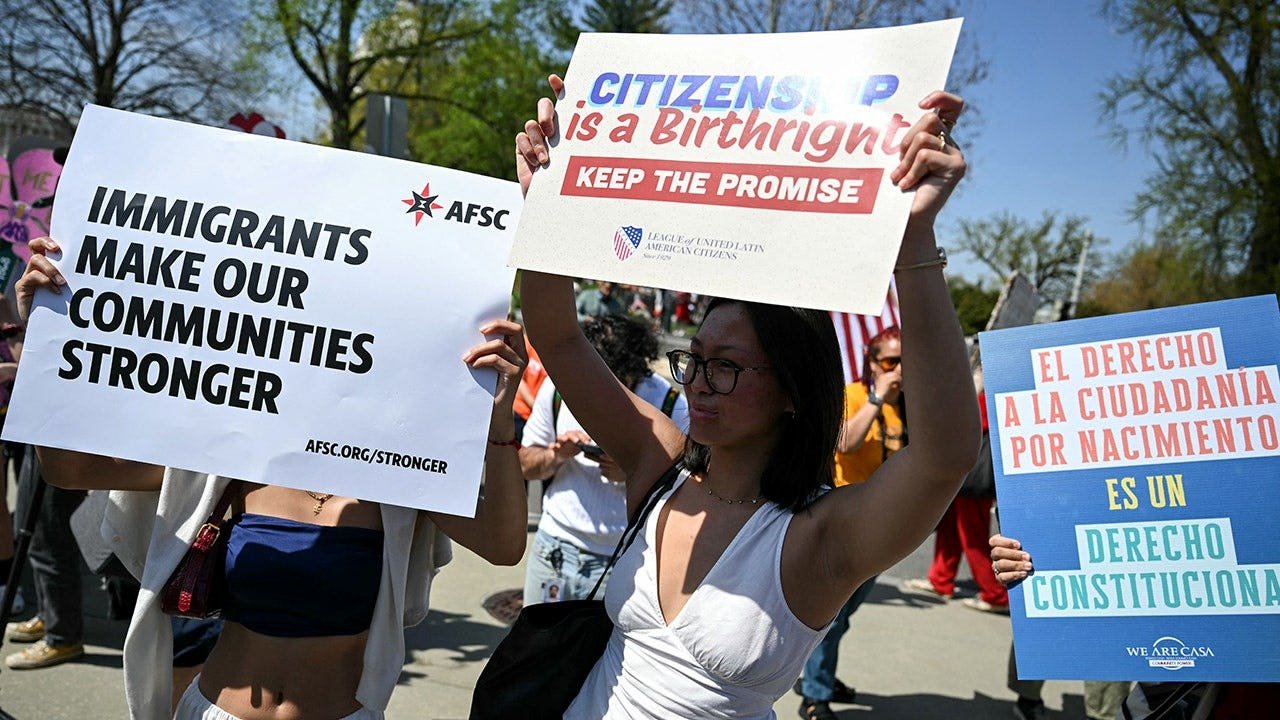
Demonstrators rally in support of birthright citizenship outside the US Supreme Court in Washington, DC on April 1, 2026. President Donald Trump attended in person as the US Supreme Court heard a landmark case weighing the constitutionality of his contentious bid to end birthright citizenship, an extraordinary and possibly unprecedented move for the nation’s highest office. (Mandel Ngan/Getty Images)
«That’s why I’ve advocated so long for worksite enforcement,» he said, noting farms and factories need enforcement rather than «playing onesies and twosies» in sanctuary cities.
An increase in deportations, particularly of the parents of potential anchor babies, is key now that unfettered naturalization is a real possibility, he added.
BIDEN JUDGE OVERRULED ON KEY TRUMP IMMIGRATION POLICY

U.S. Immigration and Customs Enforcement (ICE) and other federal law enforcement agencies have arrested more than 80 illegal migrants, including several with criminal records, during a worksite enforcement operation at a Louisiana racetrack on June 17th. (U.S. Immigration and Customs Enforcement)
«Go to ‘red’ places and deport.»
By deporting parents of so-called «anchor babies,» in most cases the child would be deported with the parent — and if not, that parent would have the «moral onus» of abandoning the child, Howell said.
«If you are truly committed to the idea that birthright citizenship is absurd in its application, then it should be preventative,» he added, saying part of the plan to keep foreign families together would entail throwing roadblocks up to pregnant foreigners having children in the U.S.
Positioning ICE at certain hospitals would help prevent that, he said.
Turning to combating «birth tourism» — in which organizations help foreign nationals travel to the U.S. for the purpose of giving birth to U.S.-citizen children — Howell said China is the biggest source of the practice and other economic threats.
Asked how to thread the needle with the U.S.’ economic reliance on Beijing, Howell said Tuesday’s ruling shows it is time to play «hardball.»
He criticized President Donald Trump’s blessing of thousands of Chinese students continuing to study in America, which, in Howell’s words, would «prop up our failing university system.»
«The elite regions of [China’s] upper class love access to the U.S. financial system and coming here and taking advantage of it. And so if you’re negotiating and it’s the art of the deal… take away the thing they want.»
Howell claimed one Chinese billionaire has been «shipping his sperm» to California to inseminate women, resulting in children being born with U.S. citizenship.
«What kind of serious country allows [that],» he said. Reports from outlets including Fortune have described wealthy Chinese businessmen engaging in repeated surrogacy arrangements involving American women.
Howell said that despite talk of President Donald Trump’s «mass deportation» agenda, the numbers don’t match the boasts so far.
«The fact remains there isn’t a mass deportation campaign underway. And that’s why we’ve been pushing this Mass Deportation Coalition, which has so many members across the country and a policy framework for them to do it,» he said, acknowledging that Trump has had «special interests» buffeting his attempts because they don’t want their workforces deported, and setbacks like the public outcry over agent-involved shootings in Minneapolis that led to «cold feet.»
Asked about the Oversight Project’s plan and Howell’s comments, the White House said Trump remains «totally committed» to protecting the «value of natural-born citizenship.»
«[That] is why, following yesterday’s ruling, he directed Congress to take immediate action to address this. Simultaneously, the administration will double down on our efforts to keep the border secure and deport illegal aliens.»
Spokesperson Abigail Jackson added that the DOJ will prioritize birth-tourism schemes, some of which Howell laid out.
Howell’s plan also includes a veiled shot at Roberts — who, despite being a Republican’s appointee, is often the swing vote in favor of the court’s liberal minority as he was Tuesday.
The George W. Bush appointee famously roiled Republicans after deeming ObamaCare constitutional by defining its no-insurance penalty as a «tax,» while writing in the same 2012 ruling that Congress could not force Americans to buy insurance.
«The question is not whether that is the most natural interpretation of the mandate, but only whether it is a ‘fairly possible’ one,» Roberts wrote in NFIB v. Sebelius.
Howell said lawmakers could therefore create a mechanism through congressional reconciliation to punish birth-tourists — but define the penalty as a «tax.»
«Much like the ObamaCare plan being upheld as a tax by the Supreme Court, this would survive constitutional scrutiny,» the Oversight Project’s plan read.
The plan also goes farther, calling on DHS to suspend all visas for countries like China that engage in birth tourism.
SIGN UP TO GET THE POLITICS NEWSLETTER
The key, Howell said, is to start ignoring the noise from the left and from critics and power through the end of the congressional term with attainable goals in mind no matter how controversial critics say they are.
«We took a hit today, a big hit, but the damage can be mitigated and the overall problem can be solved with a lot political backbone and using the money from the Big Beautiful Bill quickly and without fear of what the left-wing media might say about it,» he said.
«Reconciliation is a beautiful vehicle to achieve those kind of cost-cutting measures. ObamaCare was a tax. The rule is a tax, so why can’t we use a tax here? I’m sure the legal pundits will have much to say about that one,» Howell remarked.
«But by any hook, nook, or cranny, we need to fight this policy,» he went on, adding the mainstream media and some moderates will be lambasting the social repercussions of the plan.
«If the administration’s going to take to the airwaves and say this is like a disgraceful ruling that undermines our sovereignty, then they need to act.»
«The suburban moms will be angry. They will say all that kind of stuff. But I want them to follow through because there’s 77 million Americans who sent Trump back to the White House after everything we went through.»
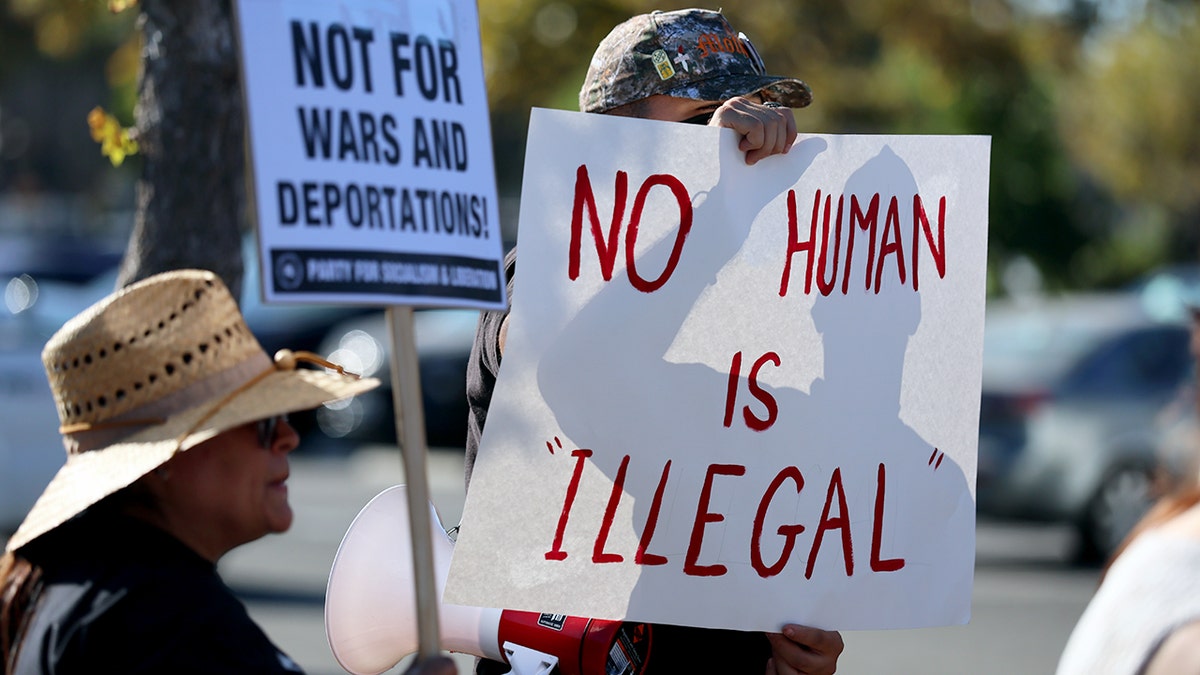
Protesters demonstrate against illegal immigrants being deported. (Allen Schaben/Getty Images)
CLICK HERE TO DOWNLOAD THE FOX NEWS APP
In the interim, Rep. Andy Ogles IV, R-Tenn., and Sens. Eric Schmitt, R-Mo., and Rand Paul, R-Ky., have unveiled constitutional amendment proposals to overturn the court’s ruling, though observers say the efforts appear politically untenable at present.
When asked about characterizations of DHS’ efforts, an agency spokesperson told Fox News Digital, «we disagree with the ruling. Congress must get to work to end birthright citizenship immediately.»
«In President Trump’s first year back in office, more than 3 million illegal aliens have left the U.S. because of the Trump administration’s crackdown on illegal immigration including an estimated 2.2 million self-deportations. As of June 24, we have now deported over 948,000 illegal aliens and arrested over 981,000 illegal aliens,» the spokesperson said, adding that since the first day of Trump’s administration, DHS has been delivering on the promise to «Make America Safe Again» and more than 3 million have been deported.
«Our message is clear: if you come to our country illegally, we will find you, we will arrest you, and we will deport you.»
illegal immigrants, politics, immigration, deportation, homeland security, china, supreme court, donald trump
INTERNACIONAL
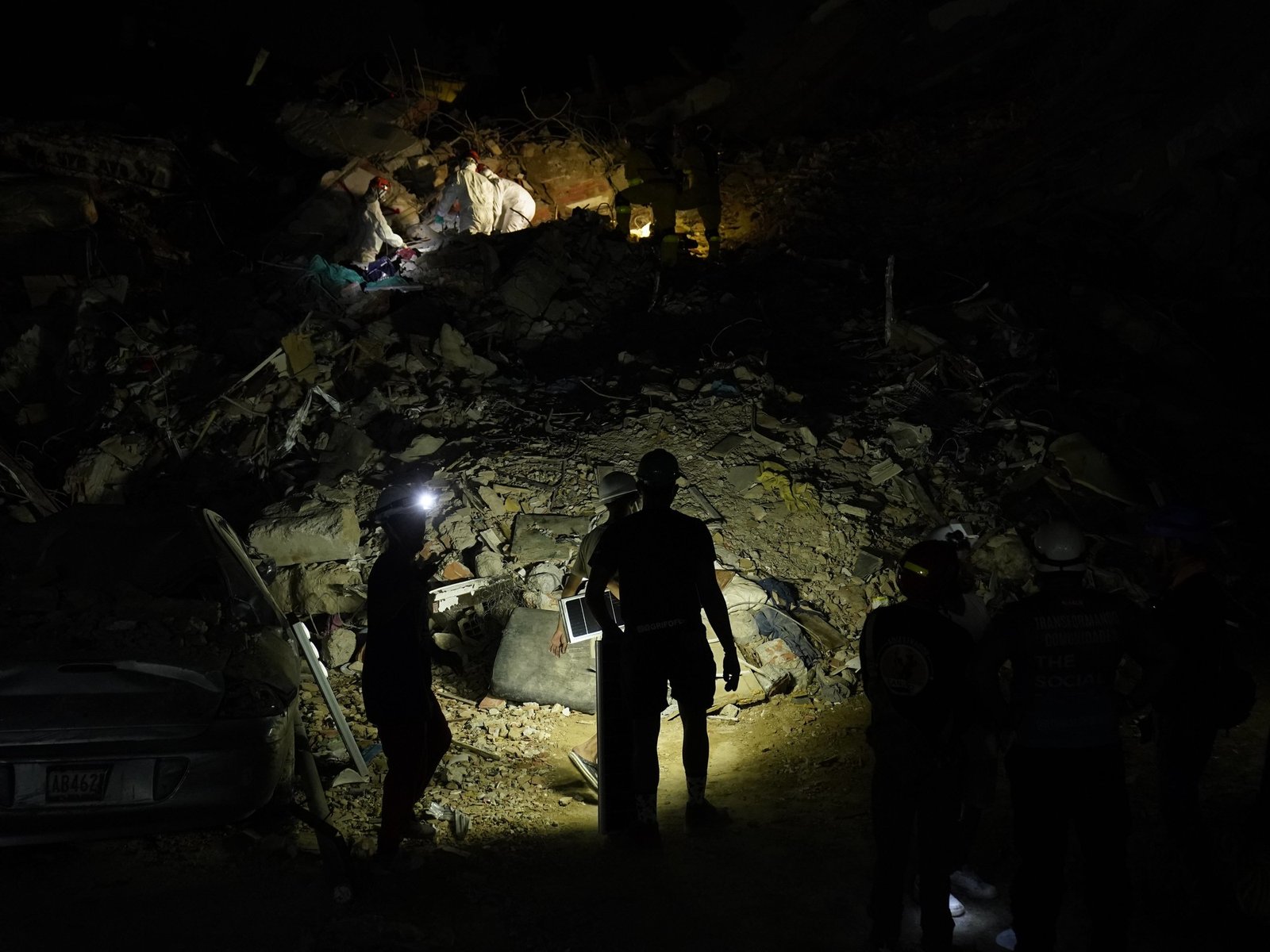
Una noche junto a los rescatistas argentinos en Venezuela: el pedido urgente por los perros, la tensión por buscar vida y el mural de Maradona


En medio del recuento de obras, Mulino promete 80,000 empleos y lanza una nueva etapa de su gobierno

Mariano Navone completó la racha negativa de los argentinos en el cuadro masculino de Wimbledon: los nueve quedaron afuera en primera ronda

Los gobernadores aliados estarían dispuestos a suspender las PASO y negocian con la Casa Rosada

La vicejefa de Gobierno porteño dijo que la ESI «destruyó la cabeza de los niños» y recibió duras críticas

Por qué el Gobierno quiere cambiar la Carta Orgánica del Banco Central que el kirchnerismo reformó en 2012

José María Muscari enfrentó los rumores con relación a la muerte de Ernestina Pais: “Recién a las 20:50 nos enteramos por su hijo”

La bomba de Nico Occhiato tras el escándalo de Florencia Peña con Messi: “Lo más groso que pudimos haber logrado”

Exigen que Adorni renuncie a su cargo en el directorio de YPF

Manuel Adorni renunció después de tres meses de escándalo por su patrimonio

Tras haber dejado su cargo de jefe de Gabinete, Manuel Adorni también renunciará como director de YPF

 INTERNACIONAL3 días ago
Shipping giant warns Strait of Hormuz chaos is ‘new normal’ as Tehran shifts 4M barrels
- ECONOMIA3 días ago
El método con billeteras y bancos para ahorrar más de $100.000 mensuales en compras clave
- INTERNACIONAL3 días ago
Estos son los rostros del partido oficial que se postulan a diputados por la diáspora salvadoreña