INTERNACIONAL
Gremios amenazan con bloquear los accesos a los tres estadios de México en los que se jugará el Mundial

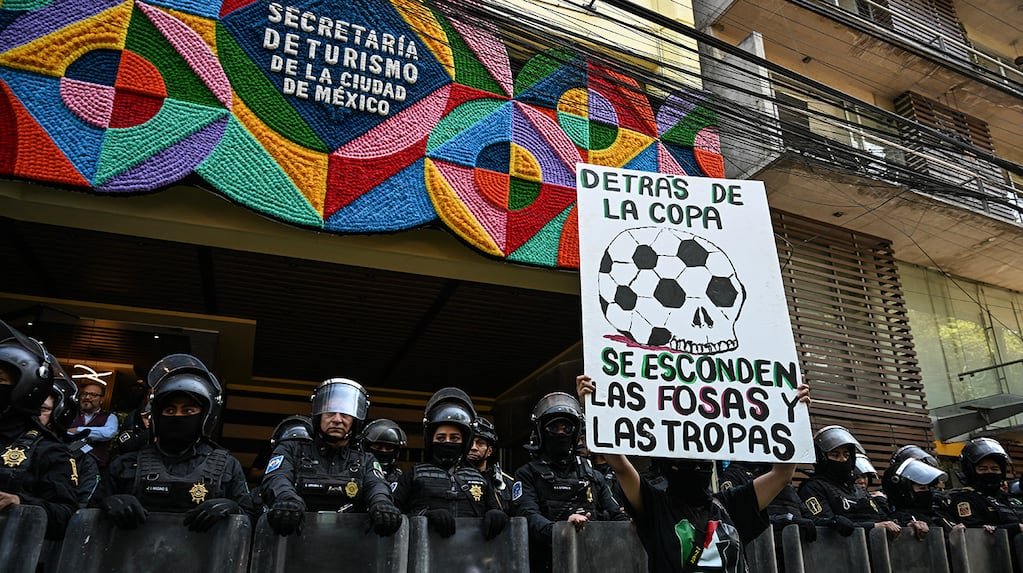
A menos de un mes del comienzo del Mundial, un combativo gremio docente y distintas organizaciones sindicales y sociales amenazan con bloquear los accesos a los tres estadios mexicanos donde se jugarán 13 partidos del torneo de fútbol masculino.
La advertencia incluye el debut del seleccionado local ante Sudáfrica en el mítico Azteca de Ciudad de México, el 11 de junio, que marcará el inicio del campeonato.
La Coordinadora Nacional de Trabajadores de la Educación (CNTE), una corriente disidente dentro del magisterio mexicano, adelantó que decretará en breve una huelga indefinida que promete tener una fuerte repercusión durante el Mundial.
“La huelga está decidida. Solo falta poner fecha”, dijo a TN el dirigente Pedro Hernández Morales, secretario general de la seccion 9 del gremio en el Distrito Federal.
La decisión final se tomará en un congreso sindical previsto para este sábado.
¿Peligran los partidos del Mundial que se disputarán en México?
México albergará a 13 partidos del Mundial que se jugará también en Canadá y Estados Unidos.
Cinco encuentros se disputarán en el Estadio Azteca, donde Diego Maradona levantó el trofeo en 1986; otros cuatro en Guadalajara (centro-oeste) y los cuatro restantes en Monterrey (norte).
La estrategia de los docentes, que reclaman cambios en la ley de jubilaciones y la cancelación de una reforma educativa que juzgan de neoliberal, es simple.
El mítico estadio Azteca, de Ciudad de México, albergará el debut del Mundial el 11 de junio (Foto: EFE)
“Nos presentaremos en la vera de los estadios donde se van a jugar los partidos para hacer visibles nuestras demandas. Manejamos un menú de medidas. Va a haber manifestaciones en la calle, bloqueos, exhibición de lonas (telas de plástico)… Hay muchas formas para expresar nuestra disconformidad”, dijo Hernández Morales.
Pero los maestros no estarán solos. Los agricultores anunciaron que aprovecharán el torneo para visibilizar sus demandas. En concreto, presionan por un aumento en los precios del maíz en alianza con transportistas, víctimas de la inseguridad en las rutas nacionales.
Leé también: Las predicciones de Gerard Piqué para el Mundial 2026: equipo campeón, decepción y jugador revelación
Estos sectores preparan también un paro nacional y un eventual bloqueo de carreteras durante la inauguración del Mundial.
También anunciaron que saldrán a las calles las madres que buscan a sus hijos desaparecidos y los padres de los 43 estudiantes de Ayotzinapa, secuestrados y desaparecidos el 26 de septiembre de 2014 en Iguala, en el estado de Guerrero, sur del país, en un caso sin resolución y que sacudió a México.
“Seremos miles de docentes, las madres que buscan a sus hijos, los padres de Ayotzinapa, los agricultores que presionan por precios justos a sus productos, los transportistas que se quejan de la inseguridad y el alza del precio de la gasolina. Se va a juntar muchísima inconformidad”, dijo Hernández Morales.
El intento de Claudia Sheinbaum por destrabar la presión sindical
La presidenta de México, Claudia Sheinbaum, no quiere problemas. Ya en abril se quejó de los reclamos de distintos sectores que presagiaban un Mundial con alta conflictividad sindical.
“Ahora ya todos quieren impedir el Mundial”, dijo en abril.
En las últimas semanas, el gobierno buscó aplacar la presión docente con una propuesta polémica: adelantar y extender seis semanas las vacaciones escolares durante el torneo. El plan preveía decretar el fin del ciclo escolar el 5 de junio, en lugar del 15 de julio previsto. La medida finalmente fue dejada de lado ante las fuertes críticas de asociaciones de padres, ONG y la oposición. La presidenta mexicana Claudia Sheinbaum presentó el plan de organización de la Copa Mundial de la FIFA 2026 en Ciudad de México el 10 de noviembre de 2025. (Foto: Carl de Souza/AFP)
“Es muy probable que esta intentona fallida de adelantar el final del horario escolar haya respondido a ese deseo de evitar que los profesores pudieran causar problemas durante el Mundial. Seguramente los docentes usarán eso para chantajear al gobierno y habrá que ver que tanto Sheinbaum está dispuesta a ceder a sus intereses”, dijo a TN el exdiputado Fernando Rodríguez Doval, ex secretario nacional del Partido Acción Nacional (PAN, derecha).
Ahora, el gobierno busca mantener bajo control la calle cuando todos los ojos del mundo estarán puestos en el estadio Azteca el 11 de junio, durante la inauguración del torneo.
Leé también: Insólita decisión de Curazao para el Mundial: volvió a contratar al DT que había renunciado hace tres meses
Fuentes del gobierno afirmaron que “la seguridad está garantizada”. Pero la preocupación crece a menos de un mes del comienzo del certamen.
Las señales son inquietantes. El 17 de abril, estudiantes del Instituto Politécnico Nacional (IPN), de Ciudad de México, tomaron las instalaciones del Canal Once de televisión. Allí, ante las cámaras, alertaron que “no habrá Mundial” si las autoridades no atienden sus reclamos ante una serie de supuestas irregularidades en ese centro de estudios.
“Va a ser un mes de junio bastante movido”, resumió Hernández Morales.
Mundial 2026, México, Claudia Sheinbaum










INTERNACIONAL
WATCH: GOP senators tear into former Biden pardon attorney over push to spare ‘mass murderers’ from death row
NEWYou can now listen to Fox News articles!
Several Republican senators challenged the credibility of the testimony of a former Biden Justice Department official during the second day of the Todd Blanche confirmation hearing, pointing to the part she played in the clemency granted to 37 death row inmates.
Democrats called Elizabeth Oyer, the former U.S. pardon attorney at the Department of Justice, a nonpolitical position she served from April 2022 until March 2025 when then-Deputy Attorney General Blanche fired her, which she argued was politically motivated.
While Democrats cast the former pardon attorney as evidence Blanche had politicized the Justice Department, Republicans argued her recommendations to commute the sentences of federal death row inmates undermined her credibility.
Blanche, who has served as acting attorney general since April 2, did not publicly disclose the reasoning for Oyer’s firing, but she claimed it was because she refused to recommend that actor Mel Gibson, who serves as a special envoy to Hollywood for President Donald Trump, have his gun rights restored. The Justice Department denied this as the cause for her firing.
TRUMP’S AG NOMINEE RACKS UP MASSIVE SUPPORT AHEAD OF CONFIRMATION HEARING: ‘REAL RESULTS’
In her opening testimony before the Senate Judiciary Committee Thursday, Oyer mentioned Blanche’s handling of the Epstein files and Ghislaine Maxwell’s reassignment to a lower security prison as among the main reasons Blanche should not become attorney general.
«At the end of the day, the priority of this DOJ is protecting powerful men, even when it comes at the expense of vulnerable women,» Oyer testified Thursday.
But Sens. Josh Hawley, R-Mo.; Eric Schmitt, R-Mo.; and Senate Judiciary Chair Chuck Grassley, R-Iowa, hammered Oyer over an internal memo from Nov. 4, 2024, in which she recommended that Attorney General Merrick Garland advise President Joe Biden to consider commuting the 40 remaining federal death sentences. Biden went on to commute the death sentences of 37 of those recommended.
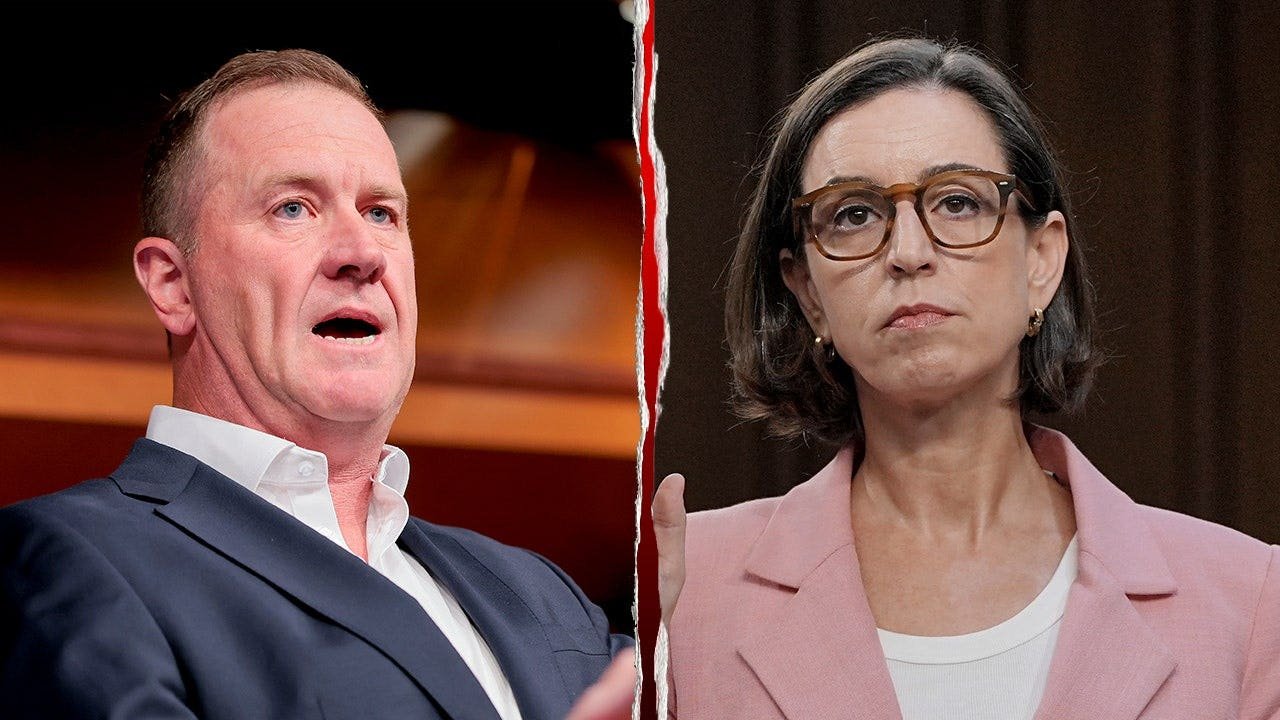
Sen. Eric Schmitt, R-Mo., and former Department of Justice pardon attorney Liz Oyer (Ken Cedeno/AFP via Getty Images; Heather Diehl/Getty Images)
«You have no credibility to talk about Todd Blanche. You have none,» Schmitt said. «You’ve come here, you deny basic facts. You recommended the commutation of murderers. You gave no quarter at all or any time to the victims of these brutal murders. So, again, I can’t believe you’ve been called here by the other side. But I’m glad we’ve had an opportunity to expose your hypocrisy.»
A report from the Justice Department found that Oyer’s 73-page memorandum only dedicated three paragraphs to address the grievances of the victims’ families.
JUSTICE DEPARTMENT ANNOUNCES IT’S READOPTING THE FIRING SQUAD AS A MEANS OF EXECUTION
Earlier in the hearing, Hawley pointed out some of the notorious federal death row inmates whose death sentences Oyer recommended be commuted to life in prison. Among them was Dylan Roof, who was convicted in the June 17, 2015, mass shooting at Emanuel African Methodist Episcopal (AME) Church in Charleston, South Carolina, where he killed nine Black parishioners during a Bible study. Biden ultimately declined to pardon him.
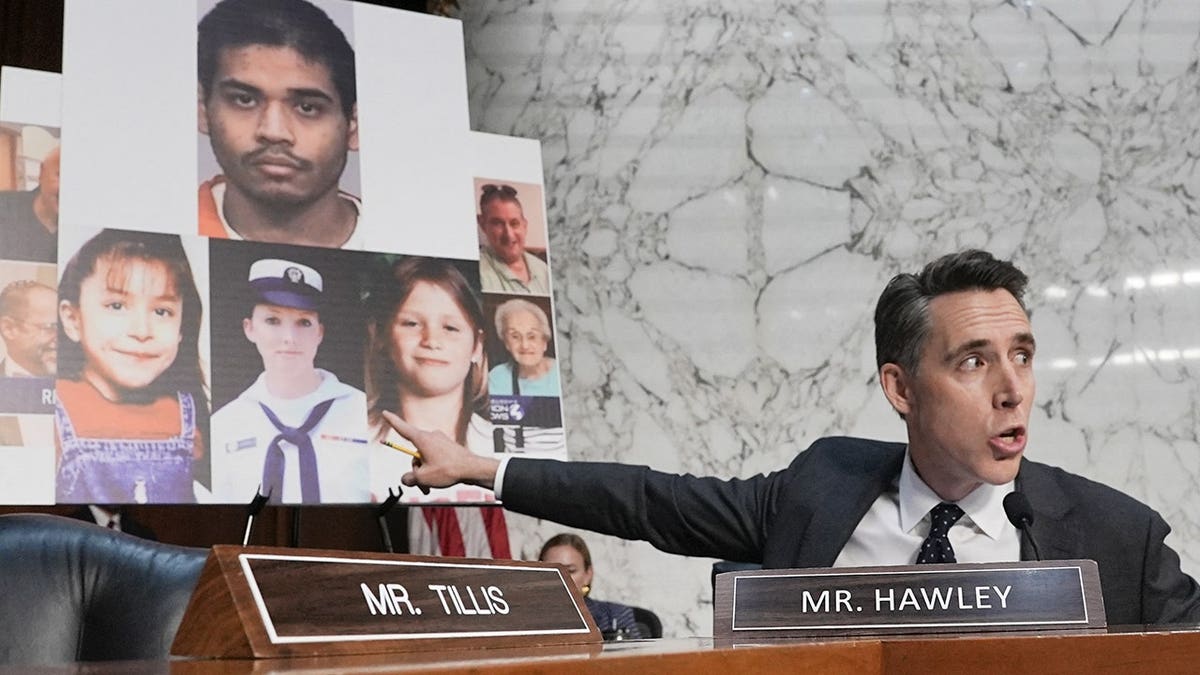
Sen. Josh Hawley, R-Mo., speaks while pointing to a sign during the second day of acting U.S. Attorney General Todd Blanche’s Senate Judiciary Committee confirmation hearing on his nomination to be attorney general on Capitol Hill in Washington July 16, 2026. (Ken Cedeno/AFP via Getty Images)
«You said that actually Roof is not a compelling candidate for clemency, but you recommended it anyway,» Hawley said, referring to Oyer’s memorandum. «Why? Because he suffered from anxiety. You said, ‘Right, he suffered from anxiety’. Did it ever occur to you that maybe the family of his victims might suffer a little bit of anxiety because he marched into their church and murdered them in cold blood, because he was an incredible racist and he wanted to get on TV?»
Hawley then turned to Oyer’s recommendation to commute the death sentence of Robert Bowers, who was convicted of 63 federal charges stemming from the 2018 Tree of Life synagogue shooting, which killed 11 Jewish worshipers. Biden also did not commute Bowers’ sentence.
«This guy killed people just because they’re Jews,» Hawley said. «A jury recommended that he be sentenced to death, and you substituted your judgment for theirs, and now he’s going to live. Are you proud of that?»
«Sir, what I am proud of is the fact that I took my job as pardon attorney extremely seriously,» Oyer said in response.
«I think your judgment is astoundingly terrible. I’m amazed that this side of the aisle has called you.» Hawley responded.
SENATOR TIM SHEEHY: SOFT-ON-CRIME JUDGES NEED CONSEQUENCES. THE JAIL ACT DELIVERS
But Grassley pointed out that Oyer also recommended commuting the death sentence of Jorge Avila-Torrez. Torrez was on federal death row for convictions for the stabbing deaths of two young girls in Illinois, the murder of Navy Petty Officer Amanda Snell at a Virginia military base and the abduction and rape of a University of Maryland graduate student.
He pressed Oyer on the pardon recommendations she made. Oyer refused to answer, invoking the president’s executive privilege.
«You can’t even tell me if you contacted the victim’s family?» Grassley asked. «You can’t say yes or no to that?»
Oyer said that all the death row inmates who received clemency will spend the rest of their lives behind bars.
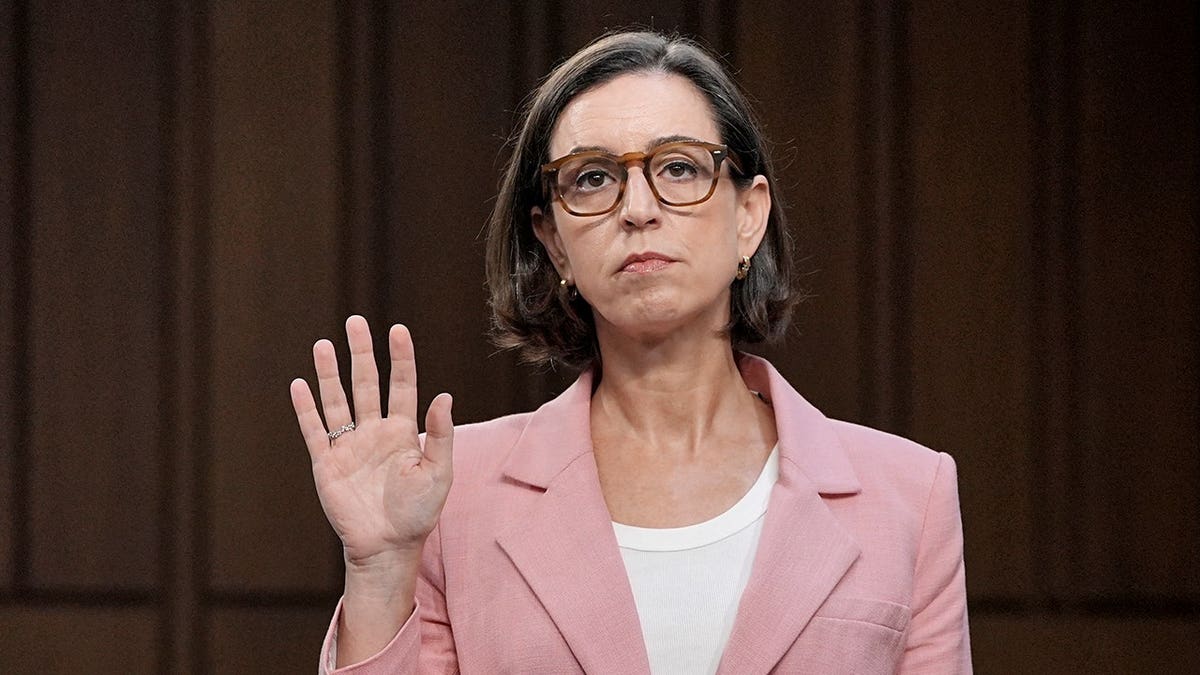
Former Department of Justice Pardon Attorney Liz Oyer is sworn in during the second day of acting U.S. Attorney General Todd Blanche’s Senate Judiciary Committee confirmation hearing on his nomination to be attorney general on Capitol Hill in Washington, D.C., July 16, 2026. (Ken Cedeno/AFP via Getty Images)
«These are absolutely horrific cases,» Oyer said. «And every one of the individuals you mentioned will remain incarcerated for the rest of their lives, most likely in a maximum security prison facility.»
Sen. Cory Booker, D-N.J., condemned his Republican colleagues’ line of questioning with Oyer later in the hearing.
CLICK HERE TO DOWNLOAD THE FOX NEWS APP
«I just want to start off by saying, Miss Oyer, I hold you in the highest esteem and respect, especially what you’re doing now as a private citizen,» Booker said. «You use a platform to educate people about the law.
«It is technical, but yet accessible. And the badgering you just endured, it should be completely unacceptable. You were asked to comment on things you didn’t have before you. The treatment here, to me, is just outrageous. And I apologize on behalf of the United States Senate.»
Fox News Digital reached out to Biden’s office and Oyer for comment.
todd blanche, justice department, cory booker, senate elections, attorney general
INTERNACIONAL
A menos de tres meses de las elecciones entre Lula y Bolsonaro, Trump anunció nuevos aranceles sobre importaciones brasileñas
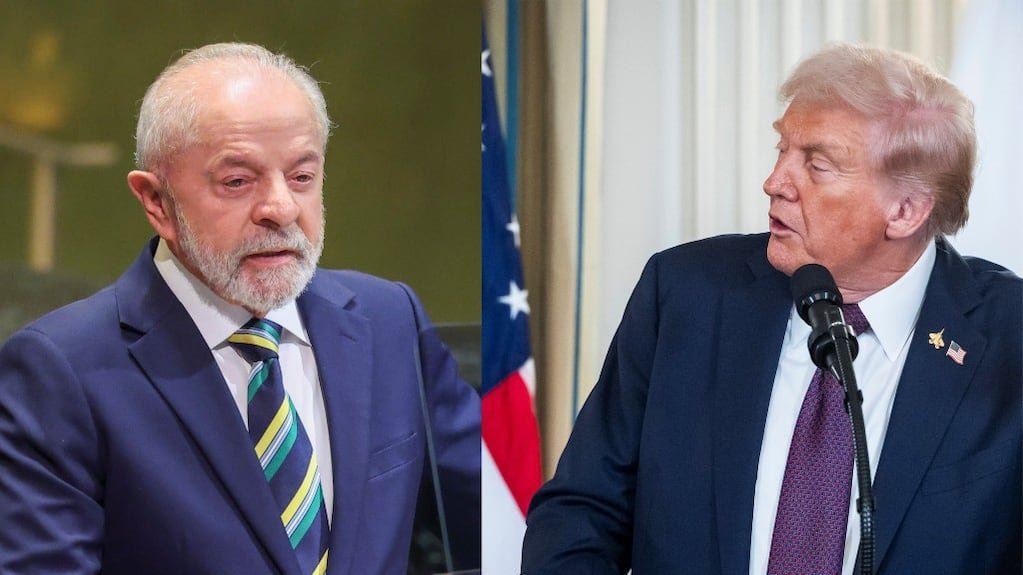
Estados Unidos anunció un nuevo arancel del 25% sobre ciertas importaciones procedentes de Brasil, cuyo gobierno condenó la medida y anunció la activación de una ley de reciprocidad aprobada el año pasado.
Este gravamen, que entrará en vigor el 22 de julio, responde a una investigación de un año de la Oficina del Representante Comercial de Estados Unidos (USTR) sobre las políticas comerciales brasileñas, informó un funcionario estadounidense.
Este arancel adicional afectará a exportaciones brasileñas por cerca de 11.200 millones de dólares, según cálculos de la Cámara Americana de Comercio para Brasil (Amcham Brasil).
El valor represente cerca del 29,7% de los 37.700 millones de dólares en exportaciones brasileñas a Estados Unidos el año pasado.
La medida se conoce a menos de tres meses de las elecciones presidenciales del 4 de octubre en Brasil, en las que el mandatario Lula da Silva buscará su reelección. Su colega estadounidense, Donald Trump, respalda a su rival de derecha, Flávio Bolsonaro.
Qué productos brasileños estarán afectados por los aranceles estadounidenses
Una serie de productos, entre ellos la carne vacuna, el café y ciertas piezas de aeronaves, quedarán exentos, además de otros bienes que Estados Unidos no produce, añadió esa fuente.
“Las prácticas comerciales desleales de Brasil han impedido que los trabajadores y productores estadounidenses accedan a este importante mercado”, justificó luego en un comunicado el representante comercial estadounidense, Jamieson Greer. El presidente Donald Trump habla en una academia militar en Carlisle, Pensilvania, el 15 de julio del 2026. (AP foto/Julia Demaree Nikhinson)
“Seguimos abiertos a continuar las negociaciones con Brasil para lograr los cambios necesarios”, añadió.
Condena del gobierno brasileño
El gobierno del presidente brasileño, Luiz Inácio Lula da Silva, repudió el nuevo arancel y dijo que “no reconoce la legitimidad de investigaciones sin respaldo en las reglas multilaterales de comercio”, en referencia al proceso adelantado por la USTR.
“No hay justificación para medidas unilaterales contra nuestro país. Según estadísticas del propio gobierno norteamericano, Estados Unidos acumuló en los últimos 15 años 424.500 millones de dólares en superávit de bienes y servicios con Brasil”, se lee en un comunicado compartido por el mandatario en la red social X.
Leé también: “Lindo día para ahogar penas”: el rey Carlos III tomó cerveza y bromeó sobre la derrota de Inglaterra contra Argentina
El texto también precisa que Brasilia “iniciará de inmediato los trámites para activar los instrumentos previstos en la Ley de Reciprocidad”, aprobada por unanimidad en abril de 2025 por el Congreso en medio de la ofensiva arancelaria que el gobierno de Donald Trump inició ese año contra decenas de países.
La presidencia brasileña anunció, igualmente, que “retomará el tema en el marco del mecanismo de solución de controversias de la OMC (Organización Mundial del Comercio)”, sin dar más detalles.
“El precio que se debe pagar”
Las pesquisas estadounidenses ya habían determinado que ciertas prácticas de Brasil eran “irrazonables o discriminatorias y suponían una carga o restricción al comercio estadounidense”.
Poco después de conocerse el nuevo gravamen, el secretario de Estado estadounidense, Marco Rubio, afirmó que Lula y su gobierno “no han negociado con Estados Unidos de buena fe”.
“Lula ha antepuesto su propio ego a llegar a un acuerdo por el bienestar del pueblo brasileño, y estos aranceles son el precio que debe pagar por ello”, señaló el jefe de la diplomacia en una publicación en la red social X.
Este nuevo arancel llega cuando el presidente Trump impulsa una reforma de su agenda económica, después de que la Corte Suprema de Estados Unidos anulara en febrero gran parte de sus aranceles globales.
Funcionarios estadounidenses han propuesto nuevos gravámenes dirigidos a decenas de sus socios comerciales por sus supuestos incumplimientos a la hora de actuar contra el trabajo forzoso, según investigaciones del USTR.
(Con información de EFE y AFP)
Brasil, Lula Da Silva
INTERNACIONAL
El Partido Laborista confirmará a Andy Burnham como su nuevo líder y el lunes asumirá como primer ministro del Reino Unido
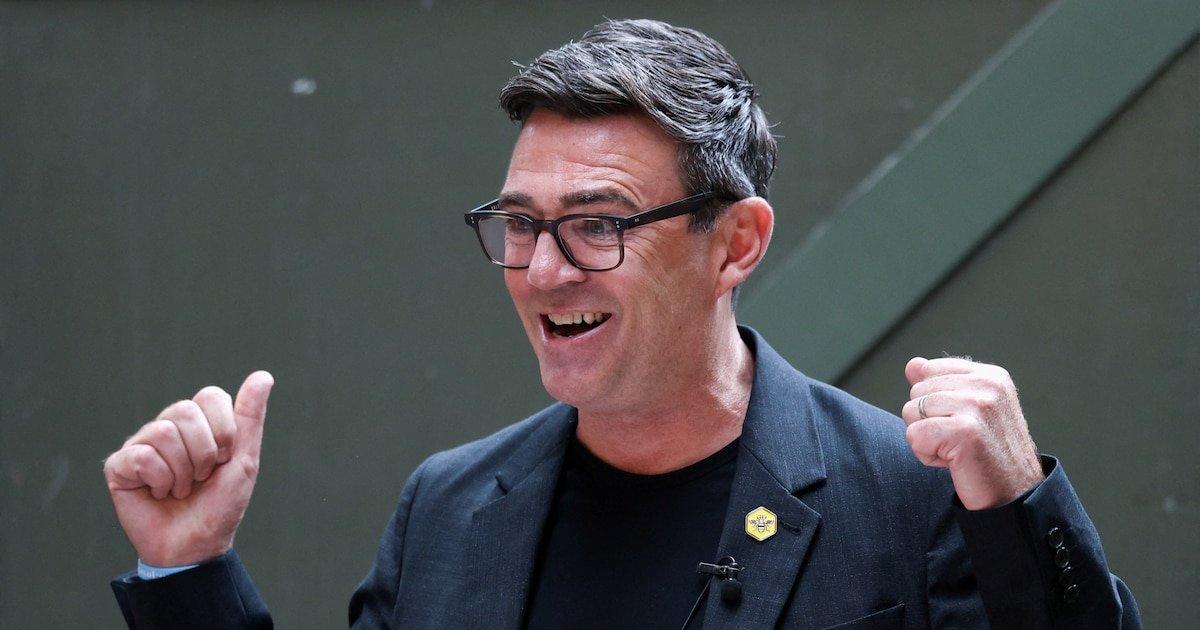
El Partido Laborista confirmará este viernes a Andy Burnham como su nuevo líder en una conferencia extraordinaria, un paso que lo dejará en condiciones de convertirse el lunes en el próximo primer ministro del Reino Unido en reemplazo de Keir Starmer. Con una amplia mayoría parlamentaria, la fuerza oficialista garantiza su llegada al 10 de Downing Street, apenas cuatro semanas después de que Burnham regresó a la Cámara de los Comunes tras nueve años de ausencia.
A sus 56 años, Burnham se convertirá en el séptimo primer ministro británico en una década, una nueva muestra de la inestabilidad en el liderazgo político del país pese a que el Partido Laborista conserva una cómoda mayoría en el Parlamento.
El dirigente, conocido como el “Rey del Norte” por sus tres victorias consecutivas como alcalde del Gran Manchester, no enfrentó rivales en la contienda por la conducción laborista. El respaldo interno resultó contundente: 379 de los 403 diputados laboristas apoyaron su candidatura y ningún legislador consiguió las 81 nominaciones necesarias para presentar una alternativa.
Burnham alcanzó la conducción del partido en su tercer intento, luego de las derrotas sufridas en 2010 frente a Ed Miliband y en 2015 ante Jeremy Corbyn.
El nuevo líder laborista ocupó una banca parlamentaria entre 2001 y 2017 y también integró el gobierno británico como ministro. Durante los últimos años consolidó su perfil político desde la alcaldía de Manchester, con un estilo cercano al electorado y una fuerte presencia en redes sociales.

Los diputados laboristas consideran que Burnham tiene una mayor capacidad para conectar con la opinión pública que Starmer y esperan que impulse reformas más profundas para los servicios públicos y la economía.
En una entrevista publicada el miércoles en un podcast del ex futbolista Gary Lineker, Burnham planteó cuáles serán sus prioridades al frente del Gobierno. “Tenemos que dar a la gente un impulso, ¿no? Tenemos que dar a la gente un sentido más fuerte de esperanza y la sensación de que el país está de vuelta en el camino correcto”, expresó.
El Partido Laborista apuesta además a que Burnham pueda contener el crecimiento de Reform UK, el partido antiinmigración liderado por Nigel Farage, que encabeza varias encuestas de intención de voto de cara a las próximas elecciones generales previstas para 2029.
La llegada de Burnham al liderazgo se produjo tras la salida de Keir Starmer, quien llevó al laborismo de regreso al poder en julio de 2024 después de 14 años en la oposición, con una amplia victoria sobre el Partido Conservador.
Sin embargo, la gestión de Starmer atravesó una serie de dificultades políticas y controversias internas. Entre ellas figuró el nombramiento de Peter Mandelson, antiguo asociado de Jeffrey Epstein, como embajador británico en Washington.

La presión sobre Starmer aumentó después de los malos resultados obtenidos por el Partido Laborista en las elecciones locales y regionales de mayo. La situación se agravó cuando Burnham ganó una elección legislativa parcial el 18 de junio, lo que le permitió regresar al Parlamento y competir por el liderazgo del partido.
Pocos días después, la mayoría de los diputados laboristas retiró su respaldo a Starmer y el 22 de junio el entonces primer ministro anunció su renuncia. Ese mismo día, Burnham recibió el apoyo público de decenas de legisladores durante su juramento como diputado, una señal de que el bloque parlamentario buscaba su llegada al Gobierno.
Tras asegurar la conducción del partido, Burnham agradeció el respaldo de sus colegas y presentó las principales líneas de su proyecto político. “Estoy profundamente agradecido por el apoyo y la confianza de los diputados laboristas de todo el partido”, afirmó.
También resumió su propuesta de gobierno con una definición sobre la distribución del poder y el desarrollo económico. “Ese es el cambio de rumbo que ofrezco: sacar el poder de Westminster, una economía rediseñada para la gente común y un buen crecimiento en cada código postal”, sostuvo.
Su principal iniciativa consiste en ampliar la descentralización del poder hacia las ciudades y crear un “No. 10 North” con sede en Manchester, con el objetivo de fortalecer el desarrollo de las regiones fuera de Londres.

Burnham asumirá el cargo después de reunirse con el rey Carlos III, jefe de Estado del Reino Unido. Además, prometió respetar el programa electoral con el que el Partido Laborista ganó los comicios de 2024 y descartó aumentos en los principales impuestos.
El nuevo primer ministro también afrontará importantes desafíos económicos. Entre ellos figuran un crecimiento moderado, elevados costos del endeudamiento público, la necesidad de cubrir un déficit de 4.700 millones de libras en el plan de inversiones en defensa para los próximos cuatro años y el debate sobre la reforma del sistema de bienestar.
A esos desafíos se suman la llegada de migrantes irregulares a través del Canal de la Mancha, el impacto de la volatilidad de los precios de la energía vinculada a la guerra entre Estados Unidos e Irán y la incertidumbre generada por la política exterior del presidente estadounidense Donald Trump.
(Con información de AFP)
Domestic,Politics,Europe,Government / Politics

Estanislao Bachrach, especialista en neurociencia: “Los mejores analgésicos están en el estómago”

WATCH: GOP senators tear into former Biden pardon attorney over push to spare ‘mass murderers’ from death row

El otro duelo con España: cómo fue el operativo seducción de Argentina para arrebatarles a Nico Paz y Garnacho

Javier Milei participará del acto a 32 años del atentado a la AMIA, junto a Karina, Santilli y Bullrich

Rechazo a la economía en clave “K”, reclamo empresarial y dudas por el FAL: lo que dejó el paso de Milei por la Bolsa

La Casa Rosada activó contactos con la Ciudad de Buenos Aires para coordinar un operativo ante un eventual recibimiento de la Selección tras el Mundial

Operativo Reelección 2027: Los 8 Cambios Urgentes que Javier Milei Debe Implementar para Asegurar su Continuidad

El machete del arquero inglés en una botella que sorprendió a Messi tras el triunfo: el dardo de un ayudante de Scaloni a Inglaterra

Quiénes se quedan con las esquinas más cotizadas de la Ciudad tras el cierre de sucursales bancarias

Aumentó 900% la cantidad de repartidores de plataforma en los últimos 6 años

 DEPORTE1 día ago
El machete del arquero inglés en una botella que sorprendió a Messi tras el triunfo: el dardo de un ayudante de Scaloni a Inglaterra
- POLITICA3 días ago
El Gobierno centralizó en Gustavo Coria la gestión del Fondo de Aportes a las provincias
- ECONOMIA2 días ago
Vaca Muerta promete renta anual del 15% y desata una fiebre inmobiliaria sin precedentes