INTERNACIONAL
Mother recounts horrors of brutal Chinese detention camp where infant son died


NEWYou can now listen to Fox News articles!
At first, Mihrigul Tursun speaks with remarkable control.
Sitting in Washington in a neatly pressed blue suit, the 35-year-old Uyghur mother answers questions softly, almost cautiously. But once the memories begin, they arrive all at once, in vivid and painful detail, as though the years separating her from China’s detention system no longer exist.
The story pours out of her in relentless detail, one memory collapsing into another: the underground cells, the interrogations, the women screaming at night, the smell of overcrowded prison rooms, the body of her infant son lying motionless in her arms as she desperately tried to warm him back to life.
For Tursun, the horror is not something she remembers. It is something she says she continues to live with every day.
WOMAN WHO SPENT 7 YEARS IN CHINESE PRISON DESCRIBES TORTURE, SURVEILLANCE AND LOSS OF HER HUSBAND
Mihrigul Tursun, a Uyghur woman who testified publicly about her detention and alleged torture inside China’s detention system, during an interview with Fox News Digital in Washington, D.C. (Fox News)
And always, there is fear.
Not fear for herself, exactly. That, she suggests, stopped mattering long ago.
The fear is for the family members she believes remain vulnerable inside China because she chose to publicly describe what happened to her, only because of her faith.
Her story unfolds as President Donald Trump visits China this week for meetings with Chinese leader Xi Jinping, with trade, security and regional tensions dominating headlines. But for Tursun, China is not an abstract geopolitical rival. It is the country she says destroyed her family, shattered her health and left psychological wounds she still struggles to survive every day.
She says she speaks publicly because too few people who survived China’s detention system are able, or willing, to tell the world what they saw.
«People think this only happened in history,» she said. «But it is still happening.»
ELITE US COLLEGES LINKED TO CHINESE SURVEILLANCE LABS DRIVING UYGHUR ‘GENOCIDE,’ STUDY WARNS
Tursun was born in Xinjiang, the far western region China officially calls the Xinjiang Uyghur Autonomous Region, home to millions of Uyghurs, a predominantly Muslim ethnic minority with their own language and culture. For years, human rights groups, researchers and former detainees have accused Beijing of carrying out mass detention, forced labor, political indoctrination and severe religious repression against Uyghurs and other Muslim minorities.
China denies the allegations, describing the facilities as vocational training centers aimed at combating extremism and terrorism.
Tursun says her own relationship with the Chinese state began long before the camps.
SURVIVOR OF CHINA’S CULTURAL REVOLUTION WARNS AGAINST LETTING 600,000 CHINESE STUDENTS STUDY AT US COLLEGES
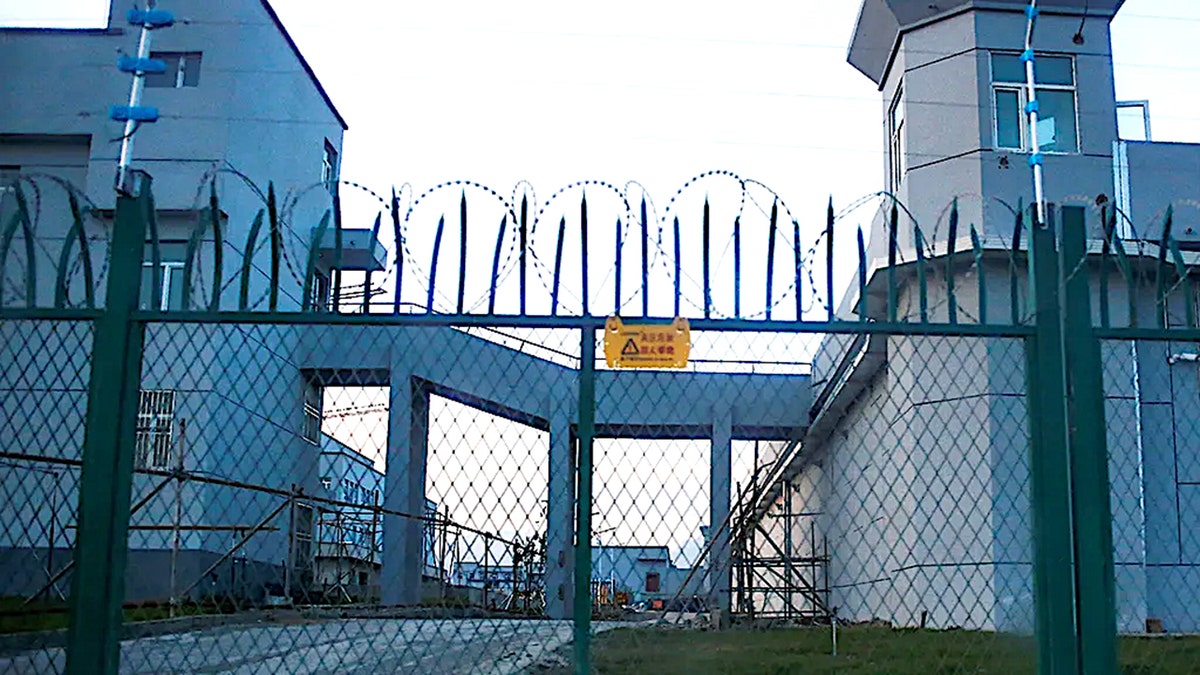
A perimeter fence is constructed around what is officially known as a vocational skills education center in Dabancheng in Xinjiang Uighur Autonomous Region, China Sept. 4, 2018. (Thomas Peter/Reuters)
At age 10, she said, she was sent by the government to study inside China in Mandarin-language schools designed to assimilate Uyghur children into mainstream Chinese society.
«They educate us as Chinese mind,» she said.
Years later, she moved to Egypt to study business administration. There, she married an Egyptian man and gave birth to triplets in 2015: two boys and a girl.
The children were only two months old when her parents urged her to return to China so they could meet their grandchildren and help care for them.
Tursun resisted at first. The babies were too young to travel, she told them. But her mother insisted it was urgent.
On May 12, 2015, she boarded a flight to China carrying the newborns.
She says the nightmare began almost immediately after landing in Beijing.
At the airport, two people approached and offered to help carry the babies through border control. Moments later, she said, they identified themselves as police officers.
«They say, ‘Keep silent. Follow us,’» she recalled.
TRUMP PLEDGES TO RAISE DETAINED PASTOR’S CASE WITH XI JINPING DURING BEIJING VISIT AS FAMILY PLEADS FOR HELP
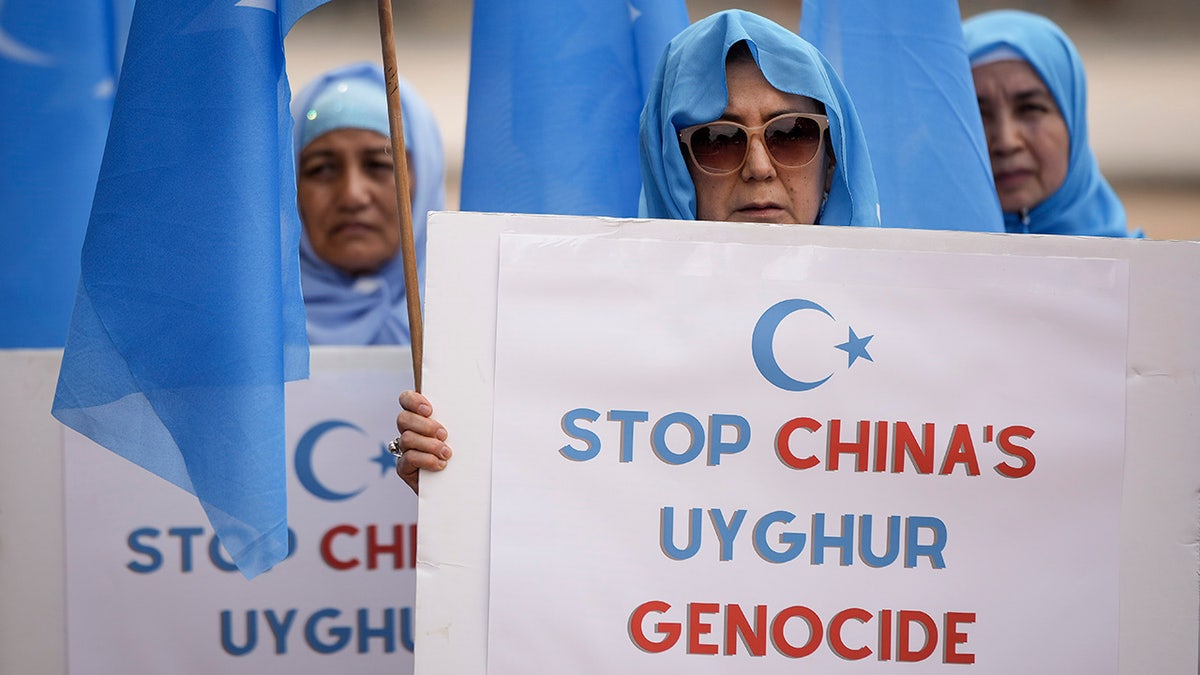
Supporters of the East Turkistan National Awakening Movement rally in front of the White House in Washington, D.C., on July 5, 2022, to mark the 13th anniversary of the Urumqi Massacre and call for recognition of East Turkistan as an occupied country. (Drew Angerer/Getty Images)
Tursun said officers separated her from the children and interrogated her for hours about her time in Egypt, asking whether she had participated in political activities or anti-Chinese events. She repeatedly asked to see her babies, explaining they needed to be breastfed.
Instead, she says officers placed a black hood over her head, handcuffed her and transferred her to detention in Xinjiang.
There, she says, interrogations and torture began.
Weeks later, authorities temporarily released her after informing her that one of her children was sick. Escorted by police to a hospital in Urumqi, she found her surviving son and daughter separated on different floors, connected to oxygen tubes.
The next day, doctors handed her paperwork to sign.
At the top, she said, were the words: «Death certification.»
The document bore the name of her infant son. «They say, ‘This is your son,’» she recalled softly.
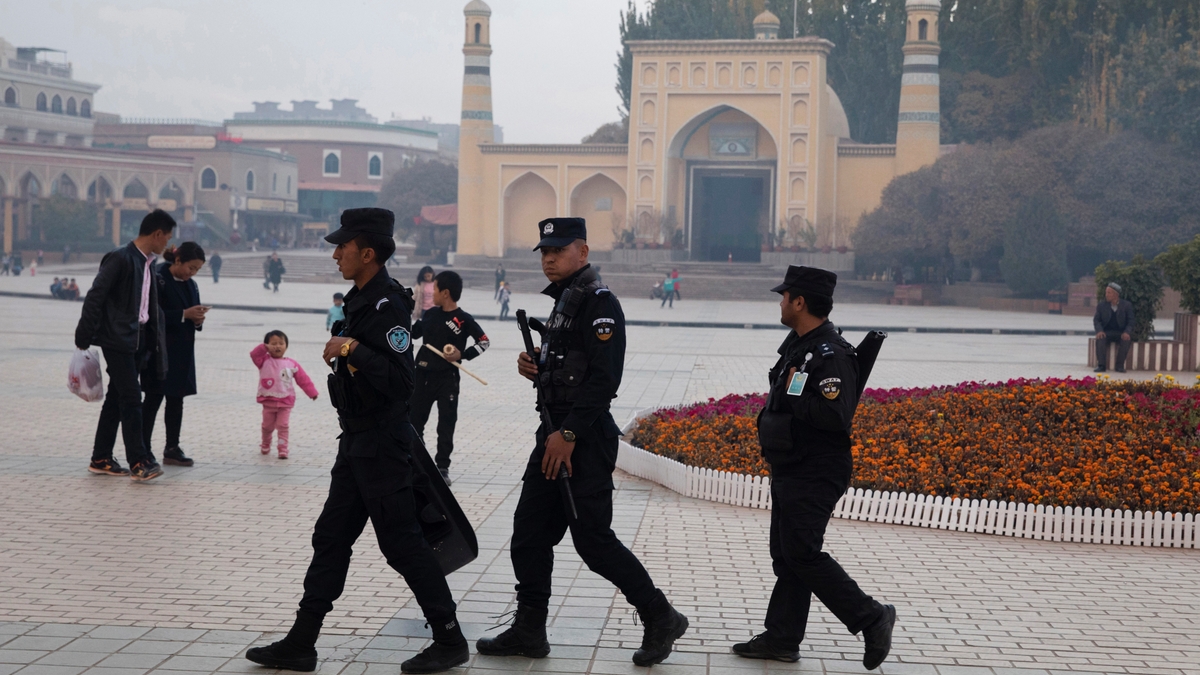
FILE – In this Nov. 4, 2017 file photo, Uighur security personnel patrol near the Id Kah Mosque in Kashgar in western China’s Xinjiang region. China’s northwestern region of Xinjiang has revised legislation to allow the detention of suspected extremists in «education and training centers.» The revisions come amid rising international concern over a harsh crackdown in Xinjiang that has led to as many as 1 million of China’s Uyghurs and other Muslim minorities being held in internment camps. (Ng Han Guan/AP Photo)
Doctors refused to explain what had happened, she said. Because she was considered a political suspect, she says no one would answer her questions.
For three days, she kept her son’s body with her at her parents’ home under constant police surveillance.
As Muslims, the family wanted to bring the child to a mosque and bury him according to religious tradition, she said, but authorities would not allow anyone to see the body.
«The body stayed with me three days,» she said. «I try to give him warmth. I try to let him wake up.»
He never opened his eyes again, she says as tears filled her eyes.
Following her son’s burial, she says authorities expelled her family from their home and detained her again. Between 2015 and 2018, she was transferred between multiple prisons and detention facilities where she endured psychological abuse, interrogations and torture.
REPORT DETAILS RISING PRESSURE ON UNDERGROUND CATHOLICS AS CHINA DENIES CRACKDOWN
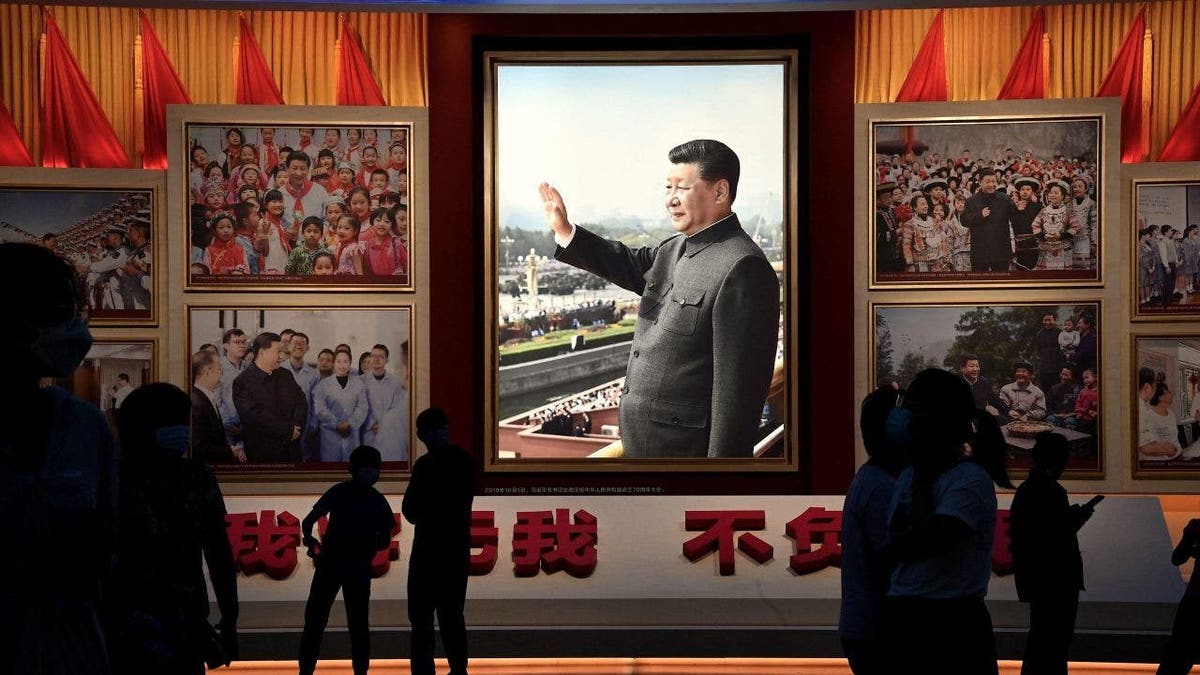
People stand in front of images of Chinese President Xi Jinping at the Museum of the Communist Party of China in Beijing on Sept. 4, 2022. (Noel Celis/AFP)
One memory still haunts her more than any other.
During an interrogation, she says officers mocked her faith after she told them God would punish them for what they were doing.
«Chinese Communist Party is God,» she recalled them saying. «Xi Jinping is God.»
Then, she said, officers shaved her hair and applied electric shocks to her head until she lost consciousness.
Tursun also described what she says were systematic medical examinations performed on detainees, including blood tests and organ screenings. Similar allegations from former detainees have fueled longstanding accusations by activists and researchers that Chinese authorities harvested organs from prisoners of conscience, claims Beijing has repeatedly denied.
Inside one detention facility, she says more than 60 women were packed into a small cell under constant surveillance. Some had not seen sunlight for more than a year, she claimed.
CHINESE UNDERGROUND CHURCH PASTOR, FATHER OF US CITIZENS, DETAINED BY AUTHORITIES, FAMILY SAYS
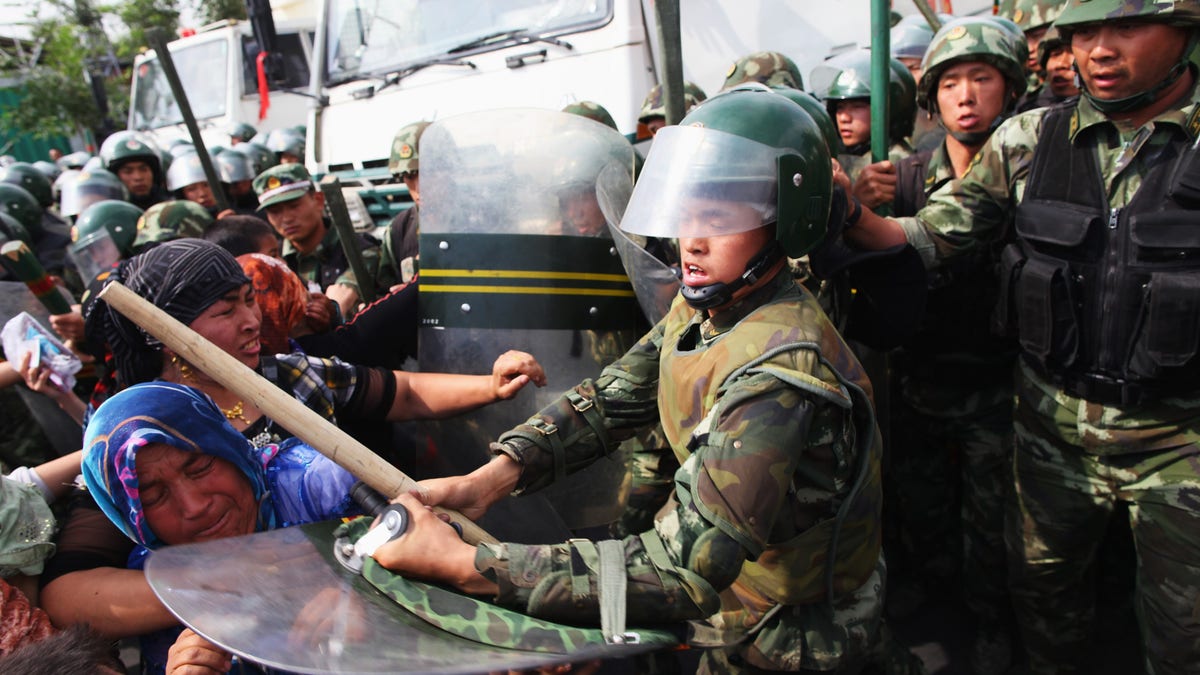
Chinese policemen push Uighur women protesting on a street in Urumqi, the capital of Xinjiang Uighur autonomous region, on July 7, 2009. Hundreds of Uighur people protested after relatives were detained following ethnic riots that killed 156 people in the region.
Many of the women were educated professionals: teachers, doctors, neighbors she recognized from outside prison.
Others were barely more than children.
She recalled one 17-year-old Uyghur girl from a remote village who had never traveled outside her hometown and asked basic questions about the outside world, like how people can fit inside airplanes.
Weeks later, Tursun says, guards took the teenager away. When she returned, she appeared bloodied and severely traumatized. She was sexually attacked.
Two months later, the girl died. Tursun broke into tears. «No one care about that.»
She says guards dragged the girl’s body away «like trash.»
Eventually, her husband was able to locate her and the children, and after the Egyptian authorities intervened, she was allowed to leave China — after both of them signed to never talk about their experience.
Today, Tursun lives in the United States with her surviving children after eventually receiving refuge following congressional testimony in 2018 about her experiences in China.
In many ways, she is among the fortunate few.
Her children are alive. They are safe. They are growing up in America rather than under constant state surveillance in Xinjiang.
But survival, she says, is not the same thing as healing.
Her physical health remains fragile. So does her mental health. She says trauma follows her constantly, affecting her sleep, her memory and even ordinary daily routines.
«There is no one hour I forget,» she said.
CHINA FORMALLY ARRESTS 18 LEADERS OF UNDERGROUND ZION CHURCH AMID RELIGIOUS CRACKDOWN
Sometimes, she admitted quietly, she no longer wants to continue living.
It is her children, she says, who keep her going. And the obligation she feels toward the women she left behind.
The women whose faces she still remembers. The women she watched deteriorate inside the camps. The women she says died there. That obligation, she says, is stronger than fear.
Former Ambassador-at-Large for International Religious Freedom Sam Brownback, who interviewed Tursun for his recent book on religious persecution in China, believes stories like hers expose what he describes as the Chinese Communist Party’s deepest insecurity.
«This is the issue they fear the most: religious freedom,» Brownback said during an interview in Washington as Trump arrived in Beijing.
«President Trump, you’re the president that’s done more on religious freedom than any modern president… You need to take this message to President Xi Jinping and his crushing of religion in China.»
«Our fight is not with the Chinese people,» he added. «It’s with the party.»
In a statement to Fox News Digital, Chinese Embassy spokesperson Liu Pengyu said the Chinese government protects «freedom of religious belief in accordance with the law» and argued that people of all ethnic groups in China enjoy religious freedom. Liu pointed to official figures showing nearly 200 million religious believers in China, along with more than 380,000 clerical personnel, approximately 5,500 religious groups and more than 140,000 registered places of worship.
Liu said Beijing regulates religious affairs involving «national interests and the public interest» while opposing what it describes as illegal or criminal activities carried out under the guise of religion. He also accused foreign countries and media outlets of interfering in China’s internal affairs under the pretext of religious freedom and urged journalists to «respect the facts» and stop what he described as «attacking and smearing» China’s religious policies and religious freedom record.
As the interview ended, Tursun gathered herself slowly before stepping back out into the streets of Washington.
CLICK HERE TO DOWNLOAD THE FOX NEWS APP
To strangers passing by, she looked like any other young mother moving through the city.
Only she carries memories most people cannot imagine.
china, persecutions, religion us, xi jinping, islam, refugees







INTERNACIONAL
Navy veteran Rocky Rochford seeks to turn Tampa Bay red, unseat 20-year House incumbent
NEWYou can now listen to Fox News articles!
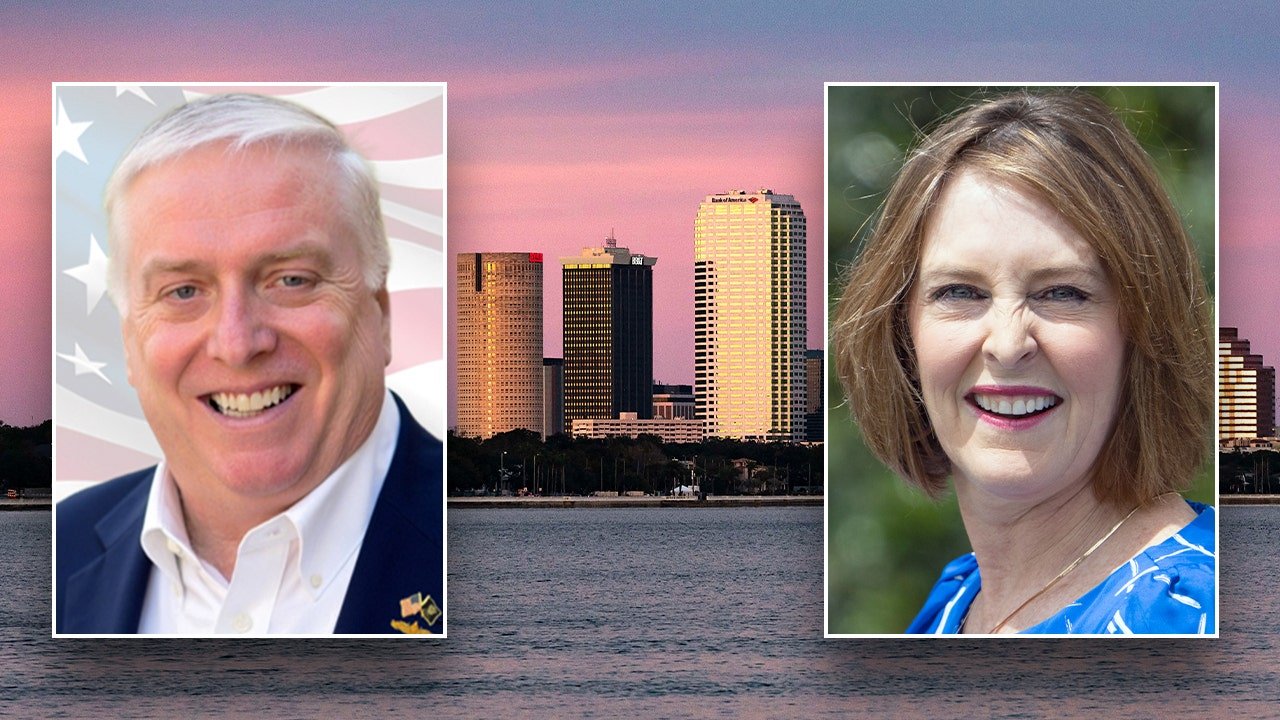
Navy veteran Rocky Rochford served his country for 33 years, holding the title of commodore. Now, he’s on a mission to flip Tampa Bay from blue to red, in the midst of a spirited campaign to unseat 20-year incumbent Kathy Castor in Florida’s 14th congressional district.
Rochford recently sat down to discuss his campaign with Fox News Digital.
«So in 20 years, Kathy Castor has been the author of two bills that became law. And both of those were to rename post offices. So I would say that Kathy Castor has been ineffective. She hasn’t really helped Tampa Bay in the ways that matter the most. Affordability is probably the biggest thing on everyone’s kitchen table list of discussion points. Gasoline, groceries, electricity, insurance. I mean, the list goes on and on and on.»
Rochford emphasizes that his leadership experience has prepared him to be ready to represent the people of Tampa Bay from day one.
RAYS AGREE TO $2.3B DEAL FOR NEW BALLPARK IN TAMPA
«So it’s about leadership. I have spent my entire adult life…33 years in the Navy, four years at Massachusetts Maritime Academy. I got to go back to the age of 18 for the first time before I was actually part of the military. So, it’s been entrenched in my being, it is in my soul, I’m very strong in my faith.
And I believe that we need someone who is not only going to bring leadership to the process, but is going to bring their faith to the process up in D.C., and be part of the solution. People who are anti the other side, whether it doesn’t matter what side you’re sitting on, when they are against the other side to the point where they won’t even talk to them, that’s problematic. We’re not gonna get anything accomplished, we’re not going to get anything done. And that’s exactly what’s happening up in DC right now, we see a lot of that.»
Children’s rights is an issue at the forefront of Rochford’s campaign.
«I have three major bills that are the highlight of what I’ve been working on. And the first is my children’s bill of rights. I do believe that children are the future, and they need to be protected far better than they’re being protected now. So the laws that govern children are written amongst 11 different government agencies. Those agencies don’t overlap and they don’t talk to each other. This bill is designed to create a shield, an organization that oversees all of those laws.
«This covers everything from AI for kids, online predators, and it provides new penalties with teeth. This is we’re going to get after those folks. The predators have been exploiting four different avenues on children across state lines. I’m going to close every one of those doors. Parental rights, no boys in girls sports. I mean, this bill covers adoption. It covers foster care, egg donor, IVF. It is complete.»
Rochford argues that foreign influence plays a large role in shaping electoral outcomes, and particularly singles out China-based political donor and activist Neville Roy Singham.
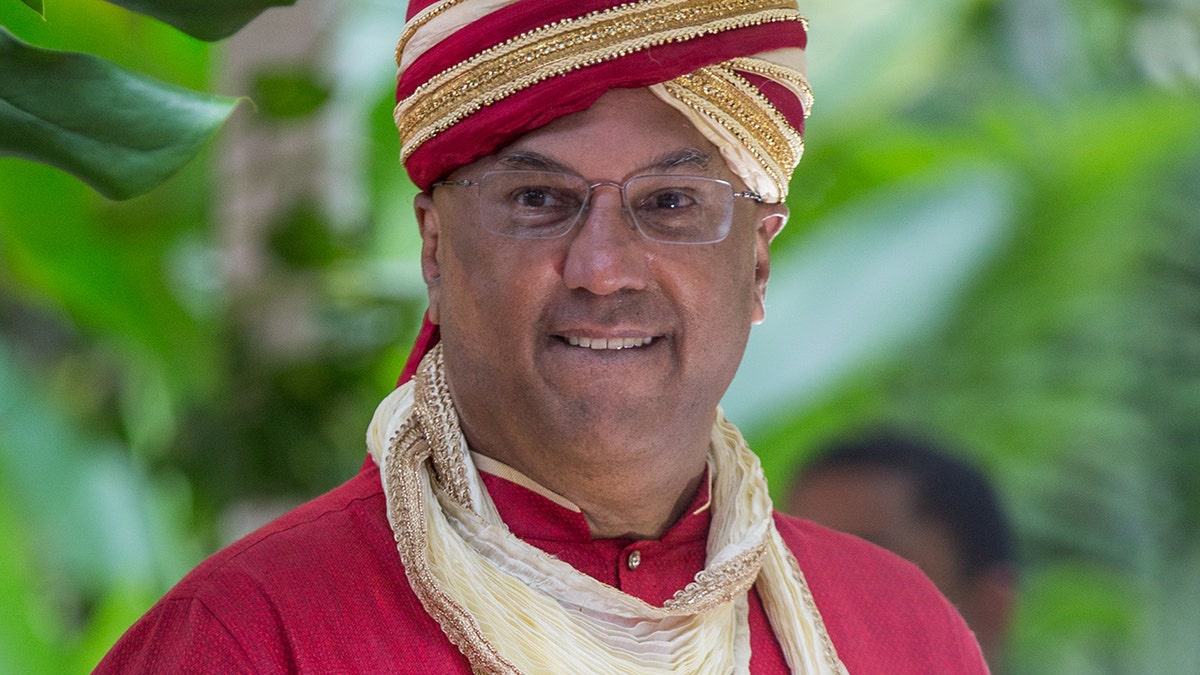
Neville Roy Singham smiles at his wedding to Jodie Evans in February 2017 in Ocho Rios, Jamaica. (Osbourne Chin / Chinphotographic)
«There’s a lot folks who have nothing to do with the United States…that are influencing our elections, they’re influencing the people…We know that Neville Singham, who’s a U.S. citizen living in Shanghai, is taking money from the CCP to disrupt America from the inside. China calls this the smokeless war, and it really is and and they’re not the only ones.
«Iran is doing the same thing, we know North Korea is involved, Russia so there’s a lot of influence happening in here that are that are causing wreaking havoc but we as a society need to see beyond that. We are one America, and I’m America first. I’m American first before politics, America first before party.»
LAWMAKERS RAISE ALARM OVER NEVILLE ROY SINGHAM’S $278M NETWORK SPREADING CCP PROPAGANDA IN THE U.S.
Florida’s 14th district is hardly politically monolithic, and Rochford emphasizes that he seeks to represent the entire district, not merely Republicans.
«I’m about listening. So I’m here to not only listen to the right, I’m here to listen to the center, and I’m here to listen the left. Because if we can’t come together and find the commonalities that will make us a better country, then we are doomed as a country. So we must support what we’re all after, which is a great America, a great society that takes care of its own and helps around the world.»
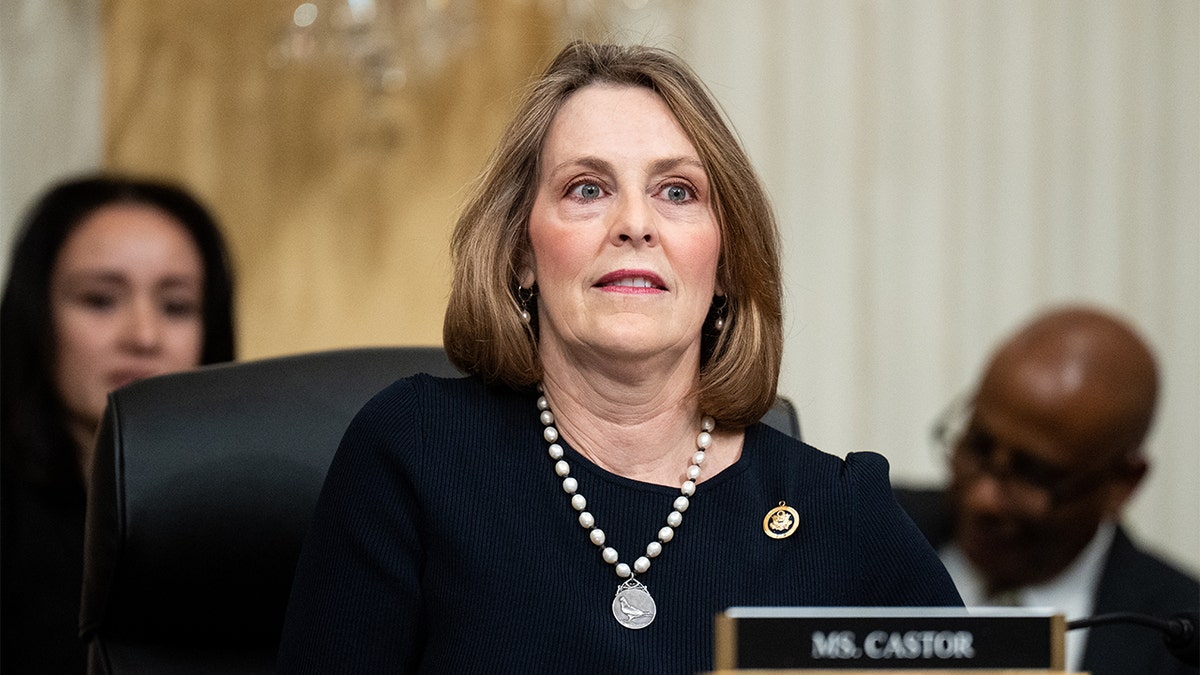
Rep. Kathy Castor, D-Fla., takes her seat for the House Select Committee on the Strategic Competition Between the United States and the Chinese Communist Party hearing in the Cannnon House Office Building on Tuesday, January 30, 2024.
He views energy policy and independence as the foundation of affordability for American workers and families.
«So I’ve been talking about affordability for some time. To me, the foundation of affordability for just about everything runs off of energy. The price of oil drives the price of gas, which is in our trucks, in our trains, in our airplanes, in ships. And so we need to get control. And so one of the bills that I have drafted will propose that…we first have to become energy independent. We’re the largest producer of energy in the world. So our people should be benefiting from it, not hurting from it.»
Among the most important policy issues for Rochford is the national debt, which he has spent a great deal of time researching. He has a plan that would retire America’s national debt by the 2060s:
«We don’t want to leave a legacy of debt to our children and grandchildren. So I had go back 40 years to try to figure out where this all started, and where we went off the tracks. And I now understand the entire policy. Balancing the budget is only treating a symptom. It does not treat the disease. So the disease is Congress, I’m sorry, but it’s true.
CLICK HERE TO DOWNLOAD THE FOX NEWS APP
«Every bit of money that comes in that’s extra from Congress goes into the general pool and they spend it. And all of the great ideas that have been used in the past, because I studied them all in the past on how to get after the national debt, balance the budget, the things that’ll help us get there. They were only policy, they were never law. So this suite of bills is law and it has teeth. And so the very first bill will design, it will create a trust and it is the American National Debt Trust. And when the money goes in there, it cannot come out and it cannot be spent by Congress in any other way. So if we enacted [my legislation] it would still take us to the 2060s to retire the national debt, but if we do nothing, and we’re on the path of doing nothing, in 10 years the national debt will be $61 trillion.»
Florida’s primary election is August 18.
politics, florida, house of representatives politics, midterm elections
INTERNACIONAL
La cumbre entre Donald Trump y Xi Jinping terminó sin grandes anuncios o avances sobre la crisis con Irán

NEWYou can now listen to Fox News articles!
Africa’s top public health agency confirmed a new Ebola outbreak in Congo on Friday after 65 deaths and 246 suspected cases were recorded in the country’s remote Ituri province.
Health officials are now investigating whether the outbreak involves the Ebola Zaire strain — the deadliest and most well-known version of the virus — or a different variant, according to the Africa Centers for Disease Control and Prevention.
Neighboring Uganda also confirmed one Ebola-related death involving a Congolese man whose case officials said was imported from Congo.
The outbreak has been concentrated in the Mongwalu and Rwampara health zones in eastern Congo, an area near the borders of Uganda and South Sudan that officials warned could become a regional transmission risk because of mining-related travel, weak infrastructure and ongoing insecurity.
EBOLA OUTBREAK REPORTED IN AFRICAN COUNTRY — HERE’S WHAT YOU NEED TO KNOW
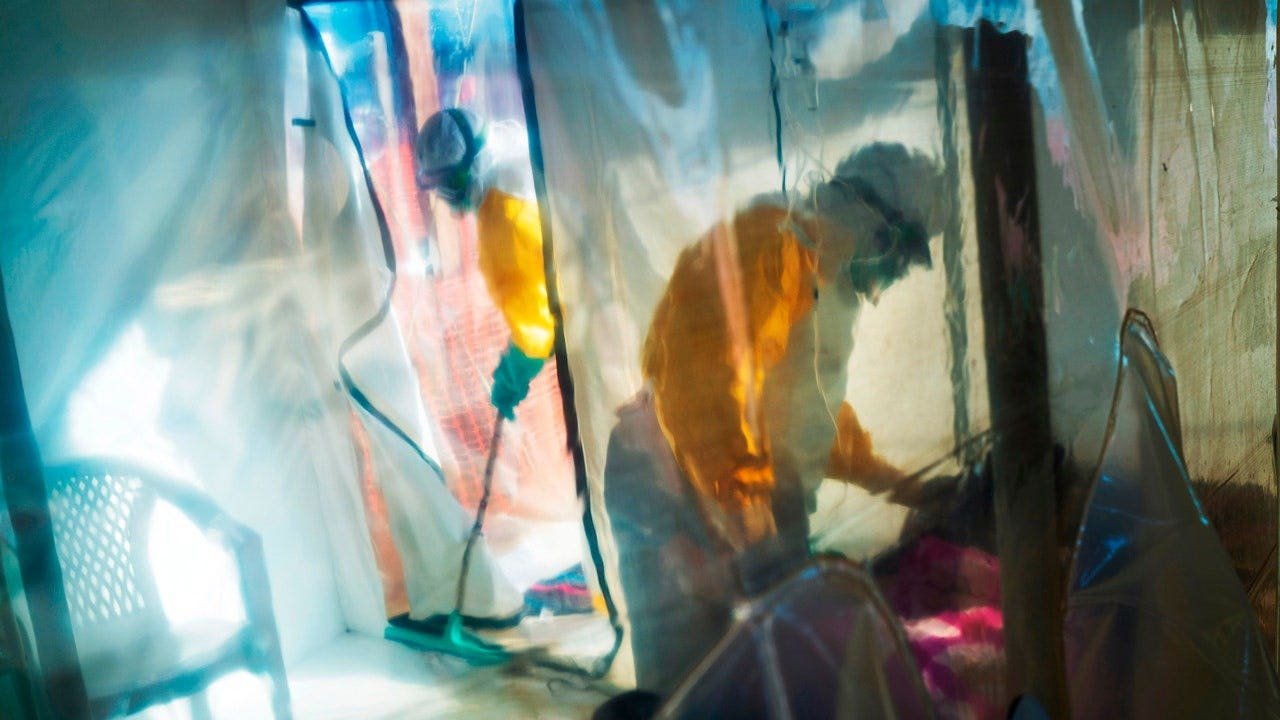
Health workers wearing protective suits tend to an Ebola victim in an isolation tent in Beni, Congo, on July 13, 2019. (Jerome Delay/AP)
Ebola is a highly contagious and often fatal disease spread through bodily fluids including blood, vomit and semen. Symptoms can include fever, vomiting, diarrhea, muscle pain and internal bleeding.
The Africa CDC said only four of the deaths have so far been laboratory confirmed, while testing and sequencing efforts continue to determine the exact strain involved in the outbreak.
Initial tests suggested the outbreak may not involve the Ebola Zaire strain, which was responsible for Congo’s devastating 2018-2020 epidemic that killed more than 1,000 people.
UGANDA STARTS CLINICAL TRIAL OF VACCINE FOR SUDAN STRAIN OF EBOLA AMID NEW OUTBREAK
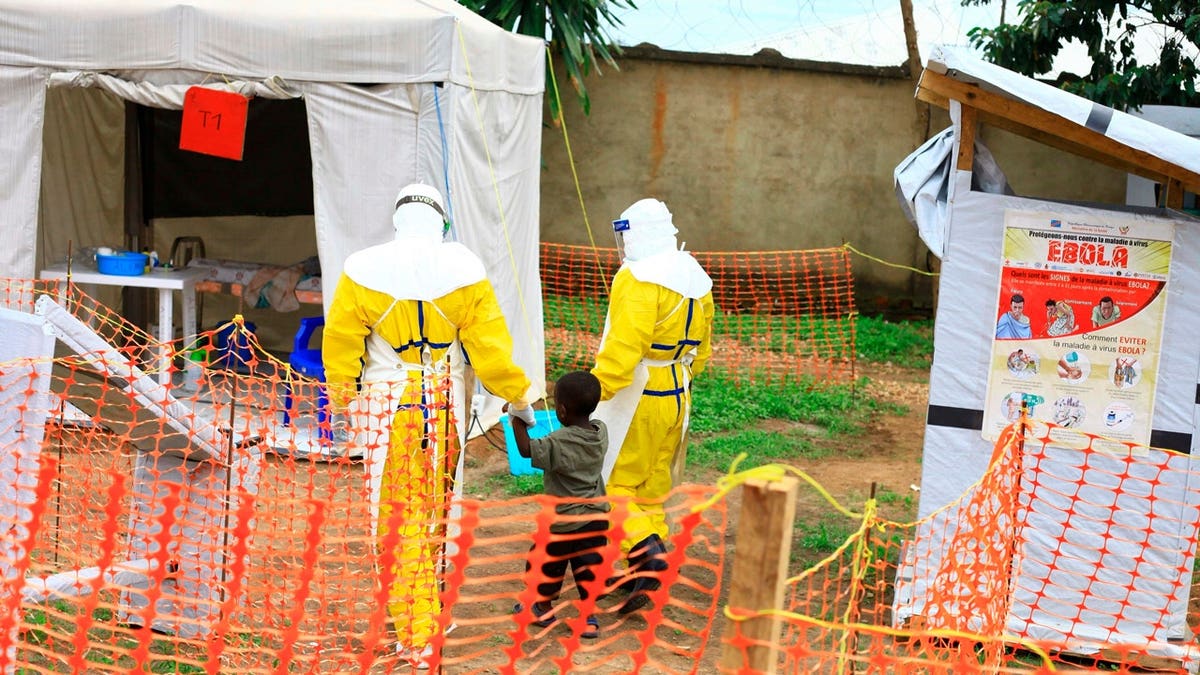
Health workers walk with a boy suspected of having the Ebola virus at a treatment center in Beni, eastern Congo, on Sept. 9, 2018. (Al-hadji Kudra Maliro/AP)
The World Health Organization (WHO) said it sent a response team to the region last week to help local officials investigate the outbreak and collect samples.
WHO Director-General Tedros Adhanom Ghebreyesus said Congo has a «strong track record» responding to Ebola outbreaks and announced the agency is releasing $500,000 in emergency funding to support containment efforts.
Health authorities said Congo has stockpiles of Ebola treatments and approximately 2,000 doses of the Ervebo vaccine, though officials cautioned the vaccine is only effective against the Ebola Zaire strain and not against Sudan or Bundibugyo variants.
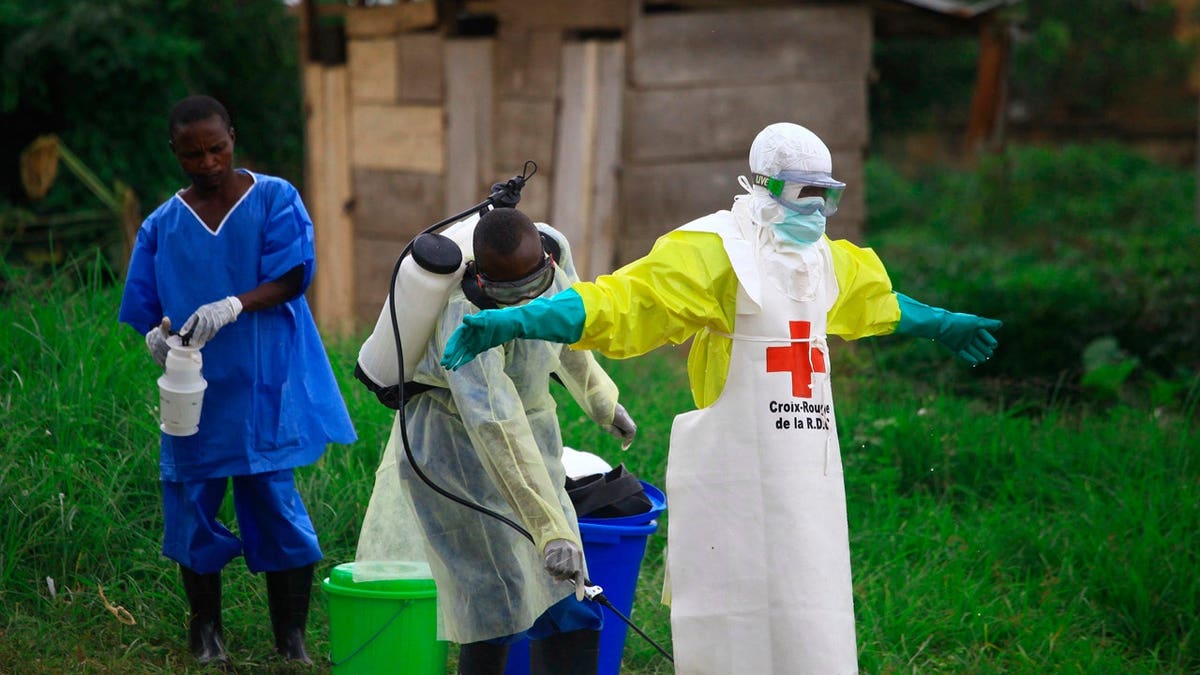
A health worker sprays disinfectant on a colleague after working at an Ebola treatment center in Beni, eastern Congo, on Sept. 9, 2018. (Al-hadji Kudra Maliro/AP)
CLICK HERE TO DOWNLOAD THE FOX NEWS APP
This marks Congo’s 17th recorded Ebola outbreak since the virus was first identified in the country in 1976.
The Associated Press contributed to this reporting.
ebola, world health organization, infectious disease, africa, outbreaks

Los signos del horóscopo chino que tendrán muy buena fortuna en mayo, según Ludovica Squirru: «Dragón, Buey, Gallo y Conejo»

Navy veteran Rocky Rochford seeks to turn Tampa Bay red, unseat 20-year House incumbent

La reacción de un abogado contra el fiscal Carlos Stornelli que sorprendió en plena audiencia

Petrolera colombiana pisa fuerte en Vaca Muerta: invertirá u$s1.000 millones vía el RIGI

Video: el Dibu Martínez festejó la clasificación a la Champions League atajándole penales a su hijo

La cumbre entre Donald Trump y Xi Jinping terminó sin grandes anuncios o avances sobre la crisis con Irán

El Gobierno recortó $49.000 millones del presupuesto de Defensa y frenó la modernización militar

Plan de Alfabetización, universidades, becas y salarios docentes: cuáles son los recortes que el Gobierno hizo en educación horas antes de la marcha

¡UNIVERSIDADES AL BORDE DEL ABISMO! El éxodo docente que el Gobierno no ve y el escándalo de las «cajas negras» que la oposición oculta

Dólar blue: la Justicia estimó que el perjuicio al Estado fue de US$607 millones en efectivo y cuestionó el rol del Banco Central

 POLITICA3 días ago
¡UNIVERSIDADES AL BORDE DEL ABISMO! El éxodo docente que el Gobierno no ve y el escándalo de las «cajas negras» que la oposición oculta
- POLITICA3 días ago
Dólar blue: la Justicia estimó que el perjuicio al Estado fue de US$607 millones en efectivo y cuestionó el rol del Banco Central
- SOCIEDAD2 días ago
¡TERROR EN SAN MARTÍN! Motochorros asaltaron a una madre con su hijo: la desidia del Intendente y el Gobernador deja a los vecinos a la deriva