INTERNACIONAL
Fox News Poll: Move over Big Brother, voters see Big Tech as greater threat to US


NEWYou can now listen to Fox News articles!
As artificial intelligence (AI) companies race toward IPOs and scramble to construct data centers, a new Fox News Poll finds voters now view Big Tech — not Big Government — as the greater threat to the nation’s future, a striking turnaround from seven years ago.
By a 5 percentage-point margin, more see Big Tech as the greater threat to the outlook of the country rather than big government (52% vs. 47%). That’s a 28-point reversal since 2019 — three years before ChatGPT burst onto the scene — when more were concerned about the government (58%) than tech companies (35%).
FOX NEWS POLL: VOTERS DOUBT NEW AGREEMENT WILL STOP IRAN FROM DEVELOPING NUKES
The swing toward a greater dread of Big Tech can be seen across most groups, with only a few exceptions, like very conservative voters (by 11 points) and moms (+8), who view big government as the bigger villain. Republicans and independents are split on which is worse.
«As AI integrates into daily life, voters are reevaluating where power resides,» says Democratic pollster Chris Anderson, whose firm Beacon Research conducts the poll with Republican Daron Shaw. «Concerns about government overreach are shifting toward tech companies, as voters question whether rapid growth has concentrated too much power in institutions largely outside of public accountability.»
Feelings on AI remain a mixed bag. Equal numbers describe it as either innovative or helpful or a bad idea (14% each). Another 12% are cautious, 10% say afraid or dangerous, 9% have mixed feelings, while excitement and curiosity/interested sit at 7% each. Fewer mention threats to jobs (5%), general confusion (4%), potential for abuse (3%), more research and privacy and regulation issues (2% each), fears of science fiction (1%), and preventing data centers (1%).
FOX NEWS POLL: MOST RATE THE ECONOMY NEGATIVELY, INCLUDING HALF OF REPUBLICANS
The share saying they’re afraid of AI, or it is dangerous has dropped from 16% in 2023 to 10% today, as most demographics feel less negative about AI. The clear exception is voters ages 65 and up, who mostly still feel afraid, concerned, or just don’t like it.
There is also a modest rise in those who feel cautious or distrust the booming technology: from 8% in 2023 to 12% today.
On the flip side, the number saying they find AI to be innovative and helpful has doubled from 7% in 2023 to 14% today. While most demographics feel more positive toward AI compared to 2023, this tendency is especially pronounced among voters under age 30 and nonwhite voters, each seeing double-digit increases in positive sentiment.
Daily AI usage is on the rise: 18% of voters say they use the technology every day, up from 11% last June.
The increase mainly comes from more men (+10 points since June 2025) and independents (+13) saying they use AI daily. Despite their skepticism, voters 65 and over say they are using it more as well (+4). Daily usage for voters under 30 is up 8 points since last summer.
Still, many say they rarely (21%) or never (32%) use it, roughly the same as last summer.
Voters balk at building AI infrastructure in their backyard. Two-thirds (67%) oppose having data centers in their area, including 43% who strongly oppose it, while one-third favor it (32%).
Most groups oppose data centers, but the strength of opposition varies. Fewer than 6 in 10 men, Hispanic voters, voters under 30, and Republicans oppose them, while opposition increases to roughly 7 in 10 or more among women, White voters, those ages 65+, and Democrats.
Some of the only groups to favor data centers being built are those who find AI innovative (68% favor) and those who use AI at least weekly (54%).
CLICK HERE FOR CROSSTABS AND TOPLINE
«AI data centers emerging as a political issue is one of the most intriguing storylines of 2026,» says Shaw. «Opposing them is a short-term win, but attitudes about AI efficacy and regulation remain fluid.»
Even with mixed views on AI, a large majority remain confident they control technology (79%), rather than tech controlling them (20%) — the same as nearly 30 years ago.
Women, voters ages 65+ and Republicans are slightly more likely to feel they have a grip on technology compared to men, those under 30, and Democrats.
Conducted June 12-15, 2026, under the direction of Beacon Research (D) and Shaw & Company Research (R), this Fox News survey includes interviews with a sample of 1,002 registered voters randomly selected from a national voter file. Respondents spoke with live interviewers on landlines (101) and cellphones (644) or completed the survey online after receiving a text (257). Results based on the full sample have a margin of sampling error of ±3 percentage points. Sampling error for results among subgroups is higher. In addition to sampling error, question wording and order can influence results. Weights are generally applied to age, race, education, and area variables to ensure the demographics are representative of the registered voter population. Sources for developing weight targets include the most recent American Community Survey, Fox News Voter Analysis, and voter file data.
fox news poll, politics, artificial intelligence, technologies, republicans, democratic party, understanding ai













INTERNACIONAL
Trump declaró su “victoria” en la guerra con Irán, pero nuevos ataques israelíes en Líbano jaquean el acuerdo de paz
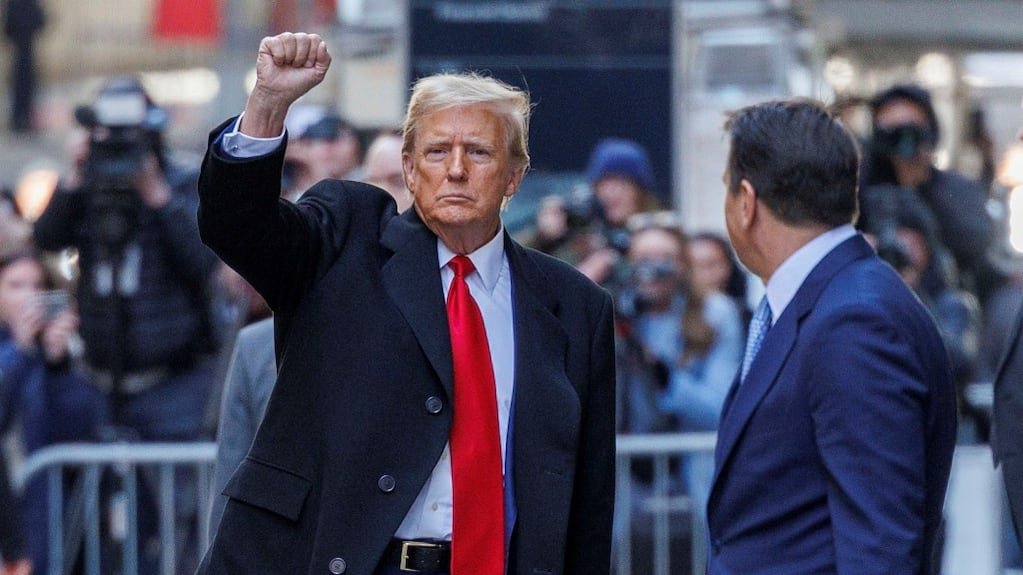
En medio de nuevos ataques israelíes en Líbano y fuertes advertencias de Irán, el presidente estadounidense, Donald Trump, afirmó este jueves que el acuerdo alcanzado para poner fin a la guerra en Medio Oriente equivale a una “victoria” para Estados Unidos.
“No hay ningún pago de 300.000 millones de dólares a Irán por parte de Estados Unidos. ¡Son noticias falsas! Todo lo que hay para Estados Unidos es éxito, precios del petróleo más bajos y victoria. Miren el mercado de valores”, dijo Trump en su red Truth Social. De esa manera, rechazó los cuestionamientos de la oposición demócrata.
En tanto, el vicepresidente estadounidense JD Vance dijo que posiblemente viaje a Suiza este fin de semana para iniciar conversaciones sobre el futuro del programa nuclear iraní, aunque aún no se determinó cuándo comenzarán las negociaciones.
“Tengo previsto viajar a Suiza cuando se espera que comiencen estas negociaciones técnicas, probablemente en algún momento de este fin de semana. Ese sigue siendo el plan, aunque podría cambiar, ya que no es fácil (para los negociadores de Teherán) salir de Irán. Por eso estamos tratando de determinar exactamente cuándo ocurrirá“, explicó Vance en una rueda de prensa en la Casa Blanca.
En el memorando de entendimiento firmado por Estados Unidos e Irán se dan a partir de hoy un plazo de 60 días para negociar un acuerdo de paz definitivo, que deberá ser ratificado mediante una resolución vinculante del Consejo de Seguridad de la ONU.
En el centro de ese acuerdo está el programa nuclear de Irán, que reafirmó en el memorando que “no adquirirá ni desarrollará armas nucleares” y se comprometió a dialogar con Washington sobre sus capacidades de enriquecimiento, así como la retirada de uranio ya enriquecido de su territorio bajo la supervisión del Organismo Internacional de la Energía Atómica (OIEA).
Nuevos ataques israelíes en Líbano
Pero el acuerdo firmado el miércoles por ambos países mostró que aún es frágil después que Israel volvió a lanzar este jueves dos ataques con drones contra un automóvil en el sur del territorio libanés.
La nueva ofensiva causó tres muertos, entre ellos un ciclista galardonado internacionalmente identificado como Ali Ismail Tufaili
Incluso, el primer ministro, Benjamin Netanyahu, aseguró este jueves que el Ejército mantendrá la “zona de seguridad” en los territorios ocupados del sur del Líbano, de los que Israel no se retirará “mientras las necesidades de seguridad así lo exijan” pese al acuerdo entre Irán y Estados Unidos, según citó el diario israelí Yediot Ajronot. El presidente estadounidense, Donald Trump, y el primer ministro israelí, Benjamin Netanyahu, en una imagen de archivo (Foto: REUTERS/Jonathan Ernst)
“Seguiremos avanzando por nuestro camino con sabiduría y discreción. Para ello es necesario mantener la zona de seguridad en el sur del Líbano”, aseveró Netanyahu en un discurso pronunciado durante la inauguración de una ruta en el bloque de asentamientos de Gush Etzion, en la Cisjordania ocupada.
Israel se refiere como “zona de seguridad” al perímetro que invade desde el 2 de marzo en el sur libanés, con una profundidad de hasta unos 10 kilómetros desde la frontera dentro del país vecino.
Leé también: Inglaterra tendrá unas elecciones pequeñas que podrían tener enormes repercusiones
El acuerdo estadounidense-iraní incluye “garantizar la integridad territorial del Líbano”.
Desde Teherán, el portavoz del Ministerio de Asuntos Exteriores de Irán, Ismail Bagaei, afirmó este jueves en una entrevista publicada por el diario libanés Al Akhbar que una eventual negativa de Israel a retirarse completamente del sur del Líbano constituiría una violación del memorando de entendimiento alcanzado entre Teherán y Washington, y dejaría sin efecto dicho acuerdo.
Bagaei explicó que el memorando incluye compromisos relacionados con la soberanía y la integridad territorial del Líbano.
Según el portavoz iraní, Teherán interpreta que esas garantías implican no solo el cese de las hostilidades, sino también la retirada total de las fuerzas israelíes de cualquier territorio libanés ocupado.
“Mientras la ocupación continúe, se puede decir que la guerra sigue en curso y no ha terminado en esencia”, señaló.
(Con información de AFP y EFE)
Donald Trump, Irán, Líbano, Israel

NEWYou can now listen to Fox News articles!
FIRST ON FOX: Americans are nearly evenly split between favoring Iranian regime change and a negotiated U.S. settlement with Iran, according to a new survey.
Some 39% of respondents favor a negotiated settlement where Iran’s current government remains in place, with verifiable limits on its nuclear and missile programs, according to the findings of the Reagan Institute Summer Survey, while 36% favor replacing Iran’s current government with one more favorable to the U.S.
Another 16% favor a weakened regime where the current government stays in place but is significantly diminished militarily and economically, and 8% responded that they don’t know.
The findings underscore the political challenge facing President Donald Trump as his administration pursues a newly signed memorandum of understanding with Iran. While the agreement seeks to curb Iran’s nuclear ambitions through negotiations, Americans remain divided over the ultimate objective of U.S. policy toward the Islamic Republic.
Americans are nearly evenly split between favoring Iranian regime change and a negotiated U.S. settlement with Iran, according to a new survey. (Mandel NGAN / AFP via Getty Images)
AMERICANS AGREE WITH TRUMP THAT IRAN POSES THREAT TO UNITED STATES: POLL
Republicans who responded to the survey favored replacing Iran’s government by a 2-to-1 margin over a diplomatic deal.
Republicans were far more likely than Democrats to favor a more aggressive outcome in Iran. Half of Republican respondents said they would prefer to see Iran’s current government replaced with one more favorable to the United States, compared to 25% who said they would favor a negotiated settlement that leaves the regime in place in exchange for verifiable limits on its nuclear and missile programs.
The findings were nearly identical among self-identified MAGA Republicans, 51% of whom favored regime change while 25% backed a negotiated settlement.
SHARP PARTISAN DIVIDE EMERGES OVER IRAN STRIKE, TRUMP’S STRATEGY: POLLS
Democrats, meanwhile, largely favored diplomacy. A majority, 52%, said they would prefer a negotiated settlement with Iran’s current government, while 25% favored regime change. Another 14% favored leaving the regime in place but significantly weakened militarily and economically.
The Reagan Institute Summer Survey was conducted May 26 through June 3 among 1,555 respondents nationwide and carries a margin of error of plus or minus 2.5 percentage points. The survey used a mixed-mode methodology that included live telephone interviews, an online panel and text-to-web responses.

Smoke rises over Tehran following an explosion amid ongoing U.S. and Israeli military strikes on Iranian targets on March 2, 2026. (Majid Saeedi/Getty Images)
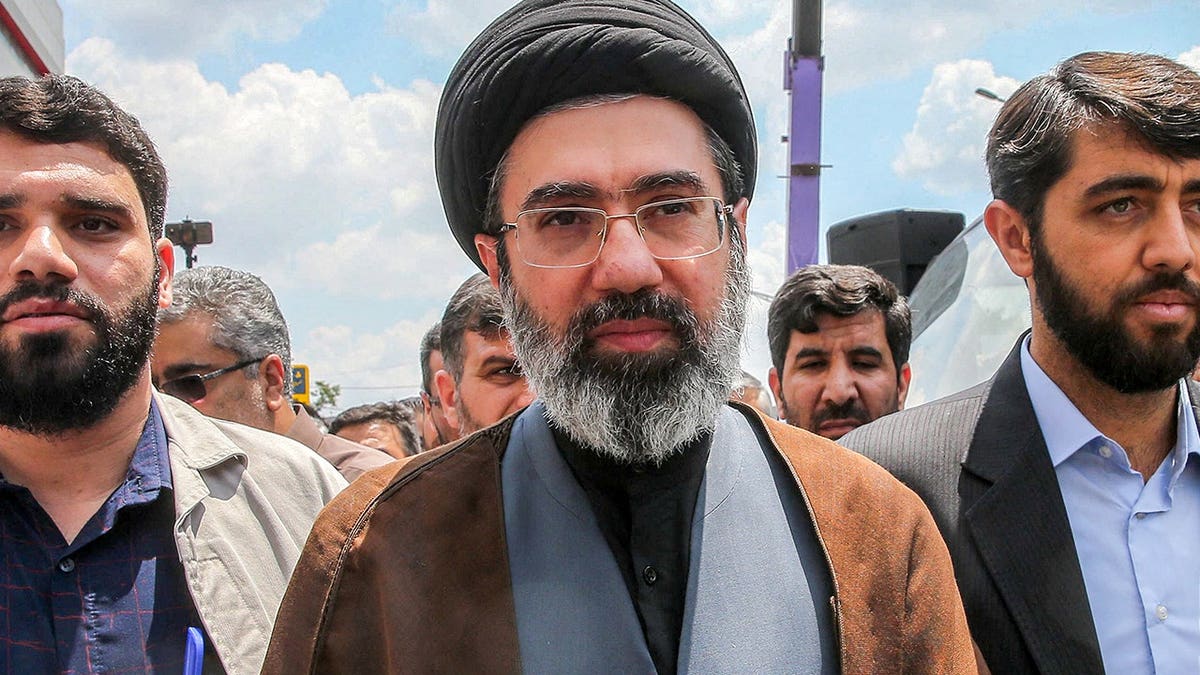
The findings underscore the political challenge facing President Donald Trump as his administration pursues a newly signed memorandum of understanding with Iran. (Hamid FOROUTAN / ISNA / AFP via Getty Images)

Republicans were far more likely than Democrats to favor a more aggressive outcome in Iran. (Pool via WANA/Reuters)
To better reflect the U.S. population, the results were weighted using demographic benchmarks from the U.S. Census Bureau’s 2023 American Community Survey, including age, gender, race, region and education levels. The poll also included an oversample of 331 MAGA Republicans under age 30, a group with a margin of error of plus or minus 5 percentage points.
The Reagan Institute is a Washington-based policy organization that advocates the Reagan foreign-policy tradition of «peace through strength» and sustained American leadership abroad.
The findings come as Trump has defended a newly signed memorandum of understanding with Iran as a way to reduce tensions and create a pathway toward a broader agreement addressing Tehran’s nuclear program.
The memorandum establishes a 60-day negotiating period during which the United States and Iran will attempt to reach a more comprehensive deal. The agreement also includes provisions aimed at restoring commercial shipping through the Strait of Hormuz and provides limited sanctions waivers tied to continued negotiations. Several of the most contentious issues, including the long-term future of Iran’s nuclear program, are expected to be addressed in subsequent talks.
Trump has described the arrangement as a means of avoiding a wider conflict while pursuing what he called a «great settlement» with Tehran. He has also argued that the agreement could help stabilize energy markets by reopening the Strait of Hormuz, a critical global shipping route, while creating an opportunity to negotiate additional restrictions on Iran’s nuclear activities.
CLICK HERE TO DOWNLOAD THE FOX NEWS APP
The president added that he agreed to a settlement to avoid «economic catastrophe.»
«I didn’t want to see economic catastrophe. If you kept this going, that could have happened,» he told reporters at the G7 Summit in France.
war with iran, iran, treaties, polls, republicans, democrats
INTERNACIONAL
Reforma fiscal de Luis Abinader queda lista para promulgación tras su aprobación de urgencia en el Congreso dominicano
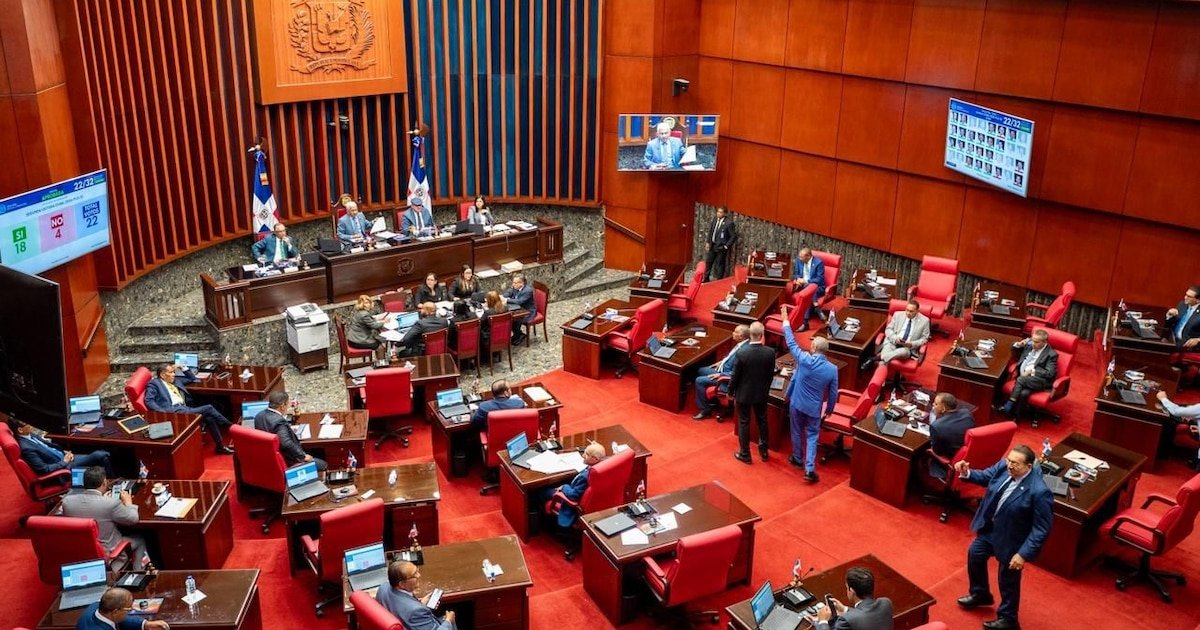
La reforma fiscal impulsada por el presidente Luis Abinader fue aprobada de urgencia por la Cámara de Diputados y el Senado, convertida en ley y enviada al Poder Ejecutivo para su promulgación u observación. La norma busca sumar RD$50.000 millones al Presupuesto General del Estado, equivalentes aproximadamente a 850 millones de dólares estadounidenses (USD), mediante un aumento de la carga tributaria, según medios locales.
La norma deroga los anticipos para las microempresas, crea una amnistía para deudas tributarias y reduce de 25% a 10% el Impuesto Sobre la Renta por ganancia de capital en la venta de inmuebles, según Diario Libre. También elimina las leyes de los fósforos y del control a las estampillas, de acuerdo con el mismo diario.
Entre las medidas incluidas, el texto indexa los salarios para que solo quienes ganen más de 39.900 pesos mensuales (unos 678 dólares estadounidenses) paguen el impuesto sobre la renta y eleva la deducción de gastos educativos de 25% a 30%, según Diario Libre. Además, restablece el impuesto selectivo sobre el alcohol etílico usado en la fabricación de medicamentos y sube a 30% la tasa del impuesto sobre la renta empresarial para los grandes contribuyentes, según ese medio.
El proyecto fue presentado como una ley de medidas pro crecimiento económico, simplificación fiscal y mitigación de la crisis internacional, según Diario Libre. Según Listín Diario, su objetivo central es elevar la recaudación tributaria con mayores cargas sobre distintos sectores de la sociedad.

En la comisión bicameral, la primera reunión estuvo dedicada a la lectura íntegra del proyecto y en la segunda se escucharon observaciones del ministro de Hacienda y Economía, Magín Díaz, y de representantes de la Asociación de Industrias de la República Dominicana, según Diario Libre. Al cierre de ese encuentro, la comisión aprobó un informe favorable que luego pasó al Senado para su votación, de acuerdo con el medio.
Entre las propuestas de cambio impulsadas por la oposición figuraban eliminar impuestos a las telecomunicaciones en zonas rurales, mantener sin cambios la tasa por transferencias bancarias, indexar los salarios inferiores a 52.000 pesos mensuales (alrededor de 885 dólares estadounidenses) y aplicar la eliminación del anticipo a las pequeñas empresas, según Diario Libre. Ninguna de esas sugerencias prosperó en la votación final.
El presidente de la Cámara de Diputados, Alfredo Pacheco, defendió la aprobación y afirmó ante Diario Libre que las medidas responden a “la consecuencia de todos estos años de crisis”. También pidió “comedimiento” a la oposición al recordar que durante la presidencia de Leonel Fernández se aprobaron dos reformas fiscales.
Desde la comisión que estudió el proyecto, el diputado Francisco Javier Paulino dijo a Diario Libre que las medidas benefician a más del 90% de la población porque muchas disposiciones están dirigidas a los grandes contribuyentes. Desde la oposición, el diputado Rafael Castillo, vocero de Fuerza del Pueblo, cuestionó ante el mismo medio la rapidez del trámite y dijo que otras reformas estructurales no recibieron la misma urgencia.

El opositor Carlos de Pérez afirmó a Diario Libre que solo en mayo la nómina pública creció en alrededor de 3.180 millones de pesos (unos 54 millones de dólares estadounidenses) y cuestionó que la reforma termine destinada al pago de gastos corrientes como viáticos y publicidad.
Luis Abinader,Rendición de Cuentas,Congreso Nacional,República Dominicana,política,gobierno,evento,oficial,Presidente,Dominicana

Arrancó la segunda fecha del Mundial 2026 y México es el primer clasificado: así está la pelea por entrar a los 16avos de final

La Libertad Avanza busca que los jóvenes puedan ser concejales desde los 18 años en la provincia de Buenos Aires

El dólar sigue subiendo, supera a la inflación del mes y se frena el proceso de apreciación cambiaria

Adrián Suar sorprendió a Benjamín Vicuña y Esteban Lamothe y asistió a la obra “Secreto en la Montaña”

Quién es Gisela Kocsis, la empleada de la Casa Rosada que puso a su nombre la compra de blanquería para lo de Adorni

Suiza goleó 4-1 a Bosnia y Herzegovina y lidera el Grupo B del Mundial 2026

Patricia Bullrich: “El Presidente considera que Adorni dio una explicación razonable”

El Gobierno envía señales de que Adorni tiene las horas contadas para evitar que sesione el Senado

La secuencia del golazo de Messi para Argentina ante Argelia en el debut en el Mundial 2026 y los récords que rompió

El Gobierno modificará por decreto el sistema de selección de jueces de la Corte Suprema de Justicia

 POLITICA1 día ago
Patricia Bullrich: “El Presidente considera que Adorni dio una explicación razonable”
- POLITICA2 días ago
El Gobierno envía señales de que Adorni tiene las horas contadas para evitar que sesione el Senado
- DEPORTE2 días ago
La secuencia del golazo de Messi para Argentina ante Argelia en el debut en el Mundial 2026 y los récords que rompió