INTERNACIONAL
De trabajar en una cadena de comida rápida a espiar para Rusia: la historia del agente que terminó preso en Ucrania


No afirma ser el espía más brillante de Rusia. Sin embargo, Alexsander de verdad quería el trabajo. Nació en Ucrania pero creía en Rusia. Y era difícil salir adelante con sus turnos en McDonald’s. Así que cuando dos agentes rusos se le acercaron con la oferta de un trabajo de espionaje a destajo, aceptó de inmediato.
Estaba en Francia en ese momento, dijo. Los rusos querían material comprometedor de un funcionario de gobierno occidental. Parte de lo que hizo Alexsander fue verdadero espionaje de campo, como ver dónde vivía el funcionario. Gran parte fueron búsquedas en Google. Alexsander no necesitó mucho usar disfraces.
“Tenía un par de gafas de sol negras, pero rara vez las usaba. Solo cuando brillaba el sol”, dijo con ironía.
El trabajo de Alexsander cambió cuando Rusia invadió Ucrania en 2022. Se unió a un grupo de Facebook para extranjeros que se enlistaban en el ejército ucraniano. Se ganó la confianza de otros miembros. En viajes a Ucrania, informó a Rusia sobre la ubicación de las fuerzas ucranianas, sus operaciones de asalto planificadas y sus datos personales. Sus acciones, dijo, provocaron la muerte de soldados.
Entonces, todo le pasó factura. Mientras conducía por el norte de Ucrania, Alexsander fue detenido en un puesto de control. Un guardia le pidió ver su teléfono. Había olvidado borrar un mensaje a su jefe ruso.
“No digo que sea un buen espía”, me dijo Alexsander. “Me atraparon”.
Rusia












INTERNACIONAL
Ucrania golpeó tres centros de datos de Yandex y desató apagones digitales en toda Rusia

Drones ucranianos destruyeron o dejaron fuera de servicio tres centros de datos de la empresa rusa Yandex entre el 8 y el 11 de octubre, un ataque que provocó fallas en bancos, aplicaciones de reparto, taxis y plataformas de streaming en buena parte de Rusia, según confirmaron la compañía y medios locales.
La primera ofensiva alcanzó el centro de Sasovo, en la región de Riazán, en la madrugada del 8 de octubre. El ataque provocó un incendio y obligó a suspender por completo las operaciones del predio, que alberga dos de las tres supercomputadoras que Yandex usa para entrenar sus modelos de inteligencia artificial.
Un segundo ataque, el 9 de octubre, dañó parte de la infraestructura del centro de Kaluga, al suroeste de Moscú, uno de los más grandes del país. Nueve personas resultaron heridas en la zona, aunque las autoridades regionales no vincularon de forma directa las lesiones con las instalaciones de Yandex.

El tercer golpe llegó el fin de semana sobre el centro de Vladimir, al este de la capital rusa. Allí funcionaba Galushkin, otra supercomputadora de la empresa que ocupaba el puesto 134 del ranking mundial Top500 con una capacidad de 20,64 petaflops. Unos 1.600 usuarios quedaron sin electricidad en la zona, según sus autoridades locales.
Un monopolio que lo controla casi todo
Yandex suele compararse con Google por el tamaño de su ecosistema: un buscador con cerca del 70% del mercado ruso, según datos citados por Ars Technica, además de mapas, correo electrónico, pagos, taxis y reparto de comida bajo una misma marca. Su servicio de nube, Yandex Cloud, contaba con más de 64.000 clientes empresariales a mediados de 2026.
La aplicación Yandex Go, que combina las funciones de Uber y de un servicio de reparto como DoorDash, es un ejemplo del peso cotidiano de la empresa: para millones de rusos resultó, de un día para el otro, más difícil pedir un taxi o encargar comida.

Los cortes alcanzaron bancos digitales, supermercados, cadenas de comida rápida y una cadena de electrodomésticos que dependen de esa infraestructura, de acuerdo con el diario independiente The Moscow Times. También se reportaron fallas fuera de Rusia, en Kazajistán, Kirguistán y Armenia.
Yandex admitió que reponer el equipamiento dañado podría demorar hasta seis meses, según una fuente citada por el diario ruso Kommersant.
Una guerra que empezó Moscú
Rusia había lanzado en septiembre una campaña de ataques contra centros de datos y redes de telefonía móvil ucranianas, parte de una ofensiva más amplia con misiles y drones que también alcanzó la red eléctrica, nudos de transporte y edificios residenciales, según relató Ars Technica.
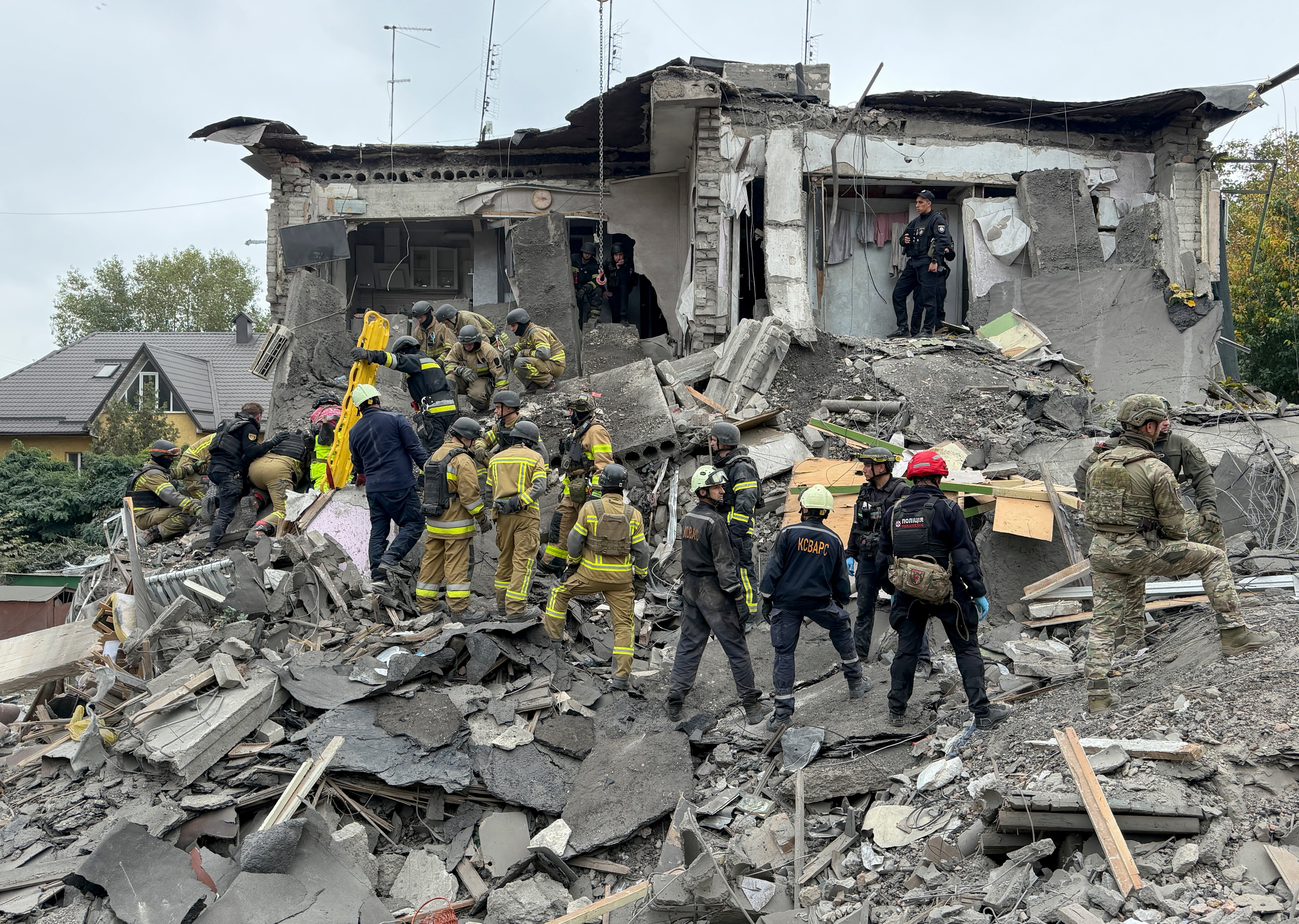
El presidente ucraniano Volodymyr Zelensky presentó los ataques como una respuesta simétrica a los bombardeos rusos contra centros de datos en Kiev ocurridos en septiembre. “Siempre respondemos de la misma manera. Ustedes saben que ellos atacan y siguen atacando nuestros centros de datos”, dijo ante la prensa, según citó Al Jazeera.
Según el medio especializado The Record, Rusia había atacado antes al menos seis centros de datos ucranianos, entre ellos los operados por las firmas MiroHost, Parkovy y Data Group, además de infraestructura de las operadoras Kyivstar y Ukrtelecom. Un bombardeo del 23 de septiembre dejó sin conexión fija a unos 100.000 hogares en la región de Kiev.
A diferencia de Rusia, la red ucraniana está más descentralizada y recibe apoyo de compañías extranjeras: Amazon Web Services aloja más de 15 petabytes de datos de más de 60 organismos del gobierno ucraniano, entre ellos la energética DTEK, según reportó Ars Technica.

Blogueros militares rusos cercanos al Kremlin advirtieron que la ley de “internet soberano”, sancionada en 2019, complica que compañías como Yandex construyan respaldos fuera del país en plena guerra, de acuerdo con traducciones difundidas por el investigador independiente conocido como ChrisO_wiki.
Una disputa sobre los bots
Zelensky sostuvo además que los ataques habían reducido la actividad de cuentas rusas vinculadas a operaciones de desinformación, incluidas publicaciones de apoyo al movimiento estadounidense MAGA y al partido alemán AfD.
Pero la cadena BBC consultó a investigadores especializados que no hallaron pruebas de ese freno. El grupo dTeam, que monitorea redes de bots prorrusas, afirmó que no detectó “ningún cambio de tráfico” en las cuentas rusas conocidas. La oficina de Zelensky explicó luego que el mandatario se refería al clima general en las redes sociales y no a una caída medible en la actividad de los bots, según precisó la propia cadena británica.

El ministro ruso de Desarrollo Digital, Maksut Shadayev, confirmó que su cartera trabaja junto al Ministerio de Defensa para reforzar la protección del resto de los centros de datos del país, mientras persisten fallas parciales en los servicios de Yandex.
Business,Corporate Events,Europe
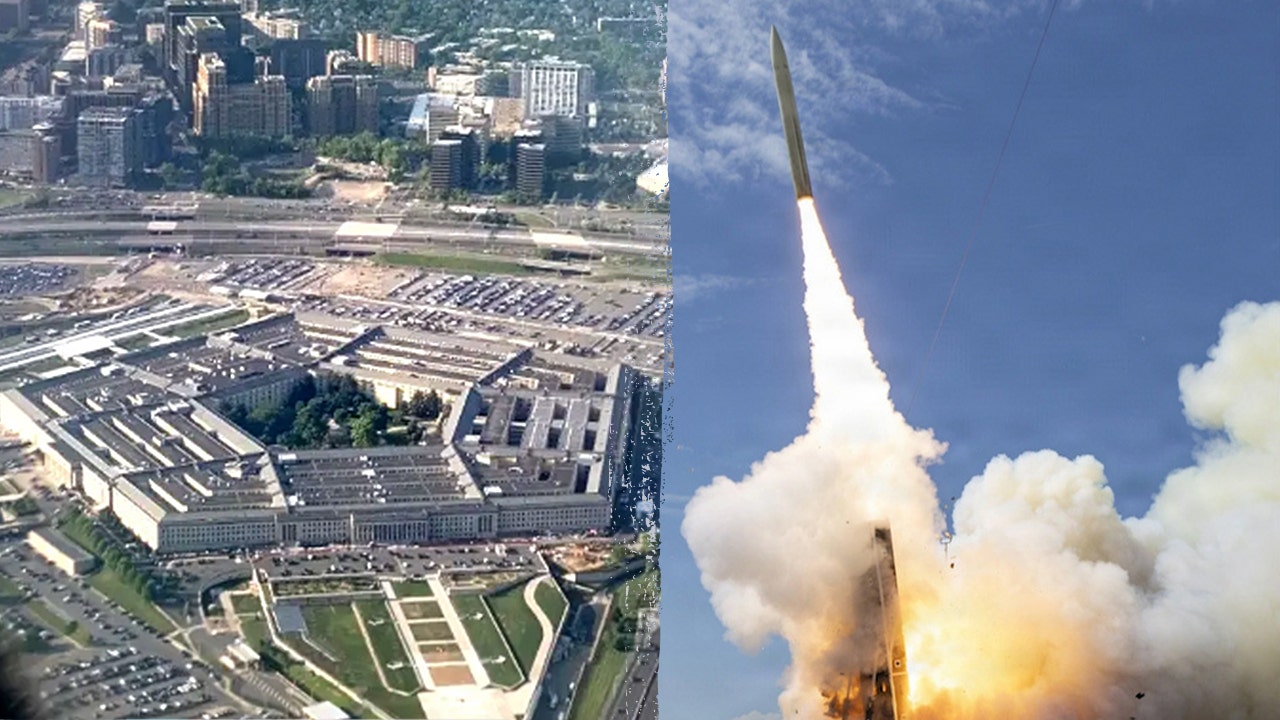
As the U.S. works to refill its missile stockpile, it is also looking to develop new weapons for its arsenal.
«We’re going to need all three tiers of missiles. The cheap ones, the ones that are now the high-end like Patriot and then maybe some hypersonics,» said Mark Cancian, a retired U.S. Marines colonel and senior advisor with the CSIS Defense and Security Department.
The U.S. military is taking an increasing interest in hypersonic weapons, which are maneuverable and travel five times faster than the speed of sound.
«These hypersonic systems are now seen as the novel revolutionary system and the ballistic missile is seen as the archaic one,» said UC Berkeley Senior Research Scholar Cameron Tracy.
US FALLS BEHIND IN HYPERSONIC RACE AS CHINA, RUSSIA GAIN EDGE
But the weapons the military has traditionally invested in could come at a cost. Estimates from the Government Accountability Office show missiles for the Army’s long-range hypersonic weapon, the Dark Eagle, could cost more than $40 million each. As the Navy works to equip its Zumwalt Destroyers with hypersonics, the GAO puts estimates at $70 million per missile, which includes costs to develop and incorporate the necessary technologies. The GAO also notes the modernization project is two years behind schedule.
«In the long run, for example, the Army thinks that the long-ranged hypersonic weapon will become cheaper as production ramps up,» said Xiaodon Liang, arms control association senior policy analyst for Nuclear Weapons Policy and Disarmament.
Tomahawk missiles cost around $2.6 million, according to the U.S. Navy. Army budget documents show Patriot missiles cost nearly $4 million. Precision Strike Missiles or PrSMs cost $1.6 million per unit. The U.S. Navy could buy almost 27 tomahawks for the price of one hypersonic missile aboard the Zumwalt Destroyers. The Army could buy around 25 PrSMs for the price of one Dark Eagle hypersonic weapon.
«The U.S. has invested in recent years in several of the programs that are starting to become into fruition,» said Liang. «These are exquisite weapons. And I think that the military is acquiring them for exquisite purposes.»
Hypersonic weapons travel up to 20 times faster than traditional missiles and an adversary’s reaction time is thought to be six times shorter. Hypersonic speeds are also vital for both evading enemy defense systems and executing strikes. The Atlantic Council estimates 75% fewer hypersonic weapons would be needed for a mission.
US ARMY OFFERING DEFENSE FIRMS ‘CONCIERGE ACCESS’ TO TEST WEAPONS AT MILITARY RANGES
Startups are hoping to bring down some of the costs to produce hypersonic weapons with more affordable missiles and increased testing capabilities.
«The weapon itself is under $500,000, which, if you know about munitions, that’s incredibly cheap,» Castelion co-founder and CEO Bryon Hargis said.
The Army and Navy are investing in Castelion’s Blackbeard hypersonic weapon, which the company says is designed for mass production.
«It is a story about hypersonics and what they can provide in terms of a weapon, but it’s really a story of American manufacturing,» Hargis said. «The company is focused on providing America options to have that middle deterrence layer, and we’re doing that through production.»
This year, Castelion began building what it says will be the largest dedicated hypersonic weapon production factory in the U.S. Project Ranger is expected to produce thousands of Blackbeard weapons annually. Those will eventually be used to fill Castelion’s various contracts, such as integrating the weapons into the U.S. Navy’s F/A-18 Super Hornet Jets, incorporating the system into the U.S. Army’s HIMARS and deploying Blackbeard on unmanned surface vessels.
«The advantage of a hypersonic system is that it goes very far, it gets there quickly and it’s highly survivable because of that maneuverability. And that’s important for achieving deterrence because it’s hard to shoot down,» Hargis said.
Hypersonic weapons remain mostly in Earth’s atmosphere. The missiles are maneuverable during flight and can strike a target quickly, in 15-30 minutes from around 1,725 miles away.
US REBUILDING WEAPONS STOCKPILE COULD DELAY ORDERS FROM ALLIES
«If you don’t know what the target would be initially, unlike a ballistic missile where you can calculate where it’ll land, you might misinterpret, for example, an incoming strike as a decapitation attempt. And that would be very concerning,» Liang said.
Developers say the U.S. speaks with other countries about missile launches and what the intended targets are. But there are other concerns that hypersonic maneuverability could lead to inaccuracy.
«Technologies do tend to improve over time as testing and especially as experience with use builds up, but there are pretty important physical constraints on the performance of these systems,» said Tracy.
Defense contractor Rocket Lab is working with the War Department to improve hypersonic missile capabilities through an increasing number of test launches.
INSIDE AMERICA’S LASER REVOLUTION AS THE MILITARY NEARS BIG BATTLEFIELD BREAKTHROUGH
«With our HASTE program, what we have enabled is low-cost, high-frequency hypersonic and missile defense testing. And when you can say that you can get that cheaper and faster, now you’re looking at more of a shots on goal approach to demonstrating capability of the technology insertion cycle,» Rocket Lab Vice President of Global Launch Services Brian Rogers said.
Rocket Lab’s HASTE is a suborbital test bed launch vehicle that provides flight test opportunities for the government to advance hypersonic and suborbital system technology development. The vehicle is derived from Rocket Lab’s Electron rocket, which has launched nearly 100 missions.
«Rather than saying we need to be stuck in an analysis environment, and then it’s a very rigorous test campaign that costs a lot of money and involves a lot people, now you can say we’re planning 12 tests this year. We don’t have to bet the farm on any one of them, which allows us to take more risk and really move the needle in terms of technology development,» Rogers said.
The U.S. military has never used a hypersonic weapon but has explored deploying its Dark Eagle to the Middle East.
«I would be very surprised if we used them and would be even more surprised if we used it extensively because of the small number of missiles that exist and the concerns already about the munitions stockpile,» Liang said.
military tech, spending, military, politics, armed forces topics
INTERNACIONAL
Pope Leo diagnosed with lung cancer after surgeons remove part of right lung, Vatican says

NEWYou can now listen to Fox News articles!
Pope Leo XIV underwent a procedure at Agostino Gemelli University Hospital in Rome to remove a small nodule on his lung Tuesday, the Vatican said.
The 71-year-old pontiff underwent thoracic surgery to remove the lower lobe of his right lung and doctors confirmed he had lung adenocarcinoma, a form of lung cancer, according to a statement released by the Holy See Press Office.
The diagnosis was confirmed through a tissue examination conducted during the operation, consistent with findings from preoperative tests, the Vatican said.
The pope spent approximately three hours in the operating room, although the surgery itself lasted about 90 minutes.
Doctors said the procedure was successful and there were no complications.
POPE LEO ANNOUNCES TUMOR ON LUNG, SURGERY PLANNED IN ‘NEXT FEW DAYS’
Pope Leo XIV is welcomed by Health Director Andrea Cambieri as he arrives at the Gemelli University Hospital for an operation to remove a lump from his lung in Rome on Tuesday. (Alberto Pizzoli/AFP via Getty Images)
Leo awoke normally following surgery and, after a brief observation period, returned to his room on the hospital’s 10th floor, according to the statement from Dr. Luigi Carbone and Professor Stefano Margaritora.
«Doctors found a small lump in the lung,» Leo said after an Angelus address at St. Peter’s Square on Monday. «It was identified at a very early stage and well situated.»
«The doctors consider it appropriate to intervene and so, following their advice, I decided to have surgery to remove it,» he continued. «The surgery is already scheduled for the next few days. I thank you for your spiritual closeness and I rely on your prayer.»
The Vatican’s latest statement confirmed that the surgery involved the removal of the lower lobe of the pope’s right lung using a video-assisted technique.
POPE LEO XIV BEGINS HISTORIC 4-DAY VISIT TO FRANCE

Pope Leo XIV steps out as the first American pope in history at the Vatican on May 8, 2025. (Vatican Media)
The announcement comes as a surprise for the American-born pontiff, who has no previously known health problems and is known for maintaining an active lifestyle.
POPE LEO VISITS SITE OF MIRACLE CURES, MEETS PEOPLE WHOSE UNEXPLAINED HEALINGS STUNNED DOCTORS
Leo regularly plays tennis and swims at the papal summer retreat in Castel Gandolfo, according to The Associated Press.
Archbishop Ronald Hicks of New York offered his support to the pope, saying that the Holy Father is «in our prayers.»
«We thank God that the surgery on Pope Leo was, by all accounts, successful, and that he continues his recovery and recuperation,» Archbishop Hicks said. «I know that I join with people from all corners of this archdiocese, across the country, and around the world in keeping the Holy Father in our prayers.»
The pope is also scheduled to embark on a major international trip from Nov. 6–17, with planned stops in Uruguay, Argentina and Peru. It remains unclear whether his surgery and recovery will affect those travel plans.
UKRAINE’S ATTACKS ON RUSSIA ARE PUSHING PUTIN CLOSER TO NEGOTIATING TABLE, TRUMP NATO AMBASSADOR SAYS
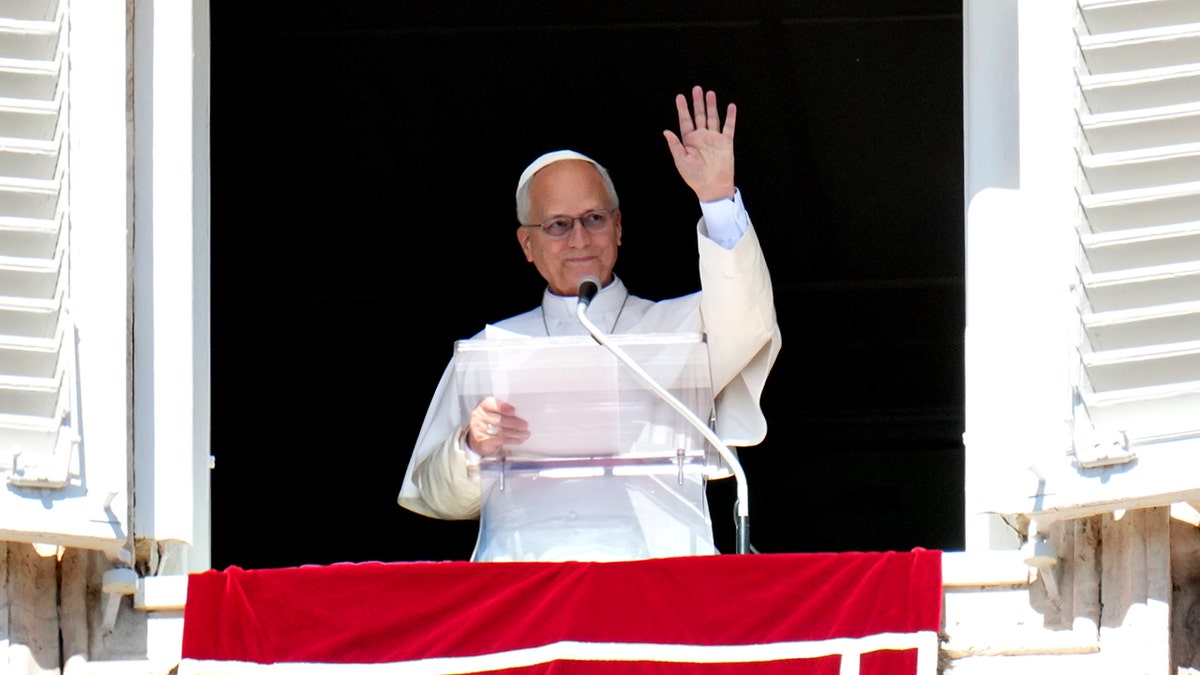
Pope Leo XIV delivers the Angelus prayer in St. Peter’s Square at the Vatican on Sunday. (Gregorio Borgia/AP Photo)
In addition to addressing his health, Leo used his Sunday remarks to renew his appeal for peace in war-torn Ukraine, warning that the conflict continues to inflict suffering far beyond the country’s borders.
«The war in the martyred Ukraine continues to create suffering, even beyond its borders, especially in the poorest countries, where many people depend on the exports of cereals and grains,» the pope said.
Fox News’ Courtney Walsh and Stephen Sorace contributed to this report.
pope leo xiv, roman catholic, vatican, religion us, christianity religion, world

Ley de Tierras: una inmobiliaria aprovechó el vacío legal para ofrecer un campo con lago privado en Chubut – Nexofin

Un flamante juez federal deberá decidir si mantiene la cautelar que deja en vigor la ley de tierras

Tecpetrol y Galicia lideran el ranking de las ONs más elegidas por los fondos de inversión

Esta sería la formación de River Plate para enfrentar a Sarmiento por el Torneo Clausura 2026

Rechazan cerrar una de las mayores causas de lavado de dinero del sistema financiero argentino

Javier Milei viaja esta noche rumbo a Washington: alineamiento con Trump y nueva foto con un Bolsonaro

Carlos Tevez busca juntar a Cristiano Ronaldo y Leo Messi en su partido de despedida

Régimen Penal Juvenil: la Defensoría Oficial busca que la Justicia porteña revise la baja de la edad de imputabilidad

El dramático accidente que sufrió Sarah, la hija de Barby Franco y Burlando, con apenas dos años: “Se abrió la cabeza”

Democrats are changing their transgender message. Republicans say they’re just flip-flopping

 CHIMENTOS2 días ago
Andrea Rincón recordó el quiebre de su amistad con Julieta Ortega: «No se remontó»
- POLITICA3 días ago
La controversia por la ley de Tierras avivó las diferencias internas en la Corte Suprema
- ECONOMIA3 días ago
Anticipan más crédito y mayor flujo en acciones con reforma del mercado de capitales