INTERNACIONAL
Aves en peligro en los pastizales pampeanos: qué descubrieron los científicos sobre su futuro

En 1892, el escritor William Henry Hudson publicó su libro El Naturalista en La Plata y describió a los pastizales de la región pampeana de la Argentina como “una gran llanura cubierta de hierba, donde la tierra y el cielo parecen unirse en el horizonte”.
Destacó la importancia de esos pastizales como refugios para numerosas especies de aves y mamíferos. Sin embargo, hoy enfrentan una fuerte reducción y fragmentación debido a la agricultura y la ganadería intensiva.

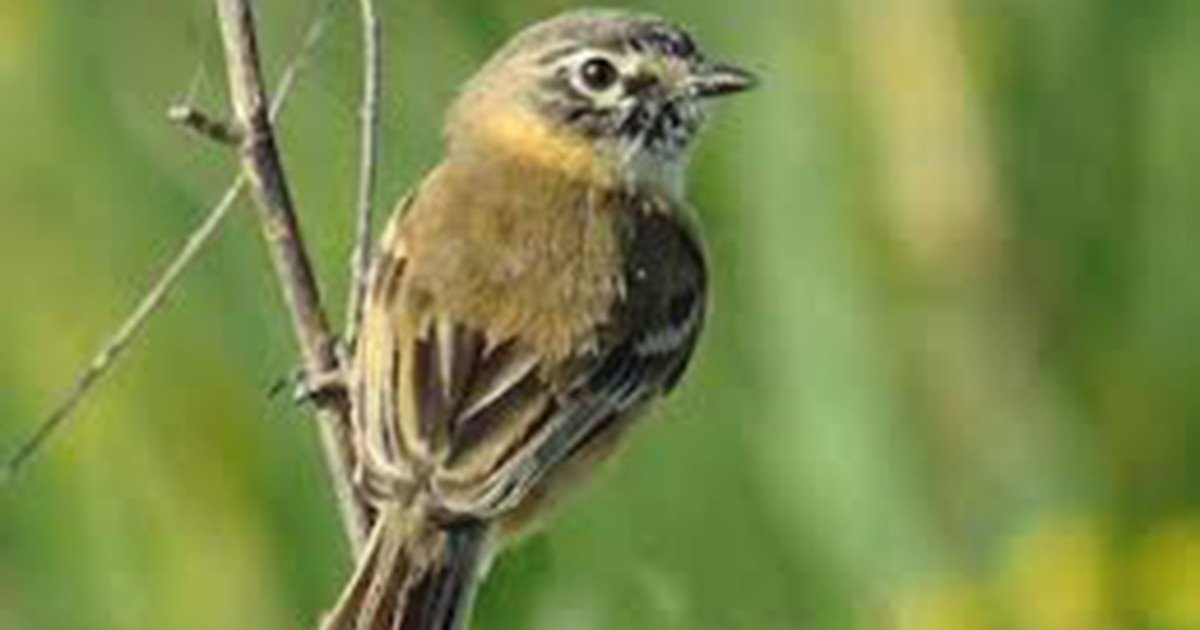
Esa transformación de los pastizales pone en riesgo también a las aves muy vulnerables como el tachurí canela, el cauquén colorado, el espartillero enano, el espartillero pampeano, la loica pampeana y el ñandú.
Ahora, científicos del Instituto de Investigaciones Marinas y Costeras (IIMyC), que depende de la Universidad Nacional de Mar del Plata (UNMdP) y el CONICET, y el Instituto de Limnología Dr Raúl Ringuelet de La Plata descubrieron cómo la conservación de pastos altos y la gestión ganadera adecuada pueden ser fundamentales para revertir esa tendencia y ofrecer un futuro más seguro a las especies amenazadas que dependen de la integridad del ecosistema de pastizal.
Los pastizales altos que tapizan la región pampeana son mucho más que paisajes: representan la base de vida para miles de aves que dependen de su refugio para criar y sobrevivir.
Revelaron que la clave para que los nidos prosperen está en la presencia de matas de pastos nativos altos. “Los nidos rodeados por más matas de pastos altos nativos tienen mayor éxito de anidación”, contó a Infobae la bióloga y primera autora del estudio Sofía Martín-Sirito.

El resultado es contundente: cuando el ganado reduce la altura de la vegetación, las aves pierden esa capa protectora esencial contra depredadores y el clima.
No se trata solo del pisoteo directo, sino de la transformación completa del hábitat. El manejo ganadero puede inclinar la balanza entre la vida y la desaparición de muchas especies.
Detrás de esos resultados estuvieron también Stella Román, Martin Colombo, Daniel Cardoni y Juan Pablo Isacch. Publicaron los resultados en la revista Journal of Ornithology, una de las revistas más reconocidas en el mundo de la biología de aves.
Por qué importan los pastizales pampeanos

Los campos pampeanos cambiaron radicalmente en las últimas décadas. La agricultura y la ganadería recortaron la extensión de pastizales naturales y desdibujaron la variedad de especies que los habitaban.
Esta región se volvió un mosaico de cultivos y potreros. En ese contexto, las aves que dependen del camuflaje y el resguardo de la vegetación ven cómo su mundo se achica.
Para ellas, una mata de pasto alto puede ser la diferencia entre criar con éxito o perder la nidada. La presión sobre estos ambientes crece cada año.

Los investigadores quisieron entender cómo la pérdida de cobertura vegetal y los diferentes tipos de manejo ganadero afectan la supervivencia de los nidos. Compararon zonas con pastoreo y otras donde el ganado no ingresa.
Dos especies sirvieron como modelos: el Misto (Sicalis luteola) y el Pico de Plata (Hymenops perspicillatus). Se plantearon como hipótesis si la supervivencia de los nidos sería menor en áreas pastoreadas debido a la reducción de la cobertura de pastos altos.
Qué encontraron

El trabajo se desarrolló en el sudeste de la región pampeana, en la Pampa Deprimida. Se eligieron dos campos sin pastoreo dentro de la Reserva de Biosfera Mar Chiquita y dos predios privados donde el ganado rota entre potreros.
Durante tres temporadas de cría, el equipo de científicos recorrió los pastizales y localizó los nidos de las dos especies elegidas.
Se tomaron notas precisas sobre la altura de los pastos, la cantidad de matas nativas, la ubicación y el momento del año en que empezaba cada nidada. Se analizaron 68 nidos en sitios pastoreados y 42 en áreas protegidas.
Tras analizar los datos, los resultados mostraron que la cobertura de pastos altos y la altura de la vegetación aumentan las posibilidades de que los nidos lleguen a buen puerto.
“Nuestro estudio dejó en claro que el porcentaje de cobertura de pastos altos a escala de paisaje tuvo un efecto positivo significativo sobre la supervivencia diaria de los nidos de ambas especies estudiadas”, resaltó la bióloga Martin-Sirito.

En los campos con ganado, la vegetación alta escasea y la tasa de éxito disminuye. El modelo estadístico más sólido confirmó que “la supervivencia diaria de los nidos fue significativamente mayor en los sitios sin pastoreo”.
La principal causa de fracaso, tanto en potreros ganaderos como en la reserva, fue la depredación, que afectó más del 60% de los nidos.
El trabajo también exploró cómo los depredadores y el microambiente influyen en la elección del sitio del nido.
Uno de los resultados destacados fue que los mistos pueden enfrentar una mayor presión de depredación por aves. Eso favorece que los nidos estén ubicados más bajos dentro del rango observado, pero protegidos por vegetación alta.
Qué hacer, qué falta saber y por qué importa

Los investigadores piden que se conserven parches de pastos altos en los campos, y se ajusten la carga de ganado para que la vegetación tenga tiempo de recuperarse.
El manejo rotativo y la reducción de la presión ganadera permiten que la producción y la conservación vayan de la mano.
Conservar entre el 30% y el 50% de la superficie total del campo con pastos altos resulta fundamental para mantener la estructura del pastizal y favorecer la supervivencia de las aves.

Admitieron que el tamaño de los parches y la presencia de depredadores pueden variar en otras zonas. Hace falta investigar más para definir “valores umbral” de cobertura vegetal y conocer cómo afecta a otras especies de aves.
La conclusión de los investigadores es sencilla pero poderosa. “Proteger la estructura y la diversidad de los pastizales es fundamental para que las aves de la región puedan seguir criando y por ende se asegure su supervivencia”, enfatizó el doctor Isacch, en diálogo con Infobae.
Con su equipo, recalcaron que la cobertura de pastos altos “es una característica crítica del hábitat que debe priorizarse en el manejo ganadero”.

En tanto, consultado por Infobae, Pablo Grilli, coordinador del Programa Pastizales de la organización no gubernamental Aves Argentinas, comentó: “Este estudio confirma que, cuando se conserva una matriz de pastos altos, aumenta la cantidad de pichones que logran dejar el nido”. En cambio, en campos donde el pasto está bajo por el sobrepastoreo ganadero, el éxito reproductivo es menor.
“Muchas aves especialistas de pastizal requieren esa cobertura alta para anidar o refugiarse. Si el pastizal desaparece, su reproducción se ve afectada negativamente. Los científicos aportaron pruebas concretas de que esa relación también se da en el misto y el pico de plata”, concluyó Grilli.
aves,pastizal pampeano,dimorfismo sexual,macho,hembra,ornitología,biodiversidad,Argentina,naturaleza,fauna









INTERNACIONAL
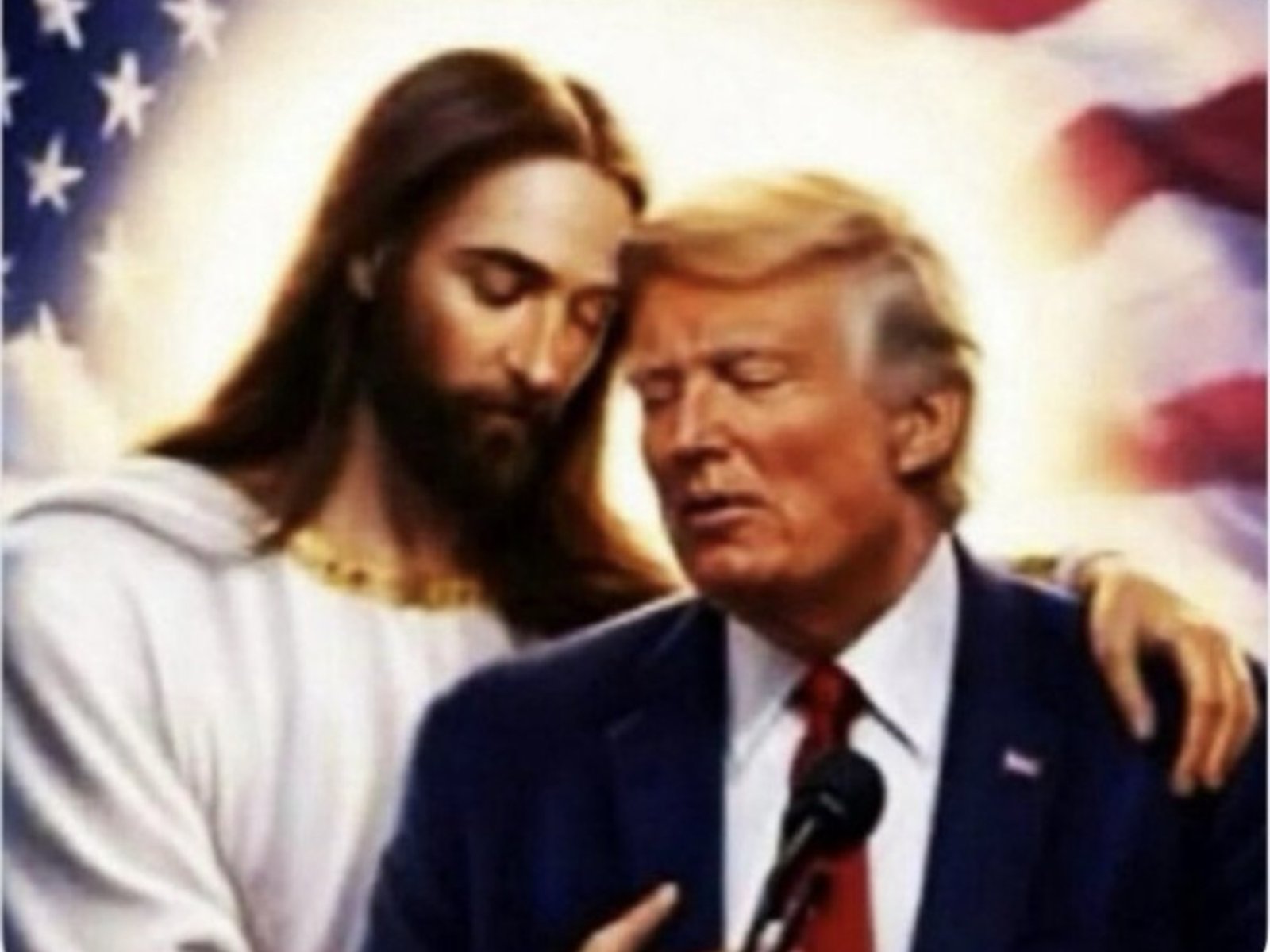
Trump publica otra imagen de Jesús en medio de la pelea con el Papa: «A la izquierda radical no le va a gustar»


INTERNACIONAL
Russia’s Lavrov says Iran has ‘inalienable’ right to enrich uranium, openly defying Trump’s demands
NEWYou can now listen to Fox News articles!
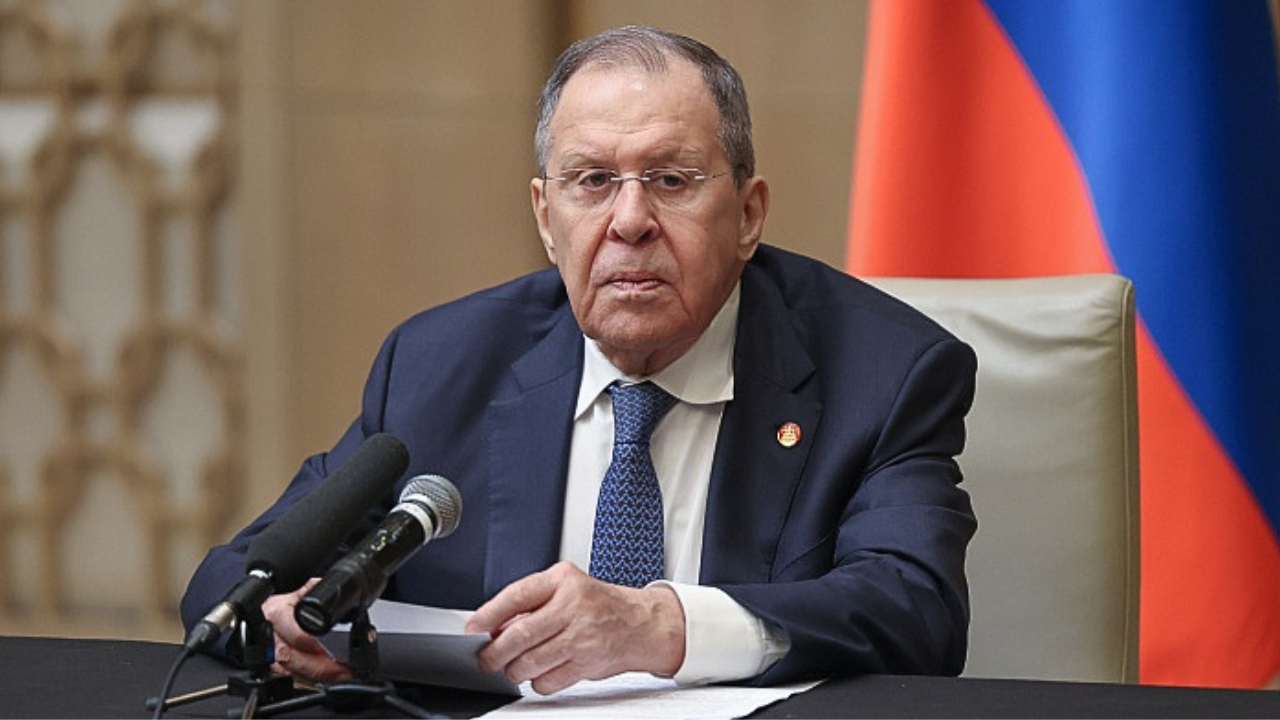
Russia’s foreign minister Sergey Lavrov said that Iran has an «inalienable» right to enrich uranium for civilian purposes during a state visit to China on Wednesday, according to the Times of Israel.
«The right to enrich uranium for civilian purposes is an inalienable right of the Islamic Republic of Iran,» Lavrov said during a Tuesday press conference following a bilateral meeting with Chinese President Xi Jinping, according to the Times of Israel.
Access to said uranium has been a hard line for U.S. President Donald Trump in ongoing peace negotiations with Iran.
«There will be no enrichment of Uranium,» Trump wrote in an April 8 post on Truth Social, adding that the U.S. would be working with Iran to dig up all remaining nuclear materials in the country to ensure the Islamic Republic would not have access to any uranium.
STOP CALLING THIS BRINKMANSHIP. TRUMP’S HORMUZ MOVE IS THE REAL PRESSURE
Russian foreign minister Sergey Lavrov speaks at a press conference in Beijing, China. April 15, 2026. (Russian Ministry of Foreign Affairs)
Vice President JD Vance, who led the U.S. delegation during Saturday negotiations with Iranian officials in Islamabad, Pakistan, doubled down on that red line.
«The enriched uranium that the Iranians currently possess, we have said that we want that to come our of their country, and we would like to take possession of it,» Vance told Fox News’ Brett Baier on Monday.
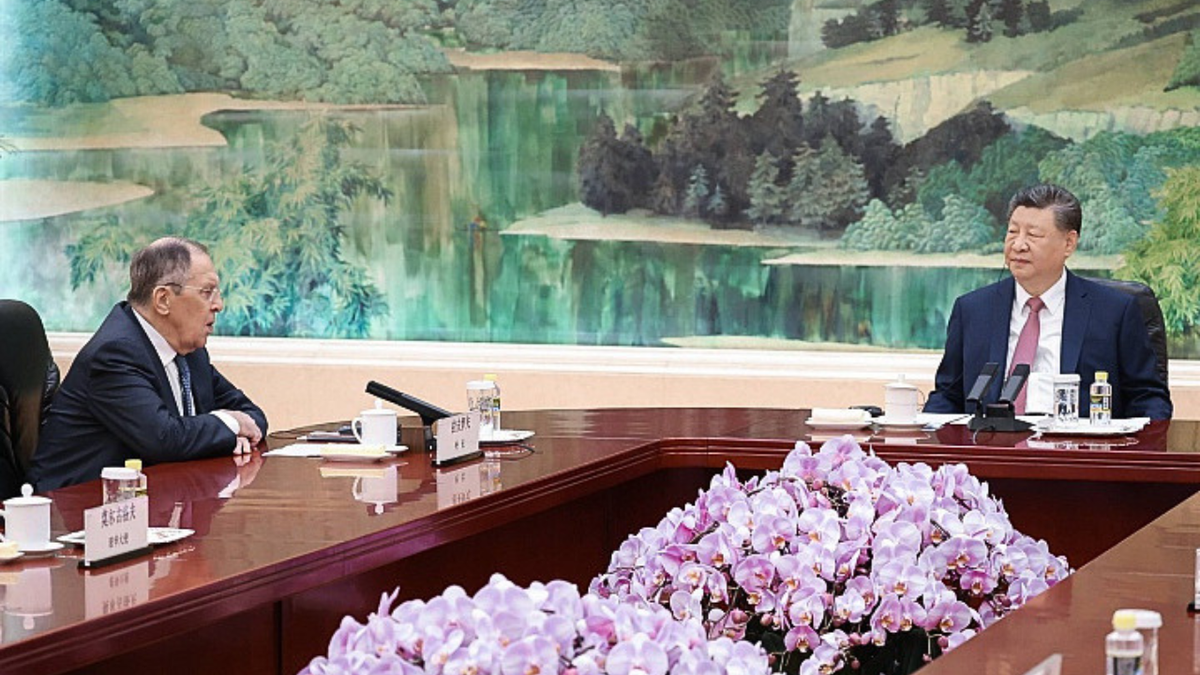
Russian foreign minister Sergey Lavrov and Chinese President Xi Jinping participate in a bilateral meeting in Beijing, China. April 15, 2026. (Russian Ministry of Foreign Affairs)
«The president doesn’t want to leave the next president or the president after that to be worrying about this program so we would like to get that material out of the country completely so that the United States has control over it.
PAKISTANI GENERAL SAYS IRAN DIPLOMACY STILL ALIVE, DESPITE US BLOCKADE, FAILED TALKS
Despite the U.S. hard line, Russia’s top diplomat appeared to openly defy the U.S. demand, speaking in strong terms against what he viewed as American global control.

Russian foreign minister Sergey Lavrov shakes hands with Chinese president Xi Jinping during a bilateral meeting in Beijing, China. April 15, 2026 (Russian Ministry of Foreign Affairs)
«Neither China nor Russia, nor the majority of countries throughout the world, can accept this approach,» Lavrov said in remarks posted to a Russian state website.
The peace talks in Iran stalled, according to Vance, because of their refusal to completely give up their nuclear program. Nuclear experts praised the decision.
«The U.S. team was wise to walk away once it became clear the Iranians would not agree to Washington’s core nuclear demands. Tehran maintaining enriched uranium stocks and uranium enrichment capabilities provides it with a pathway to nuclear weapons, plain and simple,» Andrea Stricker, deputy director of the Foundation for Defense of Democracies’ nonproliferation program, told Fox News Digital.
CLICK HERE TO DOWNLOAD THE FOX NEWS APP
Fox News Digital contacted the U.S. State Department and the Russian Foreign Ministry for comment but did not hear back immediately.
Fox News Digital’s Benjamin Weinthal contributed to this report.
iran, nuclear proliferation, xi jinping, foreign affairs, israel, russia
INTERNACIONAL
Border czar Homan fires back at Pope Leo, explains what Vatican leaders ‘don’t know’ about immigration
NEWYou can now listen to Fox News articles!
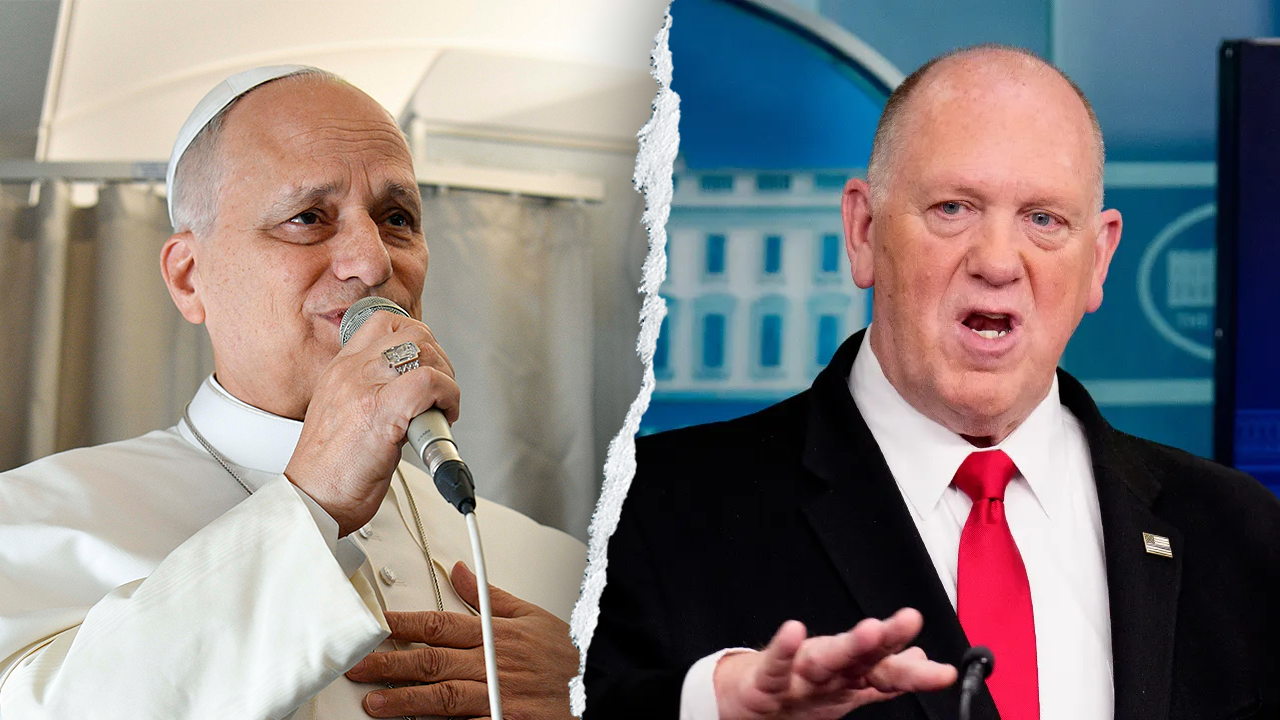
President Donald Trump’s border czar, Tom Homan, revealed that he would «welcome» a discussion with Pope Leo XIV amid the administration’s ongoing spat with the Vatican over disagreements on immigration policy and the Iran conflict.
Differing from Vice President JD Vance, who said that «in some cases it would be best for the Vatican to stick to matters of morality,» Homan said he is «open to discussion with any of them.»
Speaking to reporters outside the White House, Homan, a «lifelong Catholic,» said, «I wish they’d stay out of immigration, they don’t know what they’re talking about.»
However, Homan asserted that the pope’s opinion would change if he understood that «illegal immigration is not a victimless crime.»
POPE LEO CALLS OUT TRUMP’S IRAN RHETORIC BEFORE LAST-MINUTE CEASEFIRE EMERGES
Trump administration border czar Tom Homan, right, said he would «welcome» a discussion with the Vatican about immigration policy amid the administration’s feud with the Holy See. (Andrew Harnik/Getty Images; Matteo Pernaselci – Vatican Media via Vatican Pool/Getty Images)
«If they wore my shoes for 40 years, and talked to a 9-year-old girl that got raped multiple times, or stood in the back of a tractor trailer with 19 dead aliens at my feet, including a 5-year-old boy that baked to death, if they understood the atrocities that happened on the open border, I think their opinion would change,» he said.
Trump’s border czar went on to say that despite intense criticism over the president’s immigration policy, «He’s saving thousands of lives a year because he has a secure border.»
«Where President Trump had the most secure border in the lifetime of this nation, right now, lives are being saved,» he emphasized.
In light of this, Homan said, «I welcome discussion with any of them, because they don’t understand illegal immigration is not a victimless crime.»
«Human traffickers are out of business, right? The cartels are going bankrupt because of that secure border. I wish they’d understand that,» he lamented. «Because if they did, I think they’d have a different opinion.»
Fox News Digital reached out to the Holy See for comment.
POPE LEO PICKS NEW VATICAN AMBASSADOR TO US AS TRUMP TENSIONS MOUNT OVER POLICIES
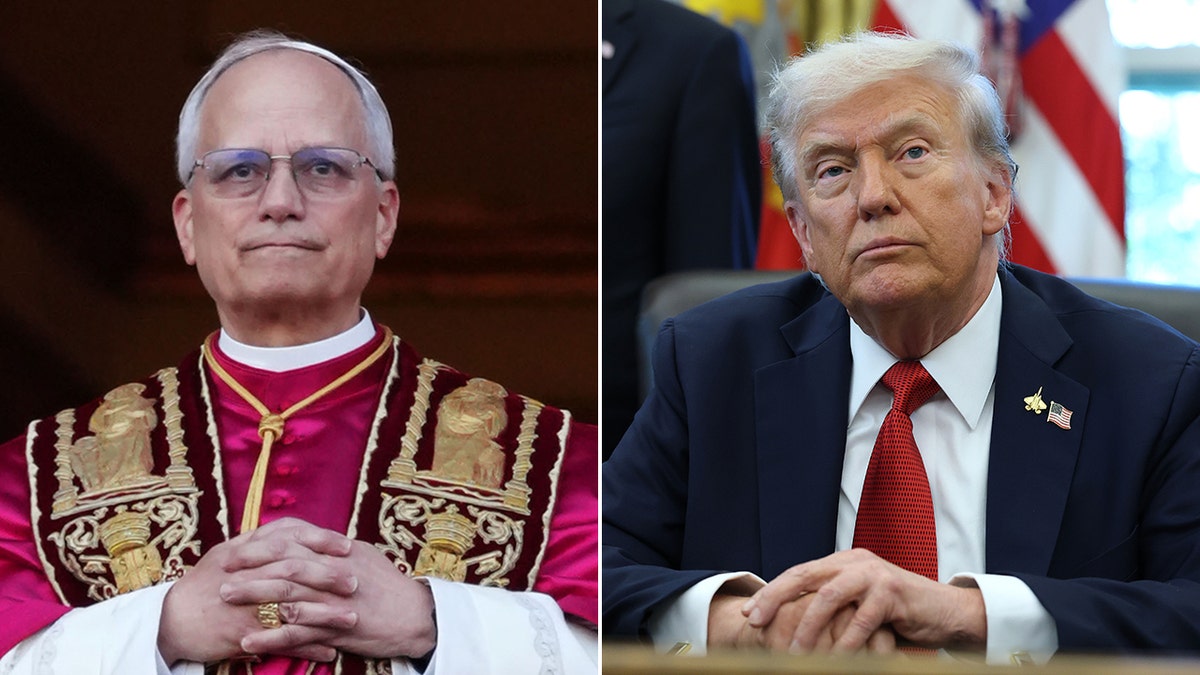
Pope Leo XIV and President Donald Trump (Christopher Furlong/Getty Images; Anna Moneymaker/Getty Images)
Leo has said that «no one has said that the United States should have open borders» and stressed, «I think every country has a right to determine who and how and when people enter.» However, he has also taken a critical tone of the administration’s interior immigration enforcement tactics.
«When people are living good lives, and many of them for 10, 15, 20 years, to treat them in a way that is extremely disrespectful, to say the least, and there’s been some violence, unfortunately, I think that the bishops have been very clear in what they said. I think that I would just invite all people in the United States to listen to them,» the pope has said.
Trump criticized the pope’s positions on Sunday in a scathing rebuke on Truth Social.
«Pope Leo is WEAK on Crime, and terrible for Foreign Policy,» Trump began in a lengthy post.
«Leo should get his act together as Pope, use Common Sense, stop catering to the Radical Left, and focus on being a Great Pope, not a Politician. It’s hurting him very badly and, more importantly, it’s hurting the Catholic Church,» he concluded.
Regarding the Iran conflict, Trump told reporters, «We don’t like a pope that’s going to say that it’s OK to have a nuclear weapon.»
«We don’t want a pope that says crime is OK in our cities. I don’t like it,» Trump added. «I’m not a big fan of Pope Leo. He’s a very liberal person, and he’s a man that doesn’t believe in stopping crime.»
BISHOP BARRON SAYS TRUMP ‘OWES THE POPE AN APOLOGY’
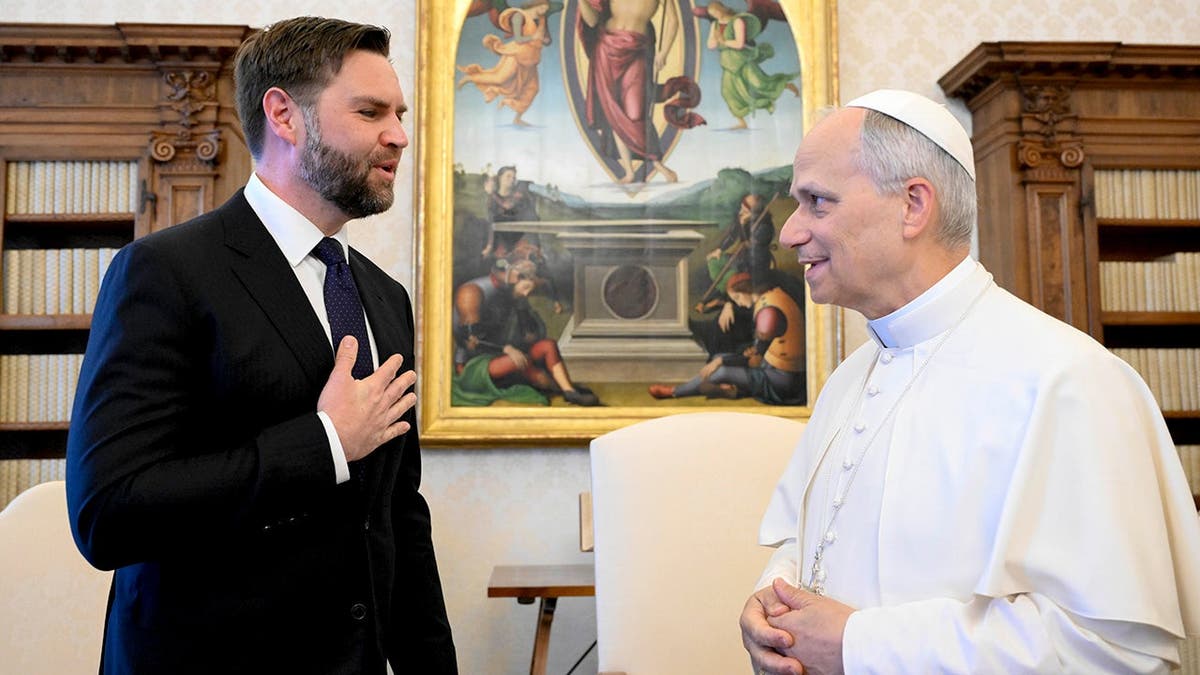
Pope Leo XIV met with Vice President JD Vance on May 19, 2025, in Vatican City. (Vatican Media/Vatican Pool – Corbis/Getty Images)
In response, Leo told reporters on Monday, «I have no fear of the Trump administration.»
«The things that I say are certainly not meant as attacks on anyone,» he also said, adding, «I don’t think that the message of the Gospel is meant to be abused in the way that some people are doing. I will continue to speak out loudly against war, looking to promote peace, promoting dialogue and multilateral relationships among the states to look for just solutions to problems.»
«Too many people are suffering in the world today,» Leo added. «Too many innocent people are being killed. And I think someone has to stand up and say there’s a better way.»
CLICK HERE TO DOWNLOAD THE FOX NEWS APP
For his part, Vance, who has been very vocal about his conversion to Catholicism, told Fox News’s Bret Baier Monday, «I certainly think that in some cases, it would be best for the Vatican to stick to matters of morality… and let the president of the United States stick to dictating American public policy.»
Vance, who has visited the Vatican twice as vice president, dismissed the feud, saying, «We certainly have a good relationship with the Vatican, but we’re also [going to] disagree on substantive questions from time to time. I think that’s a totally reasonable thing.»
pope leo xiv, immigration, vatican, border security, tom homan

Trump publica otra imagen de Jesús en medio de la pelea con el Papa: «A la izquierda radical no le va a gustar»

Guillermo Francos admitió que no descarta volver a la política y ser candidato en 2027: “Tengo la idea de competir”

Rafael Grossi es el único argentino en la lista de las 100 personalidades más influyentes del año que publica Time

Derrumbe de las textiles: ahora cerró una marca que vendía buzos y remeras a precio de fábrica

River Plate buscará treparse a la cima de su zona en la Copa Sudamericana ante Carabobo: hora, TV y formaciones

¡Estremecedor! El tierno video de una madre con su beba: luego la abandonó con vida en una obra en construcción, donde murió

Participantes for export: Furia Scaglione y Coty Romero volverán a convivir en un reality español

La Libertad Avanza suma territorialidad en Córdoba y se ilusiona con el desgaste peronista: las tensiones con la UCR

Los cuestionamientos a Manuel Adorni llegan a España, donde ya lo comparan con el caso de un ministro de Pedro Sánchez preso

Russia seizes control of US-linked firm as it pushes for renewed ties with Washington

 INTERNACIONAL3 días ago
Los cuestionamientos a Manuel Adorni llegan a España, donde ya lo comparan con el caso de un ministro de Pedro Sánchez preso
- POLITICA2 días ago
El mensaje que le mandó la escribana de Adorni a una de las testigos en la causa por enriquecimiento ilícito
- INTERNACIONAL3 días ago
Pope Leo XIV to visit fastest-growing Catholic continent during 4-nation Africa trip