INTERNACIONAL
Dos hermanos reciben 15 años de cárcel por delitos contra menores en Panamá

La Justicia panameña dictó nuevas condenas en distintos casos penales que incluyen delitos sexuales, homicidios, robo agravado y femicidio, tras procesos en los que el Ministerio Público logró sustentar con pruebas periciales, testimoniales y documentales la responsabilidad penal de los implicados.
Las decisiones se producen en medio de una agenda judicial activa que abarca hechos ocurridos entre 2021 y 2024 en diversas regiones del país.
En uno de los casos más graves, dos hombres que son hermanos fueron condenados a 15 años de prisión por los delitos de abuso sexual y privación de libertad, tras un juicio oral de tres días en el que la Fiscalía Regional de Chiriquí presentó evidencias contundentes.
Los hechos ocurrieron en 2024, en el corregimiento de Sortová, distrito de Bugaba, donde los condenados, mediante intimidación, abusaron de una menor de edad y además retuvieron contra su voluntad a dos menores dentro de una residencia.
Durante el proceso, el tribunal de juicio oral valoró pruebas materiales, documentales y testimoniales, lo que permitió emitir un fallo condenatorio contra ambos imputados.

La privación de libertad de las víctimas, sumada a la violencia ejercida, fue determinante para establecer la gravedad de la conducta penal. Este caso se enmarca dentro de los esfuerzos del Ministerio Público por sancionar delitos contra la integridad de menores, considerados de alta prioridad dentro del sistema judicial.
En otro proceso, la Fiscalía Metropolitana, a través de la Sección de Homicidio y Femicidio, logró una sentencia de 30 años de prisión contra un hombre identificado como alias “Chombolín”, hallado culpable de homicidio doloso agravado.
El tribunal también impuso una pena accesoria de inhabilitación para ejercer funciones públicas por 10 años, una vez cumplida la condena principal.
El hecho ocurrió el 6 de marzo de 2023, en el corregimiento de Las Mañanitas, específicamente en el Sector 20, donde el sentenciado, en complicidad con un menor de edad, realizó disparos con arma de fuego contra la víctima, provocándole la muerte.
La Fiscalía logró acreditar la responsabilidad penal mediante testimonios y peritajes, consolidando el caso ante el tribunal.
En una causa distinta, relacionada con delitos contra el patrimonio, la Sección de Asistencia a Juicio de la Fiscalía Metropolitana obtuvo una sentencia de 15 años de prisión para un hombre por robo agravado, en hechos ocurridos el 5 de junio de 2021 en el corregimiento de Betania.

El fallo se produjo luego de audiencias realizadas los días 19 y 25 de marzo de 2026, donde se expuso la teoría del caso y se presentaron múltiples elementos probatorios.
De acuerdo con la investigación, el condenado actuó junto a dos personas no identificadas, quienes ingresaron a una residencia en Villa Cáceres y, mediante amenaza con arma de fuego, despojaron a las víctimas de celulares y dinero en efectivo. Además de la pena principal, el tribunal impuso una inhabilitación para ejercer funciones públicas por seis años, una vez cumplida la condena.
Finalmente, en la provincia de Darién, la Fiscalía Regional logró una condena de 30 años de prisión por el delito de femicidio, tras demostrar la culpabilidad de un hombre en perjuicio de su pareja sentimental.
El hecho ocurrió la noche del 16 de noviembre de 2024, en el distrito de Chepigana, donde el agresor utilizó un arma blanca para cometer el crimen.
En este caso, el Ministerio Público sustentó la acusación con pruebas documentales, periciales y testimoniales, que permitieron establecer la responsabilidad penal del acusado.

La violencia de género y el vínculo entre víctima y victimario fueron elementos clave en la tipificación del delito como femicidio, uno de los crímenes más severamente sancionados por la legislación panameña.
A la fecha, se han registrado 158 homicidios en el país. Según las autoridades panameñas, 76% de esos casos guarda relación con estructuras vinculadas al narcotráfico. Las estadísticas oficiales reflejan que la mayor cantidad de homicidios en 2026 se concentra en el distrito de Panamá, con 58 casos; seguido de San Miguelito, con 28; Colón, con 23; y Arraiján, con 13.
mazo,juez,justicia,ley,tribunal,derecho,legal,autoridad,corte













INTERNACIONAL
Estados Unidos e Irán buscan retomar el alto el fuego mientras se discute un acuerdo sobre el estrecho Ormuz
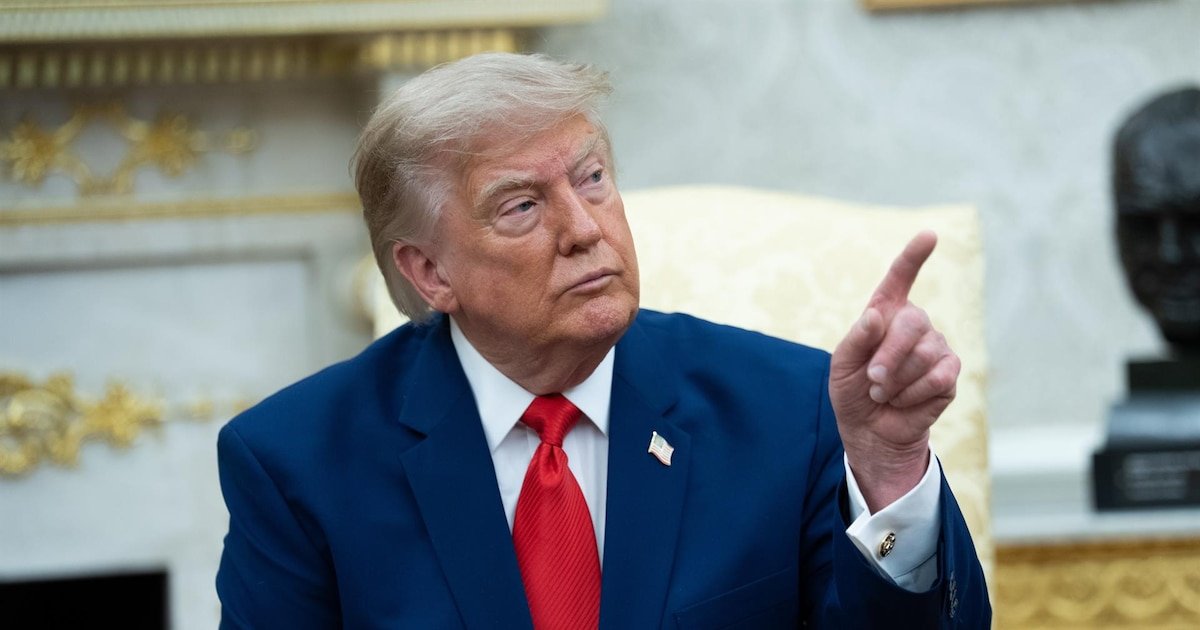
La Casa Blanca afirmó el sábado que el presidente de Estados Unidos, Donald Trump, mantiene “todas las opciones sobre la mesa” en relación a la guerra contra el régimen de Irán, luego de los informes de medios estadounidenses sobre un aplazamiento de los planes del mandatario respecto a la intensificación de las operaciones militares del Comando Central de EEUU (CENTCOM) en Medio Oriente.
“El presidente Trump siempre ha sido coherente al afirmar que prefiere una solución diplomática, pero mantiene todas las opciones abiertas si Irán continúa con sus actividades terroristas en el estrecho de Ormuz o contra sus aliados”, declaró Steven Cheung, director de comunicaciones de la residencia presidencial, en diálogo con Fox News Digital.
Cheung sostuvo que tras las sanciones que, según sus palabras, “paralizaron la economía de Irán” y 13 días consecutivos de bombardeos contra objetivos militares iraníes, “sería prudente que Irán buscara un acuerdo negociado“. ”De lo contrario, ya saben lo que sucederá”, sentenció.
El viernes, Trump aseguró que Washington y Teherán están negociando, aunque remarcó que, bajo su mirada, el régimen no está listo para un nuevo acuerdo que ponga fin a la guerra en la región. “A veces no quieren decir que quieren hacer un trato. Quieren ser los duros, pero sí quieren hacer un trato”, señaló.
Según reportó este domingo la agencia Associated Press citando a un funcionario regional involucrado en los esfuerzos de mediación, tanto Washington como Teherán buscan reactivar un acuerdo de alto el fuego provisional y, para ello, mantienen negociaciones sobre un posible compromiso para gestionar el tránsito marítimo en el estrecho de Ormuz con menos restricciones a la navegación.

La fuente, que pidió anonimato por no estar autorizado a declarar públicamente sobre las conversaciones, señaló que la reciente pausa de los bombardeos del CENTCOM y las represalias iraníes contra países vecinos con presencia militar estadounidense representa “una señal positiva que ayuda a sus esfuerzos por reducir la tensión”.
De acuerdo con el medio, la propuesta en discusión contempla que Irán supervise el paso de buques por el estrecho de Ormuz, limitando las restricciones impuestas a la navegación internacional. Las conversaciones continúan en busca de una solución que satisfaga a ambas partes y disminuya el riesgo de escalada en la región.
No obstante, el CENTCOM detalló que el bloqueo naval impuesto a los puertos de Irán sigue vigente y que el Ejército estadounidense está “en estado de máxima alerta”. En ese sentido, el cuerpo militar que opera en Medio Oriente agregó que desvió 12 buques comerciales y desactivó dos embarcaciones por no cumplir con las restricciones.
Por su parte, Irán anunció el domingo que logró avances en las conversaciones con Omán sobre los mecanismos para garantizar una navegación segura en el estrecho de Ormuz, en medio del bloqueo de facto que mantiene el país persa sobre la vía marítima.
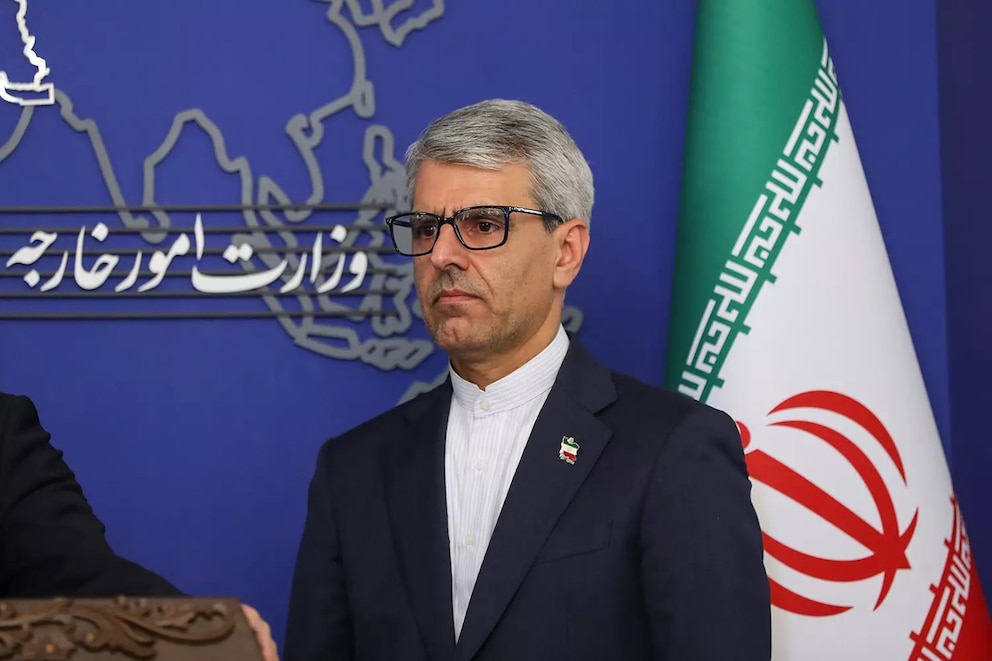
El portavoz del Ministerio de Asuntos Exteriores iraní, Esmaeil Baghaei, explicó que el viernes y sábado se desarrollaron varias rondas de negociaciones en Teherán entre los viceministros de Asuntos Exteriores de ambos países.
“Ambas partes intercambiaron puntos de vista sobre principios comunes y mecanismos operativos para gestionar el paso seguro de los buques en el estrecho de Ormuz, respetando al mismo tiempo los derechos soberanos de los dos estados ribereños”, indicó Baghaei.
El funcionario calificó las conversaciones como “útiles” y aseguró que “se lograron avances”, aunque detalló que la delegación omaní dejó la capital iraní el sábado por la tarde. Las “consultas técnicas y políticas entre ambas partes continuarán”, aseguró y subrayó que “por el momento, no ha habido ningún cambio en la situación del transporte marítimo a través del estrecho de Ormuz”. Por ende, el régimen mantiene el bloqueo sobre el estratégico paso marítimo en Medio Oriente.
(Con información de Associated Press)
Middle East
INTERNACIONAL
Here’s what you missed from Trump’s first WHCA Dinner as president: 5 takeaways from his night with the press
NEWYou can now listen to Fox News articles!
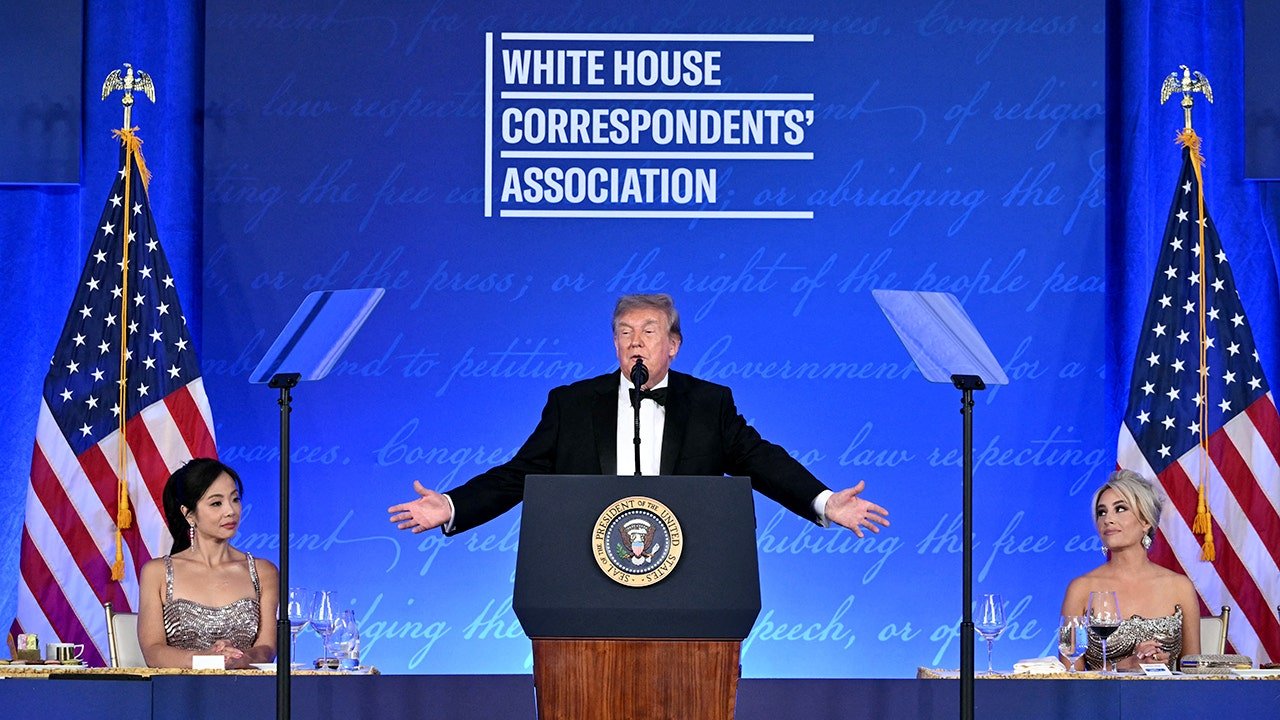
President Donald Trump attended the annual White House Correspondents Association (WHCA) Dinner Friday night for the first time in either of his two presidential terms.
The event was rescheduled from its original April 25 date after a crazed gunman allegedly tried to assassinate the 47th president, bull rushing security with several weapons and firing a shot before he was taken into custody.
Here are five top highlights from the dinner:
TRUMP HEADS BACK TO CORRESPONDENTS’ DINNER MONTHS AFTER GUNFIRE FORCED EVACUATION
1. Journalists, Trump share heartfelt moments
Trump and the press typically find themselves at odds, and while Friday night had its share of uncomfortable moments, both sides were able to find some common ground — especially after sharing a scary moment at the originally scheduled dinner in April.
Before presenting one of the many awards of the night, ABC’s Jon Karl thanked the president for his attendance.
«Mr. President, I want to say it matters that you came here tonight,» said Karl. «For more than 100 years, presidents have chosen to sit in a room of reporters who asked tough and often uncomfortable questions, and who report without fear or favor. It’s important. Thank you for being here.»
TRUMP PRAISES PRESS AFTER WHCD SHOOTING, SAYS UNITY AT DINNER WAS ‘BEAUTIFUL’
WHCA outgoing President and the dinner’s emcee Weijia Jiang also had kind words for the president, just before she introduced him to speak and after discussing the importance of the First Amendment.
«President Trump, I’ve covered you for a long time, and so have many reporters in this room. When we ask questions, you push back, you give us answers and we push back,» she said. «You have always been a deal guy. Well, that’s the deal. And the First Amendment is a done deal. And that’s what we toast tonight. The freedoms that brought us back together even after they were threatened.»
«So let’s raise a glass to what makes ours a beautiful country.»
Later in the night, Trump concluded his speech with a warm message for the press delivered in his own style.
White House Press Secretary Karoline Leavitt and US President Donald Trump attend the 2026 White House Correspondents’ Association (WHCA) Dinner at the Waldorf Astoria in Washington, DC, on July 24, 2026. The 2026 WHCA Dinner was originally scheduled for April 25 at the Washington Hilton, but was rescheduled and relocated after an alleged gunman breached security. (Mandel NGAN / AFP via Getty Images)
JOURNALISTS DEMAND WHITE HOUSE CORRESPONDENTS’ ASSOCIATION ‘SPEAK TRUTH TO POWER’ IN NEW DINNER WITH TRUMP
«I just want to say, this room — I have tremendous respect for the people in this room,» Trump said.
«Sometimes I don’t feel you treat me fair, maybe you do, I don’t know,» he continued. «I don’t feel that. But sometimes you treat me fairly, and I have a lot of respect for your profession. It’s amazing. And I just want to thank you for having me, and it’s been fun.»
2. Trump razzes the press and members of his cabinet
Trump made a series of jokes throughout his speech, some targeting the press, and others targeting people he appointed to positions of power.
Health and Human Services Secretary Robert F. Kennedy Jr. was on the receiving end of a quip from the 47th president after Trump told attendees he hoped they enjoyed their beef tenderloin dinner.
«I want you all to know that Bobby Kennedy, who’s right here, personally ran over the cow with his car,» he jabbed. «And he cut it up and he brought it here for you to eat tonight.»
Kennedy is well known for his eccentric history with animals, including once saying he captured a raccoon and cut its genitals off, viral videos of him catching dangerous snakes and once using a chainsaw to remove the head of a dead whale that washed up on Cape Cod.
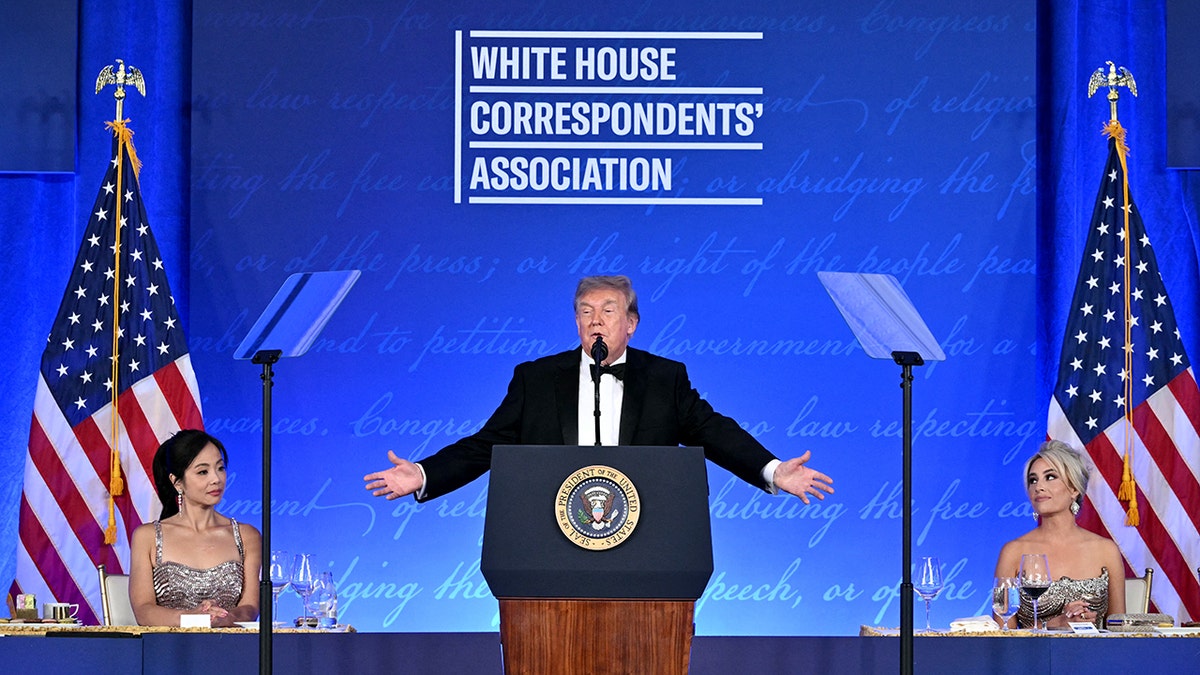
US President Donald Trump speaks during the 2026 White House Correspondents’ Association (WHCA) Dinner at the Waldorf Astoria in Washington, DC, on July 24, 2026. The 2026 WHCA Dinner was originally scheduled for April 25 at the Washington Hilton, but was rescheduled and relocated after an alleged gunman breached security. (Mandel NGAN / AFP via Getty Images)
«Bobby also suggested an appetizer featuring his favorite cut of male raccoon roadkill. But we drew the line at that,» the president went on. «We said, ‘No, we’re not doing that.’»
Kennedy is also known for pushing a more red-meat centric diet and has embraced the push for restaurants to use beef tallow to fry their food instead of seed oils.
Trump also joked about the shooting at the first WHCA dinner earlier this year, which pro-MAGA rapper Nikki Minaj attended.
«But after hearing the gunshots, many people yelled, ‘get down, get down!’ Which caused Nicki Minaj to start twerking, do you believe? Get down! She’s the only one that really understood what that meant,» Trump joked, earning laughter from the tough crowd.
Throughout his speech, he repeatedly used one of his famous phrases — referring to the press as «fake news,» but took some direct shots at certain outlets and figures.
He unexpectedly flipped the script in a misdirection from what seemed like an update on the Iran war.
«A once feared and powerful regime that relentlessly attacked America has finally been toppled,» he said. «Their former leaders have been removed and they’re now being run by a gay dictator facing internal divisions. But I, for one, wish Bari Weiss all the best at CBS News.»
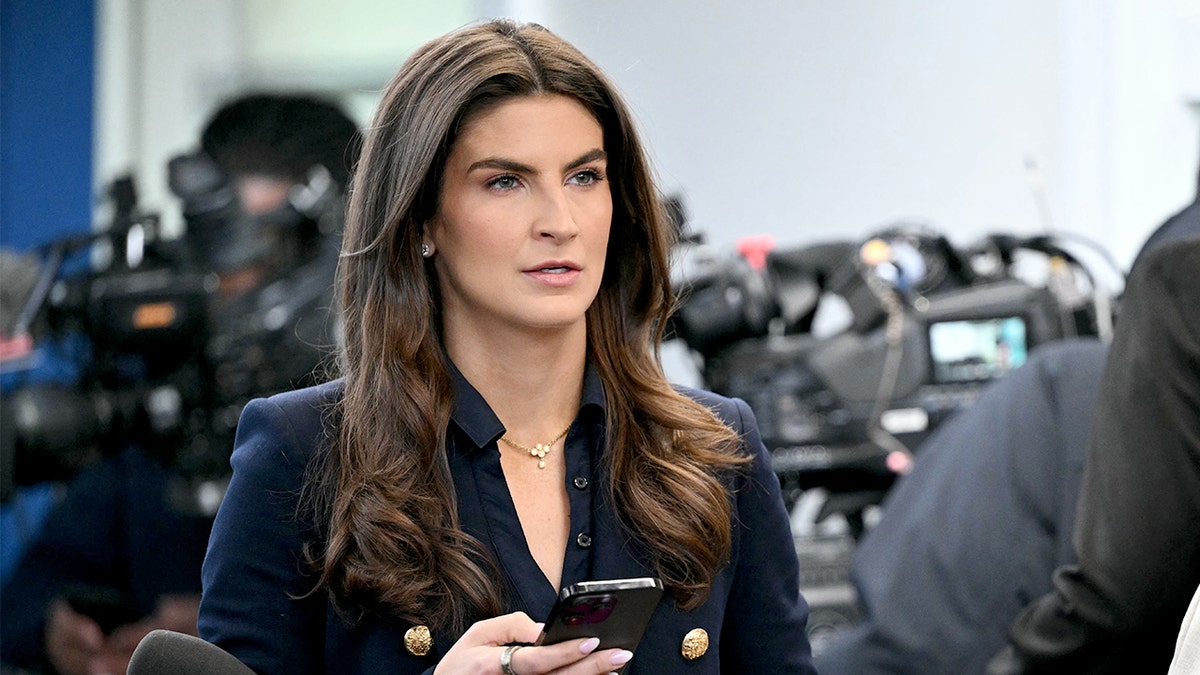
CNN reporter Kaitlan Collins looks on before the start of the press briefing with White House Press Secretary Karoline Leavitt in the Brady Briefing Room of the White House in Washington, DC, on January 7, 2026. (Mandel Ngan / AFP via Getty Images)
Trump’s nemesis, Kaitlan Collins of CNN, was also on the receiving end of a brutal blow.
«I thought Kaitlan Collins had really made it big with a major new sponsorship, but then I informed her that it wasn’t her on the Bud Light can, it was Dylan Mulvaney,» he said, referencing the beer brand’s failed marketing campaign featuring a transgender influencer.
3. Unsuspecting Todd Blanche yanked into mentalist Oz Pearlman’s routine
Acting Attorney General Todd Blanche, who is currently in the confirmation process to take on the job full-time, became part of mentalist Oz Pearlman’s routine to close out the night.

Acting Attorney General Todd Blanche appears at a confirmation hearing before the Senate Judiciary Committee on Capitol Hill in Washington, D.C., July 15, 2026. (Eric Lee/Getty Images)
In a convoluted bit, Oz asked Blanche to make up an amount of money he had in his wallet. Blanche said $130, but Oz guessed the correct amount — $85. Then, Oz asked a man sitting next to Blanche to choose a single bill from Blanche’s wallet, and then had Blanche sign it. Blanche signed it, and was instructed to sit on it.
For the remainder of the act, Oz asked members of the crowd to stand — including Fox News’ Kevin Corke — and dream up a person dead or alive who they wished they could interview. He guessed several of interview subjects’ names correctly, and even enlisted the help of a member of the crowd, who also made correct guesses.
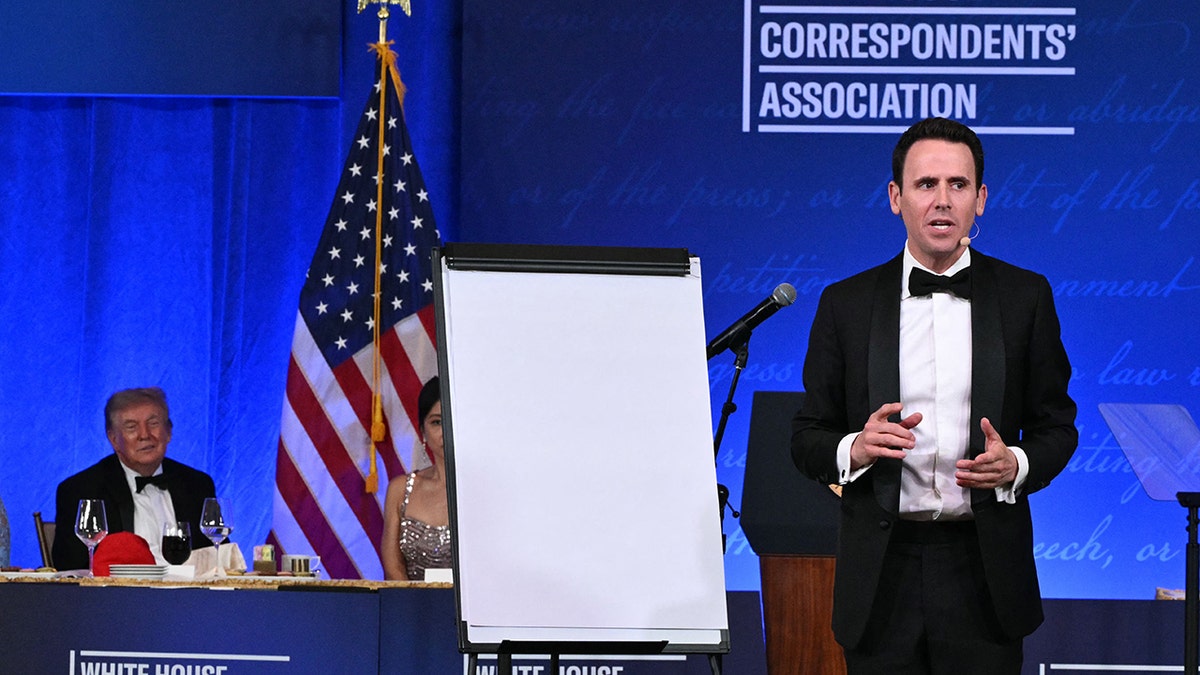
Israeli-US magician Oz «Oz the Mentalist» Pearlman performs during the 2026 White House Correspondents’ Association (WHCA) Dinner at the Waldorf Astoria in Washington, DC, on July 24, 2026. The 2026 WHCA Dinner was originally scheduled for April 25 at the Washington Hilton, but was rescheduled and relocated after an alleged gunman breached security. (Mandel NGAN / AFP via Getty Images)
After that, he enlisted audience members, one of which was former National Security Administrator and current U.S. Ambassador to the United Nations Mike Watlz, to chose important dates and random numbers. When multiplied, those numbers equaled 53,670,682.
Oz then turned back to Blanche and asked him to stand up and look at the serial number of the bill he was sitting on. Audience members were stunned to find out it was No. 53670682.
4. Trump reveals how he communicates with the press
Trump explained that he was tired of asking his communications team, Karoline Leavitt and Steven Cheung, if he had received any calls from the press. So instead he started to give journalists his direct line, which has turned out to be a disaster.
«That was the stupidest thing I ever did,» the president said. «I’m getting a call every 3.7 minutes.»
«Every once in a while, it’ll be one of the people in this room that I like and I’ll pick it up,» he said, referencing taking phone calls from Fox News’ Jacqui Heinrich and joking that she only wants to discuss «horrible» subjects.
But he said that other callers are from outlets that he has never heard of or are just starting out.
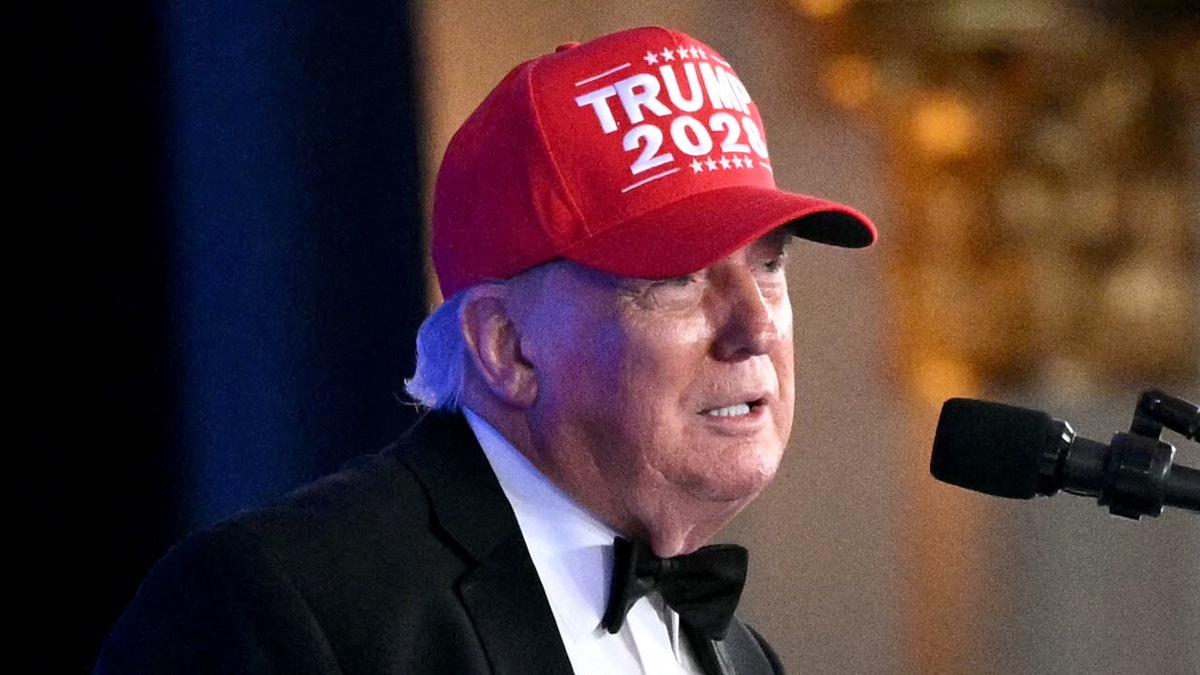
US President Donald Trump wears a «Trump 2028» hat while he speaks during the 2026 White House Correspondents’ Association (WHCA) Dinner at the Waldorf Astoria in Washington, DC, on July 24, 2026. The 2026 WHCA Dinner was originally scheduled for April 25 at the Washington Hilton, but was rescheduled and relocated after an alleged gunman breached security. ( )
«You know, I pick up every once in a while, ‘hello, I’m from Reno, Nevada. We’re a startup paper. We’re calling us the Reno Express,’» Trump continued. «I’ll say, ‘Do you believe it, I’m the president of the United States.’»
«‘Mr. President, could I have your views on Iran?’ And I just hang up,» Trump continued. «No, I get the craziest calls. I mean, some of them. My wife said, I can’t believe you do this. This is a hell of a way to live.»
5. Trump announces he WILL attend the 2027 WHCA Dinner, unless…
Trump had never attended the WHCA Dinner in either of his two presidencies, a total of five years, breaking with long-held tradition for a night of comradery with the press and government officials. His attendance Friday night was a major storyline — especially after the event in April was foiled by a lone gunman.
The president laid his plans for next year towards the conclusion of his hour-and-four-minute remarks.
«It’s an honor to do it,» Trump said of his attendance. «I’ve been to it numerous times, but as president, I haven’t been here, and I’m glad.»
CLICK HERE TO DOWNLOAD THE FOX NEWS APP
Trump expects to attend again in 2027, but joked that his decision could depend on how the press behaves.
«They said, ‘Would you do it next year?’ I said, ‘I will be back next year,’» Trump said. «Now if you get really, really nasty, maybe not. I don’t know. But we’re going to be back next year.»
Trump attended the WHCA Dinner in 2011 and 2015, when he was a successful businessman, real estate tycoon and reality television personality.
white house, donald trump, politics, robert f kennedy jr, media, first amendment
INTERNACIONAL
Alemania emitió una orden de búsqueda y captura contra el sospechoso del atropello múltiple en Berlín que dejó un muertos y 16 heridos
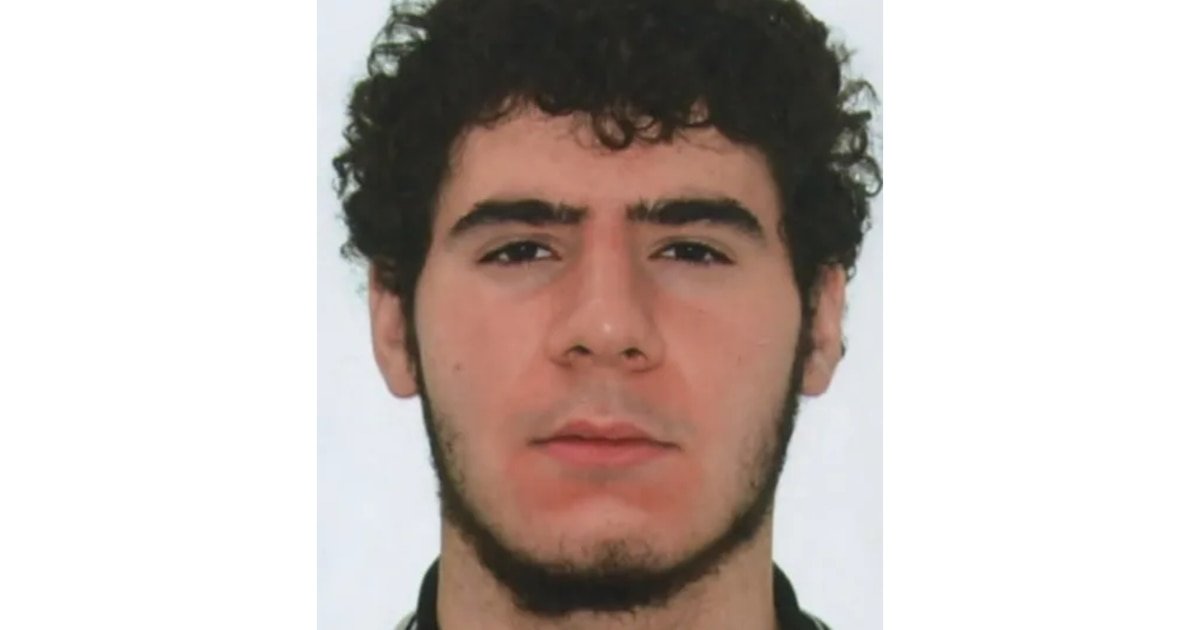
Las autoridades de Alemania emitieron este domingo una orden de búsqueda y captura para un sospechoso prófugo por el atropello masivo con un vehículo en el festival del Orgullo de Berlín, hecho que dejó una persona muerta y al menos 16 heridas. La Policía local y la Fiscalía solicitaron colaboración de la ciudadanía para localizar a Abdul B. identificado como el presunto responsable.
Según el detalle policial, el hombre es descrito como un joven de 21 años con una contextura física delgada, una altura aproximada de 1,90 metros y con cabello color negro. Al momento del suceso, habría portado una remera negra con capucha y pantalones blancos.
A su vez, el informe oficial remarca que el incidente ocurrió la noche del sábado, cuando una camioneta blanca ingresó al parque Tiergarten alrededor de las 22:00 (hora local) y atropelló a varias personas antes de estrellarse contra un árbol.
El aviso público también advirtió a la población contra el “contacto directo” con el sospechoso, señalando que podría estar armado y ser peligroso.
En las cercanías se celebraba la clausura del festival del Orgullo, Christopher Street Day, tras un desfile que reunió a unos 80 camiones y cientos de miles de personas. Las autoridades añadieron que, además de las víctimas del atropello, varias personas también resultaron apuñaladas y que uno o más ocupantes habrían abandonado el vehículo tras el impacto.
La policía había indicado previamente que Abdul B. tendría vínculos con círculos islámicos en Berlín. “La policía conoce al sospechoso. Sabemos que pertenece a círculos islámicos aquí en Berlín, y nuestra búsqueda de esta persona avanza a toda velocidad”, declaró el portavoz Florian Nath, quien agregó que “los investigadores no tenían información sobre sus motivos específicos”.
La policía informó que una mujer falleció a causa del atropello. Los bomberos de Berlín precisaron que tres personas permanecen en estado crítico, ocho sufrieron heridas graves y cinco presentan lesiones leves.
Un vehículo atropelló a una multitud en Berlín
El evento del Orgullo en la Puerta de Brandeburgo, considerado una de las mayores celebraciones LGBTQ+ de Europa, fue cancelado a las 22:15 y se interrumpió la actuación de una banda sobre el escenario. Se instó a los asistentes a regresar a sus hogares y evitar el área del parque.
Los principales referentes políticos de Alemania repudiaron este domingo el atropello masivo. El canciller alemán, Friedrich Merz, calificó el hecho como un “acto atroz” a través de un portavoz en declaraciones al diario Tagesspiegel. Merz afirmó que mantiene “estrecho contacto con el ministro del Interior, Alexander Dobrindt”, y que los servicios de seguridad le informan de la evolución del caso. El ministro del Interior ofreció el respaldo de las autoridades federales al Gobierno local de Berlín tras el suceso, según confirmó un portavoz del Ejecutivo, citado por la agencia alemana DPA.

El alcalde de Berlín, Kai Wegener, describió lo ocurrido como “un ataque brutal a nuestra sociedad libre y cosmopolita”. En sus redes sociales, Wegener expresó: “Berlín es la ciudad de la libertad, y nuestra libertad ha sido atacada hoy de la manera más terrible. Mis pensamientos están con las víctimas, sus familias y amigos”. Además, agradeció a las autoridades por “hacer todo lo que estaba en su poder”.
El candidato a la presidencia del partido democristiano CDU, Stefan Evers, agradeció directamente a la Policía berlinesa por su intervención y aseguró que “llegarán las consecuencias” para quienes “han golpeado a nuestra ciudad directamente en el corazón”. Hasta el momento, ningún dirigente principal del partido ultraderechista Alternativa por Alemania (AfD) se ha pronunciado sobre el incidente.
(Con información de Associated Press y Europa Press)
International,Relations,Diplomacy / Foreign Policy,Europe

El video de Luck Ra en medio de su separación de La Joaqui que armó un escándalo: «Qué carajo voy a hacer»

El Gobierno, cerca de un acuerdo para suspender las PASO: el apuro del calendario y la posible alianza para 2027

Múnich 1958: la tragedia aérea que marcó para siempre la historia del Manchester United

Detuvieron al hijo de un ex intendente de Santiago del Estero por violencia de género, amenazas y extorsión a una menor

Clima de Negocios: la nueva Aerolíneas Argentinas busca su destino con números en caja y la privatización postergada

Los libertarios ante el desafío de conseguir el primer gobernador violeta y las provincias donde creen tener chances

Jorge Berredo, general retirado de las FFAA, asumió como Secretario de Seguridad en San Isidro

Sin la anestesia mundialista, aflora la crisis del conurbano y Milei necesita reconectar con lo popular
Marc Stanley destacó el potencial de Vaca Muerta para “estabilizar la economía” y evitó hablar de política interna

Senado: Bullrich y Sturzenegger cierran filas para tratar de avanzar con la extranjerización de tierras

 POLITICA3 días ago
Sin la anestesia mundialista, aflora la crisis del conurbano y Milei necesita reconectar con lo popular
- POLITICA3 días ago
Marc Stanley destacó el potencial de Vaca Muerta para “estabilizar la economía” y evitó hablar de política interna
- POLITICA2 días ago
Senado: Bullrich y Sturzenegger cierran filas para tratar de avanzar con la extranjerización de tierras