
INTERNACIONAL
El etnógrafo que estudia cómo Ucrania le ganó a Rusia la guerra de los memes: “La propaganda es aburrida”

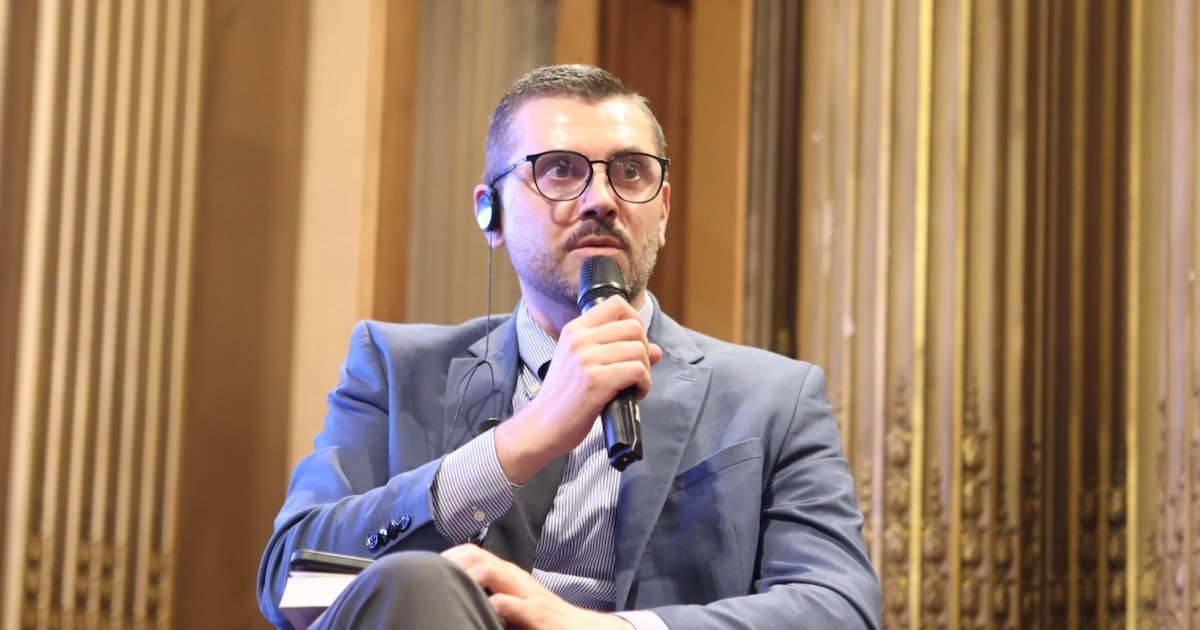
Oleksandr Pankieiev pide un café en un bar de Buenos Aires y aclara que la propaganda es un tema que estudia desde hace quince años, pero desde un ángulo al que no siempre se presta atención: el del trabajo de campo, el de las familias ucranianas que entrevista en Alberta, el de los memes que le mandaba una amiga desde Zaporizhzhia bajo los bombardeos. “Las historias que emergen de la gente real no se repiten, vienen del corazón”, dice. “La propaganda, en cambio, es siempre igual. Es aburrida”.
Titular de la Cátedra Kule de Etnografía Ucraniana de la Universidad de Alberta y director del Peter and Doris Kule Centre for Ukrainian and Canadian Folklore, Pankieiev llegó a la Argentina invitado por las Embajadas de Ucrania y Canadá para participar el miércoles en la Tercera Conferencia Internacional sobre Manipulación Informativa e Injerencia Extranjera (FIMI), celebrada en la Casa de la Cultura porteña. Es también editor en jefe del Forum for Ukrainian Studies, la publicación en línea del Canadian Institute of Ukrainian Studies (CIUS) de la Universidad de Alberta. Un día después del panel, sentado frente a un café, accedió a una conversación de más de una hora con Infobae.
La visita tiene también un motivo editorial: la presentación de Ecos de Guerra: Perspectivas Académicas sobre la Invasión Rusa a Ucrania, compilación que reúne ensayos e interviews con más de cuarenta especialistas —entre ellos el historiador de Harvard Serhii Plokhy, la historiadora de Yale Marci Shore y el experto en seguridad Alexander Vindman— sobre los dos primeros años de la invasión a gran escala. El libro, publicado por el CIUS, busca acercar al público hispanohablante análisis sobre historia, identidad, propaganda y geopolítica del conflicto que suelen estar dispersos o inaccesibles. Pankieiev habla pausado, y vuelve una y otra vez a la misma advertencia: “Ignorar lo que ocurre en cualquier rincón del mundo porque no nos concierne es peligroso. La ignorancia mata.”
—Usted es etnógrafo de formación y el miércoles participó de un panel junto a expertos en seguridad y defensa. ¿Qué aporta el trabajo etnográfico al estudio de la propaganda?
—La propaganda no es un tema nuevo para mí: la estudio hace unos quince años, pero desde ángulos distintos al que aportan los especialistas en infraestructura o seguridad. Mi ángulo tiene que ver con la gente común. Cuando hablamos de propaganda también tenemos que prestar atención a lo que esa propaganda le hace a las personas reales. Si no sabemos cómo afecta a la gente, es muy difícil encontrar soluciones. Al interactuar con distintas comunidades y entrevistarlas aprendí qué es lo que realmente las daña. Nuestras suposiciones —lo que vemos en internet, los tuits— necesitan ser contrastadas con la realidad. Hay que ir y hablar con las comunidades: tanto con las que son victimizadas como con las que son usadas para atacar a otras.
— ¿Cómo se traduce eso en su trabajo reciente?
— El año pasado co-dirigí un documental etnográfico sobre cuatro familias ucranianas que se instalaron en Alberta. Las seguimos durante casi un año y medio: cómo se adaptaban, cómo procesaban lo que pasaba en términos de narrativas y pertenencia. Lo que más me sorprendió fue la respuesta al llamado: esperaba unas pocas familias y se anotaron más de cincuenta, solo porque querían contar sus historias. Y eso también dice algo sobre la propaganda: las historias que emergen de la gente real no se repiten, vienen del corazón. La propaganda, en cambio, es siempre igual. Es aburrida. Repite y repite esperando que alguna versión funcione, y muchas veces parte de supuestos completamente equivocados. Eso explica en parte por qué Rusia fracasó al inicio de la invasión a gran escala: creían que los iban a recibir con flores.

— En el panel se habló mucho de operaciones de información en la Argentina. ¿Algo lo sorprendió, qué le confirmó lo que ya sabía?
— Me confirmó lo que esperaba. Sigo de cerca lo que pasa en América Latina en términos de propaganda y desinformación, y también lo que Rusia dice puertas adentro sobre la región. Eso es un buen predictor de a quién van a apuntar. Los países latinoamericanos aparecen con mucha frecuencia en la propaganda rusa dirigida al interior de Rusia, porque Rusia está peleando por su esfera de influencia acá y asume que ya la tiene. Es su manera de inflar su autoimagen: finalmente llegaron al “patio trasero” [de EEUU]. Pero la propaganda funciona de manera específica: no siempre apunta a convencer a toda una sociedad. A veces basta con ganar a una sola persona en una posición clave. Esa persona puede abrirles todas las puertas, aunque el resto de la sociedad esté en contra.
—Una de sus líneas de investigación son los memes como folklore digital de guerra, es decir, como relatos que el pueblo produce y comparte espontáneamente, igual que antes se contaban cuentos o canciones. ¿Qué encontró al estudiarlos, y en qué se diferencian de los de otras guerras?
—Todo empezó con un libro de Richard Dorson de los años cincuenta: lo llamó Fakelore, casi anticipando el concepto de fake news que se popularizó a partir de 2016. Dorson hablaba de cómo la URSS llevó a Moscú a narradores populares reales y los entrenó —con folkloristas, académicos— para producir relatos sobre Stalin y Lenin que sonaran como si vinieran de la gente. Era una máquina enorme. Cuando vi cómo Rusia intentaba instrumentalizar los memes, reconocí el mismo patrón. Pero cuando la producción es controlada, la variedad es pequeña. En el primer año de la invasión, los ucranianos produjeron miles de memes con variantes completamente distintas: un fenómeno mundial. Una amiga de Zaporizhzhia me dijo en los primeros días: “Lo único que me está salvando ahora son los memes.” Le pedí que los guardara. Después me dijo que le había hecho un favor: esa tarea le daba algo concreto en qué ocupar la mente mientras caían bombas.
—Pero no todo ese contenido es humor o resistencia. Usted decidió no estudiar los memes que muestran muerte real. ¿Qué le preocupa de esa exposición masiva a la violencia?
—Fue una decisión teórica y emocional. Me expuse a esos memes y me resultó muy difícil. Lo que me preocupa es que hoy cualquier niño en Ucrania ha sido expuesto a eso: fotos reales, videos sin censura en canales de Telegram. Es prácticamente imposible evitarlo. Lo que hace diferente a esta guerra de las anteriores es exactamente eso: antes la violencia pasaba por tu imaginación. Hoy la ves directamente, sin filtro. Eso va a afectar a toda una generación. Es un trauma que tardará décadas en procesarse.

—Uno de los ejes de Ecos de Guerra es, justamente, el intento de desarmar lecturas erróneas sobre la guerra. Usted ha planteado que los estudios eslavos en Occidente fueron durante décadas colonizados por la mirada rusa. Además, muchos en la academia e incluso en la izquierda siguen rechazando calificar a Rusia como potencia colonial. ¿Cómo lo explica?
—Cuando arrancó la invasión a gran escala lanzamos con colegas un proyecto de monitoreo de medios. Lo que notamos es que muchos de los que comentaban sobre Ucrania no tenían ninguna formación sobre Ucrania: venían de disciplinas vecinas, eran expertos en Rusia o en estudios soviéticos, y asumían que ese conocimiento los habilitaba. Muchos académicos habían sido formados en una tradición que marginalizaba el estudio de las naciones que componían la URSS. Eso dejó una huella muy profunda en cómo el mundo occidental leyó —y sigue leyendo— la guerra. Y hay un problema teórico adicional: cuando pensamos en un colonizador solemos asumir que es capitalista. Pero un colonizador también puede ser socialista, y así se presentó la URSS. Para mucha gente, además, es difícil aplicar el marco colonial a Rusia porque las colonias europeas clásicas estaban en ultramar: era fácil distinguir la metrópoli de los territorios colonizados. El Imperio Ruso y la URSS, en cambio, adoptaron la narrativa de que estaban ahí para ayudar a esos pueblos, para integrarlos. Pero en la práctica les sacaban todo. Con Ucrania, el problema específico es que durante décadas se asumió que ucranianos y rusos son el mismo pueblo. Si son lo mismo, ¿cómo se coloniza la propia nación? Pero si uno mira cuántas veces Rusia prohibió el idioma ucraniano, si mira el Holodomor y cómo los ucranianos fueron específicamente apuntados por resistir, todo encaja. Rusia entiende, por otro lado, que el marco decolonial es muy poderoso en América Latina: de acá vienen los padres de esas teorías. Por eso reencuadró su discurso y presenta la guerra como una guerra contra el colonizador norteamericano, con Ucrania como un país al que habría que “salvar” de la influencia occidental. Es la misma lógica, pero invertida.
—Estamos en el quinto año de guerra. ¿Cuáles son sus principales preocupaciones hoy en el plano informativo?
—Yo mismo he tenido momentos en los que la propaganda afectó mis emociones, el miedo de que todo estaba perdido. Pero con el tiempo aprendí que cada vez que veía una campaña masiva y devastadora, después todo seguía en pie. Era solo propaganda. Lo que veo ahora, y no veía hace uno o dos años, es que la propaganda rusa hacia adentro está colapsando. Ya no pueden producir narrativas para justificar lo que están haciendo, agotaron sus recursos. Y la respuesta que están tomando es cortar internet: esa era la última reserva que guardaban. Que estén activando ese mecanismo indica que ya no pueden controlar el relato interno. Los regímenes plenamente autoritarios no pueden competir con las democracias. Y como dice el historiador Serhii Plokhy, los imperios no mueren de la noche a la mañana: el Austrohúngaro, el Otomano tardaron décadas en caer. Rusia está en su fase final como imperio, que también es la más peligrosa: cuando los imperios se mueren son más agresivos, buscan pequeñas guerras para comprar tiempo. Y esas guerras suelen terminar por matarlos.

— Ecos de Guerra acaba de ser traducido al español. ¿Qué mensaje le gustaría que se lleve un lector latinoamericano?
— El mensaje es que tenemos que estar vigilantes y entender lo que pasa en el mundo, porque lo mismo nos puede pasar a nosotros. Si no aprendemos de las experiencias de otros pueblos, no somos inmunes. Ignorar lo que ocurre en cualquier rincón del mundo porque “no nos concierne” es peligroso. La ignorancia mata. Una de las entrevistas del libro, con la periodista ucraniana Evgenia Podobna, tiene una frase que lo resume todo: el mal tiene que ser llamado mal. Si algo es malo hay que decirlo. El mal siempre está esperando una nueva provocación, y cada concesión que le hacemos es una invitación a que vuelva.
Politics,Europe










INTERNACIONAL
Investigan suicidios en el palacio de Matignon: tres muertes y denuncias de abuso en la sede del primer ministro francés
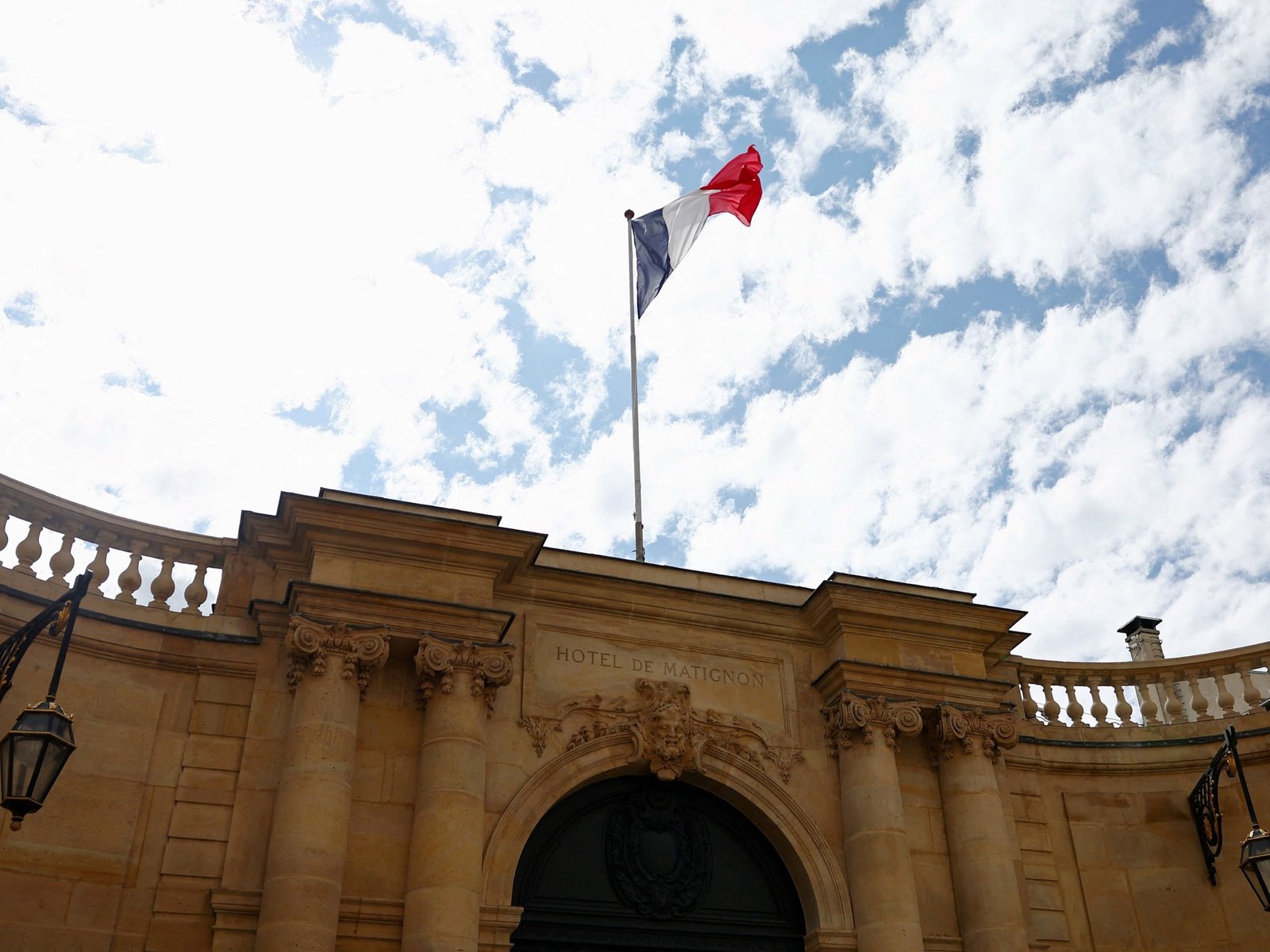
Cuando Francia se encuentra de vacaciones, una investigación sobre suicidios se ha abierto en el palacio de Matignon, la oficina y residencia del primer ministro francés, Sébastien Lecornu.
Se ha iniciado una investigación tras registrarse tres muertes y un intento de suicidio, mientras los funcionarios denuncian «un ambiente laboral cada vez más deteriorado y tóxico», en medio de una crisis política.
Sébastien Lecornu es el quinto primer ministro de Francia desde enero de 2024. Canceló sus vacaciones a causa de los incendios.
Tres muertes y un intento de suicidio han llevado a la fiscalía a investigar presuntos casos de acoso en la administración del primer ministro francés.
La Fiscalía de París confirmó la apertura de una investigación penal por «acoso psicológico», tras la denuncia de una empleada que afirmó haber intentado quitarse la vida. Esta acción se produjo después de dos suicidios registrados este año, así como de una muerte sospechosa en un baño de las oficinas.
Unos 3.500 funcionarios integran la administración, con sede en el Hôtel de Matignon —la residencia oficial del primer ministro en la margen izquierda de París— y en otras oficinas de la capital. Dependen jerárquicamente de Sébastien Lecornu, un político de centro, exministro de las Fuerzas Armadas, nombrado por el presidente Macron en septiembre como quinto primer ministro de Francia desde enero de 2024.
El Hôtel de Matignon es la residencia oficial del primer ministro francés. Allí vive y trabaja.
«Laura», empleada del departamento de correspondencia de Matignon, declaró a los fiscales que había intentado quitarse la vida debido al estrés provocado por un entorno laboral tóxico. En primavera, un viajero logró retenerla justo cuando estaba a punto de arrojarse a las vías del tren, según explicó su abogada, Christelle Mazza.
La denuncia penal presentada por Laura, que alude a una «situación de presunto acoso psicológico institucional», se produjo tras la muerte de un compañero en una estación de las afueras y el fallecimiento de otro en su domicilio, señaló Mazza.
La funcionaria afirmó que el ambiente laboral se había deteriorado con la sucesión de nuevos equipos del primer ministro, desde que Macron perdió su mayoría de centroderecha tras convocar elecciones anticipadas en 2024.
«Las pruebas que figuran en el expediente dejan claro que los servicios del primer ministro se han visto profundamente desestabilizados, especialmente desde la disolución de la Asamblea Nacional», escribió la abogada a los fiscales.
El personal es objeto de humillaciones, comentarios denigrantes y un aislamiento creciente, que incluye el traslado a una oficina en el sótano, señaló.
Laura fue «hecha sentir invisible», excluida de reuniones y objeto de «burlas y vilipendio, como en el acoso escolar», declaró Mazza a la emisora de radio France Inter.
«Tenemos que adaptarnos a las nuevas exigencias del nuevo jefe», comentó a la cadena de radio —equivalente francés a la BBC Radio 4— un miembro del personal de Matignon.
«Estamos presenciando comportamientos inaceptables, con una competencia feroz entre empleados«, dijo Mazza. «Hay que pisotear a los demás para progresar. Los puestos son muy codiciados, sobre todo en un entorno laboral político. Para los funcionarios, esto conduce a una pérdida total de referencias».
La administración de Matignon está llevando a cabo una investigación interna sobre los fallecimientos de miembros del personal. Su directora, Laure Marion, se ha reunido con representantes sindicales para abordar las condiciones laborales. «La prevención de los riesgos psicosociales es nuestra máxima prioridad», declaró su oficina de prensa.
En su reportaje, France Inter señaló que la denuncia presentada ante la fiscalía resultaba «muy inusual, si no inédita, en un departamento donde la discreción es primordial».
En las últimas dos décadas, los gobiernos han reconocido que ciertos sectores del Estado, en particular la policía civil y la gendarmería militar, se han visto afectados por elevadas tasas de suicidio. Esta situación ha dado lugar a numerosas investigaciones parlamentarias y a la creación de planes institucionales de prevención.
NEWYou can now listen to Fox News articles!
FIRST ON FOX: The U.S. Army is teaming up with an artificial intelligence (AI) company to build an AI «brain» for military robots that can think, understand their surroundings and continue missions even after losing contact with human operators as the race for AI dominance intensifies.
Working with the Army Research Laboratory, defense AI company EdgeRunner AI has developed an onboard AI system that allows military robots to function in the battlefield without relying on cloud computing or an internet connection in environments where connectivity is lost.
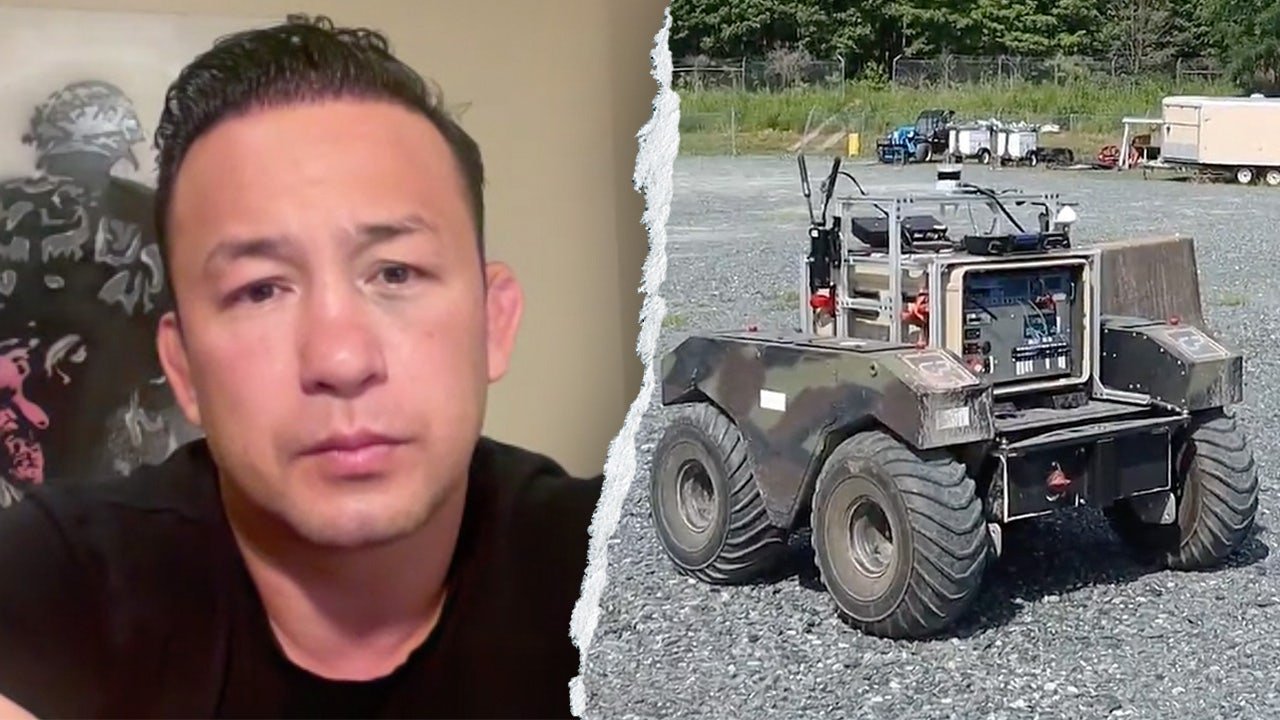
«We like to think of robots as the next frontier of AI,» EdgeRunner AI founder and CEO Tyler Saltsman told Fox News Digital.
«Think of them as a very far-out edge device, kind of like a cell phone, a tablet or a laptop. But now what we can do is we can put a brain, or a neural network, right on that robot so that robots can have context when they’re on a mission helping the warfighter.»
CHINA IS BUILDING AN AI WAR MACHINE. WASHINGTON MUST WAKE UP BEFORE IT’S TOO LATE
EdgeRunner AI founder and CEO Tyler Saltsman told Fox News Digital about the company’s work with the U.S. Army to develop an AI «brain» for the next generation of military robots. (Fox News Digital/EdgeRunner AI)
The partnership comes as the U.S. and China race to integrate AI into their militaries, with both countries viewing AI as critical to maintaining a technological edge in future conflicts.
Saltsman said it’s important for the U.S. to stay ahead in the global AI race, calling China’s dominance in drone manufacturing «problematic.»
«Whether or not China’s ahead of us is debatable, but if China is, it’s not by much,» he said.
Saltsman said today’s AI is «too generalized,» which is why his company is developing technology built for specific military missions.
«Warfighters don’t need 19th-century poetry,» he said. «They need specific intelligence to his or her occupation in order to make better decisions in the heat of battle and that can increase the probability of winning the fight.»
Working alongside aerial drones, the AI is designed to help robots «problem solve through different routes» while detecting explosives, carrying ammunition, scouting routes and reporting enemy activity.
UKRAINE’S BATTLEFIELD IS TRANSFORMING THE FUTURE OF NATO
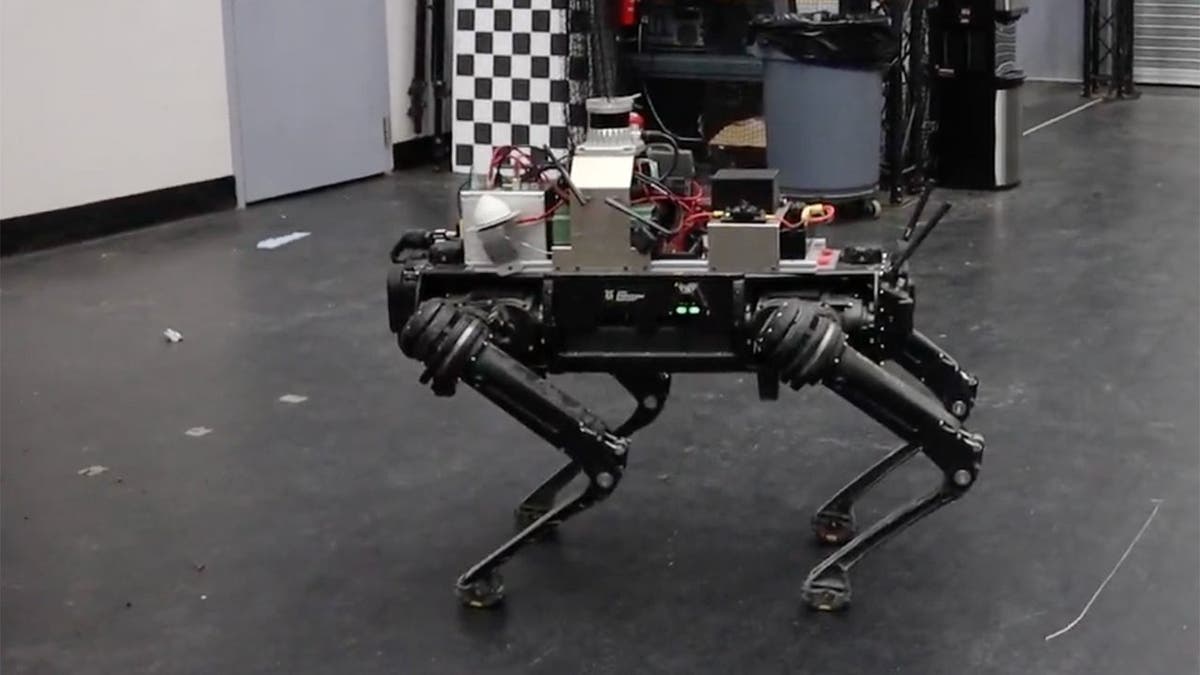
Saltsman said the technology remains in the «development phase» and gives military robots the ability to understand what they see, not just detect it. (EdgeRunner AI)
«As you combine them together, you get a much better clarity of the battlefield and increased situational awareness,» he said.
When communications are cut off, Saltsman said the military will need autonomous systems that can continue making decisions on their own.
«You can have a human pilot that controls the ground robot or the drone in the air,» he said. «But then if they were to be jammed by a radar jammer and lose connectivity, then the neural network on that robot can still continue the mission and still aid the warfighter.»
Saltsman argued the military «can’t rely on internet access in war,» warning that depending on systems like SpaceX’s Starlink could add a «risk» to missions.
«The problem with Starlink is if you use it, you’re effectively showing the enemy where you are, so you might as well be wearing a beacon on you saying, ‘Hey, here’s where I’m located,’» he said.
INSIDE CHINA’S AI ‘WOLF PACK’ DRONES BUILT WITH TAIWAN CONFLICT IN MIND
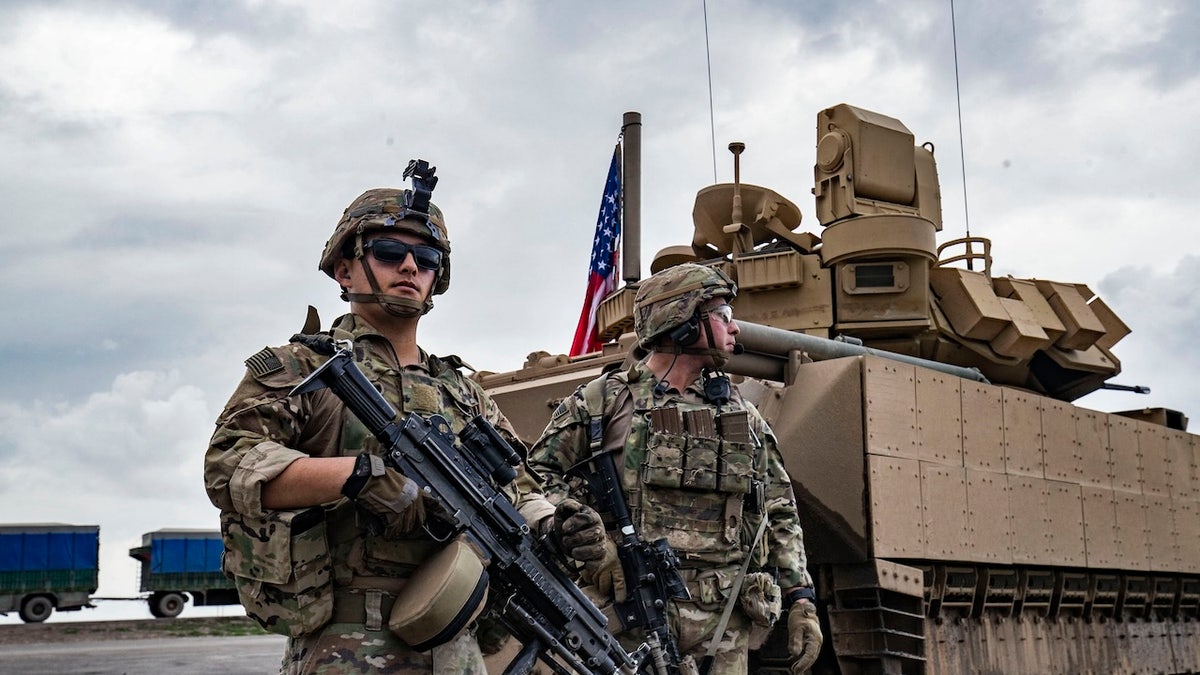
U.S. Army soldiers stand near an armored military vehicle on the outskirts of Rumaylan in Syria’s northeastern Hasakeh province, bordering Turkey, on March 27, 2023. (Delil Souleiman/AFP via Getty Images)
Pointing to the Russia-Ukraine war, Saltsman said the success of drones has sparked a new push for autonomous ground robots.
«As drones have become ubiquitous, now ground robots are like the next thing and then eventually humanoid robots so robots that move and look like humans,» he said.
Despite the push to advance military AI, Saltsman said safety can’t take a back seat and that the technology is built using «transparent» datasets to «understand the biases» of the AI.
«That’s another thing that differentiates us,» he said. «One of the problems is how to use AI safely, how to put guardrails around it and how to understand it.»
While the technology remains in the «development phase,» Saltsman said the breakthrough gives robots the ability to understand what they see, not just detect it.
«You can put computer vision models on robots so they can see, but if they don’t understand the context of what they’re seeing, they’re not useful and that’s what we’re solving for.»
politics, us army, artificial intelligence, robots, tech
INTERNACIONAL
¡Histórico! Kevin Mejía conquista el oro y hace vibrar a Honduras en Santo Domingo 2026
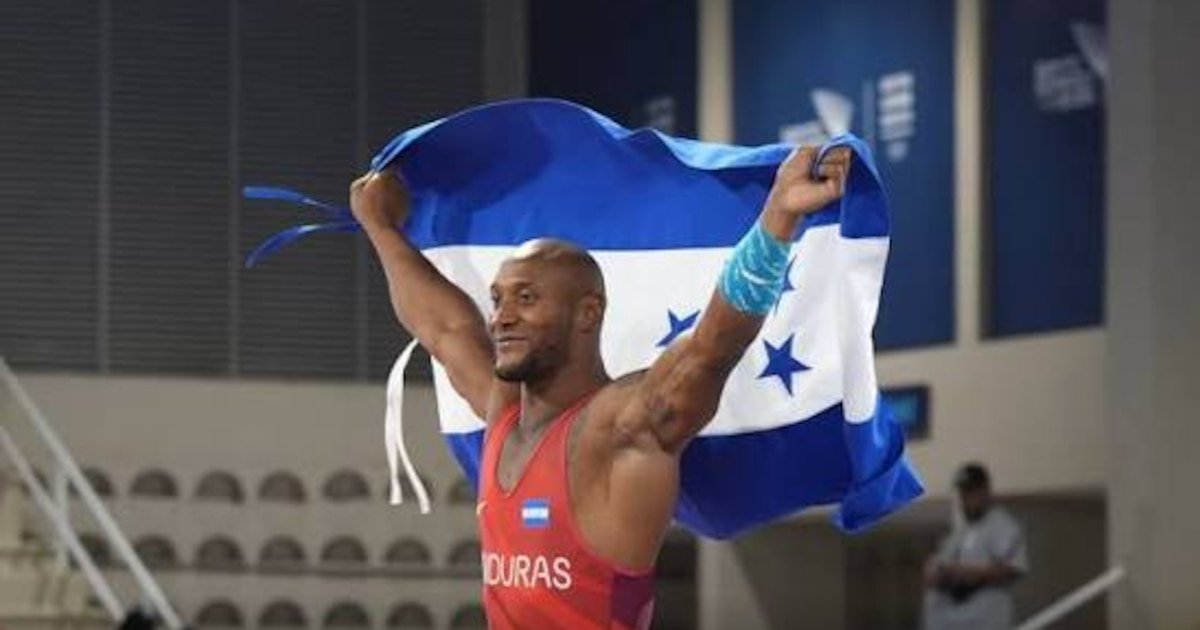
Kevin Mejía ganó la medalla de oro en lucha grecorromana, en la división de 97 kilogramos, y le dio a Honduras su primer oro en los Juegos Centroamericanos y del Caribe Santo Domingo 2026.
El luchador hondureño firmó un torneo sólido desde sus primeros combates. En el camino hacia la final superó al mexicano Dorian Trejo y al cubano Gabriel Rosillo, dos de los favoritos de la competencia.
La conquista tiene un valor especial para el deporte hondureño, ya que convierte a Kevin Mejía en el primer atleta del país en alcanzar una medalla de oro en lucha grecorromana en este evento regional. Además, representa el primer oro para Honduras en la presente edición de los Juegos.
Nacido el 5 de mayo de 1995 en Tela, departamento de Atlántida, Kevin Mejía ha construido una de las carreras más exitosas del deporte hondureño. Segundo de cinco hermanos, encontró en la lucha grecorromana el camino para convertirse en uno de los atletas más destacados del país.
Su desarrollo deportivo dio un salto en 2011, cuando ingresó al Centro de Alto Rendimiento del Comité Olímpico Hondureño. Ese mismo año comenzó a mostrar su potencial al conquistar una medalla de bronce en el Campeonato Mundial Juvenil de Lucha, disputado en Hungría.
Desde entonces, su crecimiento ha sido constante. En 2015 logró una medalla de plata en los Juegos Panamericanos, con lo que se convirtió en el primer hondureño en obtener una presea individual de ese color en la competencia. Además, fue el único medallista nacional en aquella edición.
Su trayectoria continuó con la incorporación al club alemán SC-Oberlsbach en 2016, experiencia que le permitió competir al más alto nivel internacional y seguir acumulando resultados.

Entre sus mayores conquistas figuran la plata en 2018 en los Juegos Centroamericanos y del Caribe, el bronce en los Juegos Panamericanos de Lima 2019 y otro tercer lugar en el Gran Premio de Francia en 2020.
Uno de los momentos más importantes de su carrera llegó en 2021, cuando se proclamó campeón del Campeonato Panamericano de Lucha y se convirtió en el primer hondureño en alcanzar ese título continental.
En 2023 volvió a confirmar su protagonismo al conquistar el oro en los Juegos Deportivos Centroamericanos y sumar dos medallas de bronce en los Juegos Centroamericanos y del Caribe. Ese mismo año también obtuvo otra medalla de bronce en los Juegos Panamericanos y volvió a ser el único representante hondureño que logró subir al podio.
Kevin Mejía también marcó un precedente para Honduras rumbo a los Juegos Olímpicos de París 2024. Su clasificación directa mediante el Torneo Clasificatorio Olímpico Panamericano lo convirtió en el primer luchador hondureño en conseguir el boleto olímpico por mérito deportivo, sin depender de una plaza de reasignación.

Durante la ceremonia inaugural fue designado coabanderado de la delegación nacional, un reconocimiento reservado para los atletas más destacados del país. Aunque su participación olímpica terminó en la primera ronda frente al uzbeko Rustam Assakalov, su clasificación ya representaba un logro para el deporte hondureño.
A sus 31 años, Kevin Mejía continúa ampliando un palmarés que lo ubica entre los deportistas más exitosos que ha tenido Honduras. Su disciplina, constancia y capacidad para competir frente a las principales potencias de la lucha grecorromana lo han convertido en un referente para las nuevas generaciones.
Con la medalla de oro obtenida en Santo Domingo 2026, el atleta volvió a colocar el nombre de Honduras en la élite del deporte regional.
Corresponsal:Desde Tegucigalpa, Honduras

El Gobierno reúne a la mesa política para destrabar la Ley de Tierras y ordenar la agenda del Congreso

Un senador santafesino subió a sus redes un video manejando en una ruta con un mate y mirando su celular

Investigan suicidios en el palacio de Matignon: tres muertes y denuncias de abuso en la sede del primer ministro francés

Cómo leer el nuevo recibo de sueldo que están empezando a implementar las empresas como resultado de la reforma laboral

Paro en los puertos: el Gobierno defendió la desregulación del sector y advirtió que aplicará sanciones

Arthur Melo convence a Spalletti en la Juventus

“Vamos a acelerar con todo”: el objetivo del Gobierno por las reformas y la agenda electoral de cara al 2027

Reelecciones indefinidas: el oficialismo bonaerense niega que busque ampliar la Legislatura como parte de una reforma política para beneficiar a los intendentes

Javier Milei cruzó a Victoria Villarruel y elevó la tensión: “Es una opositora, replica los argumentos kirchneristas”

¡Chau Luck Ra! La salida de soltera de La Joaqui, muy bien acompañada, a días de su separación
-
 POLITICA2 días ago
“Vamos a acelerar con todo”: el objetivo del Gobierno por las reformas y la agenda electoral de cara al 2027
-
 POLITICA2 días ago
Reelecciones indefinidas: el oficialismo bonaerense niega que busque ampliar la Legislatura como parte de una reforma política para beneficiar a los intendentes
-
 POLITICA19 horas ago
Javier Milei cruzó a Victoria Villarruel y elevó la tensión: “Es una opositora, replica los argumentos kirchneristas”