INTERNACIONAL
El nieto de Oscar Wilde explora el legado familiar y el impacto del escándalo legendario


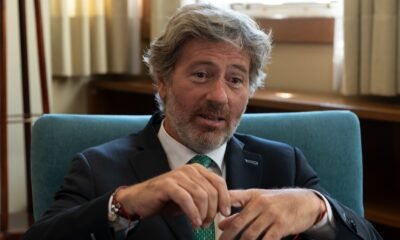
En la tarde del 30 de noviembre de 1994, Merlin Holland se sentó en un lateral oscuro de la nave de la iglesia de Saint-Germain-des-Prés, en París, el lugar donde, en 1900, Oscar Wilde recibió un funeral discreto y casi clandestino. Holland había pasado el día rastreando los últimos años de exilio y pobreza de su abuelo para un documental de la BBC, lo que le resultó perturbador. Aquella noche, varias docenas de velas ya ardían en la entrada de la capilla, muchas más que en visitas anteriores. Al repasar la fecha, se dio cuenta de que era el aniversario de la muerte de su abuelo.
Los admiradores lo habían recordado; él, no. Se quedó allí con su vela sin encender, molesto por lo que sentía como la intromisión de extraños en un momento privado.
Entonces algo cambió. “La sangre y la historia se unieron”, escribe en un nuevo libro, “y me encontré siendo el conducto involuntario de un siglo de duelo familiar no llorado”: por los dos hijos de Wilde, Cyril y Vyvyan, criados para olvidarlo; por su esposa, Constance, que lo apoyó durante el escándalo y el encarcelamiento por “indecencia grave”, y que murió al año de su liberación; y por el propio Wilde, que nunca volvió a ver a su familia tras salir de prisión.
“Por primera vez”, escribió Holland, “sentí que era parte de mí, no solo hechos fríos y desnudos del pasado”.
El libro, Después de Oscar: el legado de un escándalo (Europa Editions), repasa la reputación póstuma de Wilde, pero en realidad investiga cómo resuena el escándalo, cómo se fijan los relatos y cómo opera el olvido. ¿Qué heredamos cuando heredamos la vergüenza? ¿Y qué significa pasar la vida siendo a la vez custodio y cautivo de la leyenda de otro?

(Clara Watt / The New York Times)
“Causó más problemas después de muerto que en vida”, dijo Holland por Zoom desde su casa en Francia. “A pesar suyo”.
El libro (publicado en EE.UU. el 7 de abril) se editó en el Reino Unido el otoño pasado. En su selección de libros del año 2025, el Times Literary Supplement lo calificó como “no solo una obra fascinante de historia familiar que provoca tristeza y rabia”, sino también “una refutación muy detallada y extremadamente valiosa de las muchas invenciones sobre Wilde que han sido repetidas sin cuestionarse por generaciones de biógrafos”.
Es, según Holland, el libro hacia el que ha trabajado toda su vida como escritor.
Como albacea literario, ha sido durante 40 años la máxima autoridad familiar sobre Wilde: coeditor de la correspondencia completa, responsable de la publicación de la primera transcripción sin censura del juicio por difamación de 1895 que llevó a su abuelo a prisión, y creador de una biografía ilustrada.
“Después de Oscar” es distinto: no es una edición ni un aparato académico, sino un ajuste de cuentas de 700 páginas con los mitos, las distorsiones, los daños familiares y su propio lugar complejo en la historia.
Holland nació en 1945, en una familia que había pasado medio siglo sin pronunciar el nombre de Oscar Wilde. Donde su abuelo era teatral, Holland, ahora de 81 años, es lo opuesto: sereno y discreto. El histrionismo no se transmitió: lo que Wilde legó no fueron los abrigos de piel ni los claveles verdes.
De niño, caminando por Shaftesbury Avenue con su padre, Holland vio un cartel que anunciaba un musical basado en una obra de Wilde.

“¿Oscar Wilde era tu padre?”, preguntó. Su padre anotó el intercambio en su diario: “Por suerte dije ‘sí’. Por suerte, él lo dejó ahí”.
Más tarde, en la escuela, un compañero llamó a Wilde “un viejo maricón”. Holland le pegó, fue llevado ante un prefecto y castigado con varas.
Aun así, no le gusta llamarse nieto de Oscar Wilde. “Eso me da más importancia de la que merezco”, dijo. “El importante en toda esta historia es él”.
La ‘segunda tragedia’
En 1895, Oscar Wilde era el ingenio más celebrado de Londres, autor de varias comedias exitosas y de la novela El retrato de Dorian Gray. También mantenía un notorio romance con Lord Alfred Douglas.
La decisión desacertada de Wilde de demandar al padre de Douglas por llamarlo “sodomita” se volvió en su contra y derivó en un juicio propio. Fue condenado a dos años de trabajos forzados y se mantuvo esposado en un andén bajo la lluvia mientras la multitud lo abucheaba y escupía.
Sus obras fueron retiradas del West End. Su esposa se llevó a sus hijos al extranjero y les cambió el apellido por Holland, un antiguo nombre familiar de su rama. Nunca lo revirtieron.
“Hay un elemento de arrogancia, de orgullo, de pensar que está por encima de la ley, que la sociedad lo adora”, reflexionó Holland. “Y existe el deseo de agradar a ese joven a quien amaba”.

Pero Wilde no sabía que sería el final de su vida creativa. Holland cita una frase de “De Profundis”, la carta que Wilde escribió a Douglas desde la cárcel, donde describe su arte como la gran pasión de su vida. De haber anticipado las consecuencias, dijo Holland, nunca habría entrado en aquel juzgado.
Wilde fue liberado en 1897 y cruzó de inmediato a Francia. Esperaba reunirse con Constance y sus hijos, pero la familia de ella no soportó la idea de recibir de nuevo a un condenado y homosexual declarado.
“Esa fue la segunda tragedia”, dijo Holland. Wilde no volvió a ver a sus hijos.
Arruinado y quebrado, Wilde murió a los 46 años de meningitis cerebral. Durante décadas, los biógrafos sostuvieron que había muerto de sífilis, acorde con la narrativa de una vida destruida por la transgresión sexual. Holland ha dedicado años a desmontar esa idea. “No existe absolutamente ninguna evidencia de ello”, dijo.
El mito era típico: el chisme se convertía en biografía, la biografía se transformaba en hecho. “Se inventó muchísimo sobre él después de su muerte”, señaló Holland. “Sentí que necesitaba darle una voz póstuma. Siempre hubo una sensación de injusticia por parte de quienes lo usaron para sus propios fines: vender libros, escandalizar. Hacía falta un poco de ayuda familiar para poner las cosas en su sitio”.

(Clara Watt / The New York Times)
Matthew Sturgis, autor de una biografía exhaustiva de Wilde, elogió la atención al detalle de Holland. “Los puntos suelen ser pequeños: amistades negadas, conocidos exagerados, regalos y frases ingeniosas inventadas, pero tienen una fuerza acumulativa”, escribió por correo electrónico.
Los hijos de Wilde respondieron de forma diferente a su herencia. Cyril se propuso “borrar esa mancha”, como él decía, demostrando una masculinidad irreprochable. Rechazado por la Marina probablemente por su parentesco, se hizo soldado y murió en el frente occidental en 1915, con 30 años. Vyvyan, el padre de Holland, quería ir a Oxford —la universidad de Wilde—, pero la familia se lo prohibió por miedo a que lo relacionaran con su padre.
Fue a Cambridge, donde su inscripción en el registro de admisión era la única que no tenía nombre de padre: “Padre fallecido”. Vagó durante años antes de consolidarse como traductor, hombre de letras y coleccionista de literatura erótica. “La casi sobreactuada heterosexualidad de Vyvyan era su forma de tratar de corregir el agravio familiar”, dijo Holland.
Vyvyan terminó escribiendo unas memorias, Hijo de Oscar Wilde, que su hijo pasó años verificando, descubriendo recuerdos falsos y adornos.

“Tomo ‘Hijo de Oscar Wilde’ de la estantería y veo la dedicatoria ‘Para Merlin con todo el cariño de su papá septiembre de 1954’”, escribe Holland, “y siento una punzada de traición por lo que hago, aunque sé que es lo correcto”.
Al cumplir 21 años, su padre le sugirió que recuperara el apellido Wilde. “Me pedía hacer algo por poder. Algo que él hubiera querido hacer, pero no pudo”. Holland declinó.
“No se puede cambiar la historia”, dijo. “No hará más feliz la infancia de mi padre. El hecho de que la familia nunca lo haya revertido es un reproche permanente a la moral victoriana”.
Vyvyan murió en 1967, dos meses antes de que se despenalizara la homosexualidad en Inglaterra. Su esposa, Thelma, emprendió una cruzada para limpiar la imagen familiar, visitó al biógrafo Richard Ellmann para insistir en que Wilde había sido “básicamente heterosexual” y recortó páginas del diario de Vyvyan con una cuchilla. (No logró convencer al estudioso).
“Sentía que era su deber protegernos”, dijo Holland. “Es triste, es gracioso, pero se entiende”. Aún sueña con ella, según confiesa, discutiendo enérgicamente sobre su abuelo: “Todo forma parte del daño colateral de lo que ocurrió en aquellos años”.
‘Mono en una jaula’
Durante una función en 1980 de La importancia de llamarse Ernesto en un distrito de Londres, la esposa del alcalde se volvió hacia Holland y le dijo: “Debe estar muy orgulloso de su abuelo”. Pero el orgullo no era exactamente lo que sentía.
“Tenía muchos otros sentimientos hacia él”, escribe. “Admiración, incluso envidia, por su extraordinaria facilidad con las palabras; perplejidad, a veces teñida de rabia, por la imprudencia que destruyó la vida de su familia y la suya propia; y una curiosa, casi posesiva, sensación de protección hacia ese hombre al que nunca conocí; ¿pero orgullo?”

Le llevó décadas. Holland gestionó con las autoridades francesas la protección de la tumba de Wilde en el cementerio Père-Lachaise de París, donde los fans dejaban besos de carmín sobre la piedra, superponiendo tributo tras tributo hasta que la lápida requirió protección.
Participó en la primera celebración del Orgullo en Moscú, donde neonazis interrumpieron su conferencia y lo atacaron con huevos y patatas en la calle. Pensó en Wilde, escupido bajo la lluvia.
La herencia dejó de parecerle una carga y empezó a entenderla como una elección. Todavía le preguntan cómo es ser el nieto de Oscar Wilde.
“Es como ser un mono en una jaula”, dijo Holland. “Cuando encontré la manera de salir de esa jaula y pude estar con los demás espectadores, fue uno de los grandes fantasmas que logré dejar atrás. Si tengo que estar en la jaula de vez en cuando, no me importa. Pero tengo la llave para salir cuando quiera”.
Fuente: The New York Times
Merlin Holland,Oscar Wilde,escritor,biógrafo,literatura,arte,retrato,historia,cultura











INTERNACIONAL
Zelensky criticó la prórroga del levantamiento de las sanciones al petróleo ruso: “Es dinero para la guerra”
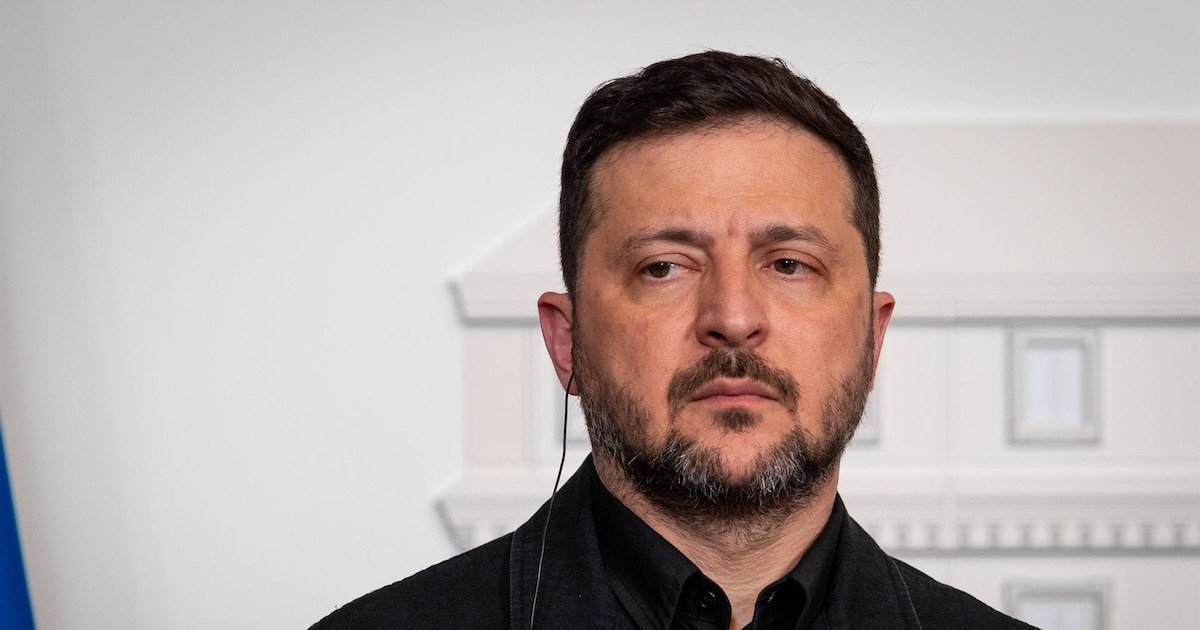
El presidente de Ucrania, Volodimir Zelensky, criticó este domingo la flexibilización de las sanciones al petróleo ruso tras la prórroga de una exención por parte de la administración de Estados Unidos, medida que fue orientada a contener el alza de los precios energéticos en el contexto de la guerra en Medio Oriente.
“Cada dólar que se paga por el petróleo ruso es dinero para la guerra” y se utiliza para lanzar ataques devastadores contra Ucrania, afirmó el mandatario.
Aunque no mencionó directamente al país norteamericano, la administración de Donald Trump extendió el viernes una exención de sanciones por un mes, permitiendo la venta de petróleo y productos derivados rusos almacenados en el mar.
“Seguir relajando las sanciones contra Rusia no se corresponde con la situación real en la guerra y la diplomacia y alimenta la ilusión de la dirección rusa de que la guerra puede continuar”, remarcó el jefe de Estado ucraniano.
Zelensky advirtió que actualmente más de 110 buques cisterna transportan crudo ruso en alta mar, lo que representa más de 12 millones de toneladas que, gracias a la flexibilización de las sanciones, pueden comercializarse sin consecuencias. “Eso supone 10.000 millones de dólares, un recurso que se convierte directamente en nuevos ataques contra Ucrania”, alertó el mandatario.

El presidente ucraniano detalló que en la última semana, Rusia lanzó más de 2.360 drones de ataque, 1.320 bombas aéreas guiadas y cerca de 60 misiles de diferentes tipos contra ciudades y comunidades ucranianas. “Por eso es importante parar a los petroleros rusos y que no lleven petróleo a los puertos. Es necesario reducir las exportaciones de petróleo del agresor”, subrayó Zelenski.
La Oficina de Control de Activos Extranjeros (OFAC), organismo dependiente del Departamento del Tesoro de Estados Unidos, emitió el viernes la Licencia General 134B, que permitió la entrega y comercialización de petróleo crudo y productos refinados provenientes de Rusia, siempre que hayan sido cargados en buques a partir del 17 de abril de 2026.
Esta nueva licencia introduce excepciones al régimen de sanciones vigente sobre el Kremlin al autorizar determinadas operaciones relacionadas con petróleo y derivados rusos. El documento precisa que se habilitan “todas las transacciones prohibidas (…) que sean normalmente incidentales y necesarias para la venta, entrega o descarga de petróleo crudo o productos derivados del petróleo de origen de la Federación Rusa cargados en cualquier buque (…) en o antes de las 00.01 horas del este, del 17 de abril de 2026”, siempre que se realicen antes de las 00.01 horas del 16 de mayo de 2026.
El miércoles pasado, el presidente ucraniano solicitó en Roma, durante una reunión con la primera ministra italiana Giorgia Meloni, el aumento de la producción de sistemas de defensa antiaérea y el desbloqueo de un paquete de ayuda europea por 90.000 millones de euros.

“Ahora mismo en los cielos de Ucrania hay nuevos ‘Shahed’, sufrimos ataques masivos y necesitamos absolutamente nuevos sistemas de defensa antiaérea. Para nosotros son vitales”, declaró.
Durante el encuentro en el Palacio Chigi, sede del Gobierno italiano, el mandatario informó a Meloni sobre la situación militar y remarcó que los ataques rusos no han cesado ni siquiera durante la Pascua, lo que refuerza la necesidad de “trabajar juntos en la producción” de defensas antiaéreas.
Zelensky también señaló que discutieron la importancia de destrabar el crédito de la Unión Europea de apoyo a Kiev por 90.000 millones de euros, una ayuda bloqueada hasta ahora por el Gobierno húngaro. “Hemos hablado también de la necesidad de desbloquear el paquete europeo de apoyo a Ucrania por 90.000 millones de euros. Es una decisión necesaria. Gracias a Italia por el respaldo”, expresó el presidente ucraniano.
(Con información de AFP y EFE)
INTERNACIONAL
La ex pareja del narco uruguayo Marset escribió una carta a mano desde prisión: “¿Dónde están mis derechos?”
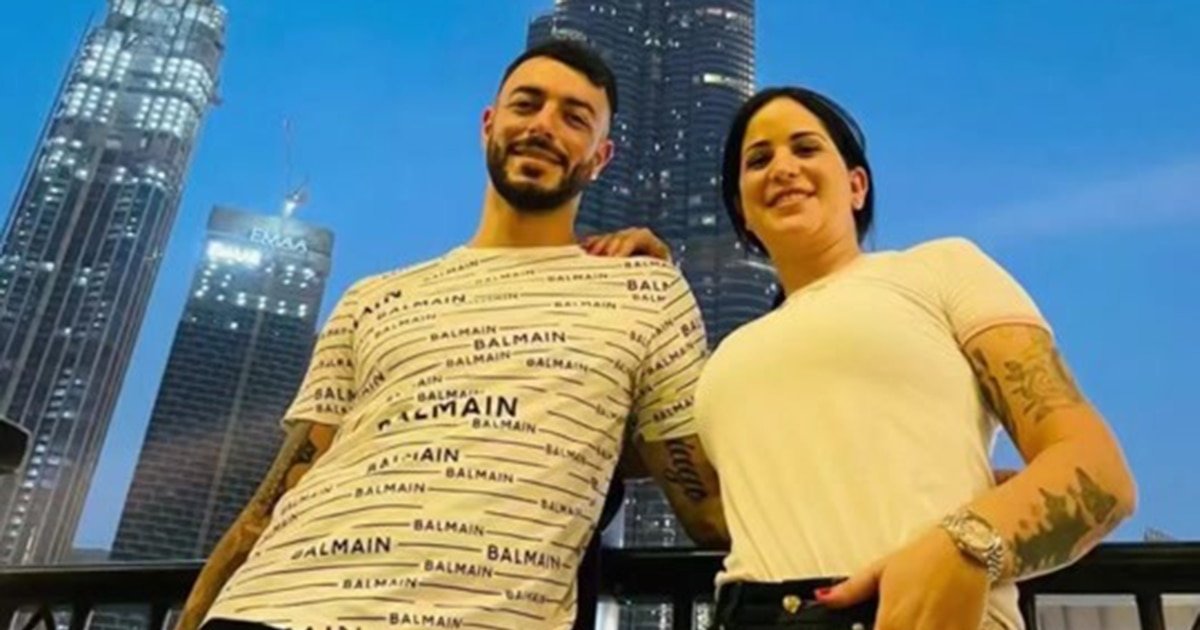
La madre de los hijos del narcotraficante Sebastián Marset, Gianina García Troche, está presa en Paraguay, mientras avanzan sobre ella investigaciones sobre narcotráfico. Está en un penal de máxima seguridad, en el que pasa 22 horas dentro de una celda y sin comunicación con el mundo exterior. Tiene dos horas por día para salir a un patio enrejado, que le llaman “gallinero”. Detrás de las rejas, García Troche se muestra preocupada por su salud mental.
La uruguaya fue detenida en julio de 2024 en el aeropuerto de Barajas, un año y medio antes de que fuera arrestado y enviado a Estados Unidos el padre de sus hijos.
La acusada ha buscado distintos medios para criticar las condiciones de reclusión en las que está. A fines del año pasado, después de haber sido internada en terapia intensiva, se filmó desde la prisión y contó que tenía el cuerpo lleno de hematomas y que atravesó por varias convulsiones. La semana pasada volvió a expresarse, en este caso a través de una carta escrita a mano.
La imputada eligió a la periodista Patricia Martín, de la radio Carve uruguaya, para hacer lo que llamó un “descargo”.

La ex pareja de Marset contó que está en una cárcel de máxima seguridad. “Yo soy todavía procesada, y no debería de estar en una cárcel con el régimen cerrado especial”, escribió a mano.
La mujer está en este centro de reclusión desde febrero; antes había pasado por la prisión militar de Viñas Cué. El operativo de traslado hacia el Centro Penitenciario de Reinserción Social “Martín Mendoza” fue polémico porque la uruguaya se resistió a ser trasladada y “en todo momento” amenazó al personal.
“Están cometiendo un gran error, ustedes no saben las consecuencias de esto, se van a arrepentir y los voy a mandar a matar a todos, mi esposo tomará represalias y habrá consecuencias”, dijo la ex pareja de Marset, esa vez, mientras era trasladada.

Pero, volviendo a la carta actual, García Troche volvió a alertar sobre su estado: “Tengo problema de salud, que cada día está empeorando. Hay estudios que lo demuestran, no me permiten visitas con mis hijos, están violando sus derechos…”.
“Soy madre de cuatro hijos pequeños. Ellos necesitan del abrazo de su madre; ¿dónde están los derechos del niño? ¿Dónde está mi embajada? ¿Dónde están mis derechos?”, escribió la mujer en la carta enviada a una periodista.
Luego García Troche contó cómo es su día a día en la prisión. “Paso 22 horas en mi celda, porque dos tengo derecho a salir en otra celda más grande con techo enrejado, que es compartido con los hombres”, relató. Ese lugar en el que pueden pasar hasta dos horas por día es conocido como “gallinero”.

La imputada hace referencia a que está en una cárcel de hombres, aunque en realidad fue trasladada al pabellón de mujeres del penal.
Son 11 las presas que están alojadas allí. Según señaló García Troche en el texto, la mayoría de ellas son madres y ninguna sabe “sus situaciones”.
“¿Dónde están las verdaderas mujeres peligrosas? Esas mujeres que matan a sus hijos, que mandan violar a sus hijos, ¿dónde están?”, se preguntó García Troche en su misiva. “Están disfrutando acá al lado, en la cárcel de mujeres, que se llama Comple. Ahí trabajan, estudian, ven a sus hijos. ¿Y nosotras? ¿Yo?”, insistió.
Gianina García Troche, la madre de los hijos de Marset, denuncia que tiene el cuerpo lleno de hematomas y que está con una vía en la prisión (tiktok @gianina.garcia.tr)
García Troche explicó que no se podía arriesgar a hacer un video para no perder la “única llamada” que tiene permitida cada 15 días, que es de una hora y que aprovecha para comunicarse con sus hijos.
“Hoy alzo mi voz a través de esta carta. Es muy fácil juzgarme, cuando ni un juez me ha condenado”, escribió.
García Troche aseguró en octubre de 2025 que no está más en pareja con Marset y que es simplemente la madre de sus cuatro hijos.
García Troche está presa en Paraguay mientras avanzan las investigaciones sobre narcotráfico y lavado de activos.

La decisión de trasladar a García Troche la tomó la jueza Montanía tras un historial de conductas agresivas en prisión. Según NPY, en diciembre la magistrada le prohibió visitas familiares por mal comportamiento, estableciendo un precedente sobre la preocupación por la seguridad de quienes la custodian en contextos de alto riesgo.
Cuando publicó el video en TikTok, la uruguaya dijo que tenía hematomas por todo el cuerpo, que tuvo varias convulsiones y también contó que Marset es el amor de su vida.
García Troche,Marset,Paraguay,cárcel,traslado,custodia,seguridad,narcotráfico,justicia
INTERNACIONAL
Irán amenazó a EEUU y dijo que sus fuerzas están “totalmente preparadas” si se desata una escalada de la guerra
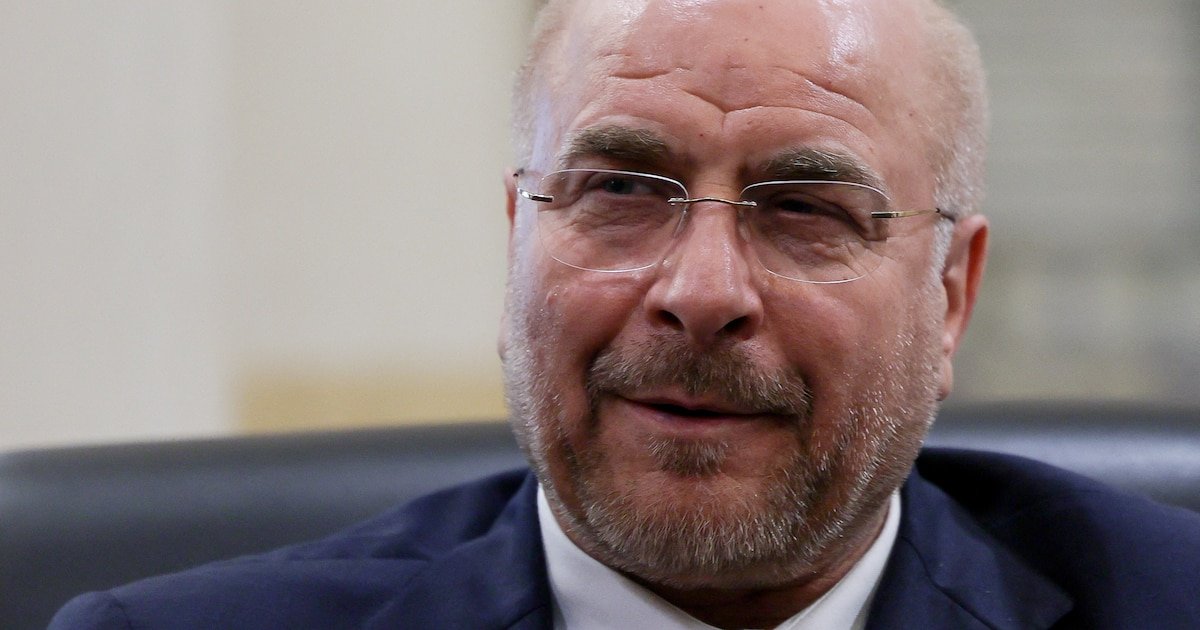
El presidente del Parlamento de Irán, Mohammad Bagher Ghalibaf, señaló que tras el alto al fuego vigente con Estados Unidos, que se extiende hasta el próximo miércoles, las fuerzas iraníes están “totalmente preparadas” para responder con contundencia si las fuerzas estadounidenses incurren en “el más mínimo error”.
No obstante, afirmó que las negociaciones de paz con Estados Unidos “registraron avances”, aunque un acuerdo final aún está “lejos” de concretarse.
Ghalibaf declaró en una entrevista televisiva que “aún estamos lejos de cerrar el debate”, tras haber participado la semana pasada en las conversaciones en Islamabad, capital de Pakistán, el encuentro de mayor nivel entre ambos países desde la Revolución Iraní de 1979.
“Hemos registrado avances en las negociaciones, pero permanecen numerosas divergencias y ciertos puntos fundamentales siguen pendientes”, sostuvo. El líder parlamentario enfatizó que durante el encuentro en Islamabad “subrayamos que no tenemos absolutamente ninguna confianza en Estados Unidos”.
Ghalibaf señaló que Washington debe “tomar la decisión de ganarse la confianza del pueblo iraní” y renunciar “al unilateralismo y al espíritu de imposición en su enfoque del diálogo”.

El alto funcionario del régimen iraní explicó que la aceptación del alto el fuego de dos semanas, iniciado el 8 de abril, respondió a una solicitud estadounidense. “Estábamos victoriosos sobre el terreno, el enemigo no había cumplido ninguno de sus objetivos e Irán también tenía el control del estrecho de Ormuz”, afirmó. “Si aceptamos el alto el fuego fue porque ellos habían aceptado nuestras demandas”.
Por otra parte, atribuyó la “derrota” de Estados Unidos en la guerra iniciada el 28 de febrero a una serie de “errores estratégicos” en la conducción del conflicto. Ghalibaf sostuvo que la república islámica libra una guerra asimétrica y logró que el adversario “retroceda” gracias a una estrategia y preparación superiores.
“El enemigo tenía dinero y recursos, pero no actuó correctamente en su estrategia. Han cometido errores en decisiones estratégicas”, señaló.

El titular del Parlamento iraní precisó que, aunque Estados Unidos mantiene recursos económicos y armamento, la comparación estratégica favorece al régimen. “No hemos destruido al enemigo, porque siguen poseyendo dinero y armas, pero estratégicamente han sido derrotados si lo comparamos con nosotros”, subrayó.
Entre los avances señalados, Ghalibaf destacó el despliegue de cerca de 180 drones, una capacidad de la que Irán carecía durante la guerra de junio de 2025. También mencionó el reciente derribo de un caza F-35 estadounidense como ejemplo del progreso técnico y estratégico iraní. “No es una coincidencia. Es una operación de dimensión técnica y estratégica. Con el misil que estalló cerca del aparato, el enemigo comprendió la capacidad que tenemos y la dirección en la que vamos”, explicó.
A su vez, aludió al “fracaso” de Estados Unidos en distintos frentes, como la destrucción de la capacidad aérea y de misiles de Irán, la anulación de la Armada, el lanzamiento de un ataque terrestre y la apertura del estrecho de Ormuz. “En todos estos ámbitos, no han tenido éxito”, insistió.
Finalmente, criticó los intentos de Washington de “venezuelizar Irán” mediante un “cambio de régimen” y la “subasta” del petróleo iraní, asegurando que esas iniciativas han fracasado.

Las declaraciones del funcionario se dan luego de que Teherán informara que está evaluando nuevas propuestas presentadas por Estados Unidos, aunque advirtió que sus negociadores no harán concesiones en el marco de las conversaciones. El Consejo Supremo de Seguridad Nacional detalló que las ofertas estadounidenses llegaron a través del jefe del ejército de Pakistán, Asim Munir, quien se encuentraba en Teherán actuando como mediador en un contexto de elevada tensión diplomática.
Según el régimen iraní, pese a la recepción de estas propuestas, aún no se ha emitido una respuesta oficial. El Consejo enfatizó que la delegación negociadora no cederá en sus posiciones ni aceptará condiciones que puedan interpretarse como una señal de retirada o debilidad, y ratificó que defenderá los intereses nacionales con determinación.
(Con información de AFP y Europa Press)
Business,War,Corporate Events,Middle East,Military Conflicts

Mora en récord: por qué los bancos no bajan las tasas de interés de sus préstamos

Zelensky criticó la prórroga del levantamiento de las sanciones al petróleo ruso: “Es dinero para la guerra”

El musical Billy Elliot se prepara para su arribo a la calle Corrientes: “Tenemos mucho talento en la Argentina”

La jugada de Milei en la Corte, la nueva avanzada de Karina y el plan del PJ para buscarle rival a Kicillof

“Leticio”: la historia detrás del llamativo apodo de Darío Herrera, el árbitro del Superclásico entre River y Boca
Llamadas destacadas de la semana en Wall Street Por Investing.com

El Gobierno debe $5,6 billones a proveedores, obras sociales, transportes y PAMI por caída ingresos

Mauricio Macri comenzó su intento de reconstrucción del PRO a nivel nacional: se reunió con Leandro Zdero en Chaco

Estalla la guerra digital en LLA: duro cruce entre el “Gordo Dan” y Lemoine tras la denuncia de Pareja contra tuiteros

Macri apoyó al Gobierno, pero no descartó competir en 2027: “Hay que volver a ser protagonistas”

 POLITICA1 día ago
Mauricio Macri comenzó su intento de reconstrucción del PRO a nivel nacional: se reunió con Leandro Zdero en Chaco
- POLITICA2 días ago
Estalla la guerra digital en LLA: duro cruce entre el “Gordo Dan” y Lemoine tras la denuncia de Pareja contra tuiteros
- POLITICA1 día ago
Macri apoyó al Gobierno, pero no descartó competir en 2027: “Hay que volver a ser protagonistas”