INTERNACIONAL
La argentina Leila Guerriero ganó el Premio Strega Europeo por una obra sobre la dictadura argentina

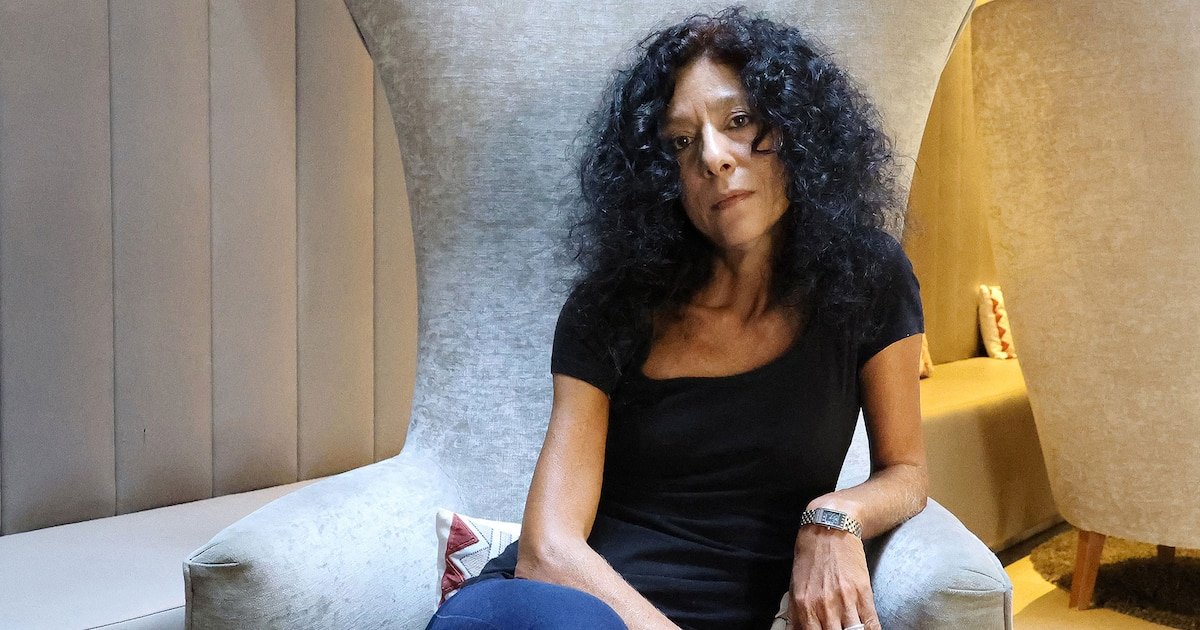
La periodista argentina Leila Guerriero fue galardonada con el Premio Strega Europeo 2026 por su libro La chiamata. Storia di una donna argentina, traducido por María Nicola y editado por SUR, un reconocimiento que destaca la reconstrucción de la identidad y la memoria a partir del secuestro y tortura de Silvia Labayru durante la dictadura militar en Argentina.
El Premio Strega Europeo reconoce desde hace trece años a las mejores obras traducidas al italiano y publicadas en Italia, reafirmando con este reconocimiento a Guerriero y Nicola la centralidad de la memoria y la literatura testimonial en el panorama contemporáneo.
El Premio , creado en 214 durante la Presidencia italiana del Consejo de la UE, rinde homenaje a la cultura del viejo continente y a sus vínculos con Italia.

El libro ofrece una crónica detallada sobre el impacto de la represión política, la sospecha en el exilio y las formas de resistencia personal, según informó el comité organizador al medio Premio Strega.
Con una votación de 16 sobre 30 votos otorgados por una distinguida juría integrada por escritoras y escritores italianos galardonados o finalistas del Premio Strega, la obra de Guerriero, La llamada, por la que ya ganó el premio Zenda 2023-2024, superó a las demás competidoras en esta decimotercera edición. El galardón, dotado por la Fondazione Maria e Goffredo Bellonci, incluye además un premio equivalente para la traductora, financiado por BPER Banca.
En años anteriores los ganadores fueron, entre otros, Paul Murray, Emmanuel Carrère, Amélie Nothomb, Mikhail Shishkin, Fernando Aramburu y Annie Ernaux.

En el año 1976, en medio de la dictadura de Jorge Rafael Videla en Argentina, Silvia Labayru, de veinte años y militante del grupo armado peronista Montoneros, fue secuestrada, sometida a tortura, esclavitud y violencia sexual, y obligada a dar a luz a su hija en condiciones inhumanas en un centro clandestino de detención. Labayru fue liberada en junio de 1978 y partió a Madrid convencida de que dejaba atrás el sufrimiento, pero en el exilio enfrentó la sospecha y el rechazo de sus compatriotas, quienes dudaban de su supervivencia y la mantenencia de su hija, en el contexto de miles de personas desaparecidas.
Durante ese periodo, circularon rumores que la señalaban como colaboradora o traidora, alimentados por su juventud, su aspecto y su condición de sobreviviente. A pesar del aislamiento, Labayru logró rehacer su vida con el apoyo de amistades que también habían sobrevivido a la represión. En 2018, tras recibir un mensaje de alguien de su pasado, regresó a Argentina y presentó una denuncia pública por el abuso sexual que había sufrido en su cautiverio, según el relato de Guerriero en La chiamata. Storia di una donna argentina.
La obra también reconstruye el episodio en marzo de 1977 cuando, gracias a una llamada fortuita a su padre, Labayru logró salvar su vida. Guerriero invirtió más de dos años en la investigación, entrevistando a Labayru y a todas las personas involucradas para trazar un retrato exhaustivo de la protagonista y del contexto político y humano en que ocurrieron los hechos.

Leila Guerriero, nacida en Junín en 1967, es reconocida como colaboradora habitual de El País, La Nación, Rolling Stone y otros medios latinoamericanos y europeos. En 2010 fue galardonada con el Premio de la Fundación Gabriel García Márquez al Nuevo Periodismo Iberoamericano, y sus libros han sido traducidos a seis idiomas, entre ellos inglés, francés y alemán.
La llamada, título en español de la obra premiada, superó los cincuenta mil ejemplares vendidos y fue distinguido como el mejor libro de 2024 por la crítica del diario El País, según consigna Premio Strega. Guerriero construye en este libro una crónica literaria donde convergen temas como el amor, el sexo, la violencia, la ironía, la política y la familia, elementos que, de acuerdo al jurado, ofrecen un testimonio contundente sobre la condición humana bajo regímenes de violencia.
Por su parte, la traductora María Nicola, nacida en Turín en 1959, ha dedicado su carrera a la traducción del inglés, francés y español. Ha trabajado sobre obras de escritores latinoamericanos como Roberto Bolaño, Mario Bellatin, Antonio Di Benedetto, Alberto Manguel, Alan Pauls, Juan Rulfo, Juan José Saer, Samanta Schweblin y David Toscana. Entre los autores españoles, recuerda con especial aprecio a Francisco Casavella y a su novela El día del Watusso.
literatura












NEWYou can now listen to Fox News articles!
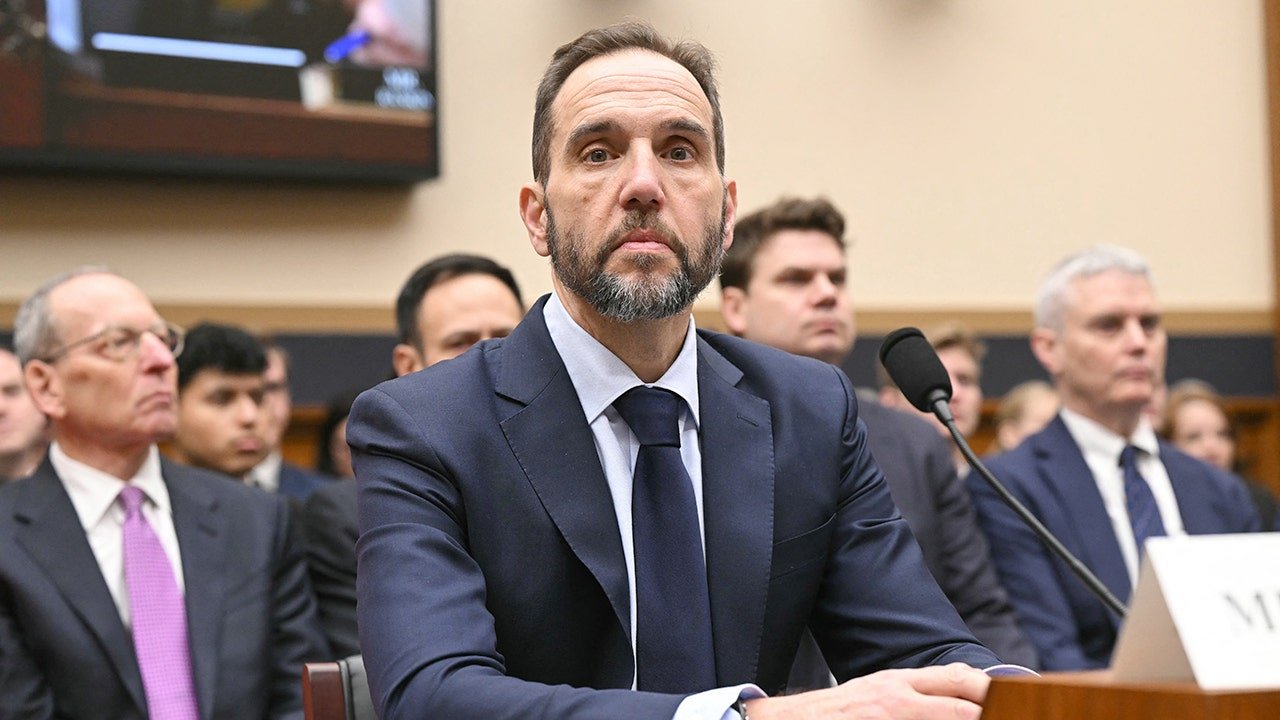
FIRST ON FOX: Former Biden special counsel Jack Smith could face potential criminal prosecution after Republicans accused the ex-prosecutor of misleading Congress about the scope of his investigation into President Donald Trump.
House Judiciary Committee Chairman Jim Jordan, R-Ohio, issued a criminal referral for Smith Wednesday, arguing newly released records contradict Smith’s testimony to his committee that he did not obtain or review lawmakers’ text messages during his multiple probes into President Donald Trump.
«All individuals have an obligation to comply with a duly authorized congressional inquiry. Mr. Smith, a former public servant, is no different,» Jordan wrote in a letter to acting Attorney General Todd Blanche on Wednesday. «Yet his testimony included intentionally false statements designed to obstruct the Committee’s oversight.
«His conduct can only be understood as an effort to thwart the Committee’s inquiry by intentionally making false statements and representations before Congress,» Jordan continued, adding that the Justice Department should examine whether Smith’s actions warrant criminal charges.
Former U.S. special counsel Jack Smith testifies before the House Judiciary Committee about his investigations into President Donald Trump in the Rayburn House Office Building on Capitol Hill in Washington, D.C., Jan. 22, 2026. (Saul Loeb/AFP via Getty Images)
VETERAN DEM BREAKS PARTY LINE AS JACK SMITH SPYING SCANDAL GRIPS CAPITOL HILL
Jordan’s letter accused Smith of making false statements during a December deposition before the House Judiciary Committee. Specifically, Jordan argued that «responses provided by Mr. Smith gave the impression that neither Mr. Smith nor his team had access to the content of members’ privileged text messages.»
«We now know this to be false,» the letter adds.
The referral comes after Smith faced mounting scrutiny from Republicans over allegedly weaponizing the Justice Department and violating constitutional privacy protections during his investigations into alleged interference during the 2020 election and Trump’s handling of classified documents.
He has denied any wrongdoing.
And Rep. Jamie Raskin, D-Md., the top Democrat on the House Judiciary Committee, blasted Jordan’s referral.
«This referral deliberately distorts and misstates the facts, including what questions the Republicans actually asked at Mr. Smith’s interview. The Republicans fault Mr. Smith for not reading the minds of congressional investigators and for not volunteering information they didn’t ask for. This is absurd. Mr. Smith may be telegenic but he is not telepathic,» Raskin said in a statement.
Senate Judiciary Committee Chairman Chuck Grassley, R-Iowa, released documents last week showing Smith’s team read the text messages of 44 members of Congress from both parties and White House staff during its investigation.
Targeted lawmakers included Jordan and Grassley in addition to the late Sen. Lindsey Graham, R-S.C.; Sen. Susan Collins, R-Maine; House Majority Leader Steve Scalise, R-La.; and Sen. Cory Booker, D-N.J.
Trump officials affected included former Vice President Mike Pence, White House deputy chief of staff Stephen Miller, FBI Director Kash Patel and Ivanka Trump, among others in the president’s orbit during his first term.
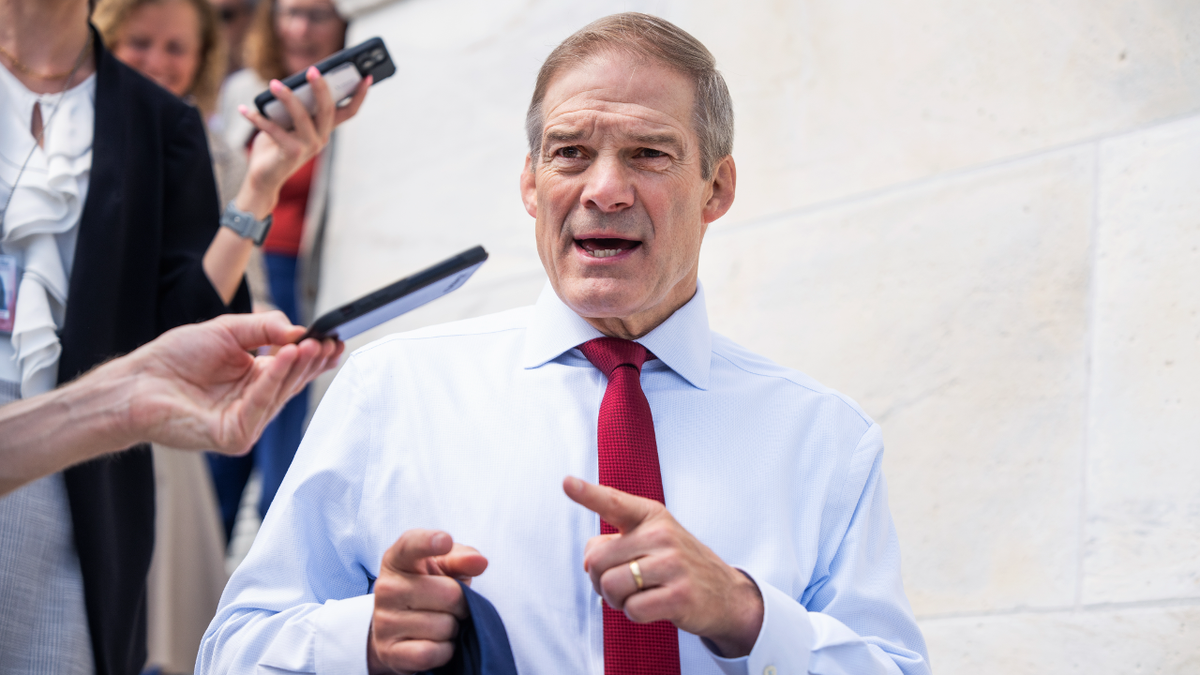
Rep. Jim Jordan, R-Ohio, leaves the U.S. Capitol after the last votes of the week on Thursday, June 11, 2026. (Tom Williams/CQ-Roll Call, Inc via Getty Images)
BIDEN SPECIAL COUNSEL’S ‘RUNAWAY TRAIN’ SCOOPED UP SENSITIVE LAWMAKER INFO: ‘ABUSE OF POWER’
Grassley’s office also found that Smith’s team appeared to violate investigative protocols by accessing text messages that had not been reviewed by a «filter team,» a safeguard designed to prevent investigators from accessing privileged information, according to the documents.
When Smith was asked by congressional investigators if he examined the contents of lawmakers’ text messages during his probe, he said, «no.»
He told the House Judiciary Committee his team only sought telephone toll records.
«Toll records were sought for historical telephone routing information, collected after calls had taken place, identifying the incoming and outgoing call numbers, the time of the calls and their duration,» Smith testified in December. «Toll records do not include the content of calls.»
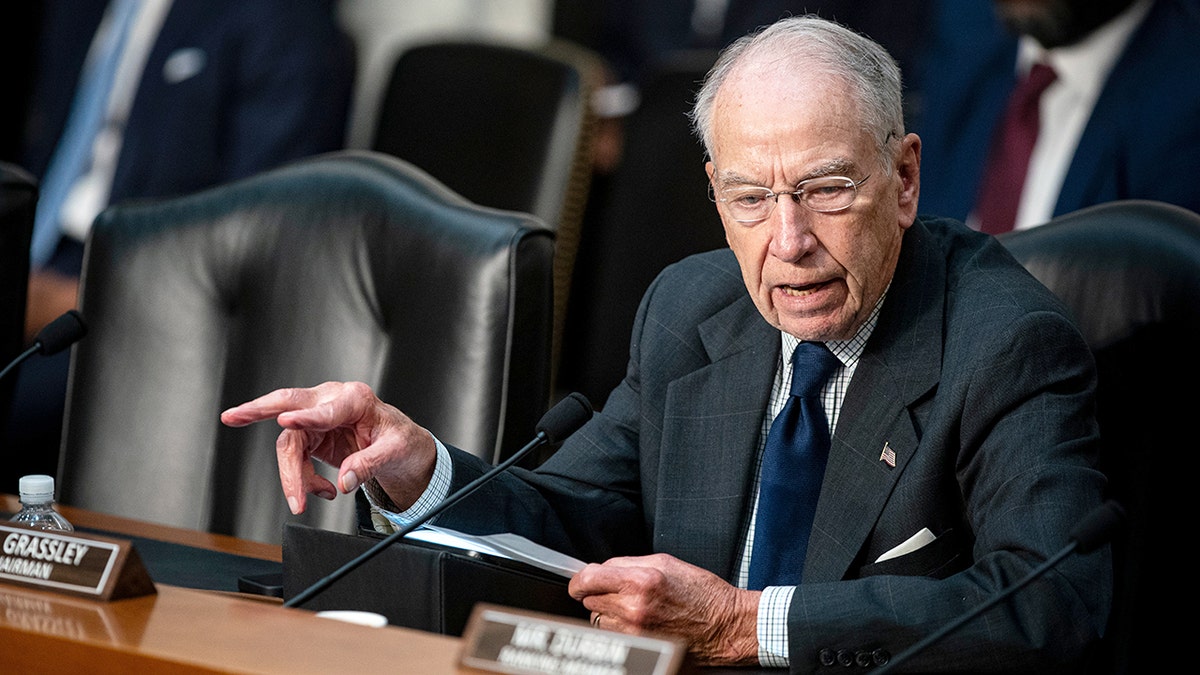
Sen. Chuck Grassley, R-Iowa and chairman of the Senate Judiciary Committee, speaks during a hearing in Washington Sept. 16, 2025 (Al Drago/Bloomberg via Getty Images)
CLICK HERE TO DOWNLOAD THE FOX NEWS APP
The Justice Department told Fox News Digital when reached for comment, «The Department can confirm receipt of the criminal referral from the House Judiciary Committee and will investigate all evidence of criminal conduct.»
politics, justice department, jim jordan, chuck grassley
INTERNACIONAL
Mientras aumenta el precio del petróleo, Trump amenaza con destruir puentes y centrales eléctricas de Irán
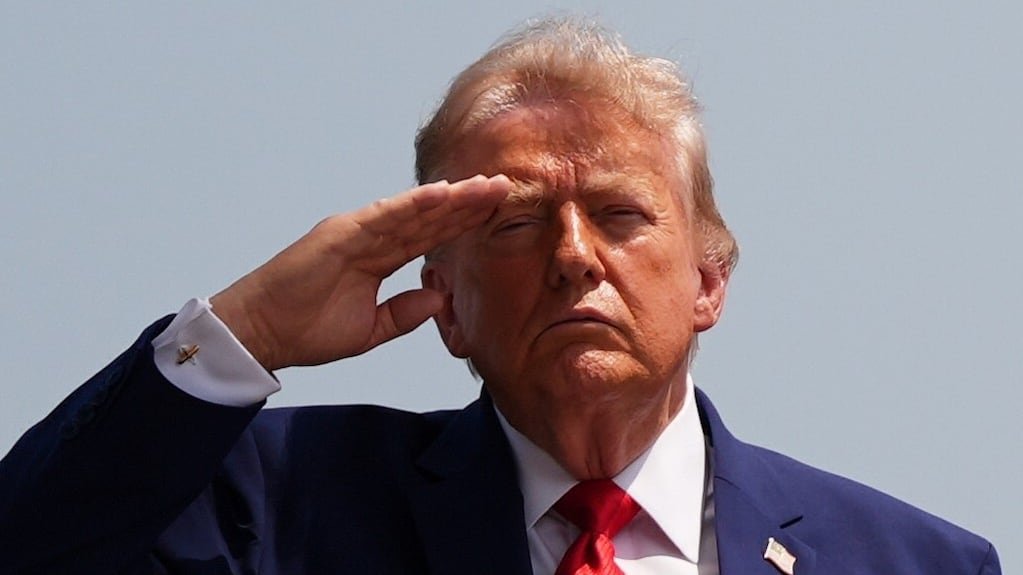
Donald Trump amenazó este miércoles con destruir puentes y centrales eléctricas en Irán por cada ataque contra barcos en el estrecho de Ormuz y advirtió que la guerra que le costó a Estados Unidos más de 37.000 millones de dólares “no ha terminado”.
“Cada vez que la República Islámica de Irán ataque a un navío en el estrecho de Ormuz, sea con misiles, drones o cualquier otro tipo de arma o munición, Estados Unidos bombardeará y destruirá UN PUENTE O UNA CENTRAL ELÉCTRICA”, escribió el presidente estadounidense en su red Truth Social.
La reanudación de las hostilidades genera inquietudes sobre el suministro de crudo y gas por el bloqueo iraní del estrecho de Ormuz y la amenaza de un cerco a los puertos de Arabia Saudita por los rebeldes de Yemen, aliados de Irán.
El bloqueo disparó los precios del petróleo y aumenta la presión sobre Trump para buscar una salida a un conflicto que ya afecta a los consumidores estadounidenses antes de unas elecciones de mitad de mandato muy reñidas.
Como consecuencia de estas tensiones, los precios del petróleo subieron considerablemente este miércoles: el barril de Brent, referencia internacional, volvió a superar los 95 dólares.
¿Se reanudan las negociaciones?
Sin embargo, el secretario de Estado estadounidense, Marco Rubio, aseguró que Washington sigue dispuesto a buscar un acuerdo negociado con Teherán.
“Seguimos abiertos a resolverlo de manera negociada. Pero, por ahora, no parecen estar interesados en eso”, declaró Rubio en una reunión de ministros del sudeste asiático en Manila. El secretario de Estado Marco Rubio (Foto: BRENDAN SMIALOWSKI/Pool via REUTERS)
Poco después, Trump afirmó que Irán todavía no está “listo” para cerrar un acuerdo nuclear que ponga fin a la guerra, dado que, según dijo, cada vez que se alcanza un trato la República Islámica acaba por echarse atrás”.
“Están siendo golpeados con mucha dureza y quieren llegar a un acuerdo. Pero yo digo que no están listos para hacer un acuerdo porque cada vez que hacen uno, quieren cambiarlo y todo eso. No están listos. Estarán listos muy pronto”, señaló en un mitin en Georgia.
Según el portavoz del Ministerio de Relaciones Exteriores iraní, Esmail Baqai, continúan los intercambios diplomáticos con Washington a través de mediadores.
En tanto, un misil estadounidense impactó este miércoles en la isla de Larak, en el estrecho de Ormuz, informó la agencia de noticias iraní Tasnim, sin un balance de daños.
Guerra impopular
A medida que la guerra se acerca a los cinco meses y se avecinan las elecciones de noviembre en Estados Unidos, Trump enfrenta una intensa presión política para poner fin a este conflicto impopular.
Los críticos señalaron el alto costo de la guerra, que el jefe del Pentágono, Pete Hegseth, dijo que se disparó a 37.500 millones de dólares, al defender ante el Congreso una solicitud de otros 67.000 millones.
Leé también: La Justicia de EE.UU. resolvió que el juicio contra Nicolás Maduro empezará el 1 de junio de 2027
Pero Trump, por ahora, resistió la presión y el martes aseguró que el conflicto “no ha terminado en absoluto”.
Por undécima noche consecutiva, el ejército estadounidense lanzó una ofensiva contra objetivos militares de la república islámica con el fin de “seguir debilitando su capacidad para amenazar el tráfico marítimo comercial en el estrecho de Ormuz”.
Trump aseguró que el próximo objetivo de Estados Unidos podría ser un complejo subterráneo en un lugar llamado Kuhe Kolang-e Gaz La, cerca de Natanz, donde las agencias de inteligencia occidentales sospechan que Irán está construyendo una instalación no declarada de enriquecimiento de uranio.
El mando militar iraní (Jatam al Anbiya) advirtió que consideraría el ataque “una expansión de la guerra”, mientras que el portavoz de Exteriores afirmó que “la obsesión de Washington con Kuhe Kolang, donde no se realiza ninguna actividad nuclear, no es más que un pretexto inventado para la agresión, la destrucción y el sabotaje”.
El petróleo vuelve a subir
Las amenazas se producen mientras Teherán intensifica sus ataques contra objetivos en Estados del Golfo aliados de Washington.
En Kuwait, el ejército declaró que sus defensas antiaéreas están interceptando drones procedentes de Irán, mientras que Jordania afirmó haber derribado cuatro misiles iraníes y cuatro drones.
Las sirenas de alerta aérea también sonaron en Baréin.
El Ejército iraní declaró que había atacado activos estadounidenses en Kuwait y Baréin, incluyendo sistemas de defensa aérea, instalaciones de radar y edificios administrativos.
Los Guardianes de la Revolución iraníes también afirmaron haber atacado bases estadounidenses en Jordania.
Por su parte, los hutíes avanzan en su amenaza de obstaculizar el tráfico al otro lado de la península de Arabia. Ese grupo controla el estrecho de Bab el Mandeb, en el extremo sur de Yemen, por el que los buques deben pasar para llegar al Canal de Suez.
(Con información de AFP)
Donald Trump, Irán
INTERNACIONAL
Israeli UN envoy blasts Mamdani as ‘clown’ over call to arrest Netanyahu: ‘It’s a stunt’
NEWYou can now listen to Fox News articles!
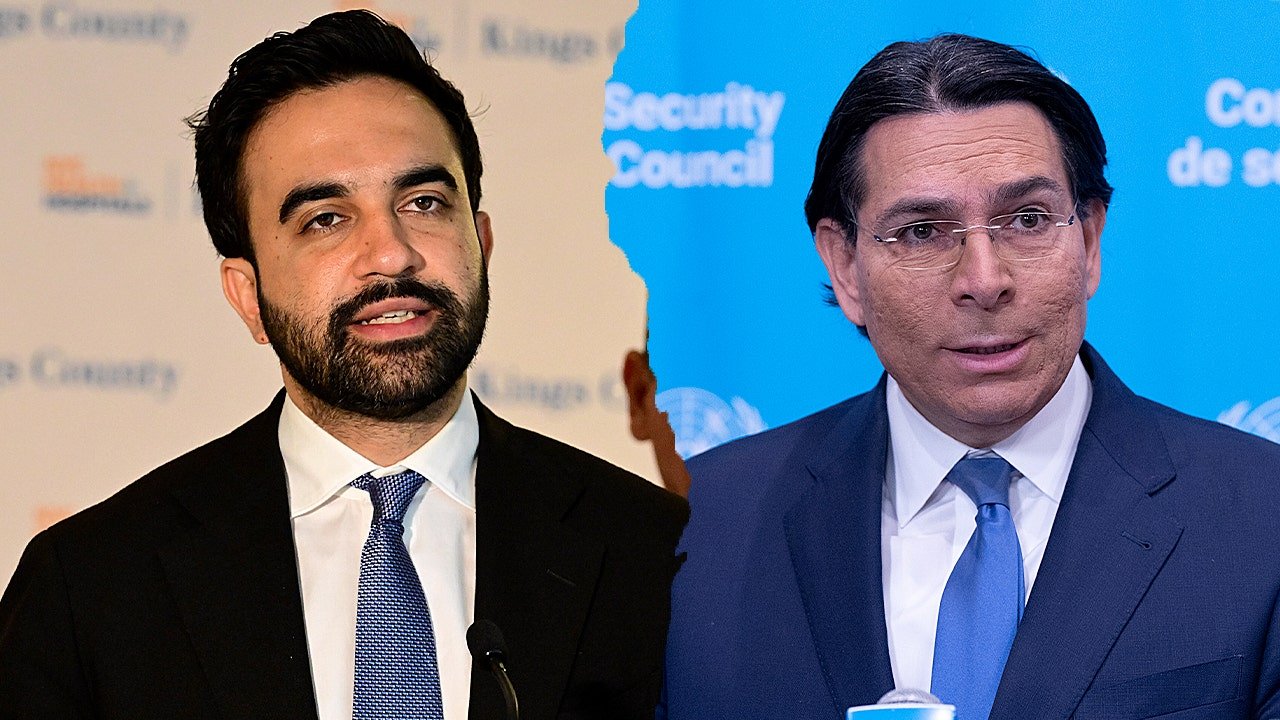
Israel’s ambassador to the United Nations on Wednesday blasted New York City Mayor Zohran Mamdani as a «clown» for demanding federal authorities arrest Israeli Prime Minister Benjamin Netanyahu when Netanyahu arrives in the city.
Danny Danon’s remarks came after Mamdani accused Netanyahu of being a «war criminal» and the «architect of a horrific genocide» against Palestinians while calling on the federal government to execute an International Criminal Court arrest warrant against the Israeli leader.
Netanyahu is scheduled to address the United Nations General Assembly in Manhattan in September.
NETANYAHU FIRES BACK AT NYC MAYOR MAMDANI’S VOW TO ENFORCE ‘BOGUS ARREST WARRANT’
Israeli Ambassador to the U.N. Danny Danon speaks during a United Nations emergency security council meeting on Lebanon at the U.N. Headquarters in New York, on Mar. 31. (Charly Triballeau/AFP via Getty Images)
«Those baseless remarks about harassing the prime minister — it’s a joke, and he’s a clown,» Danon told Fox News Digital Wednesday.
«Everyone knows it’s a show. It’s a stunt,» Danon added. «A mayor should be dealing with the homeless people, the garbage in New York, and leave foreign affairs to the people in Washington who are elected to do it. He should take care of the security of the people in New York, especially the Jewish community, which is seeing the rise of antisemitism. That is his first responsibility.»
The YouTube channel for the New York City Mayor’s Office released a video July 21, «Benjamin Netanyahu is a war criminal.»
«Benjamin Netanyahu is a war criminal, the architect of a horrific genocide against the Palestinian people,» Mamdani said, repeating comments he made in an interview with The New York Times.
Mamdani leveled a series of allegations against the Israeli leader, claiming he was «responsible for the killing of more than 73,000 people, for the maiming of tens of thousands of children, as those who survive undergo amputation without anesthesia.»
He also accused Netanyahu of targeting neonatal hospitals and maternity care centers and alleged that he blocked food and humanitarian aid.
CNN LEGAL ANALYST CALLS OUT ‘UTTERLY RIDICULOUS’ CLAIM BY MAMDANI ABOUT NETANYAHU ARREST
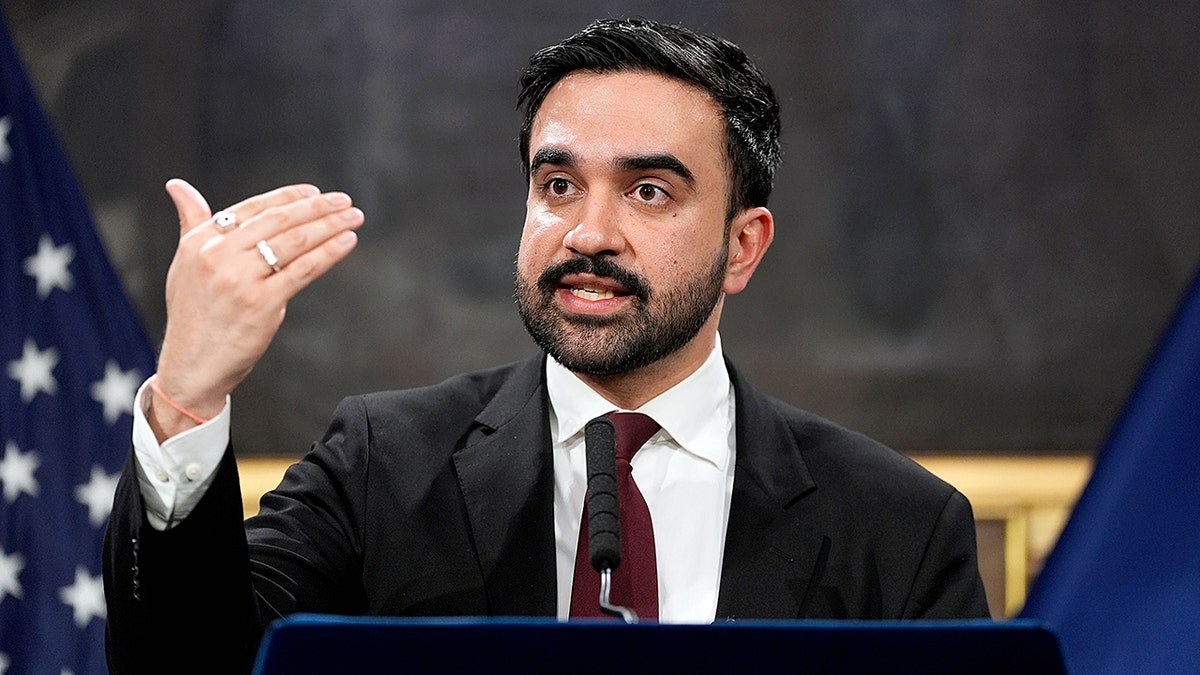
New York City Mayor Zohran Mamdani speaks to reporters during a news conference in New York on Feb. 17, 2026. (AP Photo/Seth Wenig)
«Just last month, the U.N. confirmed that Palestinian children continue to be deliberately targeted and killed by Israeli armed forces, more than eight months after the so-called ceasefire,» Mamdani said.
«All as we, as Americans, pay for the bombs that do the killing. There is a reason the International Criminal Court issued a warrant for his arrest.»
Danon pushed back sharply against the mayor’s accusations.
«There is a lot of humanitarian aid coming into Gaza every day,» Danon argued.
«Nobody speaks about those issues anymore, but he wants to resume spreading blood libels, promoting the claims of genocide, starvation and all those lies that were spread by him, by his wife and by other people during the war.
«He wants to go back to this situation, but today there are no humanitarian issues in Gaza,» Danon added.
«Mamdani continues to promote those blood libels against Israel and against the Jews.»
Mamdani also said that City Hall cannot act on the warrant unilaterally.
«It is clear that we do not have the independent legal authority to enforce this warrant. The federal government, however, does, and I call on them to join the ICC and execute this warrant,» Mamdani said.
«Benjamin Netanyahu is not welcome in New York City, nor is any other war criminal at large.»
MAMDANI’S ‘DERANGED’ ISRAEL TAKE RESURFACES AS HE TARGETS NETANYAHU
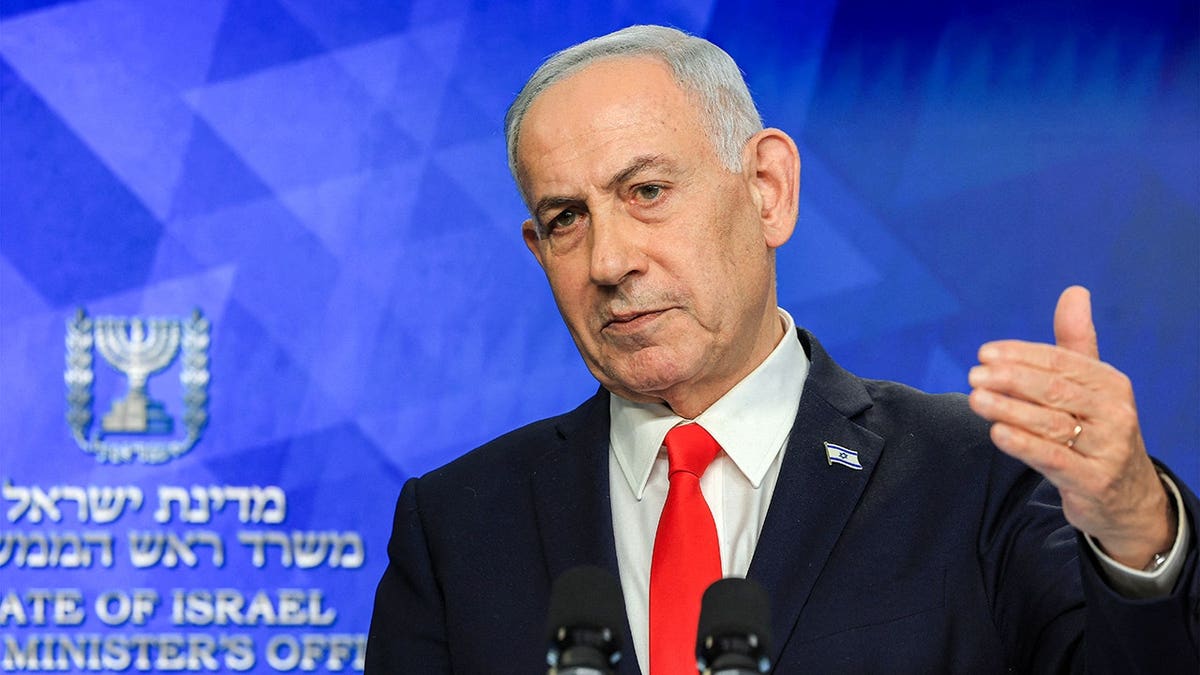
New York City Mayor Zohran Mamdani said his administration is exploring whether the city has legal authority to arrest Netanyahu, pictured here, if he visits for the U.N. General Assembly. (Ronen Zvulun/Pool/AFP via Getty Images)
Israeli officials strongly deny all charges. Netanyahu’s office has rejected the ICC’s jurisdiction, labeling it «a kangaroo court that has no jurisdiction over Americans or Israelis.»
«People are smart; they know there’s no legal basis for his remarks,» Danon said. «The U.S. is not part of the ICC. There is no warrant that is actually effective against the prime minister in the U.S. So it’s a political stunt.»
«We have serious issues to deal with — the war with Iran and other critical matters.
«The prime minister is not actually dealing with Mamdani’s remarks at all. He said it very clearly: He intends to come and speak at the U.N.
CLICK HERE TO DOWNLOAD THE FOX NEWS APP
«Prime Minister Netanyahu will come to New York and will speak in the General Assembly,» Danon said. «The only thing the mayor can do is come to the U.N., grab a seat, listen to the Prime Minister and maybe learn something from his speech.
«Last year, Mayor Adams came to the prime minister’s speech,» Danon noted. «A local leader can come and hear. That’s the only thing he can do.»
israel, benjamin netanyahu, zohran mamdani, new york, united nations

Jack Smith hit with criminal referral as GOP moves testimony fight toward prosecution

Rocío Igarzabal reveló el ritual que la conecta con Ernestina Pais a casi un mes de su muerte: “Un momento con mi amiga”

El intendente libertario de Allen investigado por peculado aseguró que su suspensión del cargo es “un golpe institucional”

El proverbio africano del día: “Ninguna hormiga carga sola con el peso del hormiguero, sino que cada una carga 10 veces su propio peso“

Jornada financiera: la Bolsa marcó un nuevo récord y cayó el riesgo país tras la mejora de la nota crediticia de Moody’s

Mientras aumenta el precio del petróleo, Trump amenaza con destruir puentes y centrales eléctricas de Irán

Sin la Copa y sin Messi en el avión, vuelve Tapia y deberá enfrentar tres frentes de tormenta tras la pausa del Mundial

Escándalo Mundial: Las presiones secretas, la amenaza de la FIFA por Malvinas y la verdad detrás del partido contra España

Samuel L. Jackson llamó a Argentina “el país más racista del mundo”: la contundente respuesta que le dejó Bárbara Lombardo

Le ganan a la inflación: los senadores pasarán a cobrar $12 millones brutos a partir de agosto

 POLITICA3 días ago
Sin la Copa y sin Messi en el avión, vuelve Tapia y deberá enfrentar tres frentes de tormenta tras la pausa del Mundial
- DEPORTE1 día ago
Escándalo Mundial: Las presiones secretas, la amenaza de la FIFA por Malvinas y la verdad detrás del partido contra España
- CHIMENTOS2 días ago
Samuel L. Jackson llamó a Argentina “el país más racista del mundo”: la contundente respuesta que le dejó Bárbara Lombardo