INTERNACIONAL
Trump suffers rare House defeat as bipartisan vote moves to withdraw troops from Iran conflict

NEWYou can now listen to Fox News articles!
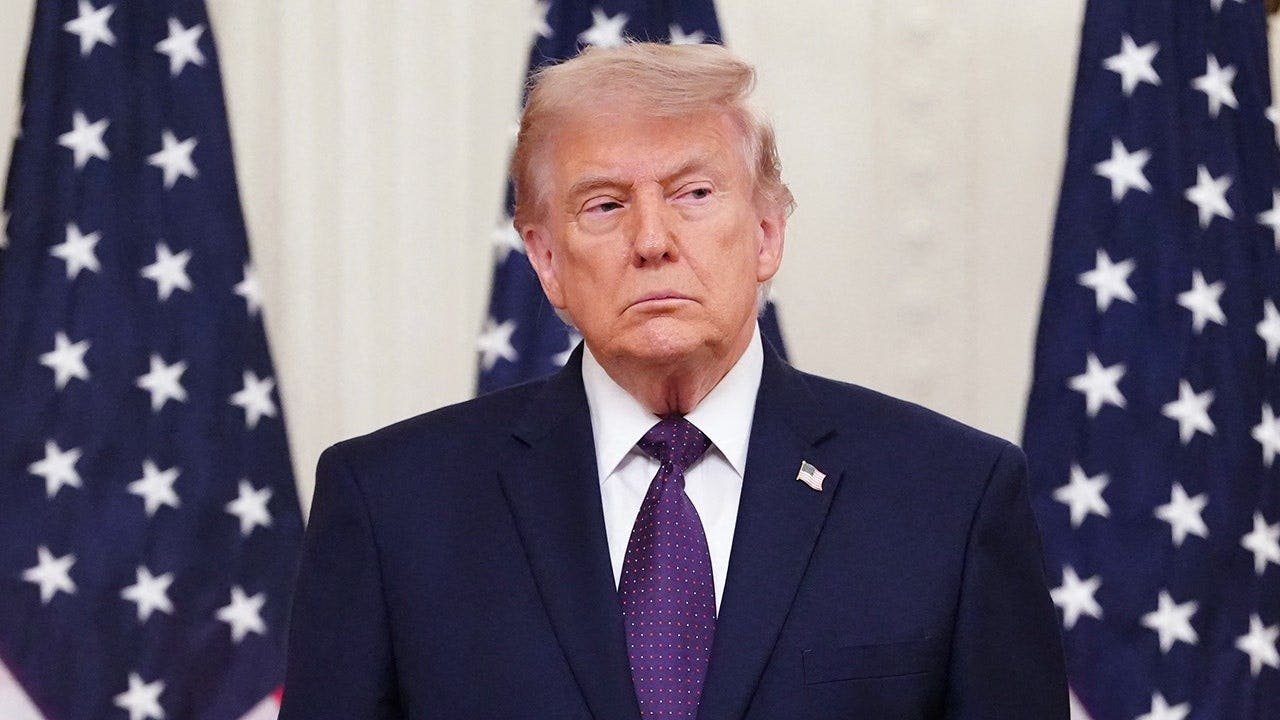
President Donald Trump suffered a rare defeat in the House of Representatives on Wednesday after Democrats joined by a handful of Republicans voted to sharply curb his war powers in Iran.
Lawmakers voted 215-208 to withdraw troops from using military force against Iran absent congressional authorization.
All Democrats present voted for the measure to effectively halt the U.S. military campaign against Iran. Reps. Thomas Massie, R-Ky., Warren Davison, R-Ohio, Brian Fitzpatrick, R-Pa., and Tom Barrett, R-Mich., were the lone Republicans to buck the president and support the war powers resolution.
Massie, an ardent foe of the president who lost his primary to a Trump-backed challenger, and Davidson, a libertarian-aligned lawmaker have criticized the war in Iran. Fitzpatrick and Barrett are both facing potentially difficult re-election bids in swing districts.
Thousands gathered at Revolution Square in Tehran on May 30, 2026, to protest attacks by the U.S. and Israel on Iran, carrying Iranian flags and posters of the late Supreme Leader Ali Khamenei. (Fatemeh Bahrami/Anadolu)
SWING-DISTRICT REPUBLICAN BREAKS WITH TRUMP, PUSHES LIMITS ON IRAN WAR
A majority of Republicans, however, sided with the president as Democrats sought to put them on the record.
«It’s just a total BS vote. I think there’s no Democrat, no Republican that can tell you what forces they would want pulled from Iran,» House Foreign Affairs Committee Chairman Brian Mast, R-Fla., told Fox News. «They just want a stupid political vote, which is what this is.»
The successful war powers vote is largely a symbolic loss for Trump given an expected presidential veto and the lack of a veto-proof majority.
Even if Congress did cobble together a supermajority to force the president’s hand, it’s unclear whether Trump would ultimately withdraw U.S. forces.
Trump administration officials have repeatedly argued the 1973 War Powers Resolution requiring congressional oversight of military action is unconstitutional.
The Senate advanced a similar resolution curbing the president’s war powers in May. But Democrats in both chambers have not yet gotten behind a bicameral measure that could be sent to Trump’s desk.
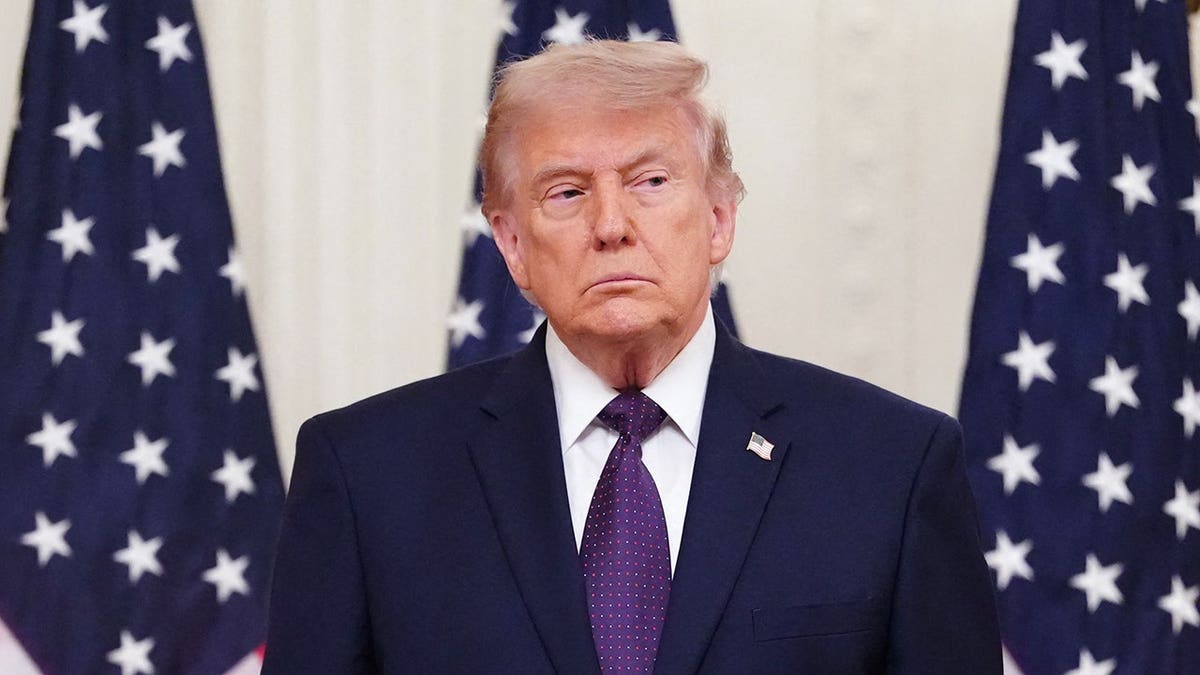
President Donald Trump suffered a significant rebuke in the House of Representatives on Wednesday after the chamber passed a war powers resolution seeking to halt the U.S. military campaign in Iran. (Aaron Schwartz/AFP via Getty Images)
US ALLY KUWAIT CONDEMNS ‘BRUTAL AND ONGOING IRANIAN ATTACKS’ AFTER AIRPORT WAS HIT
The GOP defections come as a growing number of Republicans have started to sour on the president’s handling of the war. For weeks, Trump has floated a potential deal with Iran to end hostilities, but both sides have continued to trade strikes amid stalled negotiations.
Roughly six in ten voters oppose military action against Iran, according to a Fox News poll published in May. However, 72% of respondents said the U.S. is winning the war.
Some Republicans argued the war powers resolution would undermine efforts to end the conflict, which they said has largely subsided since the first ceasefire was announced in early April.
«It doesn’t seem like it’s much of a war at this point,» Rep. Abe Hamadeh, R-Ariz., told Fox News. «I know there’s some skirmishes back and forth, but we’ve got to give President Trump the latitude to negotiate.»
«So people who are trying to get in his way, I think, are being a little foolish right now,» he added. «The war for all intents and purposes ended back in April.»
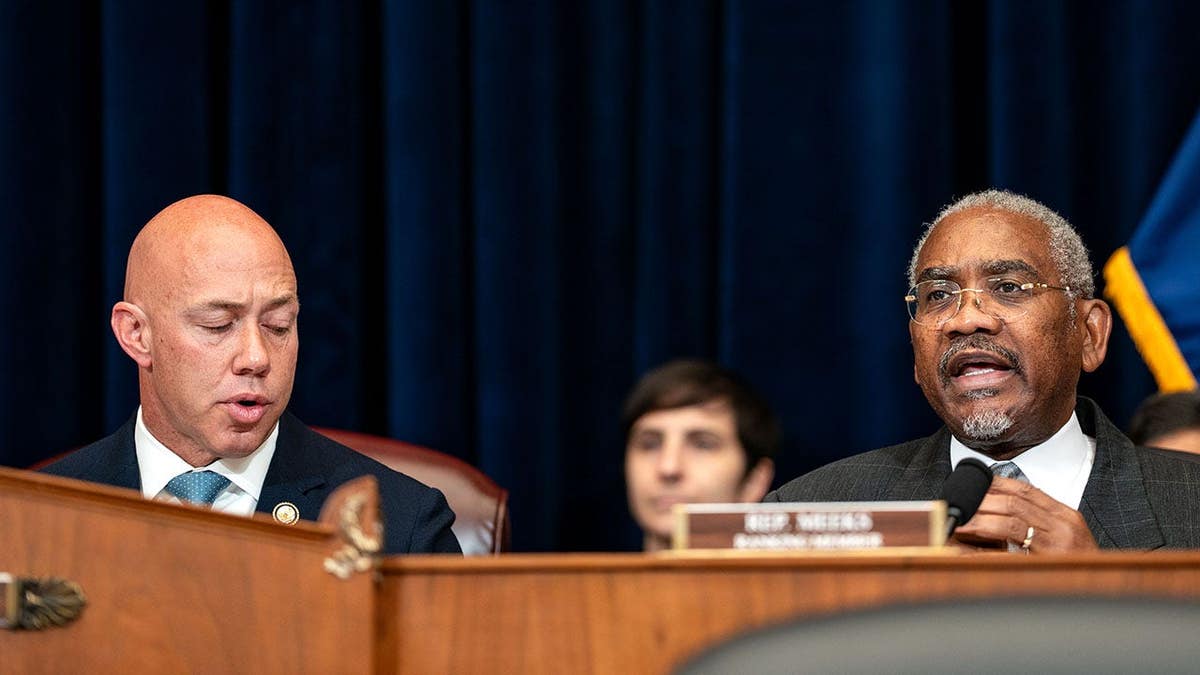
House Foreign Affairs Committee Chairman Brian Mast, R-Fla., sharply criticized the Democratic-sponsored war powers resolution offered by Rep. Gregory Meeks, D-N.Y., as a «BS vote.» (Kent Nishimura/Getty Images)
CLICK HERE TO DOWNLOAD THE FOX NEWS APP
Republican leadership initially delayed the vote on the Democratic-led resolution in late May following attendance issues among GOP lawmakers.
«We had a vote because of this president’s war of choice that was going to pass. We had the votes. Without question, and they knew it,» House Foreign Affairs Committee Ranking Member Gregory Meeks, D-N.Y., who led the resolution, told reporters following the scrapped vote.
politics, defense, congress, democrats, war with iran, republicans









INTERNACIONAL
Controversial ICE tactic actually reduces unintended ‘collateral’ arrests: federal agent
NEWYou can now listen to Fox News articles!
Following a week of U.S. Immigration and Customs Enforcement (ICE) vehicle stops making national headlines, a federal special agent working in deportations revealed why vehicle stops are a «very important» part of the agency’s operations.
After the second ICE officer-involved shooting in a week took place in Maine on Monday, agents nationwide were given guidance to pause vehicle stops until further notice. That guidance, however, was overruled by President Donald Trump on Wednesday, who called vehicle stops «one of ICE’s most important and effective Crime Fighting tools.»
Though controversial, the agent, who spoke on the condition of anonymity, said vehicle stops are actually the preferred tactic for many officers, because they are safer for both law enforcement and the subject than home apprehensions, and they allow more time to identify the target than street apprehensions.
Perhaps most notably, while vehicle stops have been widely criticized, the agent explained that they decrease «collateral» arrests, which they said are the apprehension of illegal immigrants who were not the target of the operation but were «at the wrong place at the right time.»
«[Vehicle stops] lead to a higher success rate in apprehending the target that they [ICE officers] are looking for and not getting the collateral. The collateral is the person that we’re not looking for, but we encounter, and they deem them as having no legal presence and/or illegal; therefore, they are going to have an admin arrest done on them.»
ICE RESUMES NATIONWIDE TRAFFIC STOPS UNDER NEW POLICY REQUIRING BODY CAMERAS
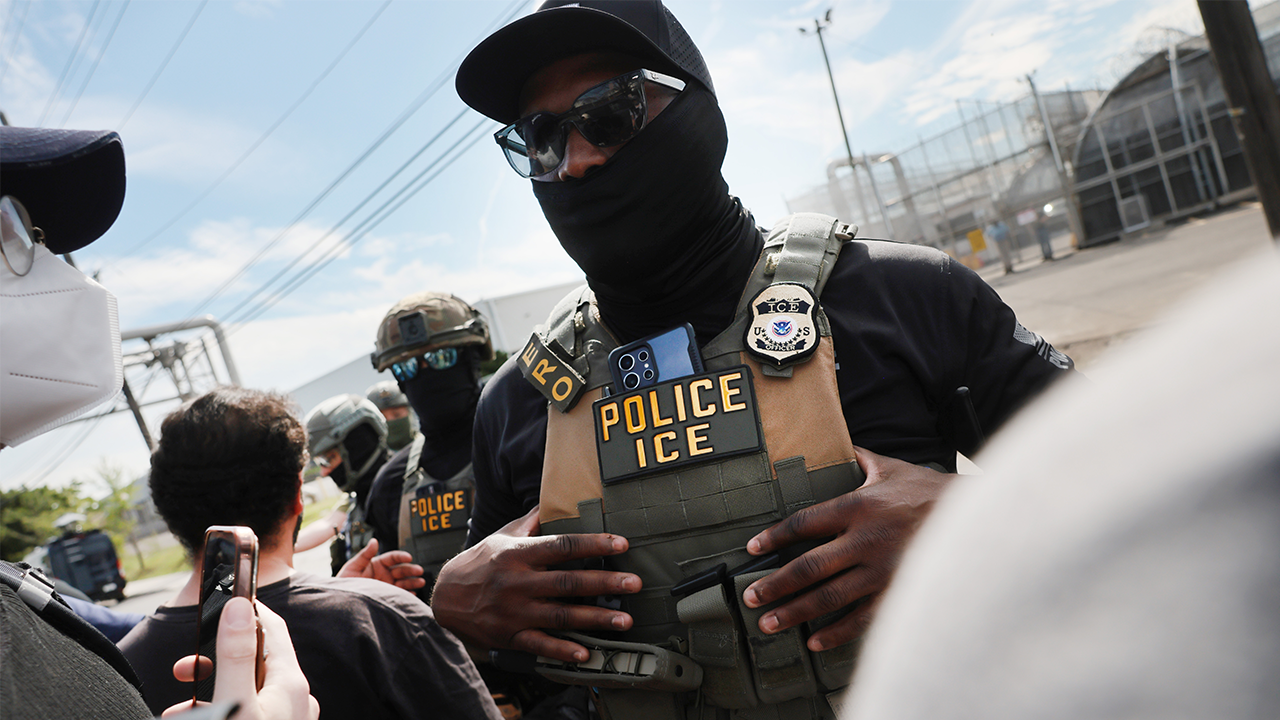
ICE agents stand guard in front of protesters outside the federal immigration center at Delaney Hall, where ICE is housing detained immigrants on May 26, 2026, in Newark, New Jersey. (Spencer Platt/Getty Images)
The agent said vehicle stops are a «daily» part of ICE’s operations. They described the stops as a critical «tool in the toolbox» for federal officers working on deportation operations.
Simon Hankinson, a senior research fellow on border security and immigration at the Heritage Foundation, explained that vehicle stops have become increasingly «crucial» due to growing operational risks.
«When you have to go to someone’s house, we’ve seen how difficult that can be if they don’t want you in. You need warrants, and if you’re breaking down doors, chances of somebody getting hurt are significantly higher,» he said.
«What they’re trying to do is find people and take them into custody in the calmest, quietest, safest manner possible,» Hankinson continued. «So, ideal is when local law enforcement and police presence will honor ICE detainers, and they’ll hand them over at prisons when they’re finished their sentence or their hearing or whatever it is. But when they release particularly violent criminals into the city, they will go to ground, they’ll hide, they’ll hide in places where they’re hard to find. And so, it is easier to stop them in their vehicle when they are going from A to B than it is to try to pick them up in a building with doors that are locked.»
At the same time, Hankinson called out groups using the possibility of danger in these operations to push for an end to all enforcement operations.
DOJ ACCUSES MARYLAND OF ‘ACTIVE AND DELIBERATE EFFORT’ TO PREVENT DEPORTATIONS OF ILLEGAL IMMIGRANTS: LAWSUIT
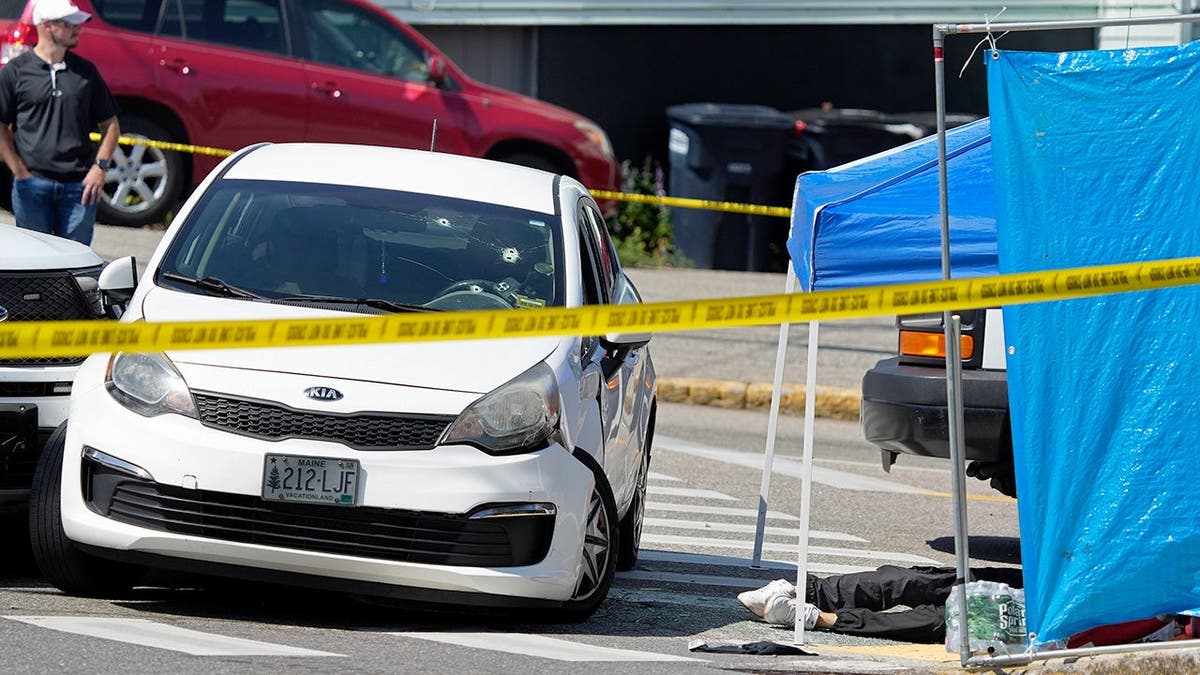
The victim of a fatal shooting that involved U.S. Immigration and Customs Enforcement agents is visible at the scene near the car he was driving when agents shot through the windshield, in Biddeford, Maine, July 13, 2026. (Gregory Rec/Portland Press Herald via Getty Images)
«They will pretend that what they really want is safety and that they just don’t want anybody getting hurt. But if you scratch the surface, you realize that’s not actually their goal. If we were able to carry out deportations in 100% perfect safety and security, they would still oppose it.»
In a social media post this week, Trump wrote, «We CANNOT give up one of ICE’s most important and effective Crime fighting tools, THE TRAFFIC STOP!»
The president reasoned that the announced DHS policy shift would be «playing right into the criminal’s [sic] hands.»
Addressing federal agents directly, he then said, «ICE, be judicious, fair and smart, and go back and do your very important job.»
The agent said that Trump’s reversal was a «huge» boost for ICE officers. The agent also noted that despite the reversal, new training on vehicle stops and how to respond to dangerous situations is already being administered to many officers operating in the field. They said that, especially given the increase in often adversarial public attention, they would «welcome» even more training for officers on vehicle stops.
«Any time you take a tool out of the toolbox, it is going to create challenges for [agents] to do their job in a more efficient way,» the agent said.
HARRIS CALLS FOR ICE PROBE AFTER MAINE SHOOTING AMID RENEWED ‘BORDER CZAR’ CRITICISM
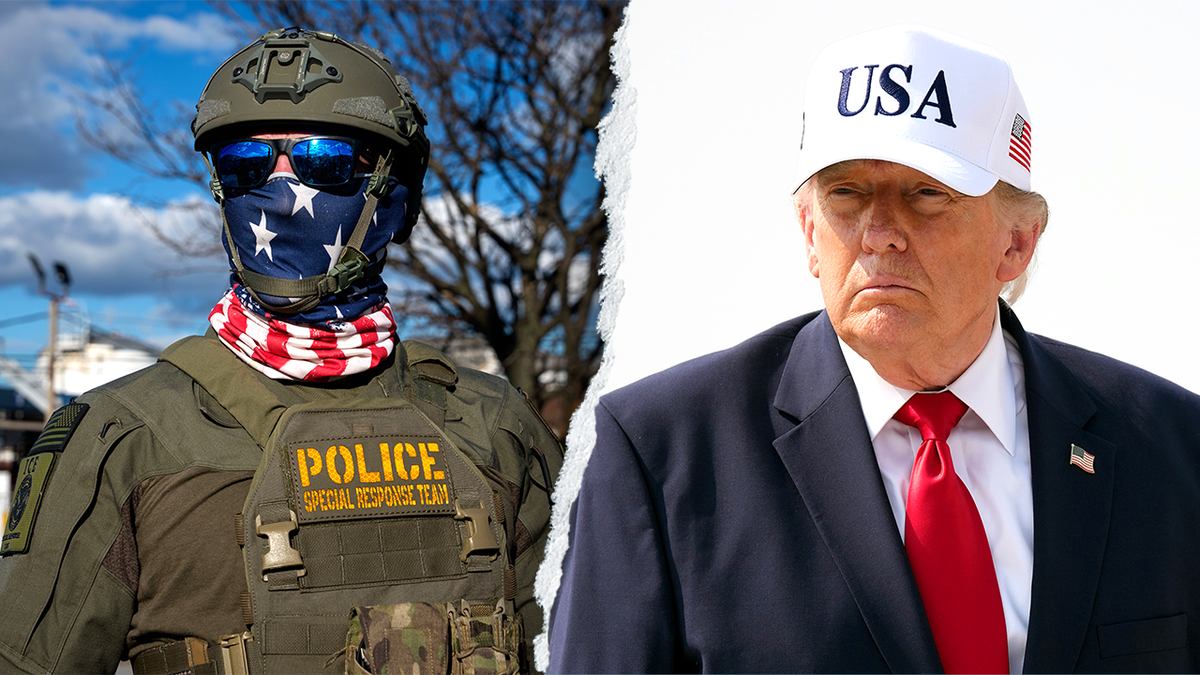
The day after the Department of Homeland Security announced a pause on ICE vehicle stops, President Donald Trump has instructed the Department of Homeland Security to reverse course. (Adam Gray/Getty Images; Andrew Harnik/Getty Images)
CLICK HERE TO DOWNLOAD THE FOX NEWS APP
«In other words, if I’m encountering them on a sidewalk, and they see me, and they can get in the car and leave, that’s what they’re going to do. And I don’t have any recourse, or our team will not have a recourse to go after him and stop him,» the agent said. «We’d have to hope he stops or, God forbid, he crashes into something and causes property and/or bodily harm to someone else, a third party.»
«I don’t want to hurt anyone; I really don’t,» they said. «I think any sane person would be in agreement with me to say, ‘Hey, let’s look at how we can do this safer for everybody.’»
deportation, illegal immigrants, police and law enforcement, enforcement, homeland security
INTERNACIONAL
Terremotos en Venezuela: el drama entre los escombros, las historias y la incertidumbre por lo que viene
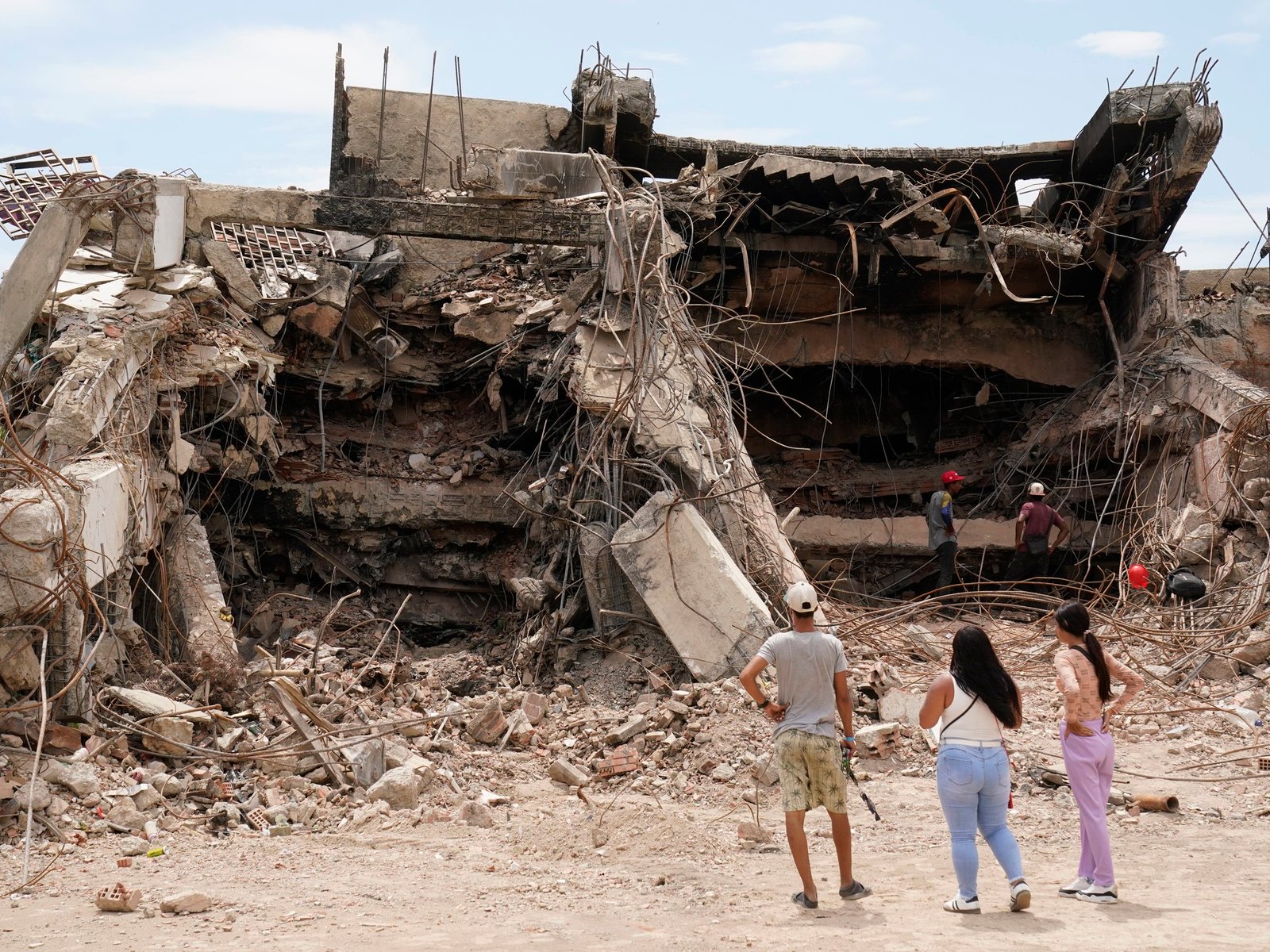
La Guaira, ese estrecho balcón del caribe que ya conoció la furia de la naturaleza en el trágico deslave de 1999, el 24 de junio quedó sepultado bajo toneladas de escombros. Clarín llegó a Venezuela 48 horas después de los dos terremotos consecutivos, que en poco más de 30 segundos interrumpieron miles de vidas.
A lo largo de 12 días, el equipo periodístico conformado por el fotógrafo Fernando De la Orden y este cronista, trabajó en la cobertura de la catástrofe natural, que deja casi 5000 muertos reconocidos de manera oficial, más de 16 mil heridos, miles de desplazados y muchos desaparecidos.
La Guaira fue el epicentro del desastre, con escenarios apocalípticos: edificios de más de diez pisos colapsados como sándwiches de concreto y hierro retorcidos, olor a putrefacción con temperaturas superiores a los 40 grados. Caracas, la capital venezolana, a unos 40 minutos de La Guaira, también padeció derrumbes, decenas de muertos que quedaron atrapados entre los cascotes y miles de desplazados.
Entre esas primeras horas clave para intentar buscar personas atrapadas, un héroe fue Bart, el perro de rescate argentino de la Infantería de Marina que, escurriéndose por túneles bajo las ruinas, marcó con precisión el punto de vida de dos pequeños hermanos. Aquel rescate fue uno de los pocos oasis de luz en medio de pésimas noticias.
Con el correr de los días la esperanza de encontrar personas con vida se tornó lejana. Aún así, quienes tenían a familiares entre los escombros se convirtieron en los primeros voluntarios. Desesperados, un reclamo repetido fue el de que el Estado de Venezuela no colaboró.
El enojo de los sobrevivientes estalló contra el cerco militar impuesto por la Guardia Nacional Bolivariana. Con fusiles de asalto y rostros cubiertos, las fuerzas de seguridad militarizaron las entradas de La Guaira para maquillar el descontrol logístico y evitar saqueos. Los familiares les reclamaban palas y máquinas para colaborar, pero se quedaban parados.
Una de las imágenes más impactantes, que incluso desentonaba con las pilas de escombros, fue la del barrio de viviendas sociales Hugo Chávez Frías, con tres edificaciones quemadas y autos incinerados. La explosión de un tanque de gas que debía estar vacío marcó la doble tragedia de de Playa Grande, en Catia La Mar, dentro de La Guaira. Hubo al menos cuatro personas que habían quedado atrapadas por los terremotos que murieron carbonizadas.
Durante el día la avenida costera de Caraballeda, uno de los balnearios más afectados, tenía un tránsito incesante. De noche, bajaba el movimiento y muchos rescatistas aprovechaban para usar a los perros.
Clarín acompañó a los equipos argentinos de la Policía Federal y del Ejército. Bajo el resplandor de reflectores recuperados de una cancha de fútbol destruida, y con el zumbido constante de los generadores, los agentes argentinos se turnaban para descansar y siempre tenían alguno de los siete perros disponibles para salir a revisar ante los avisos de pruebas de vida.
Muy cerca del campamento argentino, un puerto local fue transformado en morgue improvisada. Cientos de bolsas mortuorias con cuerpos hinchados fueron colocados bajo el sol del Caribe. En ese lugar, jóvenes como Isamar buscaban a sus familiares. Antes pasaron por los hospitales, revisaron los listados de heridos, pegados en las paredes de hospitales desbordados, borroneadas con el paso de los días.
Después de los diez días, se empezaron a retirar las brigadas internacionales de rescate y empezaron a llegar más sanitaristas coordinados por la Organización Mundial de la Salud. La entidad encendió las alarmas por posibles brotes epidémicos debido al colapso del agua potable y el caos sanitario.
Entre las ruinas, el vacío del Estado fue cubierto por iniciativas desesperadas: la cruzada de una ex Miss Mundo Venezuela para localizar niños huérfanos y, en el extremo de la miseria, la aparición de «los cobreros». Expuestos a infecciones, decenas de desocupados removían el polvo a cambio de un kilo de cobre que revender por cinco dólares.
Un crudo espejo de la descomposición social. Doce días después, La Guaira sigue en ruinas, el régimen hizo anuncios de mejoras económicas en medio del lamento de un pueblo atrapado en la incertidumbre, que todavía no terminó de recuperar a todas las víctimas de los dos terremotos.
INTERNACIONAL
Conservatives unite around Save America Act after Trump declassifies ‘shocking’ election intel
Newt Gingrich: The Constitution works
Former Speaker of the House Newt Gingrich discusses Donald Trump’s commitment to the ‘Save America Act,’ which includes mandatory voter ID. He advises Trump to rally public support across the nation to overcome legislative hurdles. Gingrich highlights widespread public support for secure elections and suggests this approach could expose the Democratic Party’s resistance to voter integrity, particularly given the recent rise of radical socialist candidates.
NEWYou can now listen to Fox News articles!
Conservatives rallied around President Donald Trump online Thursday after he doubled down on calls for lawmakers to pass the Safeguard American Voter Eligibility (SAVE) America Act, citing alarming election integrity vulnerabilities he said his administration had discovered.
«Thank you, Mr. President,» Rep. Tim Burchett, R-Tenn., wrote on social media.
«We are going to lose our country if we don’t pass the dadgum SAVE America Act. Call your senator and tell them to save our great nation.»
SENATE FACES ‘COME-TO-JESUS’ MOMENT ON TRUMP’S ELECTION PRIORITY UNDER GOP’S NEW PLAN
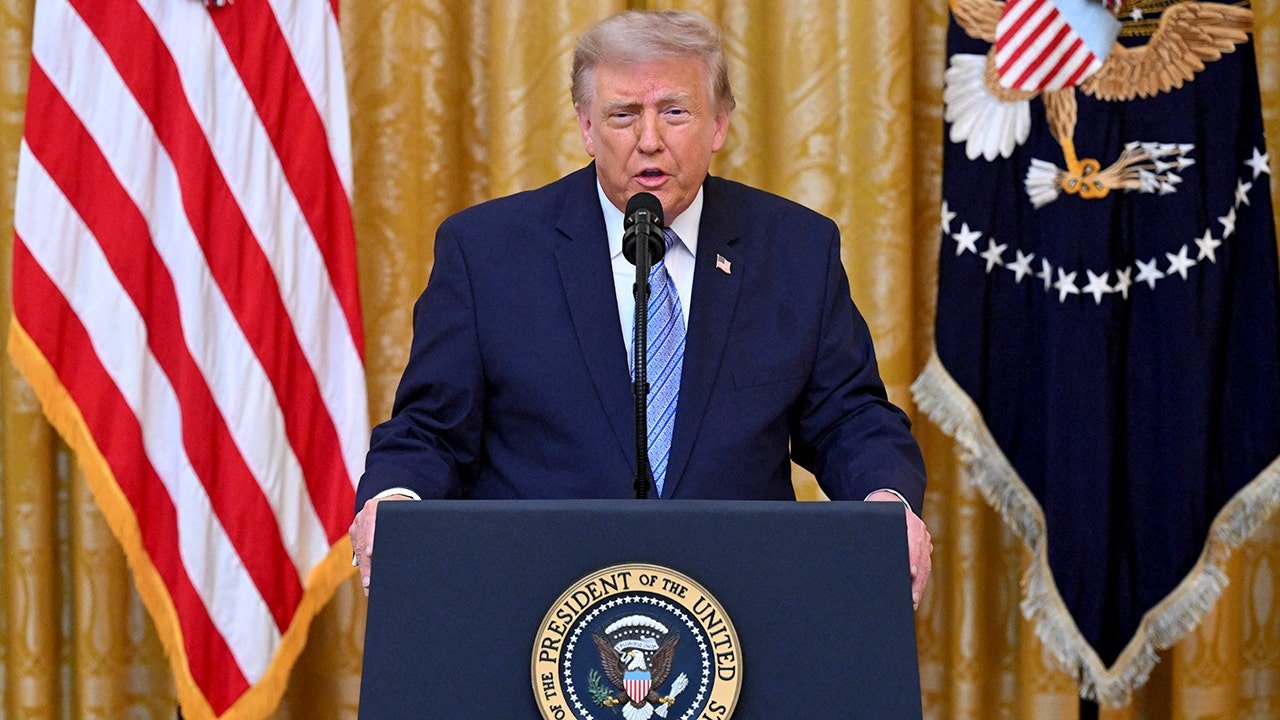
US President Donald Trump addresses the nation from the East Room of the White House in Washington, DC on July 16, 2026. SAUL LOEB/Pool via REUTERS ( )
Trump promised a series of disclosures on the discovered weaknesses.
«Tonight, I’m announcing the immediate declassification and release of critical intelligence, revealing shocking vulnerabilities in our election infrastructure,» Trump said.
In particular, the president said those new documents would focus on a handful of key allegations, including foreign data theft carried out by China, that members of the U.S. government had known about election vulnerabilities, that Americans had been misled for years about those weaknesses and new evidence of «election fraud.»
To address them, Trump called on lawmakers to pass the SAVE Act — a bill that, among other provisions, would require proof of citizenship to participate in federal elections.
«I ask you to pick up your phone tomorrow, call your representatives in the House and Senate, and demand that they pass the Save America Act without delay. Together, we will restore faith and confidence in our country, and we will be bigger, better and stronger than ever before,» Trump said.
Almost immediately, his calls were echoed by Republican lawmakers online.
«It is more important than ever to crush foreign election interference. It is more important than ever to pass the SAVE AMERICA ACT,» Sen. Mike Lee, R-Utah, said in a post to X.
MORE THAN A QUARTER-MILLION NONCITIZENS MAY BE REGISTERED TO VOTE IN 4 KEY STATES, DHS ALLEGES

Sen. Mike Lee, R-Utah, is leading the push in the Senate to pass voter ID legislation, and pitching multiple paths that Republicans could take to do it. (Bill Clark/CQ-Roll Call, Inc via Getty Images)
Hans Von Spakovsky, an election expert with Advancing American Freedom, a conservative think tank, agreed.
«The president is absolutely correct that the SAVE Act needs to be passed to implement universal voter ID and proof of citizenship,» Spakovsky said.
«He is also correct that the only reason an elected official would oppose this is because that official wants to make it easy to cheat and ensure that aliens who register and vote are not caught,» Spakovsky added.
The legislation, which has passed the House of Representatives multiple times, has been stopped by Democratic opposition in the Senate, where Republicans need at least 60 votes to overcome a filibuster.
Republicans hold just 53 seats in the chamber.
Despite Trump’s calls to remove the filibuster, a part of Senate procedure, enough Republicans have expressed support to keep it in place, arguing that it forces aat least some level of bipartisan cooperation over the most substantive pieces of legislation. But on Thursday, more voices demanded the Senate revisit the rule.
«The Senate needs to end the zombie filibuster and pass the SAVE America Act. Election integrity is far more important than the dying institutional ‘norms’ of the Senate,» Rep. Brandon Gill, R-Texas, wrote on Xshortly after Trump’s speech.
Democrats, who claimthe bill would add too many hurdles for minorities and other demographics to participate in elections, bashed Trump’s calls on Thursday, including former Vice President Kamala Harris.
«The SAVE Act is voter suppression. It is part of a larger agenda of conservatives trying to steal power from the people,» Harris said in a post to social media.
«He wants you to lose confidence in our electoral system, so you stay home this November. He knows how discontent the American people are, and he wants to make sure that you do not vote,» she added.
Rep. Ayanna Pressley, D-Mass., echoed Harris’ calls.
WATCH: ELISSA SLOTKIN SAYS SAVE AMERICA ACT WOULD MAKE IT ‘HARD FOR ANY DEMOCRAT’ TO WIN AN ELECTION
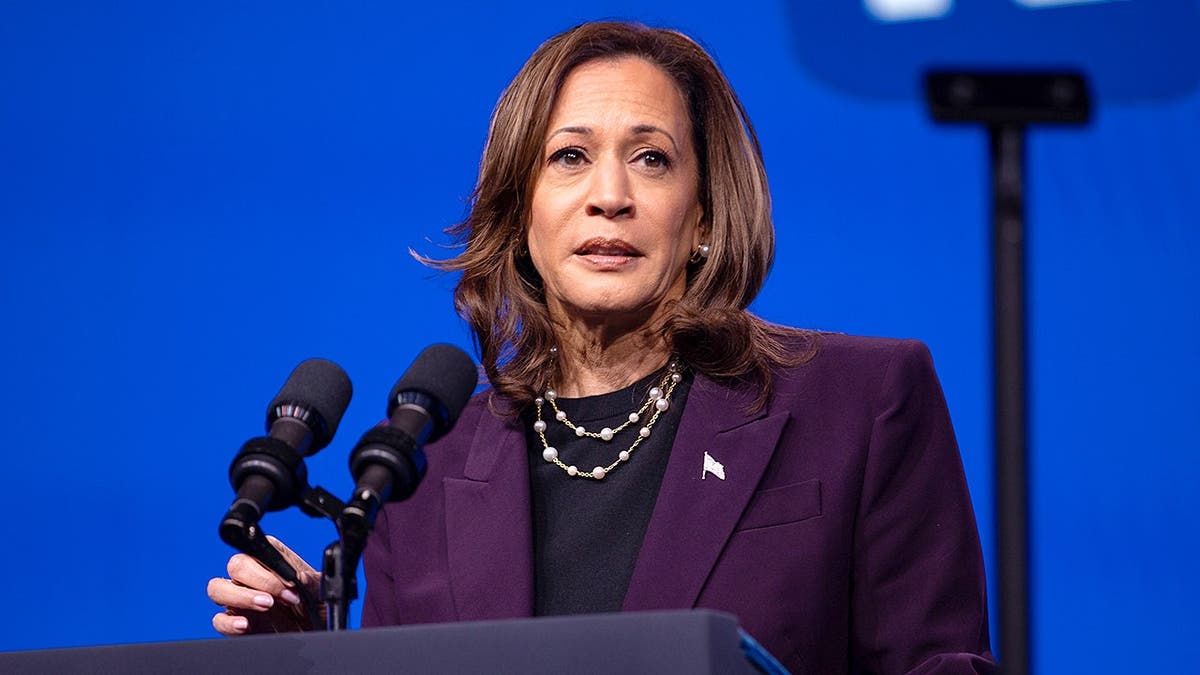
Vice President Kamala Harris spoke at the American Federation of Teachers’ 88th National Convention on July 25, 2024, in Houston, Texas. (Montinique Monroe/Getty Images)
CLICK HERE TO DOWNLOAD THE FOX NEWS APP
«Donald Trump lost the 2020 election. And now he’s trying to rig this year’s election with the SAVE America Act to make it harder to vote for millions of women, veterans, rural folks, & voters of color,» Pressley said in a post of her own.
Sen. Patty Murray, D-Wash., also joined in the chorus of Democratic condemnations.
«After listening to the president’s rambling address, I want him to know that the SAVE America Act is going NOWHERE in the Senate. It belongs in the trash with the rest of Donald Trump’s conspiracy theories. America, use your vote and your voice to save our democracy,» Murray said in a post to X.
It’s unclear when the Senate might reconsider the SAVE Act.
republicans, elections, congress, politics, voting

The Guardian pidió que el Reino Unido reabra negociaciones con Argentina por las Malvinas: “No pueden ser británicas para siempre”

Controversial ICE tactic actually reduces unintended ‘collateral’ arrests: federal agent

Racing Club vs Defensa y Justicia por la Copa Argentina 2026: detalles del historial entre los dos equipos

Qué cambia para la yerba mate argentina tras la apertura de un gigante mercado internacional

La Justicia avanza contra una casa de cambio que movió millones de dólares de un secretario de Kirchner

Franco Colapinto se aleja de todo con una fuertísima declaración: «No me importa»

Operativo Reelección 2027: Los 8 Cambios Urgentes que Javier Milei Debe Implementar para Asegurar su Continuidad

El machete del arquero inglés en una botella que sorprendió a Messi tras el triunfo: el dardo de un ayudante de Scaloni a Inglaterra

Quiénes se quedan con las esquinas más cotizadas de la Ciudad tras el cierre de sucursales bancarias

Aumentó 900% la cantidad de repartidores de plataforma en los últimos 6 años

 DEPORTE1 día ago
El machete del arquero inglés en una botella que sorprendió a Messi tras el triunfo: el dardo de un ayudante de Scaloni a Inglaterra
- POLITICA13 horas ago
El fuerte cruce público entre Victoria Villarruel y Patricia Bullrich tras los chats filtrados antes de la sesión del Senado
- ECONOMIA3 días ago
Vaca Muerta promete renta anual del 15% y desata una fiebre inmobiliaria sin precedentes