INTERNACIONAL
Slain Iranian nuclear scientists raises alarm over uranium, expertise reaching black market


NEWYou can now listen to Fox News articles!
The killing of Iranian nuclear scientists in U.S.-Israeli military strikes has raised fears that, if the regime destabilizes, weakened control over uranium stockpiles and the spread of nuclear expertise could increase proliferation risks.
While Iran can replace its lost personnel, experts say the lost expertise will be harder to rebuild and undisclosed sites in the country may also leave dangerous materials and knowledge vulnerable.
«Currently, the risk of nuclear terrorism or nuclear material moving to the black market remains low,» said Kelsey Davenport, director of nonproliferation policy at the Arms Control Association.
«Non-state actors would face challenges in accessing enriched uranium, and it is unlikely they would have the infrastructure to enrich it to weapons-grade levels and convert it into the metallic form required for a warhead core,» she said.
UN NUCLEAR CHIEF WARNS STRIKE NEAR IRAN REACTOR RISKS CROSSING ‘REDDEST LINE’
Mourners gather around the flag-draped coffins of the Iranian armed forces generals, nuclear scientists and their family members who were killed in Israeli strikes, in Tehran, June 28, 2025. (Vahid Salemi/AP)
«However, if the current Iranian government implodes or the conflict causes significant internal instability, there is an increased risk that nuclear materials will be stolen or diverted to undeclared sites.»
«There is also a risk that Iranian nuclear scientists may be willing to sell their expertise to states or non-state actors seeking nuclear weapons,» Davenport said in a new report.
Several senior figures in Iran’s nuclear and defense infrastructure have been killed over the past two years, coinciding with the campaign of U.S. and Israeli strikes on Iran’s nuclear facilities between 2025 and 2026.
Among them is Hossein Jabal Amelian, head of the Organization of Defensive Innovation and Research (SPND), who was killed in 2026 during Operation Rising Lion and Operation Epic Fury.
ISRAELI MINISTER OUTLINES IRAN MISSION GOALS, SAYS IRANIAN PEOPLE NOW HAVE CHANCE TO ‘REGAIN THEIR FREEDOM’

President Pezeshkian said Iran would rebuild the nuclear facilities targeted by the U.S., and make them stronger in 2025. (Iranian Presidency/Handout/Anadolu via Getty Images)
SPND is seen as the successor to Iran’s pre-2004 nuclear weapons program and plays a key role in new weaponization research.
Others killed in 2025 include Mohammad Mehdi Tehranchi, Akbar Motallebizadeh and Said Borji, all linked to weaponization work.
«The full impact of this campaign on Iran’s weaponization capabilities remains unclear,» Jim Lamson, a senior research associate at the Center for Nonproliferation Studies, told Fox News Digital.
«There will be replacements of the managers and scientists, but the impact on the killed officials’ experience and expertise will be hard to replace,» the former CIA analyst said.
«Many key scientists involved in suspected weaponization work were killed in 2025 and 2026.»
«Their successors may also fear being targeted in the future, whether by military strikes or assassination. That could affect their motivation and willingness to participate in any nuclear weapons program.»
AFTER THE STRIKES, HOW WOULD THE US SECURE IRAN’S ENRICHED URANIUM?
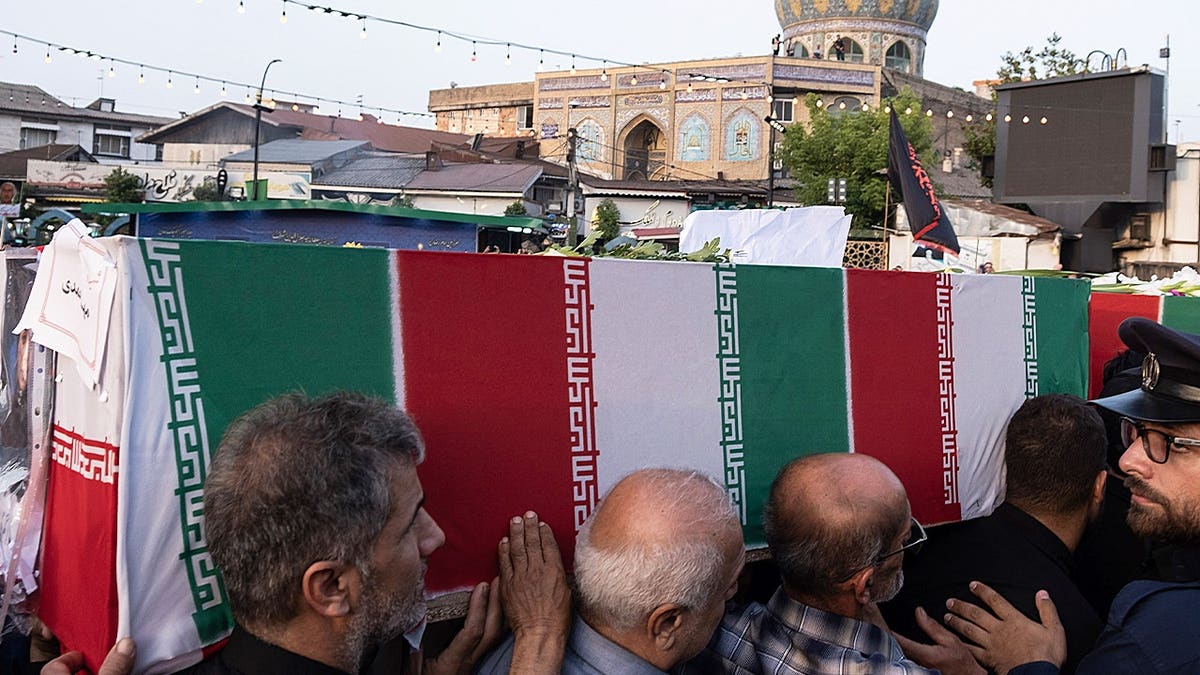
Mourners carry the coffin of Iranian nuclear scientist Mohammad Reza Sedighi Saber. (Alborz Irani/SOPA Images/LightRocket via Getty Images)
Lamson also said many of those targeted were embedded in sensitive areas of Iran’s nuclear work, including the fuel cycle and weaponization.
«These scientists had expertise in areas of the nuclear fuel cycle of key concern for nuclear weapons, including the production of highly enriched uranium (HEU), which was Iran’s main pathway for fissile material,» he said.
«The scientists also had expertise in weaponization — that is, in key aspects of the design and production of nuclear explosive devices,» Lamson added.
That said, U.S. and Israeli targeted strikes have also hit a network of sites tied to their work, creating extra obstacles for Iran’s program in the near term, he said.
«We have identified at least 11 weaponization-related sites that have been hit since 2024,» Lamson said.
«These include SPND headquarters, a newly identified site called Min-Zadayi in northeast Tehran, SPND’s Taleghan and Sanjarian explosives testing sites, the Defense Ministry’s Shahid Meisami complex in western Tehran and several research universities.»
These facilities were all involved in neutronics, explosives, metallurgy and nuclear physics — all tied to nuclear weapons development, he said.
TRUMP’S MIDDLE EAST ENVOY REVEALS WHAT LED TO BREAKDOWN IN IRAN TALKS BEFORE OPERATION EPIC FURY
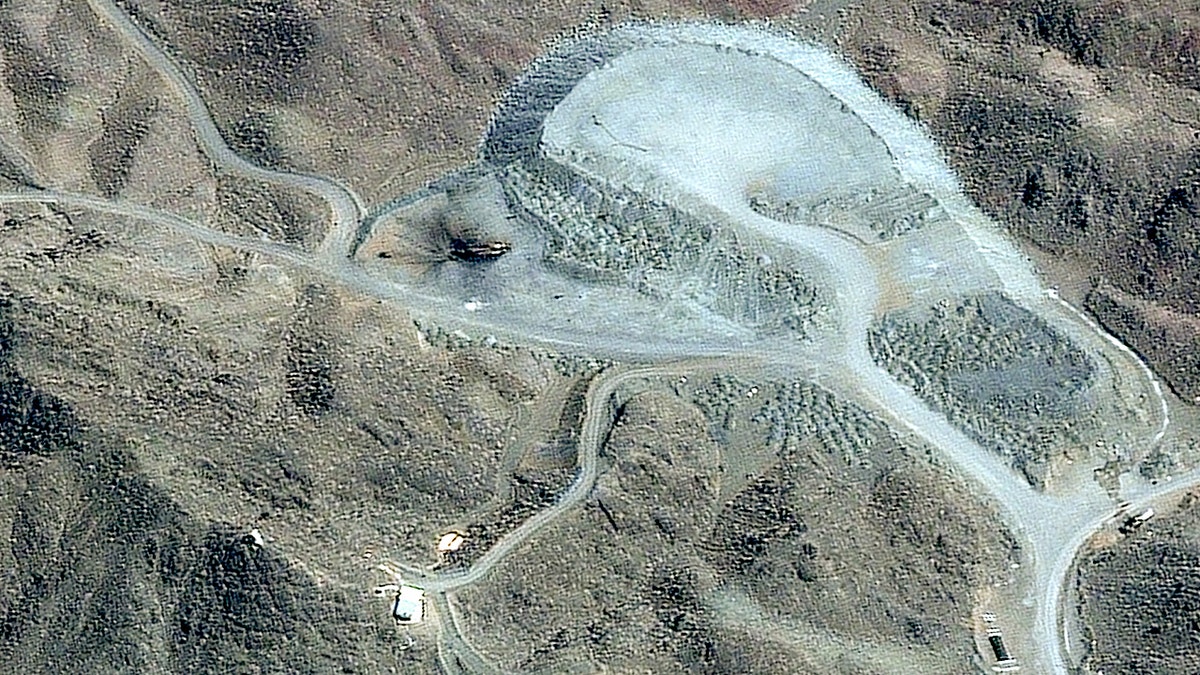
Satellite imagery shows reinforcement efforts at Pickaxe Mountain site as Trump says Tehran is pursuing nuclear weapons. (Vantor/Reuters)
Despite the scale of the latest strikes, Iran retains enriched nuclear material, with President Donald Trump saying April 17 that the U.S. would work with Iran to recover «nuclear dust» — enriched uranium — from sites, adding that both countries would use heavy machinery to remove it.
The International Atomic Energy Agency also estimates Iran still holds more than 200 kilograms of uranium enriched to 60% at Esfahan—enough for roughly five weapons if further enriched.
Iranian Foreign Minister Seyed Abbas Araghchi also said it remains «under the rubble» of previous strikes and that Tehran has no plans to recover it.
«It is always possible that Iran has additional sites that were not known to Israel and the U.S.,» Lamson said.
CLICK HERE TO DOWNLOAD THE FOX NEWS APP
«We will have to wait to see how much these operations translate into a lasting strategic impact on Iran’s ability to produce nuclear weapons.»
«It’s easier to identify the damage and death caused by the Israeli and U.S. strikes, and harder to assess their actual impact on Iran’s capabilities and intentions to produce a nuclear weapon,» Lamson clarified.
national security, nuclear proliferation, iran, israel, assassinations murders







INTERNACIONAL
Kevin O’Leary warns China is winning the AI race because U.S. states are slowing data center production
NEWYou can now listen to Fox News articles!
As data center projects continue to get shut down across the country, «Shark Tank» star Kevin O’Leary and other investors are warning that the facilities are needed to compete with China in the artificial intelligence race.
Data centers are at the forefront of the continued development of AI, serving as the hardware for the large amount of electricity and infrastructure needed to improve response time and data storage. But opponents cite utility costs to local residents and environmental concerns in their efforts to block development of new centers.
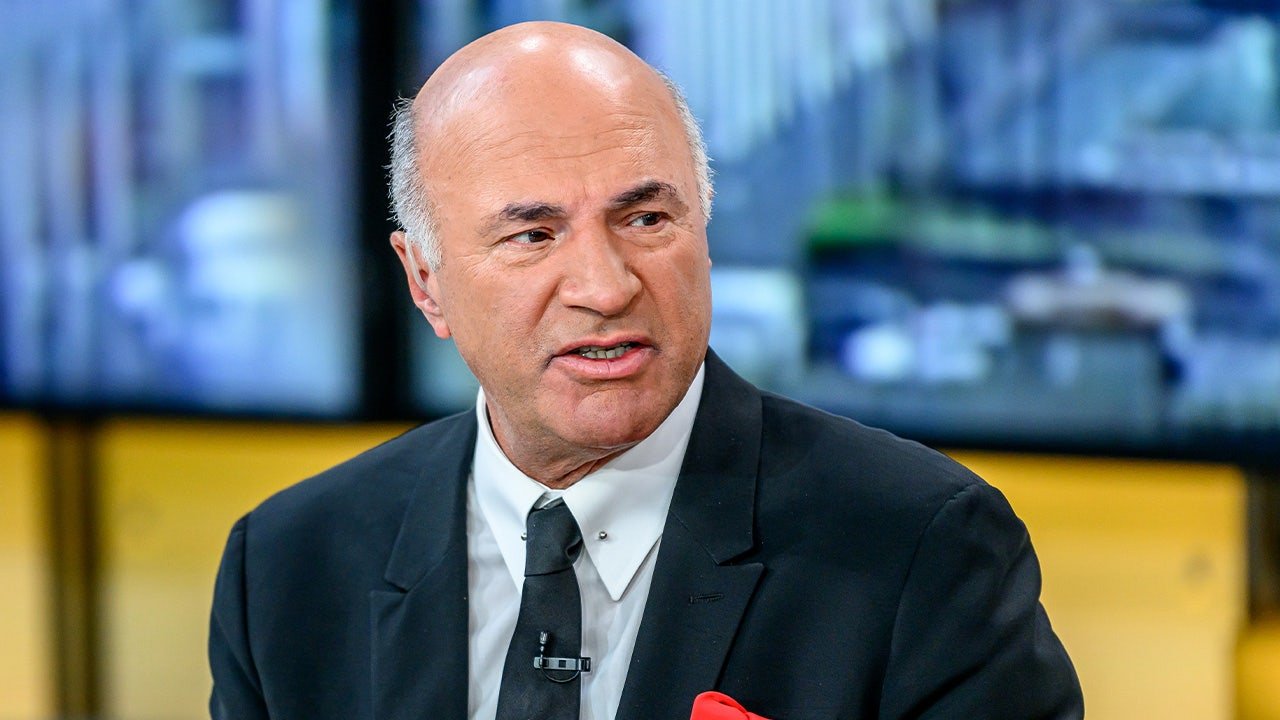
Kevin O’Leary visits the set of «Outnumbered» at Fox News Channel Studios in New York City on April 18, 2024. (Roy Rochlin/Getty Images)
«If everybody talks about data centers, too much heat, too much noise, too much water, all that, that was 20 years ago,» O’Leary told Fox News Digital. «Today’s technology is completely different in terms of the heat profile, in terms the water profile, in terms how big these buildings have to be and where they have to be, because we’ve got air-cooled technology and obviously the chip technology’s advanced.»
TRUMP SAYS EVERY AI PLANT BEING BUILT IN US WILL BE SELF-SUSTAINING WITH THEIR OWN ELECTRICITY
O’Leary said China is focused on improving its power grid, which is needed in order to support the massive electricity demands of running a data center. He noted that data centers can function using varied energy sources.
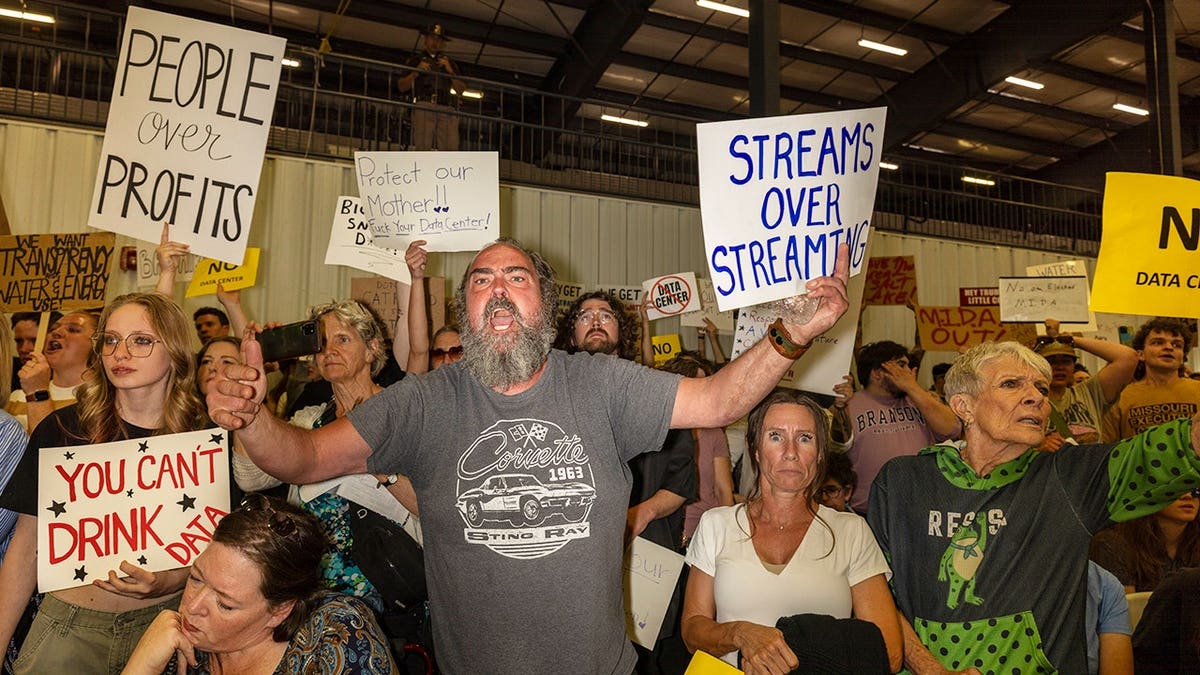
Protesters react as the Box Elder County Commission approves a large AI data center project in Tremonton, Utah, on May 4, 2026. Activists opposed the proposed 40,000-acre development over concerns about water use, energy demand and environmental impact. (Natalie Behring/Getty Images)
«Most of it is coming from burning nat[ural] gas, which is very clean now, with turbines,» he said. «Hopefully nuclear power one day, some solar, some battery, all of it together. I think the key is that they’re beating us because they’re getting more power sooner, and then they’re building these data centers to train their own AI. The country that has the best AI will have the best economy and the best defense, the best military, and win all the wars because it’s going robotically.»
REPORT: CHINESE PROPAGANDA, SINGHAM NETWORK, FOREIGN DARK MONEY LINKED TO CAMPAIGNS AGAINST DATA CENTERS
President Donald Trump has pushed hard for new data center production. Last July, he signed an executive order titled «Accelerating Federal Permitting of Data Center Infrastructure» which directed agencies to reduce the regulatory burdens that have been slowing data center development.
Earlier this week, Fox News Digital obtained a letter to Acting Attorney General Todd Blanche from Sen. Tom Cotton, R-Ark., calling for federal investigators to examine whether foreign actors are attempting to shape U.S. public opinion and policy against data centers and AI development as Washington and Beijing compete for dominance in artificial intelligence.

Sen. Tom Cotton, R-Ark., arrives for a vote in the U.S. Capitol on April 30, 2025, stating the war with Iran will continue for weeks as the U.S. limits their offensive capabilities. (Bill Clark/CQ-Roll Call, Inc via Getty Images)
«Recent reports show that Communist China is attempting to influence our policy and public opinion on data centers. The reason is obvious: They want to kneecap our processing power to win the AI race,» Cotton told Fox News Digital.
SEN BERNIE SANDERS: ARTIFICIAL INTELLIGENCE IS COMING FOR THE WORKING CLASS. WE MUST FIGHT BACK
Despite the push to put U.S. production ahead of Beijing, some liberals in Congress have been reluctant to get on board with data center development. In March, Sen. Bernie Sanders, I-Vt., and Rep. Alexandria Ocasio-Cortez, D-N.Y., introduced the Intelligence (AI) Data Center Moratorium Act.
«Congress has a moral obligation to stand with the American people and stop the expansion of these data centers until we have a framework to adequately address the existential harm AI poses to our society,» Ocasio-Cortez said in a statement about the legislation. «We must choose humanity over profit.»
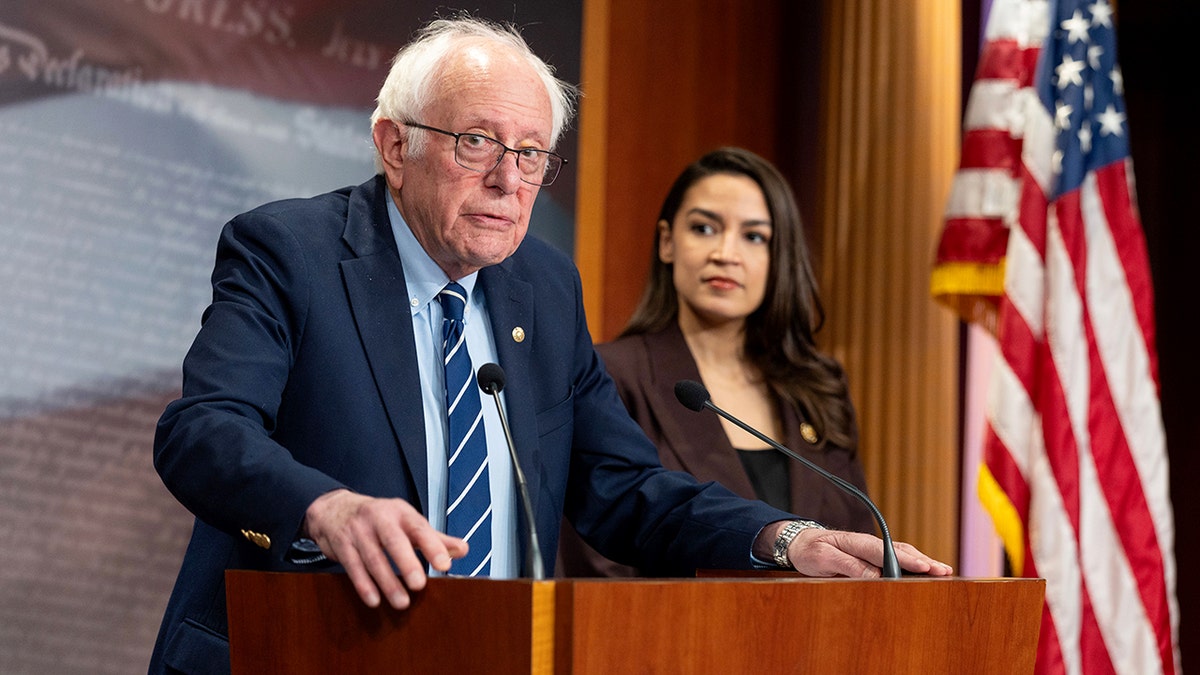
Sen. Bernie Sanders and Rep. Alexandria Ocasio-Cortez hold a press conference at the U.S. Capitol in Washington, D.C., on March 25, 2026, to announce the Artificial Intelligence Data Center Moratorium Act. (Tasos Katopodis/Getty Images)
But some experts tie data center production to economic gains, saying that the jobs created from the facilities benefit communities and local economies.
STEVE FORBES: THE AI COLD WAR HAS BEGUN AND AMERICA CANNOT AFFORD TO LOSE
«In the first six months Trump was in office, over 90% of all economic growth came from new computer and AI investment, and much of it came from data centers,» Judge Glock, director of research and a senior fellow at the Manhattan Institute, told Fox News Digital. «Without continued growth in data centers, we would have higher unemployment and lower incomes. Data centers also bring big gains to local communities.»
Leading voices in AI also noted China’s ability to construct data centers at a much faster rate than the U.S. Last November, Nvidia CEO Jensen Huang said the communist country’s building capabilities far exceed that of the U.S.
«If you want to build a data center here in the United States, from breaking ground to standing up an AI supercomputer is probably about three years… they can build a hospital in a weekend.»
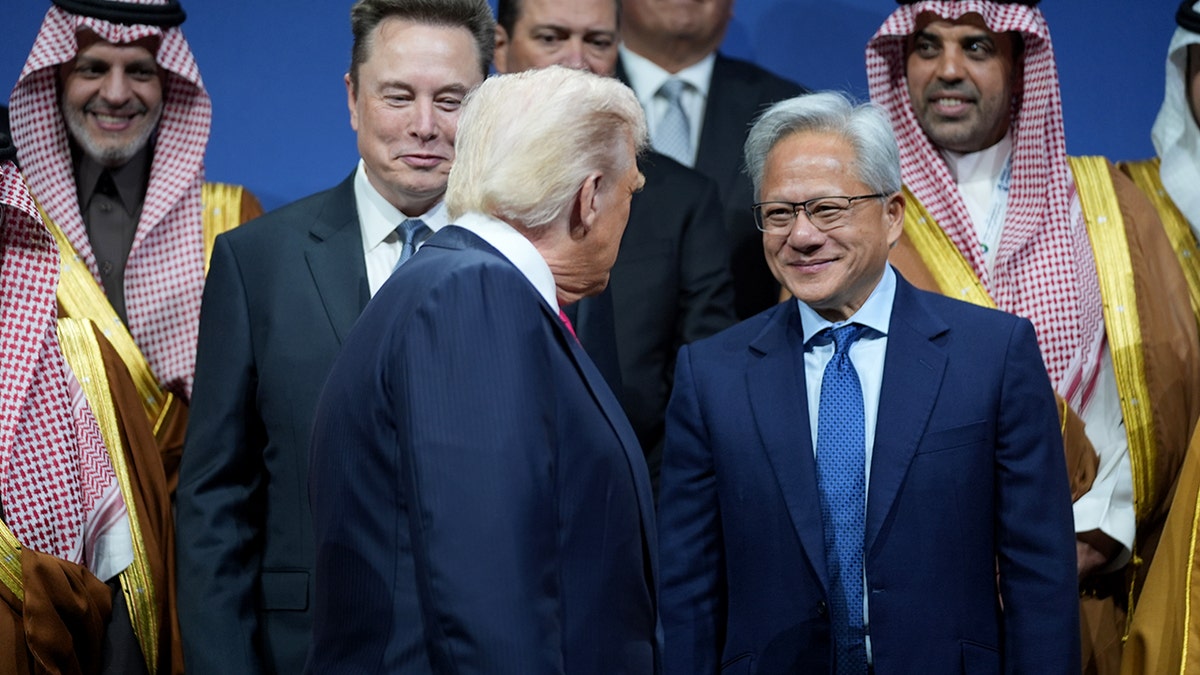
President Donald Trump speaks with Elon Musk and Nvidia CEO Jensen Huang during the Saudi Investment Forum at the Kennedy Center in Washington on Nov. 19, 2025. (Evan Vucci/AP)
O’Leary said the competition with China should alarm Americans, adding that if the U.S. falls too far behind, Beijing could gain the ability to devastate the U.S. economy and national security.
CLICK HERE TO DOWNLOAD THE FOX NEWS APP
While production capabilities are in question, widespread data shows that the U.S. currently has a significantly higher number of functional data centers already built compared to the number reported in China.
According to Statista, the U.S. has more than 4,000 facilities as of April, while China has just over 300 — fewer than the United Kingdom and Germany. Still, O’Leary warned that China could outpace the U.S. over the long term if the U.S. slows development.
infrastructure across america, artificial intelligence, congress, kevin oleary, economy
INTERNACIONAL
Bloqueos en Bolivia: por qué paralizar las carreteras es una herramienta de presión política
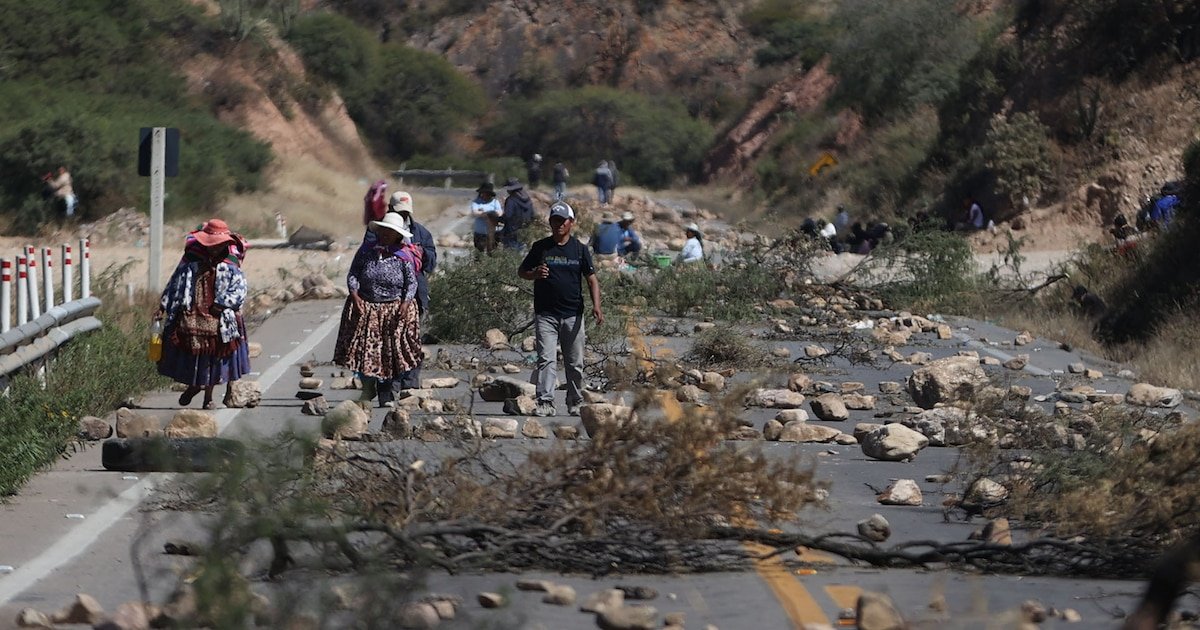
Las principales carreteras de Bolivia están cortadas desde hace más de 45 días por personas que exigen la renuncia del presidente Rodrigo Paz, a quien acusan de traición y de gobernar de manera excluyente en contra de sus intereses.
Aunque el conflicto actual destaca por ser el más prolongado y extendido de los últimos años, el bloqueo de caminos está lejos de ser una medida de presión aislada en la política boliviana. De hecho, fueron la segunda forma de manifestación más recurrente en 2025, solo detrás de las “declaratorias de emergencia”.
Según datos de la Defensoría del Pueblo, el año pasado se registraron 841 hechos de conflictividad en el país, de los cuales 180 se tradujeron en bloqueos, la mayoría motivados por conflictos políticos derivados del proceso electoral y la debacle financiera que atraviesa el país.
Los piquetes actuales han profundizado la crisis y han generado pérdidas millonarias para sectores estratégicos como el transporte, la industria y el turismo. En La Paz, la sede de Gobierno, la población ha experimentado no solo escasez de alimentos y de combustible a causa del cierre de sus vías de acceso, sino también interrupciones en el transporte público, la suspensión de las clases escolares presenciales y la cancelación temporal de algunos servicios médicos por falta de oxígeno.

Ese escenario convulso puso sobre la mesa el debate sobre la legitimidad de los cortes de caminos como una herramienta de lucha política.
“Todo bloqueo es criminal porque atenta contra los derechos de las personas”, manifestó el diputado Carlos Alarcón, quien presentó un proyecto de ley para penalizar los piquetes. La norma, que está trabada en una comisión de la Asamblea Legislativa, plantea sancionar a quienes corten carreteras con penas que van de 3 a 20 años de cárcel.
El diputado justifica su proyecto porque “se afectan los derechos más básicos y elementales, no solo al libre tránsito sino también a la salud, la educación, el trabajo y la alimentación (…) de personas inocentes que no tienen nada que ver con los reclamos de los bloqueadores”. En entrevista con Infobae, Alarcón señaló que “no se puede corregir lo que se considera una injusticia con una injusticia mayor contra el conjunto de la población”.
Para la socióloga Luciana Jáuregui, más allá del debate sobre la criminalización de las protestas, es necesario comprender el origen de este mecanismo de acción política y las tensiones sociales que lo alimentan.

Jáuregui sostiene que en Bolivia existe una “contradicción estructural” entre la conformación institucional y las organizaciones comunitarias que no están representadas en el Estado. “Las protestas se originan en ese desacople”, señala y explica que las causas tienen que ver con una crisis de mediación institucional, la desigualdad económica histórica y una exclusión simbólica de las poblaciones rurales.
Los sectores que recurren a los bloqueos como medida de presión señalan que es la única manera de ser escuchados. “No hay otra forma de lucha sindical”, afirmó en entrevista con Infobae David Mamani, ex dirigente de la Federación de Campesinos de La Paz Túpac Katari, una de las cuales se manifiesta actualmente contra el Gobierno. “Cuando acudimos a una huelga de hambre, nadie la toma en cuenta. Si hacemos una marcha de protesta, no pasa nada. Todo es chiste para los gobernantes. Entonces, ¿cómo podemos lograr hacernos escuchar?”, justificó.
Los bloqueos prolongados revelan el nivel de organización social que tienen las poblaciones campesinas. La forma de sostener más de seis semanas en las calles es mediante turnos de rotación y la toma de decisiones de manera unánime. “Nadie nos da dinero, es una gran mentira que alguien esté financiando esta movilización, no hay nada de eso”, afirmó sobre las versiones que vinculan las protestas con dinero externo y de organizaciones ilícitas.

El dirigente campesino es consciente del daño colateral de la medida de presión y afirma que toda protesta tiene “causa y efectos”. Aún así, considera que su demanda es justa y que si la administración de Rodrigo Paz no hubiera incumplido sus promesas de campaña, ellos no estarían hoy en las calles. “Estamos en las carreteras porque el Gobierno ha ojo cerrado ha ejecutado decretos anticampesinos”, afirmó.
Sin embargo, los bloqueos como herramienta de lucha política trascienden a las organizaciones campesinas. En los últimos años, las clases medias impulsadas por las instituciones cívicas de Santa Cruz también hicieron bloqueos en vías urbanas -con dinámicas diferentes y bajo la modalidad de “paro cívico”-, para exigir desde la renuncia de Evo Morales en 2019 hasta la realización de un censo de población y vivienda en 2022.
Jáuregui explica que estos conflictos suelen estallar en una sociedad dividida y con intereses antagónicos cuando una de las partes no controla los recursos institucionales y económicos del Estado. “Eso sucede en los dos casos (…) cuando no existen canales de ejercicio de poder, se recurre a la calle”, apunta la analista que ve en las instituciones bolivianas un “Estado parcial” que no logra reflejar “la estructura plural de poder que existe en la sociedad”.

Estas diferencias se traducen también en la forma en la que se miran las protestas: mientras unos consideran los bloqueos una medida de presión legítima para obtener beneficios colectivos, otros creen que es un atentado cruel contra los derechos fundamentales.
“¿Cuánto tiempo más nos falta sufrir? ¿Qué quieren? ¿Qué comencemos a robarnos entre nosotros para dar de comer a nuestros hijos? Tanto bloqueo, bloqueo, bloqueo no es justo; nosotros solo queremos trabajar”, manifestó entre lágrimas una mujer comerciante de La Paz, a la que ya no le llegan productos ni clientes. “Nosotros no estamos a favor de nadie, lo único que queremos es poder vender tranquilas”, agregó.
Aunque el diputado Alarcón defiende su proyecto de ley “antibloqueos” como una norma constitutiva de un nuevo ordenamiento social y garantiza los otros métodos de protesta reconocidos en la Constitución Política del Estado —marchas, huelgas, mítines, etc.—, el dirigente Mamani anuncia una “absoluta” resistencia a la aprobación de esa norma.
Esta pulseada latente revela un problema más profundo: la dificultad de una sociedad fragmentada para construir consensos mínimos que le permitan dirimir sus diferencias por vías institucionales.
Civil Conflict,Demonstrations,Riots,South America / Central America,Civil Unrest
INTERNACIONAL
Israel–Hezbollah ceasefire becomes first test of Trump Iran framework after talks delay
NEWYou can now listen to Fox News articles!
A U.S.-backed ceasefire between Israel and Iran-backed terror group Hezbollah was set to take effect Friday afternoon, as Washington tried to salvage a broader regional framework with Iran after talks scheduled for Switzerland were abruptly postponed.
The Israel–Hezbollah ceasefire was set to take effect 9 a.m. Eastern Time/4 p.m. local time, both a senior U.S. and an Israeli official told Fox News Digital, but whether the ceasefire formally took effect remains disputed.
The White House has not publicly commented on whether the ceasefire has formally taken effect.
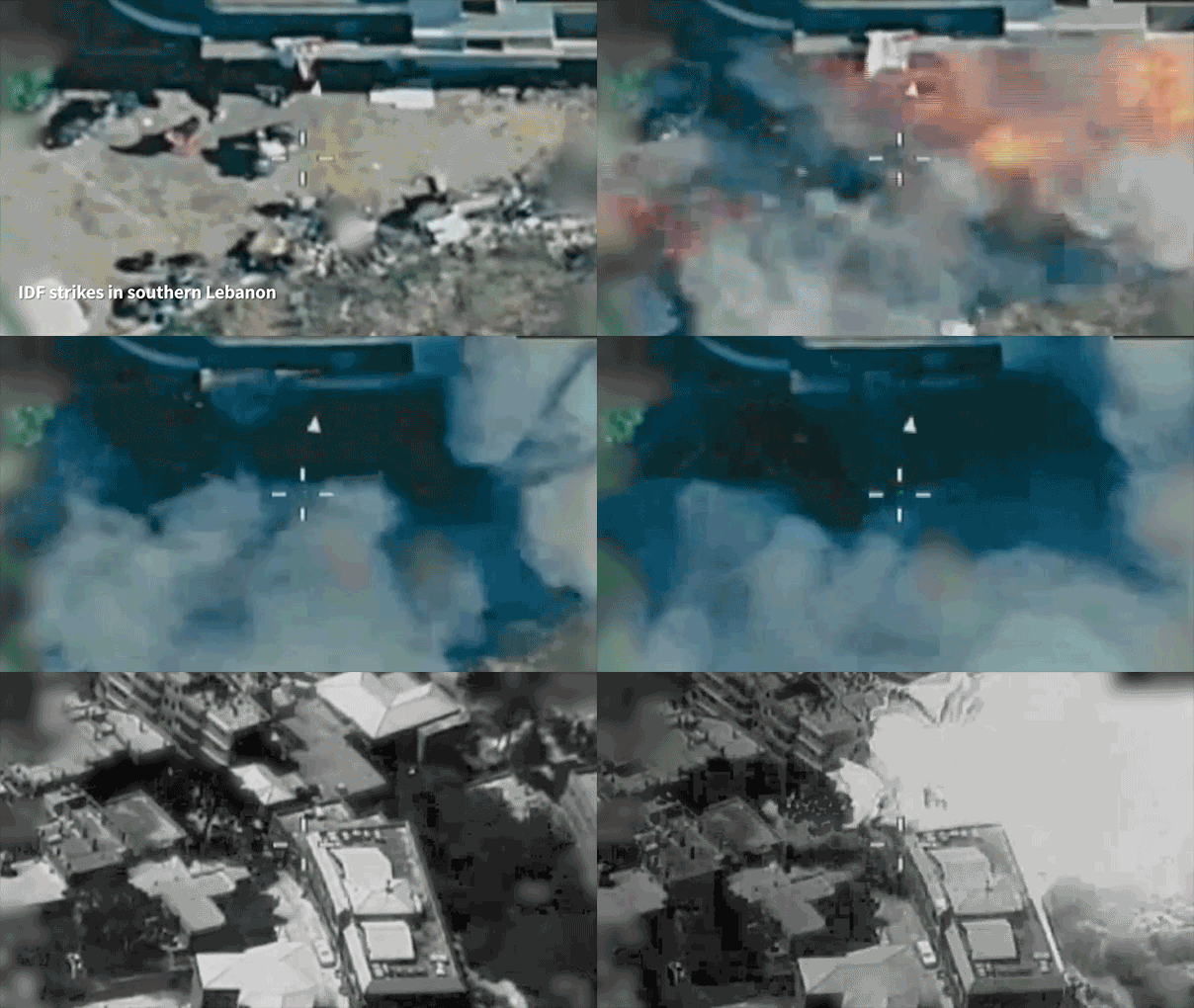
A Hezbollah spokesperson told Fox News Digital that the group would abide by the ceasefire if Israel does, but «reserves the right to respond» to any violation. The spokesperson said Hezbollah did not yet view the ceasefire as having taken effect, claiming Israel was still carrying out strikes in southern Lebanon more than an hour after it was supposed to begin.
ISRAEL MOVES TOWARDS CEASEFIRE DEAL WITH HEZBOLLAH: REPORTS
Prime Minister Benjamin Netanyahu posted a video after the 4 p.m. local start time that he said showed Israel Defense Forces striking Hezbollah targets in Lebanon. It is unclear when those reported strikes took place, and Fox News Digital could not independently verify their timing.
«As I instructed – the IDF struck powerfully 150 Hezbollah targets in Lebanon and eliminated dozens of terrorists,» he wrote on X.
IDF spokesperson Effie Defrin said Hezbollah had killed four Israeli soldiers in overnight strikes early Friday.
An airplane flies as smoke rises after an Israeli strike on Beirut’s southern suburbs amid escalating tensions between Hezbollah and Israel on March 6, 2026. (Khalil Ashawi/Reuters)
Still, an Israeli official said Israel intends to honor the ceasefire agreement.
«If Hezbollah doesn’t shoot, we won’t shoot. If they shoot — we will respond,» the official told Fox News Digital.
The agreement came after negotiations between the U.S. and Iran scheduled to take place this weekend in Switzerland were abruptly postponed. The White House has not publicly provided a reason for the delay.
Trump has expressed increasing frustration with Netanyahu over the conflict with Hezbollah in Lebanon.
«Bibi has to be more responsible with respect to Lebanon,» Trump said to reporters Tuesday at the G7 conference in France. «Too many people are being killed, and you don’t have to knock down an apartment house every time you’re looking for somebody, because there are a lot of people in those apartment houses, and they’re not all Hezbollah, that I can tell you.»
«I’m not saying they shouldn’t protect themselves,» he added Wednesday during separate remarks to reporters. «I’m saying when two drones are shot into the desert and drop harmlessly, you don’t have to knock down buildings in Beirut. They could behave better, and frankly, they could do a better job.»
Hezbollah is an Iran-backed Shiite militant group and political movement based in Lebanon that the U.S. has designated as a foreign terrorist organization. Its conflict with Israel dates back decades, but the latest fighting has centered on Hezbollah rocket and drone attacks from Lebanon and Israeli strikes aimed at pushing the group back from the border and protecting northern Israeli communities.
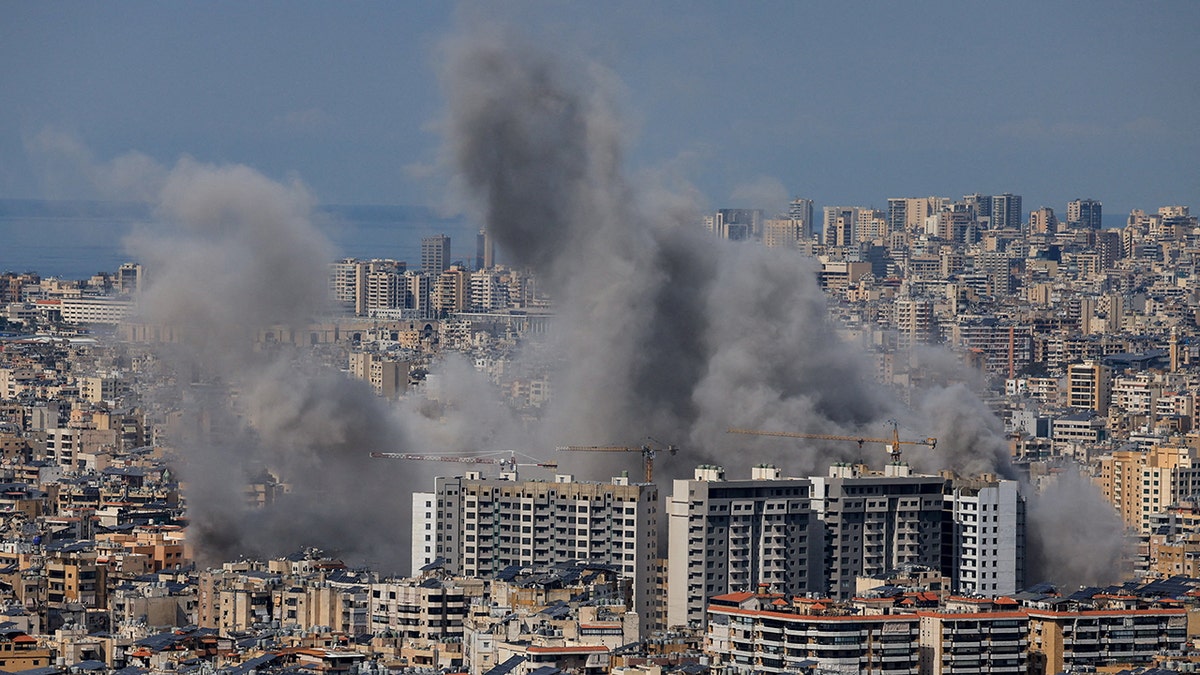
Smoke billows over Beirut’s southern suburbs following reported strikes amid escalating conflict involving Hezbollah and Israel, as seen from Baabda, Lebanon, on March 6, 2026. (Mohamed Azakir/Reuters)
«As the Vice President said at his press conference, the plans for the upcoming technical talks have not been finalized, and the U.S. delegation has been prepared to depart at the first available opportunity,» a White House spokesperson told Fox News Digital. «But the logistics of these negotiations have never been simple or predictable. As of now the Vice President is not departing tonight. We will let you know as soon as we have a concrete update about next steps.»
The Iranian foreign ministry on Friday denied reports claiming Iran had once again closed the Strait of Hormuz.
«The Armed Forces of the Islamic Republic of Iran have taken the necessary measures to ensure the safe passage of commercial ships through the Strait of Hormuz, in accordance with the Memorandum of Understanding on the End of the War dated 18 June 1405, and shipping is underway in this route,» foreign ministry spokesperson Esmail Baghaei said in a statement posted to Telegram.
A separate Iranian official told Fox News Digital Friday that traffic was moving «slowly» through the strait due to mine-clearing operations.
HORMUZ CHOKE POINT PERSISTS AS IRAN HALTS OIL TRAFFIC DESPITE TRUMP CEASEFIRE
U.S. officials have described the memorandum signed Wednesday as a 60-day framework for negotiations toward a final agreement largely focused on Iran’s nuclear program.
They have said any U.S. force withdrawal from areas near Iran would be tied to a final deal, not required immediately under the initial agreement.
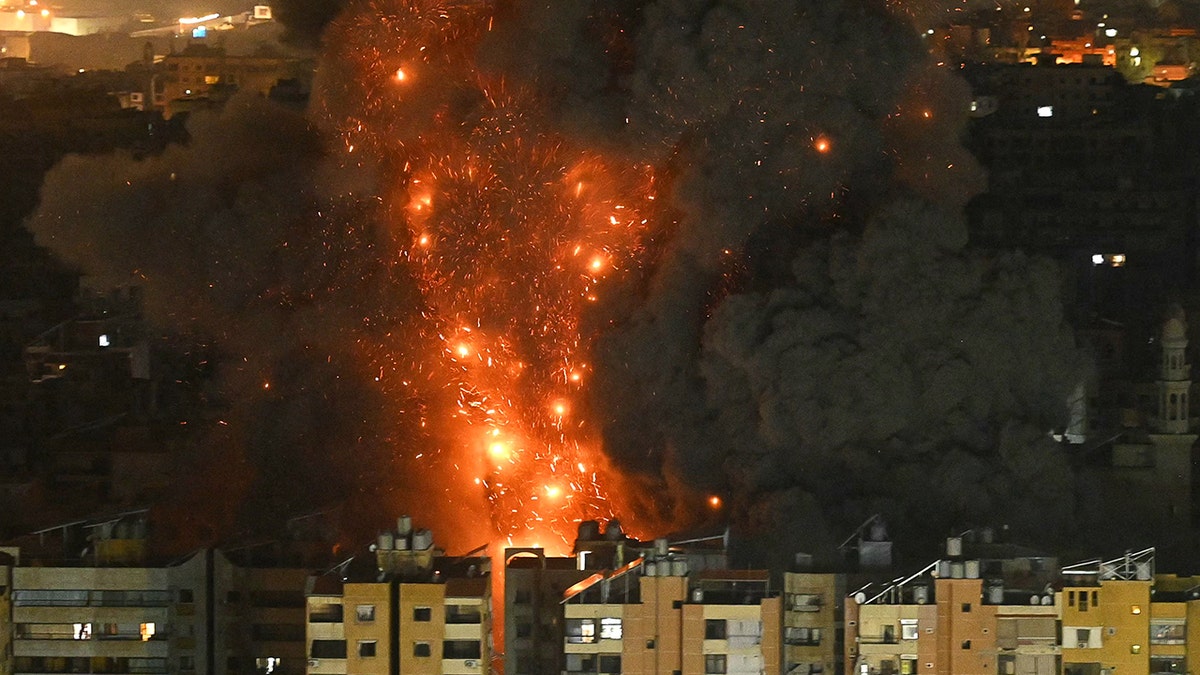
A fireball rises from the site of an Israeli airstrike targeting an area in Beirut’s southern suburbs overnight on March 10 to 11, 2026. (Fadel itani / AFP via Getty Images)
The agreement also declared the «immediate and permanent termination of military operations on all fronts, including in Lebanon,» according to U.S. officials.
CLICK HERE TO DOWNLOAD THE FOX NEWS APP
U.S. officials have said the memorandum also includes immediate oil sanctions waivers for Iran, an end to Iranian threats to the Strait of Hormuz and a process for lifting the U.S. blockade, and future talks over Iran’s nuclear program, including the fate of its enriched uranium stockpile.
Fox News Digital reached out to the Pentagon, Israeli Prime Minister’s Office and Iranian Foreign Ministry for additional comment and had not received responses by publication.
middle east, lebanon, treaties, iran, israel

La visita de una campeona del mundo y una scout de la MLS a la Argentina: el profundo debate sobre las mujeres en el fútbol

Qué pasará con Adorni en el Senado, cómo ser armó la foto del Gabinete en Rosario y la encuesta que preocupa a la Rosada

“No vengan”: una provincia se encuentra en estado de alerta por la migración masiva y asegura que no sobran trabajos

El horóscopo de hoy: sábado 20 de junio

Kevin O’Leary warns China is winning the AI race because U.S. states are slowing data center production

Amin Momahed Omar será el árbitro de Argentina vs Austria por el Mundial 2026

Patricia Bullrich: “El Presidente considera que Adorni dio una explicación razonable”

El Gobierno envía señales de que Adorni tiene las horas contadas para evitar que sesione el Senado

La secuencia del golazo de Messi para Argentina ante Argelia en el debut en el Mundial 2026 y los récords que rompió

GOP Gov DeWine urges Ohio to abolish the death penalty, says it is no longer a deterrent

 POLITICA2 días ago
Patricia Bullrich: “El Presidente considera que Adorni dio una explicación razonable”
- POLITICA3 días ago
El Gobierno envía señales de que Adorni tiene las horas contadas para evitar que sesione el Senado
- INTERNACIONAL3 días ago
Octavio Paz, escritor mexicano: “Sin libertad la democracia es despotismo, sin democracia la libertad es quimera”