INTERNACIONAL
Iran seizes ships in Hormuz as US talks falter after ceasefire extension

NEWYou can now listen to Fox News articles!
Iran seized two container ships in the Strait of Hormuz hours after President Donald Trump extended a ceasefire, as confrontations at sea continued under the truce.
Iran’s Revolutionary Guard said the vessels, identified as the MSC Francesca and the Epaminondas, were operating without proper authorization and had tampered with navigation systems, accusations that could not be independently verified. The ships had earlier reported coming under fire near the strait, underscoring the increasingly volatile conditions in one of the world’s most critical shipping lanes.
Both ships are managed by Mediterranean Shipping Company (MSC).
The Guard attacked a third ship, identified as the Euphoria, which had become «stranded» on the Iranian coast, Iranian media reported.
In a turn of events Tuesday, Trump announced he would extend the two-week ceasefire with Iran. For how long is unclear, but a White House official told Fox News it would be several days.
IRAN FIRES LIVE MISSILES INTO STRAIT OF HORMUZ AS TRUMP ENVOYS ARRIVE FOR NUCLEAR TALKS
Despite heavy U.S. strikes that officials say severely degraded Iran’s conventional navy, Tehran maintains maritime capability through the Islamic Revolutionary Guard Corps’ fleet of fast-attack boats used for harassment and boarding operations in the narrow strait.
«We should think in the thousands,» Farzin Nadimi, a senior fellow at the Washington Institute for Near East Policy, told Fox News Digital. «If you include very small boats up to more capable fast-attack craft, the total could reach 3,000 to 4,000 vessels.»
Those forces have been used to harass commercial ships, force them to stop, and take them into custody. Iranian state media said similar tactics were used when Revolutionary Guard units attacked multiple vessels before escorting at least two into Iranian waters.
The Iranian made ‘Seraj’ a high-speed missile-launching assault boat on display in Tehran on August 23, 2010, as Iran kicked off mass production of two high-speed missile-launching assault boats the ‘Seraj’ (Lamp) and ‘Zolfaqar’ (named after Shiite Imam Ali’s sword) speedboats which will be manufactured at the marine industries complex of the ministry of defence. (YALDA MOAIERY/AFP via Getty Images)
The continued attacks highlight a gap between battlefield claims and reality.
In a Truth Social post April 13, Trump said, «Iran’s Navy is obliterated. It is laying at the bottom of the sea,» adding that U.S. forces did not need to target Iran’s «little fast-attack boats» because they were not a threat.
TRUMP WATCHES STRIKE ON IRAN-BACKED HOUTHIS IN YEMEN IN NEW WHITE HOUSE PICS AS LARGE-SCALE OP CONTINUES
But those smaller vessels, long a cornerstone of Iran’s asymmetric strategy, are now central to its ability to disrupt shipping in the Strait of Hormuz.
The seizures mark the latest escalation in a widening maritime standoff between Iran and Washington.
Both sides have targeted commercial and cargo vessels as part of a broader pressure campaign tied to stalled negotiations. U.S. forces have also moved to seize at least one Iranian-linked vessel in the region, with each side accusing the other of violating the terms of a fragile ceasefire.
The Strait of Hormuz is a vital artery for global oil shipments, with roughly 20% of the world’s supply passing through it. Traffic has slowed dramatically as ships reroute or avoid the area amid gunfire, seizures and conflicting directives from both militaries.
In a series of Truth Social posts Tuesday night, Trump claimed Iran privately wants the Strait of Hormuz reopened despite public threats to close it.
«Iran doesn’t want the Strait of Hormuz closed, they want it open so they can make $500 Million Dollars a day (which is, therefore, what they are losing if it is closed!),» he wrote.
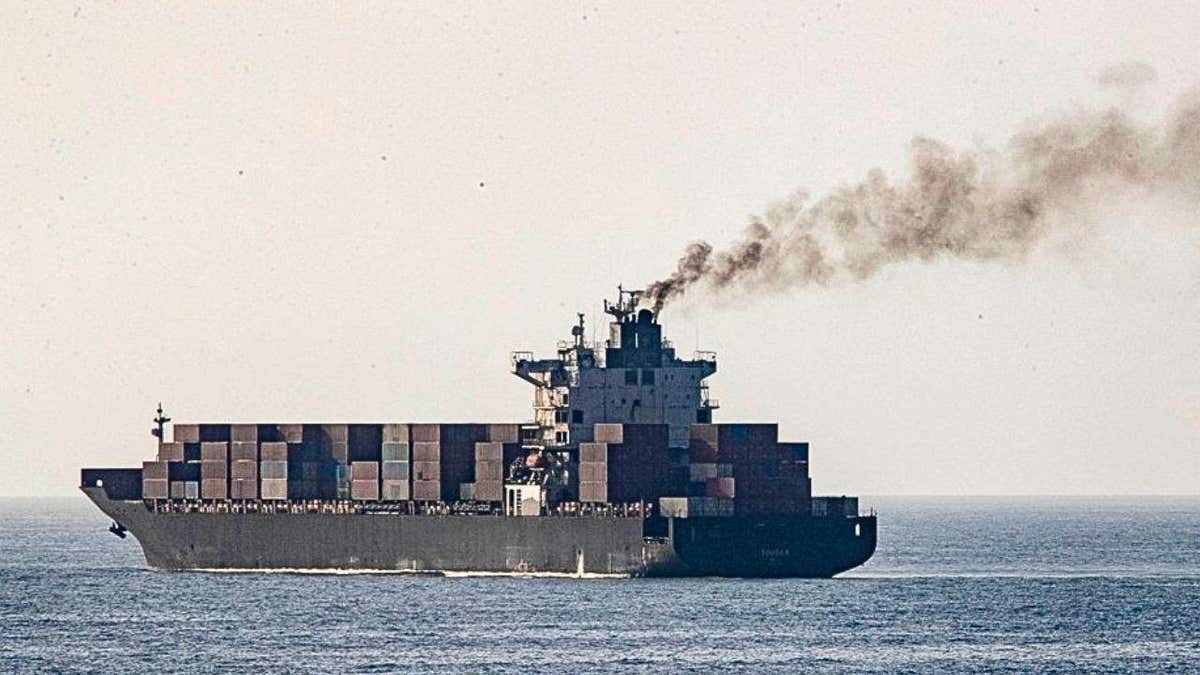
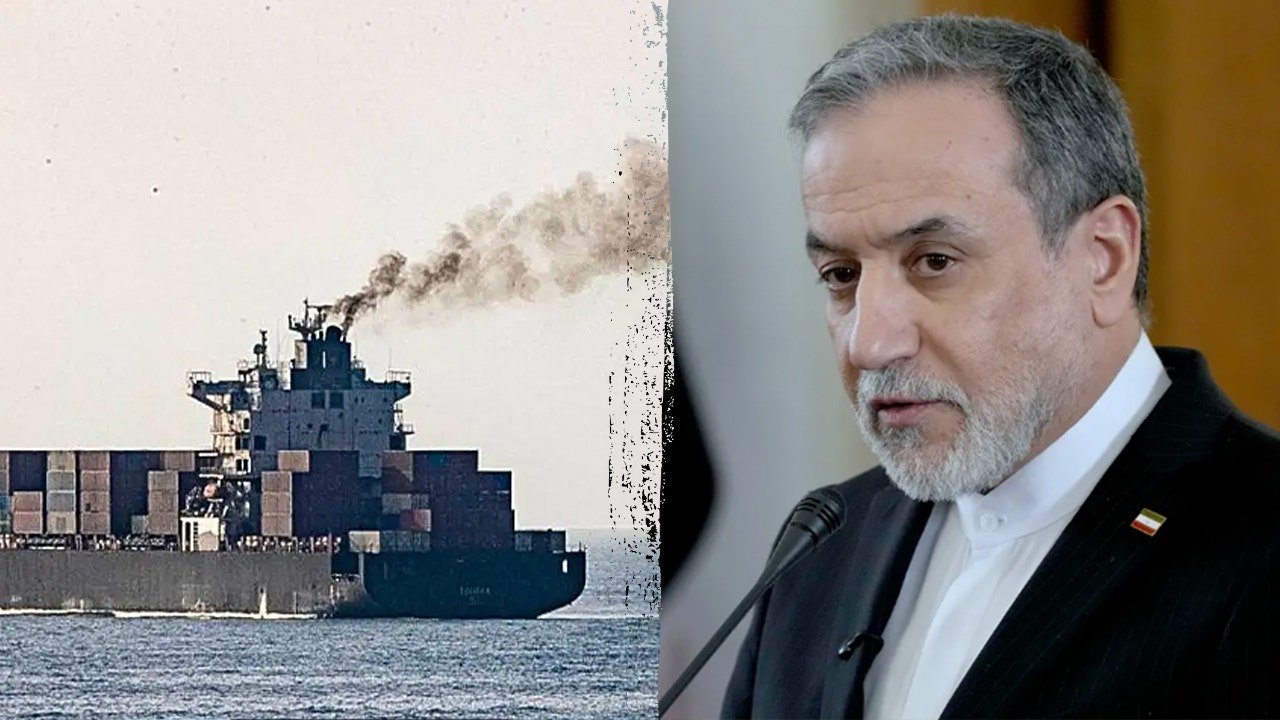
The Iranian-flagged Touska cargo ship pours smoke out after U.S. forces launched missiles at its control room following its violation of the U.S. blockade in the Strait of Hormuz. (U.S. Central Command (CENTCOM))
«But if we do that, there can never be a Deal with Iran, unless we blow up the rest of their Country, their leaders included!»
Trump said he agreed to extend the ceasefire at the request of Pakistani officials while waiting for Iran’s leadership to present a unified position in negotiations.
«Based on the fact that the Government of Iran is seriously fractured, not unexpectedly so and, upon the request of Field Marshal Asim Munir, and Prime Minister Shehbaz Sharif, of Pakistan, we have been asked to hold our Attack on the Country of Iran until such time as their leaders and representatives can come up with a unified proposal,» Trump wrote on Truth Social.
«I have therefore directed our Military to continue the Blockade and, in all other respects, remain ready and able, and will therefore extend the Ceasefire until such time as their proposal is submitted, and discussions are concluded, one way or the other,» he added.
Plans for renewed peace talks remain in limbo, with Iran signaling it may not participate in a second round of negotiations while the U.S. maintains its naval blockade. The blockade remains a key sticking point driving the confrontation at sea.
Iranian Foreign Minister Abbas Araghchi called the naval blockade an «act of war,» accusing Washington of violating the ceasefire.
«Blockading Iranian ports is an act of war and thus a violation of the ceasefire. Striking a commercial vessel and taking its crew hostage is an even greater violation,» he wrote on X.
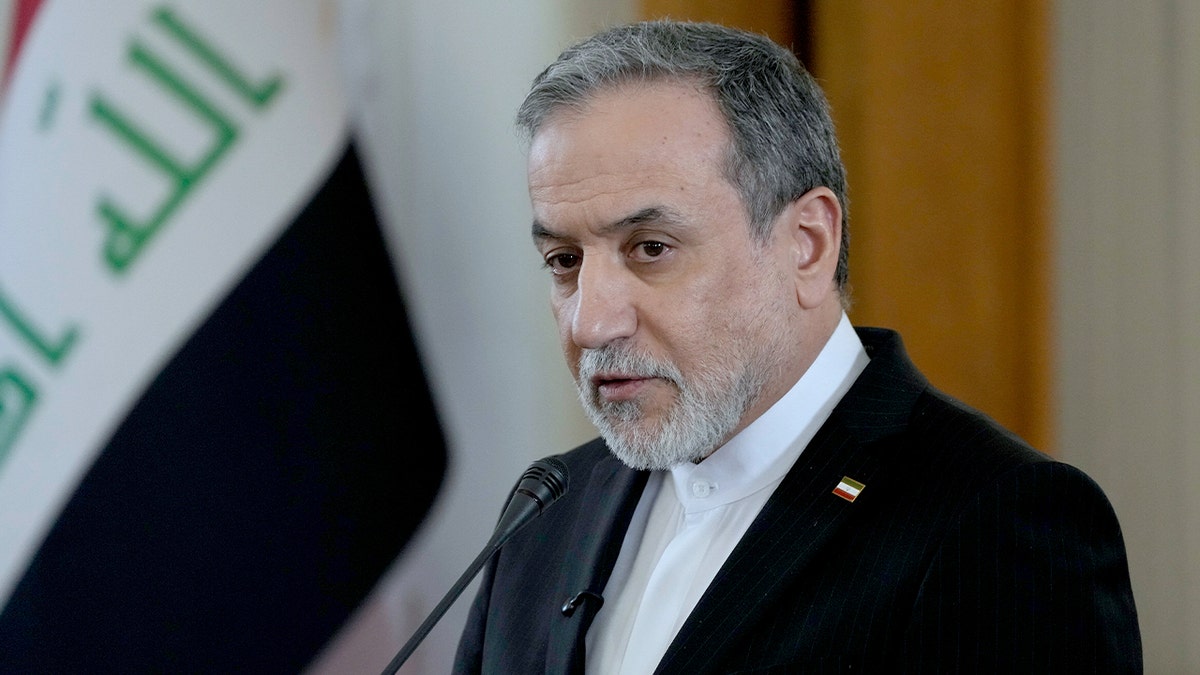
Iranian Foreign Minister Abbas Araghchi called the naval blockade an «act of war,» accusing Washington of violating the ceasefire. (Vahid Salemi/AP)
The comments came after U.S. forces moved to seize Iran’s M/V Touska vessel on Monday, which Araghchi described as «an act of piracy.»
The seizures come as U.S.-Iran diplomacy appears increasingly uncertain, with a planned second round of talks in Islamabad thrown into doubt. Vice President JD Vance, who had been expected to lead the U.S. delegation, remained in Washington after Iran signaled it would not participate, scrapping plans for the delegation to travel to Pakistan.
CLICK HERE TO DOWNLOAD THE FOX NEWS APP
The abrupt shift followed a day of mixed signals from Trump, who said Tuesday morning he did not want to extend the ceasefire as its deadline approached, warning time for negotiations was running out. By the afternoon, however, he reversed course and announced he would extend the truce indefinitely to allow more time for diplomacy.
The reversal has further clouded fragile negotiations. No date has been set for renewed talks, and Iranian officials continue to insist they will not engage while the U.S. maintains its naval blockade. The confrontation has increasingly shifted from the negotiating table to the waters of the Strait of Hormuz, where the risk of miscalculation is rising.
Fox News’ Lucas Tomlinson contributed to this report.
wars, us navy, middle east, war with iran, iran










INTERNACIONAL
El presidente de Irán viaja a Pakistán para coordinar la agenda diplomática tras el acuerdo alcanzado con Estados Unidos
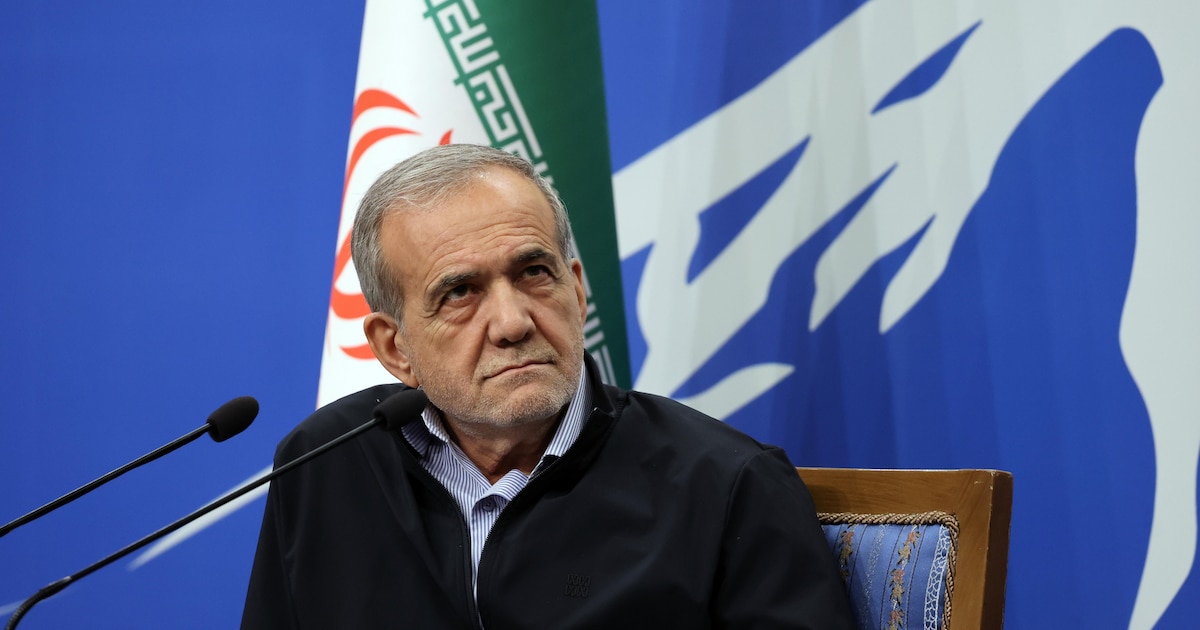
El presidente iraní, Masud Pezeshkian, visitará este martes Pakistán para mantener reuniones con las principales autoridades del país y abordar los compromisos diplomáticos derivados del memorando de entendimiento firmado recientemente entre Irán y Estados Unidos para el cese de hostilidades en Medio Oriente.
Pezeshkian llegará a Islamabad acompañado por una delegación de alto nivel integrada por ministros y otros funcionarios iraníes, en una visita que realizará por invitación del primer ministro paquistaní, Shehbaz Sharif, según informó el Ministerio de Exteriores de Pakistán.
Durante su estancia, el mandatario iraní se reunirá con el presidente de Pakistán, Asif Ali Zardari; con Sharif; con el presidente del Senado; con el titular de la Asamblea Nacional; y con el ministro de Exteriores, Ishaq Dar, quien desempeñó un papel central en las negociaciones entre Teherán y Washington.
La Cancillería paquistaní señaló que durante los encuentros “ambas partes (…) explorarán nuevas vías para profundizar la cooperación en diversos sectores, como el comercio, la energía, la seguridad fronteriza, los intercambios entre personas y la conectividad regional”.
El Ministerio de Exteriores indicó además que la visita de Pezeshkian, la segunda que realiza a Pakistán desde su llegada a la Presidencia iraní en julio de 2024, “brindará una importante oportunidad para abordar los compromisos diplomáticos en curso tras la firma del Memorando de Entendimiento de Islamabad, así como los acontecimientos regionales e internacionales de interés mutuo”.

Pakistán actuó como mediador en los contactos entre Irán y Estados Unidos que culminaron con la firma del memorando de entendimiento destinado a poner fin a las hostilidades en la región.
En paralelo, el secretario de Estado de Estados Unidos, Marco Rubio, iniciará este martes una gira de tres días por Emiratos Árabes Unidos, Kuwait y Baréin para presentar a los aliados del Golfo el memorando de entendimiento que Washington firmó la semana pasada con Teherán.
El portavoz del Departamento de Estado, Tommy Pigott, informó que Rubio permanecerá en esos tres países entre el 23 y el 25 de junio. Según el comunicado oficial, durante la visita “abordará diversas prioridades regionales, entre ellas el memorando de entendimiento con Irán, los esfuerzos para garantizar el tránsito seguro y libre por el estrecho de Ormuz y la importancia de la paz y la estabilidad en la región”.
En Baréin, el jefe de la diplomacia estadounidense participará además en una reunión del Consejo de Cooperación del Golfo (CCG), integrado también por Arabia Saudita, Catar y Omán.
El memorando fue firmado el miércoles pasado por el presidente Donald Trump en el Palacio de Versalles, durante una visita oficial a Emmanuel Macron. El documento establece un plazo de 60 días para negociar un tratado de paz definitivo que incluya el programa nuclear iraní.

Aunque los países del CCG respaldaron en términos generales los esfuerzos para poner fin al conflicto, dos aspectos del acuerdo generan preocupación en la región: la creación de un fondo de reconstrucción para Irán por USD 300.000 millones y la falta de referencias al desmantelamiento del programa de misiles balísticos iraní.
Los gobiernos del Golfo consideran que esos recursos podrían destinarse a la reconstrucción de capacidades militares iraníes y al financiamiento de grupos aliados en la región. Emiratos Árabes Unidos, Arabia Saudita, Kuwait, Baréin y Catar, países que albergan bases militares estadounidenses, sufrieron ataques con misiles y drones atribuidos a Irán en los últimos meses. Cualquier modificación en el esquema de seguridad regional tendría consecuencias directas para la estrategia militar de Washington en Medio Oriente.
La gira de Rubio coincide con una intensa agenda diplomática vinculada al acuerdo. Durante el fin de semana, el vicepresidente J. D. Vance encabezó en Suiza una ronda de conversaciones con mediadores cataríes y paquistaníes para avanzar en los aspectos técnicos del pacto. La primera etapa de las negociaciones concluyó el lunes y las discusiones continuarán durante esta semana.
(Con información de Agencias)
politicos,rueda de prensa
INTERNACIONAL
Por qué Donald Trump no apareció en ningún partido del Mundial 2026: temor a los abucheos, cánticos sexuales y dudas de su presencia en la final


NEWYou can now listen to Fox News articles!
When it comes to the U.S. food supply, more voters prioritize protecting public health than lowering food prices, according to the latest Fox News Poll.
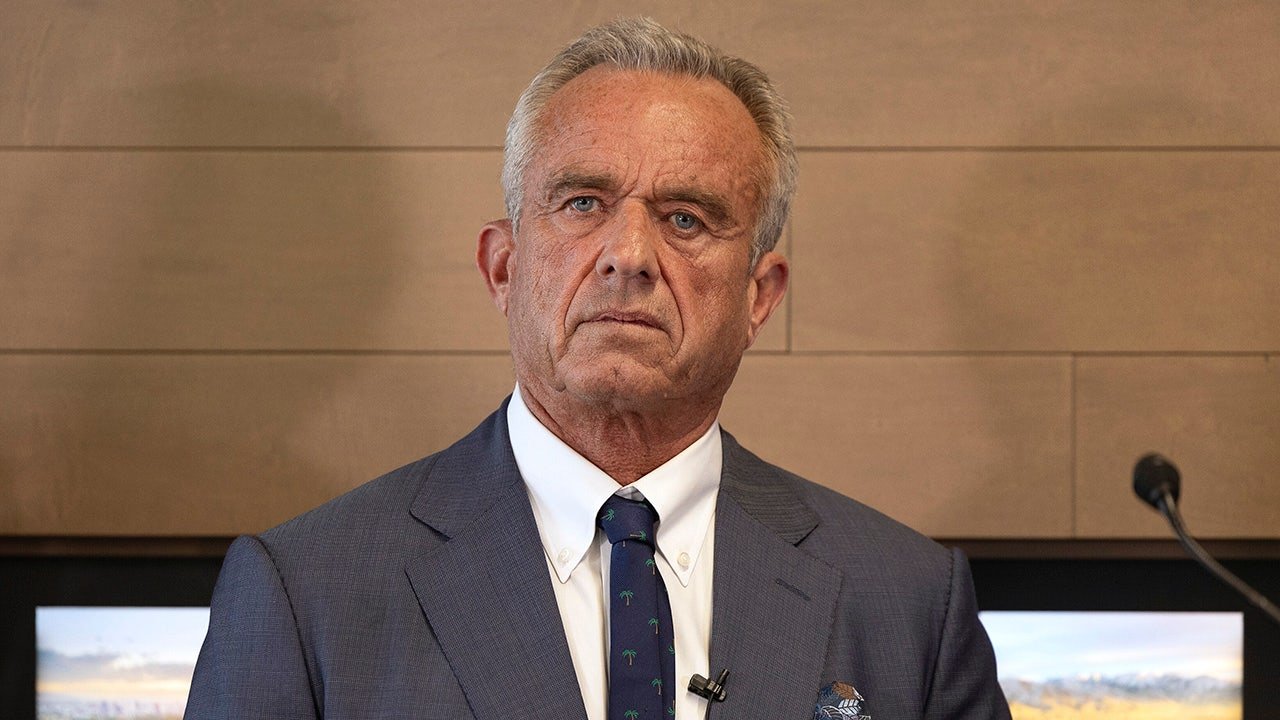
The survey, released Monday, also finds broad voter support for key elements of the Make America Healthy Again (MAHA) movement, even as they give Health and Human Services Secretary Robert F. Kennedy Jr. negative job ratings.
By a 16-point margin, voters prefer safeguarding public health (58%) more than lowering food prices (42%).
FOX NEWS POLL: MOVE OVER BIG BROTHER, VOTERS SEE BIG TECH AS GREATER THREAT TO US
That view crosses party lines, with majorities of Democrats (57%), Republicans (58%), and independents (62%) prioritizing health and well-being.
MAHA was popularized by Kennedy during his 2024 presidential campaign and evolved into a national health-policy movement after he ended his bid and endorsed President Trump. Some of its goals include improving nutrition, eliminating harmful additives, and enhancing children’s health.
Roughly 9 in 10 voters say it is extremely or very important for the government to focus on improving food safety (89% important), lowering food costs (88%), and expanding access to healthy foods (85%). About 8 in 10 consider limiting harmful additives (83% important) and increasing transparency in food labeling (81%) important. About 6 in 10 place the same emphasis on reducing vaping and nicotine use (63% important) or limiting screen time for children under age 16 (60%).
FOX NEWS POLL: VOTERS DOUBT NEW AGREEMENT WILL STOP IRAN FROM DEVELOPING NUKES
Support for new food regulations is prevalent. More than 9 in 10 voters favor requiring clearer food labeling (91%), and almost as many (87%) support banning food additives that other countries have restricted because of health concerns.
Smaller majorities support banning flavored nicotine products, including vapes and nicotine pouches (65% favor) and prohibiting children under 16 from using social media platforms (60%).
Eliminating vaccine requirements is less popular, as fewer than 4 in 10 are in favor (36%) – although that number is up 10 points since December.
Most policies enjoy widespread support across key demographics, except on vaccines where differences emerge.
More Republicans (45%) than Democrats (25%) favor eliminating vaccine requirements in public schools by a 20-point margin (the only proposal where fewer than half of each group favor it), and more MAGA (53%) than non-MAGA Republicans (32%) support eliminating vaccines by 21 points.
Men, Black voters, and voters under age 30 are more likely to favor eliminating vaccine requirements than women, White voters, and voters 65 and up.
«If I were advising Republicans in state and local races in 2026, I would tell them to embrace key policy elements from the MAHA agenda,» says Republican pollster Daron Shaw who helps conduct the Fox News Poll alongside Democratic counterpart Chris Anderson. «Protecting Americans, especially children, from bad food, bad drugs, and bad apps is extremely popular, particularly with groups Republicans have struggled with lately.»
CLICK HERE FOR CROSSTABS AND TOPLINE
Despite support for many MAHA priorities, Kennedy’s job rating remains underwater: 45% approve of his performance, while 54% disapprove. Those numbers are largely unchanged since last September.
About 9 in 10 MAGA Republicans (88%) approve of Kennedy, compared to 6 in 10 non-MAGA Republicans (58%).
Fathers (54% approve) and voters under 30 (51%) also boost Kennedy’s ratings, with more than half approving of his job performance, higher than mothers (43% approve), non-parents (44%), and voters 65 and over (39%).
A closer look at parents
Mothers and fathers differ in food-policy priorities. More moms prioritize keeping food costs low by 2 points, while dads favor protecting public health by 16 points.
Although parents and non-parents generally align on many MAHA-related issues, more dads than moms say it is important for the government to reduce screen time for children under 16 (68% vs. 47% important) and support banning children from social media platforms (67% vs. 59% favor).
Dads are also more likely than moms to favor eliminating vaccine requirements (52% vs. 33% favor), and more parents support eliminating them than non-parents (42% vs. 34% favor).
The generational divide
Voters under age 30 favor prioritizing public health more than lower food costs by 8 points, but that gap widens to 44 points among voters 65 and over.
On screen time, voters under 30 support banning children under 16 from social media by just 2 points, while that margin expands to 24 points among voters 65 and over.
When it comes to vaccines, young voters oppose eliminating them by 10 points, compared to a large 57-point opposition among those 65 and up.
Conducted June 12-15, 2026, under the direction of Beacon Research (D) and Shaw & Company Research (R), this Fox News survey includes interviews with a sample of 1,002 registered voters randomly selected from a national voter file. Respondents spoke with live interviewers on landlines (101) and cellphones (644) or completed the survey online after receiving a text (257). Results based on the full sample have a margin of sampling error of ±3 percentage points. Sampling error for results among subgroups is higher. In addition to sampling error, question wording and order can influence results. Weights are generally applied to age, race, education, and area variables to ensure the demographics are representative of the registered voter population. Sources for developing weight targets include the most recent American Community Survey, Fox News Voter Analysis, and voter file data.
fox news poll, politics, donald trump, white house, health, health care, maha

El presidente de Irán viaja a Pakistán para coordinar la agenda diplomática tras el acuerdo alcanzado con Estados Unidos

El mensaje de Maximo Kirchner alteró la convivencia del peronismo y sembró dudas sobre la unidad en el 2027

La calculadora de Argentina para el cruce de 16avos de final del Mundial: cuál puede ser el rival entre España, Uruguay, Cabo Verde y Arabia Saudita

Autorizaron a YPF a avanzar con la construcción de un nuevo gasoducto en Neuquén

Sol Abraham versus Titi Tcherkaski, el versus récord de Gran Hermano Generación Dorada: quién es la última eliminada

Un adolescente está acusado por el homicidio de otro menor: le dispararon en la cabeza a quemarropa

LA DOBLE VARA ZURDA: Militantes K prefieren el pasado dictatorial y los excesos de Maradona antes que el éxito limpio de Messi

Preocupación en el oficialismo por el impacto digital del caso Adorni y la insuficiencia del “efecto Mundial”

Difundieron videos en los que Jésica Cirio aparece junto a miles de dólares

Qué dijo Jesica Cirio tras la difusión de los videos donde se ven fajos con millones de dólares en la casa de Martín Insaurralde

 POLITICA2 días ago
LA DOBLE VARA ZURDA: Militantes K prefieren el pasado dictatorial y los excesos de Maradona antes que el éxito limpio de Messi
- POLITICA2 días ago
Preocupación en el oficialismo por el impacto digital del caso Adorni y la insuficiencia del “efecto Mundial”
- POLITICA2 días ago
Difundieron videos en los que Jésica Cirio aparece junto a miles de dólares