INTERNACIONAL
“Resistir a ser borrado”: la lucha del arte chicano en la era Trump desde México


Un mural, un grafiti o una fotografía bastan para rescatar la memoria de los mexicanos en Estados Unidos y demostrar que, en un país marcado por las deportaciones masivas y la criminalización del migrante, “nosotros hemos estado ahí desde antes”, afirmó a esta agencia la artista mexicoestadounidense Alexa Ramírez, quien exhibe su obra en México junto al colectivo chicano 3B Collective.
“Quieren borrar nuestra historia y dar a entender que nunca pasó(…), pero así como (el Servicio de Inmigración de Estados Unidos) ICE usa cámaras para vigilarnos, nosotros también podemos usar la fotografía para decir: ‘Aquí estamos y aquí vamos a estar’”, sostuvo Ramírez sobre la resistencia histórica del movimiento chicano frente a gobiernos republicanos como los de los presidentes Donald Trump o Ronald Reagan (1981-1989).
La resistencia histórica a la que alude la artista, de 27 años, es también el corazón de sus piezas, que se exhibirán hasta el 23 de agosto en AztLán, túnel del tiempo, la primera muestra de arte chicano incluida en la programación del Palacio de Bellas Artes, en la capital del país.
En el recorrido, enriquecido con la obra de 33 artistas, prevalece la defensa de la identidad latina en Estados Unidos, así como “la recuperación de la memoria de nuestros seres queridos”, explicó la artista, quien, al residir en Los Ángeles, ha presenciado la separación de familias por la deportación masiva de mexicanos, que durante el segundo mandato de Trump llega a las casi 190.000.
“A mí me importa mucho guardar las fotos de mi familia, porque a Estados Unidos no le importamos. Para ellos, ese archivo forma parte de una historia que quieren borrar”, lamentó.
Ramírez aseguró que la fractura del núcleo familiar es un mecanismo del Gobierno estadounidense para “restar poder” a la comunidad latina, pues son estos grupos los que apoyan a personas como ella, que llegó al país a los 8 años sin saber inglés y sintiéndose sola.

“La separación de las familias siempre ha ocurrido, la diferencia es que ahora la violencia es directa, ya no sucede solo dentro de las cortes o a puertas cerradas”, destacó.
Y recalcó que, sin importar el color del partido político, desde antes del siglo XX “ha existido la intención política de borrar la historia de la comunidad latina en EEUU”, incluso cuando se niega que, en 1848, California fue parte de México.
Por ello, esta exhibición también hace un recuento de los antepasados del arte chicano, como el trabajo del colectivo Asco -que en la década de 1970 criticó desde el activismo y el arte la exclusión de la población latinoamericana-, o la obra de Chaz Bojorquez, uno de los pioneros del grafiti y del arte callejero en Los Ángeles.
También recuerda que, en 1932, el mural América tropical fue cubierto con pintura blanca; una obra en la que el maestro David Alfaro Siqueiros se pronunció contra el imperialismo norteamericano.
El rechazo al movimiento chicano proviene tanto del vecino del norte como de México, admitió a esta agencia Joshua Sánchez, curador en jefe del Museo del Palacio de Bellas Artes.
Por ello, “esta primera muestra en el museo es una forma de saldar una deuda histórica” con la tradición del arte chicano, que desde la década de 1960 ha luchado por la “reivindicación de derechos” feministas, sociales y civiles.

Además, añadió que este es un momento idóneo para “romper con los prejuicios” difundidos por los medios de comunicación estadounidenses, que “presentan a las comunidades mexicanas como no deseables”, cuando, en realidad, “son personas que contribuyen en gran medida al PIB de ese país”, al ser una población de 40 millones.
AztLán, túnel del tiempo reúne obras de artistas radicados principalmente en Los Ángeles, aunque abarca distintas generaciones del siglo XX y XXI, con el objetivo de propiciar la reflexión sobre el impacto de las fronteras y la censura de la historia, así como normalizar la idea de que ser humano es cambiante y migrante.
“Hay Gobiernos que pretenden, con una visión aislacionista, plantear que la migración es algo anómalo, cuando lo anómalo es lo quieto, lo que no se mueve”, concluyó Sánchez.
Fuente: EFE.
Fotos: EFE/ Sáshenka Gutiérrez.
Arte chicano,Trump,exposición,cultura,identidad,artista,tapiz,Neshoj’n Na Shoqllash,camión,resistencia













INTERNACIONAL
Rusia lanzó un nuevo ataque masivo con drones y misiles sobre Kiev en vísperas de la cumbre de la OTAN: al menos once muertos
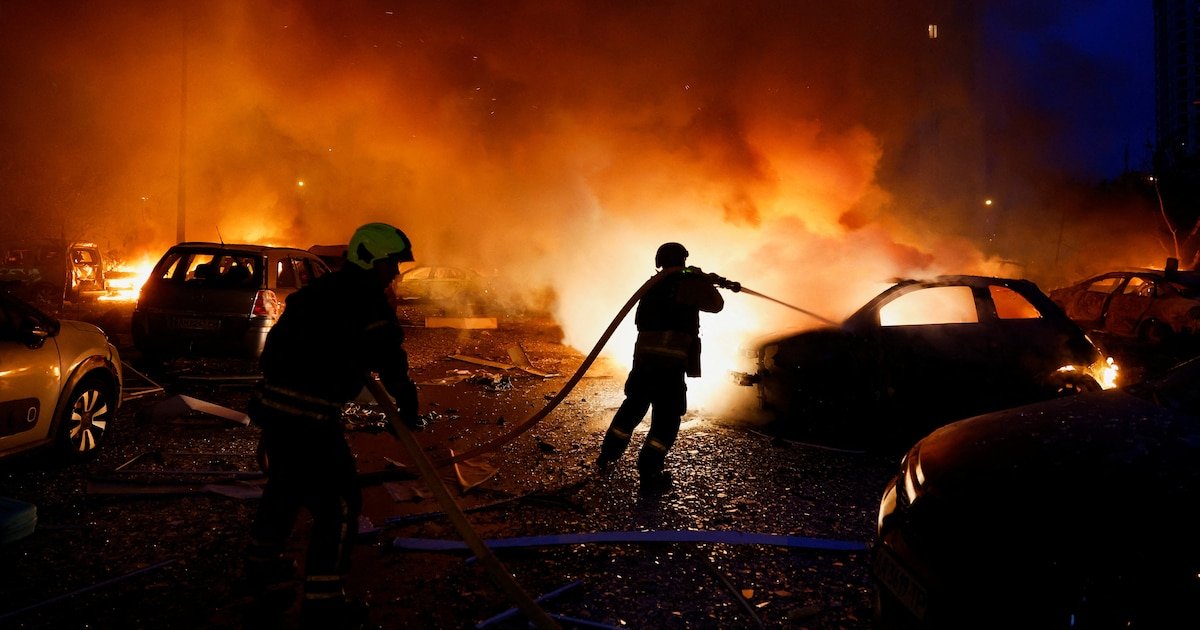
El ataque ruso contra la región de Kiev dejó al menos diez muertos y decenas de heridos este lunes, en la víspera de la cumbre de la OTAN en Ankara, donde el presidente de Estados Unidos, Donald Trump, tiene previsto reunirse con su par ucraniano, Volodimir Zelensky, para abordar la guerra.
Las autoridades ucranianas informaron que Rusia lanzó misiles balísticos contra la capital y sus alrededores durante la madrugada. El ataque constituyó el segundo bombardeo contra la zona de Kiev en menos de una semana y reflejó el aumento de las ofensivas de largo alcance por parte de ambos bandos, más de cuatro años después del inicio de la invasión rusa a gran escala.
El jefe de la administración militar de la región de Kiev, Tymur Tkachenko, confirmó el ataque a través de Telegram. «El enemigo ataca con misiles balísticos“, escribió. Por su parte, el alcalde de Kiev, Vitali Klitschko, informó que los sistemas de defensa aérea entraron en funcionamiento y pidió a la población permanecer en los refugios mientras continuaba la amenaza.
Según Tkachenko, el bombardeo provocó cuatro incendios en edificios residenciales. «Lugares donde la gente simplemente dormía esta noche“, expresó el funcionario.
Las autoridades indicaron que diez personas murieron en la ciudad de Kiev y otra en el distrito de Bucha, al noroeste de la capital. Además, al menos 46 personas sufrieron heridas en Kiev y sus alrededores (entre ellos cinco niños heridos).
Frente a la magnitud del ataque, Tkachenko sostuvo: “No hay palabras que puedan aliviar este dolor. Lamentablemente, este no es el balance final. Las operaciones de rescate continúan“.
El bombardeo ocurrió mientras aumentan los ataques de largo alcance entre ambos países. En las últimas semanas, Ucrania intensificó sus ofensivas contra instalaciones energéticas dentro del territorio ruso con el objetivo de afectar la capacidad logística y militar del Kremlin. También alcanzó zonas de Ucrania bajo control de Moscú desde antes de la invasión iniciada en 2022.
En la península de Crimea, anexada por Rusia, el gobernador Mikhail Razvozhayev informó que un ataque ucraniano cerca de Sebastopol interrumpió temporalmente el suministro eléctrico.
«Tras un ataque enemigo contra la infraestructura energética cerca de Sebastopol, nuestra ciudad quedó temporalmente sin electricidad“, escribió Razvozhayev en Telegram.
En tanto, el alcalde de Moscú, Serguéi Sobianin, afirmó que las defensas aéreas rusas derribaron varias oleadas de drones que se dirigían hacia la capital rusa.

El nuevo episodio de violencia coincidió con los preparativos para la cumbre de la OTAN que comenzará este martes en Ankara. La Casa Blanca confirmó que Trump mantendrá una reunión con Zelensky el miércoles para analizar el conflicto.
Un alto funcionario estadounidense, que habló bajo condición de anonimato con la agencia AFP, explicó el objetivo del encuentro. «El presidente obviamente se reunirá con él para hablar sobre cómo podemos poner fin a la guerra. Esa ha sido una prioridad suya durante mucho tiempo“, afirmó.
La misma fuente indicó que, después de la reunión con Zelensky, Trump conversará con Vladimir Putin para intentar reactivar los contactos diplomáticos, que permanecen estancados desde hace varios meses.
Mientras tanto, los combates continúan en el este de Ucrania. Zelensky aseguró el domingo que las fuerzas ucranianas mantienen la defensa de la ciudad estratégica de Kostiantinivka, considerada un punto clave para el control de posiciones en la región de Donetsk.
Rusia afirmó el viernes que tomó esa localidad, aunque Kiev rechazó esa versión.
«Los combates también continúan por Kostiantinivka, que Putin ya reclamó como suya, pero es evidente que nunca se atreverá a aparecer allí“, declaró Zelensky en su mensaje nocturno.

El presidente ucraniano también advirtió que Moscú prepara nuevos ataques de gran escala antes del inicio de la cumbre de la OTAN.
Dos días antes del bombardeo contra Kiev, Trump habló por teléfono por separado con Putin y Zelensky en el marco del 250.º aniversario de la independencia de Estados Unidos. Esos contactos precedieron a una nueva ronda de gestiones diplomáticas que Washington intentará impulsar durante la reunión de la alianza atlántica, mientras los enfrentamientos continúan tanto en el frente como en ataques de largo alcance sobre territorio ruso y ucraniano.
(Con información de AFP)
War,Europe,Military Conflicts
INTERNACIONAL
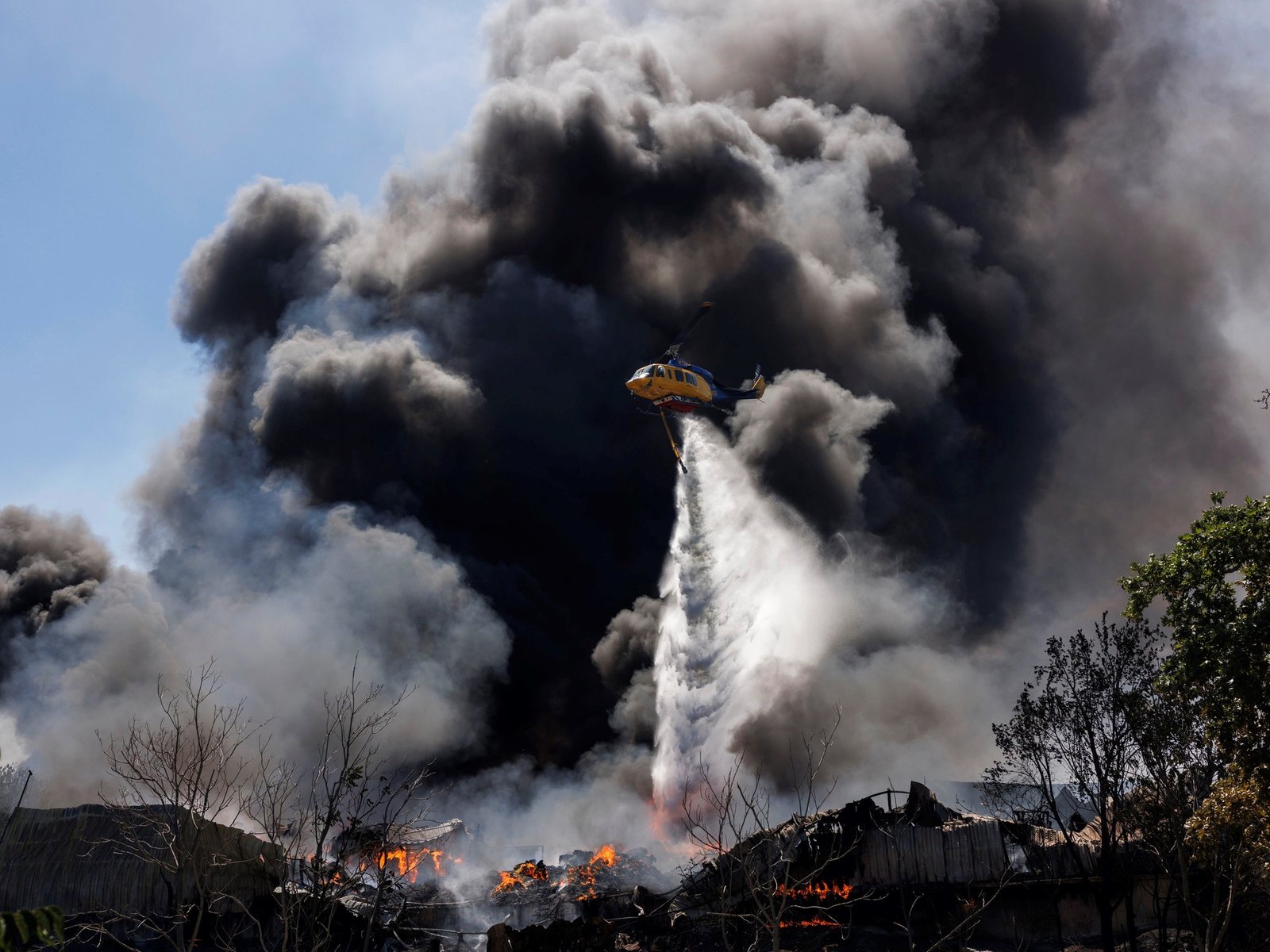
Los incendios queman bosques en Europa, alimentados por el calor extremo: casi 20.000 hectáreas arrasadas


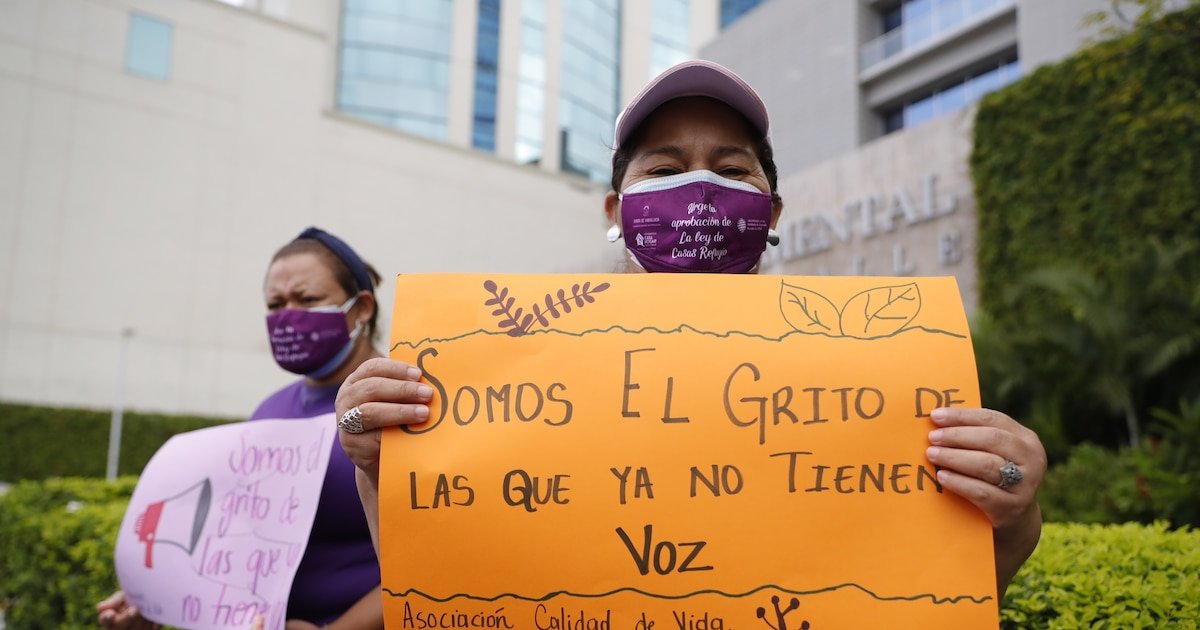
Entraron en vigencia las reformas al Código Penal de Honduras para los casos de violencia contra las mujeres. La norma fue publicada en el Diario Oficial La Gaceta número 37,181, correspondiente al 30 de junio, y endurece las penas por femicidio además de crear juzgados especializados para estos delitos.
“Pensé que me iba a matar. Sentí que no iba a salir con vida”. El testimonio de Cesia, una hondureña sobreviviente de violencia de género cuyo caso fue documentado por Infobae, pone rostro a una realidad que viven miles de mujeres en el país.
“Pensé que iba a morir”. Así recordó Cesia uno de los momentos más difíciles de su vida al relatar la violencia que sufrió por parte de su agresor. Su historia, publicada por Infobae, refleja el miedo, la incertidumbre y la lucha que enfrentan muchas mujeres hondureñas que sobreviven a la violencia de género.

Uno de los principales cambios es la creación de órganos jurisdiccionales especializados para investigar y juzgar el delito de femicidio, así como los delitos conexos y otras formas de violencia contra la mujer. Estos casos dejarán de ser atendidos dentro del esquema tradicional de justicia para pasar a un circuito especializado diseñado bajo un enfoque de protección integral.
La reforma también establece que estos juzgados y tribunales estarán integrados únicamente por juezas mujeres. Con esta disposición, el Congreso Nacional busca reducir los sesgos machistas dentro de los procesos judiciales, evitar la revictimización de las víctimas y garantizar que los casos sean abordados con perspectiva de género desde el inicio de la investigación hasta la emisión de la sentencia.
Ahora corresponderá a la Corte Suprema de Justicia crear los nuevos órganos jurisdiccionales, asignar los recursos necesarios, seleccionar mediante concursos de mérito a las juezas que integrarán estos tribunales y capacitarlas en materia de violencia de género.

La normativa también establece que las nuevas sedes judiciales deberán contar con equipos multidisciplinarios integrados por psicólogos, trabajadores sociales y otros profesionales que permitan ofrecer una atención más completa tanto a las víctimas como a sus familias durante el proceso judicial.
Con la nueva legislación, el femicidio será castigado con penas de entre 25 y 30 años de prisión, mientras que el femicidio agravado tendrá condenas de entre 30 y 40 años de cárcel. La reforma también contempla que las sentencias puedan alcanzar hasta 60 años de prisión cuando concurran circunstancias especialmente graves que ameriten la acumulación efectiva de penas.
Entre esas circunstancias se encuentran los casos en que el crimen haya sido precedido por delitos sexuales, tortura o privación ilegal de la libertad. También cuando exista un intento deliberado de ocultar una agresión sexual previa, cuando el responsable sea un funcionario o agente del Estado que utilice su cargo, uniforme, autoridad o arma de reglamento para cometer el femicidio.

La aprobación de estas reformas fue unánime en el Congreso Nacional el pasado ocho de junio y respondió a las recomendaciones formuladas por una comisión multipartidaria que analizó el incremento de las muertes violentas de mujeres en Honduras.
Para diversos sectores, estas reformas responden a una demanda sostenida de las organizaciones de mujeres que durante años han reclamado penas más severas, procesos especializados y una justicia libre de discriminación para quienes enfrentan la violencia de género.
carteles,contra la mujer,de género,día internacional de la eliminación de la violencia contra las mujeres 2021,exterior,feminicidios,gente,machista,manifestaciones,manifestantes,mascarillas,mujer,protesta,violencia

El tremendo susto que vivió Eva Bargiela con su bebé en Miami: qué pasó

Rusia lanzó un nuevo ataque masivo con drones y misiles sobre Kiev en vísperas de la cumbre de la OTAN: al menos once muertos

Neymar anunció su retiro de la selección de Brasil, tras caer ante Noruega en octavos del Mundial 2026

Volver a importar autos desde México: las negociaciones están a punto de retomarse y el acuerdo caído podría resolverse pronto

Asesinaron a tiros a un hombre en Santa Fe y la Justicia investiga un conflicto intrafamiliar

Nancy Dupláa recordó a su mamá a un año de su fallecimiento: “La más linda”

En medio de su separación, Magui Bravi contó por primera vez su traumático embarazo: «El parto fue de emergencia y…»

¿Se recupera el mercado de los autos?: qué muestran los números de las cinco marcas que más 0 km venden en el país

Construir los cimientos de la Inteligencia Artificial: los desafíos de la infraestructura del futuro

Zelensky repudió el ataque ruso contra Kiev e insistió en que reforzar la defensa aérea es una prioridad absoluta para Ucrania

 POLITICA3 días ago
Javier Milei y sus medidas, EN VIVO: denunciaron al Presidente por los ejercicios militares conjuntos de Argentina y EE.UU.
- POLITICA3 días ago
La Justicia ordenó revisar la causa contra Guillermo Moreno por la manipulación de los datos del INDEC
- DEPORTE3 días ago
Guido Rodríguez renovó con Valencia: firmó hasta 2028 y algo más