INTERNACIONAL
República Dominicana será sede del Congreso Internacional de Investigación Científica 2026


El Ministerio de Educación Superior, Ciencia y Tecnología (Mescyt) anunció la realización del XXI Congreso Internacional de Investigación Científica (XXI CIC 2026), un encuentro que congregará a investigadores, académicos y especialistas de más de 20 países en República Dominicana.
Este evento, considerado la principal cita científica del país, busca impulsar la innovación, la transferencia tecnológica y el desarrollo sostenible a través del intercambio de conocimientos y la cooperación internacional.
La agenda del congreso prevé una intensa programación académica. A lo largo de varios días, la comunidad científica participará en seis conferencias magistrales, siete simposios temáticos, 19 paneles, cuatro cursos especializados, 29 talleres, 62 presentaciones de pósteres científicos y la exposición de 218 investigaciones concurrentes.
Estas actividades se distribuirán entre áreas estratégicas como Ciencias Biológicas y Biomédicas, Ciencias Ambientales, Agroalimentarias y de la Tierra, Ciencias Computacionales e Ingeniería, Ciencias Sociales y Humanísticas, Matemáticas, Procesos Industriales, Ciencias de los Materiales y tecnologías emergentes.
Uno de los ejes centrales será la inteligencia artificial, presentada como herramienta transversal para acelerar la investigación científica, optimizar la gestión de datos, fortalecer la educación superior y desarrollar plataformas inteligentes.
El programa contempla también el análisis de la transformación digital, la información cuántica, el aprendizaje automático y la aplicación de tecnologías avanzadas en salud, producción, educación e industria.

Dentro del campo de la salud, el congreso abrirá espacios para la presentación de investigaciones sobre enfermedades cardiovasculares, diabetes, salud mental, genética, medicina molecular, microbioma, fertilidad, nutrición, odontología y nuevas estrategias terapéuticas. Estos temas reflejan la diversidad de intereses y la actualización permanente de la agenda científica nacional e internacional.
Los desafíos ambientales de la región tendrán un lugar destacado. Se presentarán estudios sobre cambio climático, resiliencia costera, gestión del agua, biodiversidad, conservación de ecosistemas, arrecifes coralinos, manglares, especies invasoras y adaptación territorial para responder a los desafíos ambientales del Caribe.
Una sección especial estará dedicada al sargazo, una de las problemáticas ambientales más relevantes, donde se explorarán alternativas para su aprovechamiento en biomoléculas, cosmética, alimentación animal, nutracéuticos y otros productos de valor agregado.
El XXI CIC 2026 hará especial énfasis en la ciencia aplicada a las necesidades del país. Las investigaciones seleccionadas incluirán trabajos realizados en comunidades, hospitales, centros educativos, zonas agrícolas y territorios productivos de República Dominicana, mostrando una conexión entre la investigación científica y las demandas nacionales.
Entre los temas abordados se encuentran la bioseguridad, gestión del riesgo, amenazas sísmicas, vigilancia epidemiológica, contaminación ambiental, resistencia antimicrobiana, seguridad alimentaria, agricultura sostenible y políticas públicas basadas en evidencia.

La formación de capacidades ocupa un lugar relevante en la agenda. El congreso ofrecerá cursos y talleres sobre escritura científica, análisis de datos, protección radiológica, divulgación científica, investigación aplicada y uso responsable de tecnologías emergentes.
Este componente formativo está dirigido a investigadores, docentes, estudiantes de término y profesionales interesados en fortalecer sus habilidades en el ámbito científico.
La cooperación internacional será otro de los pilares del encuentro. La participación de representantes de universidades, centros de investigación, organismos de cooperación y el sector productivo de más de 20 países permitirá el establecimiento de redes y alianzas orientadas a fomentar la innovación y la transferencia de conocimiento.
El Ministerio de Educación Superior, Ciencia y Tecnología (Mescyt) reafirma con esta edición su compromiso con el desarrollo económico y social mediante la promoción de la investigación científica de calidad y la consolidación de políticas públicas sustentadas en el conocimiento.
laboratorio,investigación,inmunología,ciencia,salud,microbiología,muestra,placa Petri,técnico,científico












INTERNACIONAL
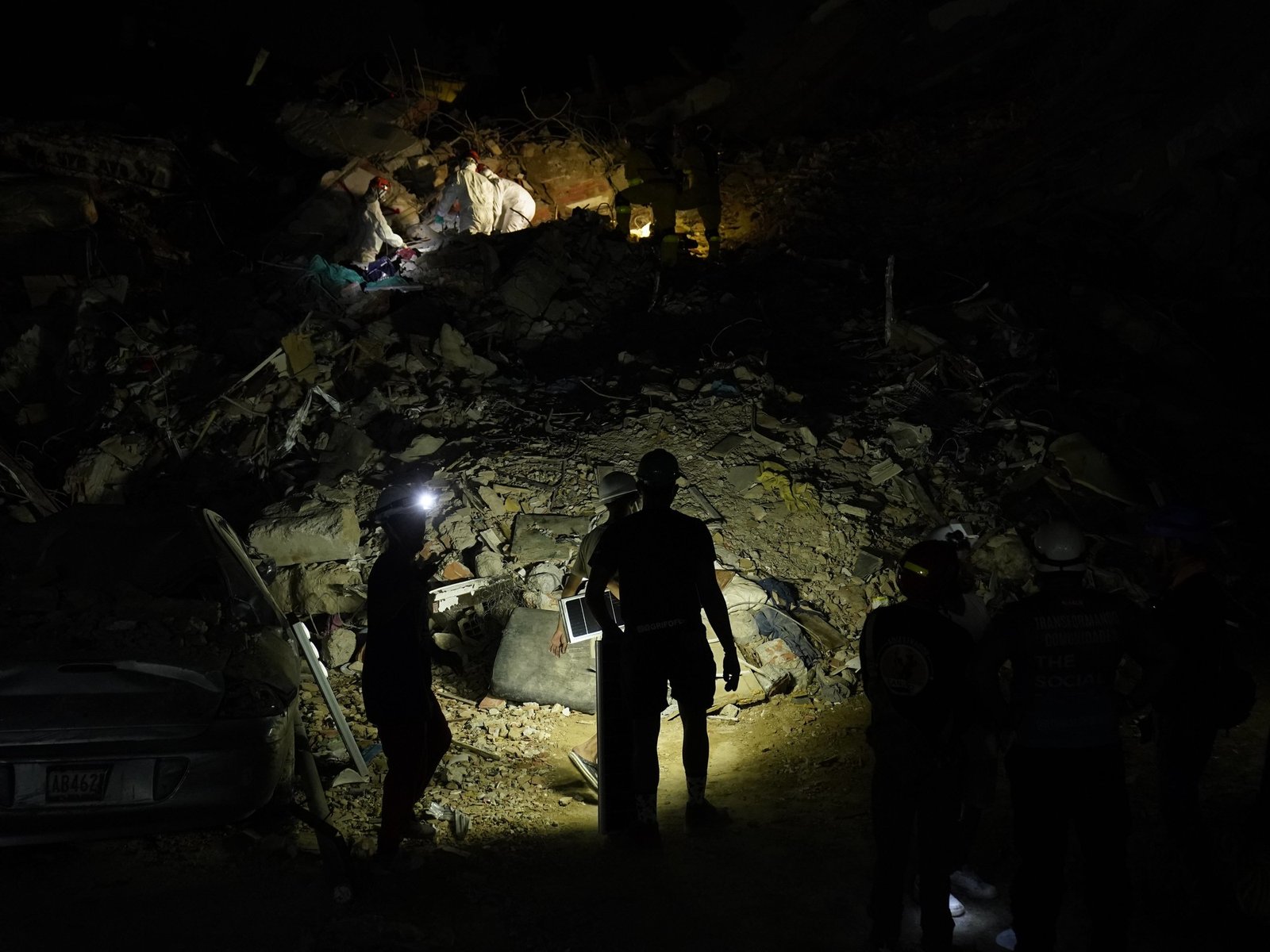
Una noche junto a los rescatistas argentinos en Venezuela: el pedido urgente por los perros, la tensión por buscar vida y el mural de Maradona


NEWYou can now listen to Fox News articles!
For the second time in little more than a year, a blast tore through the Moscow suburb of Balashikha, Russia, and left a Russian military figure dead.
On June 9, explosives planted under a BMW detonated as the driver began leaving a parking lot, according to independent Russian outlet The Insider. The outlet identified the man killed as Lt. Gen. Damir Davydov, a Russian Defense Ministry official responsible for supplying missiles and artillery ammunition to Russian forces fighting in Ukraine.
The location was striking. The explosion occurred roughly 1,150 feet from the site where Lt. Gen. Yaroslav Moskalik, deputy chief of the Main Operations Directorate of Russia’s General Staff, was killed in a car bombing in April 2025, according to the French newspaper Le Monde.
‘PURE HELL’ IN MOSCOW AS UKRAINIAN DRONES STRIKE MAJOR REFINERY SUPPLYING CAPITAL’S FUEL MARKET
A screen grab from a video shows the car in which Russian Gen. Yaroslav Moskalik was killed, confirmed by Russia’s Investigative Committee, on April 25, 2025, in the Moscow region. (Russian Investigative Committee / Handout/Anadolu via Getty Images)
Months before Moskalik’s death, another senior Russian officer was assassinated in Moscow.
Lt. Gen. Igor Kirillov, the head of Russia’s nuclear, biological and chemical protection troops, was killed when a bomb hidden in an electric scooter exploded outside an apartment building. A source in Ukraine’s Security Service, known as the SBU, told Reuters the agency carried out the operation.
Together, the attacks are part of a broader pattern of assassinations and attempted assassinations targeting senior Russian military figures — a campaign that a European intelligence source says is now exposing tensions inside Putin’s own security system.
Since Russia launched its full-scale invasion of Ukraine in February 2022, senior Russian military figures have been killed in missile strikes, drone attacks, car bombings, crashes and frontline combat — a toll that, according to a European intelligence source, is now fueling internal tensions between Russia’s military and the FSB, Russia’s powerful domestic security service and successor to the Soviet KGB.
«There are internal frictions between Russian security institutions,» a European intelligence source told Fox News Digital. «The Russian military wants the FSB to guarantee physical protection for Russian generals, but the FSB is opposed to taking responsibility for the military.»
The dispute reflects a deeper rivalry inside Russian President Vladimir Putin’s system, where the security services have long held a privileged position over the armed forces, according to multiple sources.
‘PURE HELL’ IN MOSCOW AS UKRAINIAN DRONES STRIKE MAJOR REFINERY SUPPLYING CAPITAL’S FUEL MARKET
«This goes back to Soviet times,» the European intelligence source said. «The security services do not like the military, and the military does not like the security services.»
The central tension, according to the European intelligence source and Russian opposition figure Maxim Katz, is inside Putin’s own system: the war has elevated the importance of the military on the battlefield, while the political structure in Moscow still treats generals as a potential threat.
The result is a paradox for the Kremlin. Russia needs its military commanders to sustain the war, but the security services that dominate Putin’s system appear reluctant to take responsibility for protecting them.
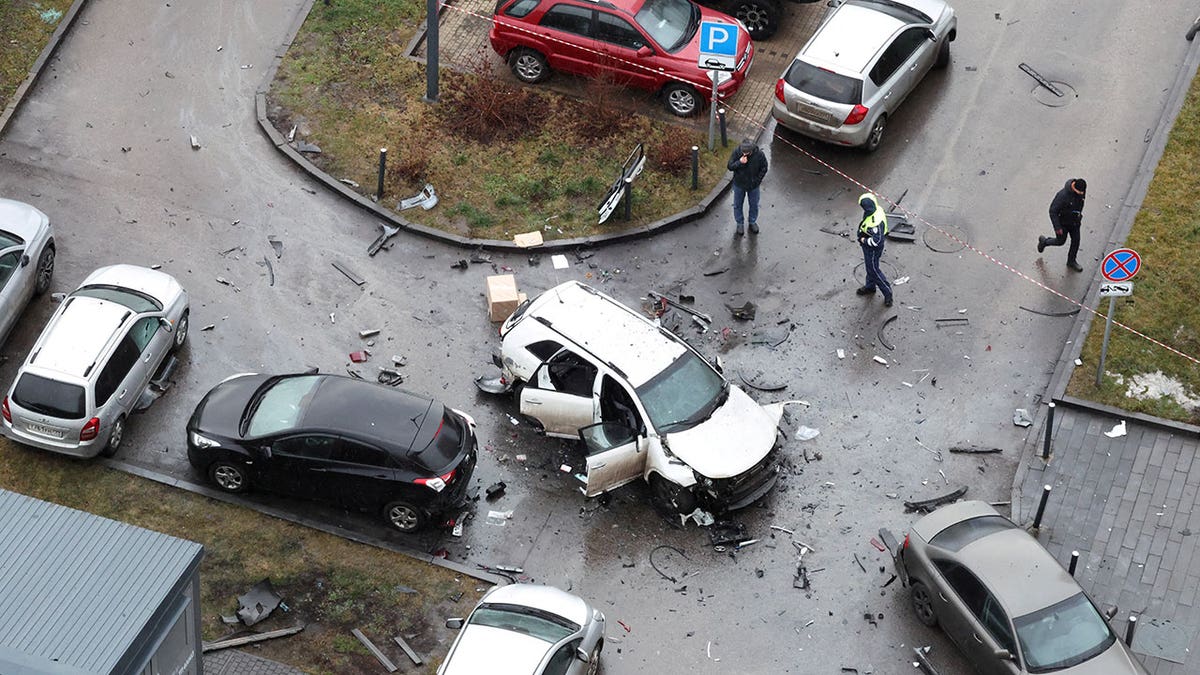
The damaged Kia Sorento lies at the scene where Lt. Gen. Fanil Sarvarov, head of the Russian General Staff’s army operational training directorate, was killed in a car bomb in Moscow, Dec. 22, 2025. (Anastasia Barashkova/Reuters)
At least 15 Russian generals have been confirmed killed since the full-scale invasion began, according to independent Russian outlet Mediazona.
The toll includes five lieutenant generals, seven major generals and three former generals.
Some died far from Moscow, closer to the battlefield.
Lt. Gen. Oleg Tsokov, deputy commander of Russia’s Southern Military District, was killed in July 2023 in a Ukrainian Storm Shadow missile strike on the Russian-occupied city of Berdiansk. Maj. Gen. Sergei Goryachev, chief of staff of the 35th Combined Arms Army, was killed in June 2023 during Ukraine’s counteroffensive in the Zaporizhzhia region. Maj. Gen. Vladimir Zavadsky, deputy commander of the 14th Army Corps, was killed near Krynky in southern Ukraine in November 2023.
Others were struck inside Russia or in Russian-controlled territory.
Lt. Gen. Alexander Otroshchenko, a senior Russian air force commander, died in a military transport plane crash over occupied Crimea in March 2026. Retired Maj. Gen. Kanamat Botashev, flying for the Wagner Group, was killed in May 2022 after his Su-25 was shot down over Ukraine’s Luhansk region.
‘PURE HELL’ IN MOSCOW AS UKRAINIAN DRONES STRIKE MAJOR REFINERY SUPPLYING CAPITAL’S FUEL MARKET
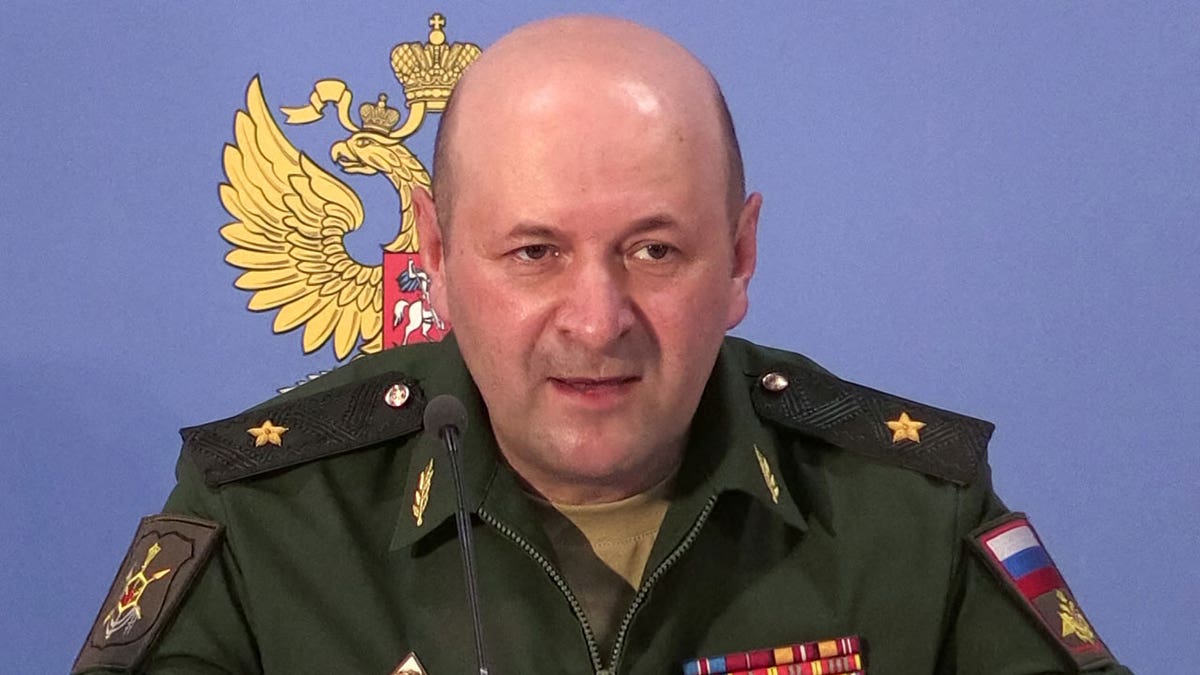
Igor Kirillov was killed Dec. 17, 2024, when an explosive device hidden in a scooter went off outside a building in Moscow, officials said. (AFPTV/AFP via Getty Images)
The losses began in the opening weeks of the invasion of Ukraine, when Maj. Gen. Andrei Sukhovetsky, deputy commander of Russia’s 41st Combined Arms Army, and Maj. Gen. Vladimir Frolov, deputy commander of the 8th Army, were killed.
Katz said the military has long occupied a vulnerable position inside the Russian power structure.
«In Russia, the FSB is the biggest and most powerful security organization, and Putin himself comes from that system,» Katz told Fox News Digital. «The army, on the other hand, has always been viewed by these people as a threat.»
Katz said the Kremlin historically has feared popular military figures because the army is one of the few institutions with the capacity to challenge political power.
«You will not find Russian military men in senior government positions,» Katz said. «Since Stalin, they have been afraid of the army. Whenever there is a relatively well-known military figure with a name of his own, they deal with it somehow — legally, or like with Prigozhin, or like with other generals. In Russia, there is no such thing as a popular general.»
Katz argued that even during wartime, when the military might be expected to gain status, Putin’s system keeps the army politically weak.
«The army does not take part in decision-making,» Katz said. «It is funded now, but everything goes to the war. The generals are rich, but not like ministers or FSB people. Among the elites, they are the most deprived.»
UKRAINE LAUNCHES WHAT APPEARS TO BE ONE OF ITS LARGEST DRONE ATTACKS AGAINST RUSSIA: REPORT
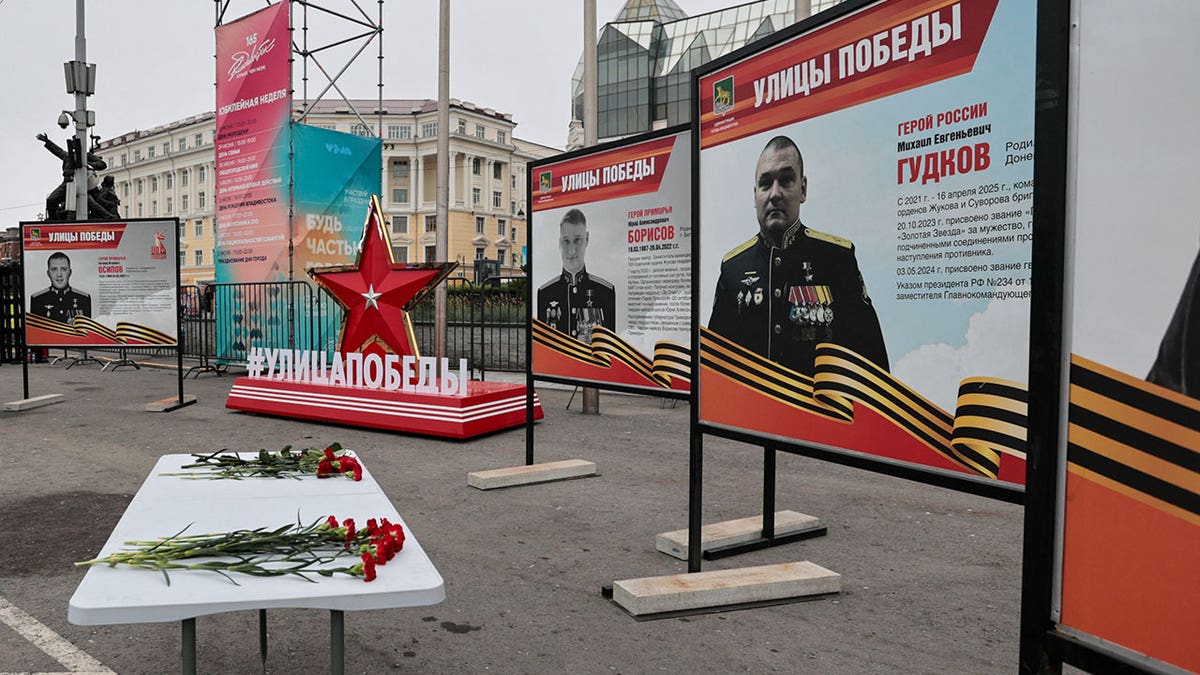
A view shows flowers placed on a table in front of a board with a photograph of Maj. Gen. Mikhail Gudkov, who, according to local authorities, was recently killed in the Kursk region amid Russia-Ukraine conflict, during an exhibition of soldiers’ portraits in the far eastern city of Vladivostok, Russia, July 3, 2025. (Tatiana Meel/Reuters)
That dynamic, Katz said, helps explain why Russian generals may not want the FSB responsible for their protection.
«For them, the FSB is a much bigger threat than the Ukrainian army,» Katz said. «The Ukrainian army kills a general once in a while. The FSB puts generals in prison much faster.»
The European intelligence source said the killings matter not only because of the operational losses, but because of the psychological effect inside the Russian army.
«Putin understands that losing prominent Russian generals can affect morale within the Russian army, which is already low from the Russian perspective,» the source said.
The apparent compromise, according to the European intelligence source, was to shift responsibility away from the FSB.
«The FSB did not want to deal with military protection, so the security service of the Russian presidential administration would take care of those generals,» the source said.
Katz said the internal pressure on Putin may also collide with Russia’s parliamentary elections in September — a moment he believes Western observers are largely ignoring.
RUSSIAN DRONES TEST NATO’S ARTICLE 5 DEFENSE GUARANTEE AHEAD OF FRIDAY SANCTIONS DEADLINE
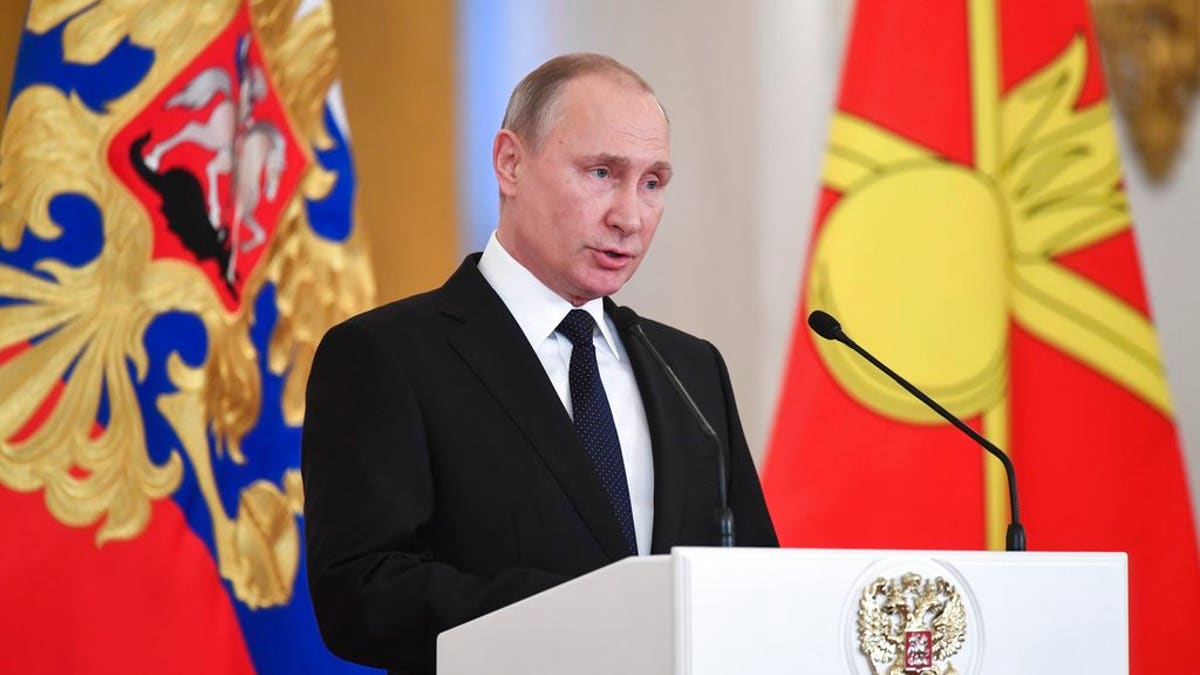
Russian President Vladimir Putin has been blamed for ordering numerous assassinations of critics and defectors. ( )
He said the vote will not be free, and the Kremlin is expected to manipulate the results.
But he argued that if public support for Putin’s United Russia party has fallen sharply, it may become harder for the regime to make the official results appear believable.
«Everyone already knows what results they will announce,» Katz said. «The question is whether anyone will believe those results.»
Katz said Putin’s system has long depended not only on control, but on the perception that the Kremlin still commands broad public support.
«Putin has never ruled in a situation where he does not have a majority,» Katz said. «His legitimacy rests on everyone believing that he has majority support. Once everyone believes he does not have a majority, and that he did not just cheat a little but simply drew the results, that is a different story.»
CLICK HERE TO DOWNLOAD THE FOX NEWS APP
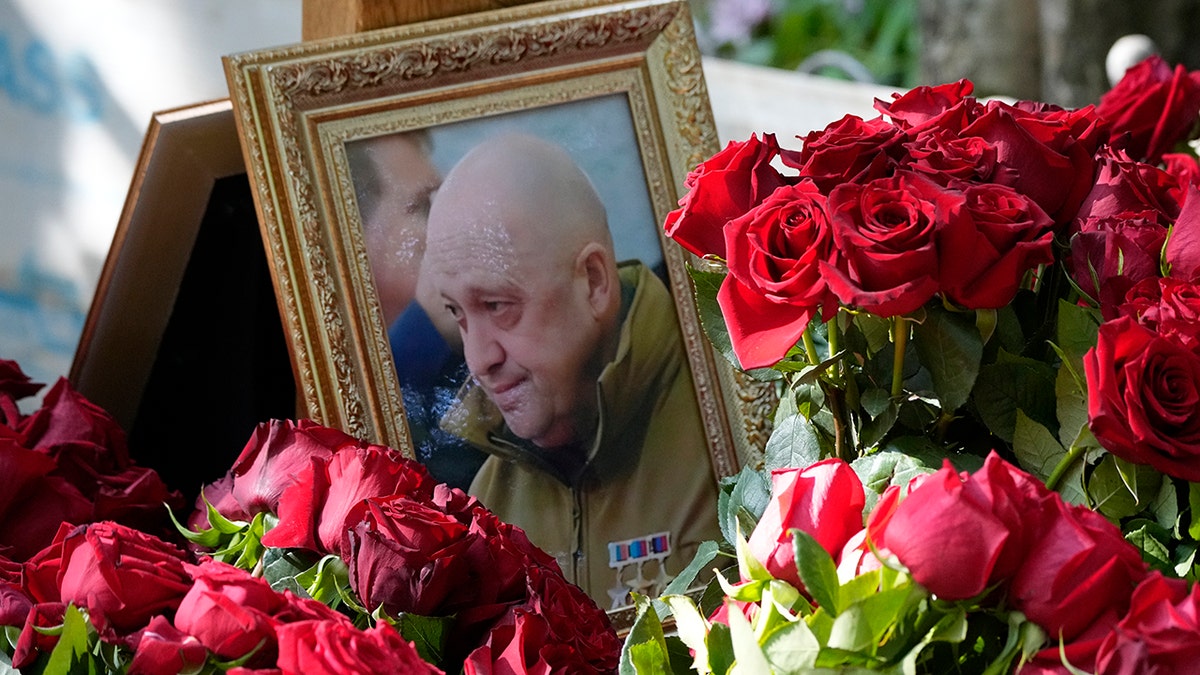
A portrait of Wagner Group’s chief Yevgeny Prigozhin, who died in a plane crash two months after launching his brief rebellion, lies on flowers on the grave at the Porokhovskoye cemetery in St. Petersburg, Russia, on Aug. 30, 2023. (AP Photo/Dmitri Lovetsky)
He compared the potential challenge to authoritarian systems that are forced to move from managed popularity to open coercion.
«Putin cannot lose like Orban,» Katz said. «But if everyone in Russia knows that everyone voted against him and he drew the results in his favor, that would be a new situation. He has never been in that position before.»
Fox News Digital reached out to the Russian and Ukrainian governments for comment but did not receive responses in time for publication.
russia, vladimir putin, ukraine, wars
INTERNACIONAL
RNC chair predicts first-ever midterm convention will turn Dallas into ‘Trumpapalooza’ for 2026 fight

NEWYou can now listen to Fox News articles!
EXCLUSIVE – Republican National Committee Chairman Joe Gruters predicted Wednesday that Republicans will «knock it out of the park» at the party’s first-ever midterm convention, casting the Dallas gathering as a «Trumpapalooza» aimed at firing up GOP voters in a difficult midterm climate.
Gruters spoke exclusively with Fox News Digital a day after President Donald Trump announced the Sept. 9-10 convention in Dallas, an unusual effort to put Trump and the GOP’s 2026 message center stage before voters decide control of Congress.
«It gives us a chance to highlight all the wonderful things this president has done in our effort on this great American comeback to highlight the ideas, policies and people that’s making it happen,» Gruters said.
TRUMP MAKES MAJOR 2026 ANNOUNCEMENT
President Donald Trump applauds on Day 4 of the Republican National Convention (RNC), at the Fiserv Forum in Milwaukee, Wisconsin, on July 18, 2024. (REUTERS/Jeenah Moon)
National political conventions, where party delegates from around the country formally nominate their party’s presidential candidates, normally take place during presidential election years.
But with Republicans facing a rough political climate as they aim to protect their narrow control of the Senate and their razor-thin House majority in this year’s elections, they see the midterm convention as an effective vehicle to get their message out.
«We can win. It’s going to start here at the convention. I’m super excited about it,» Gruters emphasized.
And pointing to primary victories in recent weeks by far-left and socialist candidates over the Democratic Party establishment, Gruters said «we’re going to be able to highlight and contrast where the Republican Party is versus what the left is, and the fact that they’re getting pushed and now controlled and being run by these radical leftists that want to fundamentally change our country.»
SOCIALIST SURGE: DSA-BACKED CANDIDATES WIN AGAIN, THIS TIME IN COLORADO

Congressional candidate Claire Valdez, Congressional candidate Brad Lander, Mayor Zohran Mamdani, and Congressional candidate Darializa Avila Chevalier raise their hands during a Get Out the Vote (GOTV) rally at King’s Theater on June 18, 2026, in New York City. (Michael M. Santiago/Getty Images)
Party leaders are also hoping the convention will help to energize MAGA voters who don’t always vote when Trump isn’t on the ballot.
Gruters called Trump the «best showman that’s ever existed in politics, bar none… He knows how to deliver these low-propensity voters. He knows how to get people up, motivated, excited about the midterms, and that’s what we’re going to need.»
Currently, the president’s approval ratings remain well underwater, with many Americans rating him poorly on his handling of the economy and on the issue of affordability.
Democratic National Committee (DNC) Director of Rapid Response Kendall Witmer told Fox News Digital on Tuesday evening, «The American people can’t afford their bills or to fill up at the pump because of Donald Trump, and Republicans’ response is to throw a multi-million dollar televised celebration for Trump that will only remind Americans of his failed promise to them and tie already flailing Republican swing-seat candidates to a historically unpopular president.»
DEMOCRACY ’26: STAY UP TO DATE WITH THE FOX NEWS ELECTION HUB
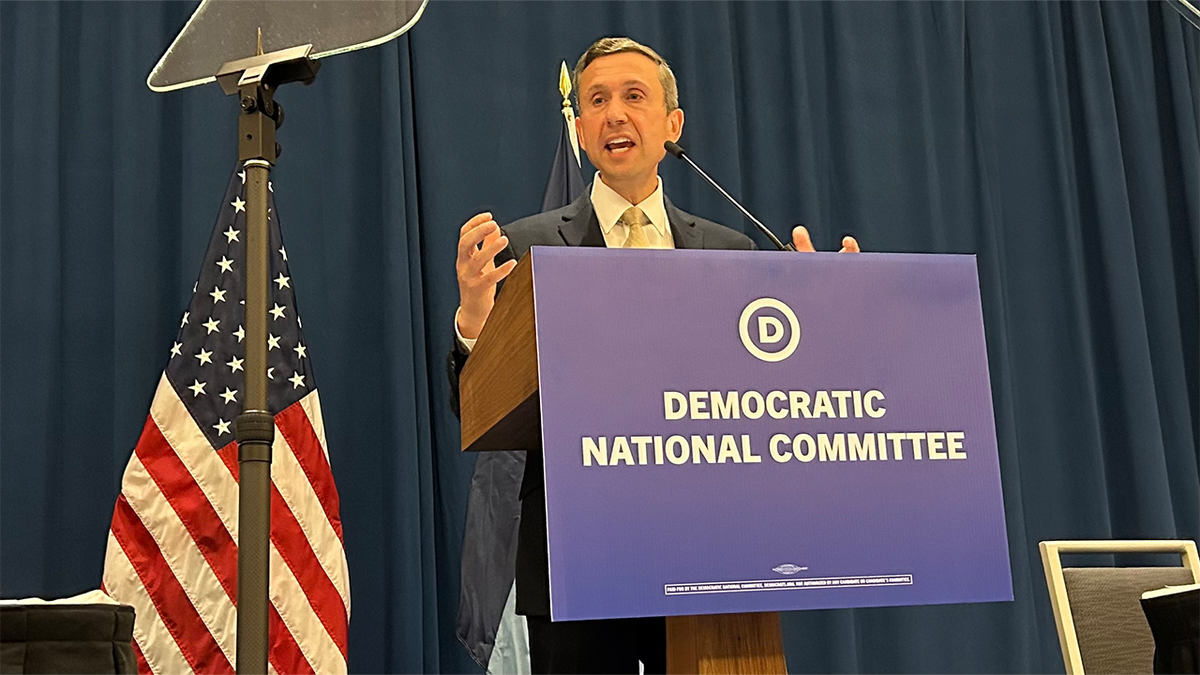
Democratic National Committee chair Ken Martin addresses party members at the DNC’s summer meeting, on Aug. 25, 2025, in Minneapolis, Minnesota. (Paul Steinhauser – Fox News)
The DNC, which significantly trails the RNC in fundraising, considered holding a midterm convention but decided earlier this year not to move forward with the costly event.
CLICK HERE TO DOWNLOAD THE FOX NEWS APP
Witmer emphasized that «Democrats are already hitting the trail and speaking directly with American voters about our plans to cut costs and make health care affordable.
republicans elections, donald trump, midterm elections, politics, republican convention

Una noche junto a los rescatistas argentinos en Venezuela: el pedido urgente por los perros, la tensión por buscar vida y el mural de Maradona

Qué ver en Netflix, la miniserie de 8 episodios que es el plan ideal para cortar la semana: «1899»

Russian generals’ assassinations expose growing rift inside Putin’s security apparatus

El impactante arsenal que le descubrieron al juez denunciado por acoso sexual en San Isidro

Los desarrolladores de Subnautica 2 han ganado. Krafton se rinde ante el survival y promete un bonus aún mejor que los 250 millones de dólares iniciales

¡Taglia te necesita! Lanzan campaña para apoyar a Nicolás Tagliafico ¿De qué se trata?

La bomba de Nico Occhiato tras el escándalo de Florencia Peña con Messi: “Lo más groso que pudimos haber logrado”

Exigen que Adorni renuncie a su cargo en el directorio de YPF

Manuel Adorni renunció después de tres meses de escándalo por su patrimonio

Un chofer ganó una indemnización cercana a USD 500.000 por un infarto laboral y ahora la Corte Suprema la dejó sin efecto

 INTERNACIONAL3 días ago
Shipping giant warns Strait of Hormuz chaos is ‘new normal’ as Tehran shifts 4M barrels
- ECONOMIA3 días ago
El método con billeteras y bancos para ahorrar más de $100.000 mensuales en compras clave
- INTERNACIONAL3 días ago
Estos son los rostros del partido oficial que se postulan a diputados por la diáspora salvadoreña