INTERNACIONAL
House avoids unprecedented four-member expulsion week as Swalwell and Gonzales resign instead

NEWYou can now listen to Fox News articles!
It may have been possible to bequeath this as «expulsion week.»
Instead, this might be «resignation week.»
The House has only expelled six Members in the history of the republic. But it was possible as recently as Monday that the House was primed to wrestle with a mind-boggling four expulsions.
It takes a two-thirds vote to expel a Member. The House last expelled one of its own in late 2023: former Rep. George Santos (R-N.Y.). Before that, you have to go back to 2002 when the House kicked out late Rep. Jim Traficant (D-Ohio).
5TH ACCUSER COMES FORWARD AGAINST REP ERIC SWALWELL AHEAD OF EXPECTED RESIGNATION
Here was the chopping block:
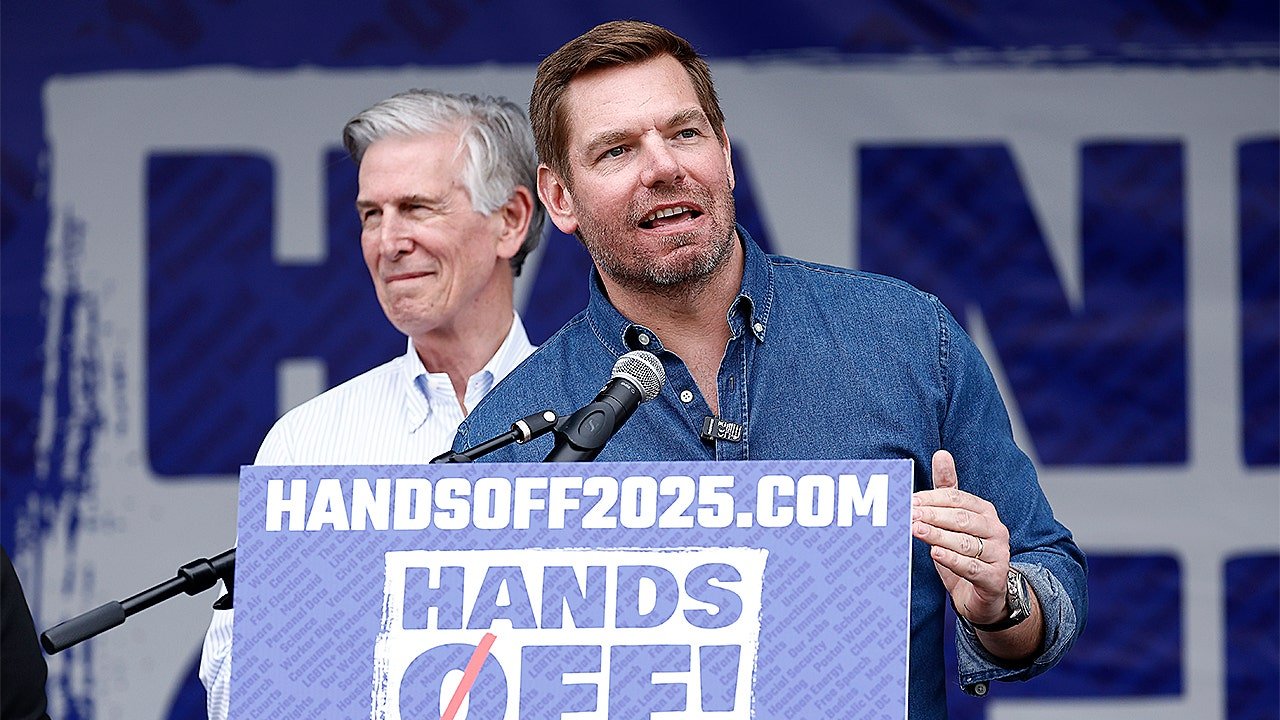
Calls to expel former Rep. Eric Swalwell (D-Calif.) piled up after reports surfaced that he sexually assaulted a former aide and several other women. Swalwell initially said he would fight the allegations. Then he dropped his bid to become governor of California after a host of once close allies abandoned their support. Swalwell has now resigned, avoiding the ignominious scene of an expulsion.
Rep. Eric Swalwell, D-Calif., appeared on MS NOW 26 times and on CNN 24 times in 2026 alone, according to the Media Research Center. (Ronaldo Bolaños/Getty Images)
Then there was former Rep. Tony Gonzales (R-Texas). At first, Gonzales denied an affair with an aide who committed suicide by setting herself on fire. Gonzales was locked in a tough primary runoff against Republican Congressional candidate Brandon Herrera. But after pressure, Gonzales finally dropped out of the runoff and isn’t standing for re-election. However, Gonzales intended to stay on until his term expired on January 3 next year. But now Gonzales is out the door, too.
TWO DEMOCRATIC REPS CALL FOR SWALWELL TO EXIT CONGRESS AS CONTROVERSY SWIRLS AROUND HIS BID FOR CA GOVERNOR
So two down, two to go.
This is where things grow complicated.
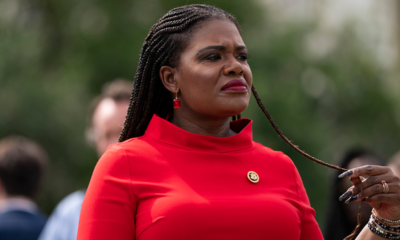
Rep. Sheila Cherfilus-McCormick (D-Fla.) could face expulsion soon. In late March, the House Ethics Committee held a rare «trial,» declaring she improperly obtained an astonishing $5 million in COVID relief funds. The Ethics panel will likely recommend a punishment for Cherfilus-McCormick next week. The full House doesn’t have to consider or adhere to the prescribed discipline. The congresswoman proclaims her innocence. She faces a criminal trial in Florida in February 2027.
WHY ERIC SWALWELL WAS FORCED TO QUIT CALIFORNIA GOVERNOR’S RACE AFTER SEXUAL MISCONDUCT ALLEGATIONS
«The facts are indisputable at this point and so I believe it will be the consensus of this body that she should be expelled,» forecast House Speaker Mike Johnson (R-La.).
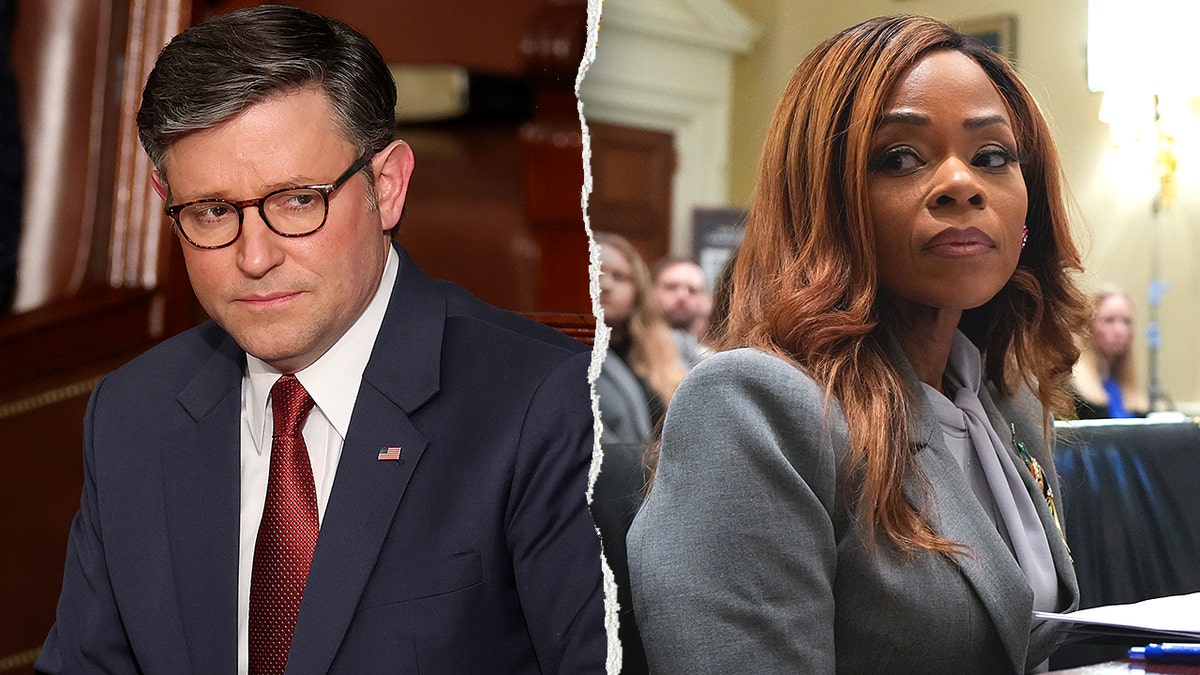
House Speaker Mike Johnson, R-La., said lawmakers should expel Rep. Sheila Cherfilius-McCormick, D-Fla., after a House ethics panel found her guilty of more than 25 ethics violations. (Photo by Win McNamee/Getty Images; Photo by Andrew Harnik/Getty Images)
Rep. Greg Stuebe (R-Fla.) filed a resolution to bounce Cherfilus-McCormick from the body a few months ago.
And for the Republicans, there’s Rep. Cory Mills (R-Fla.). Mills is accused of «stolen valor» and exaggeration of his military record. But what triggered the current expulsion push is an allegation that the congressman struck his girlfriend in early 2025. A judge imposed a restraining order against Mills. However, police never charged the congressman. The Ethics Committee is also investigating whether he violated federal campaign rules. But the formal ethics probe of the Florida Republican isn’t as far along as the Cherfilus-McCormick inquiry.
SWALWELL RESIGNATION COLLIDES WITH CHINA-LINKED SCANDAL AS CRITICS DEMAND FILE RELEASE
Johnson is mindful of that fact.
«With regard to Mills, I’m not sure the status of the Ethics Committee investigation and that’s one of the things I’ll be looking into today,» said Johnson.
Four troubled Members. Two Democrats and two Republicans. It was that parity which may have primed the House to take the unprecedented step of expelling those four Members before Swalwell and Gonzales announced their resignations. But a push to expel Cherfiulus-McCormick and not Mills creates a host of problems in the House.
GONZALES HIT WITH EXPULSION VOTE THREAT AHEAD OF EXPECTED RESIGNATION
It’s about the math.
The House swore-in Rep. Clay Fuller (R-Ga.) on Monday night. Fuller won a special election last week to succeed former Rep. Marjorie Taylor Greene (R-Ga.) who resigned. That GOP gain is likely offset by an anticipated victory by Democratic Congressional candidate Analilia Mejia in a Thursday special election in New Jersey. This is a Democratic seat which has been vacant since New Jersey Gov. and former Congresswoman Mikie Sherill (D) resigned from the House last fall.
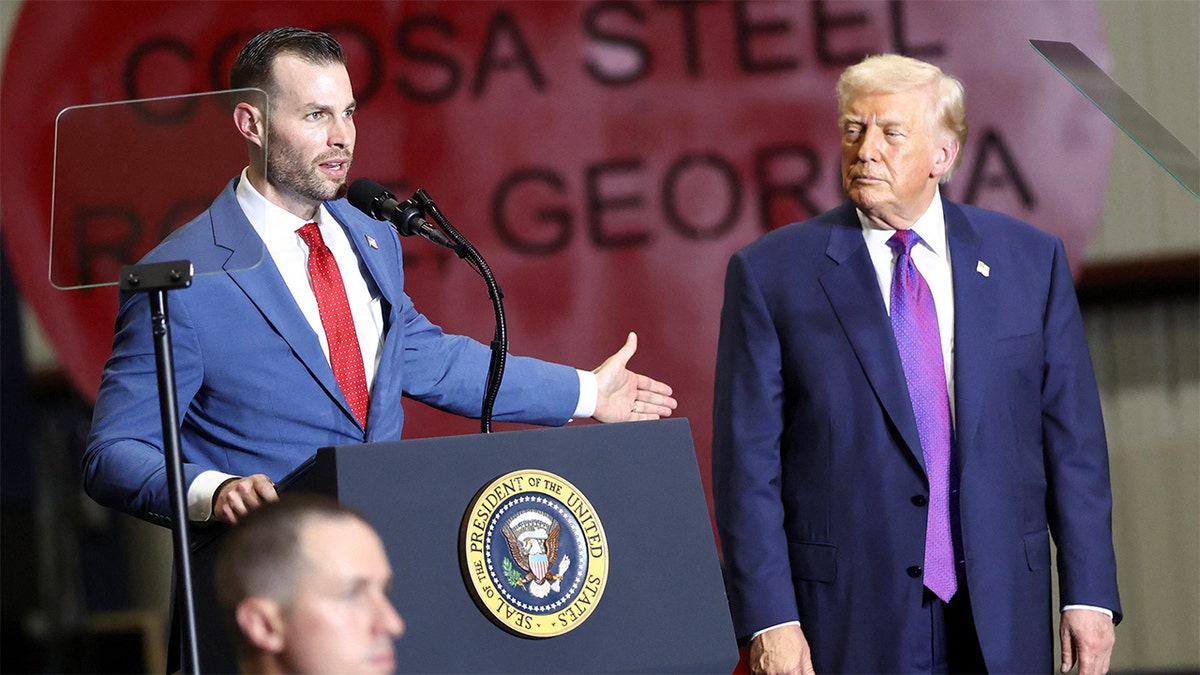
Republican congressional candidate Clay Fuller, left, speaks next to President Donald Trump, during a visit to the Coosa Steel Corporation in Rome, Georgia, Feb. 19, 2026. (Kevin Lamarque/Reuters)
With Swalwell and Gonzales out and Fuller in, the current breakdown is 431 Members: 217 Republicans and 213 Democrats. Rep. Kevin Kiley (I-Calif.) dropped his affiliation with the GOP. The addition of Fuller and presumed win by Meija would make the breakdown 217 to 214 and one independent – with one vacancy, covering 432 Members. After the Swalwell and Gonzales resignations, the remaining open seat is a solidly Republican district in northern California, long held by late Rep. Doug LaMalfa (R-Calif.). He died in January.
ERIC SWALWELL WAS CABLE NEWS STAR FOR YEARS BEFORE RAPID FALL FROM GRACE
But what happens if the House moves against Cherfilus-McCormick and not Mills? That creates an imbalance between the parties – something which was lost when the potential expulsion of four Members was on the table.
«What about this issue of parity,» yours truly asked House Minority Leader Hakeem Jeffries (D-N.Y.).
«The issue of parity hasn’t been something that we’ve had a conversation about. We’ve been working through what’s in front of us today and that’s what we’re going to continue to do,» replied Jeffries.
LAWMAKERS PUT EXPULSION THREATS ATOP HOUSE AGENDA AS RETURN SETS UP HIGH-STAKES WEEK
I followed up.
«But isn’t that a concern, though, if they take action against Cherfilus-McCormick? Her ethics process is further along than Mr. Mills,» I asked.
«The ethics process is still incomplete and we’ll see what the Ethics Committee has to recommend next week,» replied Jeffries.
‘SMART DECISION’: SWALWELL’S RESIGNATION SPURS PRAISE FROM BOTH PARTIES AFTER BOMBSHELL ALLEGATIONS EMERGE
That’s in reference to the upcoming ethics panel meeting, recommending punishment for the Florida Democrat.
It was one thing if the House may have bounced four Members, two Republicans and two Democrats, all at once. But it’s dicier now that Gonzales and Swalwell stepped aside. It’s further complicated considering the uneven status of the ethics inquiries regarding Cherfilus-McCormick and Mills.
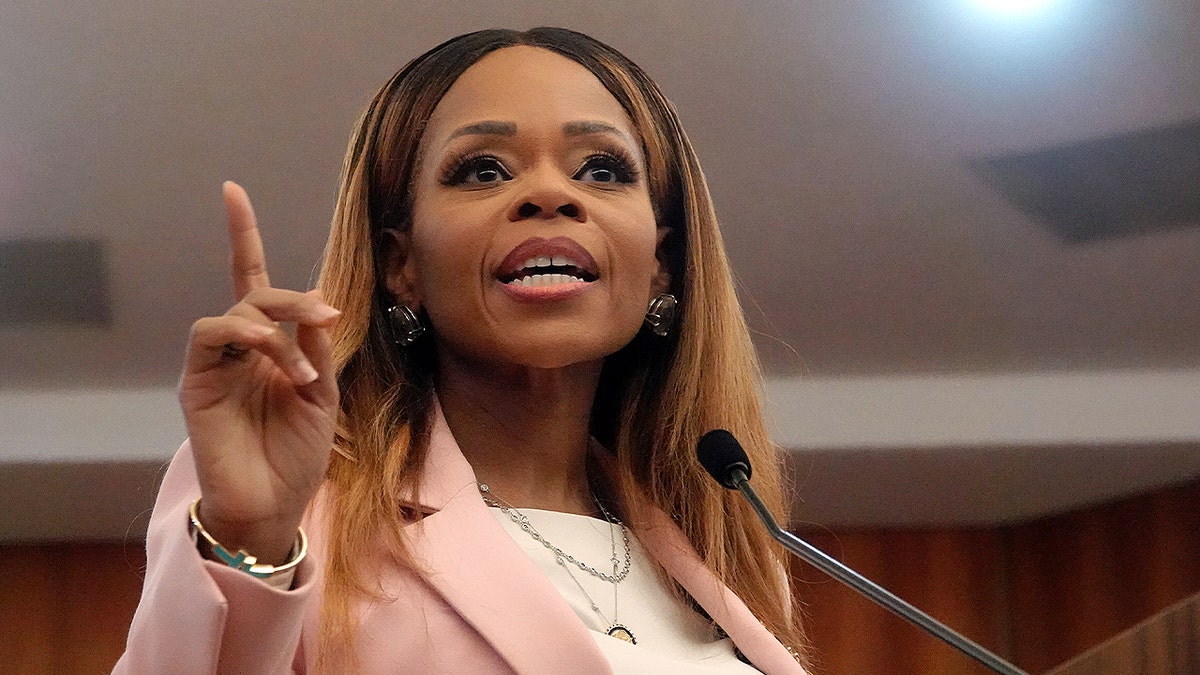
Rep. Sheila Cherfilus-McCormick, D-Fla., speaks after being sworn in during a ceremony in the Broward County Commission chambers in Fort Lauderdale, Florida, on Jan. 27, 2025. (Joe Cavaretta/South Florida Sun Sentinel/Tribune News Service via Getty Images)
It seems that Congress is now in a period of establishing new precedents on a regular basis. A record-breaking government shutdown – only superseded by another record-breaking government shutdown. In addition, the House is experiencing a dramatic increase in the raw number of «censures» which it doles out to Members. Censure is the second-highest mode of punishment in the House, just below expulsion.
JONATHAN TURLEY: ERIC SWALWELL’S ENABLERS KNEW THE TRUTH — AND PROTECTED HIM ANYWAY
The House censured late Rep. Charlie Rangel (D-N.Y.) in late 2010. Prior to that, the House last reprimanded late Reps. Gerry Studds (D-Mass.) and Daniel Crane (R-Ill.) in 1983. But since 2021, the House has censured five Members: Rep. Paul Gosar (R-Ariz.), Sen. Adam Schiff (D-Calif.) – when he served in the House – Rep. Rashida Tlaib (D-Mich.), former Rep. Jamaal Bowman (D-N.Y.) and Rep. Al Green (D-Texas).
House Speaker Mike Johnson (R-La.) recently characterized the censure explosion as the «political» weaponization of the ethics process.
It’s possible the House might not take any immediate action regarding Cherfilus-McCormick and Mills. Lawmakers from both sides may be more willing to expel one of their own – and maybe take one for the team on their side – if a similar outcome is guaranteed across the aisle.
SWALWELL’S FALL FROM GRACE SPARKS DEMOCRAT RUSH TO RETURN CAMPAIGN CONTRIBUTIONS AMID SCRUTINY
With such a tight majority, Republicans may not want to cede power to Democrats if the House expels a GOP Member as they try to cling to the majority. By the same token, it’s doubtful Democrats are willing to absorb a hit when they are within sneezing distance of the majority – if they don’t see a political equilibrium and document consequences for the Republican majority.
Moreover, tracking where the votes lie for disciplinary action is nearly impossible. What further complicates this is whether any expulsion motion actually comes to a true, up/down vote. There are often motions «to table» or kill any resolution to impose discipline against a Member. The same with motions «to refer» or dispatch allegations against a Member to the Ethics Committee for additional scrutiny. For instance, the Ethics panel is all but done probing Cherfilus-McCormick and is investigating Mills. So it’s unclear what would happen with any possible motion «to refer.»
CLICK HERE TO DOWNLOAD THE FOX NEWS APP
And let’s be frank: some lawmakers either really want to be on the record voting to discipline one of their colleagues or want no part of it at all. Resolutions to sit in judgment of a colleague is one of the hardest votes lawmakers take. Right up with a vote to go to war. That’s why some prefer the political fig leaf of a «motion to refer» or «motion to table» to an actual up/down vote to punish one of their own.
So this could have been «expulsion week» on Capitol Hill. It’s certainly «resignation week.» And if there’s no other disciplinary action, some lawmakers will be resigned to that outcome.
politics, us, eric swalwell, congress, house of representatives politics, mike johnson









INTERNACIONAL
Guerra en Medio Oriente en VIVO | Irán amenazó con extender la guerra hacia otros países en Medio Oriente si Estados Unidos reanuda su ofensiva
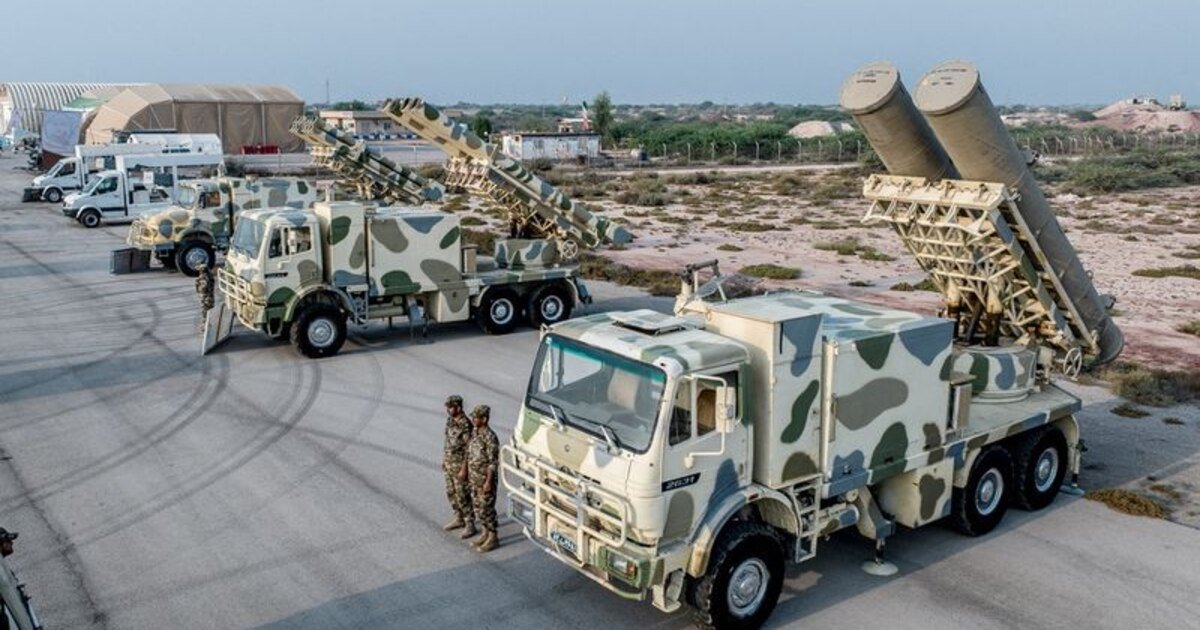
El territorio iraní pasó la madrugada de este domingo sin registrar bombardeos aéreos estadounidenses, mientras en Washington la administración del presidente Donald Trump mantiene en pausa una guerra que se aproxima a su quinto mes. En medio de la incertidumbre, Trump renovó las expectativas sobre el reinicio de las negociaciones con Teherán, tras casi dos semanas de bombardeos nocturnos consecutivos por parte del Comando Central de EEUU (CENTCOM).
La Guardia Revolucionaria de Irán declaró el domingo que forzó la detención de seis embarcaciones en el estrecho de Ormuz luego de emitir lo que calificaron como “firmes advertencias”. El cuerpo militar mantiene de facto un bloqueo en la vía marítima desde la reanudación de las hostilidades.
Además, el Teherán informó que se registraron avances en las conversaciones con Omán sobre mecanismos para garantizar la navegación segura en el estrecho de Ormuz, sin que se hayan producido cambios en el tráfico marítimo a través de la zona.
El Ejército de la república islámica también amenazó con que la guerra en Medio Oriente se extenderá si Estados Unidos decide seguir adelante con los ataques contra territorio iraní.
A continuación, la cobertura minuto a minuto:
El Ejército iraní amenazó con extender la guerra hacia otros países si Estados Unidos reanuda sus ataques en Medio Oriente
El ejército de Irán advirtió el domingo que la guerra en Oriente Medio se ampliará si Estados Unidos decide continuar con los ataques contra la república islámica, en vísperas de la visita del primer ministro israelí Benjamin Netanyahu a Washington.
“Creo que si los estadounidenses vuelven a caer en el engaño de los sionistas, o se alinean con ellos e insisten en continuar la guerra, particularmente mediante ataques aéreos, geográficamente esta se expandirá aún más”, declaró el portavoz del ejército, Mohammad Akraminia, en la televisión estatal.
Según Akraminia, el conflicto ya se extendió al estrecho de Bab el Mandeb, en la entrada del Mar Rojo, en alusión al incremento de las hostilidades entre los rebeldes hutíes de Yemen, apoyados por Irán, y Arabia Saudita. “El alcance de nuestras operaciones ahora abarca toda la región, desde las bases estadounidenses en Jordania hasta los países a lo largo del Golfo Pérsico”, afirmó.
El vocero militar describió la situación en Oriente Medio para Estados Unidos como “difícil e inestable”, y consideró que Washington ahora busca “una nueva estrategia”. “Estamos preparados para cada una de las opciones y escenarios que parecen probables”, agregó Akraminia.
Estados Unidos e Irán buscan retomar el alto el fuego mientras se discute un acuerdo sobre el estrecho de Ormuz
El director de comunicaciones la Casa Blanca, Steven Cheung, sostuvo que el presidente estadounidense Donald Trump mantiene “todas las opciones sobre la mesa” en relación a la guerra. Por su parte, Irán anunció avances en las conversaciones con Omán sobre la navegación por la estratégica vía marítima

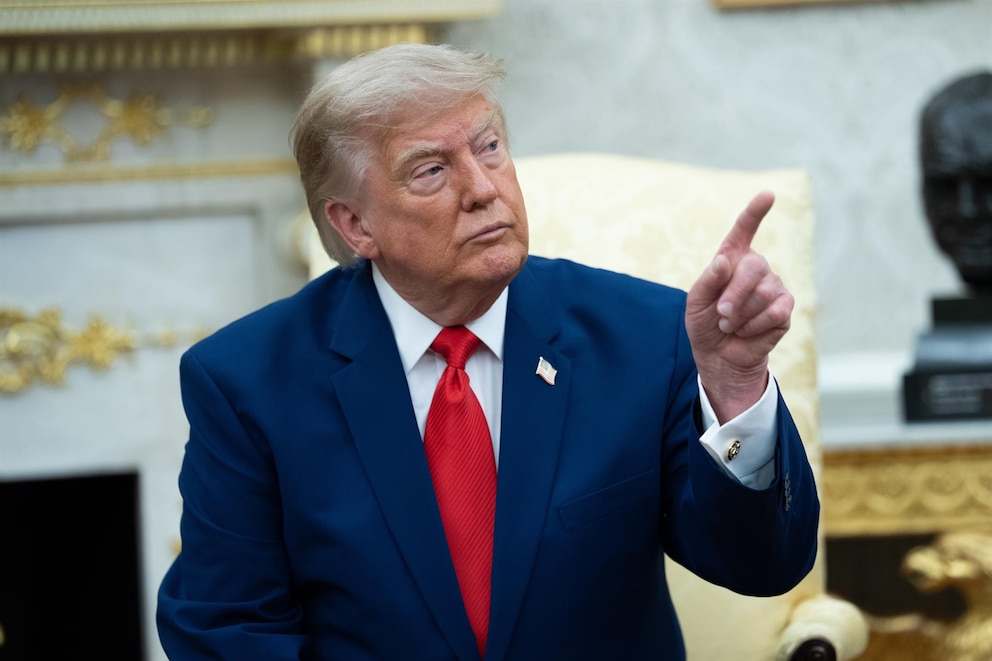
La Casa Blanca afirmó el sábado que el presidente de Estados Unidos, Donald Trump, mantiene “todas las opciones sobre la mesa” en relación a la guerra contra el régimen de Irán, luego de los informes de medios estadounidenses sobre un aplazamiento de los planes del mandatario respecto a la intensificación de las operaciones militares del Comando Central de EEUU (CENTCOM) en Medio Oriente.
La Guardia Revolucionaria iraní detuvo a seis embarcaciones en el estrecho de Ormuz

La Guardia Revolucionaria de Irán declaró el domingo que forzó la detención de seis embarcaciones en el estrecho de Ormuz luego de emitir lo que calificaron como “firmes advertencias”. Según la Armada del cuerpo militar, se estableció un “control total” sobre la estratégica vía marítima.
De acuerdo con el comunicado, los buques que violaron las instrucciones recibieron la orden de fondear tras desatender las advertencias iniciales. La autoridad iraní no precisó la nacionalidad de las embarcaciones ni los detalles del incidente, mientras mantiene la vigilancia sobre el tránsito en el estrecho.
Irán afirmó que avanzan las conversaciones con Omán sobre transporte marítimo en Ormuz
El régimen iraní informó este domingo que se registraron avances en las conversaciones con Omán sobre mecanismos para garantizar la navegación segura en el estrecho de Ormuz, sin que se hayan producido cambios en el tráfico marítimo a través de la zona.
El portavoz del Ministerio de Asuntos Exteriores iraní, Esmaeil Baghaei, comunicó que el viernes y el sábado se celebraron varias rondas de reuniones en Teherán entre los viceministros de Asuntos Exteriores de Irán y Omán. “Ambas partes intercambiaron puntos de vista sobre principios comunes y mecanismos operativos para gestionar el paso seguro de los buques en el estrecho de Ormuz, respetando al mismo tiempo los derechos soberanos de los dos estados ribereños”, declaró Baghaei.
El portavoz señaló que “las conversaciones fueron útiles y se lograron avances”, y precisó que la delegación omaní abandonó la capital iraní el sábado por la tarde, aunque “las consultas técnicas y políticas entre ambas partes continuarán”. Baghaei añadió que “por el momento, no ha habido ningún cambio en la situación del transporte marítimo a través del estrecho de Ormuz”.
Estados Unidos condenó las ejecuciones en Irán e instó al régimen a liberar a los presos políticos
El subsecretario de la Oficina de Democracia, Derechos Humanos y Trabajo estadounidense definió a los condenados con la pena máxima como “jóvenes iraníes valientes que se atrevieron a alzar la voz” contra las autoridades de Teherán y pidió por la excarcelación de los detenidos
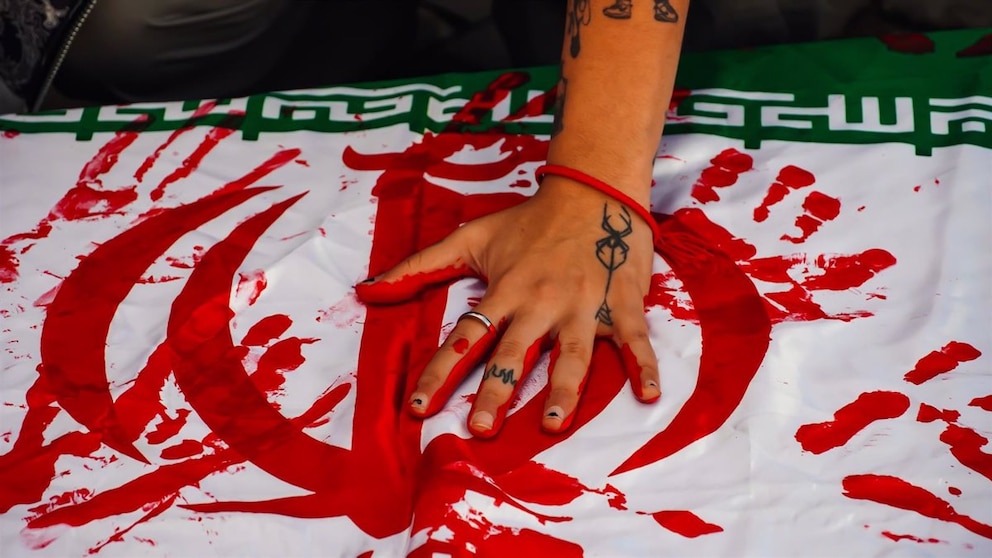
El subsecretario de Estado de Estados Unidos para la Democracia, los Derechos Humanos y el Trabajo, Riley Barnes, condenó el sábado las ejecuciones de ciudadanos iraníes que participaron en protestas contra el régimen islámico y exigió la liberación de los presos políticos en ese país.
Kuwait negó su participación en los ataques estadounidenses contra Irán
El embajador de Kuwait en Estados Unidos desmintió un informes que afirmaban que el estado del Golfo Pérsico había enviado aviones de combate para atacar a Irán. Según la agencia oficial de noticias de Kuwait, la embajadora Sheikha Al-Zain Al-Sabah desestimó la noticia, calificándola de “totalmente infundada”.
“Afirmó que Kuwait no ha participado en ninguna operación militar contra Irán y no ha permitido el uso de su territorio, espacio aéreo o aguas territoriales para lanzar operaciones ofensivas”, decía el comunicado.
Kuwait firmó un acuerdo de 16.000 millones de dólares para la construcción de un oleoducto

La petrolera estatal de Kuwait, Kuwait Petroleum Corporation (KPC), firmó un acuerdo de infraestructura de oleoductos valorado en 16.000 millones de dólares con los fondos internacionales de capital privado Blackstone, KKR y Brookfield. La operación, anunciada el sábado, contempla un contrato de arrendamiento con opción de recompra sobre toda la red de oleoductos nacionales y de exportación de la compañía.
La inversión se produce en un contexto en el que las naciones del Golfo Pérsico, principales exportadoras de hidrocarburos, buscan incrementar su producción tras los recientes ataques iraníes y el cierre temporal del estrecho de Ormuz, una ruta clave para el comercio global de energía.
INTERNACIONAL
Estados Unidos e Irán buscan retomar el alto el fuego mientras se discute un acuerdo sobre el estrecho Ormuz
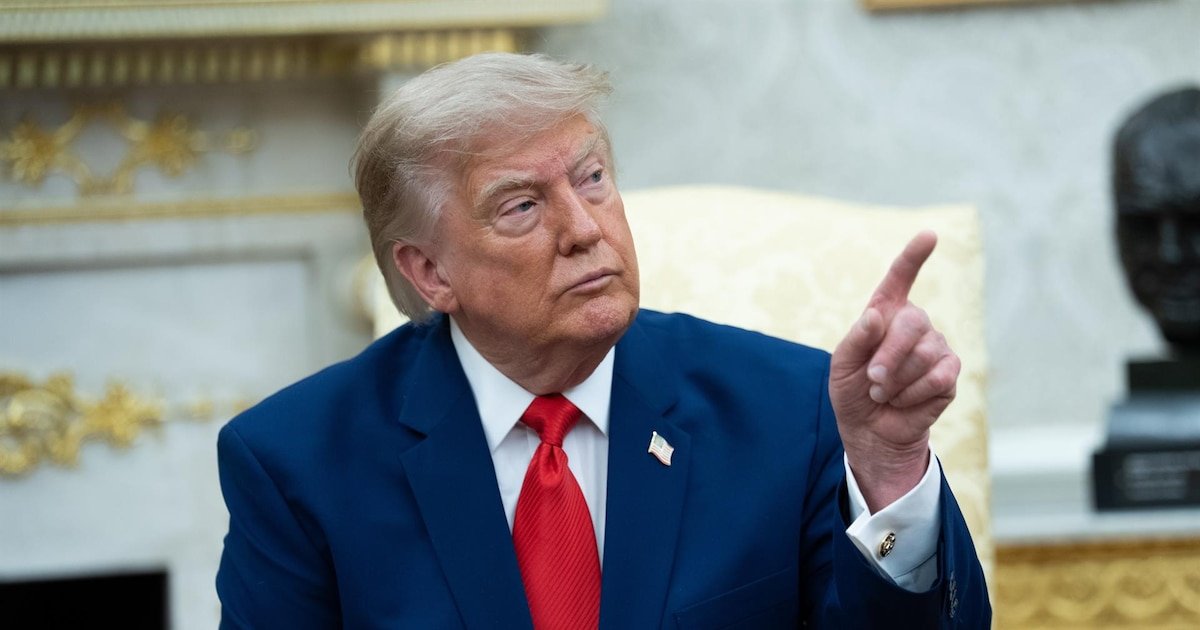
La Casa Blanca afirmó el sábado que el presidente de Estados Unidos, Donald Trump, mantiene “todas las opciones sobre la mesa” en relación a la guerra contra el régimen de Irán, luego de los informes de medios estadounidenses sobre un aplazamiento de los planes del mandatario respecto a la intensificación de las operaciones militares del Comando Central de EEUU (CENTCOM) en Medio Oriente.
“El presidente Trump siempre ha sido coherente al afirmar que prefiere una solución diplomática, pero mantiene todas las opciones abiertas si Irán continúa con sus actividades terroristas en el estrecho de Ormuz o contra sus aliados”, declaró Steven Cheung, director de comunicaciones de la residencia presidencial, en diálogo con Fox News Digital.
Cheung sostuvo que tras las sanciones que, según sus palabras, “paralizaron la economía de Irán” y 13 días consecutivos de bombardeos contra objetivos militares iraníes, “sería prudente que Irán buscara un acuerdo negociado“. ”De lo contrario, ya saben lo que sucederá”, sentenció.
El viernes, Trump aseguró que Washington y Teherán están negociando, aunque remarcó que, bajo su mirada, el régimen no está listo para un nuevo acuerdo que ponga fin a la guerra en la región. “A veces no quieren decir que quieren hacer un trato. Quieren ser los duros, pero sí quieren hacer un trato”, señaló.
Según reportó este domingo la agencia Associated Press citando a un funcionario regional involucrado en los esfuerzos de mediación, tanto Washington como Teherán buscan reactivar un acuerdo de alto el fuego provisional y, para ello, mantienen negociaciones sobre un posible compromiso para gestionar el tránsito marítimo en el estrecho de Ormuz con menos restricciones a la navegación.

La fuente, que pidió anonimato por no estar autorizado a declarar públicamente sobre las conversaciones, señaló que la reciente pausa de los bombardeos del CENTCOM y las represalias iraníes contra países vecinos con presencia militar estadounidense representa “una señal positiva que ayuda a sus esfuerzos por reducir la tensión”.
De acuerdo con el medio, la propuesta en discusión contempla que Irán supervise el paso de buques por el estrecho de Ormuz, limitando las restricciones impuestas a la navegación internacional. Las conversaciones continúan en busca de una solución que satisfaga a ambas partes y disminuya el riesgo de escalada en la región.
No obstante, el CENTCOM detalló que el bloqueo naval impuesto a los puertos de Irán sigue vigente y que el Ejército estadounidense está “en estado de máxima alerta”. En ese sentido, el cuerpo militar que opera en Medio Oriente agregó que desvió 12 buques comerciales y desactivó dos embarcaciones por no cumplir con las restricciones.
Por su parte, Irán anunció el domingo que logró avances en las conversaciones con Omán sobre los mecanismos para garantizar una navegación segura en el estrecho de Ormuz, en medio del bloqueo de facto que mantiene el país persa sobre la vía marítima.
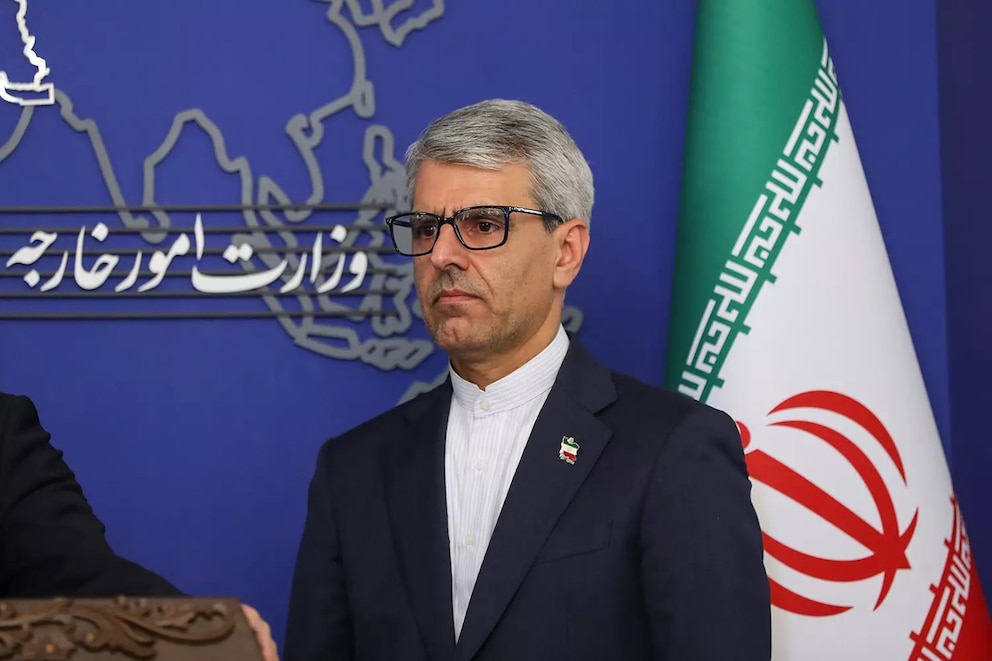
El portavoz del Ministerio de Asuntos Exteriores iraní, Esmaeil Baghaei, explicó que el viernes y sábado se desarrollaron varias rondas de negociaciones en Teherán entre los viceministros de Asuntos Exteriores de ambos países.
“Ambas partes intercambiaron puntos de vista sobre principios comunes y mecanismos operativos para gestionar el paso seguro de los buques en el estrecho de Ormuz, respetando al mismo tiempo los derechos soberanos de los dos estados ribereños”, indicó Baghaei.
El funcionario calificó las conversaciones como “útiles” y aseguró que “se lograron avances”, aunque detalló que la delegación omaní dejó la capital iraní el sábado por la tarde. Las “consultas técnicas y políticas entre ambas partes continuarán”, aseguró y subrayó que “por el momento, no ha habido ningún cambio en la situación del transporte marítimo a través del estrecho de Ormuz”. Por ende, el régimen mantiene el bloqueo sobre el estratégico paso marítimo en Medio Oriente.
(Con información de Associated Press)
Middle East
INTERNACIONAL
Here’s what you missed from Trump’s first WHCA Dinner as president: 5 takeaways from his night with the press
NEWYou can now listen to Fox News articles!
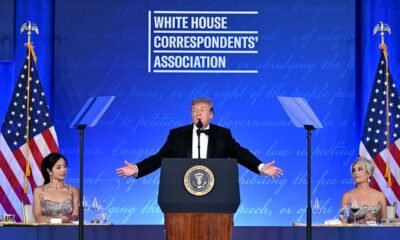
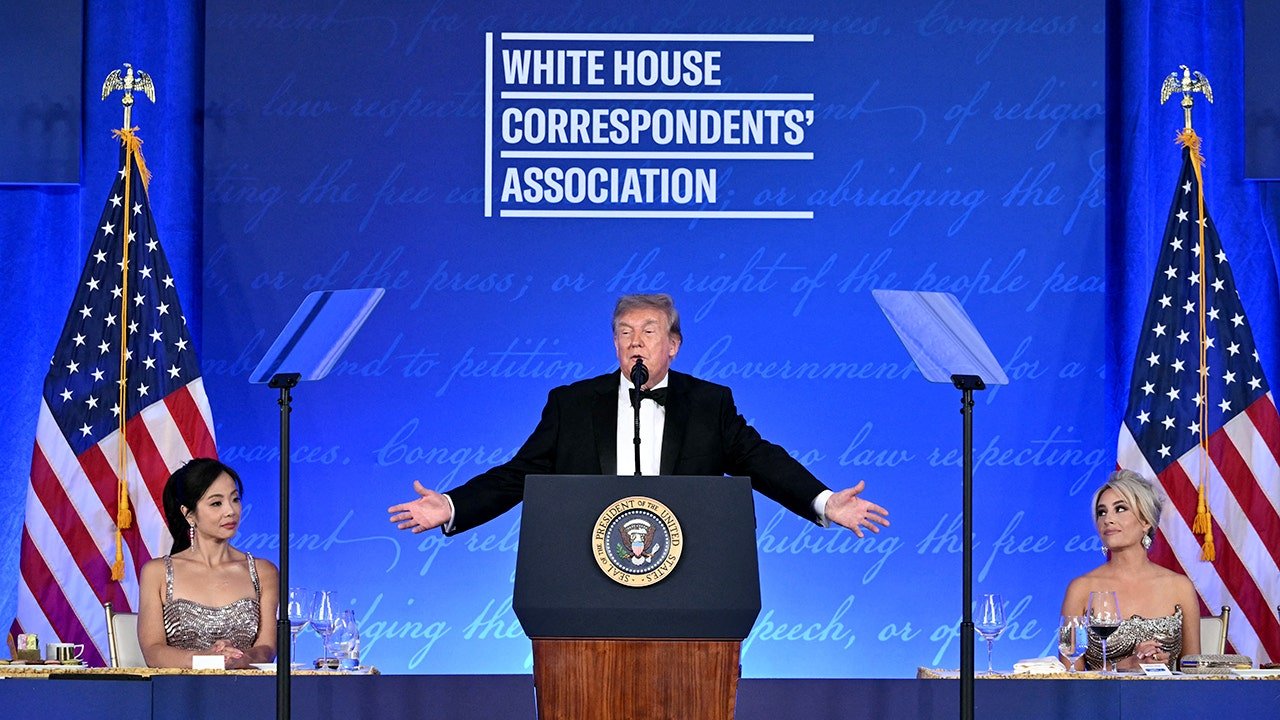
President Donald Trump attended the annual White House Correspondents Association (WHCA) Dinner Friday night for the first time in either of his two presidential terms.
The event was rescheduled from its original April 25 date after a crazed gunman allegedly tried to assassinate the 47th president, bull rushing security with several weapons and firing a shot before he was taken into custody.
Here are five top highlights from the dinner:
TRUMP HEADS BACK TO CORRESPONDENTS’ DINNER MONTHS AFTER GUNFIRE FORCED EVACUATION
1. Journalists, Trump share heartfelt moments
Trump and the press typically find themselves at odds, and while Friday night had its share of uncomfortable moments, both sides were able to find some common ground — especially after sharing a scary moment at the originally scheduled dinner in April.
Before presenting one of the many awards of the night, ABC’s Jon Karl thanked the president for his attendance.
«Mr. President, I want to say it matters that you came here tonight,» said Karl. «For more than 100 years, presidents have chosen to sit in a room of reporters who asked tough and often uncomfortable questions, and who report without fear or favor. It’s important. Thank you for being here.»
TRUMP PRAISES PRESS AFTER WHCD SHOOTING, SAYS UNITY AT DINNER WAS ‘BEAUTIFUL’
WHCA outgoing President and the dinner’s emcee Weijia Jiang also had kind words for the president, just before she introduced him to speak and after discussing the importance of the First Amendment.
«President Trump, I’ve covered you for a long time, and so have many reporters in this room. When we ask questions, you push back, you give us answers and we push back,» she said. «You have always been a deal guy. Well, that’s the deal. And the First Amendment is a done deal. And that’s what we toast tonight. The freedoms that brought us back together even after they were threatened.»
«So let’s raise a glass to what makes ours a beautiful country.»
Later in the night, Trump concluded his speech with a warm message for the press delivered in his own style.
White House Press Secretary Karoline Leavitt and US President Donald Trump attend the 2026 White House Correspondents’ Association (WHCA) Dinner at the Waldorf Astoria in Washington, DC, on July 24, 2026. The 2026 WHCA Dinner was originally scheduled for April 25 at the Washington Hilton, but was rescheduled and relocated after an alleged gunman breached security. (Mandel NGAN / AFP via Getty Images)
JOURNALISTS DEMAND WHITE HOUSE CORRESPONDENTS’ ASSOCIATION ‘SPEAK TRUTH TO POWER’ IN NEW DINNER WITH TRUMP
«I just want to say, this room — I have tremendous respect for the people in this room,» Trump said.
«Sometimes I don’t feel you treat me fair, maybe you do, I don’t know,» he continued. «I don’t feel that. But sometimes you treat me fairly, and I have a lot of respect for your profession. It’s amazing. And I just want to thank you for having me, and it’s been fun.»
2. Trump razzes the press and members of his cabinet
Trump made a series of jokes throughout his speech, some targeting the press, and others targeting people he appointed to positions of power.
Health and Human Services Secretary Robert F. Kennedy Jr. was on the receiving end of a quip from the 47th president after Trump told attendees he hoped they enjoyed their beef tenderloin dinner.
«I want you all to know that Bobby Kennedy, who’s right here, personally ran over the cow with his car,» he jabbed. «And he cut it up and he brought it here for you to eat tonight.»
Kennedy is well known for his eccentric history with animals, including once saying he captured a raccoon and cut its genitals off, viral videos of him catching dangerous snakes and once using a chainsaw to remove the head of a dead whale that washed up on Cape Cod.
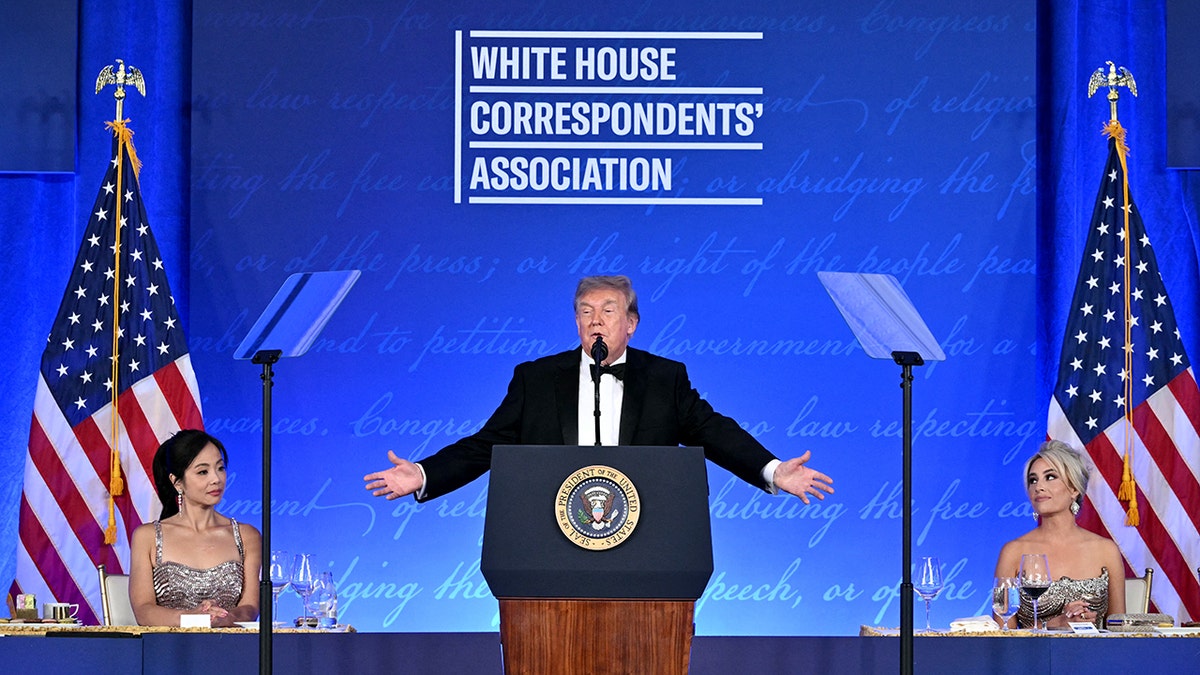
US President Donald Trump speaks during the 2026 White House Correspondents’ Association (WHCA) Dinner at the Waldorf Astoria in Washington, DC, on July 24, 2026. The 2026 WHCA Dinner was originally scheduled for April 25 at the Washington Hilton, but was rescheduled and relocated after an alleged gunman breached security. (Mandel NGAN / AFP via Getty Images)
«Bobby also suggested an appetizer featuring his favorite cut of male raccoon roadkill. But we drew the line at that,» the president went on. «We said, ‘No, we’re not doing that.’»
Kennedy is also known for pushing a more red-meat centric diet and has embraced the push for restaurants to use beef tallow to fry their food instead of seed oils.
Trump also joked about the shooting at the first WHCA dinner earlier this year, which pro-MAGA rapper Nikki Minaj attended.
«But after hearing the gunshots, many people yelled, ‘get down, get down!’ Which caused Nicki Minaj to start twerking, do you believe? Get down! She’s the only one that really understood what that meant,» Trump joked, earning laughter from the tough crowd.
Throughout his speech, he repeatedly used one of his famous phrases — referring to the press as «fake news,» but took some direct shots at certain outlets and figures.
He unexpectedly flipped the script in a misdirection from what seemed like an update on the Iran war.
«A once feared and powerful regime that relentlessly attacked America has finally been toppled,» he said. «Their former leaders have been removed and they’re now being run by a gay dictator facing internal divisions. But I, for one, wish Bari Weiss all the best at CBS News.»
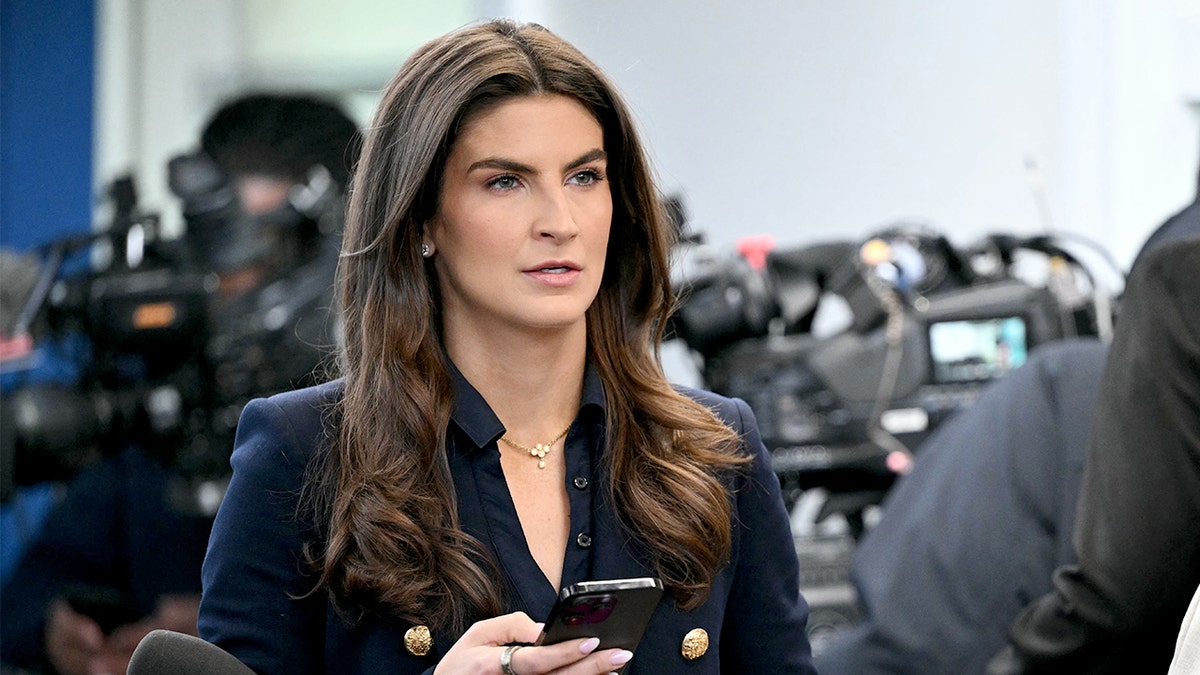
CNN reporter Kaitlan Collins looks on before the start of the press briefing with White House Press Secretary Karoline Leavitt in the Brady Briefing Room of the White House in Washington, DC, on January 7, 2026. (Mandel Ngan / AFP via Getty Images)
Trump’s nemesis, Kaitlan Collins of CNN, was also on the receiving end of a brutal blow.
«I thought Kaitlan Collins had really made it big with a major new sponsorship, but then I informed her that it wasn’t her on the Bud Light can, it was Dylan Mulvaney,» he said, referencing the beer brand’s failed marketing campaign featuring a transgender influencer.
3. Unsuspecting Todd Blanche yanked into mentalist Oz Pearlman’s routine
Acting Attorney General Todd Blanche, who is currently in the confirmation process to take on the job full-time, became part of mentalist Oz Pearlman’s routine to close out the night.

Acting Attorney General Todd Blanche appears at a confirmation hearing before the Senate Judiciary Committee on Capitol Hill in Washington, D.C., July 15, 2026. (Eric Lee/Getty Images)
In a convoluted bit, Oz asked Blanche to make up an amount of money he had in his wallet. Blanche said $130, but Oz guessed the correct amount — $85. Then, Oz asked a man sitting next to Blanche to choose a single bill from Blanche’s wallet, and then had Blanche sign it. Blanche signed it, and was instructed to sit on it.
For the remainder of the act, Oz asked members of the crowd to stand — including Fox News’ Kevin Corke — and dream up a person dead or alive who they wished they could interview. He guessed several of interview subjects’ names correctly, and even enlisted the help of a member of the crowd, who also made correct guesses.
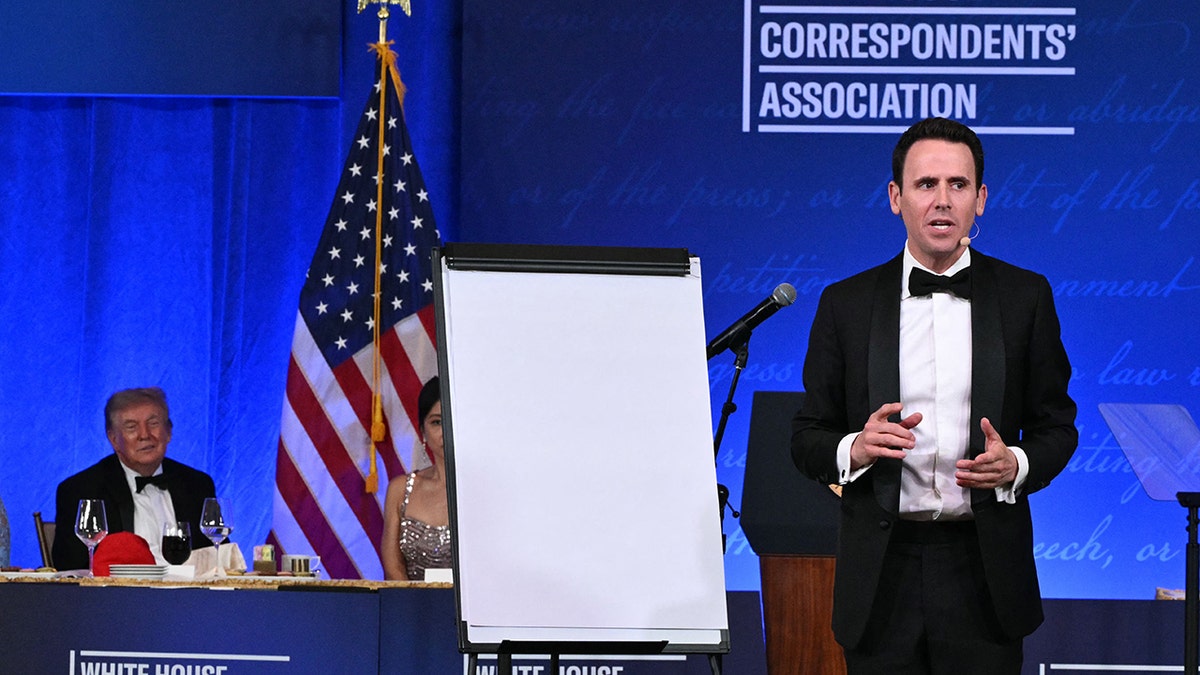
Israeli-US magician Oz «Oz the Mentalist» Pearlman performs during the 2026 White House Correspondents’ Association (WHCA) Dinner at the Waldorf Astoria in Washington, DC, on July 24, 2026. The 2026 WHCA Dinner was originally scheduled for April 25 at the Washington Hilton, but was rescheduled and relocated after an alleged gunman breached security. (Mandel NGAN / AFP via Getty Images)
After that, he enlisted audience members, one of which was former National Security Administrator and current U.S. Ambassador to the United Nations Mike Watlz, to chose important dates and random numbers. When multiplied, those numbers equaled 53,670,682.
Oz then turned back to Blanche and asked him to stand up and look at the serial number of the bill he was sitting on. Audience members were stunned to find out it was No. 53670682.
4. Trump reveals how he communicates with the press
Trump explained that he was tired of asking his communications team, Karoline Leavitt and Steven Cheung, if he had received any calls from the press. So instead he started to give journalists his direct line, which has turned out to be a disaster.
«That was the stupidest thing I ever did,» the president said. «I’m getting a call every 3.7 minutes.»
«Every once in a while, it’ll be one of the people in this room that I like and I’ll pick it up,» he said, referencing taking phone calls from Fox News’ Jacqui Heinrich and joking that she only wants to discuss «horrible» subjects.
But he said that other callers are from outlets that he has never heard of or are just starting out.
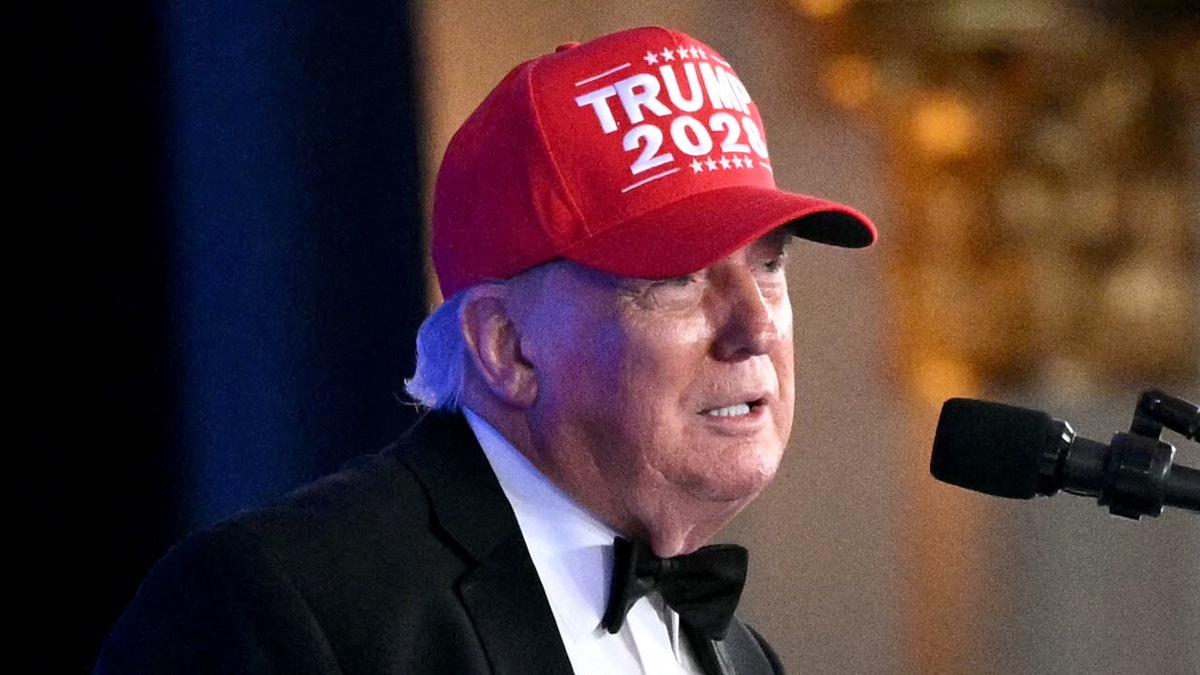
US President Donald Trump wears a «Trump 2028» hat while he speaks during the 2026 White House Correspondents’ Association (WHCA) Dinner at the Waldorf Astoria in Washington, DC, on July 24, 2026. The 2026 WHCA Dinner was originally scheduled for April 25 at the Washington Hilton, but was rescheduled and relocated after an alleged gunman breached security. ( )
«You know, I pick up every once in a while, ‘hello, I’m from Reno, Nevada. We’re a startup paper. We’re calling us the Reno Express,’» Trump continued. «I’ll say, ‘Do you believe it, I’m the president of the United States.’»
«‘Mr. President, could I have your views on Iran?’ And I just hang up,» Trump continued. «No, I get the craziest calls. I mean, some of them. My wife said, I can’t believe you do this. This is a hell of a way to live.»
5. Trump announces he WILL attend the 2027 WHCA Dinner, unless…
Trump had never attended the WHCA Dinner in either of his two presidencies, a total of five years, breaking with long-held tradition for a night of comradery with the press and government officials. His attendance Friday night was a major storyline — especially after the event in April was foiled by a lone gunman.
The president laid his plans for next year towards the conclusion of his hour-and-four-minute remarks.
«It’s an honor to do it,» Trump said of his attendance. «I’ve been to it numerous times, but as president, I haven’t been here, and I’m glad.»
CLICK HERE TO DOWNLOAD THE FOX NEWS APP
Trump expects to attend again in 2027, but joked that his decision could depend on how the press behaves.
«They said, ‘Would you do it next year?’ I said, ‘I will be back next year,’» Trump said. «Now if you get really, really nasty, maybe not. I don’t know. But we’re going to be back next year.»
Trump attended the WHCA Dinner in 2011 and 2015, when he was a successful businessman, real estate tycoon and reality television personality.
white house, donald trump, politics, robert f kennedy jr, media, first amendment

Guerra en Medio Oriente en VIVO | Irán amenazó con extender la guerra hacia otros países en Medio Oriente si Estados Unidos reanuda su ofensiva

Sturzenegger cruzó las críticas de Luis Novaresio y defendió eliminar el precio único para los libros

Momento de tensión en el Inter Miami: Berterame, consciente tras ser evacuado en ambulancia

Qué autos que se fabrican en Estados Unidos podrían llegar a la Argentina cuando se habilite el cupo acordado entre Milei y Trump

El video de Luck Ra en medio de su separación de La Joaqui que armó un escándalo: «Qué carajo voy a hacer»

El Gobierno, cerca de un acuerdo para suspender las PASO: el apuro del calendario y la posible alianza para 2027

Jorge Berredo, general retirado de las FFAA, asumió como Secretario de Seguridad en San Isidro

Sin la anestesia mundialista, aflora la crisis del conurbano y Milei necesita reconectar con lo popular
Marc Stanley destacó el potencial de Vaca Muerta para “estabilizar la economía” y evitó hablar de política interna

Senado: Bullrich y Sturzenegger cierran filas para tratar de avanzar con la extranjerización de tierras

 POLITICA3 días ago
Sin la anestesia mundialista, aflora la crisis del conurbano y Milei necesita reconectar con lo popular
- POLITICA3 días ago
Marc Stanley destacó el potencial de Vaca Muerta para “estabilizar la economía” y evitó hablar de política interna
- POLITICA2 días ago
Senado: Bullrich y Sturzenegger cierran filas para tratar de avanzar con la extranjerización de tierras