INTERNACIONAL
White House meets AI firm Anthropic amid political tensions, Pentagon dispute

NEWYou can now listen to Fox News articles!
One month after President Donald Trump ordered a government-wide halt on artificial intelligence firm Anthropic’s technology following a clash with the Pentagon, the company’s CEO is back at the White House for high-level talks — as officials reconsider whether a system they sidelined over national security and political concerns may be too important to ignore.
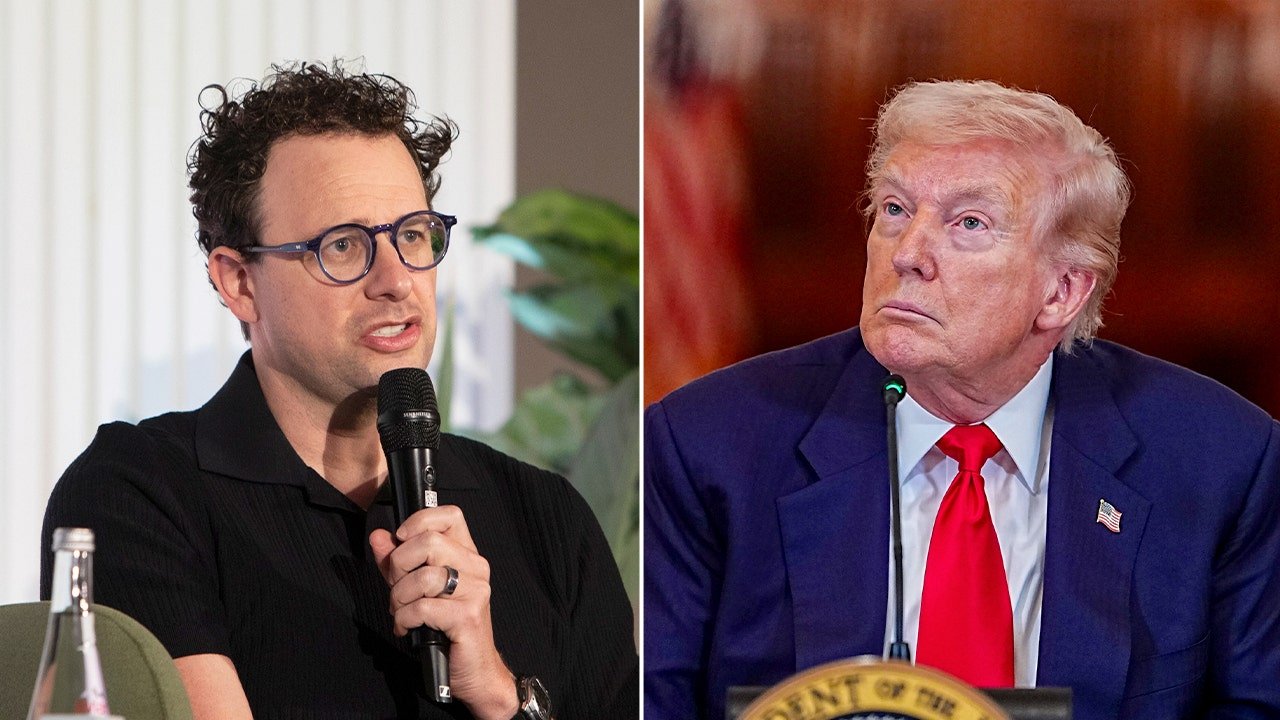
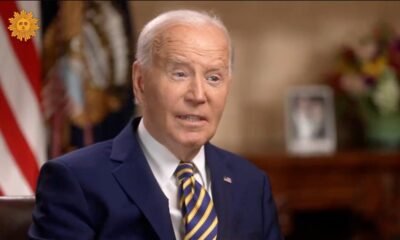
A source familiar with the meeting told Fox News White House chief of staff Susie Wiles met with Anthropic CEO Dario Amodei Friday.
Anthropic’s new artificial intelligence model, Mythos Preview, is considered so advanced that the company has restricted its release, limiting access to a small group of partners over concerns about potential misuse.
The meeting signals a rapid reversal inside the Trump administration, as officials weigh whether a system previously flagged as a national security risk could also be critical to defending U.S. infrastructure — exposing a growing internal tension over how to handle powerful AI tools with both defensive and offensive potential.
«Anthropic CEO Dario Amodei today met with senior administration officials for a productive discussion on how Anthropic and the U.S. government can work together on key shared priorities such as cybersecurity, America’s lead in the AI race, and AI safety. The meeting reflected Anthropic’s ongoing commitment to engaging with the U.S. government on the development of responsible AI. We are grateful for their time and are looking forward to continuing these discussions,» an Anthropic spokesperson told Fox News Digital.
MADURO RAID QUESTIONS TRIGGER PENTAGON REVIEW OF TOP AI FIRM AS POTENTIAL ‘SUPPLY CHAIN RISK’
The talks come despite a recent clash inside the Trump administration, as officials reconsider a company the Pentagon flagged as a supply chain risk. Its ties to former Biden officials and past criticism of Trump by its CEO have added a political dimension to the debate over whether its technology should return to government use.
A source familiar with the meeting told Fox News White House chief of staff Susie Wiles met with Anthropic CEO Dario Amodei Friday. (Chance Yeh/Getty Images for HubSpot))
That potential and the risks that come with it already have triggered tensions inside the U.S. government.
Pentagon clash, legal fight and reversal put Anthropic back in play
The meeting comes after a sharp break between Anthropic and the Pentagon earlier in 2026.
Defense Secretary Pete Hegseth designated the company a national security «supply chain risk,» effectively cutting it out of military systems and barring contractors from using its technology.
Anthropic is now challenging the designation in court, after filing multiple lawsuits against the Pentagon and other federal agencies arguing the «supply chain risk» label is unlawful and retaliatory.
The designation, which effectively bars contractors from using Anthropic’s technology and has been compared to measures typically reserved for foreign adversaries, already has faced conflicting rulings in federal court, with one judge temporarily blocking parts of the policy while an appeals court declined to halt its enforcement. The legal fight is ongoing, leaving contractors and agencies navigating uncertainty over whether and how Anthropic’s systems can be used.
The move followed a dispute over how the Pentagon could use Anthropic’s AI.
The company declined to grant open-ended authorization for «all lawful purposes,» instead insisting its systems not be used for mass domestic surveillance or fully autonomous weapons. While Pentagon officials said they do not rely on AI for either purpose, they rejected being constrained by a private company’s restrictions.
Trump then directed federal agencies to stop using Anthropic’s models altogether, escalating the standoff beyond the Defense Department into a government-wide halt.
Now, just weeks later, the company is back in high-level talks with the White House as officials weigh whether its new Mythos system — despite the earlier ban — could shift the balance of cyber defense and attack.
Political ties and past criticism may complicate White House talks
The dispute also has taken on a political dimension.
Amodei previously has drawn attention for his criticism of Trump, at one point likening him to a «feudal warlord» in a pre-2024-election Facebook post, according to a Wall Street Journal report.
In an internal message posted on Anthropic’s Slack platform and later leaked to The Information, Amodei suggested the Trump administration’s dispute with the company was driven in part by its refusal to offer what he described as «dictator-style praise.»
The message, written during a rapid escalation of tensions in early March, later was cited by the Wall Street Journal and other outlets. Amodei subsequently apologized for the tone, saying the post did not reflect his considered views.
FEDERAL APPEALS COURT REJECTS ANTHROPIC BID TO BLOCK PENTAGON BLACKLIST IN AI DISPUTE
When asked about Anthropic’s governance, hiring and broader political ties, a White House official said the administration «continues to proactively engage across government and industry to protect the United States and Americans,» including «working with frontier AI labs to ensure their models help secure critical software vulnerabilities.»
The official added that «any new technology that would potentially be used or deployed by the federal government requires a technical period of evaluation for fidelity and security,» and said «the collective effort of all involved will ultimately benefit industry, and our country, as a whole.»
Amodei previously has drawn attention for his criticism of Trump, at one point likening him to a «feudal warlord» in a pre-2024-election Facebook post, according to a Wall Street Journal report. (Patrick Sison/AP Photo)
Beyond the immediate dispute, the company’s broader ties to Washington also have drawn attention.
Anthropic’s governance structure has also drawn attention as the administration weighs closer engagement. The company is overseen in part by an independent «Long-Term Benefit Trust,» an unusual mechanism designed to give nonfinancial stakeholders influence over corporate decisions.
The trust holds special voting shares that allow it to appoint and eventually control a majority of the company’s board, with members drawn from national security, public policy and global development backgrounds.
Current trustees include Clinton Health Access Initiative CEO Neil Buddy Shah, Carnegie Endowment president Mariano-Florentino Cuéllar, a Democrat who was appointed to the California Supreme Court by former Gov. Jerry Brown in 2014, and Center for a New American Security CEO Richard Fontaine — who advised John McCain’s 2008 presidential campaign. The group is a mix of policy and national security leaders that underscores the company’s deep ties to Washington and global policy circles.
Anthropic’s backers also have placed it at the center of overlapping tech, policy and political networks.
Early funding for the company included investments from figures such as Facebook co-founder Dustin Moskovitz and former Google CEO Eric Schmidt, both longtime Democratic donors, and a major early investment from Sam Bankman-Fried’s FTX.
At the same time, the company has since attracted a broad range of major institutional investors — including Amazon, Google and Microsoft — reflecting its growing role in the global AI race and complicating efforts to characterize it along purely political lines.
The company also has brought on several officials from the Biden administration into key policy roles, further embedding Anthropic in Washington’s AI policy ecosystem. Among them is Tarun Chhabra, a former National Security Council official who now leads the company’s national security policy work, as well as other advisers and staff with experience shaping federal AI and technology strategy.
Anthropic also has sought to build ties across party lines as it expands its presence in Washington.
The company employs policy staff with Republican backgrounds, including legislative analyst Benjamin Merkel and lobbyist Mary Croghan, and in February added Chris Liddell — a former deputy White House chief of staff under Trump — to its board. It has contributed $20 million to Public First Action, a bipartisan group that backs candidates from both parties who support AI regulation.
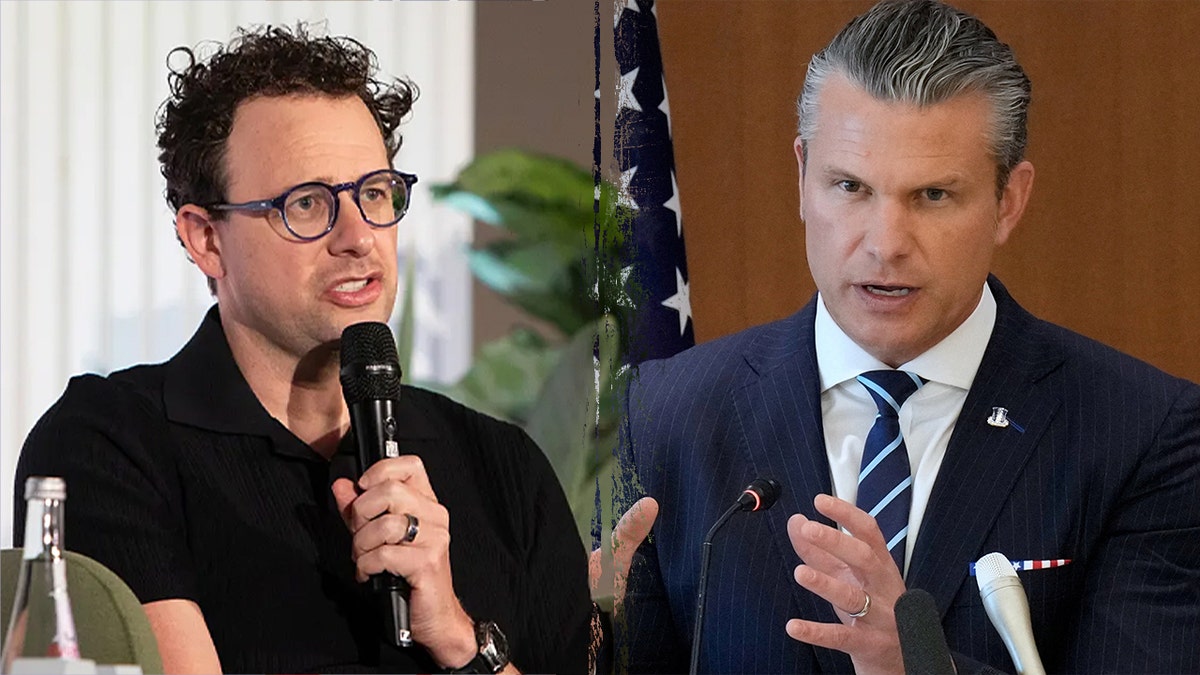
A federal judge’s decision to block the Trump administration from banning AI firm Anthropic from Department of War use is igniting a debate over whether the ruling pushes courts into national security decision-making. (Samyukta Lakshmi/Bloomberg via Getty Images; Eugene Hoshiko/Pool/Reuters)
The company has also faced criticism from within the Trump administration.
White House AI adviser David Sacks has accused Anthropic of pursuing a «regulatory capture» strategy, arguing the firm is using concerns about AI safety to push rules that could benefit its own position while slowing competitors.
Anthropic has pushed back on those claims, saying its approach reflects genuine concerns about the risks posed by advanced AI systems.
JUDGE FREEZES TRUMP ADMIN MOVE AGAINST AI FIRM, FUELING BATTLE OVER SECURITY AUTHORITY
New AI system could reshape cyber warfare, raising alarms inside US government
The new technology could help developers identify and fix long-standing security flaws, but it could also give hackers a powerful new tool to target U.S. businesses and government systems.
«Given the rate of AI progress, it will not be long before such capabilities proliferate, potentially beyond actors who are committed to deploying them safely,» Anthropic said in its announcement. «The fallout — for economies, public safety, and national security — could be severe.»
Anthropic has not released Mythos publicly, instead limiting access through a program called Project Glasswing, where a select group of companies use the model to scan critical systems for vulnerabilities.
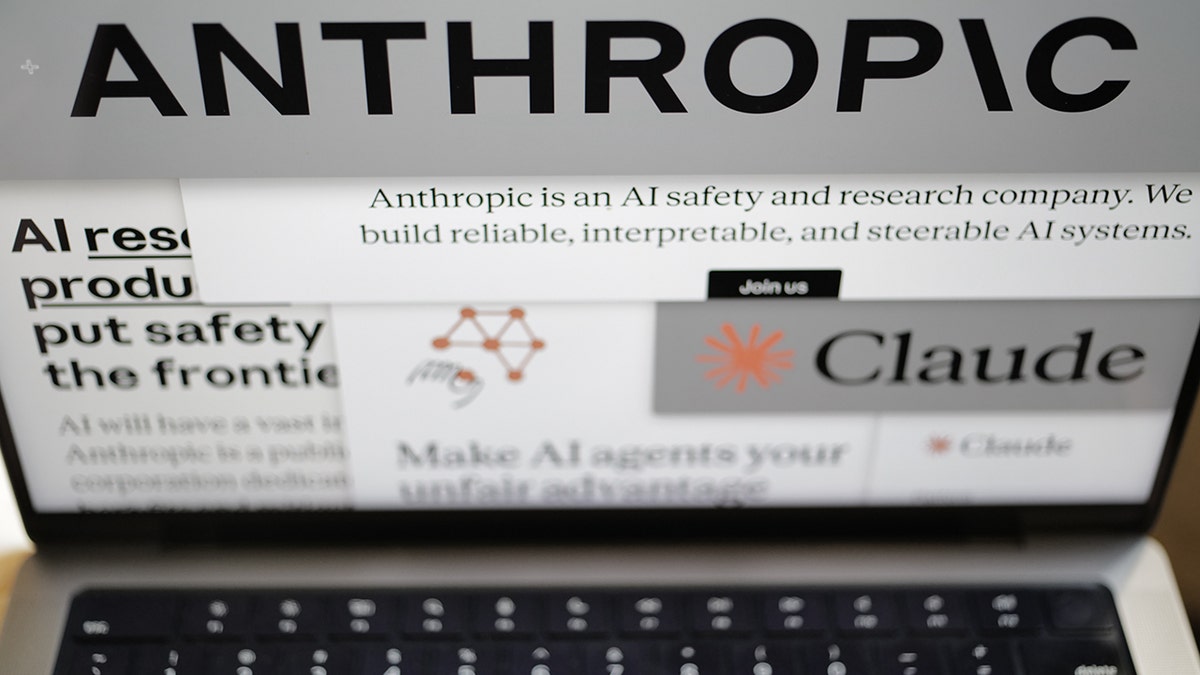
Pages from the Anthropic website and the company’s logos are displayed on a computer screen in New York on Thursday, Feb. 26, 2026. (Patrick Sison/AP Photo)
CLICK HERE TO DOWNLOAD THE FOX NEWS APP
The company says the system has already uncovered thousands of previously unknown flaws — some decades old — underscoring both its defensive value and the risk it could be used to accelerate cyberattacks if the technology spreads.
Fox Business’ Edward Lawrence contributed to this report.
pete hegseth, artificial intelligence, companies, white house, pentagon








INTERNACIONAL
Los capturaron cargando televisores y lavadoras tras aprovechar incendio en almacén de República Dominicana
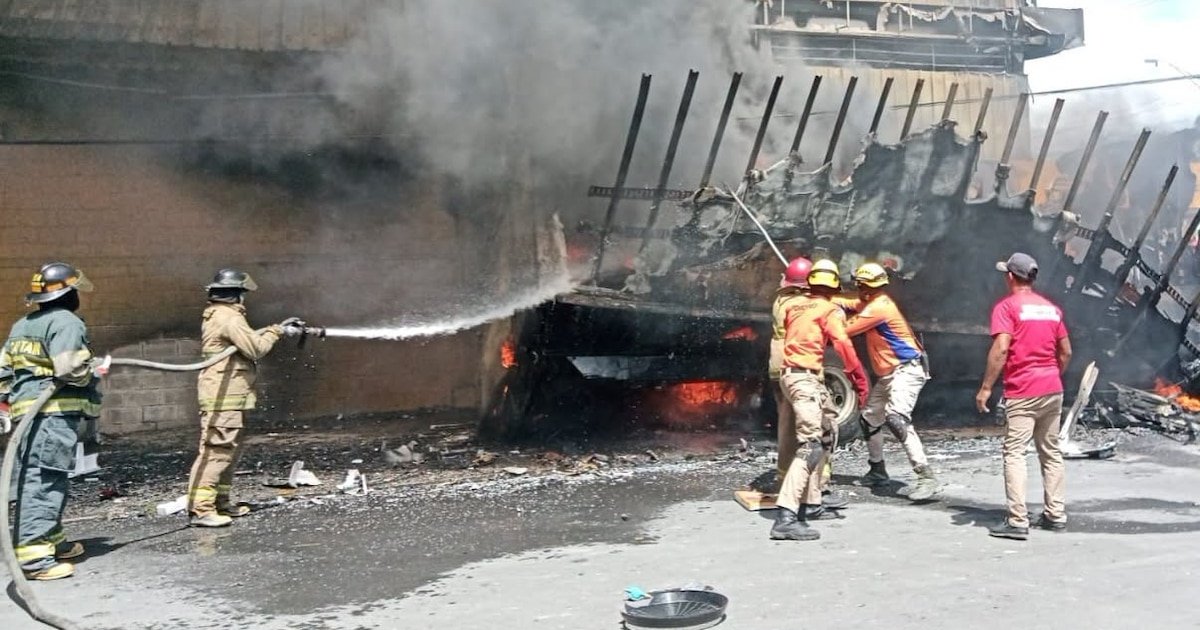
Un incendio de grandes proporciones afectó este sábado las instalaciones de un almacén, ubicado en la marginal de la autopista Las Américas, kilómetro 13, en Santo Domingo Este, donde la Policía Nacional recuperó productos saqueados y detuvo a más 17 personas involucradas en robos tras el siniestro.
Así lo confirmaron fuentes oficiales y medios locales, tras la viralización de imágenes en redes sociales que mostraron a varias personas llevándose electrodomésticos y otros artículos mientras avanzaban las llamas.
El operativo permitió la detención de diecisiete personas en flagrante delito, quienes fueron sorprendidas presuntamente cargando mercancías sustraídas del establecimiento, entre ellos se encontraban televisores, neveras, lavadoras, microondas y otros electrodomésticos.
La Policía detalló que los artículos recuperados fueron trasladados a un centro habilitado para su resguardo. En un comunicado, la institución desmintió “de manera categórica las versiones falsas que circulan en medios de comunicación y redes sociales, en las que se pretende atribuir a agentes de la institución el uso de unidades oficiales para sustraer electrodomésticos durante el incendio registrado en la empresa”.
Según la policía, “las imágenes evidencian, con los electrodomésticos y personal del almacén presentes, que la actuación de nuestros agentes estuvo orientada exclusivamente a enfrentar actos delictivos, agarrar a personas involucradas en robos y recuperar electrodomésticos sustraídos del establecimiento”.
Durante una intervención ante la prensa, el vocero de la institución policial, Diego Pesqueira, explicó: “El reporte que tenemos es que estas personas, que desde mi punto de vista son delincuentes, aprovecharon en el momento que se inició este incendio que ha reducido a cenizas esta empresa. Aprovecharon para saquear y cargar con algunos ajuares. Gracias a la intervención de la Policía Nacional, han sido detenidas hasta el momento más de diecisiete personas, que fueron sorprendidas en flagrante delito mientras cargaban distintos tipos de ajuares”.
Pesqueira agregó que varias unidades policiales se emplearon para trasladar los artículos recuperados y evitar confusiones sobre el uso de vehículos oficiales. “Hemos utilizado varias de nuestras unidades policiales para trasladar a un centro que ha sido habilitado para llevar estos artículos que están siendo recuperados, ocupados, en poder de estos saqueadores, quienes han sido apresados. Queremos aclarar esa parte para que no se vaya a confundir y le agradecemos su pregunta”.
Policías recuperaron neveras, lavadoras, microondas, abanicos y otros electrodomésticos sustraídos de almacén incendiado. (Retomado de: Diego Pesqueira)
Los detenidos serán puestos a disposición del Ministerio Público para los procedimientos legales correspondientes. La Policía Nacional reiteró que su intervención buscó “preservar el orden público, proteger vidas y bienes, prevenir hechos delictivos y garantizar la seguridad durante la emergencia”, al tiempo que exhortó a la población a verificar la información antes de divulgarla y a no difundir contenidos falsos que puedan desacreditar la labor institucional.
Las autoridades mantienen un perímetro de seguridad debido al riesgo de colapso parcial de la estructura del local y piden a la población no acercarse al área, acatando las instrucciones de los organismos de socorro mientras continúan las labores de remoción de escombros y evaluación de daños.
De acuerdo con la Defensa Civil de República Dominicana, técnicos especializados se desplegaron en la zona para colaborar en la extinción del incendio, cuyas causas permanecen bajo investigación. A pesar de la magnitud del fuego, no se han reportado víctimas mortales.
El operativo de emergencia incluyó la presencia de personal del Cuerpo de Bomberos de Santo Domingo Este, dirigido por el general Roberto Santos Méndez, quien coordinó unas quince unidades, así como la intervención del alcalde Dio Astacio y el subdirector del Centro de Operaciones de Emergencias (COE), coronel Edwin Olivares.
La Policía Nacional implementó un amplio dispositivo de seguridad para proteger a la ciudadanía, preservar el orden y respaldar las labores de los organismos de emergencia. El despliegue fue supervisado por el director regional Santo Domingo Oriental, general Claudio González Moquete, bajo instrucciones del director general de la institución, mayor general Andrés Modesto Cruz Cruz.
INTERNACIONAL
Bipartisan pair of senators urge Rubio to release aid to African women, children at risk of Ebola
WHO issues WARNING after DEADLY Ebola outbreak
The CDC is coordinating the ‘safe withdrawal’ of at least six Americans exposed to a deadly Ebola outbreak in the Democratic Republic of Congo after the WHO declared a global health emergency.
NEWYou can now listen to Fox News articles!
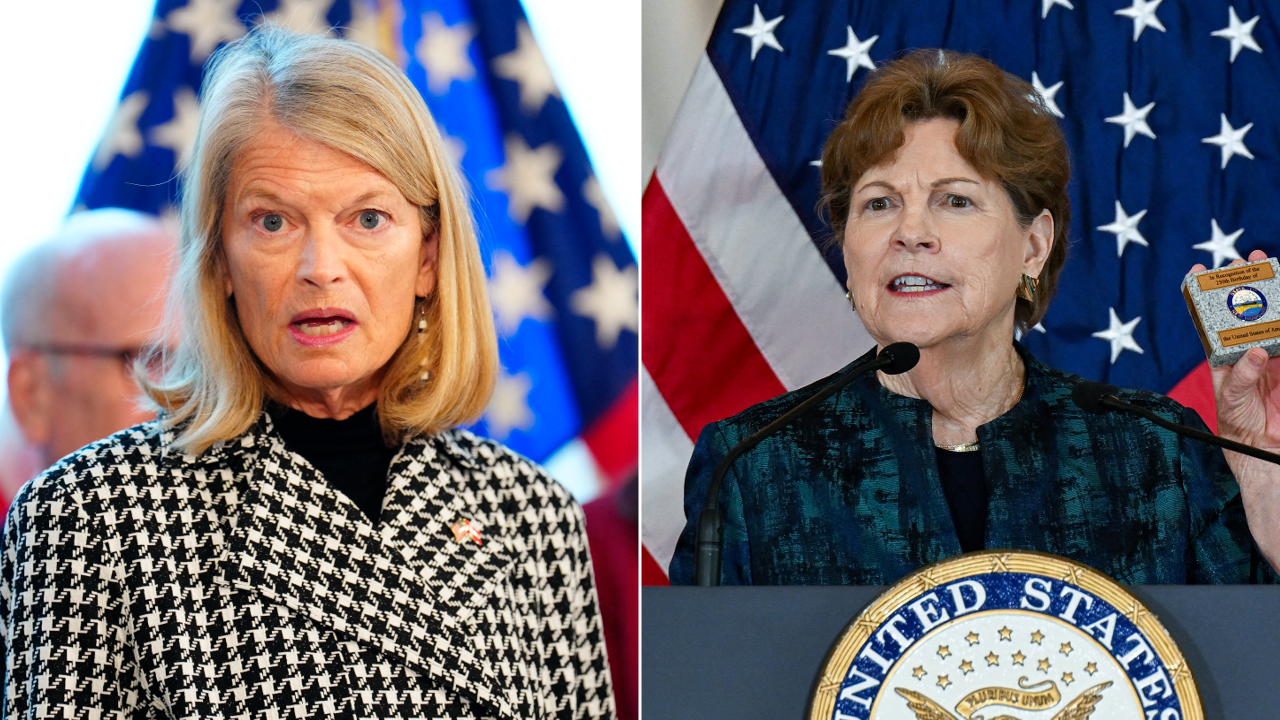
Senators Lisa Murkowski, R-Alaska, and Jeanne Shaheen, D-N.H., are urging the State Department to release hundreds of millions of dollars in aid to help women and infants affected by an Ebola outbreak in East Africa.
In a letter to Secretary of State Marco Rubio Thursday, the senators urged him to use $608 million in congressionally approved international family-planning funds and distribute $1.7 million in already purchased family-planning supplies.
The supplies, which the senators implied included condoms, hormonal contraception, post-rape care medicine and hemorrhage medicines, are being stored at a site in Geel, Belgium, according to the letter.
The senators said if the supplies aren’t used, their understanding is that they will be «destroyed.»
Sens. Lisa Murkowski, R-Alaska and Jeanne Shaheen, D-N.H., wrote a letter Thursday to Secretary of State Marco Rubio asking the administration to release congressionally appropriated funds to help women and infants at risk of contracting Ebola. (Ida Marie Odgaard/Annabelle Gordon)
EBOLA TREATMENT CENTER SET ON FIRE IN CONGO AFTER RESIDENTS CLASH WITH AUTHORITIES OVER VICTIM’S BODY
«Ebola during pregnancy is catastrophic, with a nearly 100 percent fetal loss rate and catastrophic material mortality risk due to severe hemorrhaging,» the lawmakers wrote.
«By providing women with the option to voluntarily prevent unplanned pregnancies and to protect themselves from transmission of the virus and have access to clinics, the United States can prevent further deaths of women and the cruel and certain death of any fetus exposed to the virus,» they added.
The senators also asked the State Department to issue a «humanitarian exception» to support the United Nations Population Fund’s existing health clinics in Uganda and the Democratic Republic of the Congo (DRC).
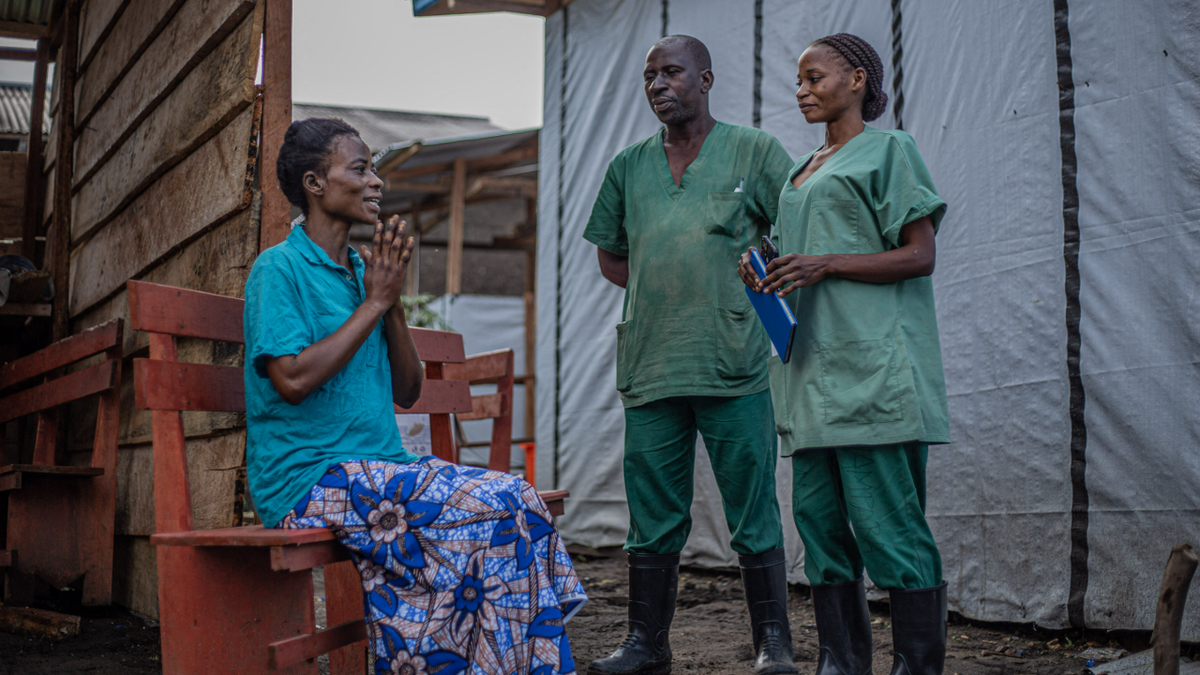
Psychologists speak with Nyota Safi, a patient who recovered from Ebola virus disease, at the Rwampara Ebola Treatment Centre in Bunia, Ituri, in the east of the Democratic Republic of Congo July 13, 2026. (Benediction Murhabazi/AFP via Getty Images)
SUDAN’S FORGOTTEN WAR LEAVES MILLIONS HUNGRY AS GLOBAL ATTENTION REMAINS ELSEWHERE
As of July 29, the Centers for Disease Control and Prevention (CDC) had reported 3,532 Ebola cases in the DRC and 1,556 deaths, representing a mortality rate of roughly 44%.
In neighboring Uganda, there have been 20 confirmed cases and two deaths, according to the CDC.
Murkowski and Shaheen told the State Department the virus’s rapid spread «leaves no time for delay in providing all possible interventions to save lives.»
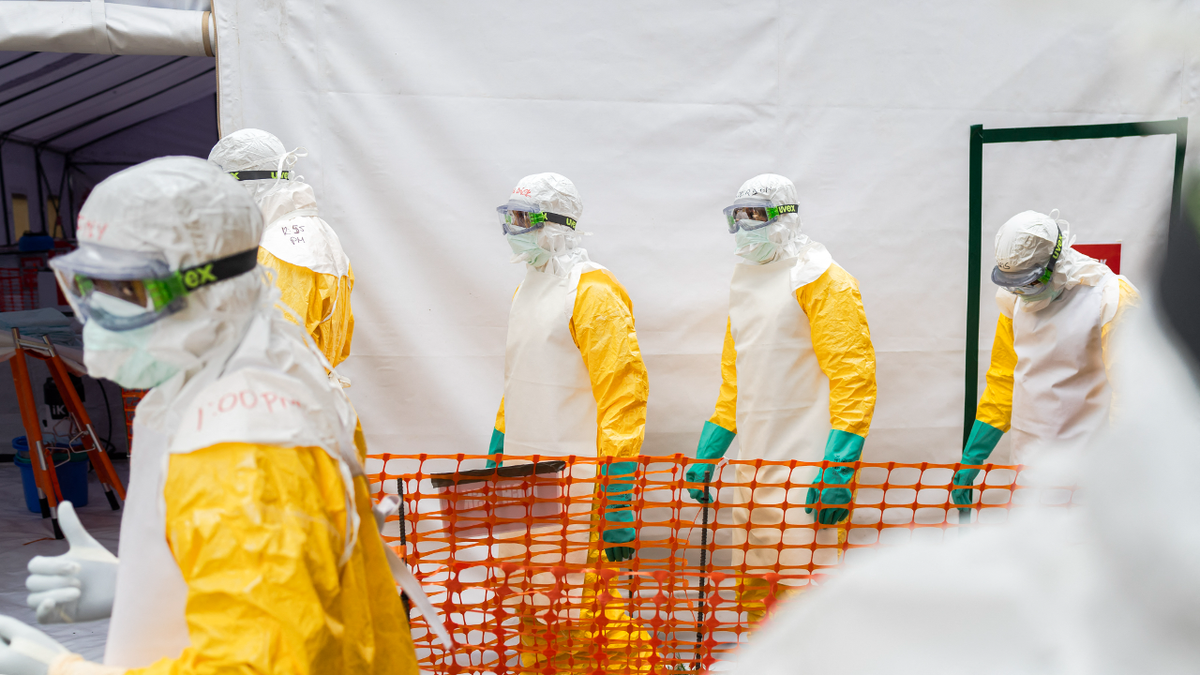
Health workers start simulations on admission of suspected cases and evacuation of those deceased during a training by medical charity, Médecins Sans Frontières, in Kenya July 10, 2026. (Tony Karumba/AFP via Getty Images)
VACATION HOT SPOT FACES NEW CDC TRAVEL WARNING AS OUTBREAK CASES CONTINUE CLIMBING
«The cost of [the] United States response is approaching $1 billion,» they wrote. «Investment now in voluntary family planning is fiscally rational in addition to being morally urgent.»
Fox News Digital reached out to the State Department for comment.
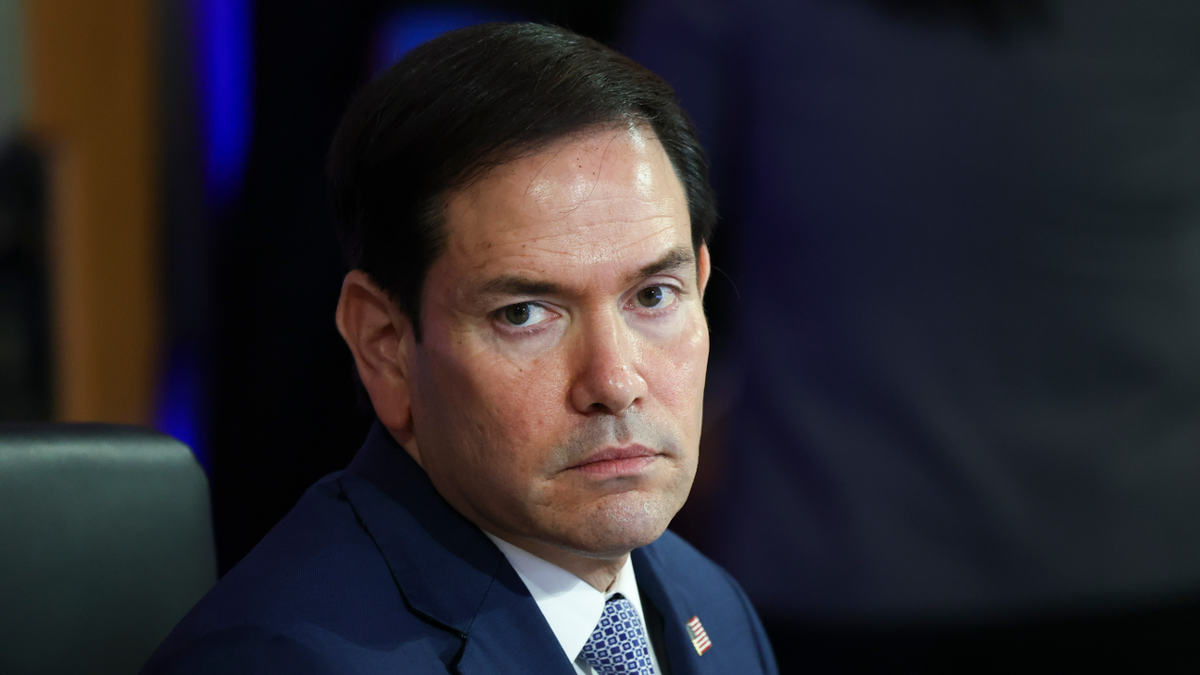
Secretary of State Marco Rubio attends the ASEAN Post-Ministerial Conference at the Philippine International Convention Center in Pasay, Metro Manila, Philippines, July 22, 2026. (Eloisa Lopez/Pool Photo via AP)
The earliest known case in the latest Ebola outbreak involved a health worker in the DRC’s Ituri Province who developed symptoms in late April and later died, though the World Health Organization (WHO) believes transmission may have begun as early as March.
The WHO was first alerted to the outbreak May 5 after four health workers died within four days. Ten days later, investigators confirmed that the illness was caused by Bundibugyo virus, a form of Ebola.
ebola, aid, state department, health, politics, marco rubio
INTERNACIONAL
El congreso de Guatemala abre sesiones con el debate del nuevo subsidio a los combustibles y citación a funcionarios para fiscalizar el anterior
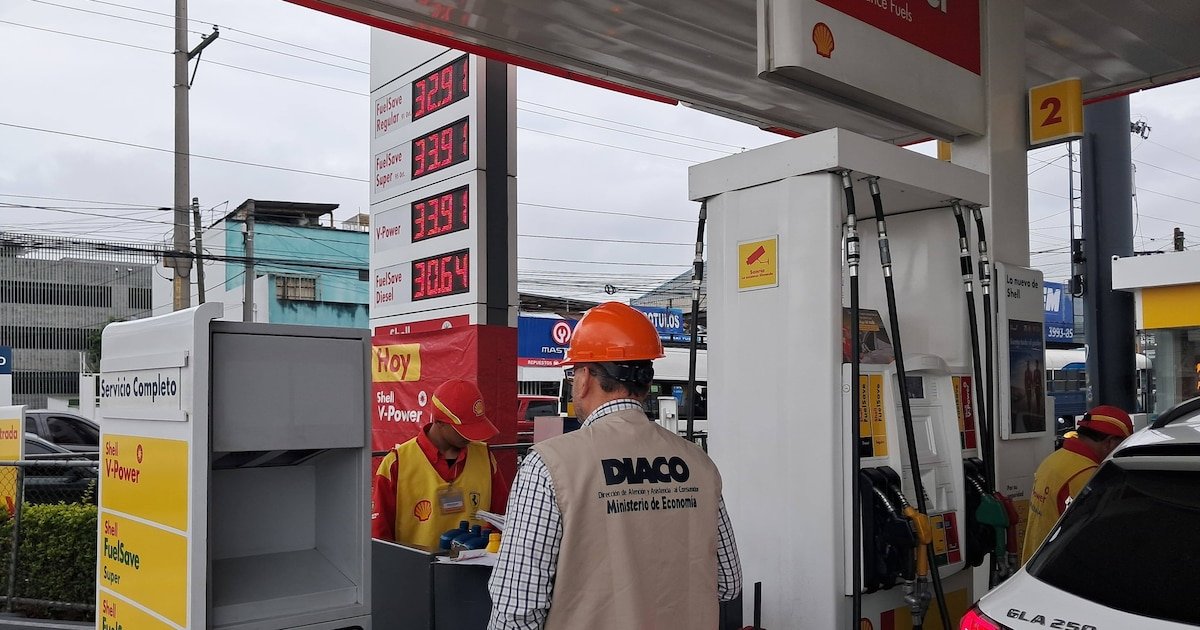
El Congreso de Guatemala abrirá el segundo período ordinario con el debate del nuevo subsidio a los combustibles anunciado por Bernardo Arévalo, una propuesta que prevé Q12 por galón de diésel y Q3 por galón de gasolina regular hasta el 31 de diciembre de 2026 para contener el alza internacional del petróleo, el precio del pasaje y el gasto de los hogares.
La iniciativa del Ejecutivo, contempla un espacio presupuestario de Q3 mil 480 millones, equivalentes a unos USD 453 millones. El Gobierno sostiene que ese monto saldrá de una readecuación interna del presupuesto, sin deuda nueva y sin tocar los recursos de Salud Pública, Educación ni Comunicaciones, Infraestructura y Vivienda.
Antes de que el pleno entre al fondo de la propuesta, la Instancia de Jefes de Bloque volverá a reunirse el lunes 3 de agosto. Allí comparecerán los ministros de Finanzas Públicas, Economía y Energía y Minas, junto con autoridades de la Superintendencia de Administración Tributaria, para presentar un informe sobre la ejecución del subsidio anterior y responder dudas de los diputados sobre financiamiento, fiscalización y resultados.
La discusión llega sin consensos cerrados. Tras la reunión de jefes de bloque del jueves 30 de julio, el vicepresidente del Congreso Nery Ramos informó que seguía en análisis tanto la iniciativa del oficialismo para un subsidio directo como otra opción: crear un fondo de compensación que se active cuando los precios internacionales superen un techo previamente definido.

El nuevo esquema supera al apoyo temporal aprobado en el Decreto 11-2026, que rigió entre el 28 de abril y el 2 de julio de este año. Ese mecanismo otorgó Q8 por galón de diésel y Q5 por galón de gasolina, con un costo fiscal cercano a Q2 mil millones.
Según el Ministerio de Energía y Minas, ese subsidio ayudó a contener la inflación mientras estuvo vigente. Cuando expiró, los precios volvieron a subir hasta superar los Q40 por galón en algunas estaciones de la capital.
Arévalo presentó la propuesta en una conferencia de prensa junto al ministro de Finanzas Públicas Jonathan Menkos y el ministro de Energía y Minas Erwin Barrios. El presidente vinculó la presión sobre los combustibles con las tensiones bélicas en el estrecho de Ormuz, que han empujado al alza los precios internacionales del crudo.
“El precio de los combustibles, tanto el diésel como la gasolina, está golpeando la economía de las familias guatemaltecas y se siente en quienes llenan el tanque de sus vehículos, pero también en el precio del pasaje que utilizan quienes van a trabajar o estudiar”, dijo el mandatario. Luego agregó: “Ningún país de nuestra región está libre de esta realidad. Nos encontramos en medio de una crisis de carácter global”.
Barrios explicó que la diferencia entre los montos asignados al diésel y a la gasolina responde al peso económico de cada combustible. Según el ministro, el diésel tiene un impacto tres veces mayor porque mueve el transporte de personas y mercancías en trayectos cortos y largos.
Arévalo resumió ese criterio con una frase: “El apoyo al diésel es mucho más efectivo que el apoyo a la gasolina, que se limita al vehículo en el transporte”. La apuesta oficial busca contener tanto el costo de carga de combustible como los precios de movilidad y distribución.

La bancada oficialista sostiene que el proyecto aún puede modificarse para endurecer controles. Uno de los diputados que defendió esa línea afirmó tras la reunión del jueves: “Aún estamos discutiendo, aún estamos buscando consensos y acuerdos con los diferentes bloques que nos permitan aprobar lo más pronto posible una medida urgente, necesaria para poder aliviar la crisis que las familias guatemaltecas están enfrentando por el incremento de los precios del petróleo”.
Otra voz del oficialismo planteó que el punto central es evitar que el beneficio se pierda antes de llegar al usuario final. En esa línea, señaló: “Lo que debemos de atacar fuertemente es las alzas del pasaje injustificados. Tenemos denuncias que aún con el subsidio, los transportistas incrementaron el pasaje y esa es la parte que no se vale”.
El Ejecutivo también fijó límites a las alternativas en discusión. Menkos descartó contratar nuevos préstamos o cualquier otro esquema de endeudamiento público para cubrir el subsidio.
Barrios rechazó además una rebaja parcial de tributos como solución suficiente. Indicó que eliminar el Impuesto de Distribución de Petróleo y el IVA al diésel solo produciría una rebaja de Q7 por galón, por debajo del beneficio planteado por el Gobierno.
La fijación de precios máximos tampoco forma parte del plan. El ministro de Energía y Minas sostuvo que esa opción contradice la Ley de Comercialización de Hidrocarburos, basada en el libre mercado, y afirmó: “Los precios tope serían una ilegalidad”.
Arévalo recordó que la aprobación y entrada en vigor del Decreto 11-2026 tomó cerca de dos semanas, del 14 al 28 de abril. El presidente estimó que esta vez el plazo podría ser menor porque los reglamentos y mecanismos de control ya existen y solo requieren ajustes.
El Gobierno anunció además una mesa técnica para definir medidas adicionales si la crisis energética internacional se prolonga más allá del plazo del subsidio. Entre las alternativas figura focalizar el apoyo, aunque el presidente advirtió que ese mecanismo necesitaría al menos dos meses de preparación.
También prevé reforzar a la Dirección de Asistencia al Consumidor y al Ministerio de Energía y Minas para vigilar posibles maniobras especulativas en los precios. A la vez, evalúa si el subsidio anterior favoreció el contrabando de combustible hacia países vecinos para diseñar controles que aseguren que el beneficio se aplique solo dentro del territorio nacional.
En su mensaje final, Arévalo pidió rapidez al Legislativo para aprobar la medida: “Este no es tiempo para divisiones, este no es un tiempo para réditos personales o políticos. Guatemala necesita un Congreso unido que proteja el bolsillo de nuestras familias”. Varias bancadas ya habían expresado su disposición a respaldar una readecuación presupuestaria antes del anuncio oficial, según reportes de medios guatemaltecos del día anterior.
Congreso de la República de Guatemala

¿Quién es el único candidato para presidir la FIFA y cuándo son las elecciones?

Daniel López Rosetti, médico cardiólogo: “No somos seres racionales, somos seres emocionales que razonan”

Lucas Pussetto, economista del IAE: “No hay mucha evidencia de que el famoso derrame funcione”

El horóscopo de hoy: domingo 2 de agosto

Círculo rojo: luces de alerta detrás de la visita del Fondo Monetario y una multiplicación de candidatos

¿Se ha acabado la carrera de Jadon Sancho a los 26 años?

Trump admin invokes 30-year dormant terror court as it seeks to deport Afghan woman tied to Election Day plot

Creció la oferta de frutas importadas en las verdulerías: cuáles son las que más llegan y por qué

Antisemitic violence reaches deadliest level since 1994, new global report finds

“Casta”, “parásito” y “sea democrático”: fuerte respuesta de Victoria Villarruel a Diego Santilli

 POLITICA1 día ago
“Casta”, “parásito” y “sea democrático”: fuerte respuesta de Victoria Villarruel a Diego Santilli
- INTERNACIONAL2 días ago
Dem senator swipes credit for bill he opposed amid heated reelection bid: ‘Disturbing pattern’
- ECONOMIA3 días ago
Cuánto cobran los trabajadores de la construcción de UOCRA en julio 2026