INTERNACIONAL
China says it will resume some ties with Taiwan after visit by opposition leader

NEWYou can now listen to Fox News articles!
China said Sunday it would resume some ties it had suspended with Taiwan such as direct flights and imports of Taiwanese aquaculture products following a visit by the Beijing-friendly opposition leader of the self-ruled island.
The Taiwan Work Office under China’s Communist Party issued a statement saying it would explore setting up a longstanding communication mechanism between the Communist Party and Taiwan’s Kuomingtang Party. It said it will facilitate the import of Taiwan’s aquaculture products that it had previously banned.
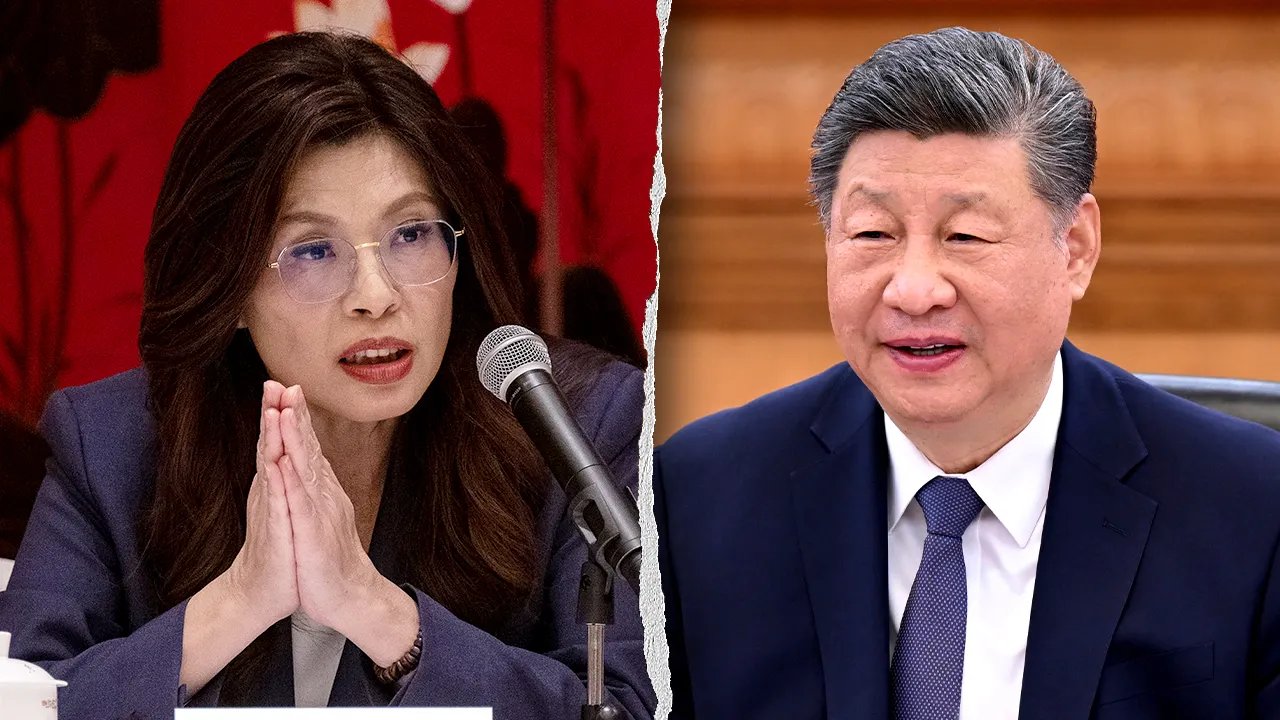
Cheng Li-wun, the head of the Kuomingtang, and China’s President Xi Jinping held a high-profile meeting Friday during which they called for peace, without offering specifics. China claims the island as part of its territory and hasn’t ruled out the use of force to annex it.
Taiwan’s Mainland Affairs Council, which oversees the relationship with China, said the measures that were announced, such as promoting a communication mechanism, were «political transactions» between the two parties that circumvented the government of Taiwan.
TAIWAN OPPOSITION LEADER MEETS XI IN BEIJING AS TAIWAN DEFENSE FIGHT INTENSIFIES
China said it will restore some suspended ties with Taiwan after a high-profile meeting between Xi Jinping, right, and Taiwan opposition leader Cheng Li-wun, left, in Beijing on Friday, April 10, 2026.. (Xie Huanchi/Xinhua via AP)
«The government’s position is clear: to ensure the interests of the nation and its people, all Cross-Strait affairs involving public power must be negotiated by both governments on an equal and dignified basis to be effective and truly protect the rights and well-being of the people,» the Mainland Affairs Council said in response to the Chinese announcement.
Relations between China and Taiwan, which remain split since 1949, have been tense since the election of pro-independence President Tsai Ing-wen from the Democratic Progressive Party in 2016. Beijing cut off most of its official dialogue with Taiwan’s government, and has started sending warships and fighter jets closer toward the island on a daily basis.
BIPARTISAN HOUSE CHINA PANEL SLAMS BEIJING’S TAIWAN DRILLS AS ‘DELIBERATE ESCALATION’
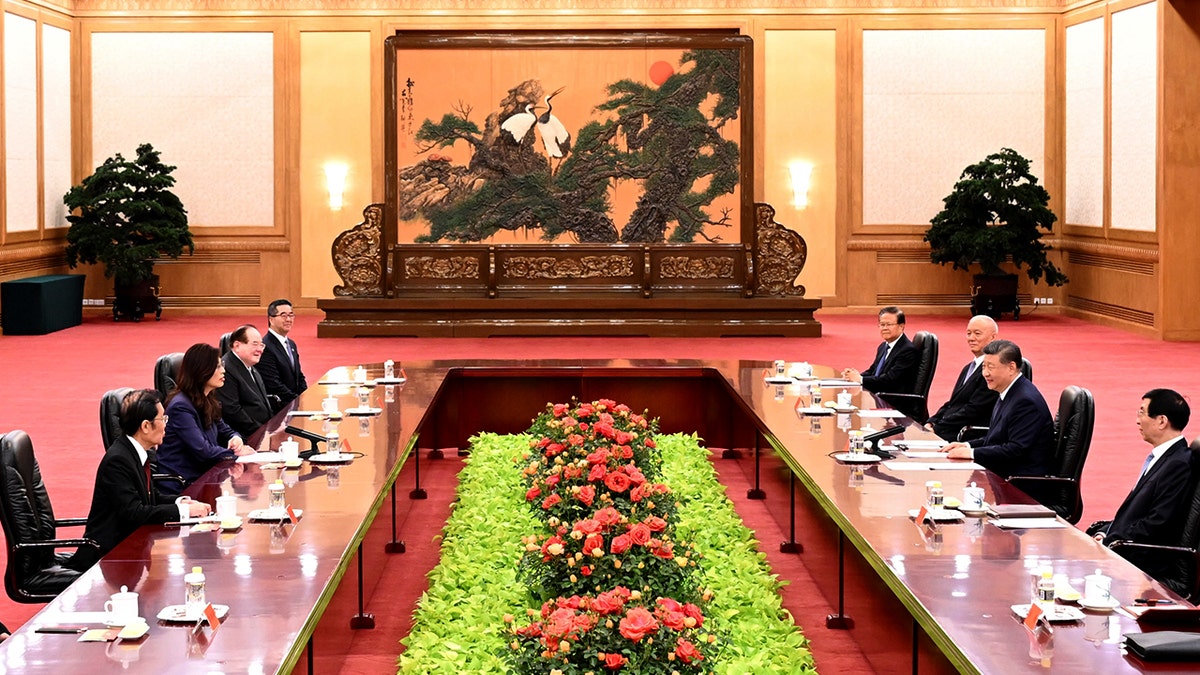
XI Jinping meets with a delegation of the Kuomintang in Beijing, China, on April 10, 2026. Taiwan pushed back after China announced new cross-strait measures following Xi Jinping’s meeting with the Beijing-friendly opposition leader. (Li Xiang/Xinhua via Getty Images)
In the statement, China said it plans to resume direct flights between Taiwan and mainland cities like Xi’an or Urumqi, although it remained unclear how the measures will be implemented without the approval of the Taiwanese government.
China banned its citizens from individual trips to Taiwan in 2019. Taiwan’s rules now require Chinese visitors to hold a valid resident visa from another country, like the U.S. or the European Union, to apply for a visitor visa.
US INTEL SOFTENS ON CHINA THREAT, SAYS NO TAIWAN INVASION PLANNED BY 2027 DESPITE MILITARY BUILDUP
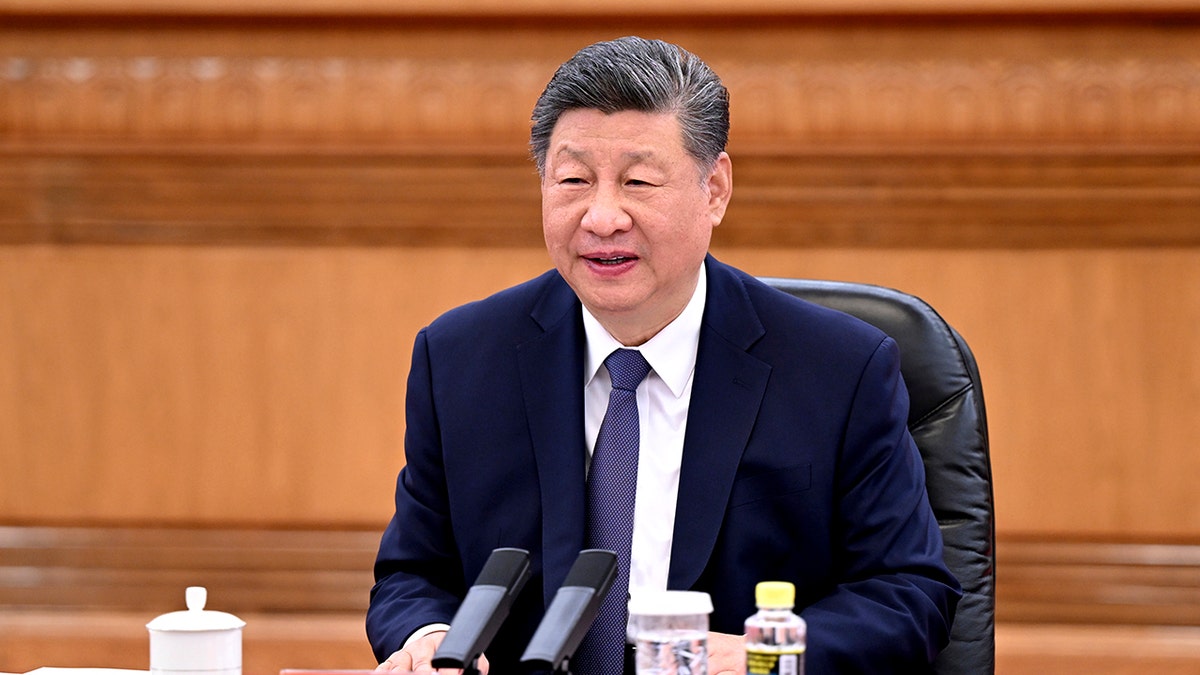
Xi Jinping speaks during a meeting with Taiwan’s opposition leader Cheng Li-wun at the Great Hall of the People in Beijing on Friday, April 10, 2026. China is offering limited trade and travel openings to Taiwan while continuing to press its territorial claim over the self-ruled island. (Xie Huanchi/Xinhua via AP)
China also said it would work toward construction of a bridge that would connect the mainland to Matsu and Kinmen, Taiwanese islands that are closer geographically to China. The project is a longstanding proposal that Beijing has previously announced.
China banned the import of Taiwanese pineapples in 2021, and since then has extended it to other fruits and products including the grouper fish, squid and tuna.
CLICK HERE TO DOWNLOAD THE FOX NEWS APP
After the initial ban on grouper, Taiwan’s Ministry of Agriculture said it approached China about making adjustments to ensure it met import requirements. China replied with a limited list of individual companies that were allowed to sell to China, but without explanation.
china, taiwan, trade, xi jinping, foreign affairs









NEWYou can now listen to Fox News articles!
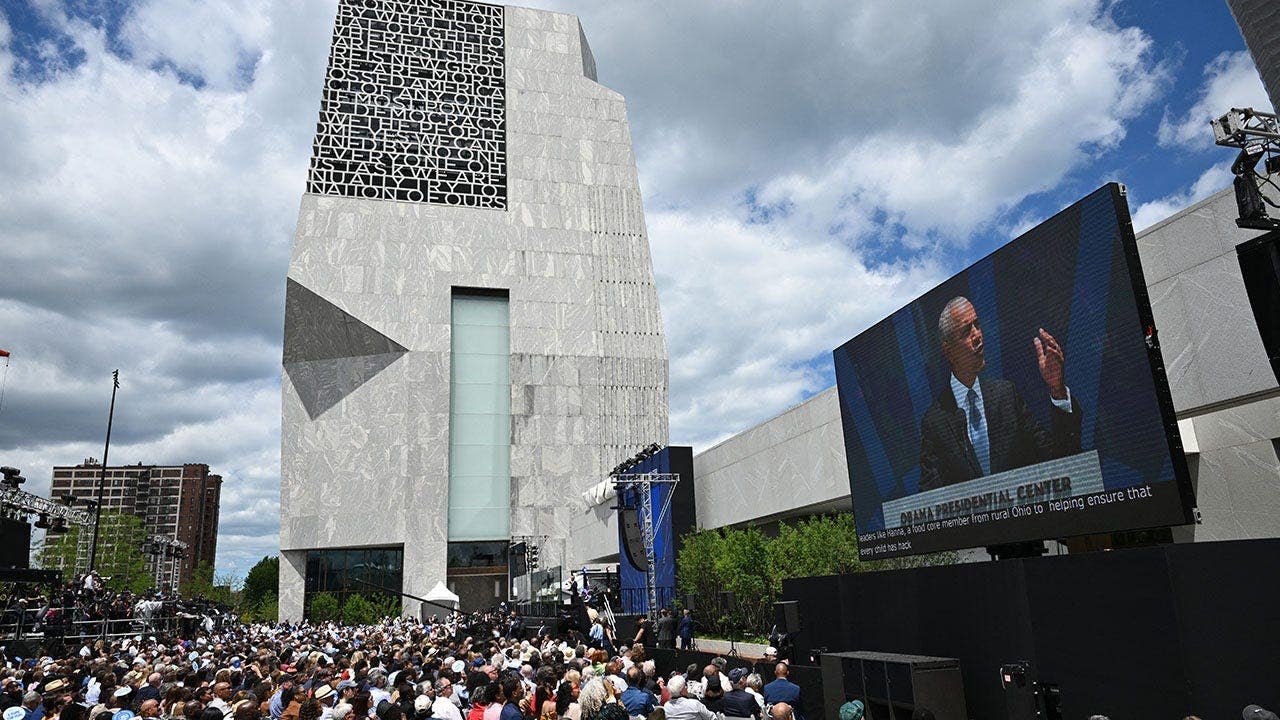
At Thursday’s ceremony marking the beginning of the Obama Presidential Center’s opening weekend, the master of ceremonies began with a left-wing «land acknowledgment ritual,» for which the entire event was promptly mocked.
Valerie Jarrett, the former senior advisor to Obama when he was president and the current CEO of the Obama Foundation, kicked things off.
«We’d also like to take a moment to recognize the original inhabitants of the land upon which we are gathered today,» she said. «We honor the Anishinaabe, the Council of Three Fires, the Ojibwe, the Odawa and the Potawatomi nations.»
Obama Foundation CEO Valerie Jarrett stands near the Obama Presidential Center under construction in Chicago’s Jackson Park. The foundation reported nearly $210 million in total revenue in 2024, according to federal filings. (Steven Ferdman/Getty Images)
Land acknowledgments have been mocked as performative left-wing routines completed to commemorate the Native Americans who once lived on the land where an event is happening.
OSCARS FEATURES INDIGENOUS LAND ACKNOWLEDGMENT, ROASTED AS ‘PERFORMATIVE NONSENSE’ ON SOCIAL MEDIA
They are an extension of the belief that the United States exists on «stolen land.»
But as many keen online observers noted, Democrats hosting the Obama Presidential Center’s grand opening have no intention of returning the land to the people they believe are its rightful owners.
«Wouldn’t they prefer you just give them their land back?» conservative commentator Steve Deace asked sarcastically.
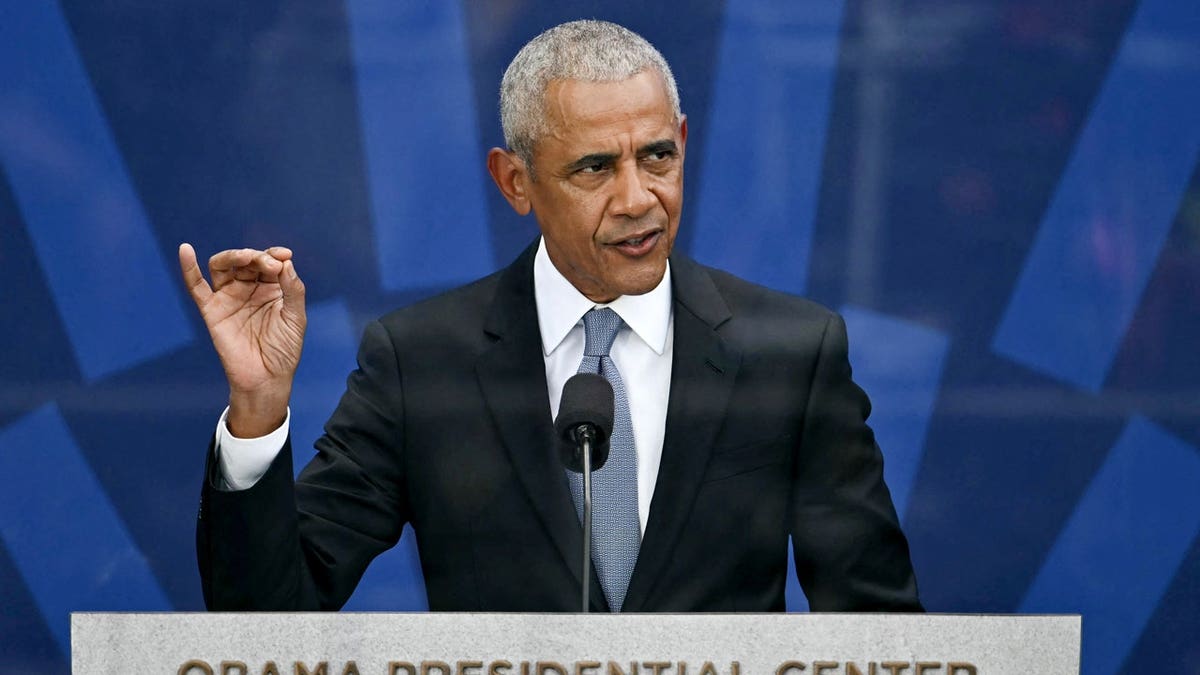
Barack Obama speaks during the dedication of the Barack Obama Presidential Center in Chicago, Illinois. (Kent NISHIMURA / AFP via Getty Images)
CARVILLE REBUKES DNC OVER WOKE ‘LAND ACKNOWLEDGMENT’ LAMENTING TREATMENT OF NATIVE AMERICANS
«Land acknowledgements are funny because the real message is ‘I want to say I care, but I don’t really care or I wouldn’t have built this on land which I just said is yours,’» said Beth Anne Mumford of Americans for Prosperity.
«So you just went ahead and built on that land anyway, huh,» said conservative commentator Stephen Miller
Townhall senior strategist Siraj Hashmi weighed in with a reference to infamous Chicago rapper Chief Keef.
REWARDING RACISM: HOW TRIBAL POLITICS IS TEARING AMERICA APART
«Pretty disrespectful for the Obama Presidential Center to not acknowledge the current tribe leader of the South Side of Chicago: Chief Keef,» he quipped.
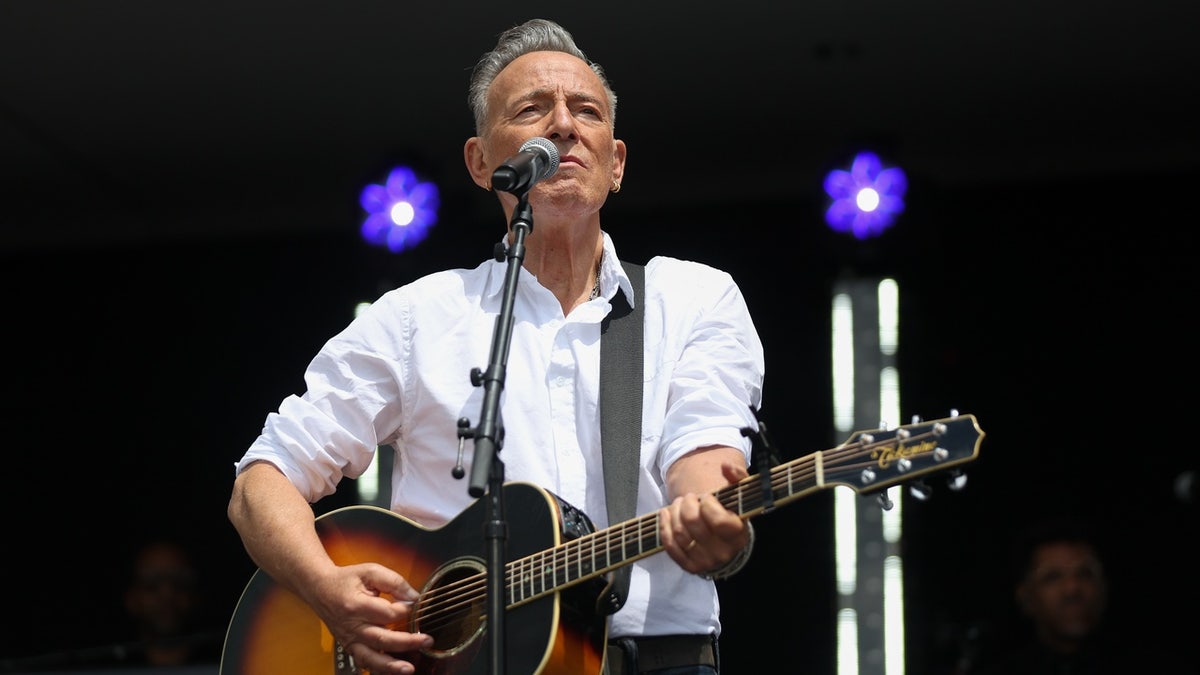
Musician Bruce Springsteen performs during the opening of the Obama Presidential Center in the Jackson Park neighborhood of Chicago, Illinois, on June 18, 2026. (Talia Sprague/Bloomberg)
An anonymous user balked at the logic, or apparent lack thereof, of building «a communist monument» on «stolen land» that the new owners refused to give back.
«The mental hurdles are Olympics level,» the user said.
OBAMA PRESIDENTIAL CENTER’S $470M SAFETY NET UNDER SCRUTINY AS SUBCONTRACTORS SAY THEY’RE OWED MILLIONS
Thursday’s event featured high-profile Democrats, including former Vice President Kamala Harris, former President Bill Clinton and former Secretary of State and failed presidential candidate Hillary Clinton, along with A-list performers like John Legend, Stevie Wonder and Bruce Springsteen who put on a concert.
Oprah Winfrey, Tom Hanks, David Letterman and others were also present.
The presidential center itself, which cost nearly $1 billion to build and has been embroiled in controversy, will officially open on Friday. It was initially estimated to cost about half that amount.
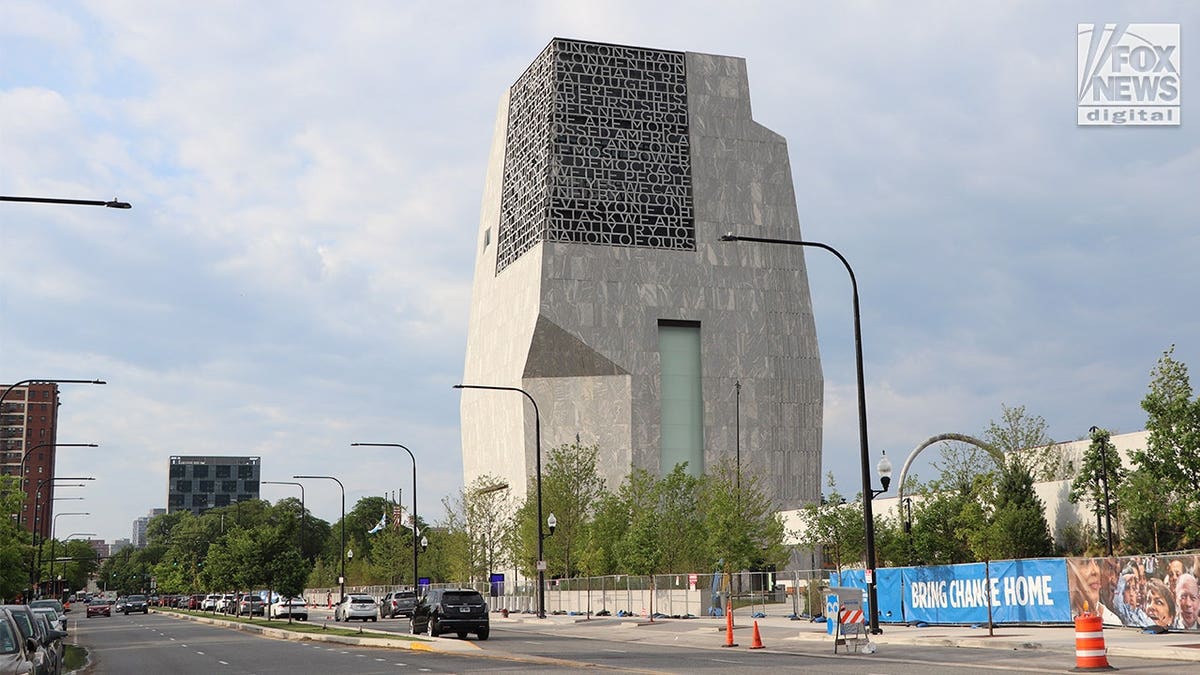
A view of the Obama Presidential Center from a nearby roadway in Chicago. (Michael Dorgan/Fox News Digital)
Despite the explicitly stated goal that the center would help uplift minority-owned contracting businesses by hiring them to work on high-profile projects, some claim they’ve been stiffed and are facing financial ruin, according to a Fox News Digital investigation.
One subcontractor says his firm is owed $4 million for work it completed on the center.
CLICK HERE TO DOWNLOAD THE FOX NEWS APP
The project was announced in 2015, and the site — Jackson Park on Chicago’s South Side — chosen in 2016, but the groundbreaking was delayed until 2021 due to bureaucratic red tape. The project required numerous local and federal approvals to build on the location, which is a historic preservation site, multiple environmental reviews and was subject to several lawsuits.
After construction began, the price tag on the project continuously skyrocketed. The center was scheduled to open in March 2025, but was delayed for another year
barack obama, the clintons, chicago, land, inauguration, politics
INTERNACIONAL
A tres meses y medio de las elecciones en Brasil, un escándalo de corrupción amenaza al gobierno de Lula
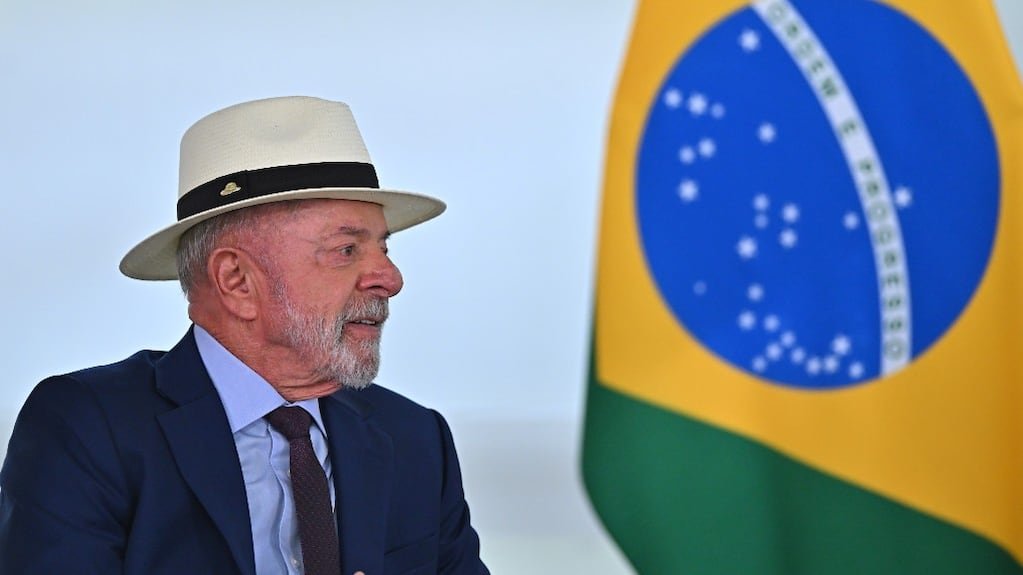
Un oscuro escándalo de corrupción sacude a un aliado político clave del presidente brasileño Luiz Lula da Silva a solo tres meses y medio de las elecciones generales en las que buscará su reelección por otros cuatro años.
El senador Jaques Wagner, líder del gobierno en el Senado, está en el centro de una investigación por un esquema ilegal vinculado al proceso de liquidación del Banco Master.
El también exministro de Defensa y exjefe de la Casa Civil (jefe de gabinete) durante la presidencia de Dilma Rousseff (2011/2016) está acusado de recibir “ventajas económicas indebidas” para favorecer a esa entidad bancaria. Según la denuncia, habría recibido dinero, un departamento y dádivas como el uso de aviones privados.
El monto que investiga la justicia en concepto de pagos irregulares supera el millón de dólares.
“Aunque Lula no esté directamente involucrado en el escándalo, Wagner es el líder de su gobierno y un hombre de confianza estratégica, además de ser candidato al Senado por Bahía” en las elecciones generales del 4 de octubre, dijo a TN el analista brasileño Marco Teixeira, del la Fundación Getulio Vargas, de Río de Janeiro.
Wagner fue además gobernador de ese populoso estado del nordeste del país.
El impacto del caso en la campaña
Los asesores de Lula buscan ahora minimizar la denuncia cuando el foco de este escándalo estaba puesto en su principal rival, el candidato de la derecha Flavio Bolsonaro, hijo del expresidente Jair Bolsonaro, por sus supuestos vínculos con el dueño del banco denunciado, Daniel Vorcaro.
En un audio revelado por la prensa local en las últimas semanas se escucha al postulante presidencial de la derecha brasileña solicitarle dinero a Vorcaro para financiar una película biográfica sobre su padre, hoy encarcelado y condenado a 11 años de prisión por golpismo.
Vorcaro se encuentra en prisión desde marzo. El senador Flavio Bolsonaro (Foto: REUTERS/Alexandre Meneghini)
El Banco Master fue liquidado por insolvencia en noviembre pasado. Se estima que presentaba deudas por más de 7000 millones de dólares a unos 800.000 inversores (reembolsados por el fondo de garantías).
El audio tuvo un fuerte impacto en la campaña de Bolsonaro. De hecho, el escándalo frenó su fuerte repunte en los sondeos. En los últimos meses, el candidato conservador había recortado una desventaja de hasta 10 puntos con Lula y se había colocado en un empate técnico.
Leé también: Rusia pierde otro aliado estratégico: Armenia mira a Europa y Putin lanza sanciones bajo la sombra de Ucrania
Sin embargo, este escándalo volvió a poner a Lula en primer lugar, con una leve ventaja de hasta cuatro puntos, según Datafolha. Pero todo podría cambiar con el caso Wagner.
La causa tuvo un fuerte giro este jueves cuando la policía realizó 18 allanamientos en tres estados de Brasil. Wagner es uno de los objetivos, según fuentes policiales.
El legislador, de 75 años, está acusado de defender los intereses del Banco Master en el Senado. Según la investigación, tramitó una enmienda constitucional -que finalmente no prosperó- para aumentar el límite del fondo de garantía del sistema bancario brasileño con el fin de salvar a la entidad de la quiebra.
En concreto se lo investiga por corrupción pasiva, corrupción activa y lavado de dinero.
Para Teixeira, el gobierno “perdió su oportunidad. Pudieron haber destituido a Wagner del liderazgo del Senado mucho antes, cuando orquestó de forma deficiente la (rechazada) nominación del Abogado General de la Unión Jorge Messias (amigo de Lula) al Supremo Tribunal Federal”, el máximo tribunal de Justicia.
“Wagner convenció al gobierno de que podían enviar la nominación al Senado y que Messias sería aprobado. Fue un fracaso político y una clara muestra de la incapacidad de Wagner para expresarse con claridad, lo que significó que no podía continuar como líder del gobierno» en el Senado, indicó.
Teixeira dijo “el gobierno está pagando ahora un precio más alto por el escándalo, por no haber actuado a tiempo y no haberlo sustituido” antes.
Según el analista, este escándalo ahora “le da munición al propio Flávio Bolsonaro” que “ahora intenta volver a poner en tela de juicio el problema de la corrupción en el gobierno y en el propio PT (el oficialista Partido de los Trabajadores)”.
Además, Bolsonaro “pasó al ataque y está intentando revivir” su campaña con propuestas de seguridad pública radicales.
En ese excenario, el candidato de derecha presentó este jueves su plan “Brasil sin Miedo” que incluye conformar un “paredón” militar en la frontera, castración química para violadores y unidades penitenciarias inspiradas en el modelo del salvadoreño Nayib Bukele.
A tres meses y medio de las elecciones, la campaña está abierta.
“Nadie sabe qué deparará el futuro. Así, el caso Volcaro es una caja de sorpresas, un enigma que, cada vez que se remueve, afecta a alguien. Y este es un caso típico en el que no tiene afiliación ideológica. Puede derrotar a cualquier líder político importante de cualquiera de los dos bandos en la contienda presidencial”, concluyó Teixeira.
Brasil, Lula Da Silva, Flavio Bolsonaro
INTERNACIONAL
Interna en el régimen iraní: el líder supremo se oponía al acuerdo con Estados Unidos impulsado por el presidente Pezeshkian
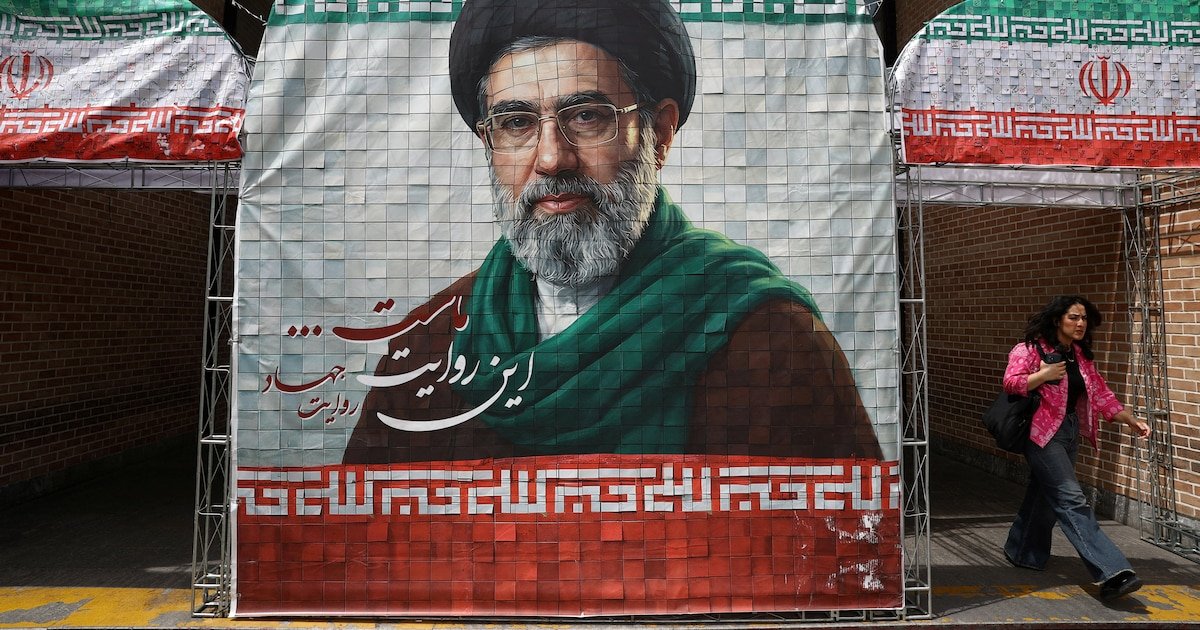
La firma del acuerdo entre Irán y Estados Unidos para poner fin a la guerra en Medio Oriente dejó al descubierto diferencias en la cúpula del régimen iraní. El líder supremo, Mojtaba Khamenei, reconoció este jueves que no compartía la estrategia que condujo al entendimiento con Washington y que terminó autorizándolo únicamente después de recibir garantías del presidente Masud Pezeshkian y del Consejo Supremo de Seguridad Nacional.
La declaración representa una inusual admisión pública de desacuerdo dentro de las estructuras de mando de la República Islámica en un momento clave, apenas un día después de que los presidentes Donald Trump y Pezeshkian formalizaran el memorando que abrió una etapa de negociaciones para cerrar definitivamente el conflicto.
En un mensaje dirigido a la población iraní, Khamenei explicó que inicialmente no respaldaba el acuerdo alcanzado con Estados Unidos.
“Yo, por principio, tenía una opinión diferente”, afirmó. Sin embargo, sostuvo que decidió dar luz verde al proceso después de que el mandatario iraní y los máximos responsables de seguridad asumieran compromisos concretos para proteger los intereses nacionales.
Según relató, Pezeshkian le garantizó personalmente que Irán no aceptaría condiciones que considerara perjudiciales durante las conversaciones con Washington.
“Si la parte estadounidense intentaba plantear exigencias excesivas, no se sometería”, indicó el líder supremo al describir las garantías que recibió antes de otorgar su consentimiento.

Lejos de presentar el acuerdo como un acercamiento político a Washington, Khamenei buscó marcar distancia y transmitir que el régimen seguirá considerando a Estados Unidos como un adversario estratégico.
“Las negociaciones presenciales futuras no implicarán la aceptación de la postura del enemigo”, afirmó.
Khamenei también aprovechó el mensaje para cuestionar directamente a Donald Trump. Según su versión, fue la Casa Blanca la que presionó para concretar el entendimiento después de meses de enfrentamientos.
“Fue el presidente estadounidense quien, en un acto de desesperación, utilizó toda clase de presión para lograrlo”, sostuvo.
Las declaraciones muestran un intento de equilibrar dos mensajes distintos dentro de Irán. Por un lado, respaldar una decisión adoptada por el gobierno y los organismos de seguridad. Por otro, evitar que el acuerdo sea interpretado por los sectores más duros del régimen como una concesión política ante Washington.
La intervención de Khamenei también tuvo relevancia porque se trata de su primera reacción pública sobre el pacto desde que asumió el cargo en marzo, tras la muerte de su padre, el ayatollah Ali Khamenei, durante los ataques estadounidenses e israelíes del 28 de febrero que desencadenaron la guerra regional.
Desde entonces, el nuevo líder supremo no ha realizado apariciones públicas y se ha limitado a difundir mensajes a través de los canales oficiales del Estado.

El memorando firmado por Estados Unidos e Irán establece el cese permanente de las operaciones militares, contempla compromisos relacionados con la situación en el Líbano y prevé la reapertura del estrecho de Ormuz para el tránsito marítimo internacional.
El documento también abrió un período de 60 días destinado a negociar un acuerdo definitivo sobre el programa nuclear iraní y el levantamiento de sanciones económicas.
Esas futuras conversaciones constituyen uno de los puntos más sensibles para Teherán. Aunque el memorando contempla negociaciones sobre cuestiones nucleares, Khamenei dejó claro que no considera que el proceso implique una modificación de la postura estratégica de la República Islámica frente a Estados Unidos.
La firma del acuerdo puso fin a la guerra, pero también dejó expuestas las tensiones entre quienes consideran necesario avanzar en una negociación con Washington y quienes continúan viendo ese camino con desconfianza.
(Con información de Reuters, AFP, EFE y Europa Press)
Middle East

Dos excesos que despertaron a la oposición

Benjamín Vicuña respondió con firmeza a los mensajes homofóbicos contra la obra “Secreto en la montaña”

Damián Di Pace: “Uno de cada cuatro argentinos usa el aguinaldo para pagar deuda”

“Tenía ganas de morder las palmeras”: la curiosa reflexión de Gustavo Alfaro sobre el duro golpe que sufrió Paraguay en el Mundial

La Legislatura porteña aprobó la Ley Antitrapitos: cuáles son las nuevas penas y restricciones

Cayó un sospechoso de cometer un secuestro extorsivo en Adrogué: la víctima lo reconoció y lo vinculan a otros tres ataques

Patricia Bullrich: “El Presidente considera que Adorni dio una explicación razonable”

El Gobierno envía señales de que Adorni tiene las horas contadas para evitar que sesione el Senado

La secuencia del golazo de Messi para Argentina ante Argelia en el debut en el Mundial 2026 y los récords que rompió

El Gobierno modificará por decreto el sistema de selección de jueces de la Corte Suprema de Justicia

 POLITICA24 horas ago
Patricia Bullrich: “El Presidente considera que Adorni dio una explicación razonable”
- POLITICA2 días ago
El Gobierno envía señales de que Adorni tiene las horas contadas para evitar que sesione el Senado
- DEPORTE2 días ago
La secuencia del golazo de Messi para Argentina ante Argelia en el debut en el Mundial 2026 y los récords que rompió