INTERNACIONAL
Democrats build midterm momentum, but Republicans still in driver’s seat in Senate majority battle


NEWYou can now listen to Fox News articles!
A leading nonpartisan political handicapper predicts that the Democrats’ path to winning back the Senate majority in this year’s midterm elections is getting wider thanks to a rough political climate for the GOP, but that capturing control of the chamber remains a «tall order.»
The Cook Political Report on Monday shifted the ratings in four key Senate races in favor of the Democrats, but added that Republicans «remain the narrowing favorites to retain the upper chamber.»
Republicans currently control the Senate 53-47 but are battling stiff political headwinds, as the party in power in the nation’s capital traditionally loses seats in the midterms. The GOP faces a rough political climate fueled by economic concerns amid persistent inflation, as well as rising gas prices tied to what polls show is an unpopular war with Iran and President Donald Trump’s underwater approval ratings.
«Right now, we see the likeliest outcome is a one to three seat Democratic pickup — still just out of reach of the four seats the party needs to reclaim the majority,» Cook Report Senate and Governors Editor Jessica Taylor said in a release.
SNUBBED BY TRUMP, THESE GOP CANDIDATES ACT LIKE THEY HAVE HIS ENDORSEMENT ANYWAY
An exterior view of the Senate side of the U.S. Capitol on Jan. 12, 2026. (Paul Steinhauser/Fox News)
The Cook Report shifted the race to succeed retiring GOP Sen. Thom Tillis in battleground North Carolina from toss-up to lean Democrat. Former two-term Democratic Gov. Roy Cooper is facing off against former Republican National Committee Chair Michael Whatley in what will likely be one of the most expensive and competitive Senate showdowns in the nation this autumn.
In battleground Georgia, where Democratic Sen. Jon Ossoff is running for a second six-year term, the Cook Report also moved the race from toss-up to lean Democrat. Republicans view Ossoff as the most vulnerable Senate Democrat seeking re-election this year, but he has built a massive war chest while the GOP faces a three-way primary battle for its nomination.
STRATEGY SESSION: TRUMP TEAM HUDDLES ON MIDTERM MESSAGING
In red-leaning Ohio, where appointed Republican Sen. Jon Husted will face off in November against former longtime Democratic Sen. Sherrod Brown, the Cook Report shifted their ranking from lean Republican to toss up, noting that «even recent GOP polling» has indicated the race is all knotted up.
The Cook Report also shifted Nebraska, a red state where GOP Sen. Pete Ricketts will face a general election challenge from independent candidate Dan Osborn, from solid Republican to likely Republican.
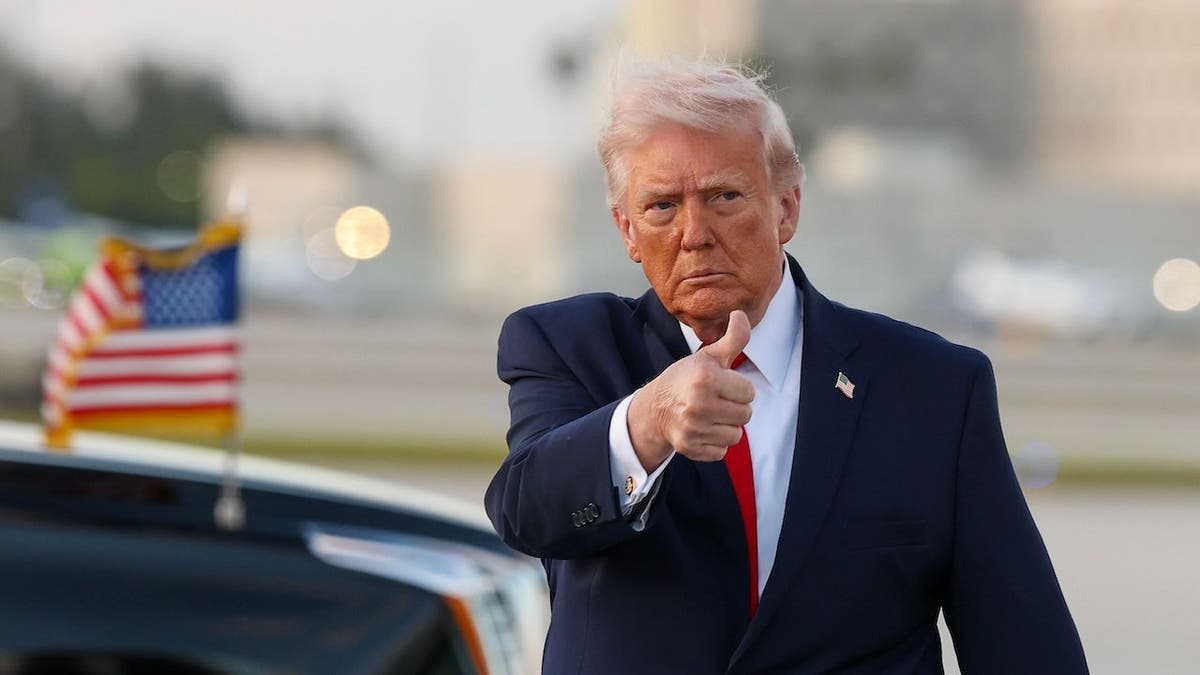
President Donald Trump is facing low polling numbers in the wake of the Iran conflict and rising gas prices. (Tasos Katopodis/Getty Images)
«We concede that these ratings changes are coming as Trump is at a new polling low and still navigating a yet-to-be-resolved war in Iran. So it’s possible things could rebound for his party or that they could find a rallying cry to get his base out in November — a summer Supreme Court retirement certainly wouldn’t hurt,» Taylor noted.
And she pointed out that «Democrats are still contending with messy primary fights in Maine, Michian, Minnesota and Iowa, where Republicans are rooting for flawed or bruised nominees to emerge. And Republicans will have a significant institutional financial advantage.»
FOX NEWS POLL: AN EARLY LOOK AT THE 2026 MIDTERMS
National Republican Senatorial Committee (NRSC) chair, Sen. Tim Scott, acknowledged in a Fox News Digital interview last month that «there’s no doubt the climate has gotten more and more difficult by the day, it seems like at times.»
But Scott added that he remains «incredibly optimistic» the GOP can not only hold but expand its current majority.
The rival Democratic Senatorial Campaign Committee (DSCC), in an email to supporters titled «Democratic Odds of Taking the Senate Increase as Four Ratings Shift in Their Favor,» spotlighted the Cook Report’s ratings shift.
CLICK HERE TO DOWNLOAD THE FOX NEWS APP
Earlier this year, DSCC chair Sen. Kirsten Gillibrand told Fox News Digital she was «very optimistic that with the quality of candidates that we have, with the recruiting failures and the poor candidates the Republicans have, and this very harmful climate that President Trump is creating, we have all the makings of a blue wave.»
democrats elections, midterm elections, republicans elections, senate elections, democrats senate, donald trump








INTERNACIONAL
Elecciones en Perú: el candidato de la ultraizquierda entraría al balotaje con la derechista Keiko Fujimori
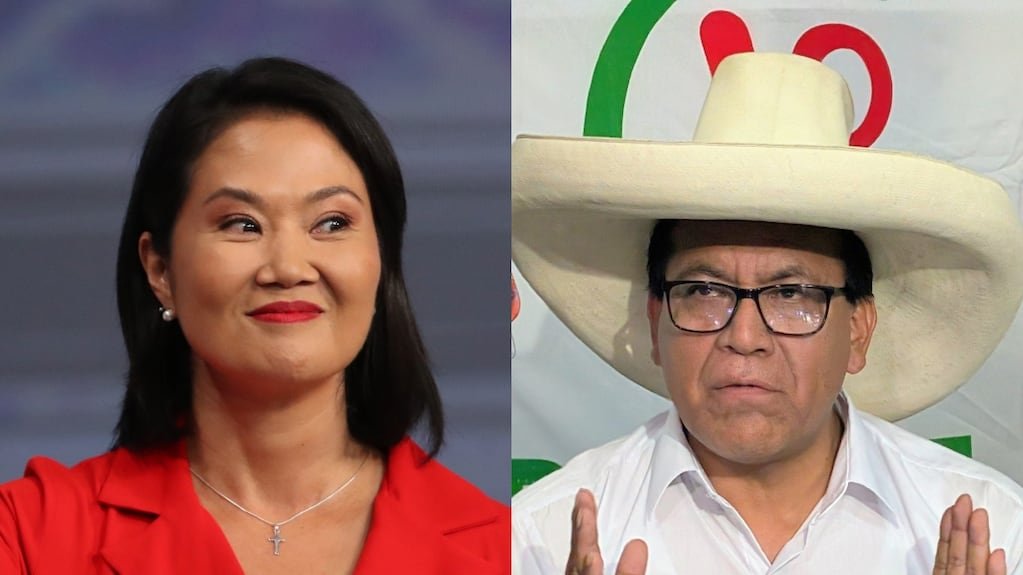
El candidato de izquierda radical Roberto Sánchez trepó este miércoles al segundo lugar en el recuento parcial de las elecciones presidenciales en Perú y se ubica como posible rival de la derechista Keiko Fujimori en el balotaje previsto para el 7 de junio, tras unos comicios opacados por fallas logísticas y denuncias.
Con más de 91,4% de las actas contabilizadas, la hija del expresidente autócrata Alberto Fujimori obtiene 17,04% de los votos. La sigue Roberto Sánchez (12,06%), tras desplazar por mínima diferencia al ultraconservador Rafael López Aliaga (11,85%), quien cuestiona la elección y pidió anular el proceso. Los resultados aún pueden variar.
López Aliaga, del partido Renovación Popular, presentó este miércoles un recurso formal ante el Jurado Nacional de Elecciones (JNE) en el que pidió que se suspenda la proclamación de resultados de los comicios por la presunta “afectación al derecho al voto de más de 600.000 ciudadanos”.
El postulante ultraconservador señaló que en las elecciones se produjo un fraude, aunque sin presentar pruebas.
Sánchez, psicólogo de 57 años y heredero político del expresidente Pedro Castillo (2021-2022), condenado a 11 años de prisión por golpismo, creció en particular el martes en el cómputo que lleva la Oficina Nacional de Procesos Electorales (ONPE), organizadora del sufragio.
“Las actas no mienten”
Los votos de fuera de Lima, la capital, demoraron más en ser procesados. En el sur andino y en zonas rurales se encuentra el electorado más firme del candidato del partido Juntos por el Perú.
“Vamos con tranquilidad, con serenidad, estamos confiados en el respaldo de nuestro pueblo (…) porque las actas no mienten”, dijo Sánchez. “Estas elecciones se tienen que respetar”, agregó. Roberto Sanchez, heredero del expresidente Pedro Castillo (Foto: REUTERS/Angela Ponce)
Unas proyecciones publicadas el lunes por la consultora Ipsos ya lo colocaban con las mejores posibilidades de acceder a una segunda vuelta.
“Deseo de cambio”
Roberto Sánchez fue ministro de Comercio Exterior y Turismo de Pedro Castillo, el único que sobrevivió en su puesto durante los cinco cambios de gabinete que tuvo aquel turbulento gobierno de 17 meses.
Con un sombrero campesino, emuló durante su campaña la imagen del sindicalista Castillo, maestro de escuela que llegó a ser mandatario.
Leé también: Nuevo tiroteo en una escuela de Turquía: un alumno de 14 años mató a nueve personas e hirió a otras 13
Hoy preso y condenado a más de 11 años por un fallido intento de disolver el Congreso, Castillo se mantiene popular entre los sectores empobrecidos de los Andes.
“Será liberado por nuestro gobierno, en correspondencia a la prerrogativa presidencial que otorga” la facultad de indultarlo, aseguró Sánchez.
El candidato de Juntos por el Perú prometió una “nueva Constitución” y la fundación de un “Estado plurinacional” para gobernar con los pueblos nativos, como lo hizo Evo Morales en Bolivia.
“Hay un inmenso deseo de cambio” entre las poblaciones excluidas, dijo. Keiko Fujimori, candidata de Fuerza Popular (Foto: Vía Reuters)
“Nulidad”
Las elecciones presidenciales fueron afectadas el domingo por problemas en la distribución de papeletas de votación y urnas, lo que motivó retrasos en la apertura de decenas de centros de votación en Lima.
Unas 50.000 personas se quedaron sin votar, lo que obligó a las autoridades a convocarlos de nuevo el lunes.
El Jurado Nacional de Elecciones denunció al jefe de la ONPE, Piero Corvetto, y a otros tres funcionarios por presuntos delitos contra el derecho al sufragio. El candidato ultraconservador Rafael Lopez pidió anular las elecciones (Foto: REUTERS/Manuel Orbegozo)
El ultraconservador López Aliaga, exalcalde de Lima y admirador de Trump, criticó los comicios y pidió a las autoridades anular la elección tras denunciar un supuesto fraude.
“Les doy 24 horas para que declaren nulidad absoluta de este fraude electoral”, dijo ante cientos de sus partidarios reunidos frente a la sede del máximo tribunal electoral.
Una misión de observadores de la Unión Europea informó que no encontró elementos que sustenten una “narrativa de fraude”.
(Con información de AFP)
Perú, Keiko Fujimori
INTERNACIONAL
UN filing accuses UK of forced displacement as Diego Garcia tensions and security fears grow
NEWYou can now listen to Fox News articles!
U.K. Prime Minister Sir Keir Starmer faces a «crimes against humanity» complaint at the United Nations over the treatment of the Chagossian people as tensions rise after an Iranian missile attempt targeting Diego Garcia in the Indian Ocean.
Starmer, who is named in the filling, has been reported specifically over the removal of four people who returned to the island in a complaint filed by the attorney general for the Chagossian government.
James Tumbridge’s filing also comes as the exiled leadership stressed the importance of strong ties with the United States, telling Fox News Digital that Washington is a «brother in arms for global security.»
TRUMP, STARMER AGREE STRAIT OF HORMUZ MUST REOPEN AS MIDDLE EAST CONFLICT ESCALATES
A U.S. B-2 Spirit bomber, part of the 509th Bomb Wing at Whiteman Air Force Base in Missouri, stops for refueling at the U.S. military base on Diego Garcia in October 2001 after an airstrike mission over Afghanistan in support of Operation Enduring Freedom. (Senior Airman Rebeca M. Luquin/U.S. Department of Defense)
On March 20, Iran launched two ballistic missiles toward Diego Garcia from more than 2,300 miles away, missing the target but underscoring the base’s strategic importance.
Chagossian leaders have since backed a continued U.S. presence, with First Minister Misley Mandarin saying they want to «uphold the 1966 agreement and consider the U.S. as a brother in arms for global security.»
The 1966 agreement allowed the U.S. to use Diego Garcia for defense purposes, initially for 50 years.
«The desire of the Chagossian government is to have a positive relationship with the U.S. and an ongoing presence on Diego Garcia of the U.S. military,» Tumbridge also told Fox News Digital.
TRUMP PROVEN RIGHT ON IRAN’S LONG-RANGE MISSILE CAPABILITY AS REGIME TARGETS US-UK BASE, EXPERTS SAY
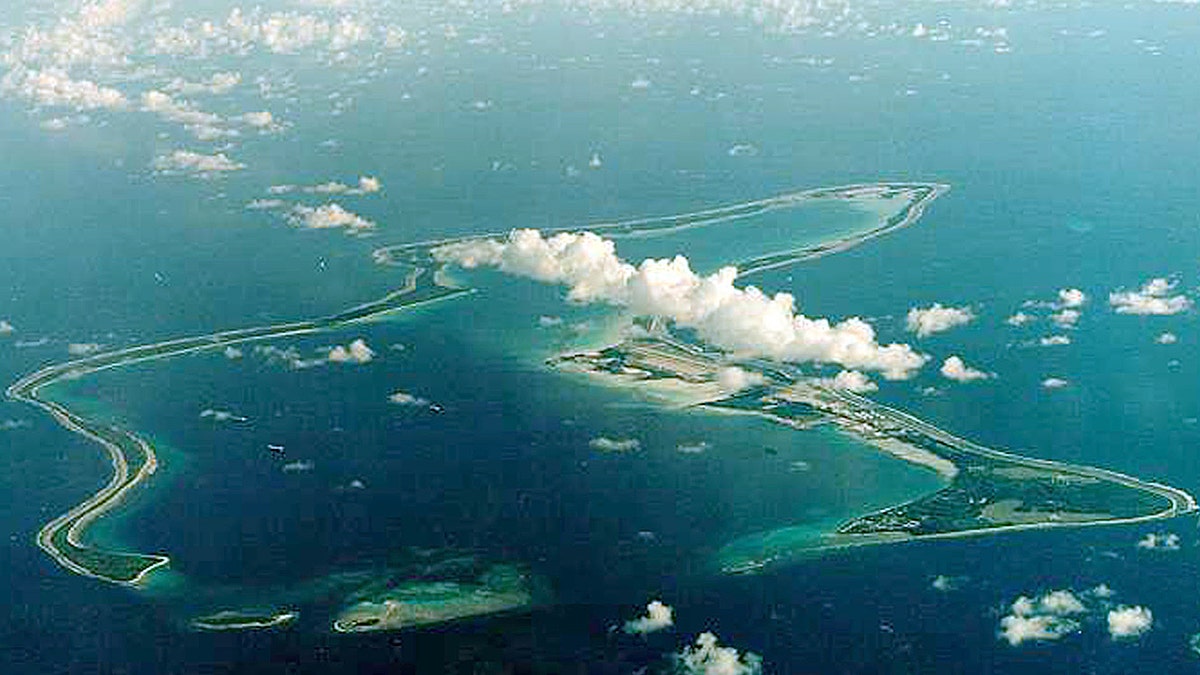
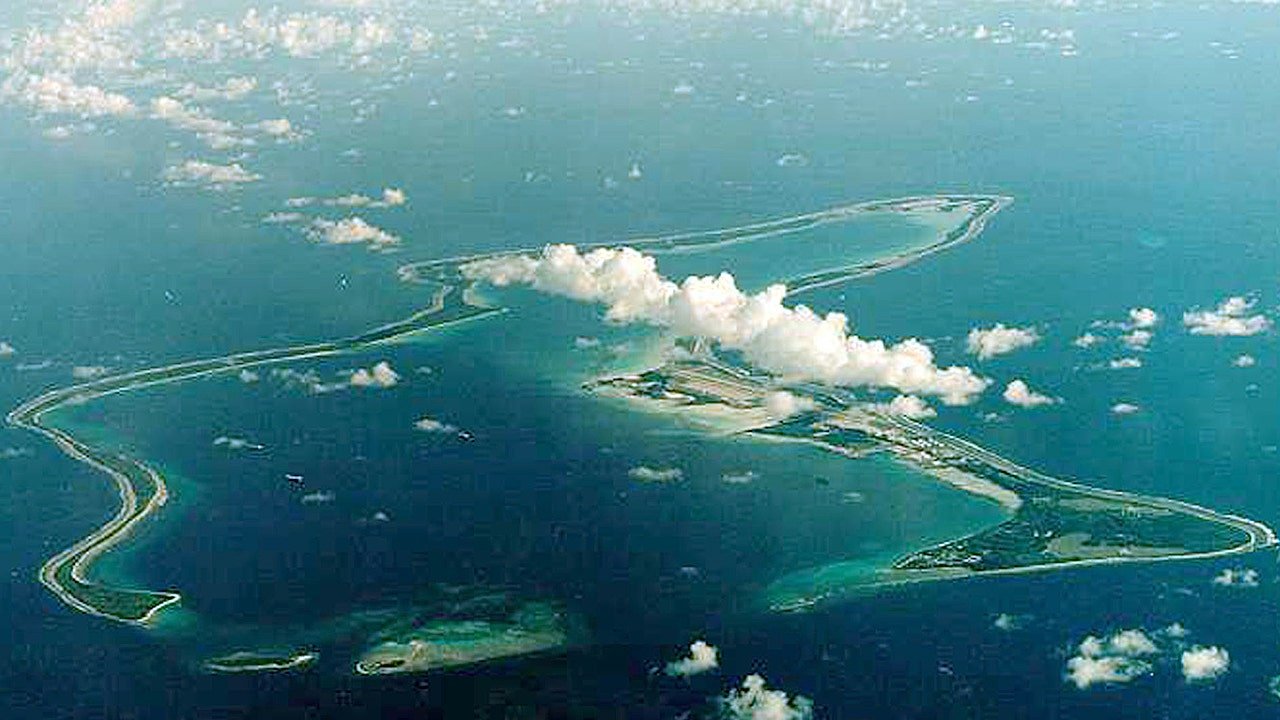
Diego Garcia is the largest island in the Chagos archipelago and the site of a major United States military base in the middle of the Indian Ocean leased from the U.K. in 1966. (Reuters)
Meanwhile, Tumbridge’s U.N. submission claims U.K. actions risk the «forced depopulation» of the Chagos Islands.
Expulsions began in 1968, when about 2,000 residents were removed, culminating in 1973, and in February the U.K. issued new removal orders to four Chagossians who had returned to the islands.
The filing calls the situation «forced displacement» that could constitute «a crime against humanity by forced depopulation of a territory.»
It warns the British government of a «fresh crime now» that could complete a decades-long erasure of the Indigenous population, stating, «The removal of these four persons would result in the total physical erasure of the Chagossian people,» potentially «amounting to ethnic cleansing.»
FARAGE SLAMS BRITISH PRIME MINISTER FOR ‘EXTRAORDINARY’ LACK OF SUPPORT FOR TRUMP’S IRAN STRIKES
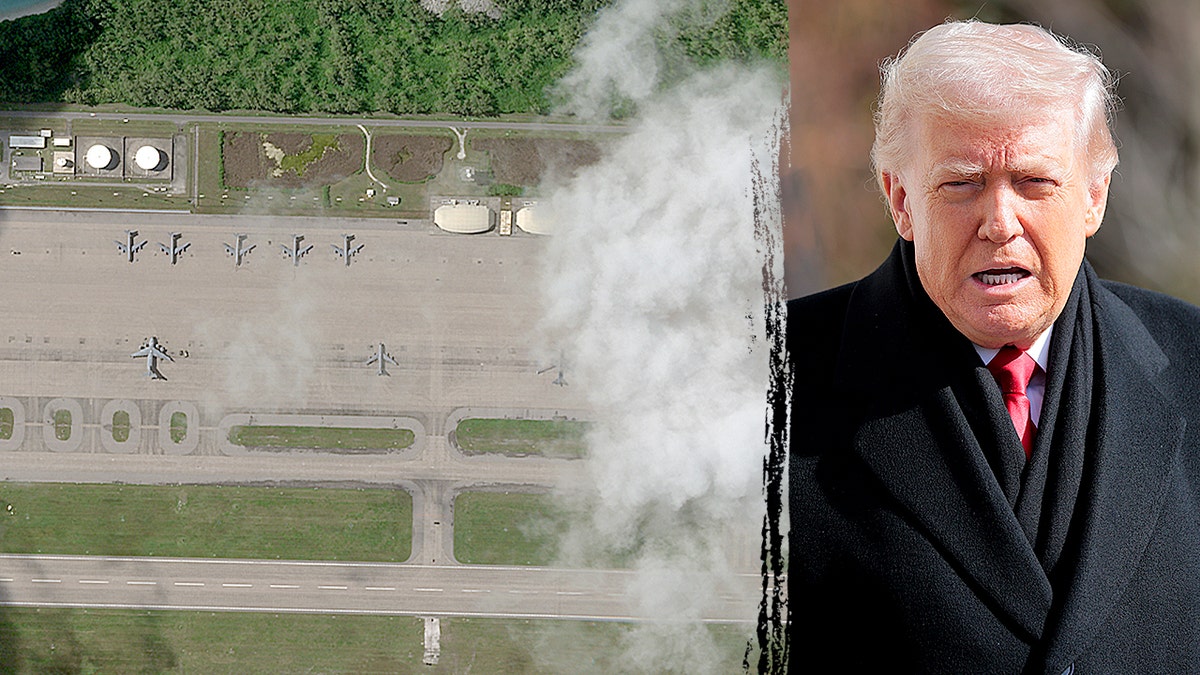
President Trump warned he will use force if a lease deal with Mauritius over Diego Garcia «falls apart» or anyone threatens U.S. operations. (Getty Images)
«The BIOT commissioner accepted that the Chagossians were wronged in the past,» Tumbridge said Wednesday.
«How can the U.K. prime minister, who claims to value the rule of law and human rights, not want to right that wrong and let the people return to their islands?»
The filing also comes as the U.K. considers transferring sovereignty of the Chagos Islands to Mauritius.
This followed a 2019 International Court of Justice opinion, while preserving the Diego Garcia base under a 99-year lease.
President Donald Trump criticized the proposed handover, and the U.K. has since paused legislation to formalize the deal, with ministers saying it has become «impossible to agree at a political level.»
CLICK HERE TO DOWNLOAD THE FOX NEWS APP
The legislation was expected to be included in the King’s speech outlining the next parliamentary session’s agenda.
Fox News Digital has reached out to 10 Downing Street for comment.
treaties, united nations, human rights united nations, iran, united kingdom
NEWYou can now listen to Fox News articles!
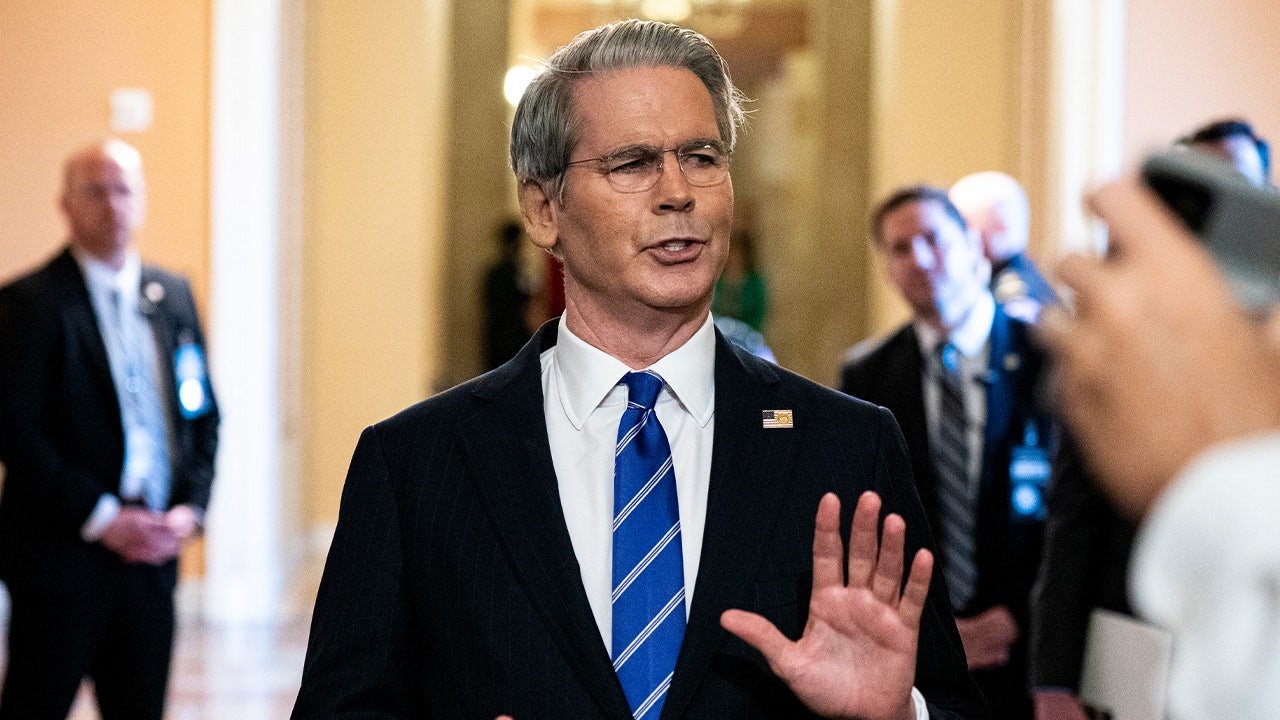
Treasury Secretary Scott Bessent suggested Tuesday that President Donald Trump’s tariffs could be restored as early as July, signaling a rapid pivot by the Trump administration after the Supreme Court struck down Trump’s IEEPA-based tariffs earlier this year, forcing the administration to turn to other trade authorities.
«We had a setback at the Supreme Court in terms of the tariff policy,» Bessent said Tuesday at an event hosted by the Wall Street Journal. «But we will be implementing or conducting Section 301 studies — so the tariffs could be back in place at the previous level by [the] beginning of July.»
His remarks come after the Supreme Court ruled in February that the International Emergency Economic Powers Act, or IEEPA, does not authorize tariffs.
Trump has billed tariffs as «life or death» for the U.S. economy — underscoring the outsize importance the administration has placed on the issue.
TRUMP TARIFF PLAN FACES UNCERTAIN FUTURE AS COURT BATTLES INTENSIFY
A protester holds a sign as the U.S. Supreme Court hears arguments on President Trump’s tariffs on Nov. 5, 2025. (Bill Clark/CQ-Roll Call, Inc via Getty Images)
Bessent’s comments also come as the U.S. collected more than $133 billion in IEEPA tariff duties as of mid-December, according to data published by the U.S. Customs and Border Protection agency, a figure that later grew to roughly $166 billion by early March 2026.
The administration moved to preserve tariffs in the weeks since the Supreme Court’s ruling to find new ways to implement the import fees, invoking several provisions of the U.S. Trade Act of 1974 in order to do so.
Bessent’s remarks, first reported by Bloomberg, are a sign that the Trump administration plans to enact a combination of statutes under the trade law as it looks to move past the high court’s ruling and find new ways to sustain U.S. tariff pressure.
The strategy, long-term, appears to focus largely on Section 301 of the Trade Act of 1974, which allows the president and the U.S. Trade Representative’s office (USTR) to implement «retaliatory import restrictions» against a country that is found to have engaged in unfair or «discriminatory» trade policies or practices towards U.S. businesses.
Section 301 allows the U.S. Trade Representative to investigate and respond to «unfair» foreign trade practices flagged by the president, though they require a formal period of notice and public comment, delaying enforcement.
Since the Supreme Court’s ruling, the Trump administration has initiated a flurry of more than 75 investigations under Section 301, according to a report from Alan Wm. Wolff, a senior fellow for the Peterson Institute for International Economics — far outpacing the average annual number of Section 301 investigations initiated during the past five decades.
TRUMP WARNS SUPREME COURT TARIFF SHOWDOWN IS ‘LIFE OR DEATH’ FOR AMERICA
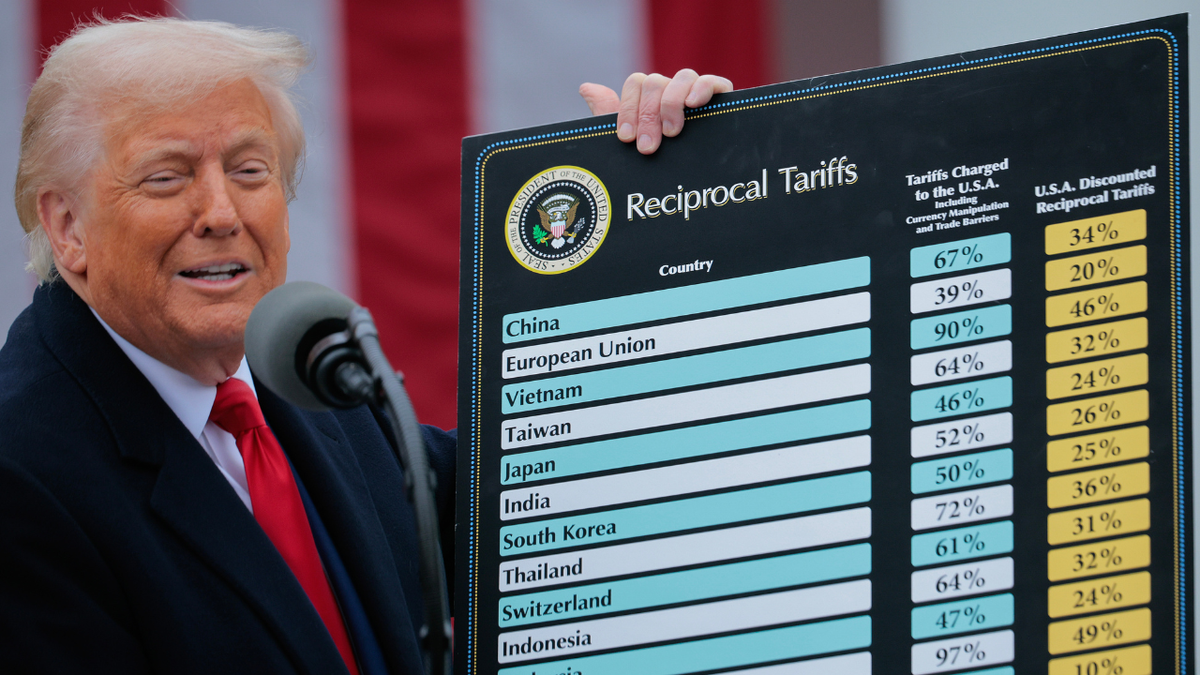
President Donald Trump speaks during a trade announcement event in the Rose Garden at the White House on April 2, 2025. (Chip Somodevilla/Getty Images)
That’s not the only lever administration officials have pulled in an effort to keep Trump’s tariffs in place, however.
Trump last month announced new 10% global tariffs — an emergency provision under the trade law that allows a president to unilaterally impose import fees of up to 15% on U.S. trading partners for a period of 150 days, to respond to large and serious «balance of payments deficits,» or instances that risk immediately depreciating the power of the dollar.
The Section 122 announcement prompted a lawsuit from 24 attorneys general, who argued the move was an illegal attempt to «sidestep» the Supreme Court’s ruling. It also prompted another lengthy hearing before the U.S. Court of International Trade in Manhattan Friday, as judges on the three-member panel weighed the legality of Trump’s effort.
Lawyers for the challenges told the court Friday that upholding the administration’s broader view of the law would effectively turn Section 122 into an all-purpose trade weapon.
US COURT OF INTERNATIONAL TRADE SIDES WITH TRUMP IN TARIFF CASE
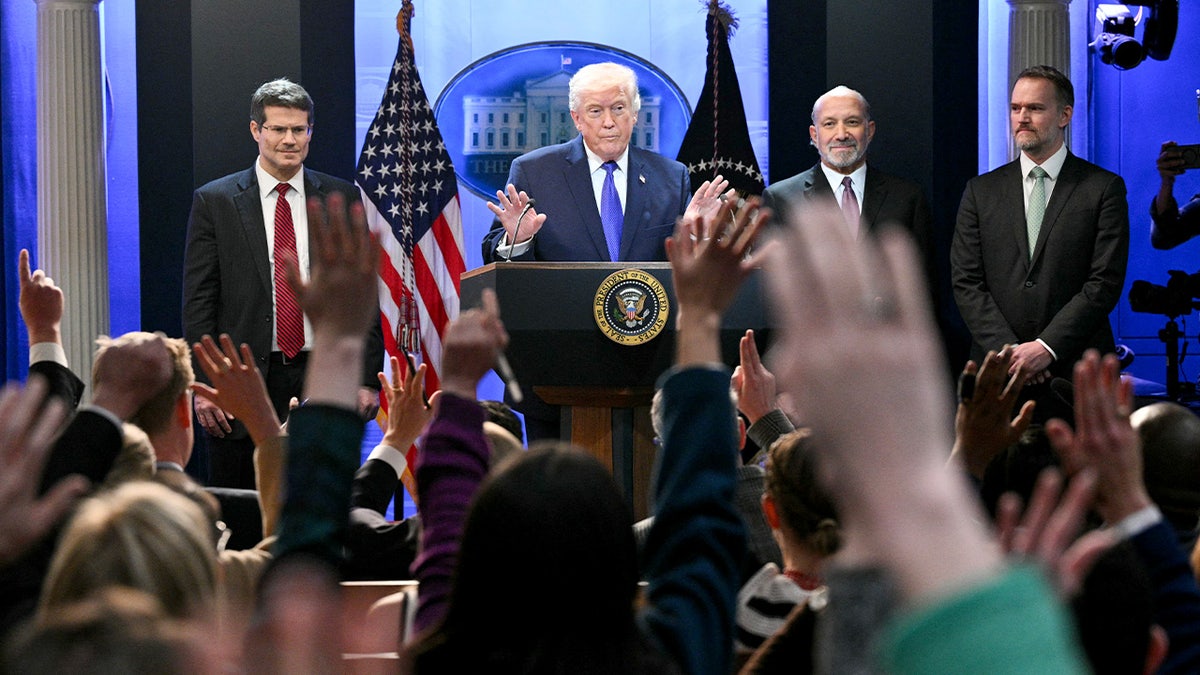
President Donald Trump during a press conference at the White House on Feb. 20, 2026. (Mandel Ngan/Getty Images)
But Justice Department lawyer Brett Shumate argued that Congress had provided presidents with broad discretion to assess economic conditions.
«A trade deficit was a large driver of a balance of payments deficit in 1974 as it is today,» Shumate said.
CLICK HERE TO GET THE FOX NEWS APP
«We’re not on the gold standard anymore,» he said. «We don’t have a fixed currency, but we can still have balance-of-payment problems.»
donald trump, politics, supreme court, federal courts, global economy, economy

La Justicia investiga si el hijo de una de las jubiladas que le vendió el departamento a Adorni lo remodeló antes de entregárselo

El juez Lijo ordenó una nueva indagatoria a Diego Spagnuolo en la causa por supuesta corrupción en la Andis

Entrada que incomodó: el efecto inmediato del ingreso de Solange Abraham en La Casa de los Famosas

El complicado estado del campo de juego del Monumental en el primer partido de local en Copa y a días del Súper

Elecciones en Perú: el candidato de la ultraizquierda entraría al balotaje con la derechista Keiko Fujimori

Propiedad privada: dudas y avales en el Senado a la ley libertaria en una nueva ronda de exposiciones

La Libertad Avanza suma territorialidad en Córdoba y se ilusiona con el desgaste peronista: las tensiones con la UCR

Los cuestionamientos a Manuel Adorni llegan a España, donde ya lo comparan con el caso de un ministro de Pedro Sánchez preso

Clima de Negocios: las empresas de EEUU, entre el despegue de sectores clave y la expectativa por la validación social de los cambios

Pope Leo XIV to visit fastest-growing Catholic continent during 4-nation Africa trip

 CHIMENTOS2 días ago
¡Eso no se puede! Sol Abraham rompió el aislamiento antes del intercambio de Gran Hermano: qué hizo
- POLITICA2 días ago
El mensaje que le mandó la escribana de Adorni a una de las testigos en la causa por enriquecimiento ilícito
- POLITICA2 días ago
Adorni también hipotecó su departamento anterior: otras dos mujeres le prestaron 100.000 dólares