INTERNACIONAL
Tras el fracaso de las negociaciones entre EE.UU. e Irán: el rol clave del estrecho de Ormuz y los escenarios que se abren

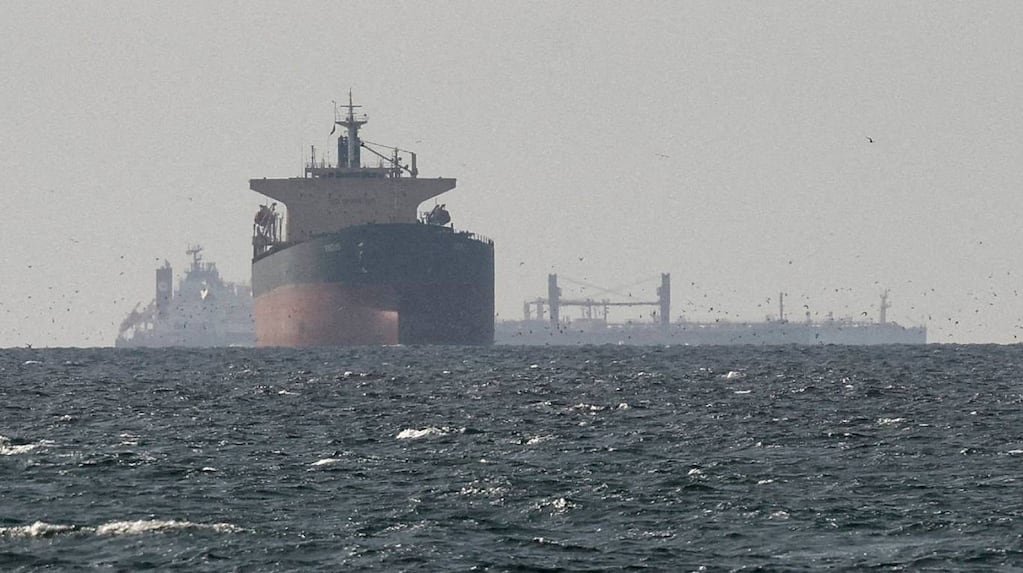
El fracaso de las negociaciones entre Irán y Estados Unidos dejó al alto el fuego en un limbo y volvió a poner en la primera línea de combate al estrecho de Ormuz, que sufrirá un doble bloqueo impuesto por ambas partes en conflicto.
“Con efecto inmediato, la Armada de los Estados Unidos, la mejor del mundo, iniciará el proceso de BLOQUEAR a todos y cada uno de los buques que intenten entrar o salir del estrecho de Ormuz. “Cualquier iraní que nos dispare será ENVIADO AL INFIERNO”, dijo Trump este domingo en su red Truth Social.
El paso marítimo, la pieza clave en la guerra y por donde pasaba el 20% del petróleo del mundo, ya estaba virtualmente cerrado por Irán.
El presidente estadounidense eligió priorizar el bloqueo económico antes que la reanudación de los bombardeos o una invasión terrestre a la estratégica isla de Kharg, principal polo petrolero de Irán. Al menos, por ahora.
Qué busca Trump con el bloqueo al estrecho de Ormuz
La jugada busca obligar a Teherán a sentarse a la mesa de negociaciones y aceptar sus demandas, paralizando todas las exportaciones iraníes de crudo para asfixiarlo económicamente, más allá de las sanciones internacionales vigentes.
Pero el gobierno de los ayatollah tiene un arma clave de la que carece Trump: tiempo. Al magnate neoyorquino se le vienen encima las internas republicanas con vistas a las elecciones de medio término de noviembre en las que pondrá en juego el control del Capitolio y la segunda parte de su mandato.
“Pronostico que volverán y nos darán todo lo que queremos”, dijo Trump a Fox News. Un camarógrafo graba al petrolero con bandera india LPG Jag Vasant, que lleva gas licuado de petróleo, en el Puerto de Mumbai en Mumbai, India, tras pasar por el estrecho de Ormuz, el miércoles 1 de abril de 2026. (AP Foto/Rafiq Maqbool)
Pero el doble bloqueo del estrecho de Ormuz (iraní y estadounidense) no solo profundizará la crisis internacional derivada por el alza del combustible y otros insumos. Washington se arriesga a asestarle un duro golpe a China y desatar una nueva crisis con la potencia asiática.
Beijing es el principal comprador de petróleo iraní. Aproximadamente el 13% de sus importaciones de crudo viene de Irán. El gobierno de Xi Jinping jugó un rol fundamental en la decisión iraní de sentarse a negociar en Pakistán y la Casa Blanca confía en que la diplomacia china vuelva a presionar a Teherán para terminar la guerra.
Leé también: La Inteligencia de EE.UU. asegura que China tiene un papel más activo en la guerra en Medio Oriente
Trump incluso subió la apuesta. Amenazó con imponer aranceles del 50% a las importaciones de China si Beijing proporciona armamento a Irán, después que la CNN revelara que la inteligencia estadounidense cree que el gobierno chino prepara la entrega de sistemas de misiles antiaéreos a Teherán.
“Dudo que lo hagan, porque tengo una buena relación y creo que no lo harían. Pero si los agarramos haciendo eso, se les impone un arancel del 50%, lo cual es una cantidad asombrosa”, advirtió. Trump tiene previsto viajar en mayo a Beijing.
¿Por qué fracasaron las negociaciones en Islamabad?
El portal estadounidense Axios citó a una fuente informada sobre el curso de las negociaciones y afirmó que el diálogo fracasó “por la exigencia de Irán de controlar el estrecho de Ormuz y su negativa a renunciar a sus reservas de uranio enriquecido”. Se estima que Teherán posee unos 450 kilos de este material esencial para la construcción de bombas nucleares.
El fracaso de las negociaciones “deja en la incertidumbre los próximos pasos y una serie de interrogantes sobre la durabilidad y el futuro del alto el fuego de dos semanas”, alertó The Washington Post.
Incluso, el periódico comentó que el vicepresidente y negociador J.D. Vance “no respondió a las preguntas a gritos sobre si se reanudarían los combates en lo que se había convertido en una guerra cada vez más impopular y perjudicial para la economía de Trump y del mundo”.
Por el lado iraní, las exigencias que más chocaron en Washington son el cobro de un peaje para atravesar el estrecho de Ormuz y que se descongelen miles de millones de dólares en activos iraníes bloqueados en el exterior. Quiere que esos fondos se destinen al pago de reparaciones de guerra.
Leé también: Con 35 candidatos y el desafío de la gobernabilidad, Perú elige a su noveno presidente en diez años
El analista egipcio Abdulah Al-Arian, académico de la Universidad de Georgetown en Qatar, dijo a TN que «el fracaso de las negociaciones no sorprende en absoluto dada la enorme brecha de confianza».
“Estados Unidos ha demostrado sistemáticamente que utiliza la diplomacia como una extensión de su capacidad bélica, en lugar de un fin en sí mismo. En ese sentido, la guerra parece continuar, aunque aún está por verse de qué forma se manifestará”, afirmó.
Para el analista, “Trump ha mantenido el foco en el Estrecho de Ormuz, buscando imponer un bloqueo a todos los barcos que acaten las condiciones establecidas por Irán. Por su parte, Irán parece estar demostrando que conserva la capacidad de influir en la economía global mientras Estados Unidos e Israel sigan persiguiendo sus objetivos maximalistas en Irán, los cuales, hasta ahora, no han logrado. Se presume que, en algún momento, estas crecientes consecuencias económicas obligarán a Estados Unidos a replantearse sus objetivos y su estrategia, pero eso aún no ha ocurrido”, indicó.
Jairo Lugo Ocando, decano de la Facultad de Comunicación de la Universidad de Sharjah en los Emiratos Árabes Unidos, dijo a TN que “la negociación avanzó bastante, pero Trump tiene dos líneas muy firmes. Una es el desarme misilístico y dos que Irán públicamente declare que no va a continuar un programa nuclear. Y ninguna de las dos para Irán es aceptable”, añadió. “Sin embargo, yo no llamaría las negociaciones un fracaso porque es muy temprano”, sostuvo.
Según el analista, “Estados Unidos está exhausto en este momento y necesita reposicionar elementos del ejército, de las fuerzas navales, particularmente para proteger el estrecho de Ormuz. No creo que haya el apetito político para hacer una invasión terrestre y deponer totalmente el régimen iraní”.
“La administración Trump entiende que deshacerse del régimen iraní es prácticamente imposible a estas alturas. Van a tener que aprender a convivir con él. Creo que en los próximos dos o tres días va a haber algún anuncio importante de reasumir estas negociaciones y la propuesta va a tender a ser muy parecida al acuerdo que había logrado Barack Obama en su propio gobierno” y que el propio Trump dejó sin efecto en su primera presidencia.
Además, Lugo afirmó: “Aquí el factor importante y decisivo, la variable importante no es Estados Unidos, va a ser Israel. Si Israel decide volver a atacar a Irán e ir a una guerra total, lo más probable es que Estados Unidos siga en esa guerra. Y ahí es donde hay que poner la atención, en la política interna de Israel”, concluyó.
Irán, Israel, Donald Trump











Durante los últimos tres años, Chile ha consolidado su liderazgo en inteligencia artificial (IA) en América Latina. Según el último Índice Latinoamericano de Inteligencia Artificial (ILIA), el país alcanzó 70.5 puntos, reflejando la solidez de su industria tecnológica y el impulso de políticas públicas orientadas a la innovación y la formación de talento.
El crecimiento no es solo institucional. La inteligencia artificial ya impacta directamente el mercado laboral: de acuerdo con datos de la plataforma Buk, el 23% de los trabajadores en Chile se está capacitando en IA, posicionando al país como el más activo de la región en este campo.

A este indicador se suma un alto interés por la especialización: el 57% de los trabajadores en Chile busca formación técnica y el 54% participa en procesos de transformación digital dentro de sus empresas. Estas cifras no solo reflejan una tendencia interna, sino que también superan el promedio de la región, donde el interés en formación técnica alcanza el 38% y la participación en transformación digital el 41%.
En este contexto, Chile se ha consolidado como un “hub” de talento digital en la región. Factores como los programas del Servicio Nacional de Capacitación y Empleo (SENCE), incentivos fiscales y el crecimiento del ecosistema tecnológico han facilitado el acceso a formación avanzada, incluso en sectores tradicionales. Como resultado, las habilidades digitales están siendo valoradas en el mercado laboral, con incrementos salariales que pueden alcanzar hasta un 30%.
Del aprendizaje a la productividad
Más allá del acceso a la formación, el foco ahora está en su aplicación. Según Buk, uno de los principales desafíos es lograr que el conocimiento adquirido se traduzca en resultados concretos en el trabajo. Sin una aplicación práctica inmediata, hasta el 70% de la información técnica puede perderse en las primeras 48 horas.

La plataforma señala que, cuando el aprendizaje se aplica de manera efectiva, se generan tres beneficios clave en las organizaciones:
- Reducción de errores: los trabajadores que implementan nuevas técnicas digitales cometen menos fallas, ahorrando tiempo y recursos.
- Mayor autonomía: los colaboradores pueden tomar decisiones sin depender constantemente de supervisores, agilizando la cadena de mando.
- Optimización de procesos: los empleados capacitados sugieren mejoras en los flujos de trabajo, generando un retorno de inversión real.

De acuerdo con la información de Buk, las empresas líderes y exitosas en capacitación en 2026 han adoptado el modelo 70-20-10, en el que el 70% del aprendizaje ocurre en la práctica, el 20% a través de interacción social y solo el 10% en cursos teóricos. Esta metodología ha demostrado su eficacia al reducir errores, aumentar la autonomía y optimizar los procesos internos.
Persisten, no obstante, barreras que pueden limitar el impacto de la capacitación: la falta de tiempo, la resistencia al cambio en los mandos medios y la ausencia de herramientas adecuadas. Para superarlas, Buk recomienda estrategias como proyectos piloto, formación de líderes y personalización de contenidos según los indicadores clave de cada área.
El resultado de estas prácticas es lo que algunos expertos identifican como el “modelo chileno de productividad digital”. En este esquema, la capacitación tecnológica no solo impulsa la eficiencia, sino que también fortalece la competitividad nacional.
inteligencia artificial,educación,universidad,robótica,tecnología,estudiantes,aula,capacitación,innovación,futuro digital
INTERNACIONAL
From Auschwitz, Holocaust survivor issues urgent warning over rising antisemitism in Canada
March of the Living at Auschwitz-Birkenau
Thousands gather to take part in the annual March of the Living at the former Nazi Auschwitz-Birkenau death camp in Oswiecim, Poland, on Tuesday, April 14, 2026. (Video: Anadolu Agency via Reuters Connect.)
NEWYou can now listen to Fox News articles!
AUSCHWITZ: A Holocaust survivor from Canada has warned about growing antisemitism in his country, calling on the nation’s leaders to take action against perpetrators.
Nate Leipciger spoke at the annual March of the Living at Auschwitz in Poland on Tuesday as thousands gathered to commemorate those killed in the Holocaust against a backdrop of growing antisemitism in the world.
The 98-year-old said he was recently targeted in Toronto when mezuzahs (sacred parchment scrolls) were forcibly removed from apartment doors in his building.
The violence increased in March when his synagogue was also targeted in a drive-by shooting. «The front doors and lobby were destroyed. It is terrible that we have lost our sense of security,» Leipciger told Fox News Digital.
UK COUNTERTERRORISM POLICE PROBE ANTISEMITIC ARSON ATTACK AS IRAN-LINKED GROUP CLAIMS RESPONSIBILITY
Holocaust survivor Nate Leipciger, 98, who participated in the March of the Living for the 22nd time speaks at the ceremony that followed the march in Auschwitz-Birkenau on Tuesday April 14, 2026.
«Once you lose that, you no longer know when or where the next attack might occur. It is deeply troubling to live in a free, democratic country — where everyone is meant to have equal rights — and to be persecuted in this way,» he added.
Born in Poland in 1928, Leipciger was deported to Auschwitz in 1943. He survived multiple camps and a death march before being liberated in 1945, later immigrating to Canada in 1948.
The only way to prevent history from repeating itself, he said, is to advocate for the truth and confront deception and lies.
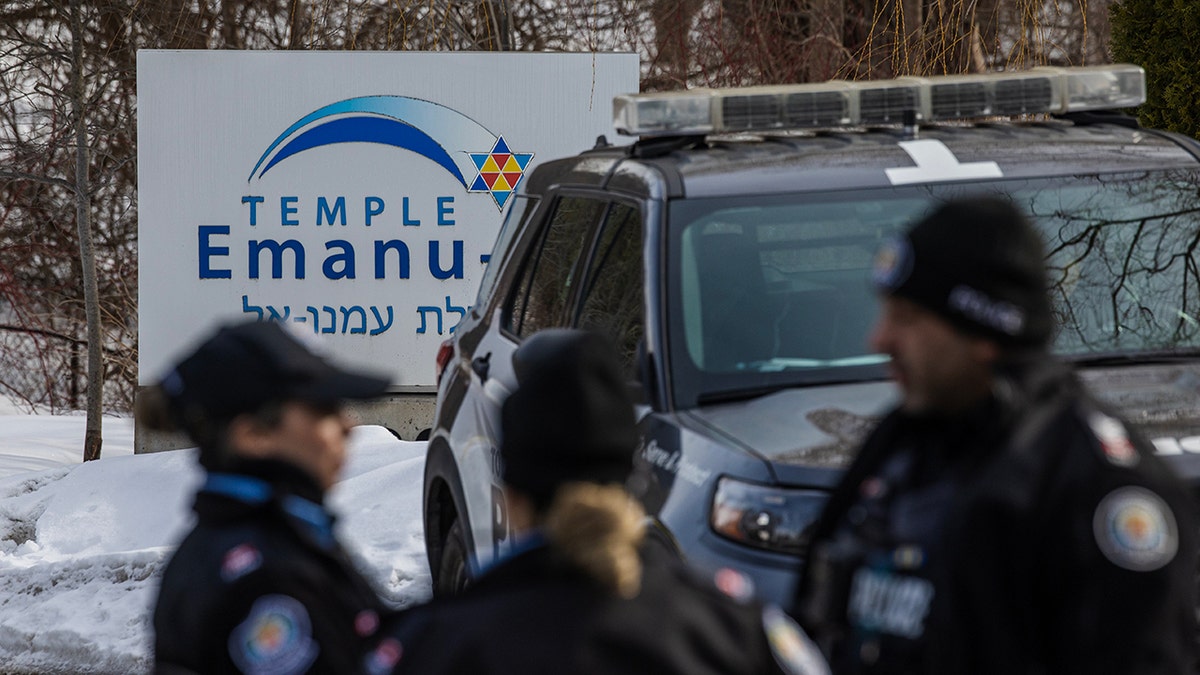
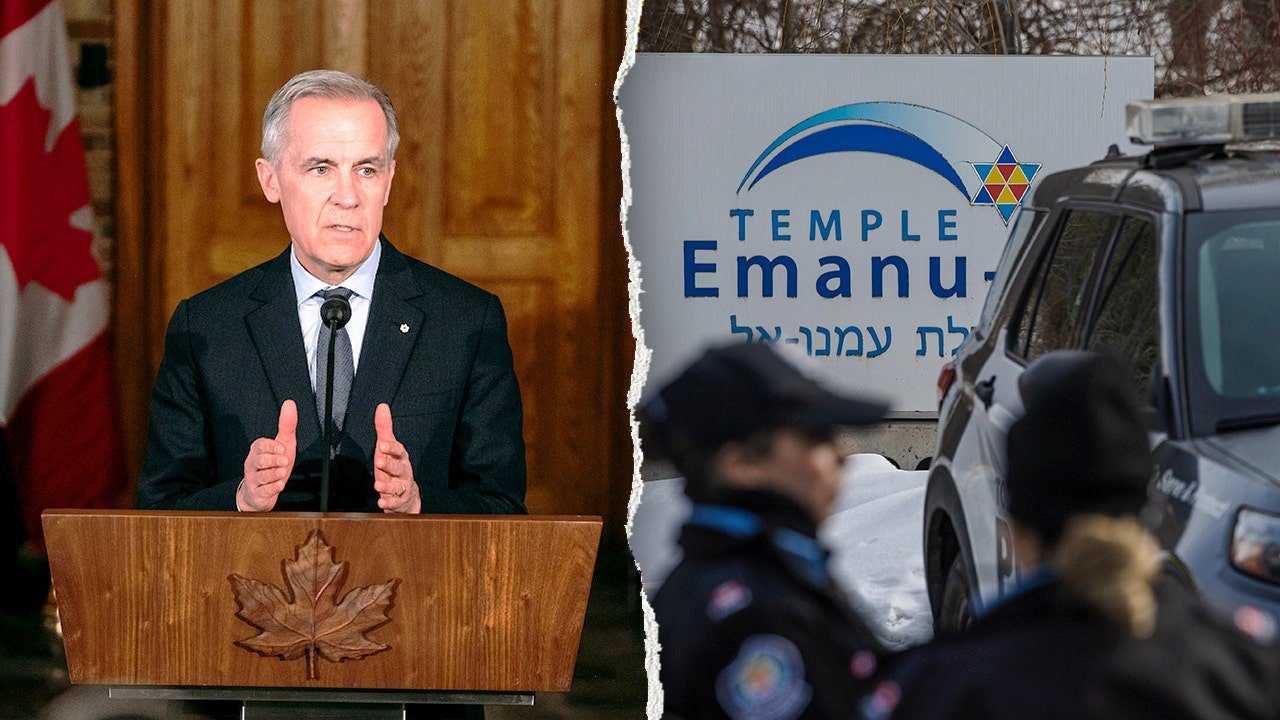
Temple Emanu-El in Toronto, Canada was shot at on March 3, 2026. No injuries were reported. (Nick Lachance/Toronto Star)
«The running is over. For centuries, we ran. We have to stand up for our right to live as Jews in any country, including Israel, as free citizens enjoying the fruits of Western culture, of which we are part,» he added.
Since the Hamas-led Oct. 7, 2023, massacre, Canada has seen a sharp rise in antisemitism, with B’nai Brith Canada reporting 6,219 incidents in 2024 — more than double the number recorded in 2022.
While figures for 2025 have yet to be released, Public Safety Canada noted that from April to June 2025, «Among hate crimes targeting religion… the majority were directed at the Jewish community (69%).»
CANADA’S CARNEY UNDER PRESSURE TO ACT AFTER SYNAGOGUES SHOT AT IN LATEST ANTISEMITIC INCIDENTS
Canadian Jewish communities are «extremely concerned» about a surge in antisemitism, a reality conveyed by Israeli officials both privately and publicly to Prime Minister Mark Carney’s government.
«We are aware of extreme concern among Jewish communities in Canada about their safety and well-being, both as individuals and as communities, including their institutions,» Israeli Ambassador to Ottawa Ido Moed told Fox News Digital. «Israel views the recent attacks against synagogues as very serious and considers Canada among the high-risk countries in terms of shooting incidents.»
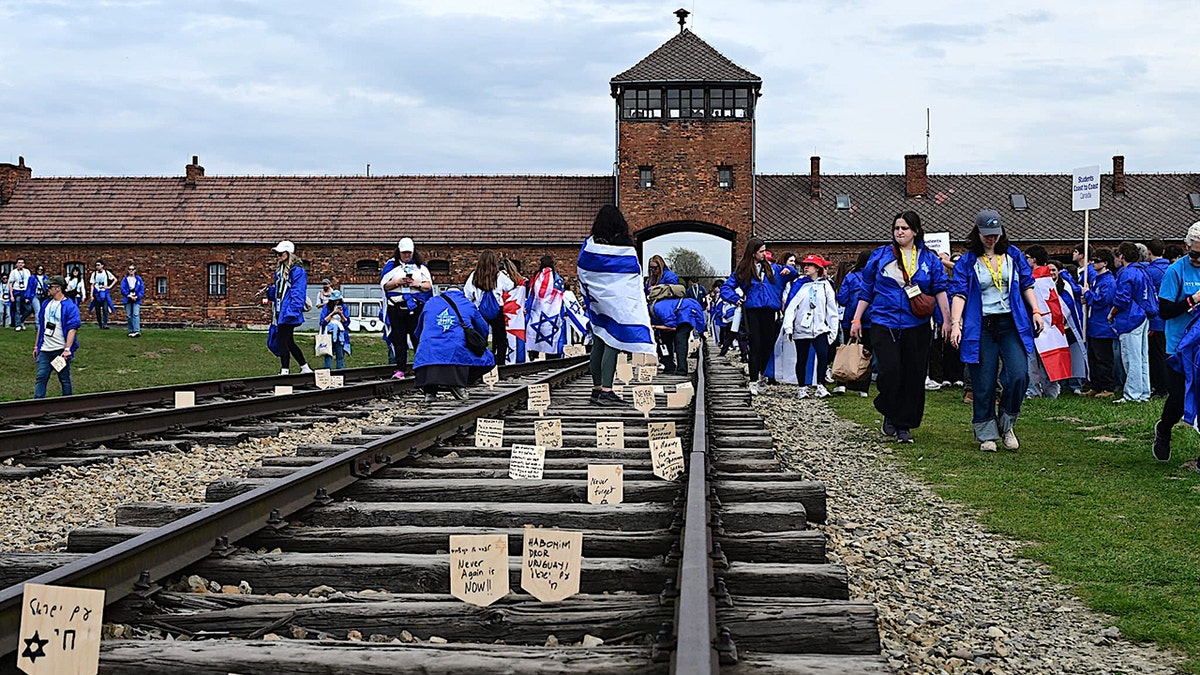
Crowds pass through the entrance of Auschwitz-Birkenau as they conclude the March of the Living on Tuesday April 14, 2026 . (Yossi Zeliger )
Moed said Israel has offered to expand cooperation with Canada across areas including education and security coordination, and has initiated roundtable discussions on policy, regulation and best practices.
U.S. Special Envoy to Monitor and Combat Antisemitism Yehuda Kaploun told Fox News Digital at Auschwitz that leadership accountability is critical to confronting antisemitism.
«It is incumbent upon law enforcement in various countries to designate terrorist organizations, as we have done with certain aspects of the Muslim Brotherhood and Iran’s Islamic Revolutionary Guard Corps. The world should do so collectively, and America is leading the way in that battle,» Kaploun said.
Earlier this month, shots were fired at a Jewish-owned restaurant in Toronto during Passover. In March, Israel’s minister of Diaspora affairs and combating antisemitism, Amichai Chikli, sent a letter urging Ottawa to increase efforts to protect Jewish communities after three synagogues in the Toronto area were hit by gunfire within just one week.
ISRAEL’S NETANYAHU DEMANDS WESTERN GOVERNMENTS ACT TO BATTLE ANTISEMITISM: ‘HEED OUR WARNINGS’
Richard Marceau, senior vice president of strategic initiatives and general counsel at the Center for Israel and Jewish Affairs, noted that Jewish Canadians are 25 times more likely than any other group to be victims of hate crimes.
«What we have seen in Canada is an all-level systemic failure to address Jew-hatred,» he told Fox News Digital.
«Confronting this crisis is essential not only to protect the Jewish community, but to safeguard the future of the Canadian way of life,» he continued. «All levels of government must do more to protect Canadians, including ensuring robust and consistent enforcement of existing laws, improving transparency in prosecutorial decisions, strengthening support – including financially – for community security, and addressing the drivers of radicalization in Canada.»
SanJaya Wijayakoon, an RCMP superintendent in Vancouver who joined a global law enforcement delegation on the March of the Living, said engagement with the Jewish community is central to policing.
SIGN UP FOR ANTISEMITISM EXPOSED NEWSLETTER
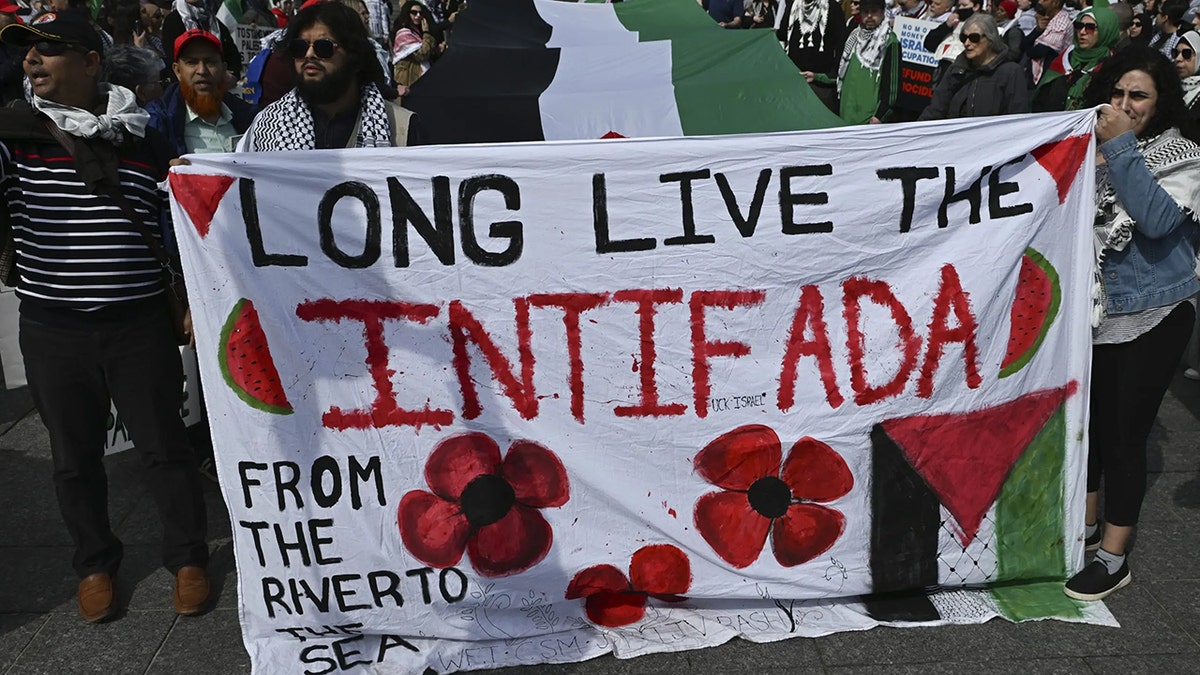
EDMONTON, CANADA – APRIL 13 Anti-Israel protesters holding antisemitic posters in Alberta, Canada on April 13, 2025. (Photo by Artur Widak/NurPhoto via AP)
«A big part of our work is to build contacts and maintain strong relationships through which we can receive information, provide advice and guidance on ensuring safety, and, if something crosses the line into criminality, investigate it fully,» he said.
«I think as the years pass, fewer and fewer people within the police understand what happened in 1945 in Europe. Being in this program and on this march allows us to return and speak to our people about what I learned and observed, and they can apply it in their day-to-day work,» he added.
Sylvan Adams, president of the World Jewish Congress Israel Region, pointed to the recent synagogue shootings in Toronto and criticized the government’s response as insufficient.
«I would like to see the prime minister properly define the problem and stop pussyfooting around, pretending radical Islam does not exist,» Adams said.
CLICK HERE TO DOWNLOAD THE FOX NEWS APP
«We are under attack. Foreign actors are operating in Western countries in three areas: they are sending radical imams into mosques, they are investing massive amounts of money in educational systems and they are targeting us on social media. I find the response by Western leaders, with the exception of President Trump, to be entirely lacking,» he said.
«Everyone in the West needs to wake up. They are trying to take away our freedom. It starts with the Jews but never ends with the Jews,» he added.
anti semitism, holocaust, hate crime, canada, mark carney
NEWYou can now listen to Fox News articles!
President Donald Trump said he is «prepared» to appoint up to three Supreme Court justices if vacancies arise, signaling he is ready to further reshape the high court as speculation swirls around a potential retirement from Justice Samuel Alito.
Trump told Fox Business’ Maria Bartiromo that Alito, an appointee of former President George W. Bush, could retire and that he has a shortlist of nominees in mind, though he did not mention any names.
The remarks sharpen the stakes around any potential vacancy, as Trump signaled he is ready to seize the opportunity to deepen the court’s conservative majority. With retirement speculation around Alito intensifying and Republicans eyeing the window before the 2026 midterms, the prospect of an opening is already putting fresh focus on succession politics.
«In theory, it’s two — you just read the statistics — it could be two, could be three, could be one,» Trump said. «I don’t know. I’m prepared to do it. But when you mention Alito, he is a great justice.»
JONATHAN TURLEY: KAMALA HARRIS BACKS RADICAL PLAN TO BLOCK TRUMP SCOTUS PICKS
U.S. Supreme Court Associate Justice Samuel Alito testifies about the court’s budget during a hearing of the House Appropriations Committee’s Financial Services and General Government Subcommittee March 7, 2019, in Washington, D.C. (Chip Somodevilla/Getty Images)
Rumors about Alito, 76, potentially retiring have grown because of his age, his two-decade tenure on the bench and speculation that he may want to make sure a conservative successor is confirmed by the current Republican-led Senate, especially before the upcoming midterm elections in which Republicans are at risk of losing or seeing a diminished majority.
The rumors were further fueled when it was revealed Alito was treated last month for dehydration after becoming ill at a Federalist Society dinner. A Supreme Court spokesperson clarified at the time that the justice was «thoroughly checked» and returned to the bench the following Monday.
TRUMP DISMISSES CALLS FOR ALITO, THOMAS TO STEP DOWN FROM SUPREME COURT, CALLING THEM ‘FANTASTIC’
Justice Clarence Thomas, an appointee of President George H.W. Bush, has drawn less retirement speculation despite being one year older than Alito at 77 and his own lengthy tenure. Thomas has been a conservative fixture on the court for more than three decades and holds a record as the second-longest serving justice in history.
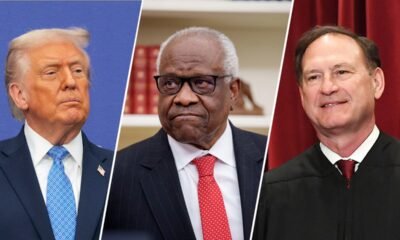
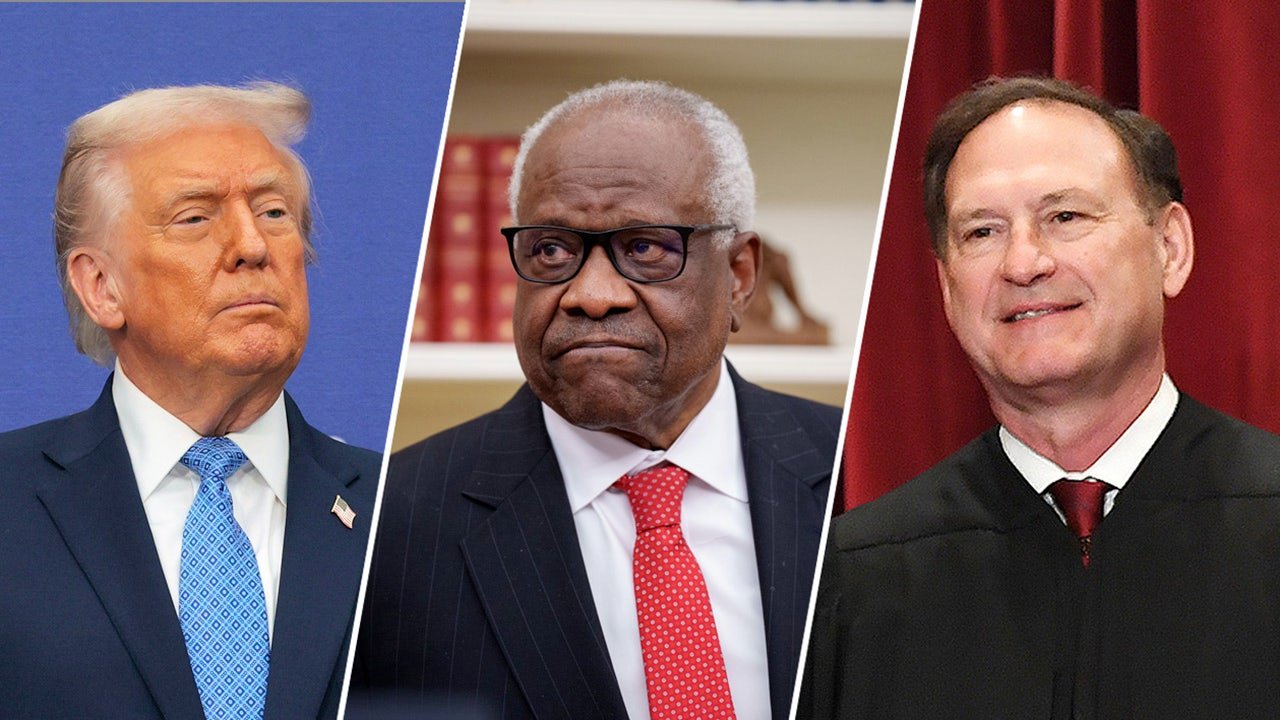
President Donald Trump and Supreme Court Justices Clarence Thomas, center, and Samuel Alito, right. (Chip Somodevilla/AFP/Getty Images)
Trump noted what he viewed as an upside to replacing Alito, who sides with him on nearly every high-profile court case, but said it would come at a cost.
«Justice Alito is an unbelievable justice, and a brilliant justice, and he gets the country,» Trump said. «He does what’s right for the country. It’s the law, and he goes by it as much as anybody, but he gets to the point. That’s good for our country. So … one way you should be, ‘Oh, I’m thrilled,’ but he’s so good.»
While many prominent conservative judges, from appellate court Judge James Ho to Florida-based federal Judge Aileen Cannon, have been floated as options in legal circles, Trump has not publicly revealed any of his preferences at this stage.
Senate Chairman Chuck Grassley, R-Iowa, told reporters this week he would recommend Sens. Ted Cruz, R-Texas, or Mike Lee, R-Utah, as top candidates if Alito were to retire. Grassley emphasized that he hoped Alito would not step down but said his committee is «fully prepared» to process a nominee before the upcoming midterm elections if needed.
Cruz said in a statement provided to Fox News Digital that having his name in the mix was a «high honor» but that he did not want the job.
«The reason I’ve said no is that a principled federal judge stays out of policy fights and stays out of political fights. … But I don’t want to stay out of policy fights. I don’t want to stay out of political fights,» Cruz said. «I want to be right in the middle of them.»
Lee’s office did not respond to a request for comment.
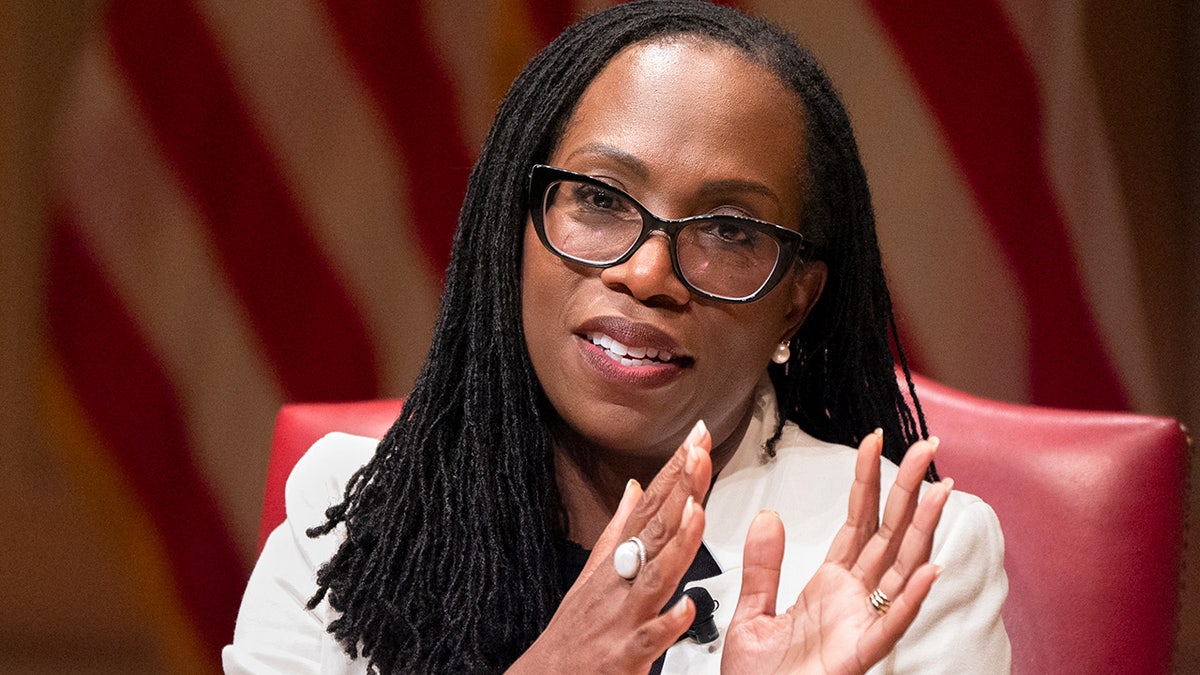
Supreme Court Justice Ketanji Brown Jackson speaks to the 2025 Supreme Court Fellows Program Feb. 13, 2025, at the Library of Congress in Washington, D.C. (Jacquelyn Martin/Pool/AFP)
CLICK HERE TO DOWNLOAD THE FOX NEWS APP
No president since Ronald Reagan has influenced the Supreme Court more than Trump, who secured three appointments during his first term, underscoring how Trump has shaped the 6-3 ideological divide on the court in favor of conservatives.
George H.W. Bush appointed two, as did George W. Bush and former presidents Barack Obama and Bill Clinton. Former President Joe Biden appointed one, Justice Ketanji Brown Jackson.
supreme court, midterm elections, donald trump, appointments, senate elections

Un gobernador aliado de Javier Milei se adelanta y busca suspender las PASO en su provincia

Paro a la japonesa: en reclamo por mayor presupuesto, la UBA hace una jornada de atención veterinaria y odontológica gratuita

Masashi Kishimoto revela qué mítico personaje de ciencia ficción inspiró Naruto: "Solo quería dibujar un monstruo"

La IA y la capacitación tecnológica impulsan aumentos salariales de hasta 30% en Chile
Los analistas, optimistas sobre el Q2 para el S&P 500 Por Investing.com

El que se duerme pierde: el frenético arranque de Bayern vs. Real Madrid con dos goles en menos de 6´

La Libertad Avanza suma territorialidad en Córdoba y se ilusiona con el desgaste peronista: las tensiones con la UCR

Los cuestionamientos a Manuel Adorni llegan a España, donde ya lo comparan con el caso de un ministro de Pedro Sánchez preso

Clima de Negocios: las empresas de EEUU, entre el despegue de sectores clave y la expectativa por la validación social de los cambios

Pope Leo XIV to visit fastest-growing Catholic continent during 4-nation Africa trip

 INTERNACIONAL3 días ago
Los cuestionamientos a Manuel Adorni llegan a España, donde ya lo comparan con el caso de un ministro de Pedro Sánchez preso
- POLITICA2 días ago
El mensaje que le mandó la escribana de Adorni a una de las testigos en la causa por enriquecimiento ilícito
- POLITICA2 días ago
Adorni también hipotecó su departamento anterior: otras dos mujeres le prestaron 100.000 dólares