INTERNACIONAL
Mamdani in the hot seat after first veto derails bipartisan effort to combat antisemitism: ‘Disappointed’

NEWYou can now listen to Fox News articles!
New York City Mayor Zohran Mamdani is sparking backlash after using his first veto to derail a bipartisan bill aimed at combating antisemitism by expanding protest security safeguards for places of education.
«This could impact workers protesting ICE or college students demanding their school divest from fossil fuels or demonstrating in support of Palestinian rights,» Mamdani said in a statement Friday.
«It is a piece of legislation that has alarmed much of the labor movement, reproductive rights groups and immigration advocates, among others, across this city.»
New York’s former Democratic Gov. Andrew Cuomo, who ran as an independent against Mamdani in the mayoral race last year, slammed Mamdani’s decision on X, saying he «chose the whims of his radical, extreme-left DSA base over the safety of students and Jewish New Yorkers at a time of rising antisemitism.»
MAMDANI IS AN EXISTENTIAL THREAT TO JEWISH NEW YORKERS
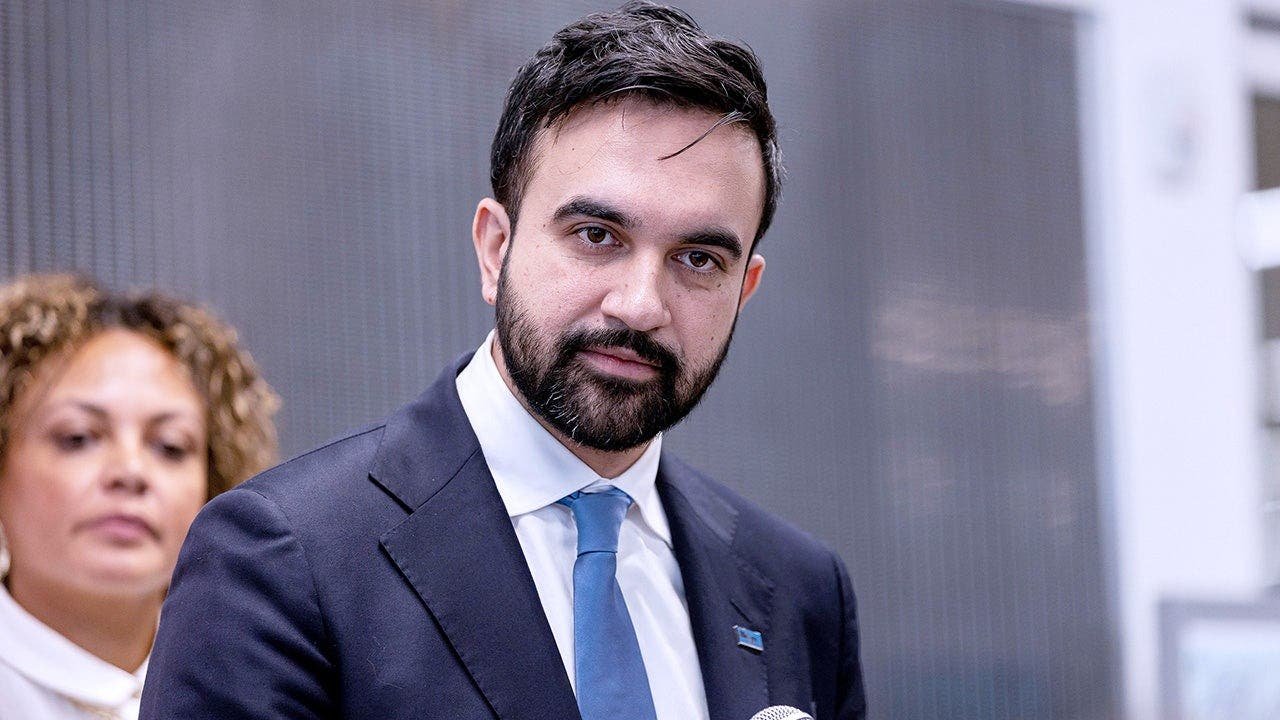
Zohran Mamdani announces new members of his team at the Brooklyn Public Library Greenpoint Branch in Brooklyn Dec. 17, 2025. (Shawn Inglima/ New York Daily News/Tribune News Service via Getty Images)
«Instead of governing for all NYers, Mamdani has repealed the very definition of antisemitism from the city’s books, changed how antisemitic crimes are counted and now vetoed these commonsense security measures when they are needed most,» Cuomo continued.
«I proudly stand shoulder to shoulder with my Jewish brothers and sisters — just as the Cuomos always have, and always will.»
The bill, Int. 175-B, requires New York law enforcement to develop a plan to contain the risk of physical obstruction, physical injury, intimidation and interference at educational facilities while still allowing for freedom of assembly and First-Amendment events. The plan would then apply to «any building, structure, or place where educational programming takes place.»
Julie Menin, the speaker of the New York City Council, had framed the bill as key to warding off threats of antisemitism.
«The legislation is part of the Council-led Five-Point Action Plan to Combat Antisemitism,» Menin said in March.
ELITE UNIVERSITY ATTENDED BY TRUMP’S SON CRACKS DOWN ON LEFT-WING STUDENT AGITATORS
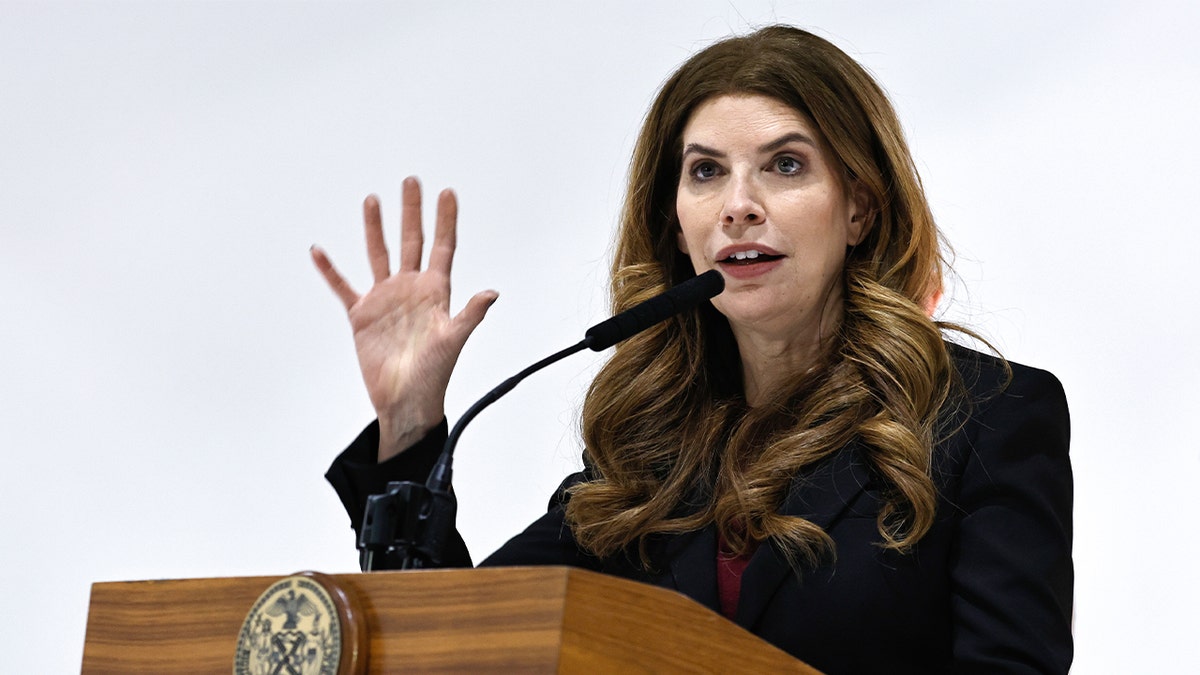
Julie Menin, speaker of the New York City Council, speaks during an announcement in the Brooklyn borough of New York City Jan. 12, 2026. (John Lamparski/Bloomberg)
«According to the NYPD, antisemitic incidents accounted for 57% of reported hate crimes in 2025, although only approximately 10% of New York City residents are Jewish. Jewish New Yorkers were the targets of hate crimes more than all other groups combined.»
The bill passed the New York City Council by a 30-19 vote late last month.
Commentators online criticized the veto, citing a need for enhanced protections.
«We are deeply disappointed by Mayor Mamdani’s veto of legislation designed to help protect students from intimidation and disruption outside schools,» the Simon Wiesenthal Center, a pro-Jewish group, said in a post to X.
«The right to protest and the right to an education can and must coexist. We urge the City Council to override this veto and reaffirm a basic principle: protecting students is not politics; it is a civic responsibility.»
«Mayor Zohran Mamdani (D- HAMAS) vetoed a bill for buffer zones around schools because it ‘could impact workers protesting ICE, or college students demanding their school divest from fossil fuels, or demonstrating in support of Palestinian rights,’» Ari Hoffman, a political commentator, wrote in his own post.
«All the bill would have done was require clear safety plans around schools with law enforcement.»
Mamdani approved a similar bill that applied to religious sites. He explained that he was concerned by the expansive range of what the second bill meant by «educational facilities.»
«The problem is how widely this bill defines an educational institution and the constitutional concerns it raises regarding New Yorkers’ fundamental right to protest. As the bill is written, everywhere from universities to museums to teaching hospitals could face restrictions,» Mamdani said in a statement.
NYC RABBI WARNS ZOHRAN MAMDANI ‘POSES A DANGER’ TO JEWISH COMMUNITY’S SAFETY
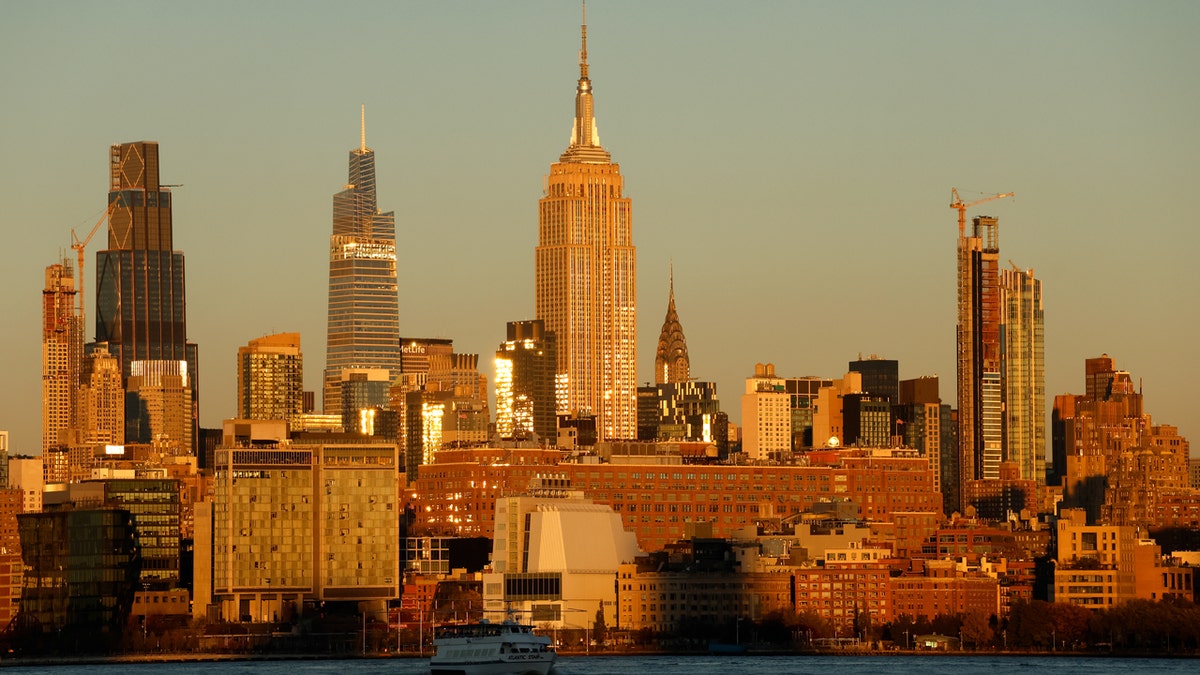
The sun sets on the skyline of midtown Manhattan and the Empire State Building in New York City Nov. 15, 2024. (Gary Hershorn/Getty Images)
CLICK HERE TO DOWNLOAD THE FOX NEWS APP
The city council could override a mayoral veto with a two-thirds vote, according to New York City’s charter. Doing so would require votes from 33 of the chamber’s 50 members.
Assuming the bill retains the support of the legislators that originally advanced it out of the council, it would require just three more votes to secure its implementation over Mamdani’s objection.
first amendment elections, new york, new york city, bills, zohran mamdani









INTERNACIONAL
Gobierno de Honduras acredita aumento salarial a maestros y asegura cumplimiento de acuerdos con el magisterio

El Gobierno de la República anunció este viernes que el aumento salarial para el sector docente ya comenzó a hacerse efectivo con el pago correspondiente al mes de junio, beneficio que fue acreditado a miles de maestros a nivel nacional.
La información fue dada a conocer mediante un comunicado oficial emitido por Casa Presidencial, en el que se detalla que el ajuste salarial forma parte de los acuerdos alcanzados con el gremio magisterial y representa un reconocimiento al trabajo que realizan los docentes hondureños.
Según el documento, el pago acreditado este mes incorpora el incremento acordado durante las negociaciones sostenidas entre las autoridades gubernamentales y representantes del sector educativo.
“El Gobierno de la República informa al noble qgremio magisterial y al pueblo hondureño en general que, a partir de hoy, se inició a hacer efectivo el pago de junio con el aumento salarial acordado con las maestras y maestros del país”, señala el comunicado.

Las autoridades destacaron que esta medida constituye un reconocimiento a la labor que desempeñan los docentes en la formación de la niñez y la juventud hondureña, resaltando la importancia del magisterio dentro del sistema educativo nacional.
De acuerdo con el pronunciamiento oficial, los maestros representan uno de los pilares fundamentales para el desarrollo del país y desempeñan un papel esencial en la construcción de mejores oportunidades para las futuras generaciones.

El Gobierno afirmó que el cumplimiento del incremento salarial también busca dignificar la profesión docente, fortalecer las condiciones laborales y respaldar el trabajo que diariamente realizan miles de educadores en las aulas.
“Este cumplimiento representa un reconocimiento justo a quienes, con vocación, entrega y compromiso, forman diariamente a la niñez y la juventud hondureña”, expresa el documento difundido por Casa Presidencial.
Las autoridades también señalaron que la acción refleja el compromiso del Estado con la educación pública y con el fortalecimiento del sistema educativo nacional.
Asimismo, indicaron que el cumplimiento del acuerdo se realiza mediante mecanismos responsables y transparentes, en un esfuerzo por mantener el diálogo y la cooperación con el sector magisterial.
El comunicado añade que el Ejecutivo continuará impulsando políticas orientadas a mejorar las condiciones laborales de los docentes, así como iniciativas encaminadas a fortalecer la calidad educativa en el país.
Durante los últimos meses, representantes del magisterio y funcionarios del Gobierno sostuvieron diversas reuniones para abordar temas relacionados con salarios, beneficios laborales y necesidades del sistema educativo.
El ajuste salarial era una de las principales demandas planteadas por el sector docente, que venía solicitando el cumplimiento de compromisos económicos y mejoras en sus condiciones laborales.

Las autoridades sostienen que la inversión en educación y en el personal docente constituye una apuesta estratégica para el desarrollo nacional y el fortalecimiento del capital humano.
“Con esta acción, el Gobierno honra la palabra empeñada y reafirma su compromiso de dignificar la labor docente, fortaleciendo las condiciones del magisterio nacional mediante hechos concretos, responsables y transparentes”, añade el comunicado.
Finalmente, el Gobierno reiteró su disposición de continuar trabajando junto al sector educativo para impulsar nuevas acciones que beneficien a los docentes y contribuyan al fortalecimiento del sistema educativo hondureño.
Las autoridades concluyeron señalando que invertir en los maestros es invertir en el presente y en el futuro de Honduras, al considerar que la educación sigue siendo uno de los principales motores para el desarrollo del país.
Honduras,escuela,educación,lempira,útiles escolares
INTERNACIONAL
Newsom begs Californians to vote ‘no’ on billionaire’s tax in face of mass exodus, pitches nationwide tax hike
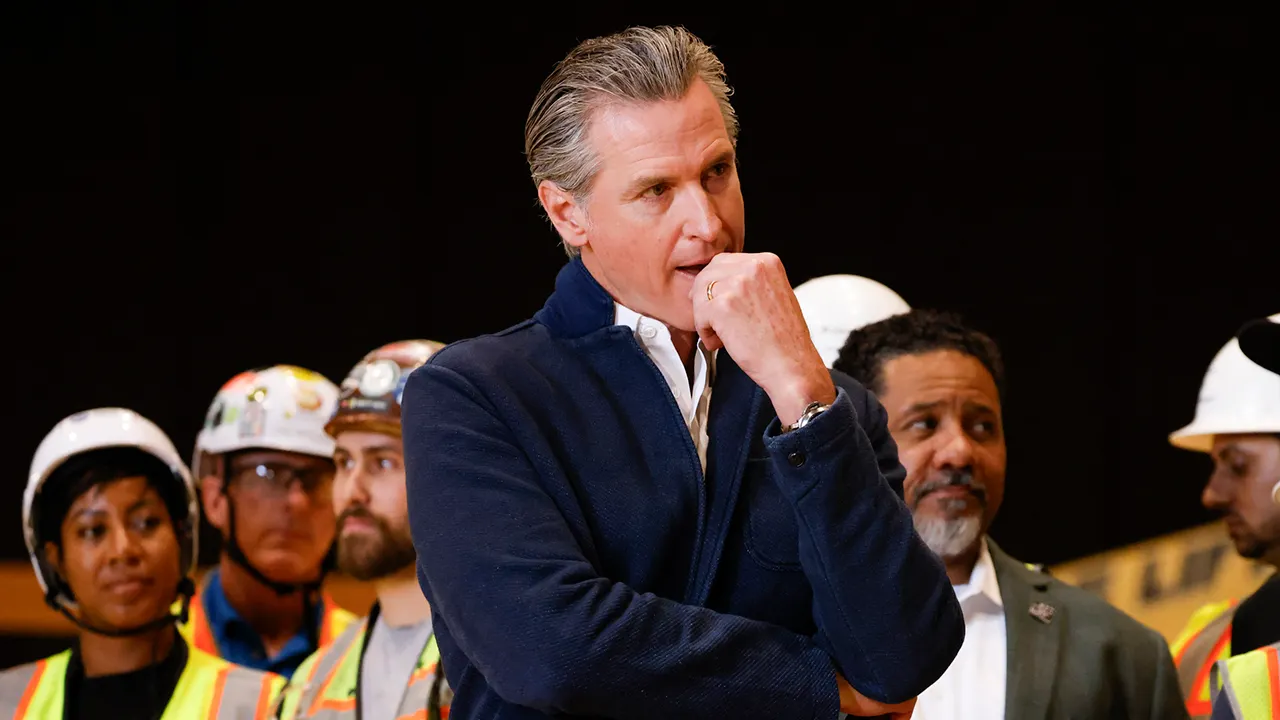
CA billionaire tax faces legal challenge, Newsom opposes it
FOX Business Host Cheryl Casone reports on California’s controversial billionaire tax, a one-time 5% levy on residents worth over $1 billion. This measure, which would retroactively apply from January 1, 2026, is opposed by Gov. Gavin Newsom. Critics question its legality and potential for billionaires to exit the state.
NEWYou can now listen to Fox News articles!
California Democratic Gov. Gavin Newsom is facing another blow after a massive wealth tax he warned could cause a wealth and business exodus from the state was officially added to the November ballot.
Despite his opposition, the measure’s sponsor, Billionaire Tax Now, announced Thursday that it was officially being added to the state’s ballot. The measure, called the California Billionaire Tax Act, would impose a one-time, «emergency» 5% tax on Californians with assets exceeding $1 billion. The tax has been endorsed by socialist Sen. Bernie Sanders, I-Vt., who called it «reasonable and necessary» «at a time of unprecedented and growing wealth consolidation and income inequality.»
However, Newsom, a rumored frontrunner for the Democratic Party’s presidential nomination, has come out strongly against the tax, citing fears that billionaires will simply up and leave to states like Texas or Florida.
In a lengthy Substack post on the tax, Newsom wrote, «Last night, it became certain that a wealth tax would be placed on the November ballot in California. I’m voting no.»
SOCIALISM VS CAPITALISM: HOUSE DEMS CLASH OVER WHAT NY ELECTION RESULTS MEAN FOR PARTY
California Democratic Gov. Gavin Newsom has come out strongly against a proposed state billionaire tax while pushing a similar national tax. (Carlin Stiehl / Los Angeles Times via Getty Images)
«You may not be able to pick up and move to Texas or Florida to shelter your income from taxation, but I promise you that billionaires can, and do,» he wrote, adding, «Wealth is movable, and it shops for the state with the lowest taxes.»
In a state that has already lost prominent business figures such as Elon Musk, Google co-founder Larry Page and Oracle founder Larry Ellison, Newsom is not the only one warning that the billionaire tax could worsen California’s ongoing exodus.
Earlier this year, Silicon Valley tech entrepreneur Allison Huynh predicted in an interview with Fox News Digital that the tax would cause a «mass migration,» starting with «not just the billionaires, but the people who are investing in new ideas, in new infrastructure, whether it’s AI, healthcare, tech, robotics.»
Huynh likened the proposed tax hike to a restaurant about to go out of business.
«Instead of lowering the price, they increase the price,» she said. «And then you go into the restaurant, and it’s like $50 for a bowl of really bad dumplings.»
Fox News Digital reached out to Billionaire Tax Now for comment.
BLUE STATE’S BILLIONAIRE EXODUS ABOUT TO GET MUCH WORSE IN 2026, INSIDER WARNS
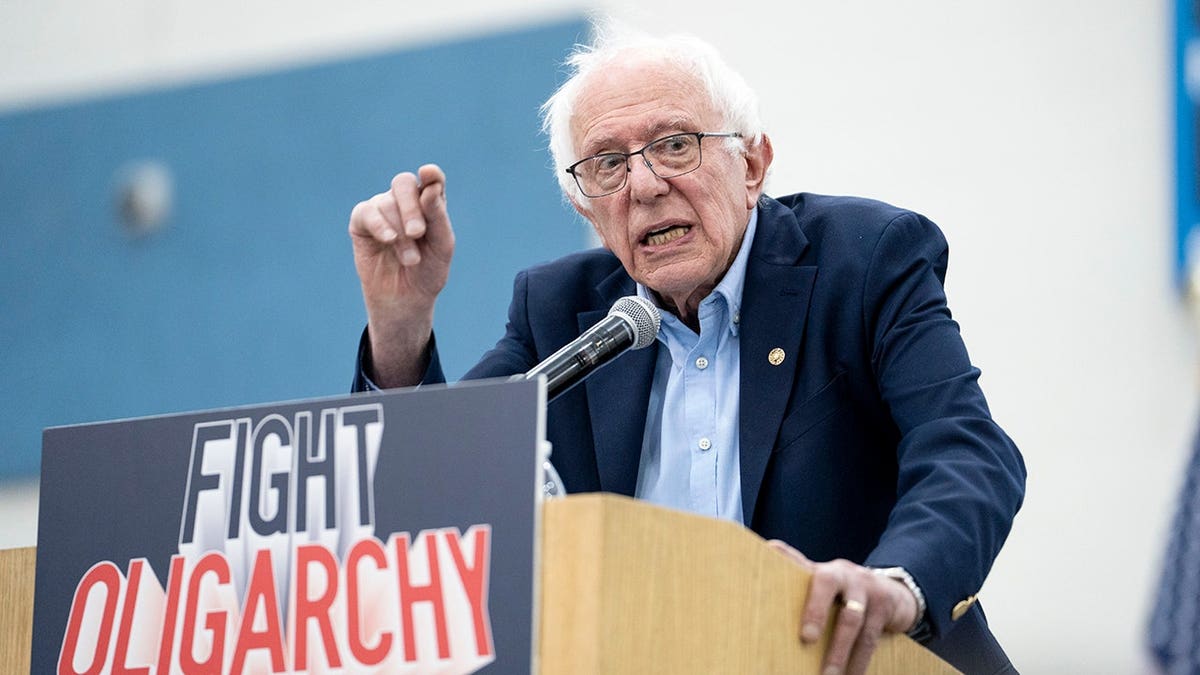
Sen. Bernie Sanders, I-Vt., endorsed the California billionaire tax. (Sarah Rice/Getty Images)
After news of the measure being added to the ballot broke, Newsom called on the U.S. to institute a national billionaire tax and what he referred to as «a new social contract.»
In an X post, Newsom wrote that «the system is fundamentally broken. The federal tax code, a corporate code, and an inheritance code were written for a different set of Americans. It’s time for an economic reset.»
In his Substack post, he argued «the fight to make the wealthiest Americans pay more in taxes is not one we should be fighting state by state.» Instead, he wrote, «The fight belongs at the federal level, where this broken system was created in the first place.»
In January, Newsom said he felt vindicated in opposing the proposed wealth tax after reports showed some of California’s wealthiest residents moving money and businesses out of the state, warning the measure would damage the economy and drive away investment.
«This is my fear,» Newsom said in a Politico interview on Monday. «It’s just what I warned against. It’s happening.»
«The evidence is in. The impacts are very real — not just substantive economic impacts in terms of the revenue, but start-ups, the indirect impacts of … people questioning long-term commitments, medium-term commitments,» he continued. «That’s not what we need right now, at a time of so much uncertainty. Quite the contrary.»
Despite Newsom’s opposition, the group behind the tax effort — Billionaire Tax Now, sponsored by the Service Employees International Union – United Healthcare Workers West — proceeded to add it to the ballot.
The union posits that the tax will «prevent the collapse of California healthcare and help fund California public K-14 education and state food assistance programs.»
BERNIE SANDERS, DSA REVEAL DEMANDS FOR DEM PARTY AFTER SOCIALISTS SWEEP NEW YORK ELECTIONS
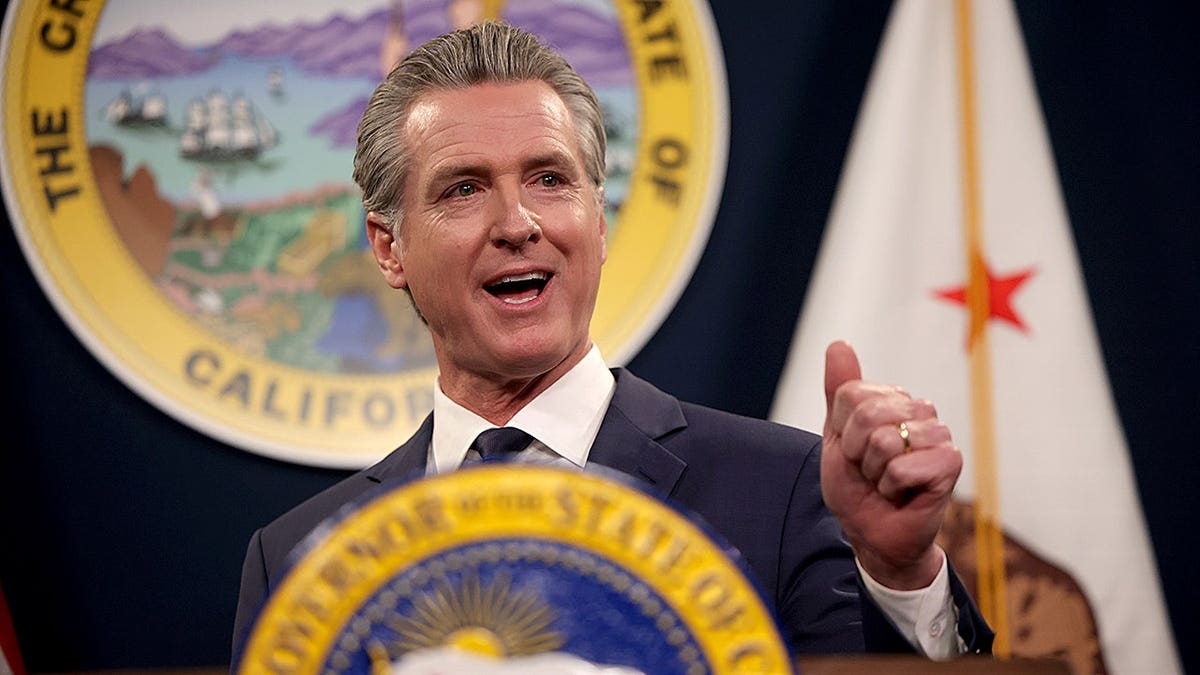
California Gov. Gavin Newsom delivers his final state budget plan at the Capitol Annex Swing Space in Sacramento on May 14, 2026. (Gabrielle Lurie/San Francisco Chronicle via Getty Images)
Billionaire Tax Now is confident the measure will pass, posting on X that «while a few controversial billionaires and their buddies in Sacramento want to see California’s hospitals close and tax breaks for billionaires protected – popular support is on our side.»
Meanwhile, some of Newsom’s detractors claim that his opposition to the measure is driven by a desire to appeal to potential presidential donors.
CLICK HERE TO DOWNLOAD THE FOX NEWS APP
Billionaire Tax Now reposted an X post by David Sirota, founder of the progressive investigative news outlet The Lever, in which he asserted that «Gavin Newsom is trying to protect 250 prospective 2028 presidential donors, even if that means 3 million of his constituents are medically bankrupted.»
Reached for comment, Newsom’s office directed Fox News Digital to his Substack and video.
gavin newsom, governors, taxes, california, bernie sanders, democratic party
INTERNACIONAL
Ukraine launches what appears to be one of its largest drone attacks against Russia: report
Secretary Rubio clarifies US stance on Russia, Ukraine conflict
Secretary Rubio clarifies the US stance on alleged agreements with Russia over Ukraine from Manama, Bahrain. He states there was only a proposal, not a full agreement, and that the US remains committed to playing a constructive role in ending the bloody war. Rubio notes the high casualties, particularly among Russian soldiers, highlighting the conflict’s devastating impact.
NEWYou can now listen to Fox News articles!
As the brutal war between the two nations continues to rage, Ukraine conducted a significant nighttime assault against a dozen Russian regions, Russian-held Crimea as well as the surrounding seas, Russia’s Ministry of Defense indicated on Friday, according to The Associated Press, which reported that the effort appeared to be one Ukraine’s largest drone attacks since Russia’s full-scale invasion several years ago.
The ministry reported that the country’s air defenses intercepted a whopping 660 Ukrainian drones, according to the outlet, which noted that the prior largest Ukrainian assault during the past year included 556 drones last month on May 17.
Moscow Mayor Sergei Sobyanin indicated that 47 Ukrainian drones were taken out as they headed for the capital city, according to the report.
‘PURE HELL’ IN MOSCOW AS UKRAINIAN DRONES STRIKE MAJOR REFINERY SUPPLYING CAPITAL’S FUEL MARKET
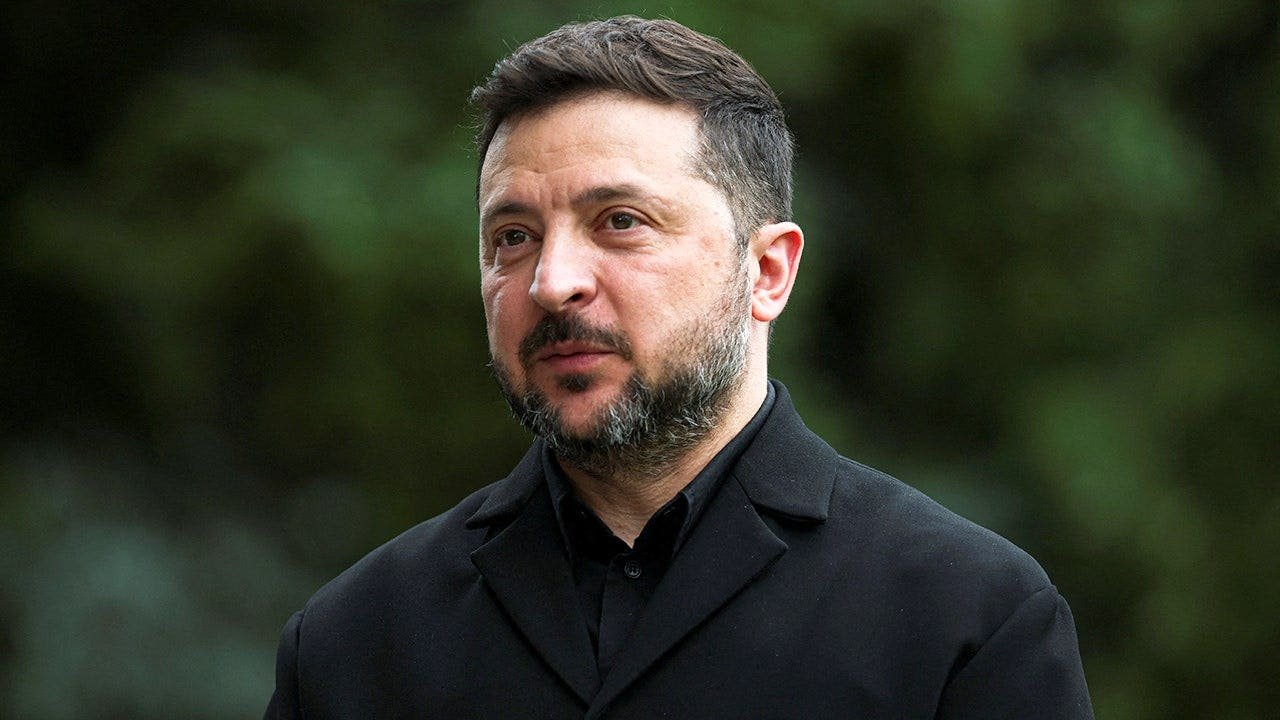
Ukraine’s President Volodymyr Zelensky gestures during his meeting with Britain’s Prime Minister on the sideline of the G7 summit, in Evian, eastern France, on June 16, 2026. (Isabel Infantes / POOL / AFP via Getty Images)
The AP reported that Ukraine’s air force indicated that the nation’s defenses stopped 174 of 189 Russian drones overnight, though four out of seven Iskander-M ballistic missiles breached air defenses and hit various places.
But even as the years-long war between the two countries drags on, the bitter enemies engaged in a prisoner swap, according to the AP, which reported that officials said 160 individuals from each side were going home on Friday.
RUSSIA PREPARING HYBRID ATTACKS ON NATO’S EASTERN FLANK, INTELLIGENCE WARNS
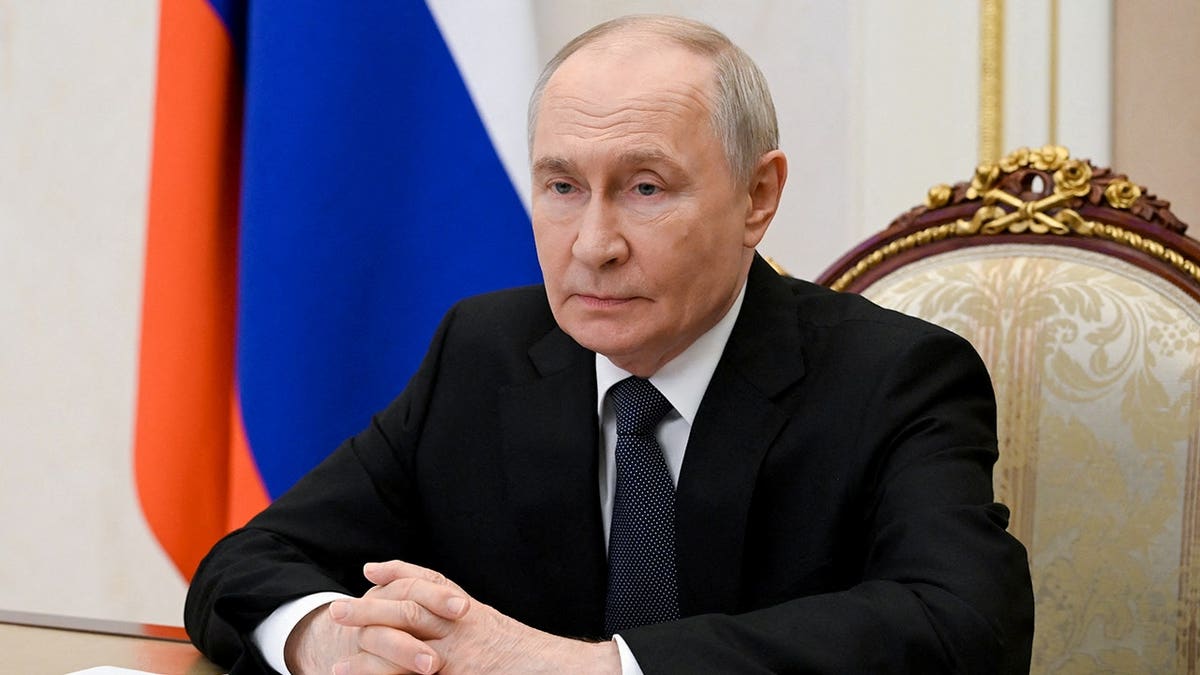
In this pool photograph distributed by the Russian state agency Sputnik, Russia’s President Vladimir Putin chairs a Security Council meeting via videolink in Moscow on June 25, 2026. (Pavel Byrkin / POOL / AFP via Getty Images)
Ukrainian President Volodymyr Zelenskyy noted in a Friday post on X, «We continue bringing Ukrainians home from Russian captivity. Today, 160 servicemembers were released from captivity. All of them had been held captive since 2022.»
«Among those released today are servicemembers of the Armed Forces of Ukraine, the State Special Transport Service, National Guard warriors, and border guards. They defended Ukraine in Mariupol and at Azovstal, as well as in the Donetsk, Luhansk, Kharkiv, Zaporizhzhia, Kyiv, Chernihiv, and Sumy sectors,» he continued.
FUNERALS, BEAUTY QUEENS AND BOMBS: THE UKRAINIAN CITY THAT WON’T LET PUTIN WIN
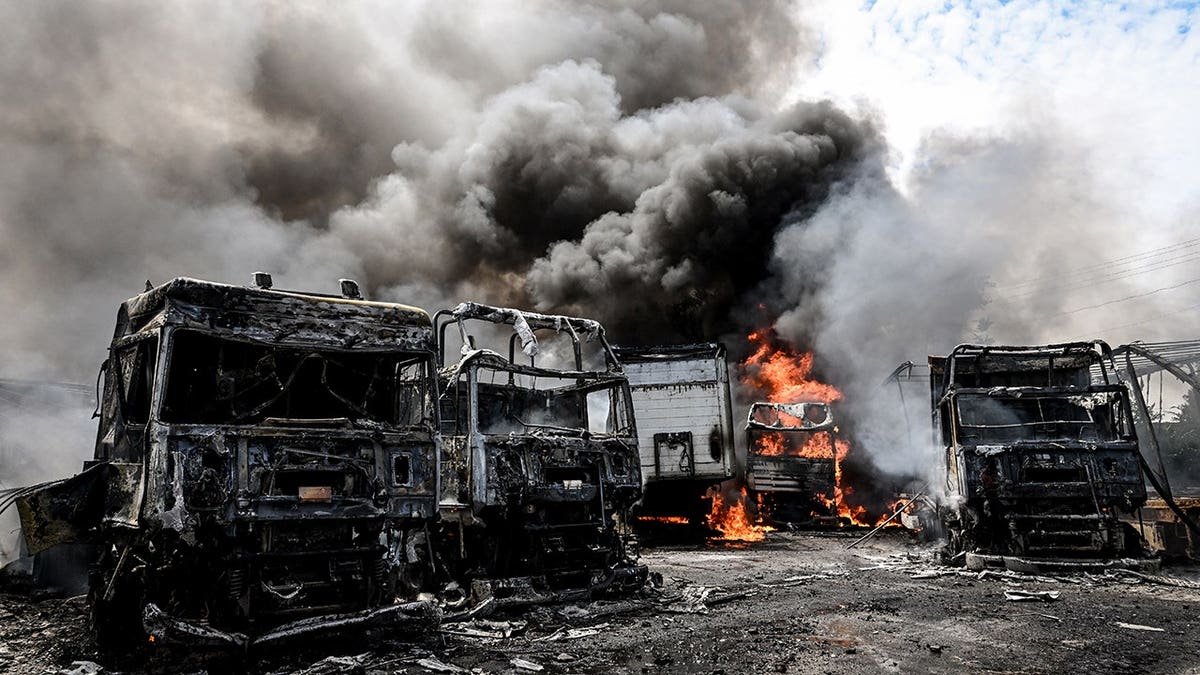
Trucks are engulfed by smoke from a fire at a parking lot in Zaporizhzhia, Ukraine, on June 25, 2026. (Dmytro Smolienko/Ukrinform/NurPhoto via Getty Images)
CLICK HERE TO DOWNLOAD THE FOX NEWS APP
«I thank our entire team, which works every day to bring our people back. Special gratitude to all our units on the frontline who replenish Ukraine’s ‘exchange fund’ and, through their courage, make it possible for us to bring people home. We remember everyone who remains in captivity. We are checking every name. We must bring everyone back – both military personnel and civilians,» Zelenskyy added.
The Associated Press contributed to this report
wars, drones, world, russia, ukraine

Chiqui Tapia se aferra a Messi y desafía desde EE.UU. mientras se complica su frente judicial en la Argentina

La Libertad Avanza reúne a sus principales referentes en Río Gallegos para fortalecer el armado en Santa Cruz

Gobierno de Honduras acredita aumento salarial a maestros y asegura cumplimiento de acuerdos con el magisterio

El dólar operó sin cambios y se sostuvo en su precio más alto en seis meses

Nicolás Vázquez y Dai Fernández de vacaciones en Londres: paseo por el Támesis, el Soho y una noche de teatro en el West End

Morena Beltrán en Infobae Mundial: “No quiero enfrentar a Uruguay de ninguna manera”

“El mejor del mundo”: los elogios a Messi y a la selección argentina en el arco político tras el triunfo ante Austria

Diputados: con el apoyo de bloques aliados, LLA logró frenar la sesión en la que la oposición buscaba interpelar a Adorni

El Senado bonaerense no sancionó este año ni una sola ley, pero gasta $428 millones por día

Neuquén, en alerta por Vaca Muerta: escuelas y sistema de salud, superpoblados

 ECONOMIA2 días ago
Nuevos controles a las devoluciones de 30% por gastos en el exterior: cómo pedir el reembolso del dólar tarjeta ante ARCA
- SOCIEDAD2 días ago
Desesperación y burocracia: Pacientes con cáncer denuncian esperas de más de 20 días en PAMI para recibir su medicación
- SOCIEDAD3 días ago
El CEO de Epic Games tiene claro por qué fracasan los nuevos juegos multijugador, y el culpable puedes ser tú y tus amigos