INTERNACIONAL
AI boom tests GOP’s midterm affordability pitch as price pain spreads

NEWYou can now listen to Fox News articles!
Republicans are warning that their ability to deliver on lowering everyday costs, one of their core campaign promises heading into the 2026 midterms, is being tested by an AI-driven chip shortage that has spilled into consumer markets.
«When you have a big race like we have with AI, there are secondary effects that we need to be very concerned about,» former Rep. Patrick McHenry, who served as House Financial Services Committee chairman, told Fox News Digital, adding, «It is hurting Republicans.»
Tech industry reports have for months been raising alarm over a global chip shortage. In January, a report predicted that this year, 70% of the high-end memory chips produced would go toward data centers, which store AI memory, constraining all other downstream technology and driving up prices, directly undermining Republicans’ affordability agenda.
AFFORDABILITY: THE ISSUE THAT BOOSTED TRUMP AND REPUBLICANS IN 2024 DEFLATED THEM IN 2025
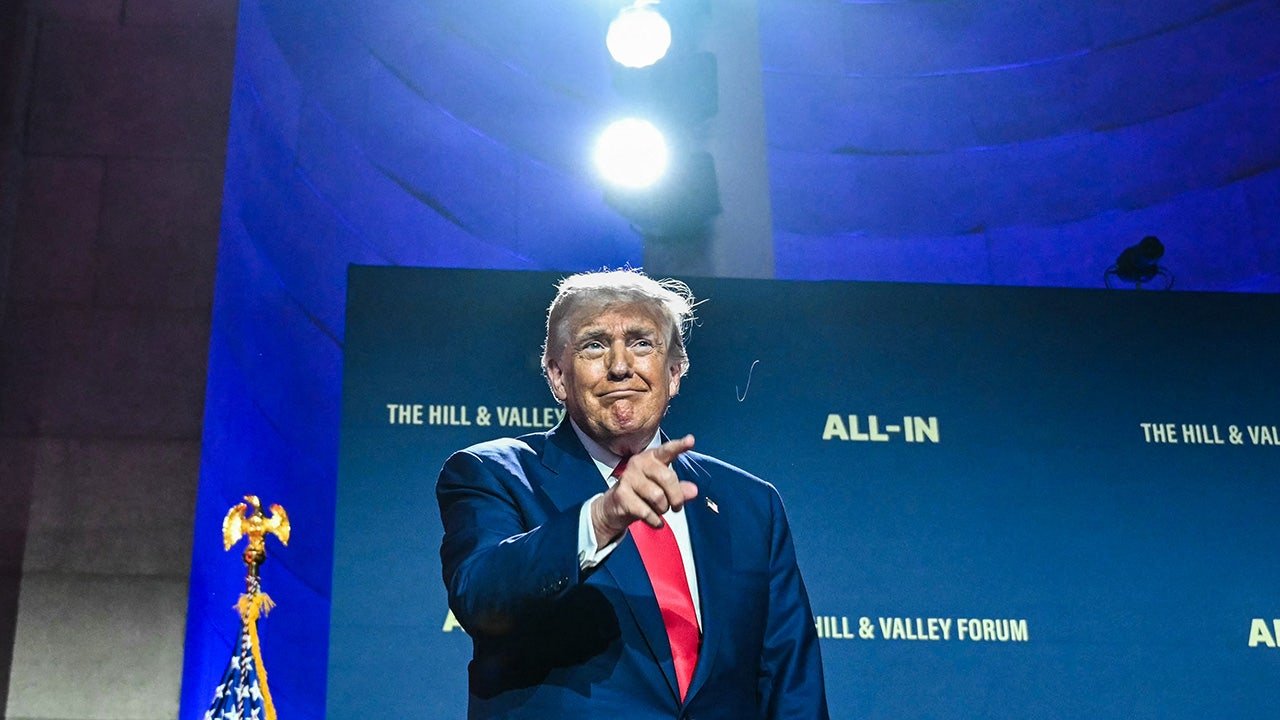
President Donald Trump delivers remarks at the «Winning the AI Race» AI Summit at the Andrew W. Mellon Auditorium in Washington, D.C., on July 23, 2025. (Andrew Caballero-Reynolds/AFP)
«We see this from our handheld devices to our computers, to TVs,» McHenry, a North Carolina Republican congressman turned policy advisor, said in an interview. «Even autos are impacted, and even things such as what we think of as average everyday things that aren’t particularly high-tech, like the things we use to manicure our lawns are impacted by rising prices of chips, so there’s a lot of secondary effects across consumer goods and should be a huge concern.»
Heading into 2026, President Donald Trump framed the midterms as a referendum on cost of living, saying in a Politico interview the elections «will be about pricing.»
Historically, the party in control loses seats during the midterms. One Republican strategist told Fox News Digital that AI’s well-documented dominance over the chip market should be viewed as hurting voters’ pocketbooks. The strategist called on the three largest chip manufacturing companies to expand production, which he said would help bolster the GOP’s campaign message.
«America must win the artificial intelligence race. Companies like Samsung, SK Hynix and Micron understand that,» the strategist said. «At the same time, we can’t forget about consumer goods. Memory chip manufacturers need to increase production to boost both American AI and lower the cost of consumer goods. If they don’t, it will undoubtedly hurt Republicans politically in the midterms. How can Republicans campaign on ‘lower costs’ in 2024, but see computer and car prices rise in 2026 due to a lack of chip production?»
TRUMP TORCHES DEMS’ ‘FAKE AFFORDABILITY’ PITCH – BUT GOP PANIC IN DEEP RED STATE HINTS VOTERS AREN’T BUYING IT

The OpenAI logo appears on a mobile phone in front of a computer screen displaying ChatGPT output in Boston on March 21, 2023. (Michael Dwyer/AP)
The AI boom is increasing demand for memory chips, which are semiconductor components used in data centers, laptops and smartphones.
That chip consumption has rippled across industries. Microsoft this month attributed its rise in laptop prices to «recent increases in memory and component costs.» The smartphone market remained «under pressure,» with shipments down 6% this year, largely because of chip shortages, Counterpoint Research found.
Sen. Bernie Moreno, R-Ohio, previously a car dealership owner, warned in a letter this month his state was seeing «immediate and severe» consequences of rising chip prices and that automakers have said they could begin halting assembly lines as early as next month.
While affordability has been a resounding priority for Republicans seeking to retain control in Washington, AI advancements are also a pillar of Trump’s agenda. The White House declared last year in a sweeping plan that the country was in «a race to achieve global dominance in artificial intelligence» and cited the need for a «revitalized U.S. chip industry.»
Asked about the AI-driven affordability concerns, White House spokesman Kush Desai told Fox News Digital in a statement that the White House was cognizant of the clash and balancing it with a «nuanced» economic plan, which includes Trump’s signature worldwide tariffs, which the president restructured after the Supreme Court struck down his initial plan implementing them in the name of what he said was a global economic emergency.
«The fact that semiconductor chips are absolutely critical for everything from cutting-edge AI technology to everyday consumer goods only reinforces the importance of President Trump’s push to reinvigorate America’s semiconductor industry,» Desai said. «Hundreds of billions in semiconductor manufacturing investments reflect how the private sector is enthusiastically responding to the Administration’s nuanced and multi-faceted agenda of tariffs, deregulation and tax cuts.»
KEVIN O’LEARY WARNS CHINA ‘KICKING OUR HEINIES’ IN AI RACE AS REGULATORY ROADBLOCKS STALL US
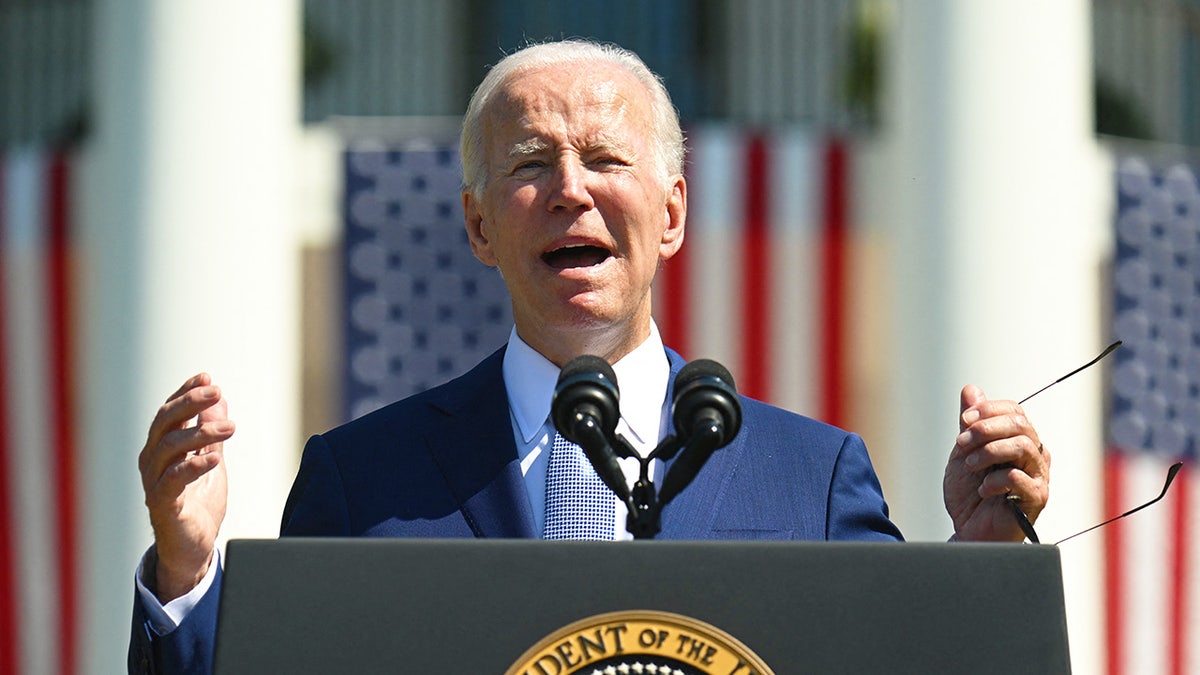
President Joe Biden speaks during a signing ceremony for the CHIPS and Science Act of 2022 on the South Lawn of the White House in Washington, D.C., on Aug. 9, 2022. (Saul Loeb/AFP)
The strain on supply is also raising new questions about the effectiveness of the bipartisan CHIPS Act, a Biden administration bill designed to boost domestic production and prevent precisely the kind of shortage markets are now seeing.
McHenry, who specializes in fintech policy, said the CHIPS Act, a multibillion-dollar effort to pour federal subsidies and tax incentives into U.S. chip manufacturing, has been a «grave disappointment.» McHenry said both that the White House had «a lot more work» to do to address the supply shortage and that congressional reforms were another way to improve domestic chip production.
«Unfortunately for the taxpayer, they paid for the CHIPS Act the first time, and now they’re paying for it a second time with the rising price of consumer goods,» McHenry said. «Republicans need to address this on Capitol Hill. They need to clean up the CHIPS Act, so the president can deploy these tools to incentivize and grow chip manufacturing here in the United States.»
Rep. Darrell Issa, R-Calif., who founded a successful car security company, said he sees a need for chip production expansion, tying it to consumer costs, in a statement to Fox News Digital.
CLICK HERE TO DOWNLOAD THE FOX NEWS APP
«America leads the world in AI — and we stay there by unleashing the nation’s industrial base, ramping up chip production and memory as never before and lowering the consumer costs people pay every day,» he said.
The congressman said more chips were «essential» to delivering on the GOP’s promises of «opportunity, prosperity and affordability.»
Fox News Digital reached out to representatives of Samsung, SK Hynix and Micron for comment.
artificial intelligence, midterm elections, consumers, samsung, republicans













INTERNACIONAL
Drogaba a su esposa y la obligaba a tener sexo con desconocidos: así cayó el hombre que ganó casi 100 mil euros

Alrededor de 280 hombres en poco más de dos años pasaron por su casa. Llegaban de la mano de su marido: Thomas Runsten, un sueco de 61 años. Él era quien incitaba a la mujer a tener sexo con los desconocidos. La manipulaba psicológicamente, la emborrachaba y la drogaba para que la mujer se acostara con hombres que pagaban al marido para hacerlo. La mujer casi no recordaba los encuentros pese a que eran muy frecuentes. Mientras tanto, Runsten se beneficiaba cobrando los servicios sexuales. Ganó decenas de miles de dólares.
Runsten había instalado en la casa 11 cámaras para grabar los encuentros. No se sabe si con el fin de estimularse él a posteriori, de hacer más dinero comercializándolos por la web o para extorsionar a los clientes que conseguía y llevaba a su casa.
Runsten fue juzgado esta semana en Suecia y condenado a 4 años y cinco meses de prisión.
El hombre, con pasado militar, era parte de los Hells Angels, la banda de motoqueros que se distinguen por sus camparas de cuero negro, sus Harley Davidson y, en el pasado, por su violencia feroz.
La pareja se conoció en 2021. Al poco tiempo vivían juntos. Se mudaron a Lunde, un pequeño pueblo sueco de poco más 7000 habitantes. A fines de 2025, la mujer abandonó el hogar sin más que lo puesto y se presentó ante la policía para denunciar a su marido.
La mujer contó los hechos ante un azorado policía. Dijo que era obligada a prostituirse y que cuando intentó oponerse fue golpeada y amenazada; aseguró que el marido le gritaba que le cortaría los dedos o que le tiraría nafta mientras dormía y la prendería fuego. En ese momento no solo quería dejar el comercio sexual que era obligada a practicar, sino que temía por su vida y la de sus mascotas. Thomas junto a su esposa. (Foto: Instagram / @rolfthomasreinhold)
El Caso Pelicot
Aunque tiene evidentes puntos de contacto con el Caso Pelicot, que conmocionó a Francia y al mundo, también existen diferencias entre ellos más allá de lo dispuesto en la sentencia.
Gisele Pelicot fue drogada por su marido durante casi una década. Ella no tenía conciencia de que era violada por desconocidos mientras su marido grababa los encuentros. Dominique Pelicot fue condenado a 20 años de prisión. Su esposa recién supo de las violaciones cuando la policía francesa lo detuvo en un supermercado tratando de filmar debajo de las polleras de las clientas. Al allanar la casa encontraron la evidencia de los abusos sufridos por Gisele.
Una de las grandes diferencias de esta causa sueca con el caso Pelicot fue la calificación que dieron los jueces a estos actos. No lo consideraron violación (aunque en uno de los casos presentados dijeron que hubo tentativa de violación). Esto provocó la mayor polémica en el caso Runsten. La ley sueca es restrictiva en cuanto a este tipo de delitos sexuales y deben probarse fehacientemente. Los magistrados dejaron claro que el marido traspasó los límites impuestos por la mujer, los límites habituales de la relación, pero que ello no implicaba que hubiera incurrido en violación porque entendieron que no podían hablar de “falta de voluntad, de consentimiento de la mujer porque no quedó fehacientemente acreditado”.
Lo que dieron por probado fue el sometimiento por parte del marido para que la mujer aceptara prostituirse. La condena fue por proxenetismo, amenazas varias, un intento de violación y lesiones.
Durante el juicio, la defensa intentó probar que había consentimiento, que se trataba de un “juego” dentro de la pareja. Con ese fin aportó mensajes de WhatsApp. Runsten enviaba a la mujer capturas con las conversaciones con los clientes en los que se fijaban la fecha, el horario, el tipo de servicio que se pretendía y el importe que se pagaría. Cuando la policía registró la casa encontraron juguetes sexuales y una «habitación sexual». (Foto: Expressen)
En otras conversaciones, Runsten le pregunta a la esposa, poco antes de que alguno de los hombres llegara a su casa, si estaba excitada. Con ese aporte, la defensa de Rusten alegó que todo se trataba de un juego interno en la pareja. Que el hombre disfrutaba del cuckold, de ocupar el rol de marido engañado y sometido, que presenciaba los actos sexuales de su esposa con otros hombres.
Runsten en su declaración ante el tribunal fue más lejos. Afirmó que fue la mujer la que insistió en abrir la pareja y en “jugar a la prostitución”. Que en una ocasión luego de tener sexo le preguntó cuál era su fantasía oculta, su fetiche, y ella respondió tener sexo con otros hombres mientras él observaba. Luego agregó que ella quería ser como Julia Roberts en Mujer Bonita, una prostituta de lujo.
El acusado dijo que la ocasión que dio inicio a la práctica fue que él enfermó de cáncer y perdió la capacidad para tener erecciones. Siempre según los dichos del hombre, ella le dijo que si no podía tener relaciones con él, tendría que conseguirle otros hombres: “Te dejo o me acuesto con otros”.
Los jueces rechazaron estos argumentos porque también encontraron en el teléfono del acusado mensajes de unos meses anteriores a que empezara la sumisión de la mujer dónde Runsten le proponía este tipo de juegos y fantasías, y ella no accedía de ninguna manera (“No entiendo tu obsesión por verme con otros”, le escribe ella). Hasta que comenzó a horadar su voluntad con las amenazas, la bebida y las drogas. La sentencia agrega que de fantasía no tuvo nada, ya que había nombres, fechas, citas concretas, sexo real, sometimiento y el pago de una tarifa que cobraba el marido. Todo muy real. Las violaciones habrían ocurrido en el interior de un motor home que tenía Tomas Runsten. (Foto: Expressen)
Sin embargo, con el aporte de estos chats Runsten logró evitar la condena por violación aunque se autoincriminó como proxeneta porque toda la operatoria quedó registrada ahí. Lo que los mensajes no dicen (al menos los que aportó él) es que para que la esposa accediera, él la forzaba a través de su preeminencia psicológica dentro de la relación y emborrachándola y drogándola.
Runsten la obligaba a tomar drogas para enfrentar los encargos sexuales. También la hacía tomar alcohol y en muchas ocasiones ejercía violencia física sobre la mujer para que tuviera sexo con desconocidos. Los peritos psiquiátricos probaron que la dependencia también era psicológica y que el hombre mantenía un marcado dominio sobre los actos y las decisiones de ella. Para los jueces, Runsten generó la adicción a las drogas de su esposa. Fue quien la inició, la motivó, le suministró las drogas y aprovechó el efecto que producían en ella.
Respecto al proxenetismo, las pruebas estaban por todos lados. Runsten publicaba avisos en sitios de Internet ofreciendo a la mujer, respondía los mensajes, concertaba las citas, recibía a los clientes, les cobraba y presenciaba los encuentros. No caben dudas de que él dirigía la operatoria. En esos intercambios telefónicos entre la pareja también quedaron varias amenazas de muerte: “Te voy a ahorcar”, “Te voy a prender fuego”, “Yo consigo los clientes, tu trabajo es callar y tener sexo con ellos: si no vas a terminar mal”. Los abusos hacía su pareja perduraron por tres años. (Foto: Instagram / @rolfthomasreinhold)
En el allanamiento al hogar encontraron drogas -las mismas que ella decía que le suministraba-, dinero en efectivo, un excel con los pagos hechos por decenas de clientes y miles de filmaciones sexuales que tenían a la mujer como protagonista. En ese operativo descubrieron que Runsten también emitía a través de una plataforma de streaming para adultos los encuentros sexuales de su mujer con los clientes.
Los investigadores calculan que el hombre en ese par de años recaudó casi 100.000 euros como proxeneta.
Leé también: ¿Michael Jackson fue un abusador?: Neverland, el día que la policía lo desnudó y las pruebas del juicio
La sentencia tuvo también su costado económico. Le impuso al acusado el pago de una indemnización por los daños ocasionados a la mujer y otra por una causa diferente: el haber obtenido ganancias derivadas de un ilícito, es decir, de la explotación sexual de su esposa.
Aunque al inicio de la investigación, los involucrados eran 120, sólo el 10% de los hombres que participaron fueron juzgados. Además de Runsten, 28 clientes fueron encontrados culpables de facilitar la prostitución y recibieron condenas leves. Dos deben purgar un mes de prisión, otros se someterán a un régimen de libertad vigilada y el resto deberá abonar una multa no muy significativa económicamente. Varios de ellos, al aparecer su nombre en el expediente, tuvieron severos problemas familiares y laborales. El director de la escuela más grande del pueblo debió renunciar a su puesto.
Sumario, Suecia, abuso, Violencia de género
INTERNACIONAL
White House seizes on delayed Obama presidential center opening to crown Trump ‘Builder-in-Chief’

NEWYou can now listen to Fox News articles!
The White House took aim at former President Barack Obama ahead of Friday’s grand opening of the Obama Presidential Center, contrasting President Donald Trump’s government construction projects to the 44th president’s.
«President Trump continues to implement long-overdue and necessary renovations to beautify Washington, D.C., and our nation’s treasured monuments as we approach our historic 250th anniversary of independence,» White House spokesman Davis Ingle told Fox News Digital when asked for comment about the museum.
«Thanks to the Builder-in-Chief, these projects are being completed on time and under budget — a stark contrast to the errantly run Obama administration, which overspent and underdelivered.»
BUREAUCRATS HIDE TRUE PRICE OF OBAMA PRESIDENTIAL CENTER AS TAXPAYERS HIT WITH INFRASTRUCTURE BILL
The Obama Presidential Center, which opens to the public Friday following a decade of planning and construction, has faced scrutiny over rising costs, construction delays and public infrastructure spending. The White House seized on those criticisms as Trump promotes a series of renovation and construction projects.
«President Trump is ensuring our nation’s capital will be properly honored and maintained in excellent condition for generations to come,» Ingle added.
An aerial view shows the Obama Presidential Center in Jackson Park on Chicago’s South Side. The center includes a museum tower, public gathering spaces, athletic fields and offices for the Obama Foundation. (Fox News Flight Team)
An Obama Presidential Center Dedication held Thursday featured a slew of former diplomats, officials and celebrities such as former Canadian Prime Minister Justin Trudeau, Oprah, Nancy Pelosi, Kamala Harris and Steven Spielberg.
Taxpayers footed hundreds of millions of dollars in public infrastructure costs for Obama’s museum that constructed roads, transit and utility updates around the campus.
Overall construction costs were reported to be $830 million in 2021 and have likely climbed past the $1 billion mark.
A recent Fox News Digital investigation identified multiple construction firms claiming losses ranging from hundreds of thousands of dollars to tens of millions.
SUBCONTRACTORS SAY THEY’RE OWED MILLIONS, FACE FINANCIAL RUIN, AFTER HELPING BUILD OBAMA PRESIDENTIAL CENTER
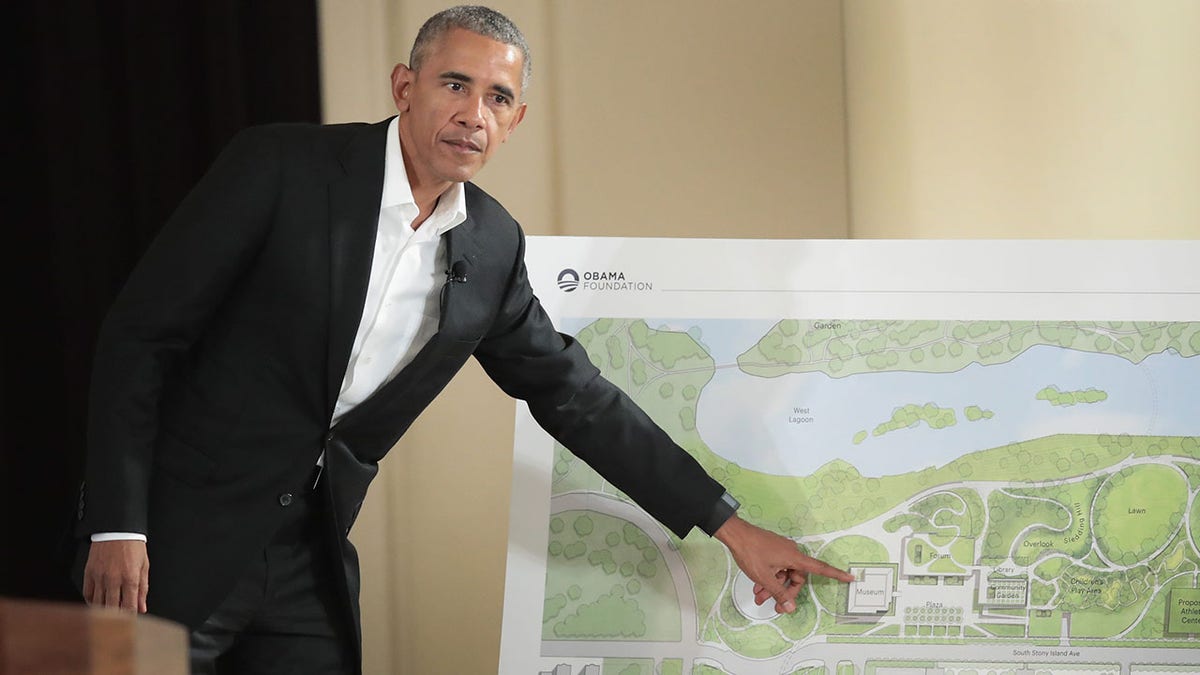
Former President Barack Obama points out features of the proposed Obama Presidential Center during a gathering at the South Shore Cultural Center in Chicago May 3, 2017. (Scott Olson/Getty Images)
Meanwhile, Trump has been on a mission to fulfill last year’s executive order, «Making the District of Columbia Safe and Beautiful.»
«I will take care of our cherished Capital, and we will make it, truly, GREAT AGAIN! Before the tents, squalor, filth, and crime, it was the most beautiful Capital in the world. It will soon be that again,» Trump wrote in a Truth Social post in August.
Obama and democratic officials have taken swipes at Trump over his renovations to Washington, D.C., the White House and America 250 projects, criticizing them as frivolous.
PHOTOS: THE MAKING OF TRUMP’S WHITE HOUSE BALLROOM, A LOOK AT THE CONSTRUCTION PROGRESS

«Thanks to the Builder-in-Chief, these projects are being completed on time and under budget — a stark contrast to the errantly run Obama administration, which overspent and underdelivered.» (Scott Olson via Getty Images; Nathan Laine/Bloomberg via Getty Images)
Trump «has been focused on critical issues like paving over the Rose Garden so folks don’t get mud on their shoes and gold plating the Oval Office and building a $300 million ballroom,» Obama said during a rally in October.
Trump directed the addition of stone pavers in October to the Rose Garden lawn, a change designed to better accommodate news conferences and ceremonial events. There has also been construction at the White House as workers build a ballroom expected to be done before 2028.
«It’s shameful that Trump is building his fancy ballroom while working families struggle to afford a basic meal during the holidays,» former Speaker of the House Nancy Pelosi wrote.
TRUMP PULLS BACK CURTAIN ON WHITE HOUSE BALLROOM’S FORTRESS-LIKE DEFENSES ABOVE AND DEEP BELOW
Trump previously said the future White House ballroom will not just be an event venue but serve as a hardened security site designed to support presidential operations and large gatherings.
He has also planned installation of a Memorial Circle 250-foot arch for America’s 250th birthday that will be gilded.
CLICK HERE TO DOWNLOAD THE FOX NEWS APP
«Your taxes might be going up. But don’t worry — at least $15 million of it is going toward Trump’s arch project,» California Gov. Gavin Newsom’s press office posted on X.
Fox News Digital’s Michael Dorgan contributed to this report.
barack obama, infrastructure across america, donald trump, white house, america 250
INTERNACIONAL
Zelensky afirmó que la adhesión de Ucrania a la UE es clave para garantizar el futuro de Europa frente a la amenaza rusa
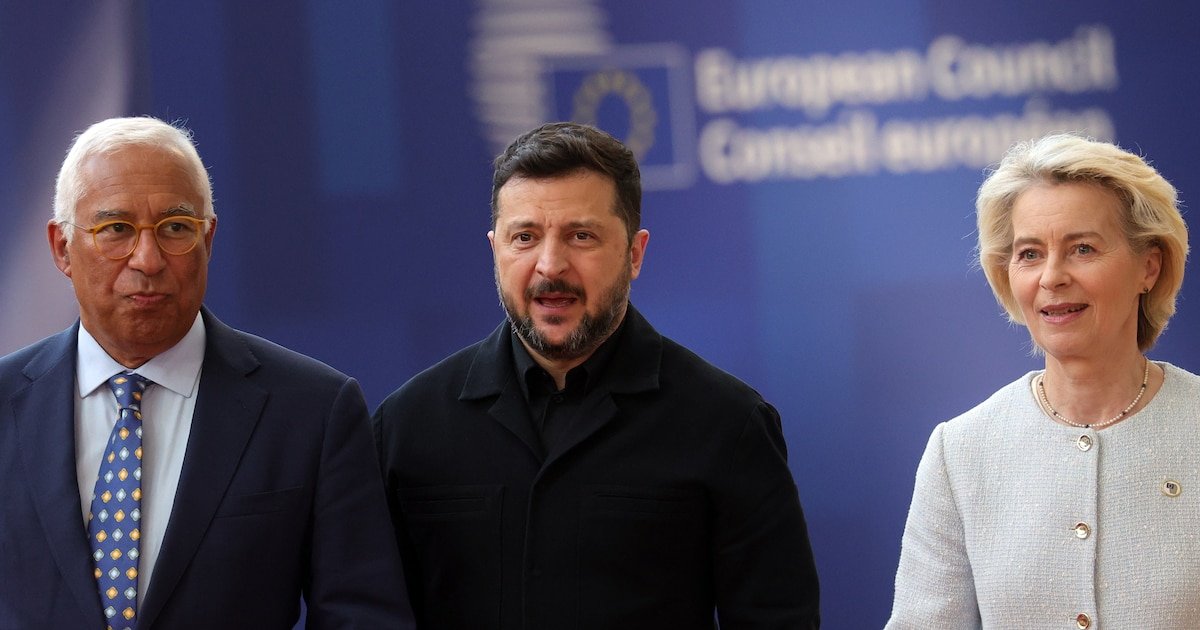
Durante la cumbre entre los líderes de la Unión Europea (UE) del jueves, el presidente de Ucrania, Volodimir Zelensky, afirmó que el futuro del continente está definiéndose a partir de la defensa ucraniana a la invasión rusa y propuso que la mejor garantía de seguridad para el bloque sería otorgar a Kiev una membresía acelerada.
“El futuro de Europa —libre, unida y, por supuesto, en paz— se está decidiendo en nuestra defensa. Eso demuestra lo singular que es nuestra situación”, expresó Zelensky en extractos de su discurso publicados en X.
El mandatario ucraniano comunicó a los Estados miembros que Ucrania busca que la guerra contra Rusia finalice antes del invierno y pidió apoyo para preparar otro periodo frío con misiles de defensa aérea y combustible. “Ucrania se lo merece porque ha pagado más que ningún otro país por su derecho a ser libre, independiente y… europea”, sostuvo.
Durante la misma jornada, ataques aéreos ucranianos alcanzaron objetivos en territorio ruso, incluida una refinería de petróleo en Moscú, en el marco de una campaña de largo alcance que el presidente ucraniano expuso como muestra de la capacidad militar del país durante encuentros con el presidente estadounidense Donald Trump y otros líderes del G7 en Francia.
En su mensaje a los líderes de la UE, Zelensky reconoció que no todos los miembros respaldan una adhesión acelerada. Hungría exigió retirar ese lenguaje de la declaración final del Consejo Europeo tras la cumbre. “El paso más importante en este sentido —sé que no a todos les gusta— podría ser una vía rápida para que Ucrania se adhiera a la UE”, planteó.

Los jefes de Estado y de Gobierno de la UE optaron por moderar las expectativas respecto a una incorporación acelerada de Ucrania al bloque, a pesar del respaldo político y militar reiterado durante la cumbre. En el documento consensuado tras varias horas de debate, los mandatarios señalaron que el proceso de ampliación seguirá sujeto al criterio de méritos concretos y a las reformas implementadas por cada aspirante, lo que aleja la posibilidad de avances inmediatos en la adhesión ucraniana.
El texto final de la cumbre estableció que la continuidad de las negociaciones con Ucrania dependerá del progreso demostrado en las áreas definidas por la Unión Europea y del cumplimiento de reformas verificables, sin fijar un calendario para una eventual aceleración.
Por otra parte, Zelensky insistió, en la cumbre frente a sus pares, en que Ucrania desea terminar la guerra este año y apuesta por una solución diplomática, aunque advirtió sobre las dificultades en la interlocución con Rusia. “Putin es la guerra”, declaró. El presidente ucraniano sostuvo que el país necesitará gas, diésel, equipos energéticos y al menos 300 misiles si el conflicto persiste, y reclamó el desembolso de 6.000 millones de euros del Fondo Europeo para la Paz.

El mandatario pidió a Europa mantenerse firme en las sanciones hacia el Kremlin, avanzar en la confiscación de activos y asegurar la financiación de su país. También alertó a la población ucraniana a prepararse para un posible aumento de ataques rusos. “Por favor, utilicen los refugios, se lo ruego”, solicitó.
Tras un ataque ucraniano con drones a una refinería en Moscú en la mañana del jueves, el ministro de Asuntos Exteriores ruso, Serguéi Lavrov, anunció que Moscú llevará a cabo “ataques masivos y coordinados de forma regular” contra Ucrania.
La presidenta de la Comisión Europea, Ursula von der Leyen, destacó durante la cumbre que las fuerzas ucranianas recuperaron terreno frente a las tropas rusas en varios puntos del frente. Esa dinámica reforzó el respaldo del bloque, pero no modificó la cautela respecto de los tiempos del proceso de adhesión. Zelensky agradeció el apoyo europeo y expresó su deseo de avanzar en la apertura de los capítulos restantes durante el verano, aunque la declaración final no recogió esa urgencia.
(Con información de Reuters)
eu,flags,leaders,summit

Récord de compras al exterior: las importaciones vía courier se duplicaron y ya superan los USD 500 millones en 2026

Un regreso esperado, el único ausente y las incógnitas: el semáforo del último entrenamiento de la selección argentina

El Gobierno hizo oficial la privatización de la Hidrovía y anunció que generará una baja del 13% en los costos logísticos

Drogaba a su esposa y la obligaba a tener sexo con desconocidos: así cayó el hombre que ganó casi 100 mil euros

Los cuatro signos del horóscopo chino que tendrán protección y suerte extra en junio, según Ludovica Squirru

La filosa frase de una de las figuras de Austria en la previa del partido ante Argentina: “Soy team Cristiano Ronaldo”

Patricia Bullrich: “El Presidente considera que Adorni dio una explicación razonable”

El Gobierno envía señales de que Adorni tiene las horas contadas para evitar que sesione el Senado

La secuencia del golazo de Messi para Argentina ante Argelia en el debut en el Mundial 2026 y los récords que rompió

El Gobierno modificará por decreto el sistema de selección de jueces de la Corte Suprema de Justicia

 POLITICA1 día ago
Patricia Bullrich: “El Presidente considera que Adorni dio una explicación razonable”
- POLITICA2 días ago
El Gobierno envía señales de que Adorni tiene las horas contadas para evitar que sesione el Senado
- DEPORTE2 días ago
La secuencia del golazo de Messi para Argentina ante Argelia en el debut en el Mundial 2026 y los récords que rompió