INTERNACIONAL
Trump says Iran missiles ‘aren’t the problem’ after White House made them central to war rationale

NEWYou can now listen to Fox News articles!
For months, senior Trump administration officials argued that Iran’s ballistic missile arsenal helped shield Tehran’s nuclear ambitions and was a key reason the U.S. launched Operation Epic Fury attacks on the country.
Now, President Donald Trump is suggesting Iran having missiles may not be a problem at all.
«If other countries have them, it’s a little bit unfair for them not to have some. If Saudi Arabia and Qatar, and they all have some, I would say that in relative proportion, I think it’s okay,» Trump said at the G7 Wednesday. «Am I going to let Saudi Arabia have missiles, but [Iran] can’t have them? It doesn’t work that way.»
«Missiles aren’t the problem. They hurt a little location, but they don’t blow up the planet.»
«The Gulf nations will address the nonnuclear issues, as we’ll be talking about the ballistic missiles,» the president added. «And we’ll talk, also, about the terrorist proxies that they have that — we don’t want that to happen.»
A map displays the range of ballistic missiles fired from Iran, highlighting areas within reach. (Fox News)
ISRAELI OFFICIALS REPORTEDLY WARN IRAN’S BALLISTIC MISSILES COULD TRIGGER SOLO MILITARY ACTION AGAINST TEHRAN
Trump made the remarks while discussing whether Iran should be permitted to retain missile capabilities in a news conference at the G7 in Évian-les-Bains, France, just as details of the memorandum of understanding between the U.S. and Iran were being released.
The comments strike a much different tone than arguments repeatedly made by senior administration officials in recent months, who described Iran’s ballistic missile force as both a major threat to regional security and a protective shield for Tehran’s nuclear program.
«Iran can never have a nuclear weapon and we will not allow Iran to hide behind the immunity of a massive short-term ballistic missile inventory, or the ability to make them or launch them,» Secretary of State Marco Rubio told reporters in a press conference on March 3. «What they are trying to do, and have been trying to do for a very long time, is build a conventional weapons capability as a shield to hide behind.»
TRUMP VOWS TO HIT IRAN ‘VERY HARD’ AFTER OBLITERATING NEARLY ’90 PERCENT’ OF REGIME MISSILES
Other senior officials repeatedly described degrading Iran’s missile capabilities as a central objective of Operation Epic Fury.
In remarks at the White House on March 2, Trump said, «Our objectives are clear. First, we’re destroying Iran’s missile capabilities … and their capacity to produce brand new ones.»
War Secretary Pete Hegseth later said March 4 the mission was «laser-focused» on obliterating Iran’s missiles and the facilities that produce them, while White House Press Secretary Karoline Leavitt said the same day one of the administration’s primary goals was to «destroy the regime’s deadly ballistic missiles and completely raze their missile industry to the ground.»
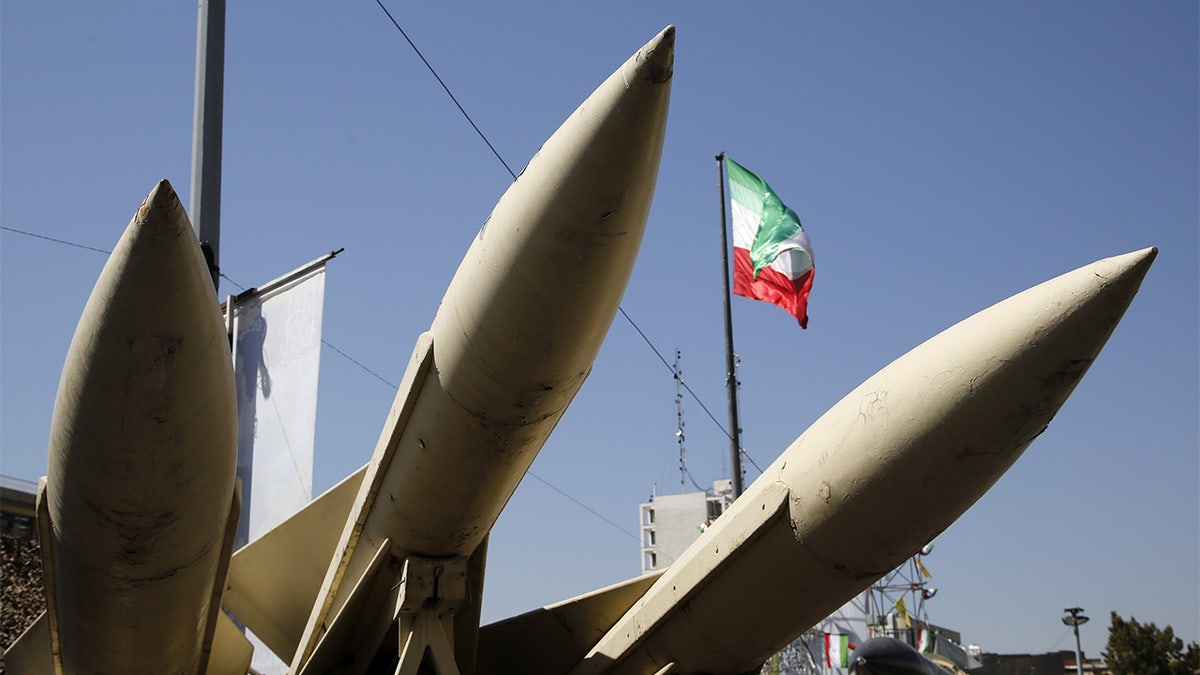
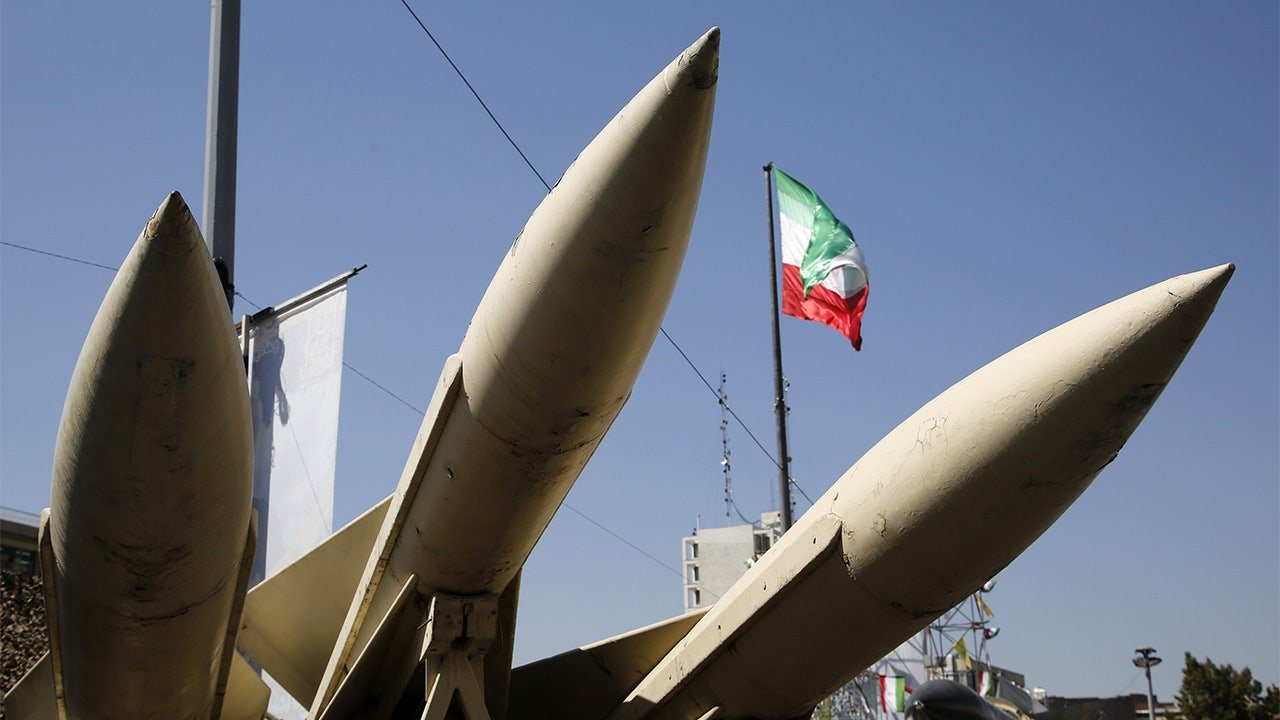
Heavy weapons, including ballistic missiles, air defense systems and unmanned aerial vehicles, are displayed during the 44th anniversary of the eight-year war with Iraq, known as Holy Defense Week, at Baharestan Square in Tehran, Iran, on Sept. 25, 2024. (Photo by Fatemeh Bahrami/Anadolu via Getty Images)
Rubio repeatedly returned to the theme throughout the operation, arguing that degrading Iran’s missile force was necessary to prevent Iran from using conventional military power as cover for a future nuclear weapons program.
TRUMP SAYS US, ISRAEL SHATTERED IRANIAN MILITARY CAPABILITIES, PRESSES LEADERS TO SURRENDER: ‘CRY UNCLE’
«This is about very specific objectives,» Rubio told reporters on March 30. «The President laid them out on the first night of the operation… Here they are — you should write them down. Number one, the destruction of their air force. Number two, the destruction of their navy. Number three, the severe diminishing of their missile launching capability. And number four, the destruction of their factories so they can’t make more missiles and more drones to threaten us in the future. All of this so that they can never hide behind it to acquire a nuclear weapon. That was our objective from the beginning; that remains our objective now.»
Leavitt made similar comments the same day, saying the objectives of Operation Epic Fury included «destroying their ballistic missiles» and dismantling the infrastructure used to produce them while ensuring Iran never obtains a nuclear weapon.
Trump’s remarks at the G7 also raised questions about the administration’s approach to Iran’s nuclear program, another issue that administration officials had previously described in far less flexible terms.
Trump’s comments also come as the administration pursues a memorandum of understanding with Iran that leaves unresolved one of the central disputes in the nuclear negotiations: the future of Tehran’s enrichment program.
Under the framework agreement unveiled this week, the United States and Iran agreed to spend 60 days negotiating the fate of Iran’s nearly 900-pound stockpile of near-weapons-grade 60% enriched uranium and any future enrichment activities. Administration officials said the minimum outcome under discussion would involve down-blending the material under International Atomic Energy Agency supervision, while acknowledging that key details of a final agreement remain unsettled.
Officials described Iran’s willingness to dilute its stockpile as a significant concession, but also acknowledged that the memorandum does not resolve whether Iran will ultimately be permitted to retain any enrichment capability.
TRUMP REAFFIRMS HARD LINE ON IRAN NUCLEAR DEAL: ‘WILL NOT ALLOW ANY ENRICHMENT OF URANIUM’
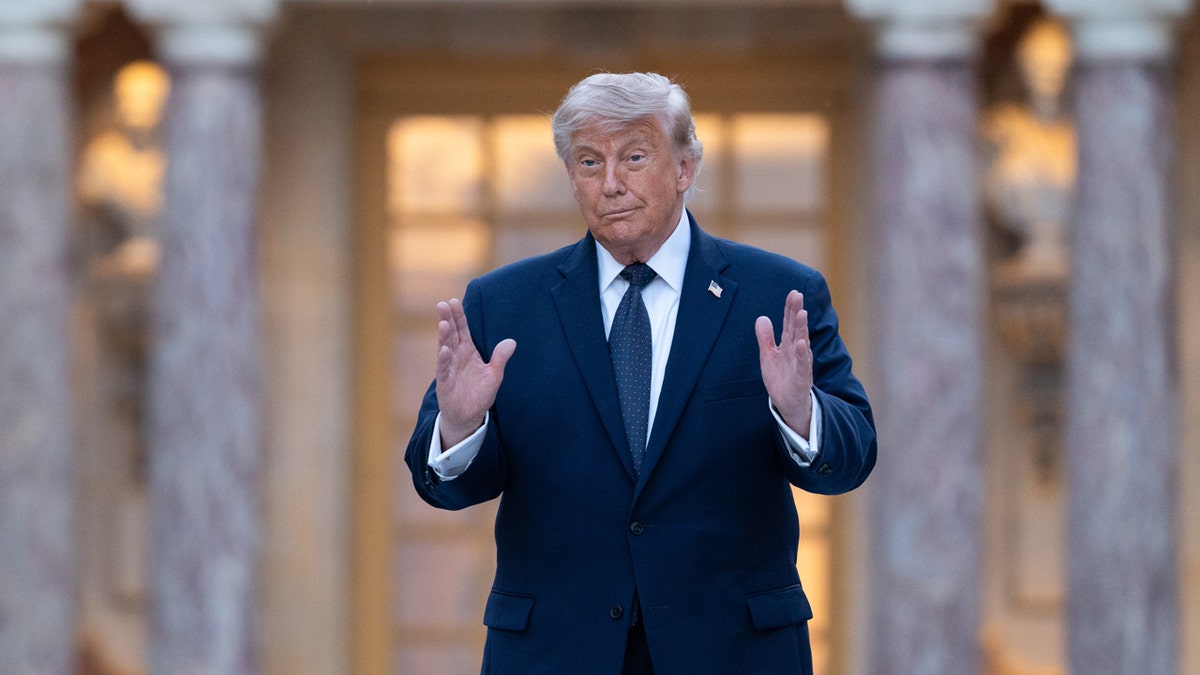
President Donald Trump arrives for a gala dinner at the Versailles Palace in Versailles, France. (Nathan Laine/Bloomberg via Getty Images)
Trump appeared to strike a more accommodating tone when discussing Iran’s access to nuclear power at the G7.
«It is a little hard, though, when you say that somebody wants it, other people have it, other, adjoining states have it. And you’re not letting them have it for purposes of electricity and things like that,» Trump said. «It’s always a little tough. You have to use a little common sense.»
CLICK HERE TO DOWNLOAD THE FOX NEWS APP
The administration had previously drawn a much harder line on Iran’s nuclear program. Special envoy Steve Witkoff said the United States could not allow Iran to retain «even 1 percent» enrichment capability, while White House officials repeatedly described the end of Iranian enrichment as a red line.
The White House referred back to Trump’s recent remarks on missiles when asked for additional comment. «
«We are going to let the President’s comments stand,» a State Department spokesperson said when asked for comment.
The Pentagon could not immediately be reached for comment.
war with iran, iran, pete hegseth, national security, nuclear proliferation









INTERNACIONAL
La operación militar más grande de la historia parecía imparable, pero un enemigo inesperado cambió todo
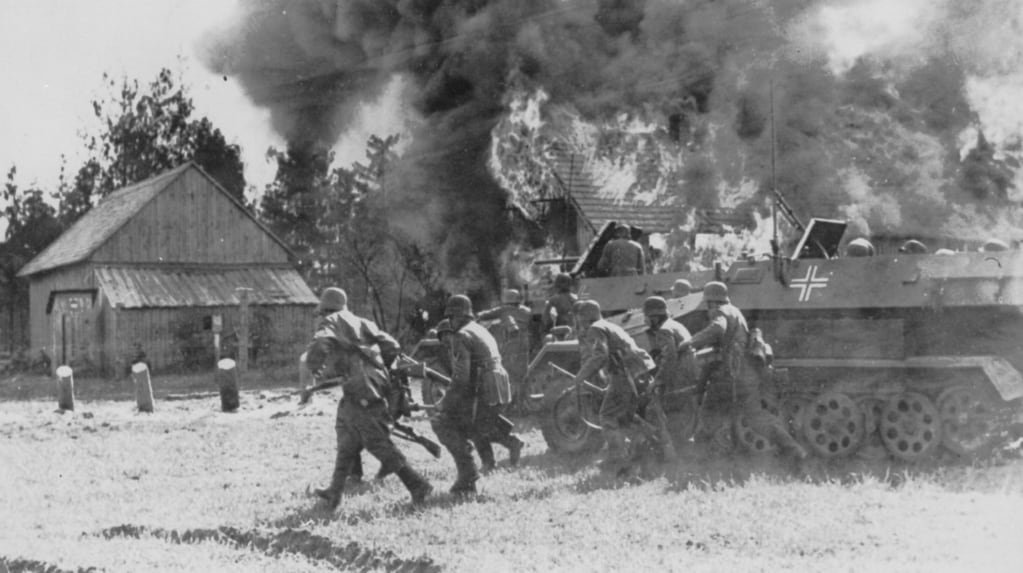
El 22 de junio de 1941, 85 años atrás, la Alemania Nazi invadía la Unión Soviética. La Operación Barbarroja. Fue la mayor movilización militar de la historia. Más de tres millones de hombres entraron a tierras soviéticas a sangre y fuego. Un frente de miles de kilómetros. El Blitzkrieg, la guerra relámpago que tanto le había redituado en el otro extremo europeo, en el Oeste. Caballos, tanques, armamento, hombres frescos y ávidos. Parecía que nada podía salir mal.
Pero ese fue el principio del fin.
Pocos hechos históricos encierran una paradoja tan flagrante como este: fue el mayor éxito momentáneo de la Alemania Nazi pero también se convirtió en su perdición. El día que Adolf Hitler creyó su mayor victoria fue también el momento en que su caída se volvió inevitable. La Campaña del Este, su prolongación, terminó enredando y debilitando de manera irreversible al Tercer Reich.
Tres millones de soldados alemanes. Más otro medio millón de húngaros, rumanos, croatas e italianos. 145 divisiones. 3600 tanques. 27.000 aviones. 17.000 piezas de artillería. Y 750.000 caballos. El ejército más grande de la historia.
Los alemanes ingresaron a territorio soviético con confianza. Eran vitales, reían, estaban seguros de la victoria. La oposición era menor a la prevista. A veces hasta se sorprendían por ingresar a poblados sin ser atacados. Estaban bien alimentados y equipados. Las victorias fortalecían su ánimo. Solo serían ocho semanas. Las cartas que enviaban los soldados alemanes a sus familias desde el frente desbordaban de mensajes optimistas y de confianza. Había lugar nada más que para la victoria.
Al plan lo mató su ambición desmesurada. Y su crueldad extrema. Puso a un pueblo en tal posición de desesperación que no le dejó más opción que la lucha y la resistencia. Aun aquellos que hubieran aceptado con mayor mansedumbre otro destino, no estaban dispuestos a aceptar la muerte, propia y de sus seres queridos. Muerte que estaría cubierta de sufrimiento atroz. Un tanque Panzer IV alemán, diseñado para apoyar a la infantería. (Foto: Archivos Federales de Alemania)
La voluntad no era la de mera conquista o la de inutilizar un enemigo o la aumentar territorio propio. El deseo, la ambición de Hitler, era destruir a los soviéticos y al comunismo, aniquilarlos, hacerlos desaparecer. Un mes antes de la invasión, juntó a cientos de sus principales jefes militares y les impartió un discurso en el que dejó claro que no había reglas que respetar, que se sintieran autorizados a olvidarse de las convenciones de Ginebra y de La Haya.
Esto produjo un fenómeno nunca antes visto. Los saqueos, los abusos, las violaciones, los asesinatos a sangre fría ya no fueron excepciones, fruto del estado de enajenación de unos soldados sin demasiada preparación en medio de una experiencia límite, sino un plan de estado.
La guerra vuelve a los hombres espantosos, inconcebibles, no hace falta un gran esfuerzo de imaginación para prever qué es lo que puede suceder si se les da vía libre. “Esta es una guerra de exterminio. Si no comprendemos esto, derrotaremos igual al enemigo, pero treinta años después tendremos que volver a luchar contra los comunistas. No hacemos la guerra para preservar al enemigo”, les dijo Hitler a sus comandantes.
El 13 de mayo de 1941 se emitió el Decreto Barbarroja en el que explícitamente comandantes y soldados recibían carta blanca. Las ejecuciones sumarias y las represalias estaban permitidas y quienes las llevaran a cabo recibían inmunidad. La excusa era que solo se debían replicar los métodos soviéticos, que la legalidad había sido rota por el enemigo.

Soldados alemanes cruzando la frontera soviética durante la Operación Barbarroja. (Foto: Archivos de la Segunda Guerra Mundial)
Había otra eximente moral para los nazis. Los eslavos, según su concepción, eran inferiores. Su destino no importaba demasiado. Era justo que perdieran sus tierras, posesiones, dignidad y vida.
En La guerra no tiene rostro de mujer, en el que recoge testimonios de mujeres que participaron de la Segunda Guerra Mundial, la Premio Nobel bielorrusa Svetlana Alexiévich transcribe un testimonio: “Los alemanes no tomaban mujeres militares prisioneras. Las fusilaban o las paseaban, mostrándolas a las tropas. Nosotras nos guardábamos dos cartuchos para suicidarnos (siempre dos por si el primero no funcionaba). Capturaron a una de nuestras enfermeras. La encontramos un día después: le habían arrancado los ojos, le habían cortado los pechos. Le habían metido un palo. Hacía mucho frío; ella era muy blanca y tenía el pelo canoso. Tenía 19 años”.
Otro aspecto de la Operación Barbarroja y del inicio de la campaña hacia el Este es que marcó el punto de inflexión de la Shoá. La matanza de los judíos fue, a partir de ese momento, sistemática y desembozada. Aprovechaban para liquidar a su paso a los que se cruzaban y se encargaban de hacerlo en los territorios que dejaban a sus espaldas (aun cuando la guerra en el frente ruso se había perdido, el exterminio del pueblo judío persistió hasta los últimos días de la guerra).

Prisioneros de guerra del ejército soviético siendo trasladados durante la invasión alemana a la Unión Soviética en 1941. (Foto: Reuters)
Si bien fue Hitler quien impulsó la invasión, sus líderes militares acompañaron su entusiasmo y visión triunfalista. Más allá del poder de convicción del Führer, los comandantes compartieron la decisión. No los atemorizó la fortaleza bélica del enemigo, las características de carácter de su población, las monstruosas dimensiones geográficas de la empresa. Ni por supuesto el Pacto de No Agresión firmado dos años antes. ¿Cuántos de ambos bandos creyeron que ese pacto entre Hitler y Stalin iría a honrarse?
Leé también: “Un momentito, señor”: la frase que marcó el final de Eichmann en la Argentina y la condición de su captor
Se tiende a creer que las grandes decisiones de la historia son tomadas tras cabildeos, estudio de las fortalezas y debilidades propias y ajenas, investigación y hasta certezas científicas; luego de profundas discusiones entre especialistas. Pero no siempre (o muy escasas veces) es así.
En el lanzamiento de la invasión a Rusia hubo planificación, pero mucho más de improvisación, de instinto, de impulso poco sustentado en el razonamiento. Se basó en el desenfrenado y maniático afán conquistador de Hitler. Su odio hacia el comunismo, Stalin y los soviéticos, hizo que subestimara la fortaleza y habilidad de sus contricantes.
El principio que lo guiaba era que nadie podía estar a su altura. Lo que nunca se sabrá con precisión es si ninguno de sus hombres tampoco lo pensó, o si lo hizo y no se animó a expresarlo ante las frases contundentes de su líder, o si lo dijo en voz alta y fue acallado por la claque. Respetados historiadores sostienen que hubo miembros encumbrados del poder nazi que expusieron sus dudas, pero que fueron raleados y alejados del centro de la toma de decisiones. Caballería alemana avanzando por un pueblo ruso en llamas. (Foto: Archivos Federales de Alemania)
Una de las claves del éxito inicial fue el factor sorpresa. También la desorganización del Ejército Rojo. Las constantes y arbitrarias purgas de Stalin lo habían debilitado. A mediados de 1942 no estaba en su mejor momento.
Dos meses de avance triunfal y la derrota del enemigo sorprendido sería inevitable. La invasión se retrasó unas semanas porque el mal clima hizo que hubiera terrenos pantanosos y llenos de lodo que impedían un avance veloz. Esa demora fue uno de los aspectos claves del fracaso.
Con sus planes imperiales, con el Reich de los Mil Años en mente, Hitler recurrió a su ambición y a ejemplos anticuados para fundamentar su accionar. Pero hubo algunos elementos y antecedentes demasiado cercanos que no tuvo en cuenta.
El Japón reciente daba dos ejemplos contundentes de cómo le podía ir a los nazis en su campaña por el este. La invasión nipona a China de 1936 había sido muy exitosa al comienzo, pero se había encontrado con una barrera infranqueable: la falta de fronteras. Las grandes extensiones territoriales de China, la convertían, en la práctica, en un territorio inconquistable. Siempre había un lugar más al que escapar, en el que refugiarse y agruparse, un lugar más que invadir para el enemigo. Y esos lugares más remotos tenían climas más extremos y geografías más complicadas para el invasor. Era la guerra sin fin.

Soldados soviéticos prisioneros de las fuerzas alemanas durante la Operación Barbarroja. (Foto: Archivos Federales de Alemania)
El otro antecedente era la defensa soviética en 1939 y 1940 frente a los japoneses. El Ejército Rojo había dado muestras de que mantenía su dureza. Hitler y sus hombres subestimaron el equipamiento y la fortaleza militar de los soviéticos.
La invasión a territorios soviéticos no tuvo en cuenta que estos eran demasiado vastos. Tampoco el temperamento de un pueblo con un fuerte nacionalismo y acostumbrado al sacrificio, con un estoicismo innato, con una capacidad de soportar sufrimiento mucho mayor que la media. La táctica de arrasamiento tampoco contribuyó. Los que subsistieron solo querían venganza.
Al principio se acumularon los éxitos nazis. Caían los ejércitos y unidades que les salían al paso, eran arrasados pueblos y aldeas. Todo hecho con un salvajismo incomparable. Otro testimonio recogido por Svetlana Alexiévich: “Supe lo que era el odio. Experimenté ese sentimiento por primera vez. ¿Por qué estaban en mi país? Vimos llegar una columna con prisioneros de guerra y al pasar dejaban centenares de cadáveres en la carretera. Centenares. A los que caían desfallecidos los remataban allí mismo. A los otros los arreaban como si fueran ganado. No nos daba el tiempo para enterrarlos a todos, de tantos que había. Durante días yacieron en el suelo. Los vivos convivían con los muertos”.

Foto de la reunión por el pacto Ribbentrop-Molotov entre la Alemania Nazi y la Unión Soviética. (Foto: Archivos Federales de Alemania)
En Leningrado se estableció el sitio más cruento y largo de la historia. Casi 900 días. Cientos de miles murieron de inanición. Esa era la apuesta. Los que no cayeran bajo las balas nazis debían hacerlo por el hambre. Parecía que todas las defensas soviéticas serían vulneradas. Los alemanes estaban frescos, eran millones, tenían mucho armamento (muchos de los tanques eran franceses: los habían tomado luego de vencerlos).
Pero los meses pasaron y el triunfo no se obtuvo. Y llegó un refuerzo que la confianza nazi no previó: el capitán invierno. El frío feroz hasta inutilizó armas (algunos artilleros hacían pis sobre sus ametralladoras para descongelarlas). Los altos mandos no habían considerado esta eventualidad: los soldados no tenían abrigo suficiente, la comida empezó a escasear, el equipamiento no servía para temperaturas de hasta 40 grados bajo cero. La llegada del frío extremo empezó a cambiar la ecuación.
Cuando apareció el primer frío, algunos empezaron a dudar. Ludwig S., soldado alemán desde un lugar cercano a Moscú, escribió: “Como no hemos recibido todavía nuestros uniformes de invierno, cada soldado se las apaña como puede. Utilizamos telas y pieles o les quitamos los guantes a los prisioneros. El que todavía no lo haya hecho tendrá que prepararse para que se le congelen los huesos. Los primeros copos de nieve cayeron el 6 de este mes” (este extracto de carta, como los siguientes, pertenece al notable libro Cartas de la Wehrmacht en el que Marie Moutier compiló cartas enviadas por soldados alemanes desde el frente).
Los soldados veían lo que se venía. Sus jefes no lo percibieron o prefirieron seguir adelante, pese a que todo indicaba que sólo los aguardaba el desastre.
Los soviéticos resistían y pronto pasarían al ataque. Los alemanes, por su parte, estaban desgastados. Su moral no era la misma del principio. La confianza se desvanecía. El enemigo respondía y resistía.
El cansancio erosionaba el ánimo. La logística estaba fallando: ya no era tan sencillo proveerlos de alimentos, nuevas municiones, ni de abrigo porque directamente eso era algo que no habían planeado.

Voluntarios siendo enviados a la milicia soviética durante la Segunda Guerra Mundial. (Foto: Ria Novosti Archive)
Y el frío, directamente, los mataba. “Todos debemos esperar a que, tarde o temprano, llegue nuestra hora. Hay que hacerse a la idea. Nuestro futuro es cada vez más incierto. la esperanza se va desvaneciendo. O vencemos o morimos. Ya nos hemos hecho a la idea. El mundo nunca ha vivido una guerra como esta”, escribe Walter a su familia desde el campo de batalla, ya a fines de 1941. Otro soldado alemán, Rudolph pone en su carta: “Esto lleva más tiempo del esperado. Estamos a un kilómetro del Volga. La ciudad está completamente destrozada. No quedó nada en pie. Estamos obligados a destruirlo todo”.
El general Zhukov, comandante soviético, alistó todos los hombres de reserva que pudo para defender Moscú. La ciudad no debía caer. Esos más de 100.000 hombres y su resistencia fueron los que posibilitaron que el tiempo pasara y que el frío, por fin, hiciera su trabajo. Hasta había echado mano de lo que ellos llamaban “Los batallones de los débiles”, que eran los integrados por aquellos que habían sido exceptuados de las primeras convocatorias. Todos debían defender la ciudad. Zhukov tomó otra previsión: había traído batallones desde Siberia; para ellos cualquier clima parecía benigno.
Son varios los historiadores de renombre, como Anthony Beevor, que afirman que en este lance, en la Operación Barbarroja, en esta empresa inhumana, estuvo la clave para que los nazis perdieran la guerra.
Leé también: El jefe nazi condenado por una de las peores masacres de la Segunda Guerra que tuvo un oscuro final en Francia
Millones de muertos de ambos lados, familias destruidas, el hambre y las enfermedades cobrándose víctimas. Ciudades tomadas, otras devastadas. Posiciones recobradas, ataques y contraofensivas. Tanques, municiones y generales. Pero detrás de los elementos bélicos, de las decisiones estratégicas y los campos de batalla hubo gente. Historias humanas que a veces quedan tapadas por los grandes números, por un resultado final.
Como le dijo una de esas mujeres rusas a Svetlana Alexievivh cuando las entrevistó más de cuatro décadas después de los hechos: “Me gustaría olvidar. Me gustaría al menos vivir un día sin la guerra. Sin nuestra memoria. Al menos un día así…”.
Eso es imposible. Está lejos de las facultades humanas. El horror persiste. A los sobrevivientes los acompañó, los aplastó durante el resto de sus días.
Segunda Guerra Mundial, Nazismo, Hitler, Stalin, Unión Soviética, Sumario
INTERNACIONAL
‘Send them back’ chants rock European Parliament after landslide vote to speed up deportations
NEWYou can now listen to Fox News articles!
The European Parliament erupted into chants of «send them back» after lawmakers approved a sweeping overhaul of the European Union’s migrant return system, marking the latest sign that Europe is moving toward tougher immigration enforcement after years of growing anger and frustration from voters.
Members of the European Parliament voted on Wednesday 418 to 218, with 30 abstentions, to approve the Return Regulation, a measure designed to speed up the removal of third-country nationals who are staying illegally in the European Union.
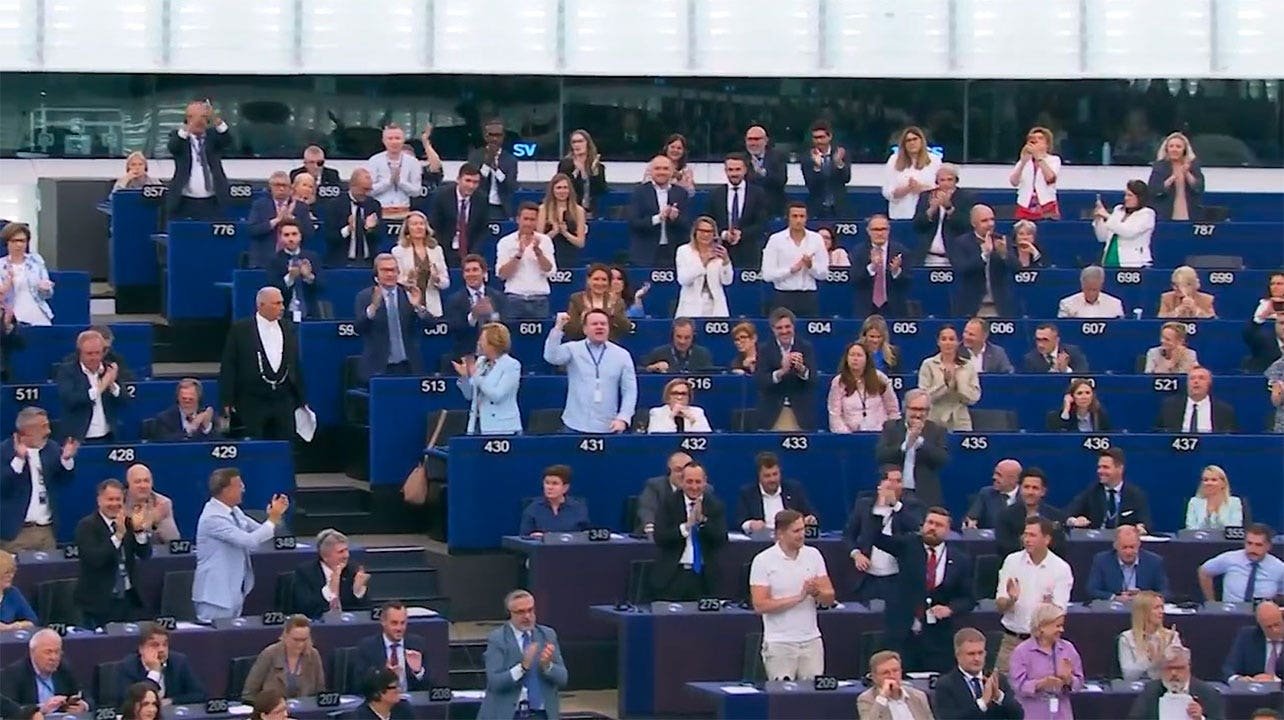
The moment quickly turned explosive. After the vote was announced, right-wing lawmakers stood, applauded and chanted «send them back,» according to a video of the meeting. Lawmakers on the left responded by chanting «shame on you.»
‘YOU’RE DESTROYING YOUR COUNTRIES’: IS EUROPE FINALLY HEEDING TRUMP’S WARNING ON ILLEGAL IMMIGRATION?
European Parliament members chant «send them home» during a June 17 vote on new EU migration rules. (European Parliament streaming service)
The legislation still requires formal approval by the Council of the European Union and publication in the Official Journal before it enters into force, but the confrontation underscored how sharply divided Europe remains over migration, even as the bloc’s institutions move ahead with policies once seen as politically taboo.
The new rules would allow member states to detain some migrants for up to 24 months, with a possible six-month extension, and create a framework for «return hubs» outside the European Union in third countries willing to receive migrants with return decisions.
‘YOU’RE DESTROYING YOUR COUNTRIES’: IS EUROPE FINALLY HEEDING TRUMP’S WARNING ON ILLEGAL IMMIGRATION?
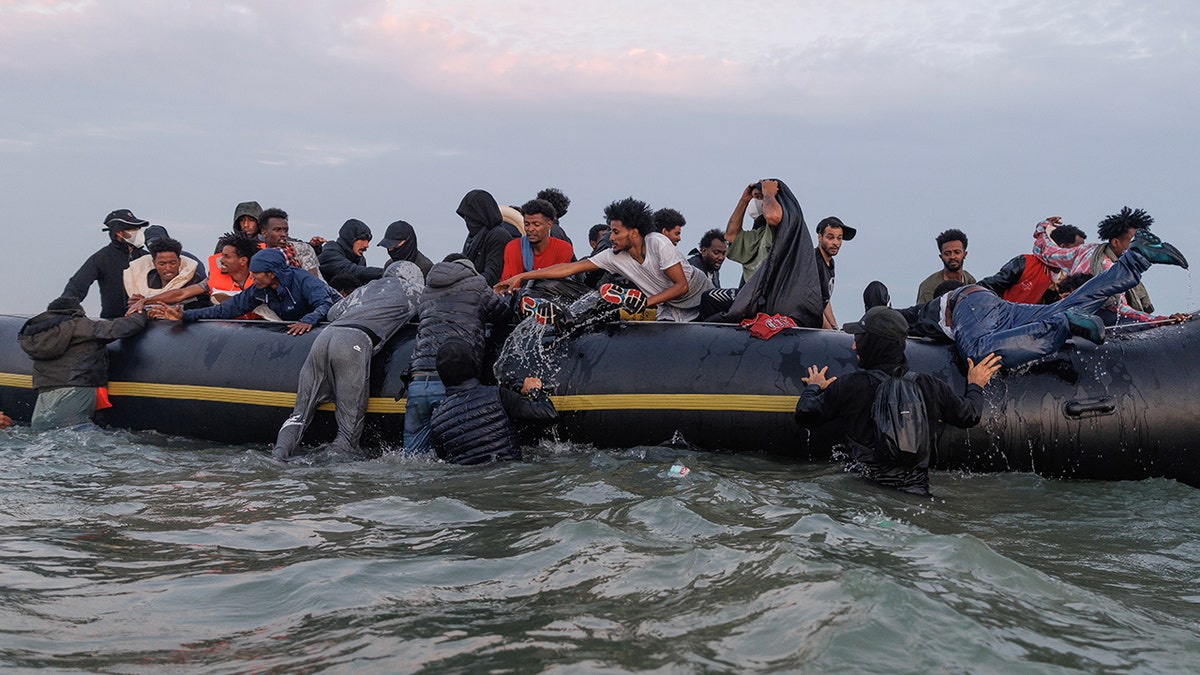
Migrants wade into the water near Gravelines, France, as traffickers with covered faces manage the scene before boarding a small boat at sunrise on July 2, 2025. (Dan Kitwood/Getty Images)
Supporters say the rules are necessary because European Union countries have struggled to enforce deportation orders. The European Conservatives and Reformists Group (ECR), citing the European Commission, said only around 20% of migrants who receive a return decision are actually returned.
The vote comes after Fox News Digital reported earlier in June that the European Union appeared to be moving toward tougher border and asylum rules amid growing concern over illegal immigration across the continent. The new measures include stricter screening, identity and security checks, and the use of biometric data such as fingerprints and facial recognition.
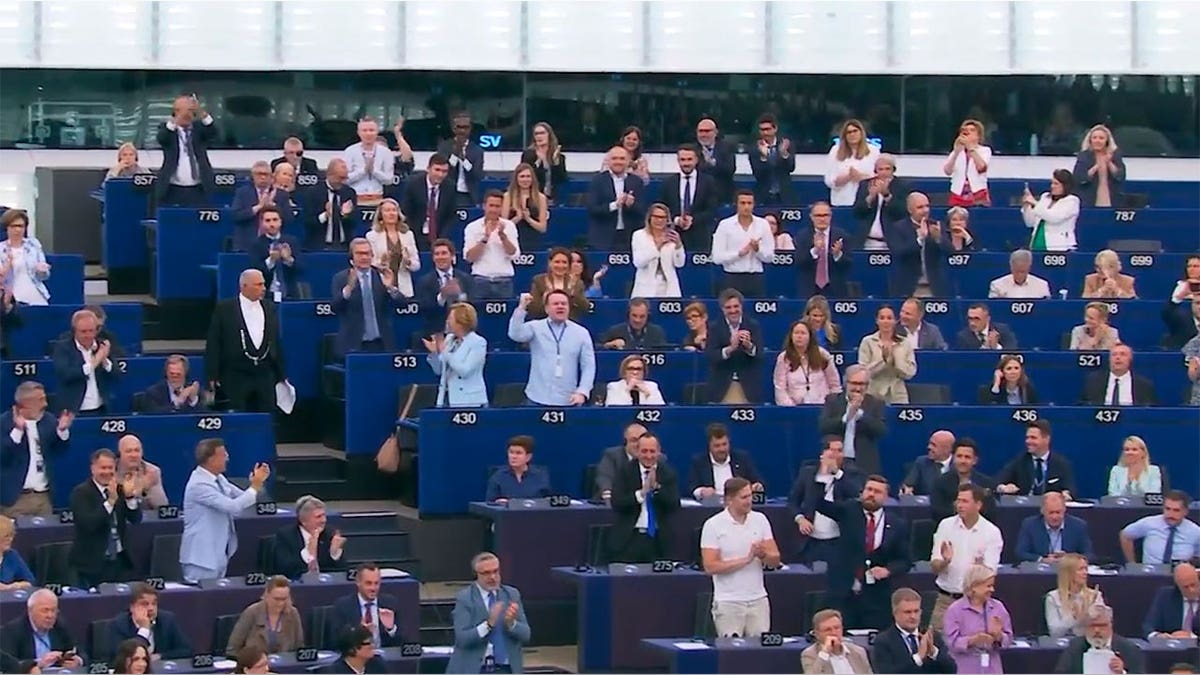
Members of the European Parliament are seen during a June 17 session in which chants of «send them home» were heard during a vote on new EU migration rules. (European Parliament streaming service)
Conservative leaders hailed the Parliament vote as a victory. Italian Prime Minister Giorgia Meloni called the result a «great success,» calling the legislation a «historic measure,» according to her post on X.
Other right-wing figures in France and Austria praised the moment as evidence that pressure from the right was reshaping European Union policy.
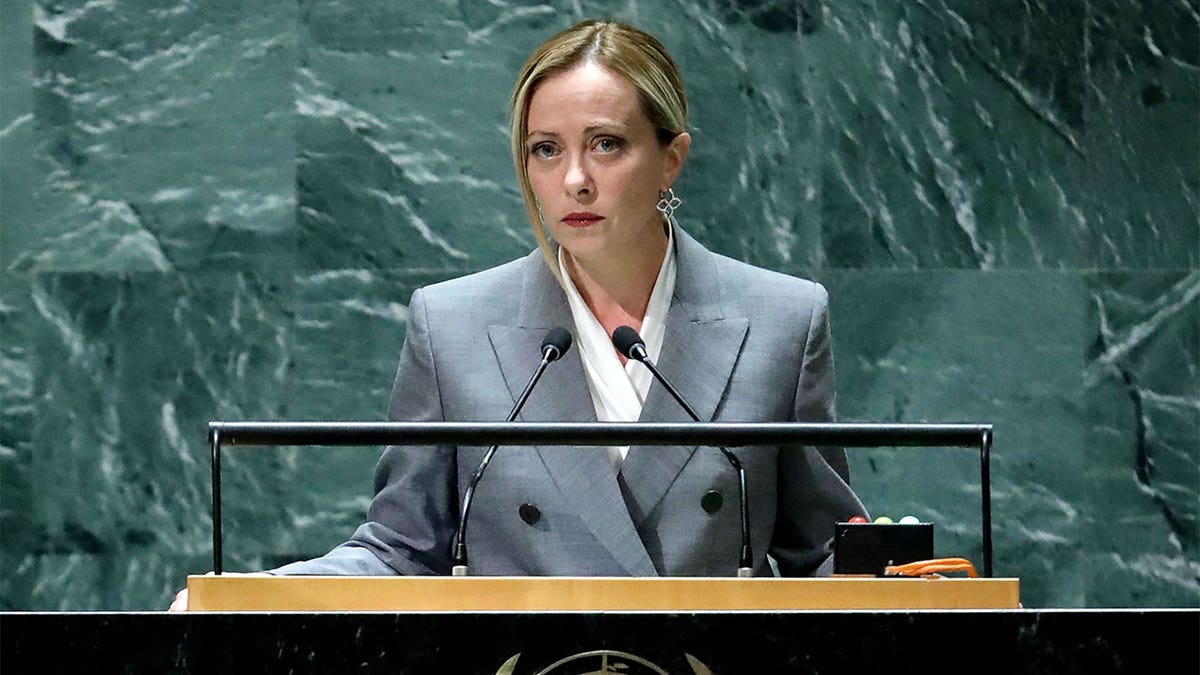
Italian Prime Minister Giorgia Meloni addresses the 78th United Nations General Assembly at U.N. headquarters in New York City on September 20, 2023. (LEONARDO MUNOZ/AFP via Getty Images)
Critics, however, accused lawmakers of dehumanizing migrants and weakening core protections.
The Guardian reported that socialist vice president of the European Parliament Javi López called the plenary session «disgraceful,» while Italian Green and Left Alliance Member of the European Parliament Ilaria Salis described the celebration as «horrifying.»
CLICK HERE TO DOWNLOAD THE FOX NEWS APP
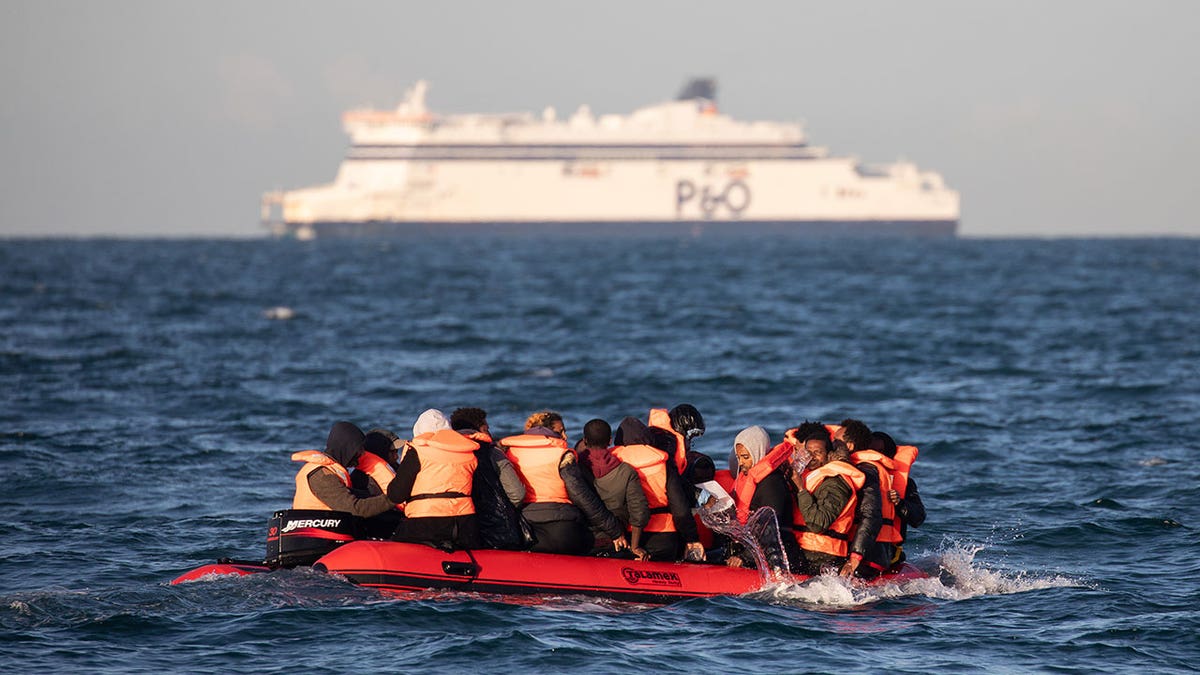
Migrants packed tightly on a small inflatable boat bail water as they attempt to cross the English Channel near the Dover Strait off the coast of Dover, England, on Sept. 7, 2020. More than 400 migrants made the journey from France to England by sea last Wednesday, either intercepted by UK border forces or arriving on shore in small boats. (Luke Dray/Getty Images)
Human rights groups have also raised alarms.
United Nations human rights chief Volker Türk warned the new rules risk expanding detention, Reuters reported, creating offshore return hubs and weakening safeguards against forced returns.
illegal immigrants, the european union, deportation, immigration, europe
INTERNACIONAL
Trump says Meloni ‘wants to be friends again’ after Italy refused to help US amid Iran war
NEWYou can now listen to Fox News articles!
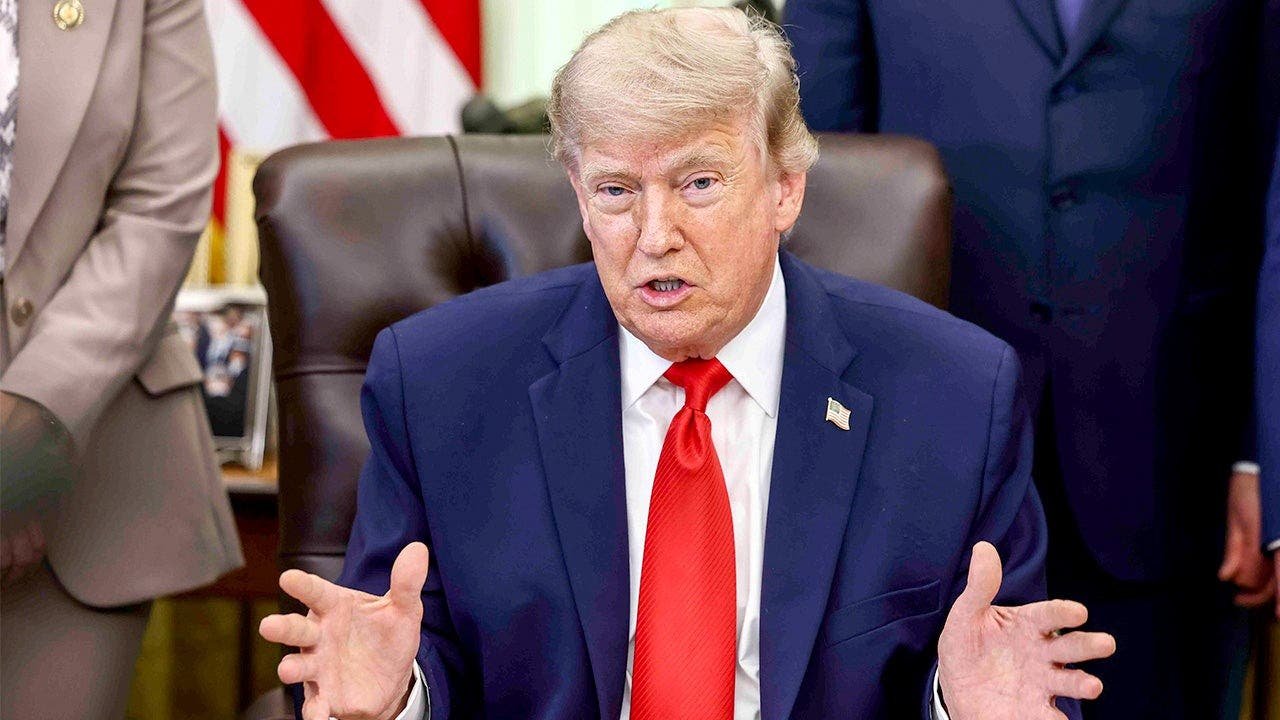
President Donald Trump once again mocked Italian Prime Minister Giorgia Meloni for allegedly asking him over and over again for a picture at the G7 Summit in France this week, before slamming her for not doing enough to support the U.S. war in Iran.
«Italian Prime Minister Giorgia Meloni asked, over and over, for a picture with me during the G-7 meeting in France,» Trump posted on Truth Social on Saturday morning, reiterating what he told an Italian outlet on Friday.
Meloni told Reuters on Friday that Trump «completely made up» this claim and that she was «astonished.»
«I don’t know why the president of the United States behaves like this towards his allies: it is not the first time, moreover,» she said.
RUBIO MEETS MELONI AS TRUMP-POPE CLASH ESCALATES US STRAINS WITH KEY EUROPEAN ALLY
President Donald Trump’s feud with Italian Prime Minister Giorgia Meloni has escalated amid fallout from the G7 Summit and Iran war. (Jim Lo Scalzo/EPA/Bloomberg via Getty Images)
In his social media post, Trump went on to criticize Meloni for failing to assist the U.S. when the war in Iran was in full swing several months ago.
«She is doing poorly in Italy with her level of popularity, possibly because she turned down the United States of America, a Country that truly loves and protects Italy, when it came to denying Iran from obtaining or developing a Nuclear Weapon (But so did NATO, for that matter!),» he wrote.
Trump added that he was frustrated with Meloni for not letting U.S. forces use Italy’s landing strips and runways, calling it «a great logistical inconvenience.»
Italy denied the use of an air base in Sicily to U.S. warplanes that were carrying weapons that would be used in the campaign against Iran, The Guardian reported in March.
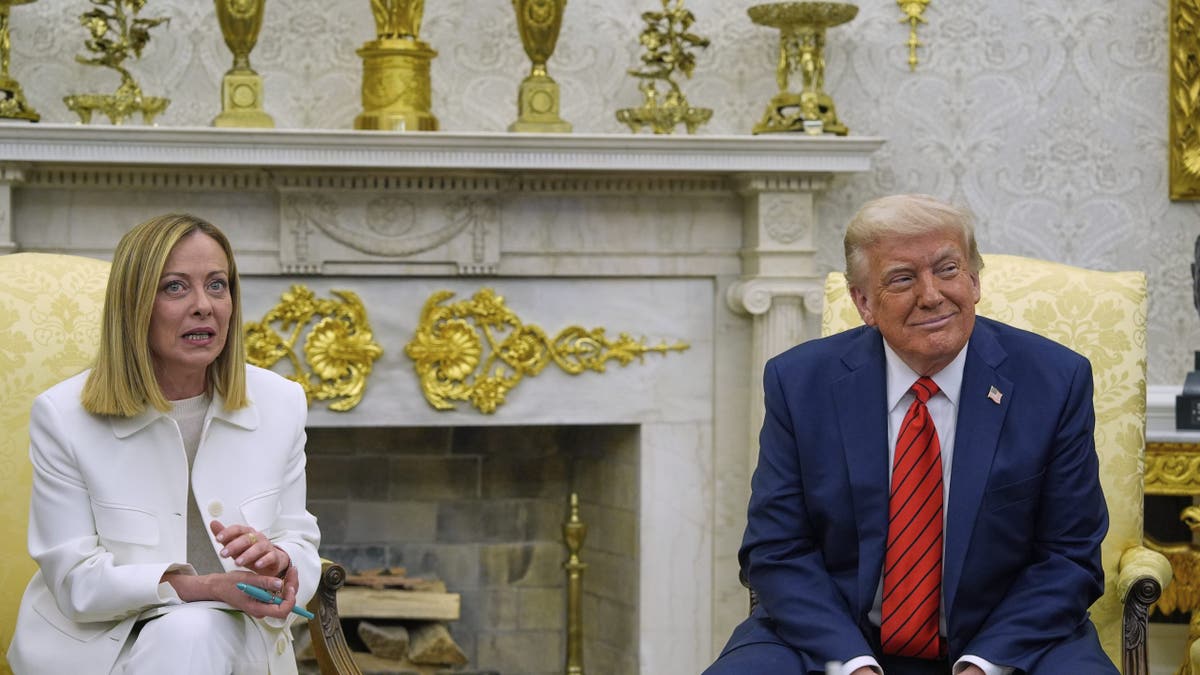
President Donald Trump meets with Italy’s Prime Minister Giorgia Meloni in the Oval Office of the White House in Washington on April 17, 2025.
Italy denied the use of an air base in Sicily to U.S. warplanes that were carrying weapons that would be used in the campaign against Iran, The Guardian reported in March.
Trump routinely criticized other NATO allies in Europe, including the United Kingdom, Germany and France, for failures to provide what he viewed as substantive military support.
Italy’s refusal to help, Trump wrote, is «despite the fact the U.S. contributes hundreds of Billions of Dollars a year to protect Italy, and other ‘so-called’ NATO Allies.»
«Now, after the United States defeated Iran militarily, she wants to be friends again in order to get her ‘numbers up.’ No thanks!!!» Trump concluded his post.
MORE KEY US ALLIES BLOCK MILITARY FLIGHTS AS IRAN WAR RIFT WIDENS WITH TRUMP
Late Saturday morning, Meloni posted a lengthy response to Trump’s post on Instagram, condemning him for his «senseless» and «constant» attacks on her.
«As for my popularity, being your friend certainly has not helped it, nor does it depend on my relationship with you. My popularity depends on my ability to defend Italy’s national interest, and that is exactly what I have always done,» she wrote. «That is also what I did regarding the American military bases in Italy. Their use is governed by agreements that we have always respected, and that cannot be violated as long as I am Prime Minister.»
She continued, «Italy remains a sovereign nation. In any case, my popularity is none of your concern. I suggest you focus on yours.»
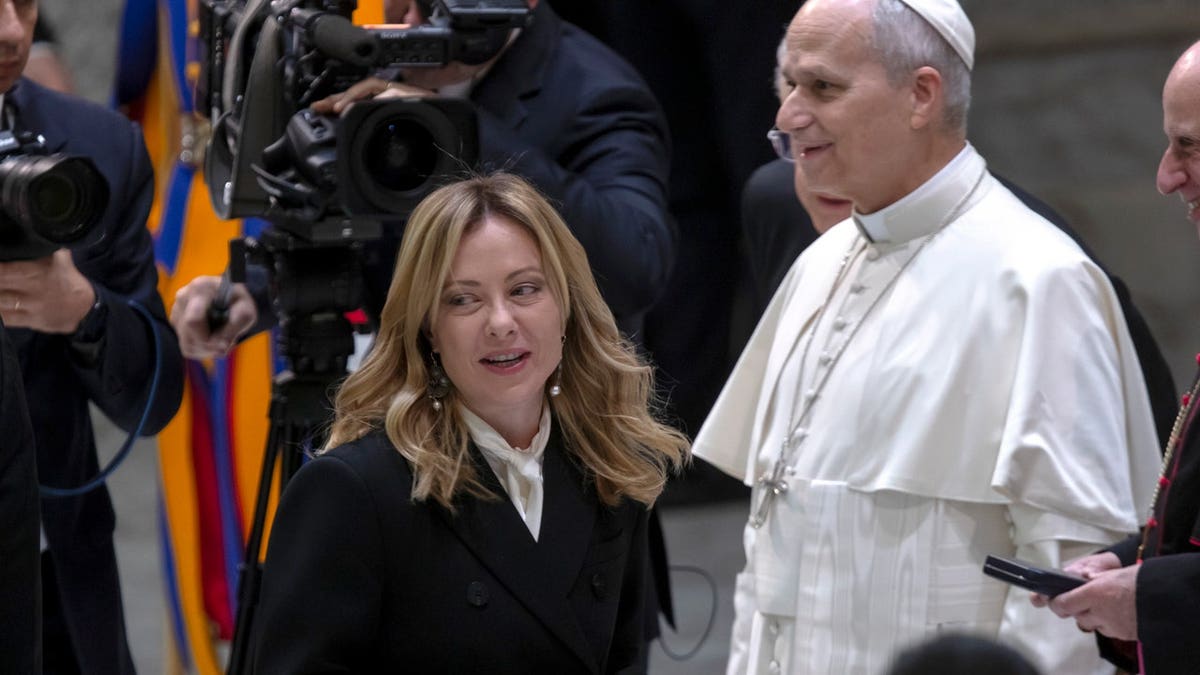
Rubio will travel to Italy on Wednesday for meetings with Pope Leo and Prime Minister Giorgia Meloni. (Maria Grazia Picciarella/SOPA Images/LightRocket via Getty Images)
Trump once had strong ties to the Italian head of state, with Meloni being the only European Union leader who got an invite to his inauguration in January 2025, according to NPR. Like Trump, Meloni is a conservative who favors traditional family values and often pushes back against «woke» ideology.
Cracks began to form in their relationship when Trump deployed his worldwide tariffs. Despite Meloni’s attempts to get trade relief for Italy, the U.S. still has a 15% tariff on most EU imports.
In April, when Trump attacked Pope Leo for his foreign policy views on Iran, Meloni issued a rare public rebuke, calling the president’s comments «unacceptable.»
IRAN ‘ALREADY AGREED’ TO GIVING UP NUCLEAR WEAPON AMBITIONS, TRUMP REVEALS
Before the U.S. and Iran signed a memorandum of understanding on Wednesday that halts hostilities for 60 days, Meloni repeatedly insisted Italy would not join the war.
«Italy is not participating and has no intention of participating,» Meloni told the Italian Senate in March.
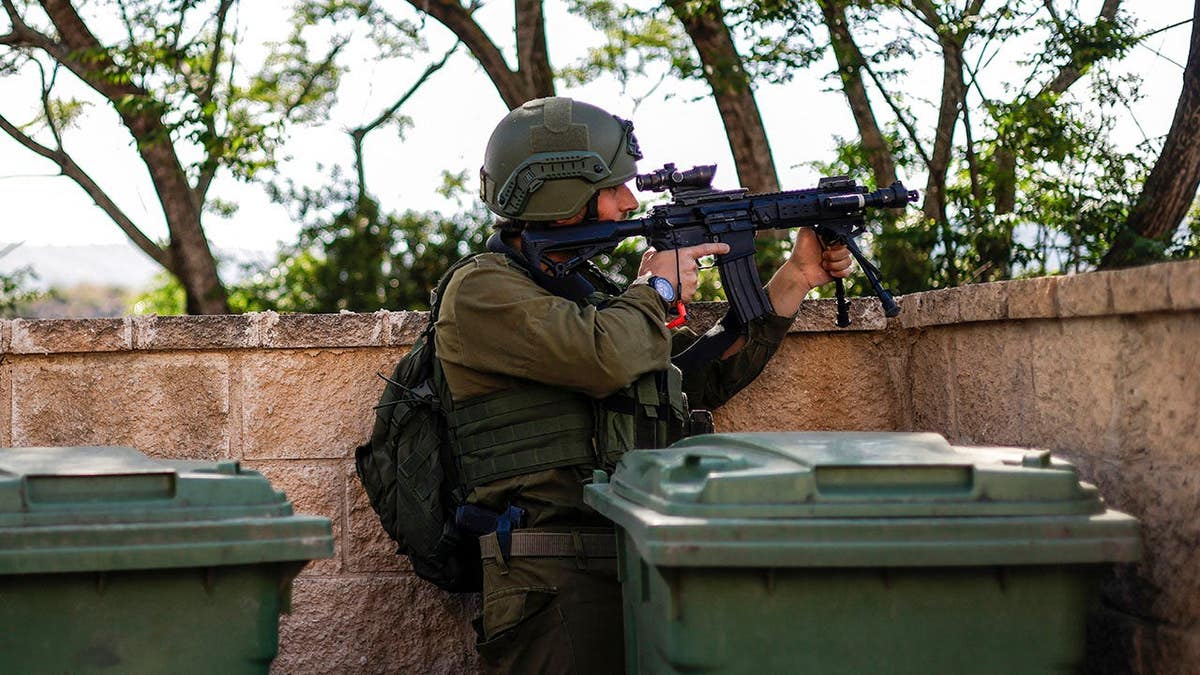
An Israeli soldier scans the area while taking cover near the Israel-Lebanon border following a Hezbollah drone attack on June 1, 2026. (Jalaa Marey/AFP via Getty Images)
CLICK HERE TO DOWNLOAD THE FOX NEWS APP
Still, Meloni has long been critical of Iran’s nuclear ambitions and has suggested restraining the regime through diplomatic means.
«We all agree on the fact that Iran cannot equip itself with a nuclear weapon,» Meloni said at last year’s G7 Summit. «The goal we are all working towards is to have negotiations that will truly prevent Iran from becoming a nuclear power.»
The U.S.-Iran talks that were scheduled for Friday were temporarily postponed amid renewed fighting in Lebanon between Israel and Hezbollah, an Iran-backed terrorist group. Talks were later set too resume in Switzerland between the U.S. and Iranian delegations after Israel and Hezbollah reached a ceasefire.
One of the key points of the MOU signed by Trump and Iranian President Masoud Pezeshkian required an end to military operations across all fronts, including in Lebanon, as part of the broader conditions for the agreement to remain in effect.
politics, donald trump, italy, iran, war with iran

Detrás del acto del Día de la Bandera: Victoria Villarruel sin mirar a los Milei y el dueño de Telefé presente

Hidrovía: las empresas que ganaron la licitación crearon Vía Navegable Argentina (VNA), la firma que operará la concesión

El parte médico de Fernando Gago tras ser operado de urgencia por un “infarto agudo”: los gestos de incomodidad durante su conferencia de prensa

Cristina Kirchner tendrá un banderazo en Parque Lezama, pero no habrá marcha hasta su casa de Constitución

La operación militar más grande de la historia parecía imparable, pero un enemigo inesperado cambió todo

‘Send them back’ chants rock European Parliament after landslide vote to speed up deportations

Patricia Bullrich: “El Presidente considera que Adorni dio una explicación razonable”

El Gobierno envía señales de que Adorni tiene las horas contadas para evitar que sesione el Senado

La secuencia del golazo de Messi para Argentina ante Argelia en el debut en el Mundial 2026 y los récords que rompió

GOP Gov DeWine urges Ohio to abolish the death penalty, says it is no longer a deterrent

 POLITICA3 días ago
Patricia Bullrich: “El Presidente considera que Adorni dio una explicación razonable”
- POLITICA3 días ago
Decomisan un helicóptero producto del lavado de las coimas de Odebrecht
- POLITICA3 días ago
Papelón y escándalo: anularon un sorteo de viviendas en PBA porque se olvidaron de incluir una bolilla