INTERNACIONAL
US turns to drones after retiring minesweepers to reopen Strait of Hormuz amid Iran crisis

NEWYou can now listen to Fox News articles!
The U.S. is racing to reopen the Strait of Hormuz as Iran threatens one of the world’s most critical shipping lanes, testing a Navy that has recently retired most of its dedicated minesweepers and is now relying on a smaller fleet of unmanned systems to do the job.
President Donald Trump has warned Tehran against further escalation and signaled the U.S. is prepared to act to keep the strait open, while Iranian forces have laid mines and threatened commercial traffic in the narrow waterway that carries a significant share of global oil.
The confrontation is now testing a weakness in the Navy’s mine-warfare posture. As the U.S. moves to reopen the Strait of Hormuz after Iranian mining threats, it is doing so after retiring most of the ships once dedicated to that mission and while still relying on a limited mix of legacy vessels and newer unmanned systems to clear one of the world’s most critical shipping lanes.
At the current moment, any mine-clearing effort is unfolding amid an active standoff in the strait. The U.S. has imposed a naval blockade on Iranian ports, while Iran has responded with attacks on commercial vessels, seizures of ships and threats to close the waterway entirely.
HEGSETH BLASTS BRITS, SAYS IRAN’S CHAOTIC RETALIATION HAS DRIVEN ITS OWN ALLIES ‘INTO THE AMERICAN ORBIT’
The merchant vessel Seaway Hawk sails in the Persian Gulf while transporting decommissioned U.S. Navy Avenger-class mine countermeasures ships, USS Devastator, USS Dextrous, USS Gladiator and USS Sentry. (Petty Officer 2nd Class Iain Page /U.S. Naval Forces Central Command / U.S. 5th Fleet)
At least several commercial ships have come under fire in recent days, and both sides have intercepted vessels as they attempt to move through the choke point, underscoring the risks facing any operation to restore traffic.
Iran has tied further negotiations to the lifting of the U.S. naval blockade, while Washington has insisted on security guarantees and reopening the strait, leaving little immediate path to a deal.
The operation comes after a major shift in how the Navy handles mine warfare. The service retired its four Bahrain-based minesweepers last year, ending a decades-long presence of dedicated mine-hunting ships in the Middle East.
At the start of the current crisis, the Navy’s remaining minesweepers were based in Japan, not the Persian Gulf, and newer littoral combat ships equipped for mine countermeasures were not all positioned in the region.
Multiple news outlets have reported Iran has laid at least a dozen mines in the strait, citing intelligence assessments, though some estimates put the number higher.
Now, as the U.S. moves to reopen the strait, some of those assets are being brought back in. Two Avenger-class mine countermeasure ships, USS Chief and USS Pioneer, were tracked sailing west from Southeast Asia toward the Middle East in recent days as preparations for mine-clearing operations ramp up.
DESTROY THE REGIME’S POWER WITHOUT OCCUPYING IRAN: A SMARTER WAR PLAN
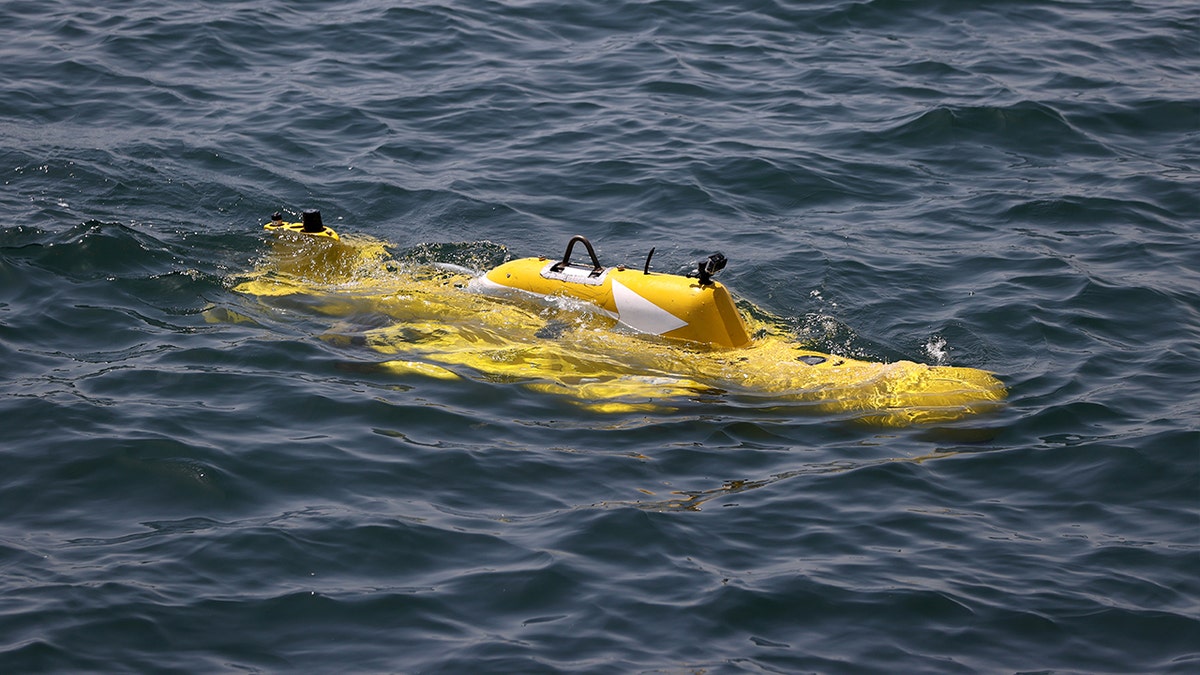
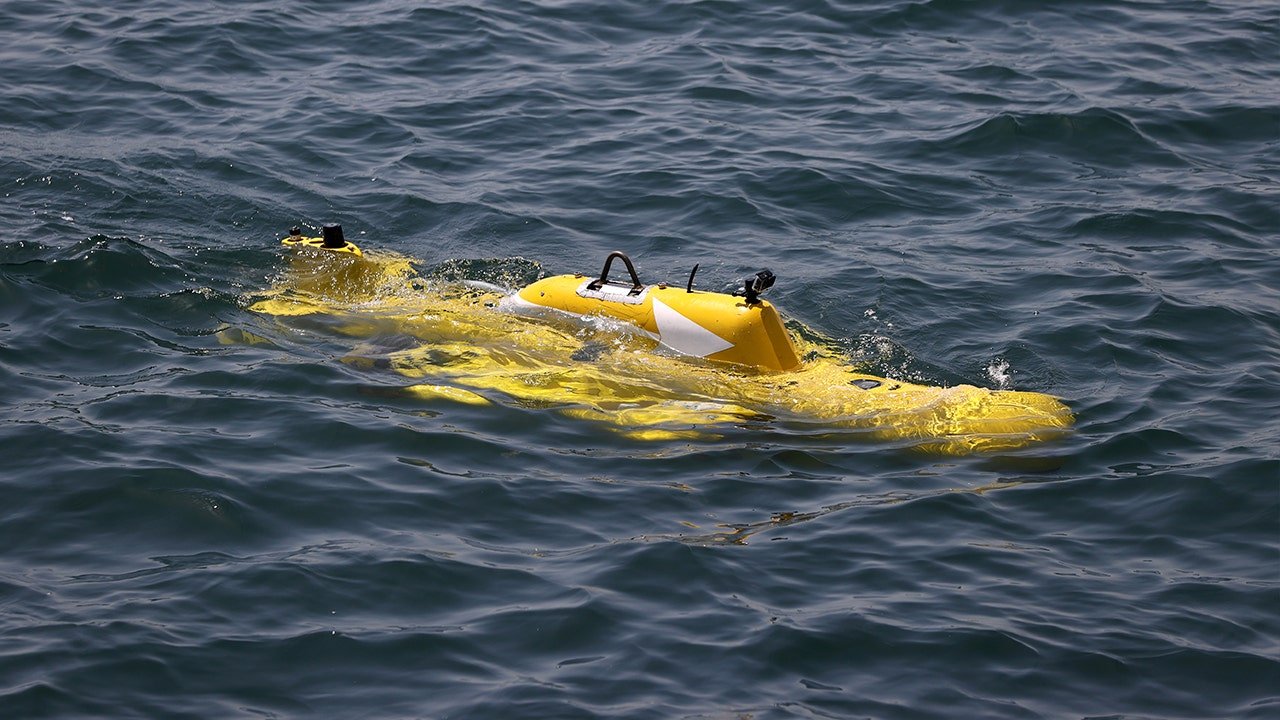
Image shows the Turkish Navy’s version of the mine-sweeping drone. (Ali Atmaca/Anadolu Agency via Getty Images)
The shift has left the Navy relying on a mix of legacy ships being surged into theater and newer unmanned systems designed to detect and neutralize mines.
«To be honest, that the minesweepers retired was never a concern to me, because we had brought in newer technology,» retired Vice Adm. Kevin Donegan, who previously commanded the Navy’s 5th Fleet, told Fox News Digital.
But analysts say the Navy is still working through a transition as it replaces its older minesweepers with newer systems.
«We’re sort of at this nadir of the Navy’s mine sweeping capacity,» Bryan Clark, a defense analyst at the Hudson Institute, told Fox News Digital.
Clark said the Navy has spent years developing unmanned systems to replace legacy ships, but currently has a limited number of those systems available for large-scale operations.
U.S. forces are not sending ships blindly into minefields. Instead, the operation begins with a wave of unmanned systems scanning the seabed to identify potential threats.
Underwater drones — some torpedo-shaped — are deployed in grid patterns to map the ocean floor and detect objects that could be mines, using high-resolution sonar to distinguish them from debris.
«They kind of look like torpedoes and they map the bottom,» Donegan said.
In parallel, surface drones tow sonar systems through narrow lanes, while helicopters equipped with sensors scan for mines closer to the surface, allowing the Navy to build a detailed picture of what is actually in the water.
TRUMP VOICES FRUSTRATION WITH NATO, SAYS IRANIAN NAVY ‘DESTROYED’ AS US PREPS FOR BLOCKADE
But identifying mines is only the first step.
«The mine neutralization part is really the long leg of the process,» Clark said.
Once a mine is located, operators deploy remotely controlled systems to disable it — either by detonating it in place or puncturing it so it sinks. Even then, the danger is not fully removed.
«You’ve got to then retrieve this thing with EOD personnel,» Clark said, referring to explosive ordnance disposal teams tasked with clearing debris that can still pose a hazard to passing ships.
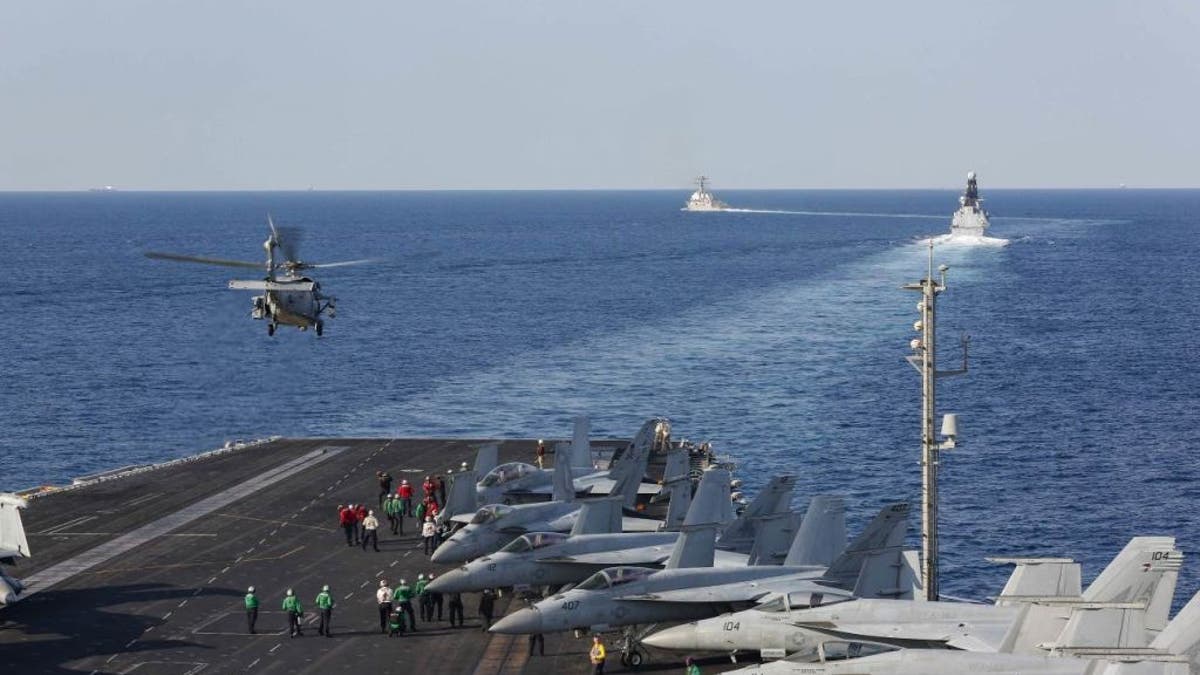
The U.S. Navy has currently launched a blockade of the Strait of Hormuz amid a standoff with Iran. (Photo by Stephanie Contreras- U.S. Navy via Getty Images)
Clearing mines remains a slow and methodical process that can stretch timelines depending on how many devices are in the water and how they are deployed.
The Pentagon has told Congress the effort could take as long as six months, according to a Washington Post report.
Clark said recent war-gaming suggests U.S. forces could identify and begin neutralizing mines within weeks, but fully removing them from key shipping lanes could take significantly longer.
«The finding part, you could do within a couple of weeks,» he said, adding that neutralizing mines could take additional time and that removing debris and ensuring lanes are completely safe could extend operations into months.
CLICK HERE TO DOWNLOAD THE FOX NEWS APP
Donegan cautioned that timelines are difficult to predict, in part because U.S. forces must first confirm whether mines are actually present in the areas Iran has claimed.
«When somebody says they mined it, you have to go validate if that’s even true, and that takes time,» he said.
us navy, middle east, pentagon, war with iran, iran









INTERNACIONAL
El régimen de Venezuela sitió el acceso a La Guaira, la zona más golpeada por los terremotos
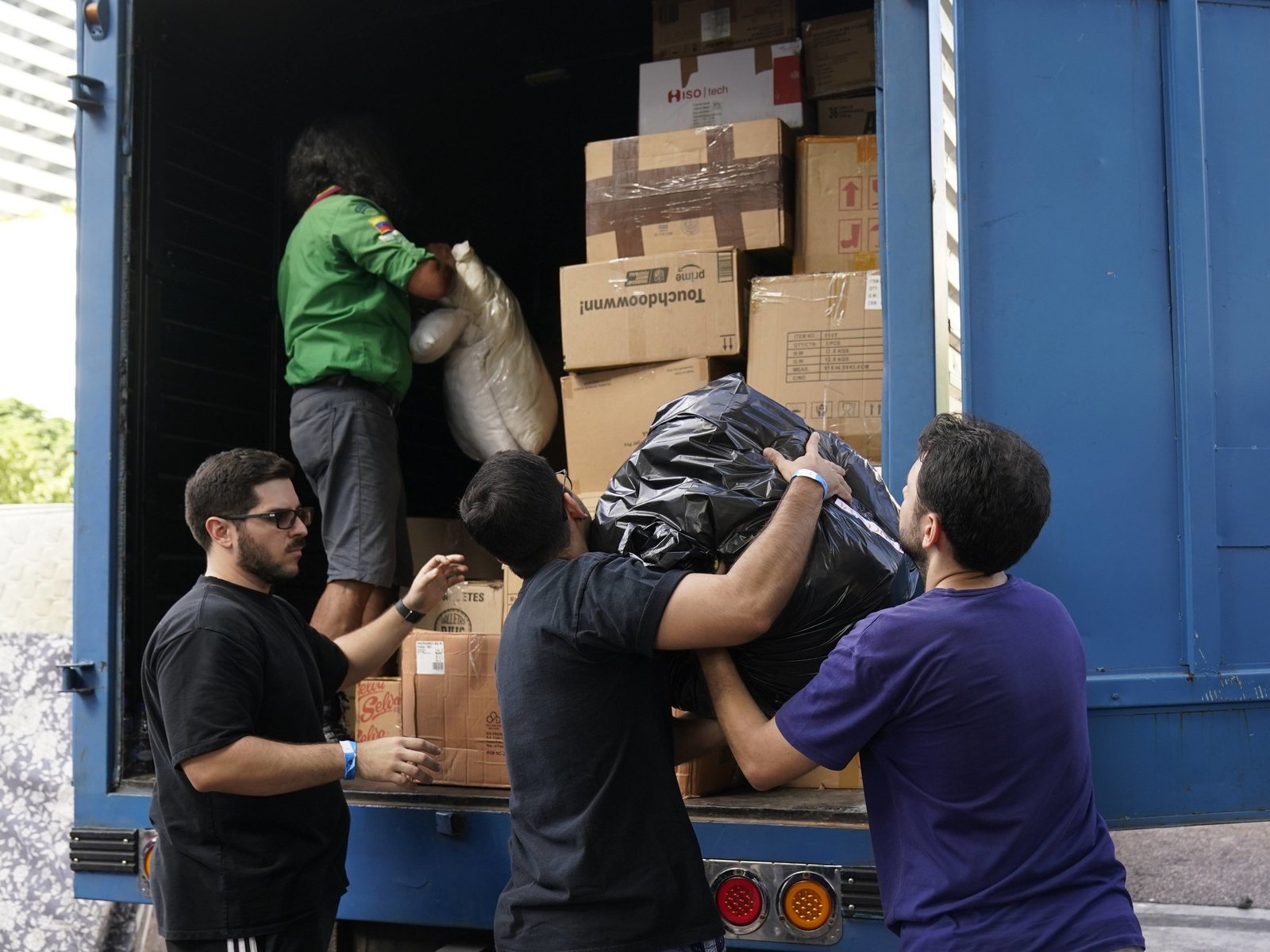
A poco más de 25 kilómetros de Caracas, La Guaira es el epicentro de la tragedia humanitaria, con el colapso de decenas de edificios y miles de desaparecidos tras los terremotos simultáneos. Concentra la mayor cantidad de ayudas tanto de los venezolanos como la extranjera, y terminó por flexibilizar a un estricto régimen.
Es una zona conocida por los caraqueños porque está al otro lado del cerro El Ávila y hay que atravesar la ruta con túneles para llegar a sus bonitas playas. También la conocen los turistas, porque es el mismo camino para ir al principal aeropuerto del país, Maiquetía, que quedó destruido.
A partir del impacto de los dos terremotos el miércoles a la tarde, muchos de sus edificios colapsaron por completo, en un día feriado y con muchas personas en sus casas.
La tragedia es tan grande que se cortaron todos los servicios públicos. Decenas de personas se acercaron a colaborar para rescatar a personas atrapadas, otros fueron a buscar noticias de sus familiares. Pero también hubo saqueos.
Diosdado Cabello, ministro de Relaciones Interiores, Justicia y Paz de Venezuela -quien conserva el cargo tras la captura del dictador Nicolás Maduro por parte de Donald Trump en enero-, fue el encargado de anunciar restricciones en la zona.
Desde las 20 del viernes, remarcó que quienes quieran ir a La Guaira deberán registrarse en el Poliedro de Caracas donde, en caso de caso de ser habilitados, recibirán un QR o un chaleco, en el caso de los motorizados. «Las autoridades estarán tomando las decisiones a lo largo de la ruta, para evitar que personas que no tienen ningún tipo de tarea asignada en La Guaira puedan venir», añadió.
Argumentó que el exceso de personas que iba a colaborar generó problemas de circulación para las ambulancias y saturó las vías de evacuación. Y además, justificó la medida en una cuestión sanitaria.
Tras la comunicación oficial, cuarenta organizaciones no gubernamentales expresaron este sábado su profunda preocupación por la decisión de militarizar el estado La Guaira y exigieron que las operaciones de emergencia se desarrollen con estricto respeto a los derechos humanos.
Pero a la par de las restricciones, otra comunicación oficial sorprendió a los periodistas, en especial a los extranjeros.
El Ministerio de Comunicación e Información abrió una instancia para que la prensa pueda viajar de forma ordenada y autorizada a La Guaira.
«El Ministerio de Comunicación convoca a los profesionales del periodismo al proceso oficial de registro y acreditación para la cobertura informativa integral del sismo registrado el pasado 24 de junio», señala el comunicado.
«La labor de los comunicadores resulta fundamental para garantizar a la ciudadanía el acceso a información veraz, precisa y oportuna. Para facilitar el trabajo de los reporteros, fotógrafos y equipos técnicos, hemos dispuesto un espacio dedicado exclusivamente a la gestión de sus credenciales de acceso a las zonas habilitadas para la prensa y a los balances oficiales de las autoridades», remarcan.
En el punto de acreditación, personal muy amable saluda, le saca fotos a los pasaportes, a las credenciales de prensa. Pregunta el grupo sanguíneo, un teléfono de emergencia de contacto y pide el celular. Después de ese proceso, le colocan una pulsera a cada periodista e informan que habrá dos convoys diarios para ir a La Guaira.
En la conversación, personal del ministerio informó que hasta las 15 del sábado, se habían acreditado 327 periodistas extranjeros y 387 locales. Y ante la consulta de Clarín, aseguraron que se acreditó más prensa extranjera que para las polémicas elecciones presidenciales de 2024.
Para ese entonces, el proceso para obtener una visa de periodista era bastante engorroso. En la semana previa a la elección deportaron a decenas de periodistas que en el aeropuerto dijeron su profesión y señalaron que no tenían visa de periodista.
En enero de este año, unos 500 periodistas extranjeros esperaron durante días la visa de periodista para entrar a Venezuela desde Cúcuta, Colombia, tras la captura de Maduro por parte de Estados Unidos. Jamás respondieron ninguna solicitud.
La tragedia ambiental de La Guaira flexibilizó al régimen. Recibió ayuda de países con los que está enemistado. En los aviones, además de los rescatistas, máquinas, herramientas y personal, también viajaron periodistas. Ninguno tramitó la visa de trabajo para entrar y recibieron su pulsera para ir a La Guaira. Todo un cambio de actitud en el gobierno de Delcy Rodríguez
El sistema se implementó por primera vez el viernes y más de 300 periodistas estuvieron en La Guaira.
INTERNACIONAL
Former House intel leader points to Dem rhetoric ‘encouraging’ violence; eighth man charged in UFC terror plot

NEWYou can now listen to Fox News articles!
An eighth person was charged in connection with a thwarted plot targeting the Freedom 250 Ultimate Fighting Championship (UFC) event at the White House, as a former key lawmaker, ex-FBI agent and current candidate for Senate warned that escalating rhetoric on the left is stoking violence.
«They’re calling people Nazis and anti-American,» former House Intelligence Committee Chair Mike Rogers, who is running for Senate in Michigan, told Fox News Digital. «This No Kings notion. People are destroying your government and your way of life. It gives people who are already out there a little bit of permission to take the next step, and they’ve got to control their rhetoric on this.»
Rogers said Democrats are «encouraging» people to move beyond «normal political discourse» and into violent attacks. All eight suspects are accused of conspiring to use explosive-laden drones to trigger a mass evacuation of the June 14 event before directing fleeing crowds toward pre-positioned shooters, with a «second wave» planned to target the White House gate, FBI officials previously told Fox News Digital.
«They are encouraging a lot of people to get worked up to cross that line between what would be normal political discourse into radical, aggressive political behavior, including attempted murder, which you just saw in the UFC fights,» Rogers said.
FBI DISRUPTS ALLEGED EXPLOSIVE-DRONE PLOT TARGETING WHITE HOUSE UFC EVENT, OFFICIALS SAY
The five suspects charged in an alleged plot targeting President Donald Trump and other officials during the UFC Freedom 250 event at the White House. From left: Daniel K. Eskridge, Abraham Hermosillo Alvarez, Bryan Omar Roa, Michael Alan Thomas and Tycen C. Proper. (Jacquelyn Martin/Pool/Getty Images)
Rogers, a former FBI special agent, is running in Michigan’s Republican Senate primary on Aug. 4 for the seat being vacated by retiring Sen. Gary Peters.
Rogers said «self-radicalized» individuals are harder to identify, but praised law enforcement for stopping the alleged plot in time.
AMERICAN YOUTH RADICALIZED ONLINE, BUSTED IN SUSPECTED TERROR PLOTS AFTER HATING COUNTRY ON SOCIAL MEDIA
«That self-radicalization can be really dangerous,» he said. «It causes somebody to get in the car, drive, run over somebody or, you know, do some other act of violence.»
According to the Washington state complaint, the suspects allegedly used a Telegram chat to conspire to obtain multiple drones capable of carrying heavy explosive payloads, while federal investigators said they also acquired firearms, ammunition, ballistic gear and other tactical equipment in preparation for the attack.
The plotters allegedly met around March through a TikTok community before moving to encrypted Signal chats, according to the complaint, and later agreed to commit murder on White House grounds and in the surrounding area during the UFC Freedom 250 event, prosecutors said.
RISING ANTISEMITIC VIOLENCE, TERROR ATTACKS IN US SPUR HOUSE HOMELAND SECURITY COMMITTEE HEARING

A woman gathers children as officers respond to a call at Temple Israel synagogue in West Bloomfield Township, Mich., March 12, 2026. (Corey Williams/AP Photo)
The alleged plot was eventually foiled with the help of a tip from the mother of one of the suspects.
Pointing to a recent attack on a Michigan synagogue, Rogers said the rhetoric can lead some people to believe political violence is «okay.»
«In Michigan, we had an individual who decided that it was okay to drive a car full of explosives into a synagogue where 130 schoolchildren were being educated and tried to blow himself up,» he said.
In that March attack, Ayman Mohamad Ghazali allegedly crashed his pickup into a West Bloomfield synagogue with more than 100 children inside before officers fatally shot him. Officials previously said the attack came after several of his family members were killed in Lebanon during the country’s war with Israel, and he became radicalized by Iran-backed Hezbollah.
CLICK HERE TO DOWNLOAD THE FOX NEWS APP
Rogers said social media has contributed to political violence, saying the violent rhetoric plastered online is «very, very concerning.»
«All of that activity is fed online and through the internet, through conversations and through this heated and wrong-headed violent rhetoric, and their violent terminology is very, very concerning,» he said.
Fox News Digital’s Morgan Phillips, Michael Ruiz, David Spunt and Jake Gibson contributed to this report.
democrats elections, fbi, counter terrorism, republicans, terrorism
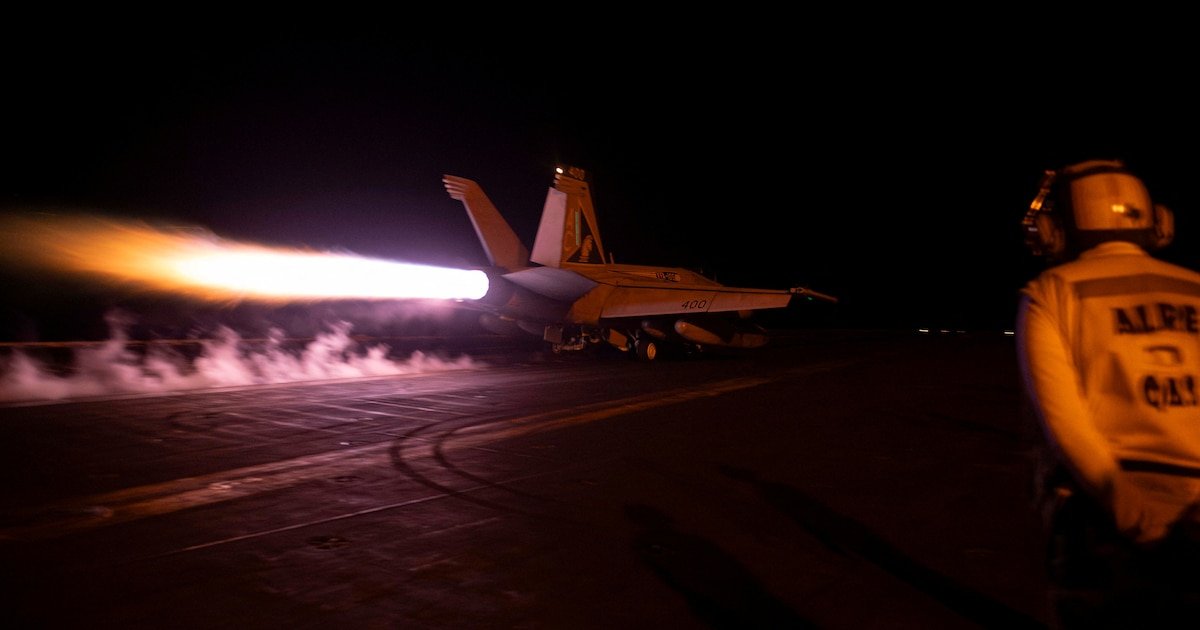
El Comando Central de Estados Unidos (CENTCOM) confirmó haber lanzado una serie de ataques contra “múltiples objetivos” militares en Irán este sábado por la noche, bajo órdenes directas del presidente Donald Trump.
Según un comunicado oficial, la operación se realizó en respuesta a una serie de incidentes recientes que han elevado la tensión en el estratégico estrecho de Ormuz.
De acuerdo con el anuncio de CENTCOM, la acción militar se produjo después de que, durante la mañana, un dron iraní impactara contra el buque petrolero M/T Kiku, de bandera panameña. El incidente ocurrió a las 4:30 a.m. hora del este de Estados Unidos, mientras la embarcación transportaba más de dos millones de barriles de crudo a través de aguas próximas al estrecho.
El organismo estadounidense detalló que el régimen de Irán había recibido la oportunidad de respetar un acuerdo de alto el fuego tras un ataque previo contra el buque M/V Ever Lovely, pero optó por continuar con sus acciones ofensivas.
“Las fuerzas de CENTCOM lanzaron ataques hoy en respuesta directa a la persistente agresión iraní contra la navegación comercial”, señala el comunicado. Según el parte militar, los aviones estadounidenses dirigieron sus acciones contra instalaciones de vigilancia, sistemas de comunicación, sitios de defensa aérea, depósitos de drones y capacidades de colocación de minas pertenecientes a las fuerzas iraníes.

Medios iraníes informaron un rato antes sobre múltiples explosiones en las regiones de Sirik y Qeshm, en la zona iraní del estrecho de Ormuz, durante la noche del sábado al domingo. La televisión pública IRIB citó a una “fuente militar informada” que atribuyó las detonaciones al impacto de proyectiles sobre una torre de comunicaciones en la localidad de Taherui. El mismo medio reportó daños en la zona de Masan, en la isla de Qeshm, próxima al puerto estratégico de Bandar Abbas.
Este sábado temprano, el Gobierno de Bahréin denunció que fue atacado por “varios drones iraníes”, mientras que Teherán aseguró que tuvo como objetivo “bases estadounidenses”, sin precisar dónde, en una nueva violación del memorando de entendimiento firmado entre Irán y Estados Unidos.
El Ministerio de Exteriores bahreiní confirmó el ataque perpetrado hoy “contra su territorio por varios drones iraníes, en una flagrante violación de su soberanía, una amenaza flagrante a la seguridad de sus ciudadanos y residentes, y una clara violación de las normas y convenciones internacionales que prohíben atacar objetivos civiles y aterrorizar a personas inocentes”.

En un comunicado, responsabilizó “exclusivamente a Teherán de socavar los esfuerzos de paz” y reiteró que dicha paz “no se construye mediante la intimidación, que la seguridad no se conquista mediante la agresión, y que la determinación de Baréin es más fuerte que cualquier amenaza”.
Por su parte, el Centro de Operaciones de Comercio Marítimo del Reino Unido (UKMTO), vinculado al Ministerio de Defensa británico, confirmó que el sábado un proyectil no identificado impactó en el puente de mando de un petrolero, causando daños materiales pero sin afectar a la tripulación ni provocar un derrame.
En su advertencia a los navegantes, el UKMTO recomendó a los buques que extremen la precaución en el área y reporten cualquier actividad sospechosa, al tiempo que elevó el nivel de amenaza a “sustancial”. Además, el organismo británico informó sobre la presencia de buques de guerra implicados en tareas de desminado en la zona.
Las fuerzas estadounidenses aseguraron que el tránsito comercial por el estrecho de Ormuz continúa y que las unidades militares de Estados Unidos permanecen “vigilantes, letales y preparadas” ante cualquier nueva escalada. El estrecho de Ormuz, uno de los principales corredores energéticos del mundo, ha visto en los últimos meses un incremento significativo de incidentes y choques entre fuerzas iraníes y occidentales, lo que mantiene en vilo a la comunidad internacional y a los mercados energéticos.

Esta mañana, la Guardia Revolucionaria iraní afirmó que atacó posiciones de las fuerzas estadounidenses cerca del estrecho de Ormuz, lo que disparó las tensiones en la zona en medio de los esfuerzos para un acuerdo definitivo de paz.
La Guardia denunció que Washington violó el memorando de entendimiento firmado el 17 de junio entre ambas partes para poner fin a la guerra y reabrir el estrecho de Ormuz.
El Ejército estadounidense bombardeó el viernes por la noche instalaciones militares iraníes en la costa sur del país como represalia por el ataque del jueves de Teherán contra el buque mercante M/V Ever Lovely, con bandera de Singapur, mientras abandonaba el estrecho de Ormuz frente a la costa de Omán.
La Guardia Revolucionaria aseguró que la ofensiva iraní del jueves se debió a que el buque navegaba por una ruta no autorizada en el estrecho de Ormuz.
El ataque del jueves de Irán contra el buque mercante fue la primera acción militar registrada en la zona desde la firma del memorando, lo que, según el Comando Central de Estados Unidos (Centcom), “violó claramente el alto el fuego” y “socavó la libertad de navegación” en el estratégico estrecho de Ormuz.
c5f,centcom,cvn 69,navcent,uscentcom,uscentcompa,uss dwight d. eisenhower

Ranking de 80 ciudades argentinas: cuáles son las que ofrecen mejores condiciones para la vivienda

El texto completo de la renuncia de Manuel Adorni

Karina Milei confirmó a Santilli como nuevo jefe de Gabinete: falta el OK del presidente

Con un gol sobre la hora del hijo de Diego Milito, Racing eliminó a Independiente en el clásico de Reserva y avanzó a semifinales

Los creadores de Lords of the Fallen 2 han tomado la mejor decisión posible para el soulslike

El régimen de Venezuela sitió el acceso a La Guaira, la zona más golpeada por los terremotos

Desesperación y burocracia: Pacientes con cáncer denuncian esperas de más de 20 días en PAMI para recibir su medicación

Nuevos controles a las devoluciones de 30% por gastos en el exterior: cómo pedir el reembolso del dólar tarjeta ante ARCA

El CEO de Epic Games tiene claro por qué fracasan los nuevos juegos multijugador, y el culpable puedes ser tú y tus amigos

Far-left surge: Mamdani-backed candidates oust Dem establishment incumbents

 INTERNACIONAL3 días ago
Líderes mundiales ofrecieron ayuda humanitaria y equipos de rescate a Venezuela tras los devastadores terremotos
- POLITICA3 días ago
El Gobierno le ofreció asistencia humanitaria a Venezuela por los terremotos: «Acá no hay ideología que nos separe»
- POLITICA2 días ago
El oficialismo hizo caer la sesión del Senado para evitar la interpelación a Manuel Adorni