
INTERNACIONAL
Trump aseguró que el ejército de Estados Unidos mató a uno de los líderes más importantes de ISIS

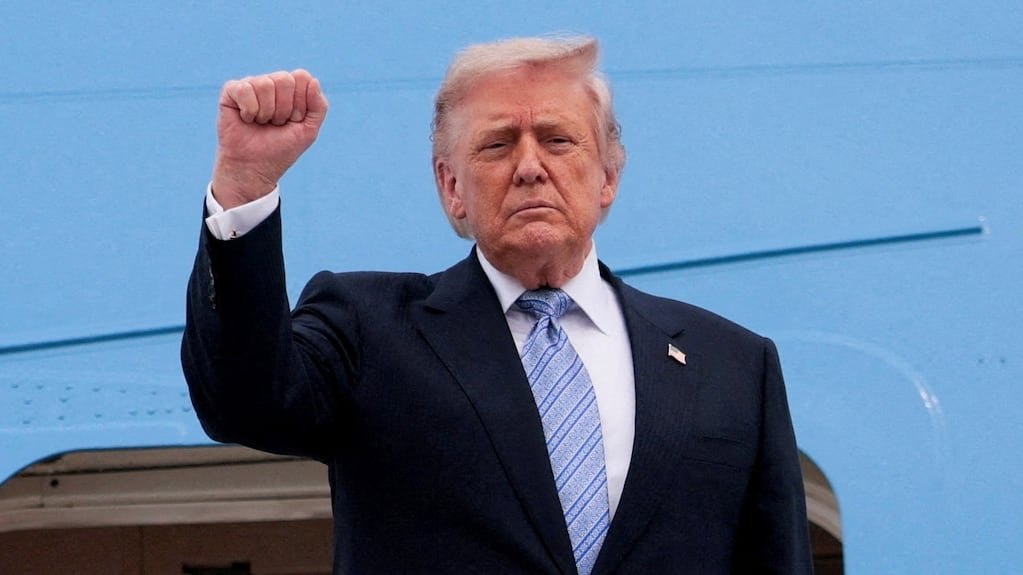
Donald Trump afirmó que Estados Unidos y Nigeria mataron a Abu-Bilal al-Minuki, considerado el segundo al mando del grupo Estado Islámico (ISIS, por sus siglas en inglés) en una operación conjunta.
“Abu Bilal al Minuki, segundo al mando del EI en todo el mundo, pensó que podía esconderse en África, pero no sabía que teníamos fuentes que nos mantenían informados de lo que estaba haciendo”, afirmó Trump en un posteo en su red Truth Social.
El mandatario agregó que “el terrorista más activo del mundo” fue eliminado bajo sus órdenes en “una misión meticulosamente planificada y muy compleja” de las “valientes fuerzas estadounidenses y las Fuerzas Armadas de Nigeria”.
El anuncio llegó poco después de la visita de Trump a China, donde se reunió con Xi Jinping en medio de la tensión global por la disputa entre Washington y Beijín, el conflicto con Irán y la inestabilidad en Medio Oriente.
Quién era Abu-Bilal al-Minuki, el jefe de ISIS en África
Nacido en Borno, Nigeria, en 1982, al-Mainuki asumió el liderazgo de la facción de ISIS en África Occidental tras la muerte de Mamman Nur en 2018, según el Counter Extremism Project (CEP), un grupo que monitorea a las principales organizaciones insurgentes del mundo.
El CEP detalló que Al-Minuki tenía su base de operaciones en la zona del Sahel y que combatió en Libia cuando la milicia radical estaba activa en ese país hace más de una década.
Para Estados Unidos, era una figura clave en la organización y las finanzas de ISIS, y se sospechaba que planeaba ataques contra intereses estadounidenses.
Ataques entre junio de 2024 y junio de 2025 de bandas relacionadas con el Estado Islámico y del Grupo de Apoyo al Islam y los Musulmanes, afiliado a Al Qaeda. (Infografía: AFP).
“Con su eliminación, las capacidades operativas del EI en todo el mundo quedan considerablemente disminuidas”, aseguró Trump. El presidente nigeriano Bola Tinubu y su ejército confirmaron el sábado la información.
“Nuestras fuerzas armadas nigerianas, determinadas y en estrecha colaboración con las fuerzas armadas de Estados Unidos, llevaron a cabo una audaz operación conjunta que asestó un duro golpe a las filas del Estado Islámico”, declaró Tinubu en un comunicado.
El ejército nigeriano describió a Abu Bilal al Minuki como un “alto cargo del Estado Islámico y uno de los terroristas más activos del mundo”.
El impacto de la operación y la reacción de la Casa Blanca
La cuenta oficial de la Casa Blanca en X también replicó el mensaje de Trump, quien celebró: “Ya no aterrorizará al pueblo africano ni ayudará a planificar operaciones contra estadounidenses. Con su eliminación, la operación global del ISIS se ve considerablemente debilitada. Gracias al Gobierno de Nigeria por su colaboración en esta operación. ¡Dios bendiga a América!”.
En diciembre pasado, Trump ya había ordenado un ataque letal contra terroristas del Estado Islámico en Nigeria, a quienes acusó de “perseguir a los cristianos en el país”.
Estados Unidos refuerza su alianza contra el terrorismo
Con esta acción, Trump buscó reafirmar la postura de Estados Unidos en la lucha contra el terrorismo, no solo en Medio Oriente sino también en África.
En esa línea, Thomas DiNanno, subsecretario de Estado para Seguridad Internacional y Control de Armamento, visitó la Argentina el mes pasado y destacó el “compromiso común de ambos gobiernos” en la lucha contra el terrorismo.
“Felicitamos al presidente Milei por tomar una postura firme en relación al terrorismo”, sostuvo DiNanno ante medios argentinos.
Leé también: Israel y Líbano extendieron por 45 días el alto al fuego mientras continúan los ataques en la frontera
El funcionario, que responde al secretario de Estado Marco Rubio, remarcó que la situación más crítica de insurrección de estos grupos se vive en Irán, actualmente en una frágil tregua tras semanas de guerra con Estados Unidos e Israel.
DiNanno prometió “asistencia”, “recursos” y “capacitación” desde el FBI y la DEA para fortalecer el trabajo conjunto con la Argentina.
Además, subrayó que los programas de contraterrorismo y lucha contra el narcotráfico cuentan con fondos “muy importantes” para desmantelar crímenes transnacionales, parte de los cuales serán destinados al país.
Estado Islámico, ISIS, Estados Unidos, Nigeria











INTERNACIONAL
EXCLUSIVE: Oversight Project sues to block Maryland Democrats’ redistricting measure backed by Gov Moore
NEWYou can now listen to Fox News articles!
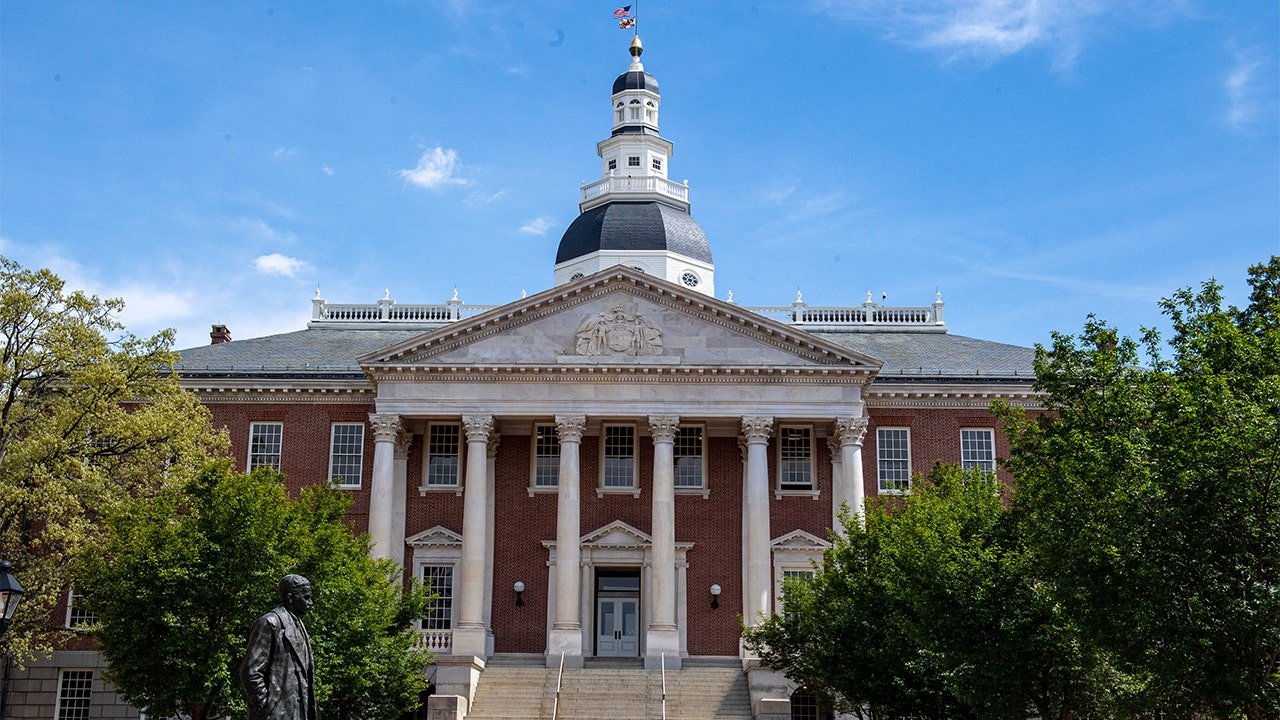
EXCLUSIVE: A new lawsuit set to be filed in Maryland seeks to block a redistricting amendment backed by Democrat Gov. Wes Moore from appearing on the November ballot, arguing state officials advanced the measure after the state’s own legislative analysts concluded the statutory deadline for certifying ballot questions had already passed.
The complaint, filed Thursday night in Anne Arundel County Circuit Court by the conservative watchdog group Oversight Project and reviewed by Fox News Digital, argues HB 2100 could not lawfully reach voters because Maryland’s July 1 deadline for certifying statewide ballot questions expired more than a month before lawmakers convened a special session to approve the proposal.
The Oversight Project, which filed the lawsuit with Republican lawmakers, argues approval of the amendment could pave the way for an 8-0 Democratic congressional delegation.
SUPREME COURT DEALS BLOW TO VIRGINIA DEMOCRATS IN FIGHT OVER STATE COURT ELECTION MAP RULING
HB 2100 would ask voters to amend the Maryland Constitution so state constitutional standards governing compactness and boundaries would no longer apply to congressional districts.
The Oversight Project describes itself as working «to expose and root out corruption in government, among elected officials, and in our most influential organizations to ensure power resides with the American People.»
The complaint alleges Democratic sponsors characterized the amendment as merely «technical» in the Maryland House. (Getty, File)
Its filing points to a Department of Legislative Services fiscal note stating that «the new statutory deadline of July 1 for certification of ballot questions» had already passed. The fiscal note also states that election officials were required to publicly post the full text of a proposed constitutional amendment at least 90 days before Election Day.
According to the complaint, lawmakers then added the phrase «notwithstanding any other provision of law» to HB 2100 less than an hour before the joint committee hearing began. The plaintiffs argue the language was intended to override Maryland’s certification, notice and public comment requirements after those deadlines had already elapsed.
The complaint further alleges Democratic sponsors characterized the amendment as merely «technical» in the House, while Senate debate reflected that lawmakers understood the statutory timeline could no longer be met.
The filing cites remarks by Democratic state Sen. Cheryl Kagan during floor debate.
VIRGINIA DEMS ACCUSED OF ILLEGALLY ‘STEAMROLLING’ STATE LAW THAT COULD UPEND REDISTRICTING CRUSADE
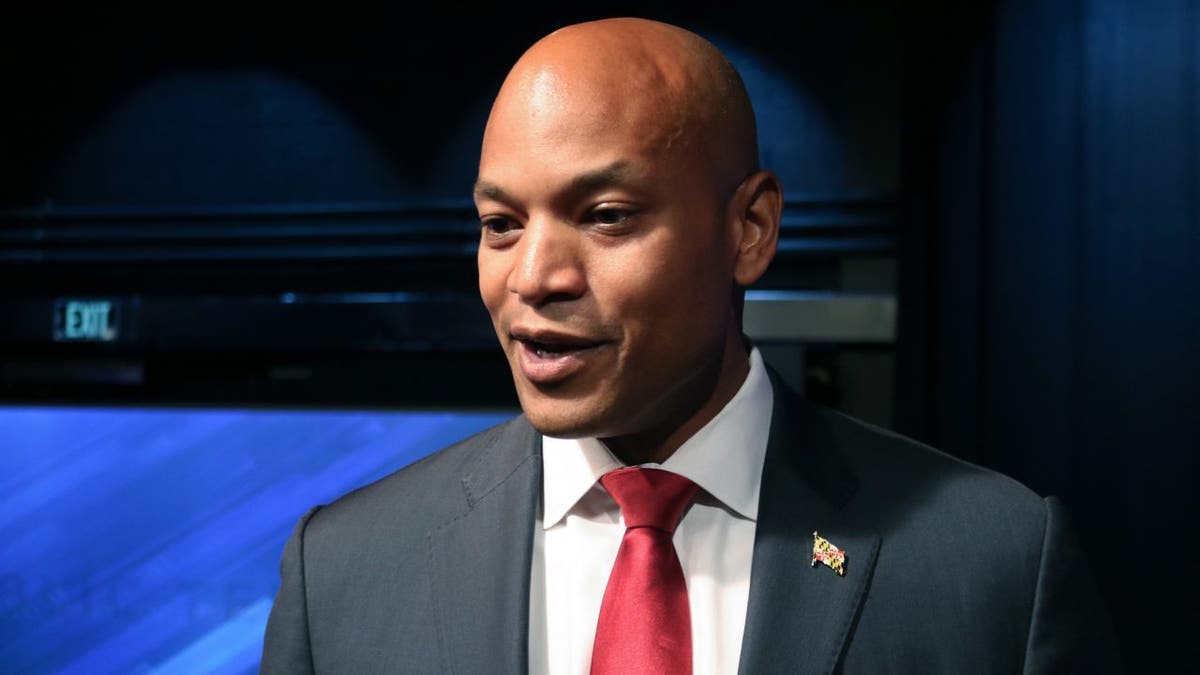
A new lawsuit in Maryland seeks to block a redistricting amendment backed by Democrat Gov. Wes Moore. (Brian Witte/AP Photo, File)
«There is no time to comply with the plain language of the law with our new law because July 1st is in the rearview mirror,» Kagan said, according to the complaint. «There’s no time to have the Secretary of State draft language, to have it published, to have a comment period, to have it modified. It’s just not an option.»
Maryland GOP Delegate Matt Morgan, one of the plaintiffs, told Fox News Digital the disputed language was introduced at 11:08 a.m. for a noon committee hearing.
«They have the law. They’re supposed to follow it. They didn’t,» Morgan said. «And now we’re going to take it to court and see what the judges have to say about it.»
DEMS CIRCLE THE WAGONS BY BLAMING GOP FOR THEIR GERRYMANDERING RESPONSE AHEAD OF MIDTERMS: ‘VERY DESPERATE’
The complaint argues that HB 2100 could not lawfully reach voters because Maryland’s July 1 deadline for certifying statewide ballot questions expired more than a month before lawmakers convened a special session to approve the proposal. (Kyle Grillot/Bloomberg via Getty Images, File)
Morgan said Democratic leadership later described the amendment as «technical» on the House floor.
«The truth is that that was their way of trying to get around them missing all these statutory deadlines,» he said.
Republican Delegate Kathy Szeliga, another plaintiff, said legislators had only hours to review the revised language while the public had no opportunity to comment.
«The public got absolutely no time to look and weigh in on the amended language,» Szeliga told Fox News Digital. «So, it just reeks of a naked political, partisan power grab on the Democrats’ behalf.»
According to the complaint, the proposal is intended to overturn the practical effect of a 2022 state court ruling holding that those constitutional standards applied to congressional redistricting. Democrats hold seven of Maryland’s eight U.S. House seats.
REDISTRICTING WAR INTENSIFIES AS GOP SUFFERS SETBACKS IN TWO STATES
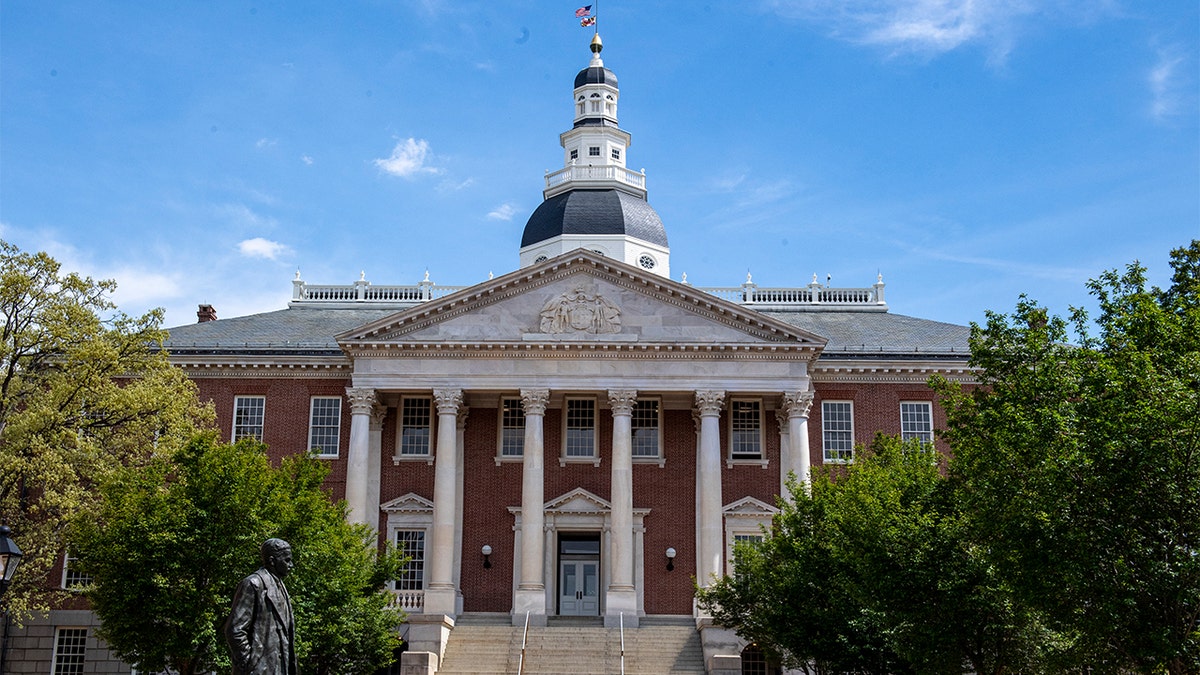
Democratic leadership described the amendment as «technical» on the state House floor. (Jonathan Newton/For The Washington Post via Getty Images, File)
Moore has publicly defended the amendment as a response to Republican-led redistricting efforts in other states, saying it would ensure «Marylanders — and no one else — have the final say over their representation.»
The lawsuit asks the court to bar state officials from certifying, printing, distributing, tabulating or canvassing votes on the amendment and requests expedited review because of the approaching election calendar.
Moore’s office, the Maryland Attorney General’s Office and the Maryland State Board of Elections did not immediately respond to Fox News Digital’s request for comment.
maryland, legislation, elections state and local, democratic party, midterm elections, congress, republicans elections
INTERNACIONAL
Con la presencia de Milei y bajo una alerta terrorista, asume el nuevo presidente de Colombia

Con la presencia de Javier Milei entre los invitados especiales y bajo una alerta terrorista, el ultraderechista Abelardo de la Espriella asumirá este viernes la presidencia de Colombia, en un drástico viraje ideológico que pondrá punto final a cuatro años del primer gobierno de izquierda en la historia del país.
Unos 11.000 uniformados de la Policía, el Ejército y la Fuerza Aeroespacial Colombiana custodiarán la ceremonia que se llevará a cabo en Cali, la principal ciudad del sudoeste colombiano. Es la primera vez que la jura no se realiza en Bogotá, en una decisión que busca mostrar el inicio de un nuevo proceso de “descentralización” política.
El acto se desarrollará en la Arena USC, de la Universidad Santiago de Cali, que puede albergar a más de 2300 personas
De la Espriella, un polémico abogado mediático, de 48 años, ganó el balotaje del 21 de junio con un apretado margen de menos de un punto de ventaja sobre el candidato oficialista Iván Cepeda, heredero del presidente saliente, Gustavo Petro, quien no asistirá a la ceremonia porque considera fraudulento el proceso eleccionario. Solo 200.000 votos separaron a ambos candidatos entre los más de 25 millones contabilizados.
El nuevo mandatario asumirá un país aquejado por una nueva ola de violencia guerrillera y del crimen organizado y con el desafío latente de gobernar sin una mayoría en el Congreso. Además, afrontará un grave déficit fiscal, una profunda crisis del sistema de salud y una preocupante realidad climática y energética.
Los grandes desafíos del nuevo gobierno colombiano
El nuevo presidente afrontará un camino difícil. En el corto plazo tendrá ante sí cinco grandes frentes abiertos:
- Gobernabilidad. Este será un asunto clave para el nuevo gobierno. El izquierdista Pacto Histórico de Petro tiene la primera minoría en el Congreso, con 26 senadores y 43 diputados. El Centro Democrático (CD), una fuerza tradicional de la derecha colombiana, se sumará al nuevo gobierno y aportará 17 senadores y 30 diputados.
Por lo pronto, De la Espriella construyó un bloque de unidad en el Senado con el CD, Salvación Nacional, el Partido Conservador, la U y Cambio Radical. En total alcanzaría 49 votos, sobre un total de 103, pero apunta a crecer con disidentes del Partido Liberal.
En Diputados, el Centro Democrático ostenta la primera minoría, seguida por el Partido Liberal y el Pacto Histórico de Petro, con una dispersión de bancas entre partidos minoritarios que obligará al oficialismo a pactar grandes alianzas.
El presidente electo de Colombia, Abelardo de la Espriella, habla durante una conferencia de prensa en Bogotá, Colombia, el jueves 30 de julio de 2026. (Foto AP/John Vizcaino)
- Inseguridad. La violencia guerrillera y del crimen organizado sufrió un importante aumento en los últimos años a pesar del esfuerzo de Petro para pacificar el país a través del diálogo con grupos ilegales. “Este es el principal desafío porque fue un fracaso el plan de ‘Paz Total’ que intentó llevar adelante el gobierno saliente”, dijo a TN la politóloga Bibiana Ortega, de la Universidad Javieriana de Bogotá.
La Fundación Ideas para la Paz, citada por EFE, reveló que el número de guerrilleros creció 23,5% solo en 2025. Se calcula que son 27.121 personas en armas y en redes de apoyo del Ejército de Liberación Nacional (ELN) y las disidencias de las Fuerzas Armadas Revolucionarias de Colombia (FARC).
Pero estos grupos no están solos. Las organizaciones criminales mantienen también un enorme peso en el país. El Clan del Golfo, el mayor grupo criminal, tiene al menos 9840 miembros.
De la Espriella prometió “mano dura” en la campaña. Quiere replicar las políticas radicales de Nayib Bukele, a quien imita en su estilo y en su discurso, a pesar de las innumerables denuncias de organismos de derechos humanos contra el presidente salvadoreño.
“A esas personas que están al margen de la ley, un mensaje categórico: disponen de un mes para entrar en razón (…) y organizar su sometimiento al Estado de derecho. En mi Gobierno no habrá ofertas generosas ni concesiones inaceptables como las que recibieron del régimen que está llegando a su fin”, afirmó el nuevo presidente. En campaña, prometió “bombardear” a los grupos armados.
Colombia, Abelardo de la Espriella, Sumario
INTERNACIONAL
Los precios del petróleo suben ante la preocupación por los planes de reapertura del estrecho de Ormuz

El precio del petróleo subió este viernes en medio de nuevas preocupaciones por la apertura del estrecho de Ormuz, luego de que Irán, en coordinación con Omán, propusiera prohibir el paso de buques considerados hostiles y aplicar fuertes multas a quienes violen las reglas propuestas. El régimen persa mantiene un cierre de facto de la vía marítima estratégica desde el 28 de febrero de 2026.
Los futuros del crudo Brent, de referencia europea, ascendieron 80 centavos, o 0,97%, hasta 83,29 dólares el barril, mientras que el West Texas Intermediate (WTI) de Estados Unidos subió 64 centavos, o 0,83%, hasta 77,93 dólares.
El jueves, los futuros del petróleo cerraron con un alza superior a los 3 dólares por barril después de que Irán analizara un proyecto de ley para prohibir el paso de buques estadounidenses e israelíes por el estrecho de Ormuz, canal donde transitaba cerca de una quinta parte del petróleo y gas natural licuado mundial antes del inicio de la guerra en Medio Oriente a fines de febrero.
Los precios habían caído a principios de semana ante la posibilidad de una solución al conflicto, pero el Brent superó los 80 dólares el jueves tras haber caído por debajo de ese umbral por primera vez desde el 13 de julio. Ambos referenciales se encaminan a cerrar la semana con una caída cercana al 8%.

Las tensiones entre Irán y Estados Unidos mantienen la atención del mercado energético tras la presentación de un borrador de plan iraní que propone restringir el tránsito por el estrecho de Ormuz.
Analistas coinciden en que las hostilidades entre ambos países persisten. Lin Ye, vicepresidente de mercados de materias primas y petróleo en Rystad Energy, explicó que la reciente reacción de los precios del petróleo está vinculada a la difusión del plan iraní. “El detonante inmediato es más específico, está reaccionando al plan publicado por Irán para las condiciones de tránsito en Ormuz, que prohibiría buques estadounidenses e israelíes y exigiría a otros países ‘hostiles’ pagar compensaciones antes del paso”, declaró Ye en diálogo con Reuters. El ejecutivo remarcó: “Eso no es el mercado descontando un mal acuerdo, es la confirmación de que lo que surja será un corredor gestionado o condicional, no una restauración del flujo normal”.
Un legislador iraní informó que una comisión parlamentaria evalúa un proyecto preliminar que prohíbe el tránsito de barcos estadounidenses, israelíes y de otras naciones consideradas hostiles por el Parlamento de Irán. Este proyecto prevé multas de hasta el 20% del valor de la carga para quienes violen estas restricciones, informó la agencia Fars.
Según un alto funcionario iraní, Irán aspira a cobrar tarifas de entre el 5% y el 7% del precio de las cargas a los buques que utilicen el estrecho. Por su parte, Omán discute fijar tarifas cercanas al 3%, mientras que Washington rechaza cualquier tipo de cobro. Cuatro fuentes del sector consultadas por Reuters advirtieron que el acuerdo propuesto enfrenta dificultades de implementación debido a las sanciones de Estados Unidos y a las cláusulas restrictivas de seguros sobre cualquier pago.

Vandana Hari, fundadora de la consultora Vanda Insights, afirmó que “las señales de esta semana sobre un posible acuerdo de tránsito Irán-Omán han causado oscilaciones en la percepción del mercado, pero hasta ahora dejan sin claridad qué condiciones se necesitan para concretar el entendimiento”.
En paralelo, los hutíes de Yemen informaron sobre ataques con misiles y drones contra “despliegues sauditas” en las regiones de Marib y Hadramout, según reportó Reuters. El presidente de Estados Unidos, Donald Trump, declaró el jueves ante periodistas que considera que “la guerra terminará pronto”.
(Con información Reuters)
Europe

EXCLUSIVE: Oversight Project sues to block Maryland Democrats’ redistricting measure backed by Gov Moore

De “callate, si estás procesado” a “pido respeto”: el fuerte cruce entre Bullrich y Capitanich en el Senado

Los secretos detrás de la increíble consagración de Paula Pareto en los Juegos Olímpico: “Por mí viviría en ese momento”

La ANMAT prohibió un insecticida por graves irregularidades

La desesperada decisión de La Joaqui tras separarse de Luck Ra que preocupa a todos: “Está rota”

Con la presencia de Milei y bajo una alerta terrorista, asume el nuevo presidente de Colombia

Javier Milei cruzó a Victoria Villarruel y elevó la tensión: “Es una opositora, replica los argumentos kirchneristas”

Dólar hoy en vivo: a cuánto se negocian todas las cotizaciones minuto a minuto este miércoles 5 de agosto

La oposición cuestionó a Benegas Lynch por su empresa para vender campos a extranjeros y el senador libertario se defendió

Top Trump ally warns super PAC bankrolled by Dem billionaire is meddling in his GOP primary
-
 ECONOMIA2 días ago
Dólar hoy en vivo: a cuánto se negocian todas las cotizaciones minuto a minuto este miércoles 5 de agosto
-
 POLITICA10 horas ago
La oposición cuestionó a Benegas Lynch por su empresa para vender campos a extranjeros y el senador libertario se defendió
-

 POLITICA2 días ago
Brasil retira a su embajador en la Argentina: qué consecuencias tiene la medida diplomática